




























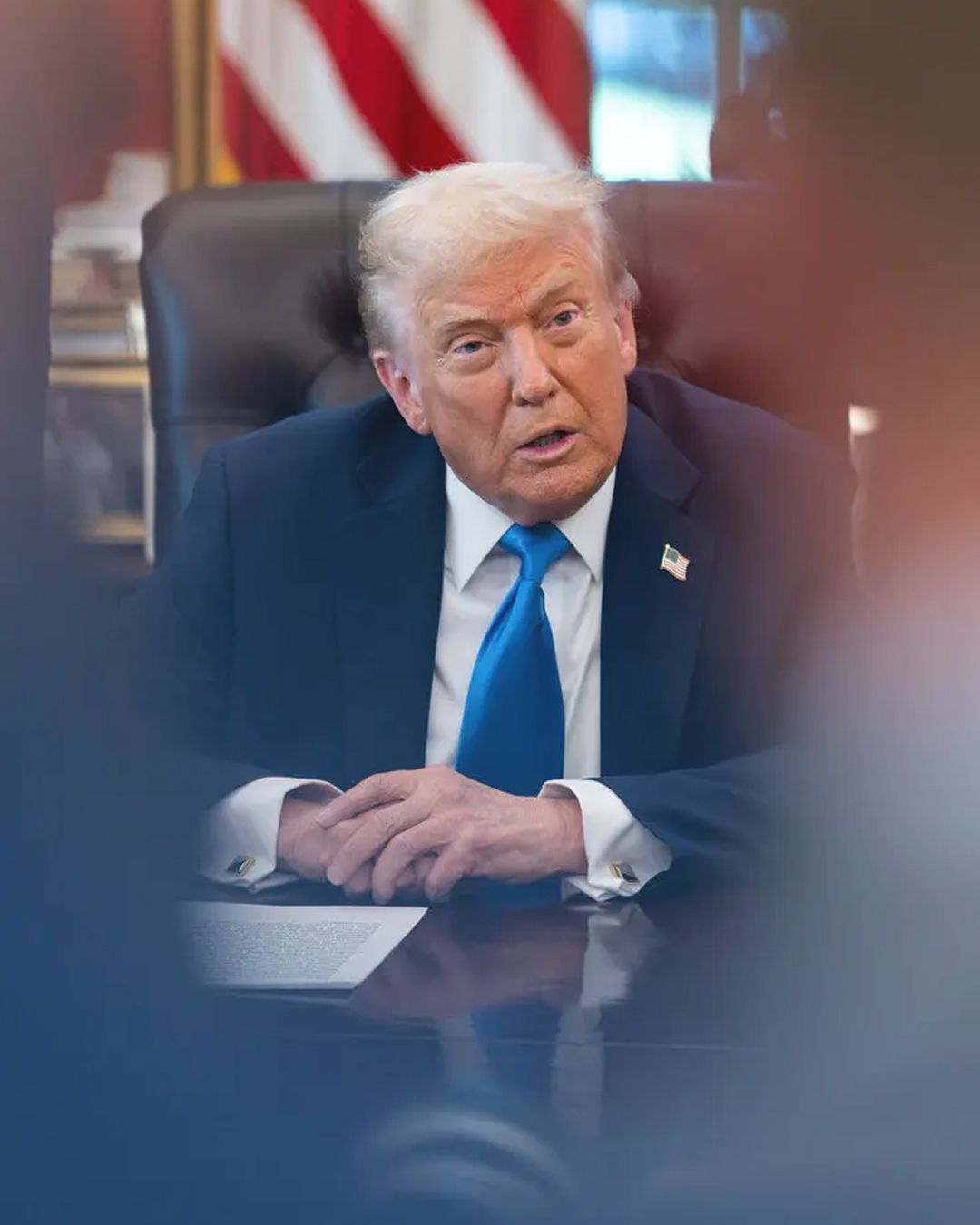
What is "Trump-Speak" and why does it continue to spark debate This is not the right historical moment for Trump’s aggressive and erratic statements
A few years ago, as reported by the New York Times, Trump explained to his collaborators that, to communicate effectively, one should, in his view, imagine each political day as if it were an episode of a television series, with a continuous sequence of plot twists capable of keeping attention high. This communicative approach – which, on closer inspection, Trump has been using for some time – explicitly derives from a model coined by his former political strategist Steve Bannon, who said about it: «The media are stupid and lazy, they can focus on only one thing at a time. So all we have to do is flood them [with statements]. Every day put out three different things. They will latch onto one, but we will push forward only the other two. And we will do this every day. Bang, bang, bang!».
In this perspective, many of Trump's statements – even the most controversial and aggressive – do not always have a real political purpose, but rather fall within a communicative strategy designed to saturate public debate and disorient opponents. This was recently discussed by the Japan Times, one of Japan's main English-language newspapers, describing this approach as «Trump-Speak» and warning the country's leaders.
Should we take Trump less seriously?
We’re winning too much.
— Xavier Ortiz (@Ortix008) February 25, 2026
We’re not used to it. pic.twitter.com/HmfowHnc0I
As highlighted a few years ago by the YouTube channel Nerdwriter1, which analyzed a typical response given by Trump during a talk show, the U.S. president has a habit, in his statements, of using short sentences and simple but impactful terms – intended to resonate with a less-educated audience, it is believed. Not infrequently, he also addresses the reader or listener directly, with communication techniques somewhat akin to a salesperson.
Over the years, Trump's communication style has become so hyperbolic and at times bizarre that many institutions have ended up adapting to this register. In various diplomatic contexts it seems even the idea has spread that his statements should not be interpreted strictly literally. The European Union itself – the main ally of the United States – has progressively learned to manage this type of communication, in many cases downplaying and minimizing the threats made by Trump.
Macron’s criticisms of Trump’s statements
@cnn French President Emmanuel Macron hit back at President Donald Trump for the war in Iran and his criticisms on NATO. "When we want to be serious, we don’t say each day the opposite of what we said the day before," Macron said on Thursday during his visit to South Korea. "Perhaps we don’t need to speak every day." #CNN #News original sound - CNN
Regarding the crisis in the Middle East, the French president Macron directed rather explicit criticisms at Trump and his way of communicating in such a delicate geopolitical phase — a relatively rare stance among foreign leaders, who typically avoid explicit positions toward the United States.
During an official visit to South Korea, Macron commented in front of journalists on Trump’s numerous contradictory statements regarding the conflict in Iran: «When it gets serious, you don’t say the opposite of what you said the day before every day, and perhaps you shouldn’t speak every day», he noted. Additionally, regarding Trump’s threats to question the U.S. commitment to NATO, the military alliance between European and North American countries for collective defense, Macron added: «If every day you question your commitment, you end up emptying it of meaning».
What to read next
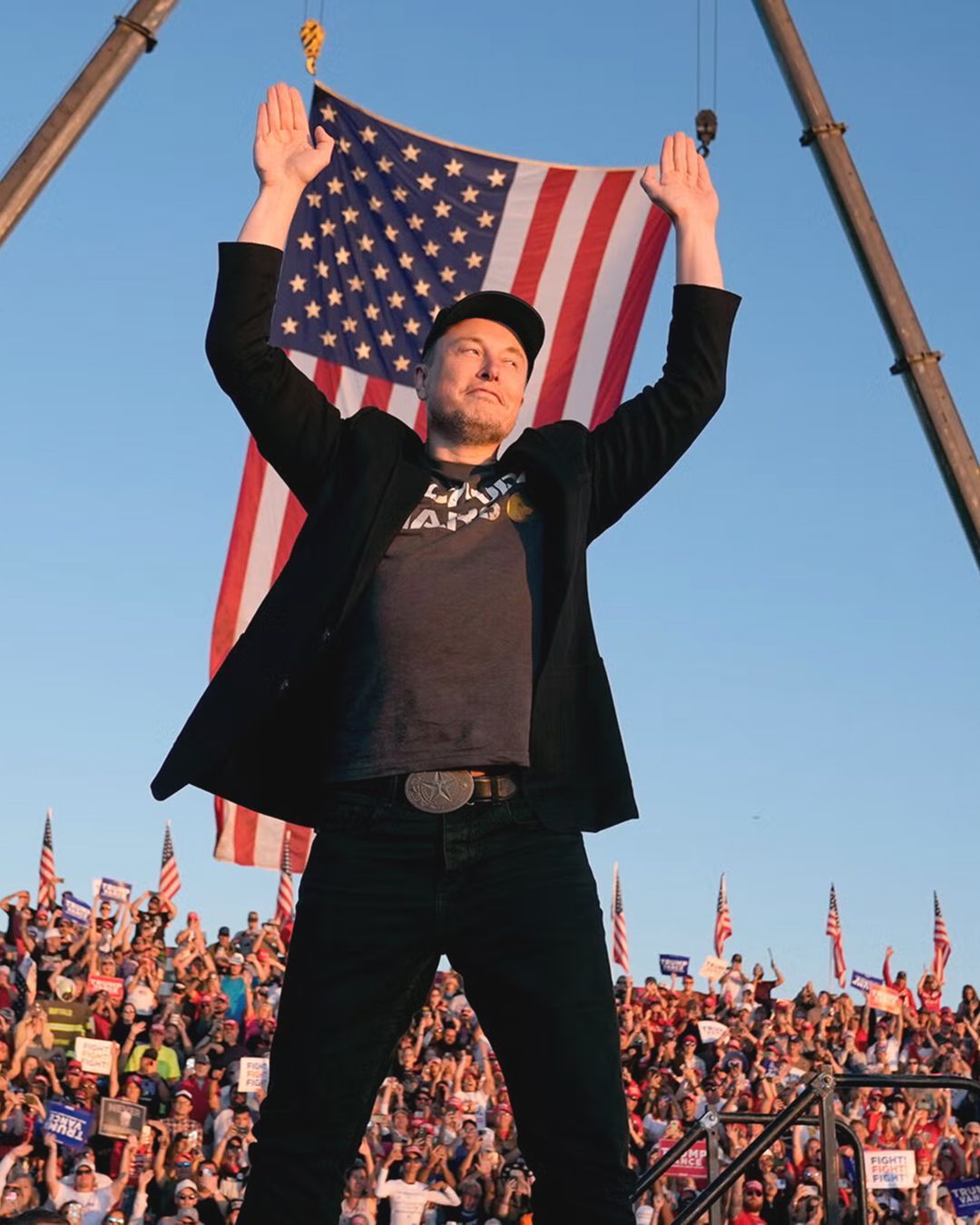
Everything you need to know about the Elon Musk documentary
Directed by a highly experienced filmmaker, it has already been criticized by the founder of Tesla and SpaceX
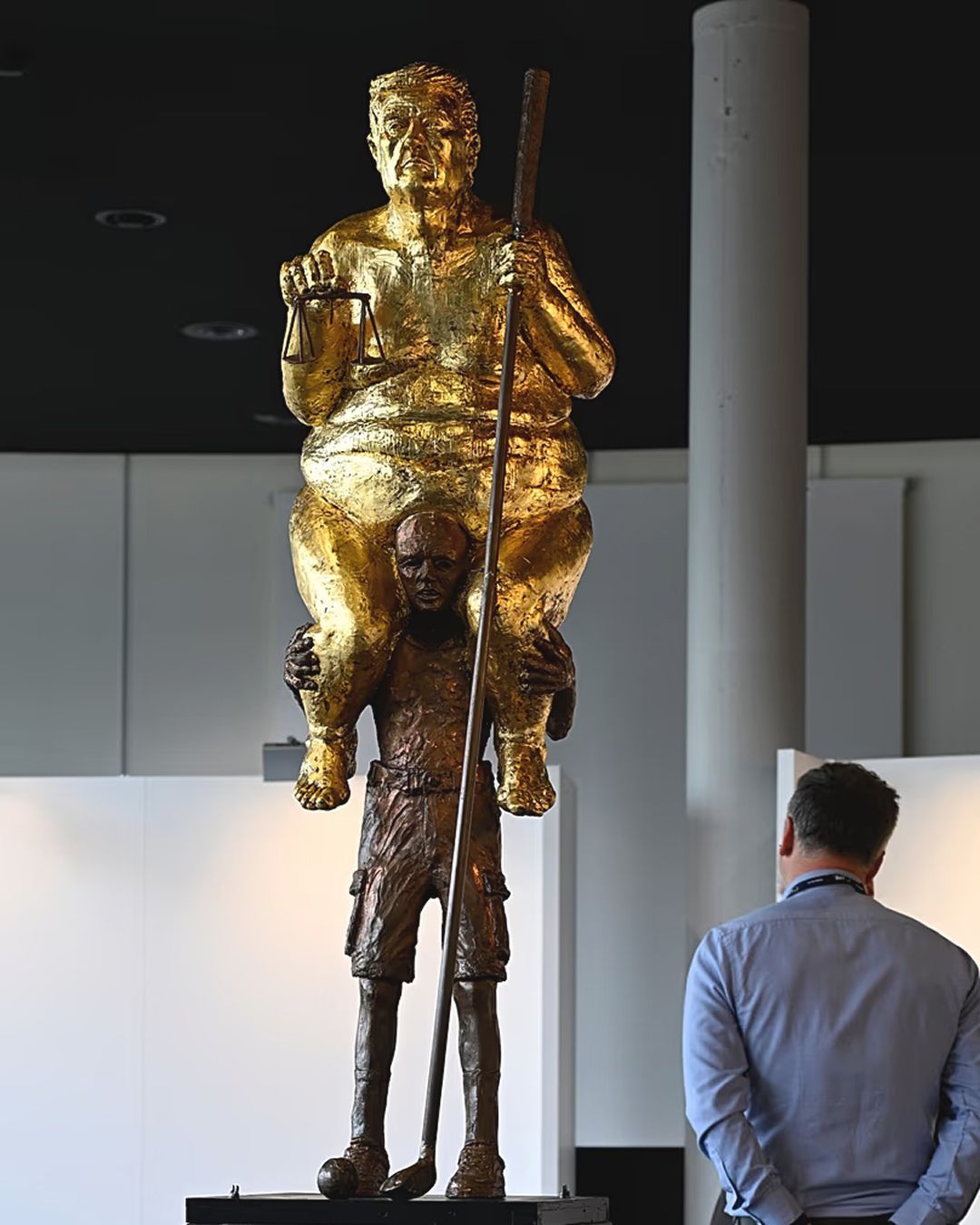
Why was a naked Trump golden statue displayed at the European Parliament?
It's called "The Orange Plague" and is the latest work by Danish sculptor Jens Galschiøt
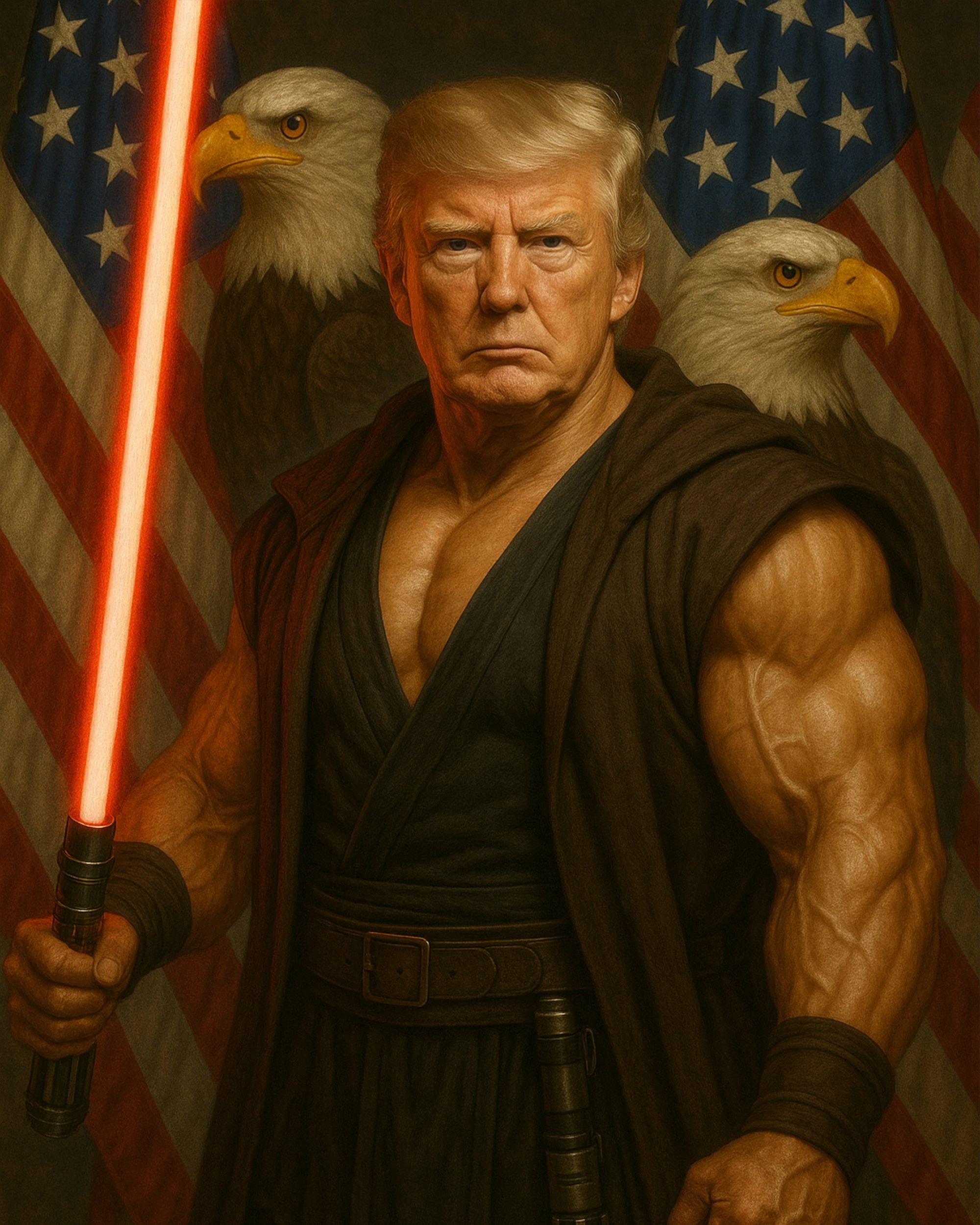
Why are there so many AI political propaganda videos?
We asked Donatella Della Ratta, communication professor at John Cabot University