


































The record set by ‘La Bola Negra’ at the Cannes Film Festival The duo Javier Calvo and Javier Ambrossi have taken the Croisette by storm, but what is the film like?
La Bola Negra has broken a record at the Cannes Film Festival. According to reports, the film in competition written and directed by Javier Calvo and Javier Ambrossi, known as Los Javis, ended with twenty minutes of applause in the Grand Théâtre Lumière hall where it was presented in premiere. The directors and the cast were present at the première, with Penélope Cruz seated nearby given her small role in the film, who was moved during the ovation.
Certainly a touching moment, one of the emotional peaks of the 79th edition. We therefore do not want to break the idyll even though we do not see in Calvo and Ambrossi’s title the next Palme d’Or, which if they were to achieve it would be consistent with the reception received during the film festival, as well as deserved for the commitment put into the creation of a multi-narrative film that is divided into three levels, mixing the present, the past and art.
What is the film about?
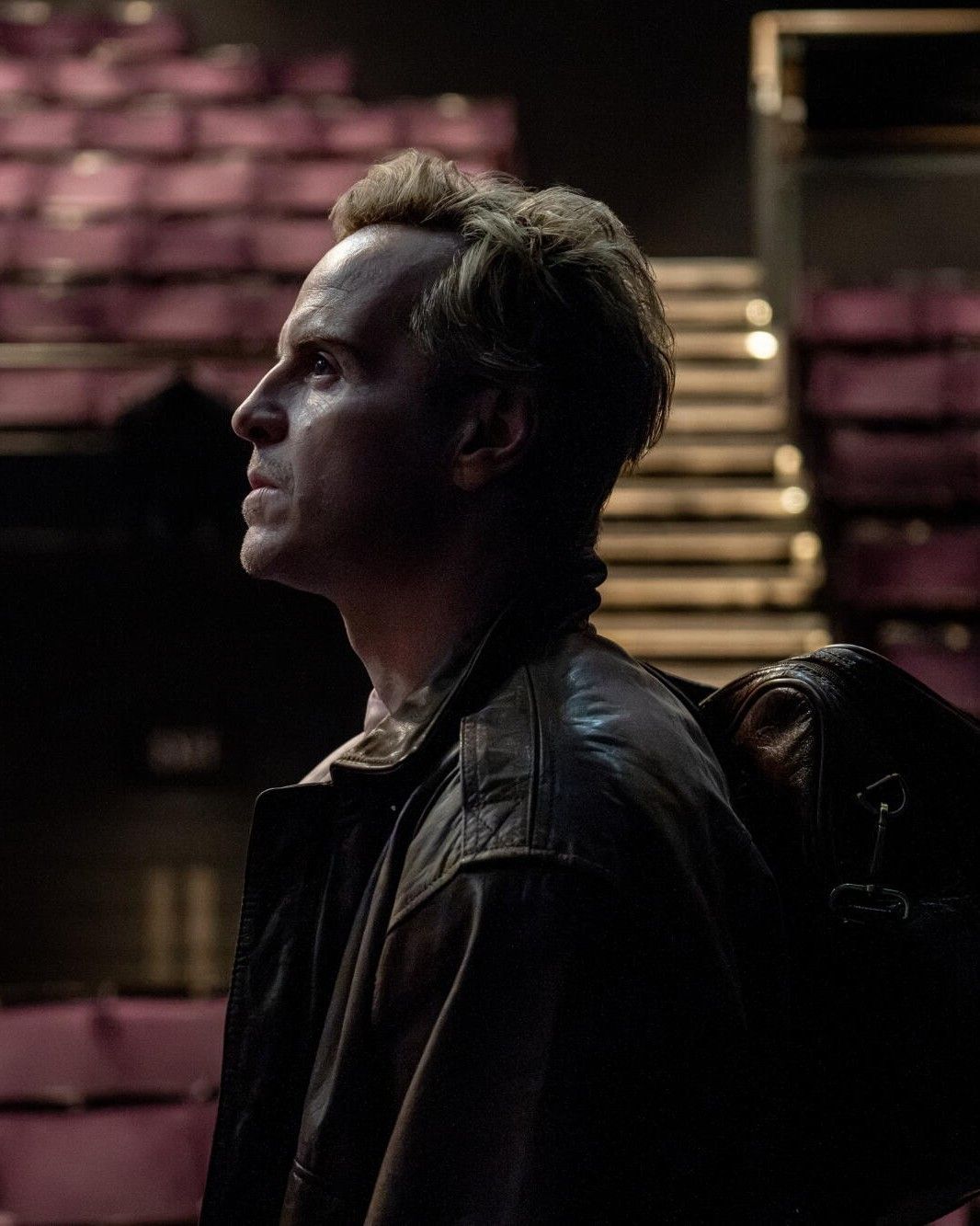
The work is freely inspired by the work of Federico García Lorca, also titled La Bola Negra. Three narrative lines about a soldier in Spain divided by the Civil War in 1937, a playwright with a conflictual relationship with his mother in 2017, and a third character who lives in the imperishable folds of literature, placed in a certain historical period, but whose power is to transcend time in order to always speak to everyone and about everyone. The common thread of the characters is a homosexuality experienced in a conflictual way, with the destinies of the three men marked and intertwined.
A very different panorama from the Spain we have in mind today, among the countries that have embraced the essence of queerness. A place, that of La Bola Negra, that takes us back to a time when many stories remained unheard or hidden, condemned by the era to silence and dissolve. From here comes the importance of the film as memory; to tell the transmission of the lives and knowledge of those who loved but could not do so freely, seeking to find a trace that can reach us.
But why was it so well received?
@enzopelusoo Penélope Cruz gets emotional during the standing ovation for La Bola Negra by Javier Ambrossi and Javier Calvo. Do we have the Palme d’Or winner? #cannes #cannesfilmfestival #penelopecruz #movie #spain audio originale - enzopelusoo
Starting from a serial phenomenon like Veneno, the portrait of the transgender diva Cristina Ortiz Rodríguez, what one could expect from Los Javis was a more explosive work than La Bola Negra, whose structure is quite classic, which drew heavily from the stories and novels of the 20th century to make them a cinematic incubator. A traditional narrative followed by an equally traditional staging, whose inner turmoil is directly proportional to the pathos that the stories of the last century are capable of arousing. An influence that is still reflected today in literature and the cinematic medium, which the two directors and screenwriters wanted to use in the most ritualistic way possible.
This required grand settings and great trepidations, to which the fact of being a costume drama contributes even more by pumping up the melodrama. In which the various jumps between one storyline and another do not always happen in the most fluid way, but which overall convey the fascination for the events that dotted the 20th century, in which everything seemed to be lived with more passion and for this reason there are still echoes that resonate into modernity. A work that would have benefited from a bit more restraint, a rigor sometimes forgotten, which Calvo and Ambrossi prefer to replace with emotion, but which would not have hurt the overall effect of La Bola Negra and, on the contrary, would have made its content more incisive.
An overly intense melodrama?
LA BOLA NEGRA: Queer Spanish historical drama from first-time feature directors Javier Calvo and Javier Ambrossi has impressive sweep, but the broom has too many bristles. Three timelines tangle around poet Federico García Lorca's imagined lost novel, spanning a 1932 Granada… pic.twitter.com/SigoXWlUJh
— Peter Howell (@peterhowellfilm) May 21, 2026
Literature and History indeed enter existence with sometimes too heavy a burden. The directors, however, know how to blend and soften this weight. This is how it is with the sensitivity of the characters that the viewer ends up interacting with. One grants oneself the vision of a film that wants to tell the role of art and the way it inserts itself, unexpectedly, into the nuances of everyday life. Javier Calvo and Javier Ambrossi cannot contain it and do not even want to. Instead, they prefer to follow their protagonists, see where they will go and what fates they will draw, all ultimately intertwined.
With a desire for magniloquence and almost operatic care (especially when returning to the 1930s or confronting the literary-theatrical imaginary), La Bola Negra is too long as are almost all contemporary films and, this, determines a dilation that, in return, is filled with melodrama (and therefore in this case with heart) in every sequence.
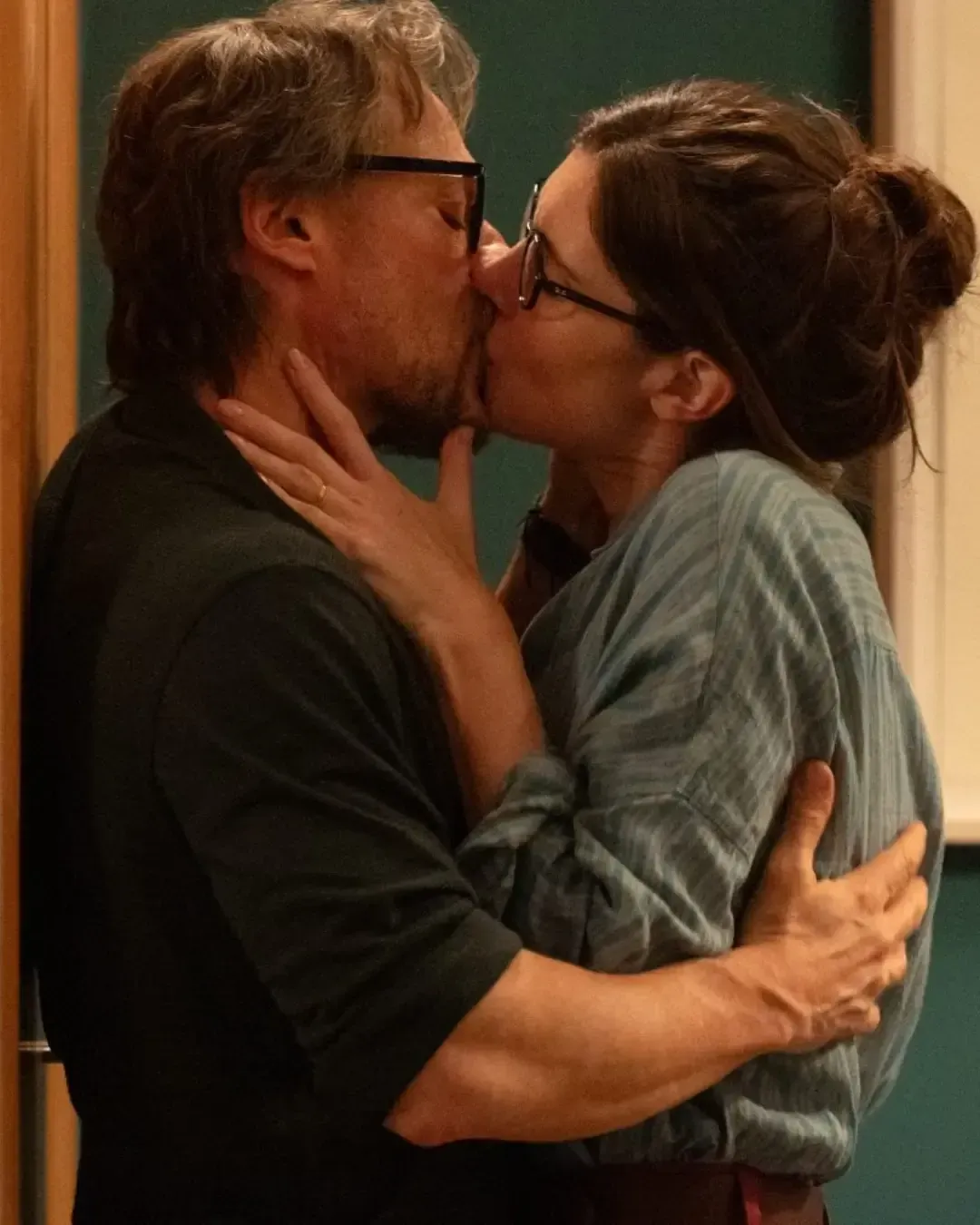
A reasoning with emotion and not with the rationality of writing, which can be a flaw, but in which the audience might find an honesty so passionate and sincere as to forgive it. As one ultimately forgives anything to love. Because La Bola Negra speaks only of this: of the love that is felt and reverberates through time, until it reaches an entire hall at the Cannes Film Festival.
What to read next

There is a scene in El ser querido that explains how the world is changing
The film is directed by Rodrigo Sorogoyen and stars Javier Bardem and Victoria Luengo

Our thoughts on "VisionQuest", the new Marvel series on Disney+
Paul Bettany once again plays Vision, although this is not the same character from the films of the cinematic universe
5 trends that Trainspotting anticipated Back in 1996
There is much more to the film than the famous Helmut Lang tank top