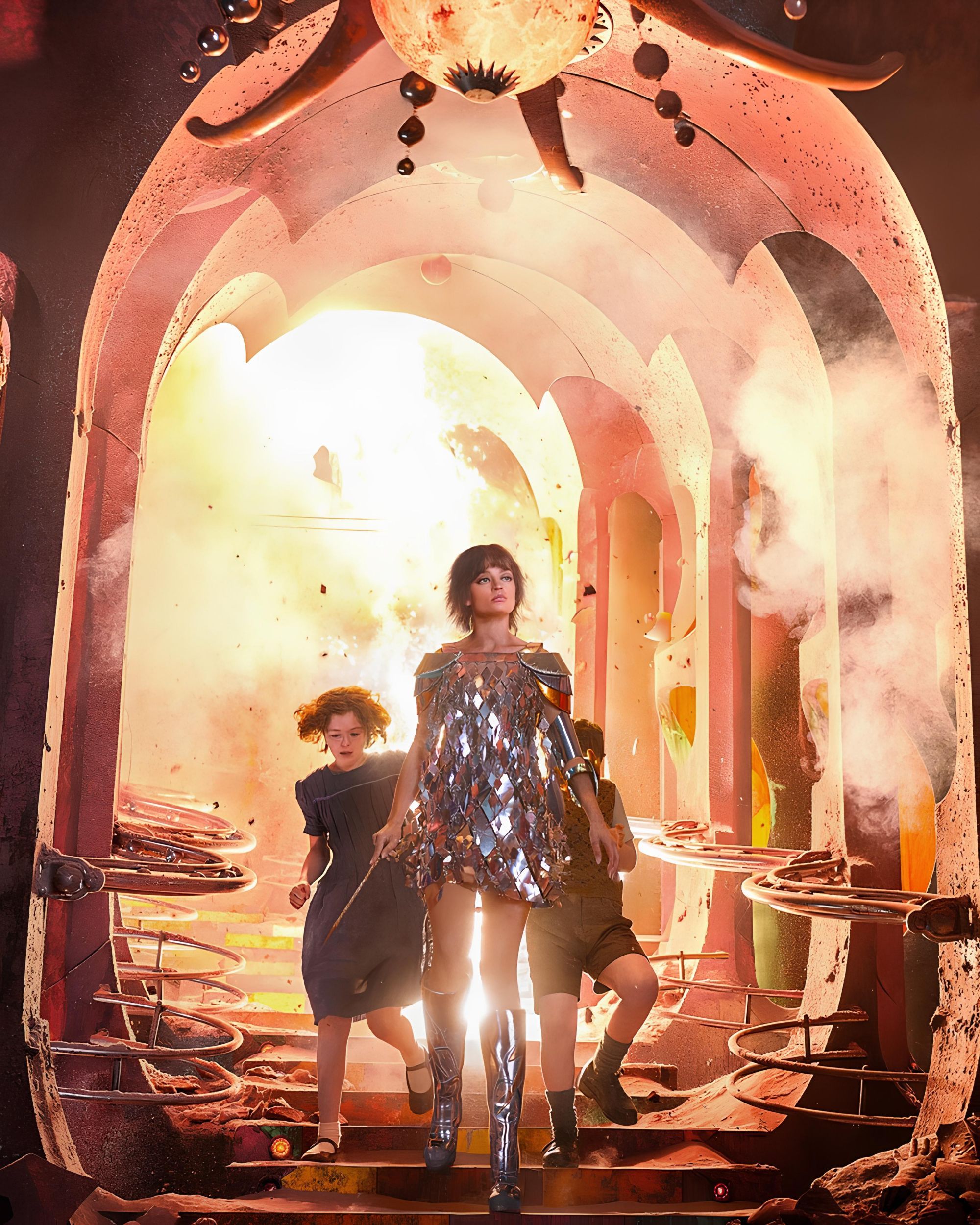








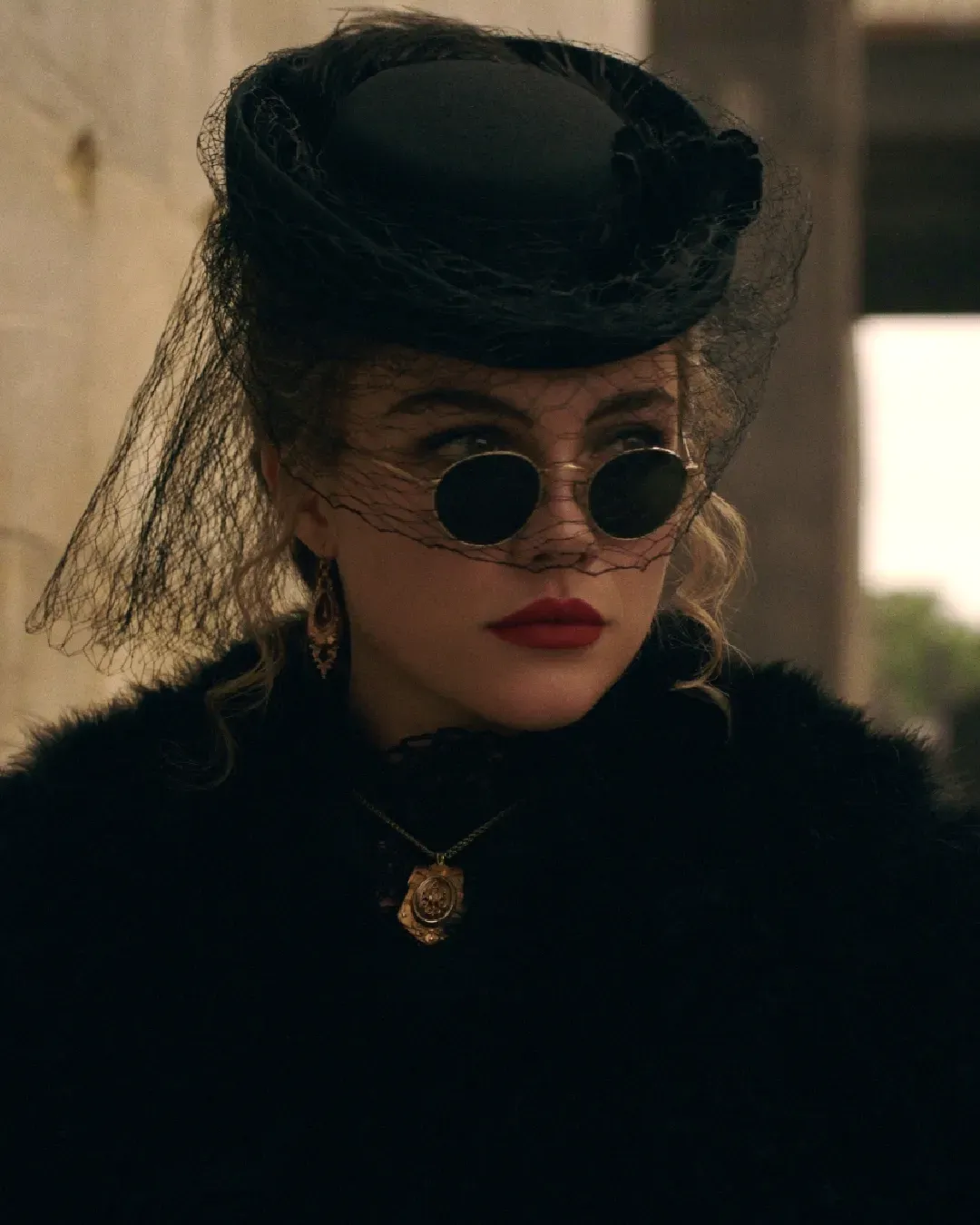




















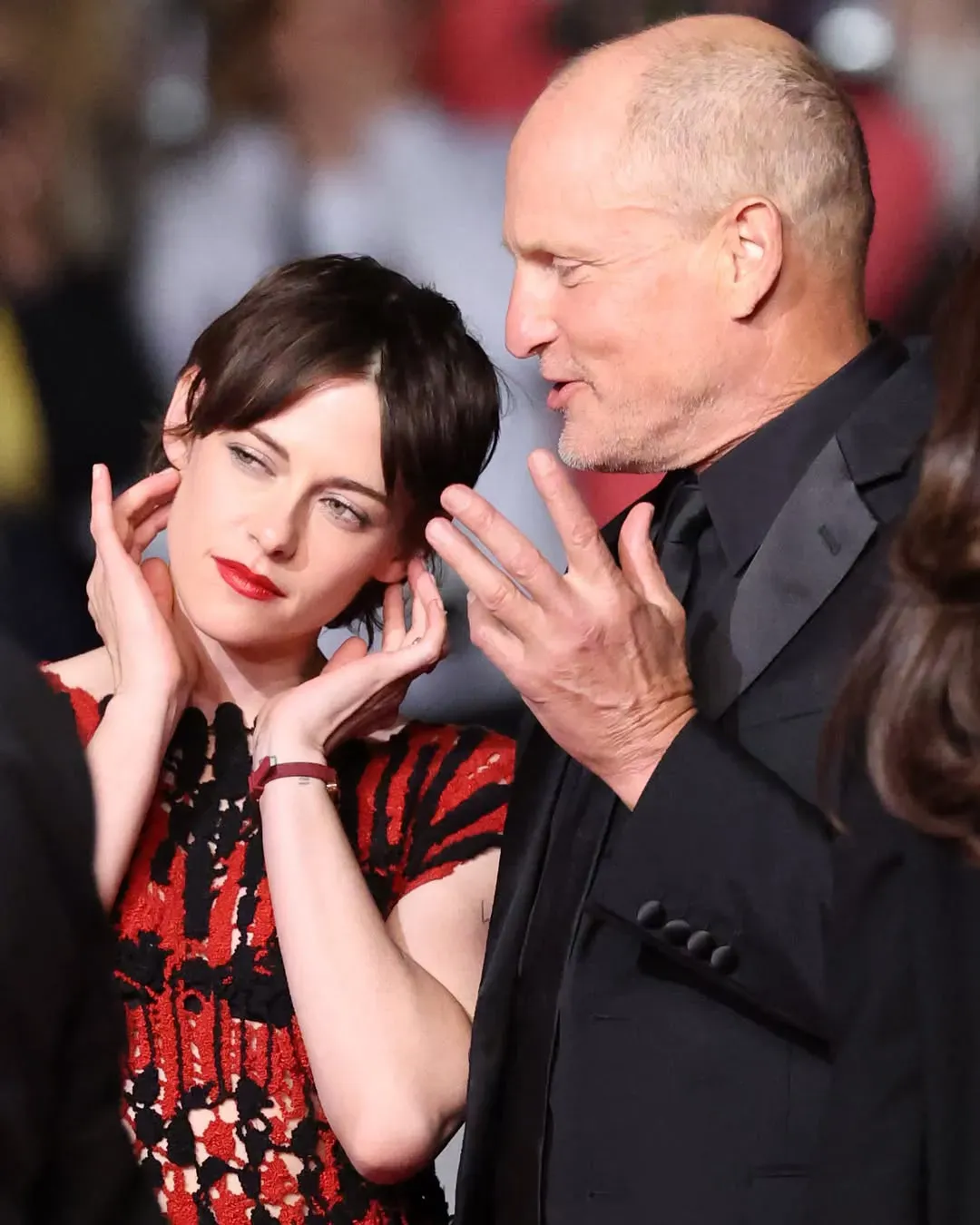
Quentin Dupieux tackles the issue of anger in “Full Phil” Kristen Stewart and Woody Harrelson are father and daughter in a surreal tale about anger and the need for reconciliation
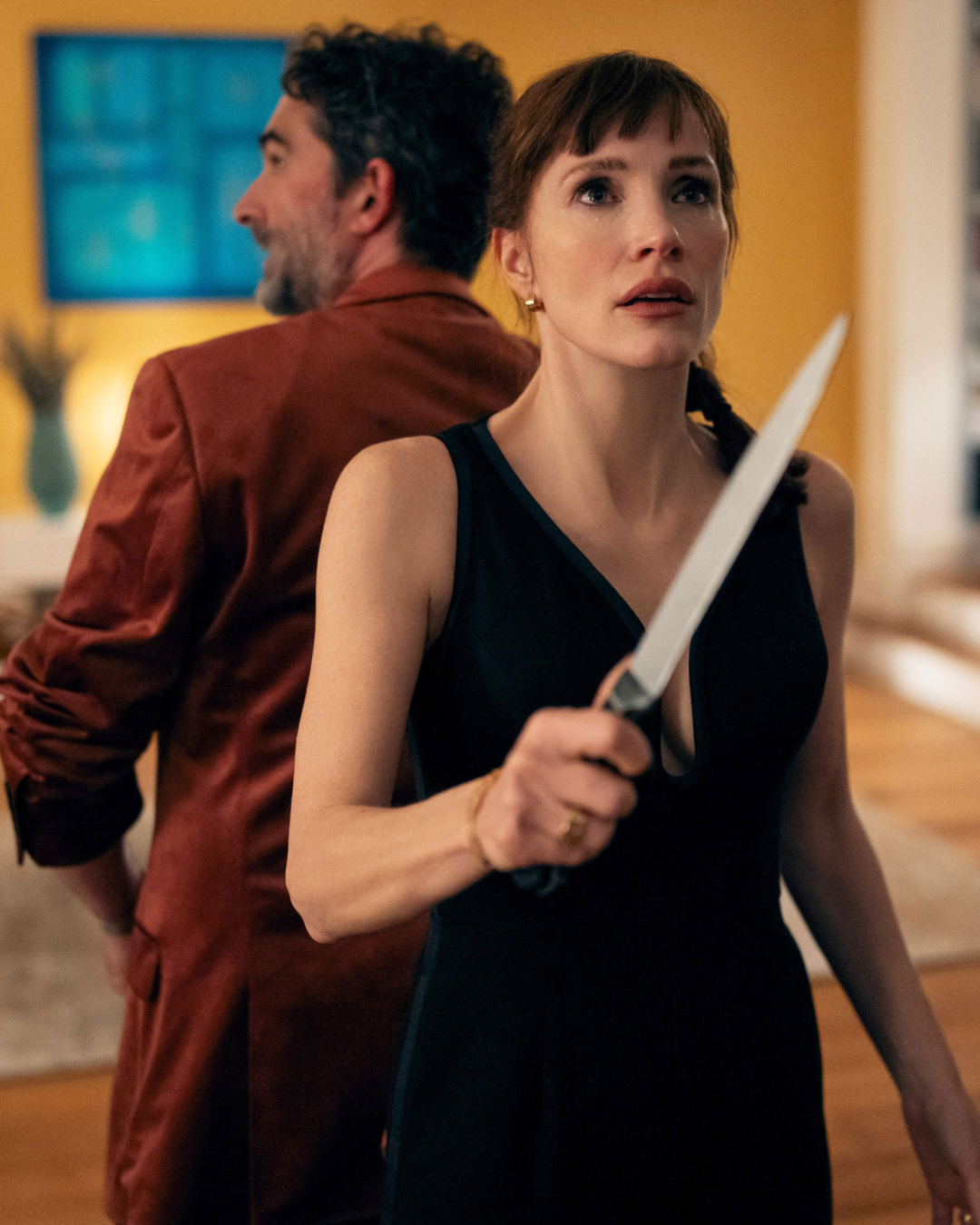
In Quentin Dupieux’s Full Phil, stars Kristen Stewart and Woody Harrelson have incredible chemistry. In the film, they are a father and daughter trying to reconnect with one another: or rather, it is the parent who attempts to rebuild their relationship by taking the young woman to Paris and renting the most expensive and luxurious suite in their hotel. The results, however, are nowhere to be seen: Stewart seems distracted and interested only in eating while watching old films, while the man is accused of incubating a dangerous and unhealthy anger that could eventually make him explode.
In this hybrid between French auteur cinema and an international cast, presented out of competition at the Cannes Film Festival, Dupieux continues his prolific career by delivering a new title that, exactly like the rest of his filmography, is more of an experiment within a larger project. Another piece of a mosaic in which the auteur uses the medium as if he were a toymaker, amusing himself by disrupting plans and creating Chinese boxes where he can apply the concepts of the surreal to the cinematic medium, outlining his vision as a filmmaker. A modern pioneer, who has managed to turn the grotesque into a recognizable trademark, even though it differs each time from his previous work. A body of work through which it is possible to define the French director’s unique personality, capable of applying the absurd and the uncanny, the known and the unknown, all at once.
Woody Harrelson, Emma Mackey, Charlotte Le Bon et Kristen Stewart sont à #Cannes2026 pour la présentation du film "Full Phil" de Quentin Dupieux pic.twitter.com/Pp0xKLuBt6
— Jeremy M. (@JeremyMingot) May 16, 2026
With Full Phil, he does so by using very few locations in the main plot, letting himself wander more freely when the work delights in restaging a fake old film from the past about a half-man, half-fish creature that recalls Creature from the Black Lagoon. A film within the film, two stories connected by nothing: and this, in a Dupieux work, is one of the most fascinating things — the possibility of not necessarily having to find a logical meaning in the suggestions the author brings together; allowing oneself to be convinced that it makes perfect sense for what happens in the film not to have to make sense.
While the black-and-white images of the fictional cult movie play on a small portable player within a real life that is nevertheless paradoxical, the protagonists of Full Phil confront each other while skating along the very thin line of irascibility, an increasingly common theme in contemporary stories, especially when it comes to wanting to soothe it until it is extinguished. If, in the hotel room that serves as the film’s set, Harrelson’s character is under observation for his reactions, on the streets of Paris the situation is truly out of control: as dangerous as the feverish city in Ari Aster’s Beau Is Afraid, which contextualizes the creeping feeling of restlessness that the present throws at us and that the characters will somatize in their own ways: some by eating, others by beginning to swell up.
Kristen Stewart, Woody Harrelson and the cast of “Full Phil” receive a pre-screening ovation at the film’s worldwide premiere at #Cannes. pic.twitter.com/9D5QC2Uij4
— Variety (@Variety) May 16, 2026
A cause and effect that act with (in)coherence within the eccentricity of Full Phil, which becomes a form of shock therapy from which there is no escape, just as it is impossible to slip away from the watchful eye of the curious hotel employee played by Charlotte Le Bon, who will monitor Harrelson’s actions. An ironic and irreverent fairy tale of the kind Quentin Dupieux knows how to write, from which everyone can draw their own moral.
What to read next
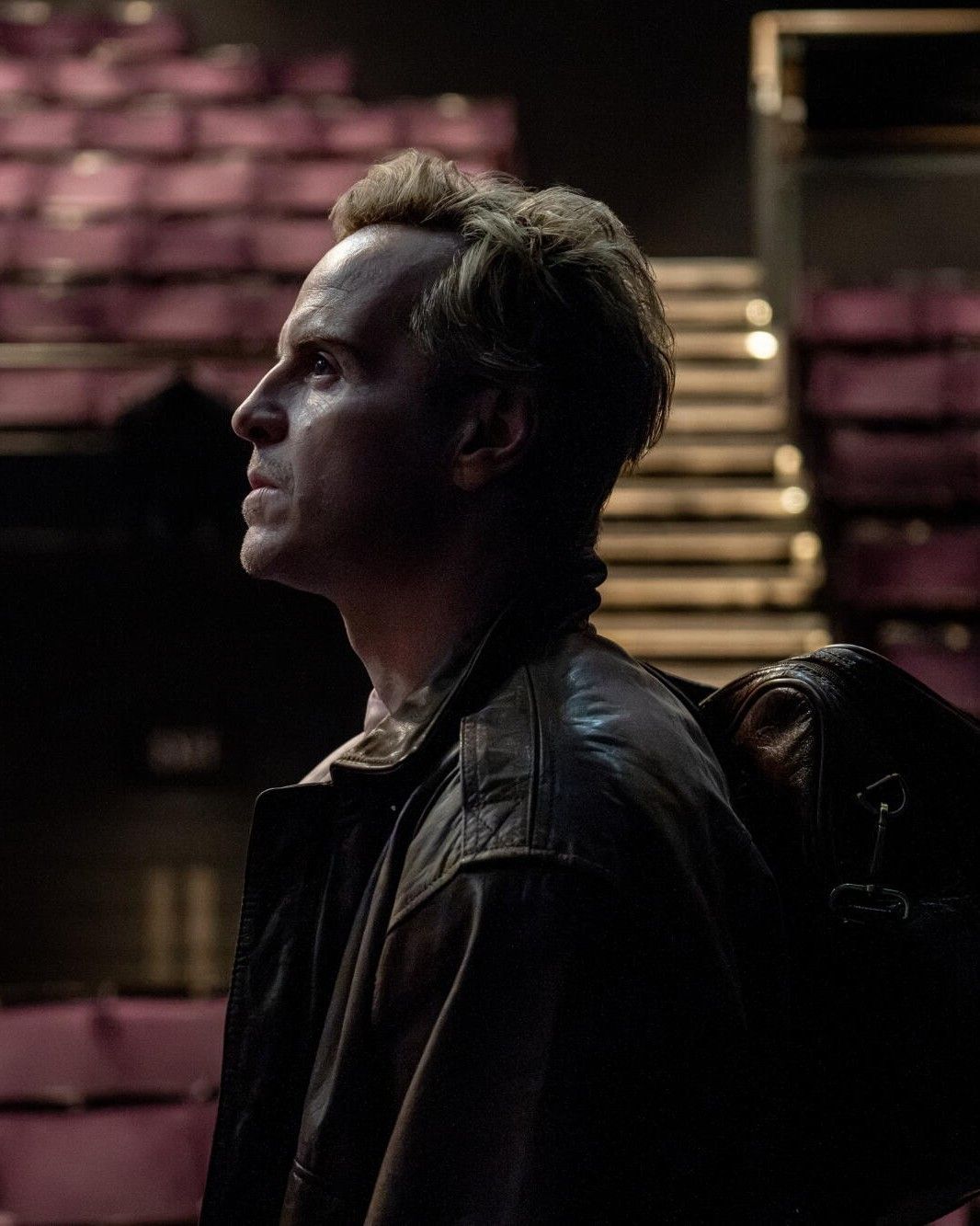
Andrew Scott gives the best performance of his career in "Elsinore"
Simon Stone's film tells the true story of actor Ian Charleson and his production of "Hamlet"
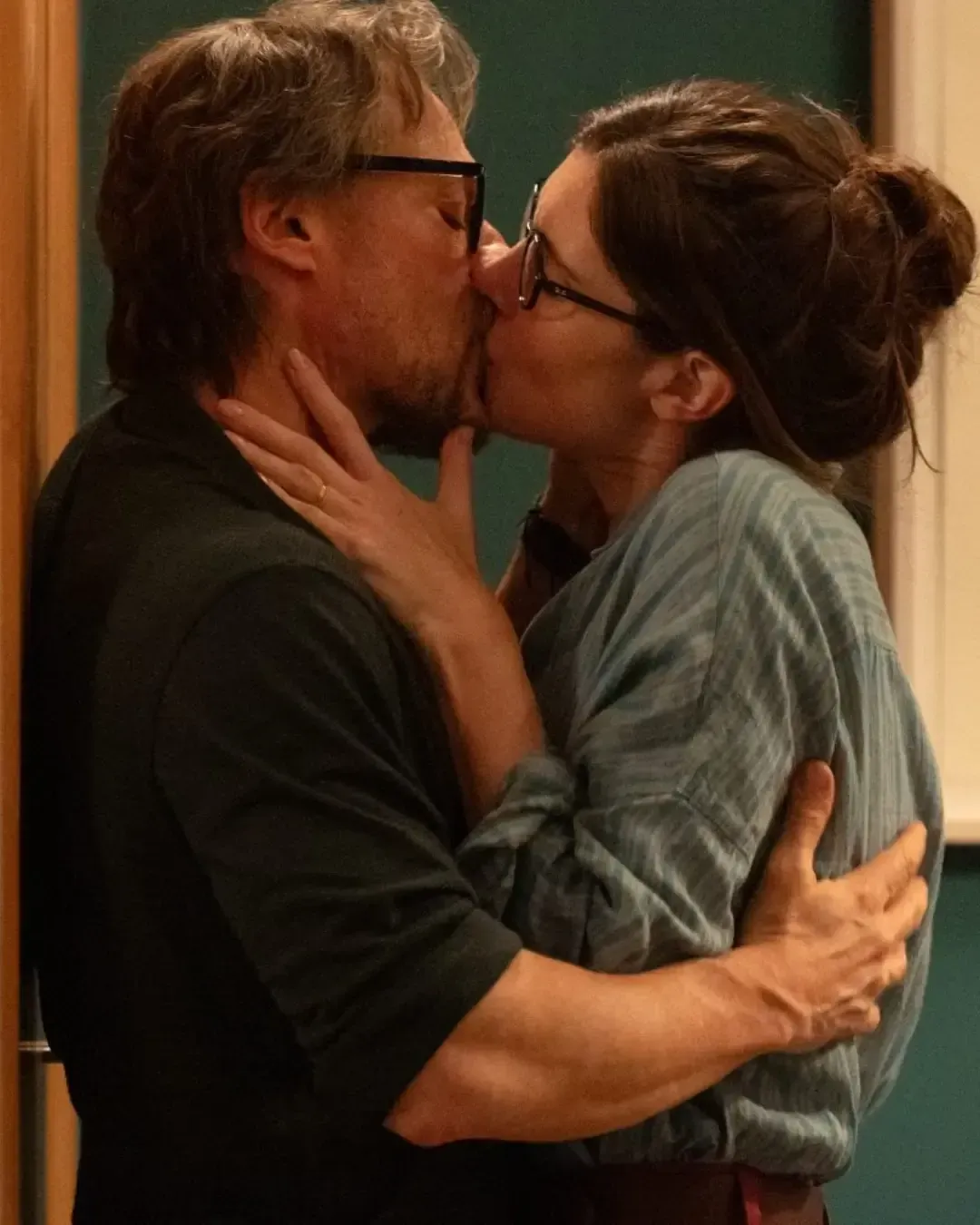
"Il rumore delle cose" by Paolo Genovese opens the 2026 Rome Film Festival
The film, adapted from Genovese's novel of the same name, is nonetheless the usual Italian drama

What does the return of “Girls” mean today?
Lena Dunham has announced a reboot of the cult series, here's why we're excited