






































Tech companies’ ‘cutewashing’ relies on adorable mascots But does it really reassure consumers?
For several years, major tech companies focused on rather minimal visual identities, characterized by essential logos, typography that was anything but maximalist, and, more generally, a very “clean” style of communication. Now, however, something seems to be changing. More and more big tech companies are introducing mascots to represent their services, especially those related to artificial intelligence. This is not a random choice: the goal is to make these technologies appear less cold in the eyes of consumers and convey a sense of greater accessibility.
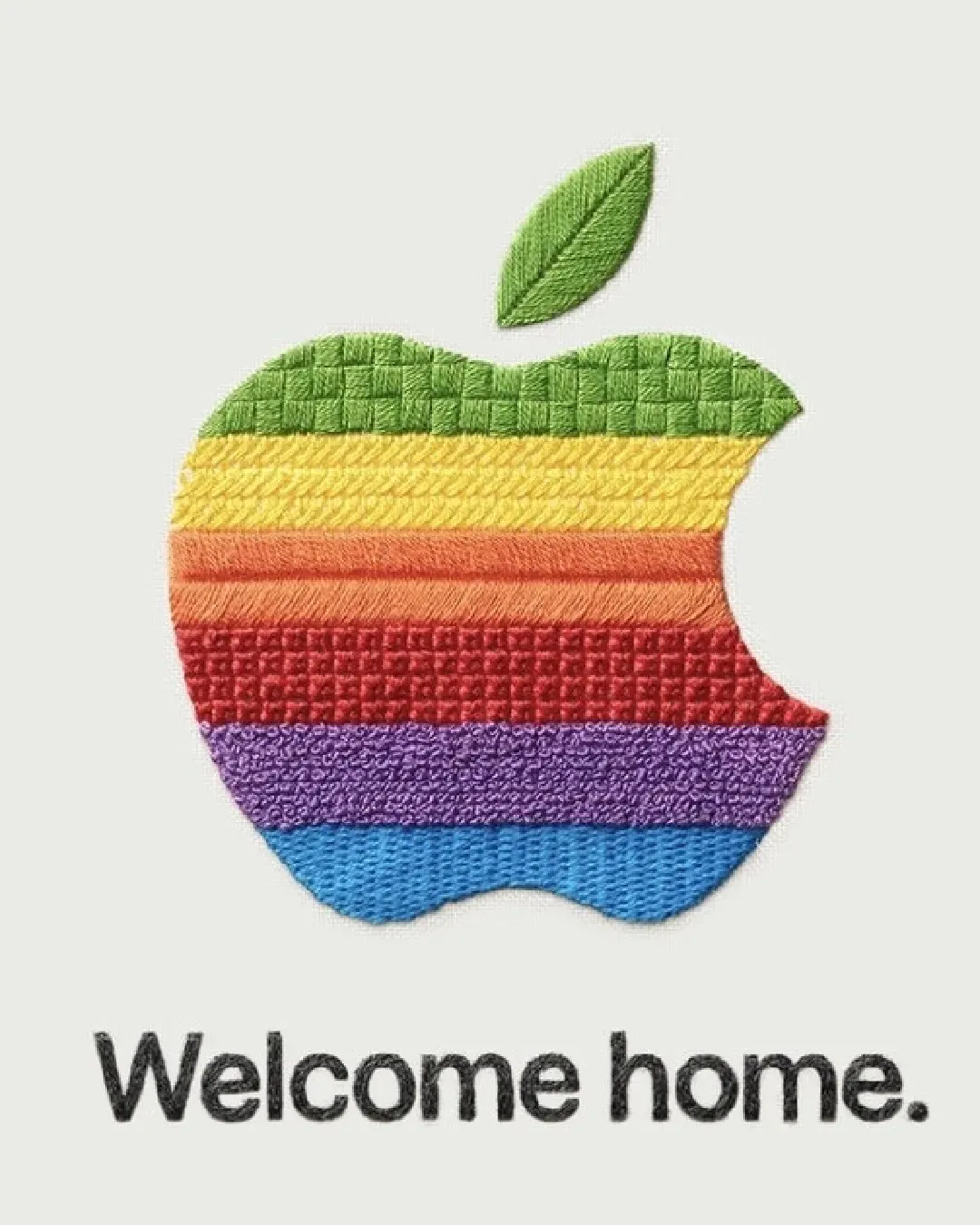
Microsoft introduced Mico, an animated character associated with its chatbot Copilot, while Apple has started using a small blue-and-white avatar in the content it publishes on social media. The avatar quickly became popular online thanks to its friendly and easily recognizable appearance, which recalls the identity of the Finder app on Mac.
Do big tech companies want to humanize technology?
In the field of branding, the return of mascots - long considered somewhat cheap visual solutions and typical only of certain contexts, such as the Olympic Games - also stems, and above all, from a matter of perception. More and more users view the many available digital services as excessively impersonal: in this context, the introduction of an animated character can help convey greater familiarity and make the user experience feel more immediate. More generally, technology companies are aware that a face, even an imaginary one, is remembered more easily than a traditional logo.
Mozilla has introduced a new non-binary mascot called “Kit.”
— Pirat_Nation (@Pirat_Nation) April 10, 2026
Kit uses they/them pronouns. pic.twitter.com/HKHSM1b58w
This trend does not only involve the creation of new characters. Google, for example, has decided to redesign the avatar of Android by allowing users to customize it however they like. Mozilla, the organization behind the Firefox browser, has also revamped its visual identity by using a mascot called Kit, which recalls the logo of its famous search engine. Likewise, Reddit recently made Snoo - the character already part of the company’s brand identity - more expressive and dynamic.
The issue with tech-mascots
The trend of introducing or updating mascots within the brand identities of tech companies is growing mainly thanks to the rise of conversational AI. Virtual assistants, chatbots, and voice systems are tools with which users increasingly interact directly through fairly natural linguistic exchanges: introducing an animated character in this context allows individual companies to make the entire user experience feel more “human”.
This aspect, however, raises some concerns. Several analysts speculate that figures of this kind may influence, more or less implicitly, the way people relate to individual artificial intelligence tools. In particular, a chatbot characterized by strong expressiveness could encourage the development of intense emotional bonds with some users, especially younger and more vulnerable individuals, with possible consequences that should not be underestimated.
@bigorous i know im late to this trend but hes silly #mecore #mecoded #clippymicrosoft #clippy #microsoft #silly #sillylittleguy original sound - B!!!!!!!
Other experts point out that, in some cases, mascots become so popular that they “break out” of their original brand identities and become one of the many characters of the Internet, for better or worse. This happened, for example, with Duo, the mascot of the language-learning app Duolingo, which over time became the subject of memes and highly viral ironic content, to the point of being perceived almost as an autonomous character independent from the service it still represents. The same happened in the past with Clippy, Microsoft Office’s paperclip-shaped virtual assistant: disliked from the very beginning for its insistence on offering unsolicited help at the least appropriate moments, Clippy eventually became a target of mockery, ultimately generating an almost nostalgic effect among users over time.