






















The winners of the 2026 Loro Piana Knit Design Awards have been announced The Swedish School of Textiles vince la decima edizione del più importante concorso internazionale di maglieria
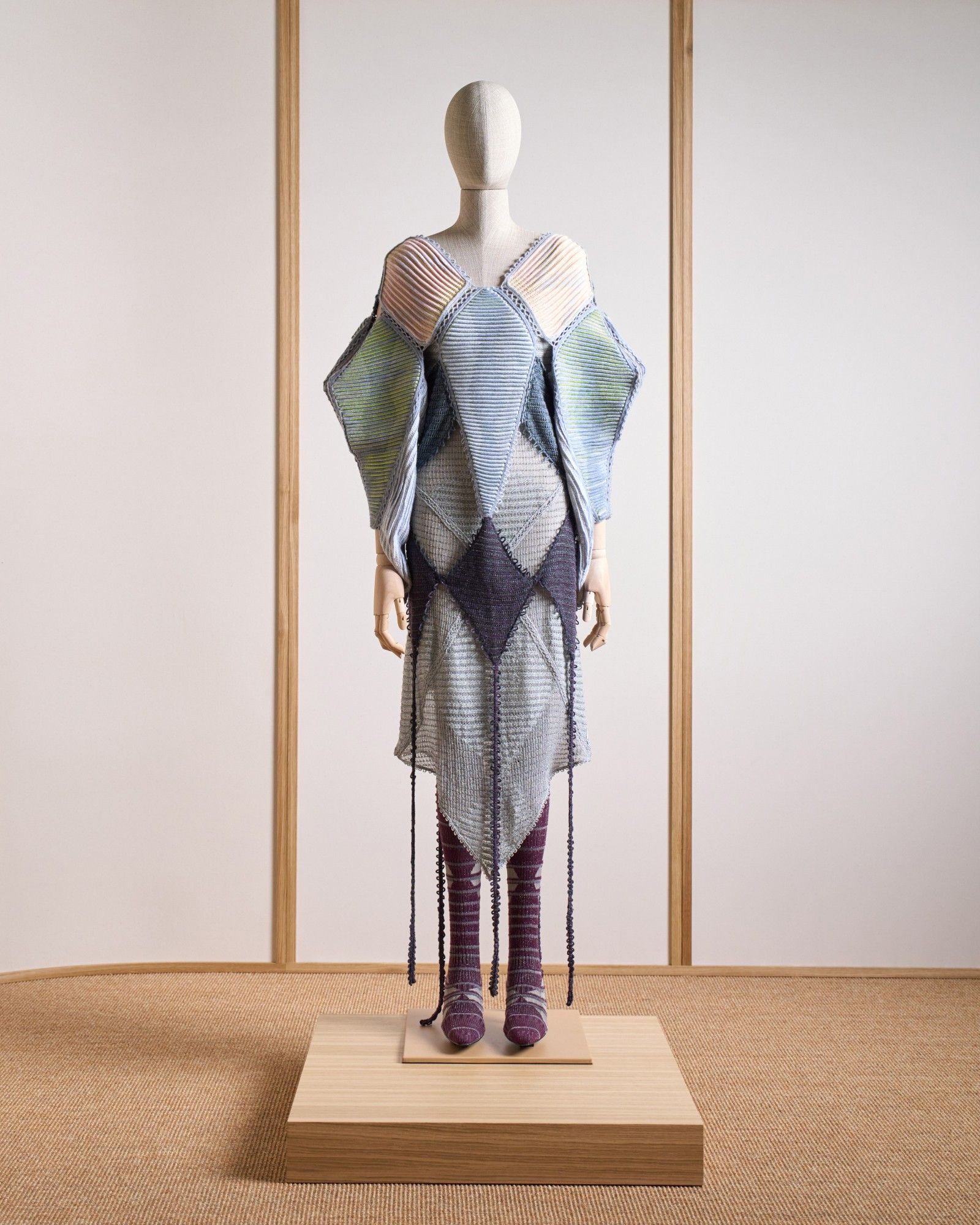
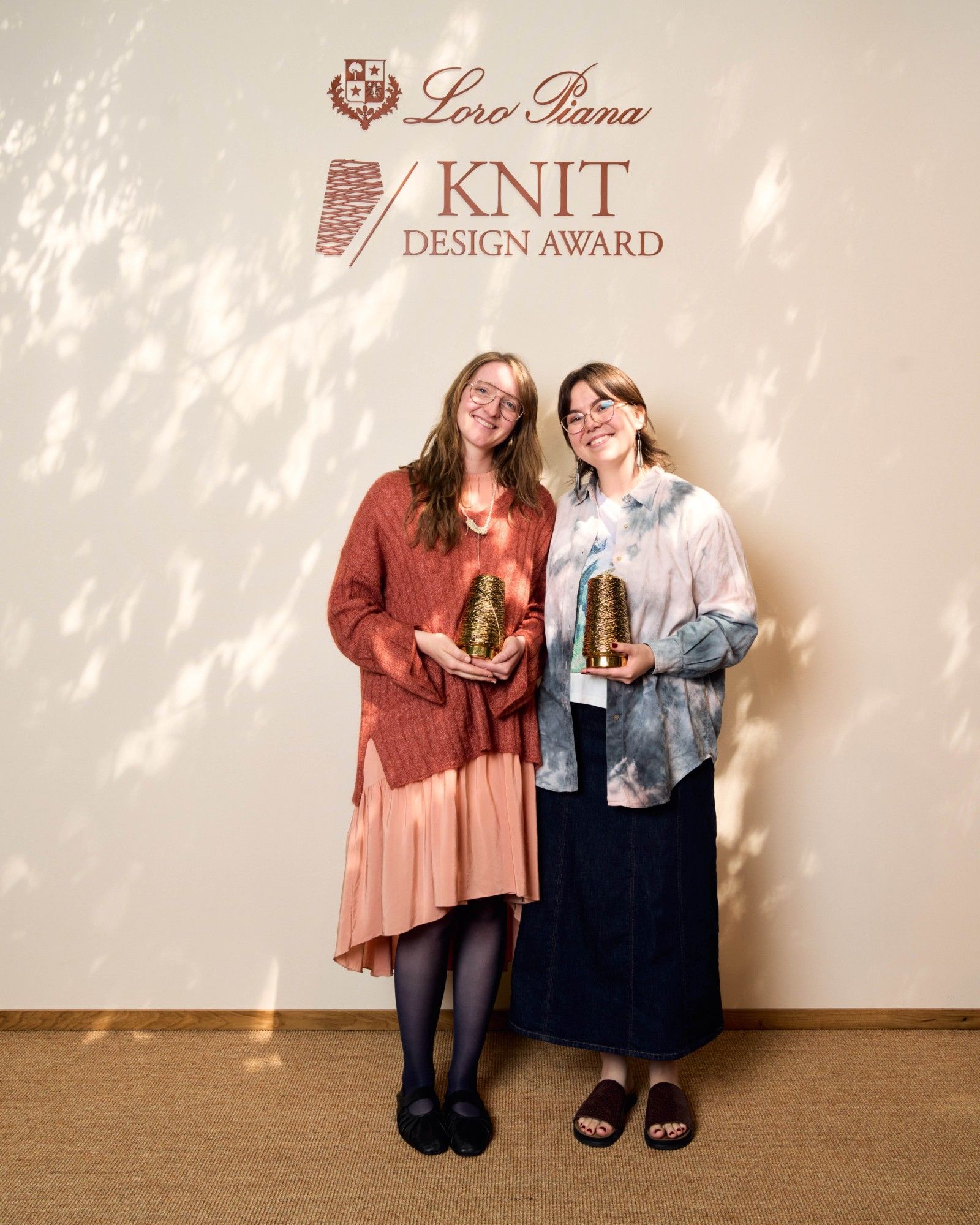
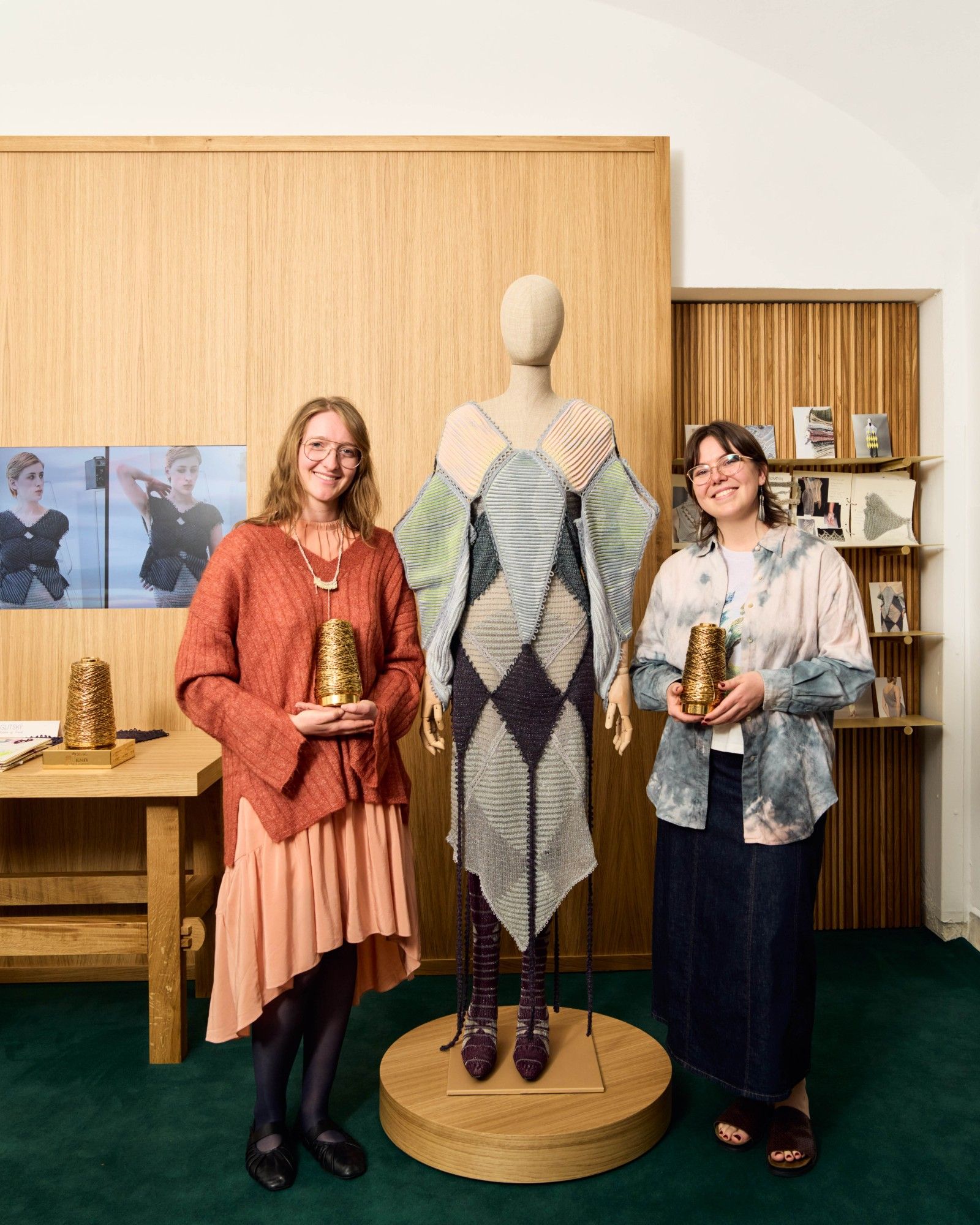
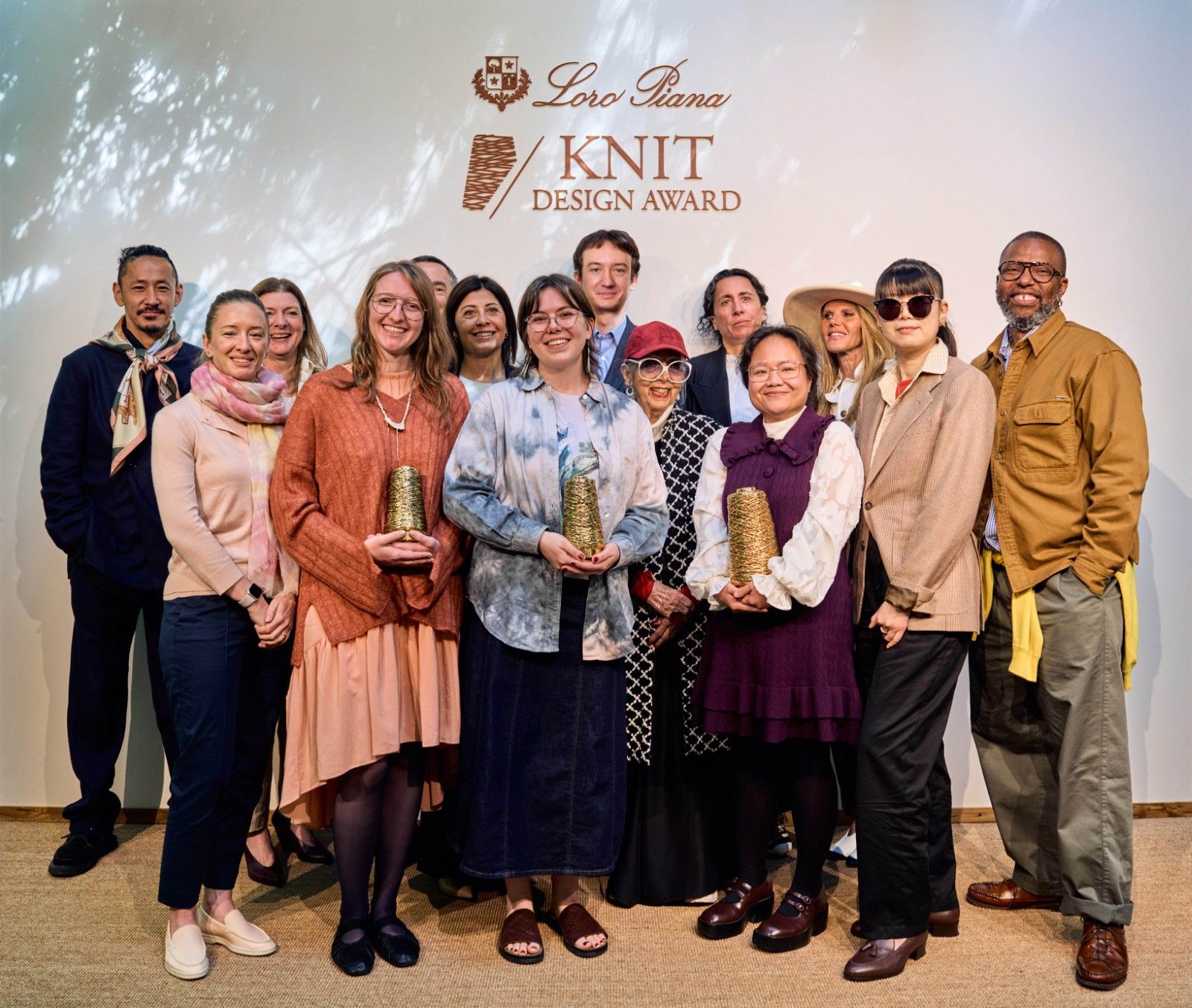
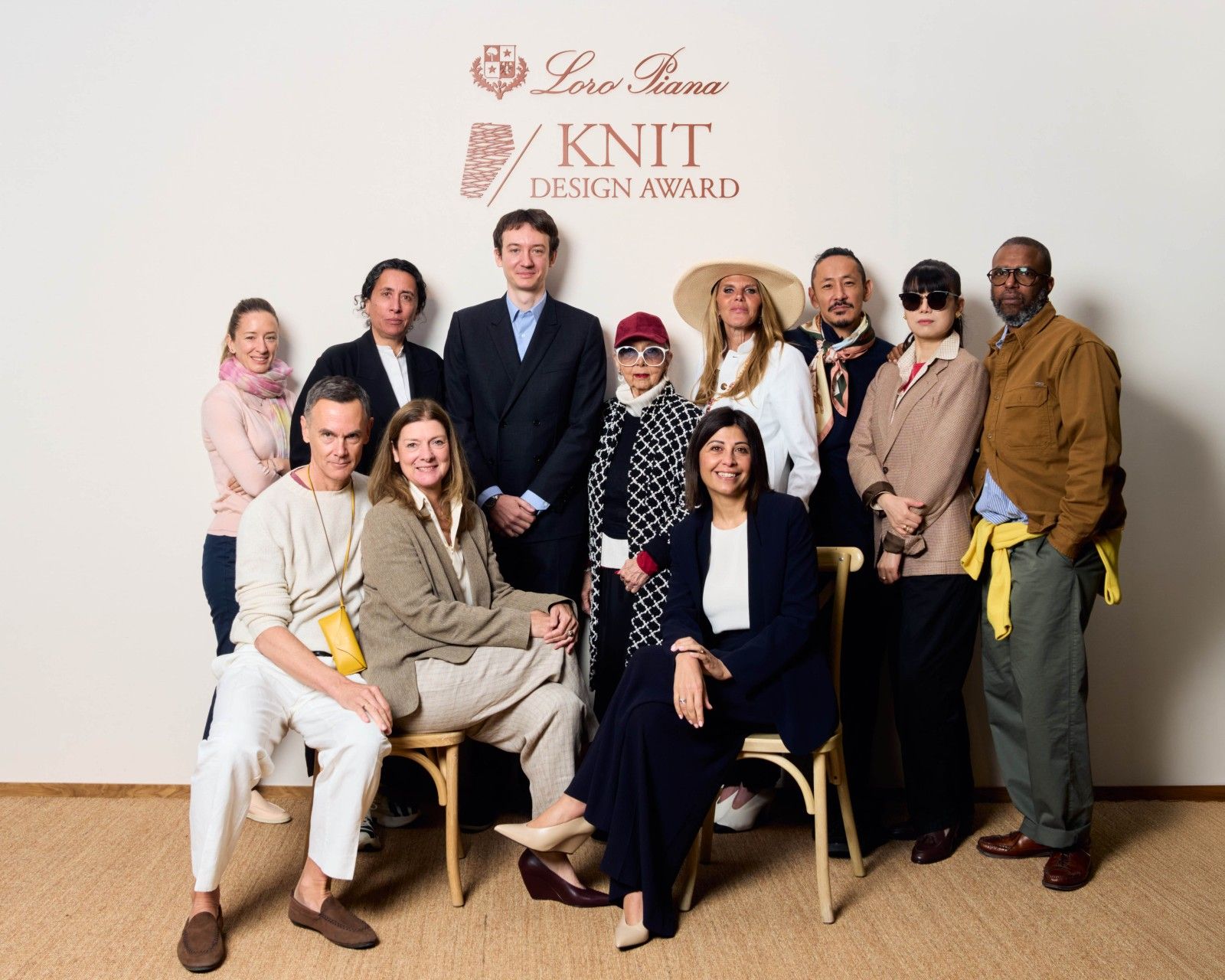
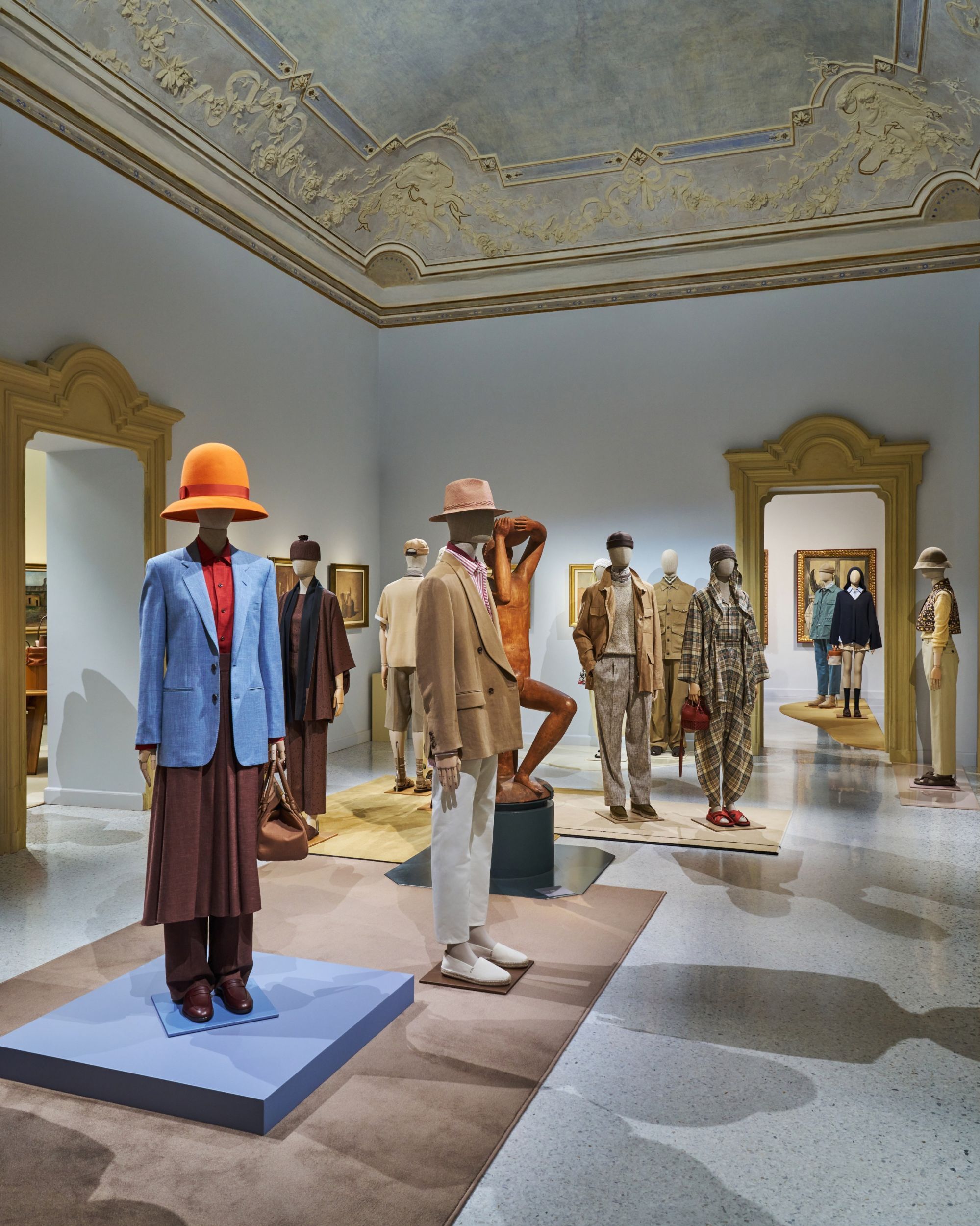
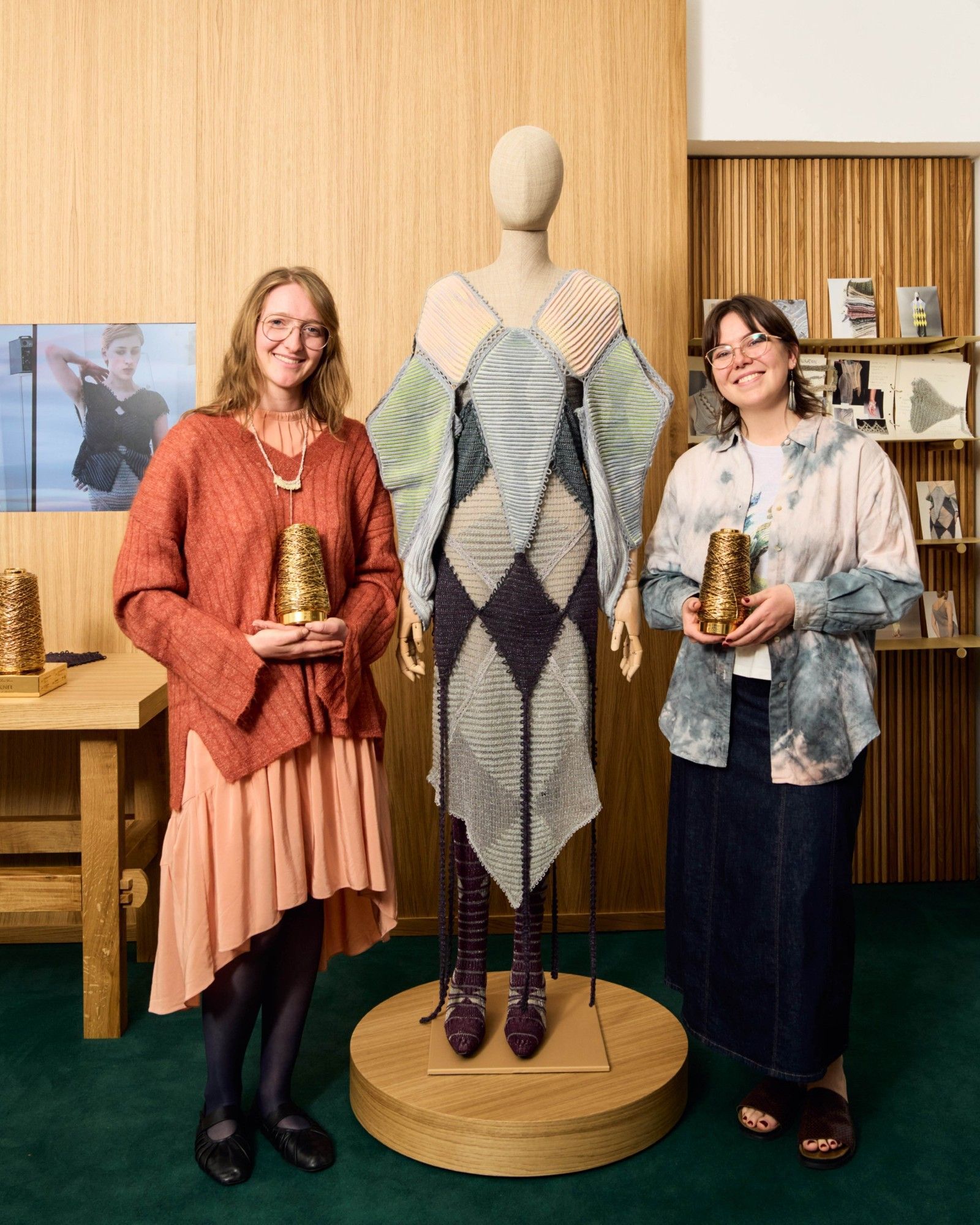
The tenth edition of the Loro Piana Knit Design Award concludes with a Nordic triumph. Viola Schmidt and Halla Lilja Ármannsdóttir, students at the Swedish School of Textiles, won the 2026 prize with a project titled Glitsky – Mother of Pearl. The announcement was made on May 14 in Milan, during a special event hosted by the Galleria Rossana Orlandi, an international reference point for the discovery and promotion of avant-garde designers.
This was an important edition, as in its first decade since its foundation, the Knit Design Award has become one of the most anticipated recognitions in the international fashion education landscape, inspiring the creativity of young designers while sharing with them the expertise and savoir-faire of the Maison in knitwear. In a decade, the number of participating schools has more than doubled, going from three in the first edition to eight this year, becoming an unmissable event in the international fashion calendar, held every year under the patronage of the Camera Nazionale della Moda Italiana.
How the 2026 Loro Piana Knit Awards went
The theme chosen for this celebratory edition was Knitting Light – Craft on the Evolution of Colour and invited participants to explore the transformative power of colour through light, working with the Maison’s most precious yarns, cashmere mélange and mouliné yarns, with innovative fibres to design a garment or a transformable silhouette capable of telling this chromatic and material evolution. The eight participating schools represent a truly global fashion geography: Accademia Costume & Moda, Bunka Fashion College, Donghua University, École Duperré Paris, Heriot Watt University, Parsons School of Design, Shih Chien University and The Swedish School of Textiles.
Evaluating the projects, presented in Milan these days, was a high-profile jury chaired by Frédéric Arnault, CEO of Loro Piana. Alongside him, Anna Dello Russo, Creative Consultant, fashion stylist and former editor of Vogue Japan; Sara Maino, Creative Director of the Fondazione Sozzani and Ambassador of Camera Nazionale della Moda Italiana; Rossana Orlandi, founder of the namesake Milanese gallery that hosted the awards ceremony; Satoshi Kuwata, founder of SETCHU; Leaf Greener, fashion editor and critic; Nick Vinson, editor and creative director. Together with them, the Maison’s internal representatives: Elvira Grimaldi, Alessandra Varianini, Lucia De Cet and Edward Buchanan.
The winning project: Glitsky – Mother of Pearl
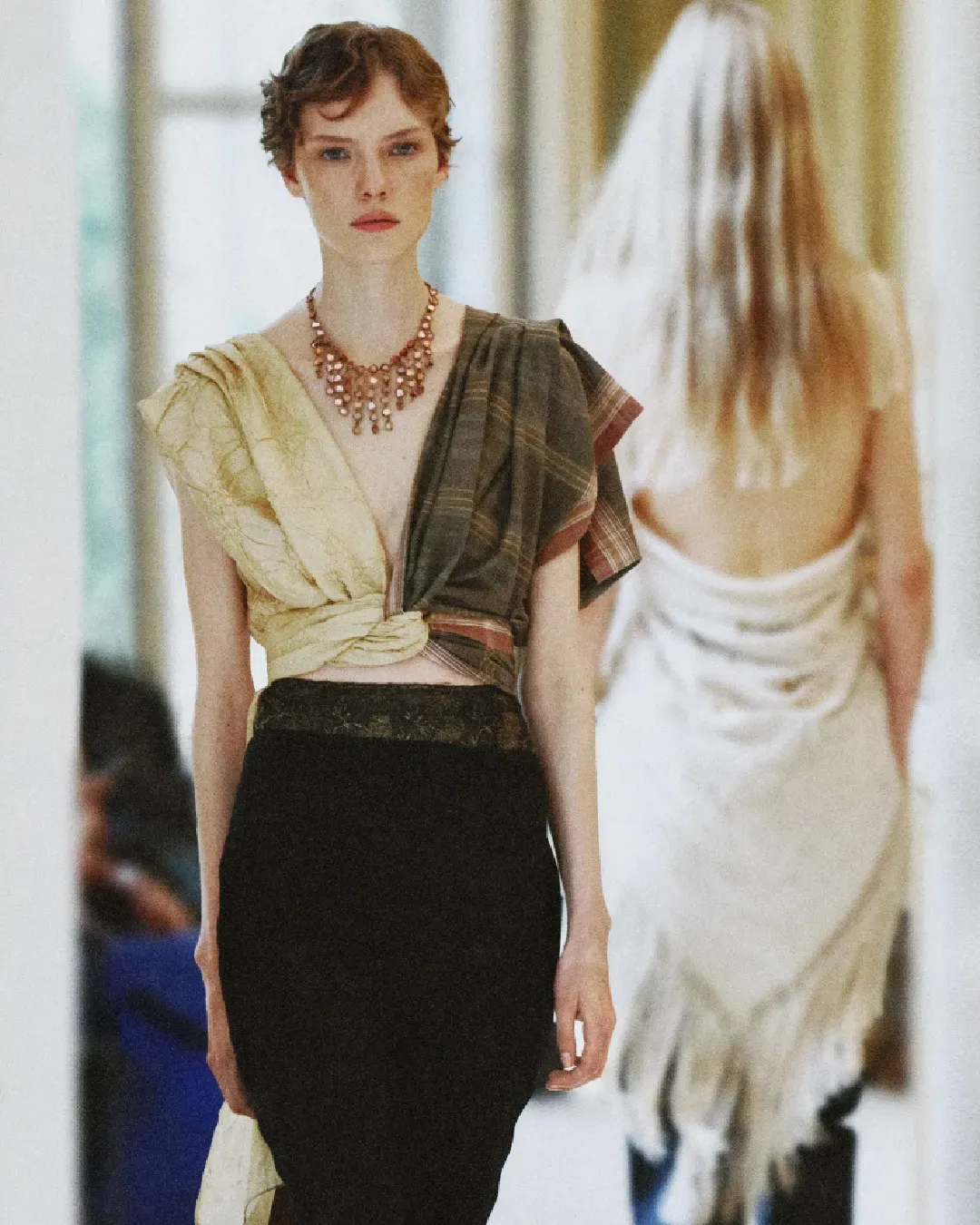
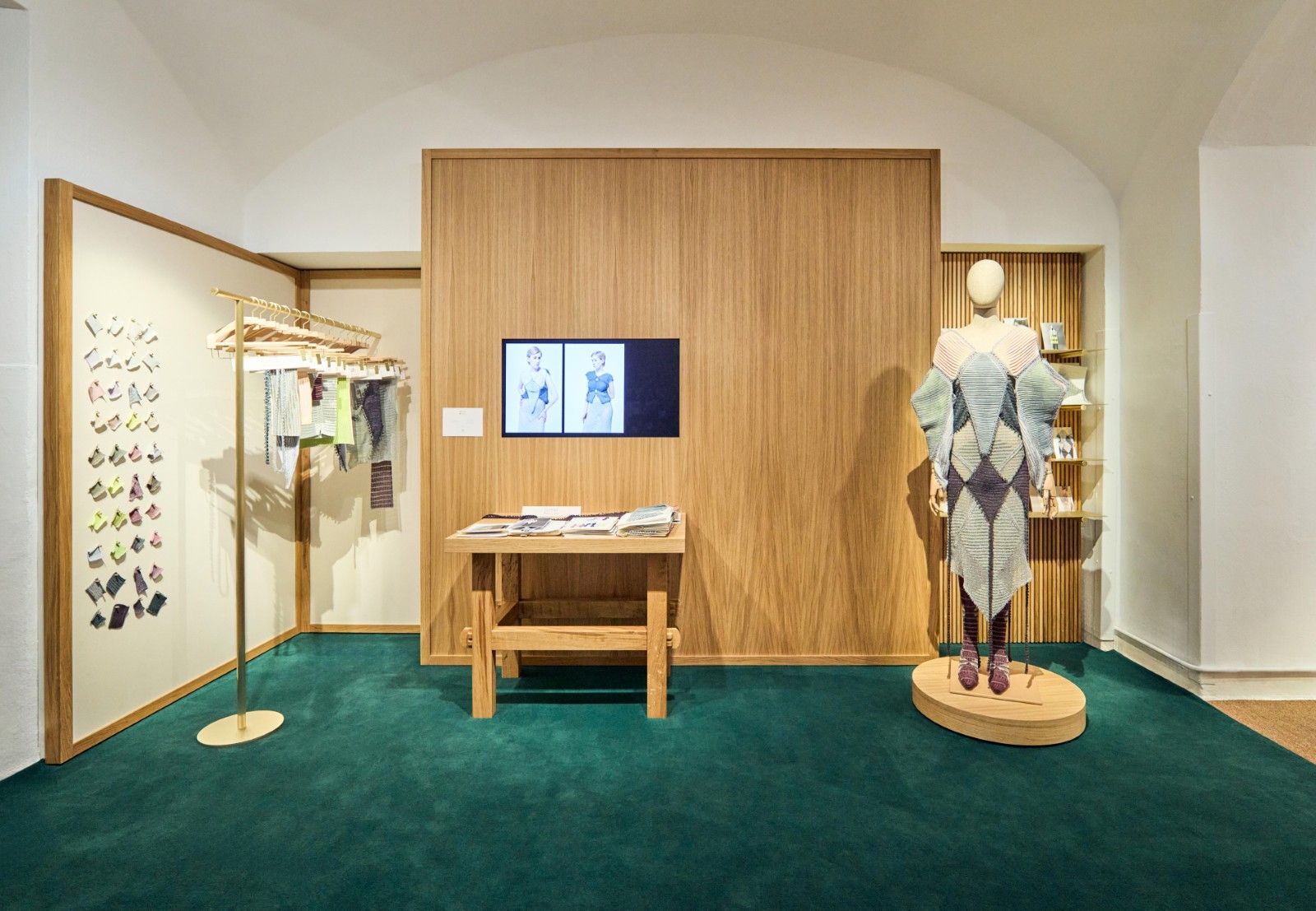
Glitsky – Mother of Pearl originates from a natural phenomenon: sunlight hitting crystallized clouds, transforming them into iridescent and hypnotic spectacles. Halla Lilja Ármannsdóttir and Viola Schmidt translated this vision into a modular and transformable garment, made with cashmere and special yarns. Diamond patterns hook and unhook thanks to a linking system integrated into the knit shapes, playing with the reflections of light depending on the perspective and the arrangement of the elements. The result is a "double" dress, featuring a structured outer layer focused on chromatic exploration, and an inner layer that simulates the reflection of light itself.
Ármannsdóttir graduated in Fashion Textiles Knit at London College of Fashion in 2021 and is currently attending the Master of Fine Arts in Textile Design at the Swedish School of Textiles. Her work has already been exhibited in a solo show She is I – The Knitting Experience at the Textile Museum of Iceland in 2025. Schmidt, on the other hand, is a master's student dedicated to developing innovative solutions for knitwear, with the declared goal of creating emotional connections through textile storytelling.
The winners received a unique trophy, a scholarship and a work opportunity at the Maison. They will also have the chance to complete their project in Loro Piana’s historic yarn and knitwear laboratories in Piedmont, working alongside the house’s artisans. The finished garment will be presented at the Loro Piana stand at Pitti Filati in Florence, from June 24 to 26.
Lorenzo Pezzotta and Matteo Rosellini: the two Italians in the competition
Among the protagonists of this edition are also two young Italian designers, Lorenzo Pezzotta and Matteo Rosellini, who participated in the competition with a project that stood out for its conceptual coherence and technical quality. At the base of their project this year was the combination of cashmere, the main material of luxury, with copper. «Copper represents the metallic aesthetic that we introduced into the knit structures, while cashmere reflects the excellence and heritage of Loro Piana» the two said.
But at the root of the project there is something very personal. The concept stems from the comparison between their identities: «Looking at each other almost as in a mirror, we recognized ourselves and accepted our differences». The mirror thus becomes the central metaphor of the entire collection, a cold metal that blends with the organic warmth of the knit through vanisé techniques, mouliné effects and twisted yarns combined with cashmere and luminous yarns such as silk. On the construction side, the garment was made transformable through sleeves and a front panel that detach and reconfigure, generating what the two call «a new creature».
The final message that Pezzotta and Rosellini want to convey, however, goes beyond technique: «Today more than ever we believe that the idea of connection, of truly looking at and recognizing each other, embracing our differences to transform them into a creative and positive result, is something profoundly necessary and to be celebrated as much as possible».