




















The nomadic dreams of Loro Piana's FW26 collection A series of looks that resemble landscapes captured during a long journey
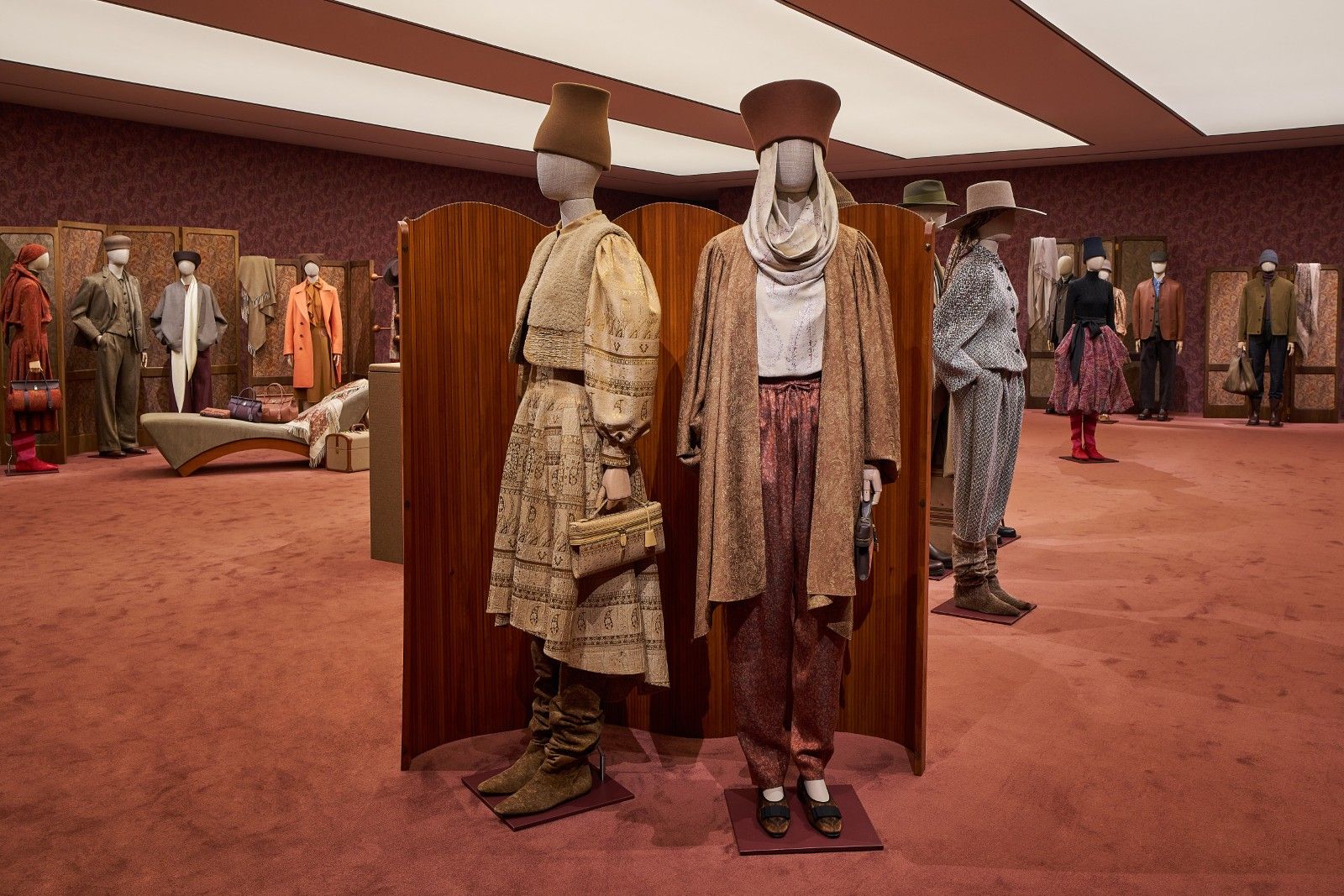
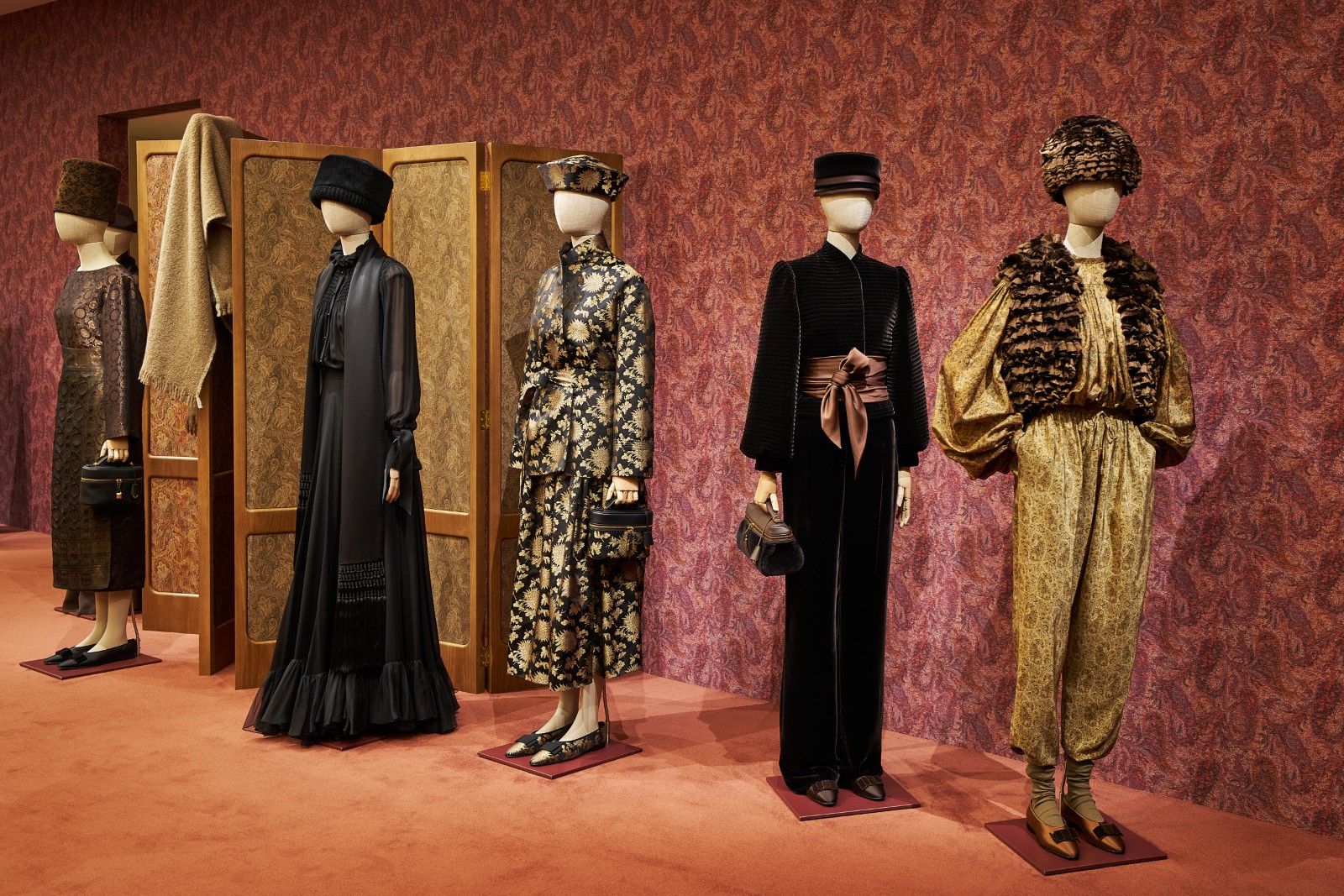
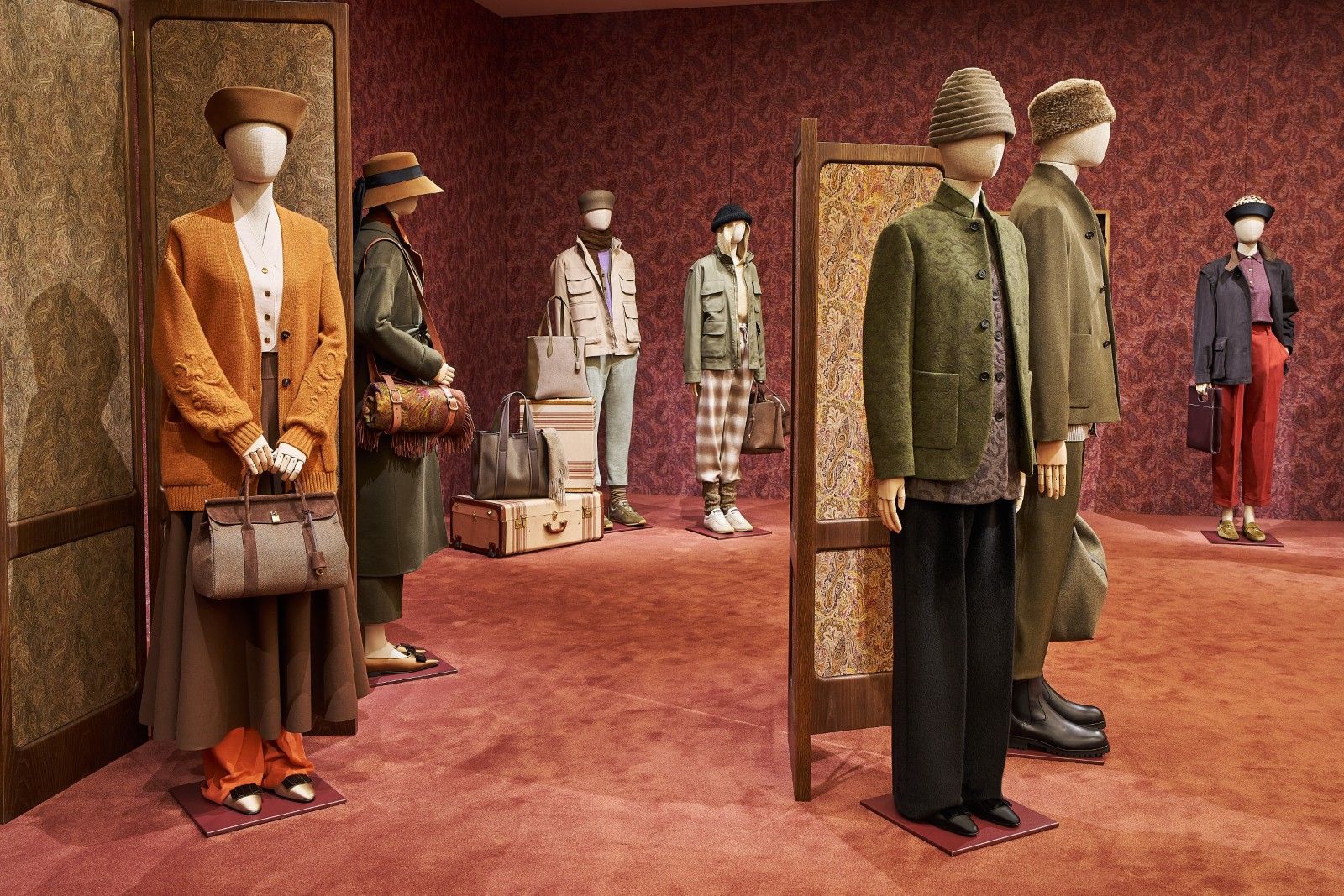
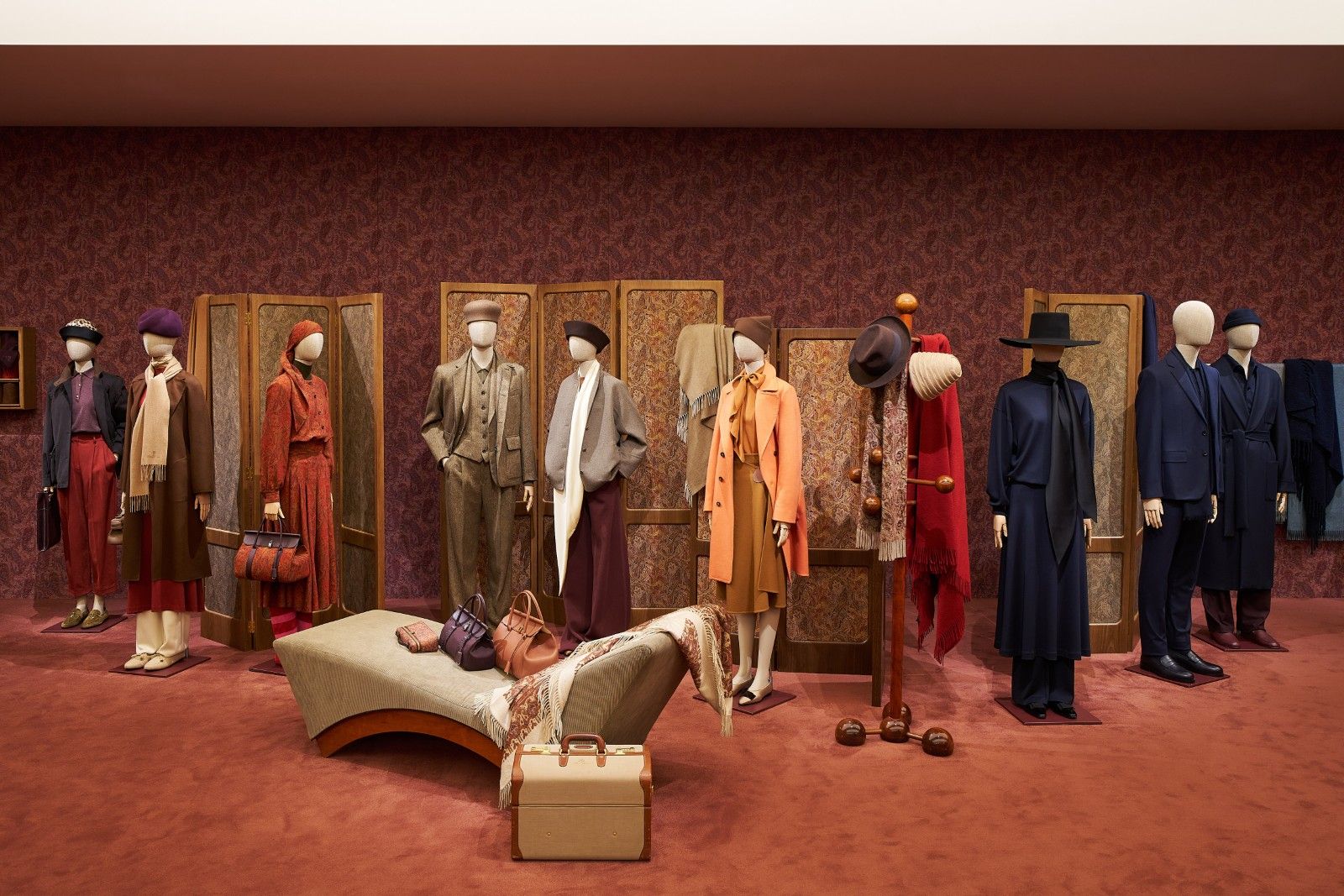
For several seasons now, Loro Piana has been creating its collections by reflecting on alternative spaces and times, on the idea of travel inherent in the Maison given the international origin of its precious fabrics, which come from distant lands like Mongolia or the Andes before taking shape and becoming garments in Italian ateliers. For this season, the Maison presented its FW26 collection in the Courtyard of Silk, at its Milan headquarters. The event transformed the environment into an immersive experience dedicated to the theme of travel, understood as a journey capable of accumulating impressions, sensations, and lasting memories.
The Travel Theme
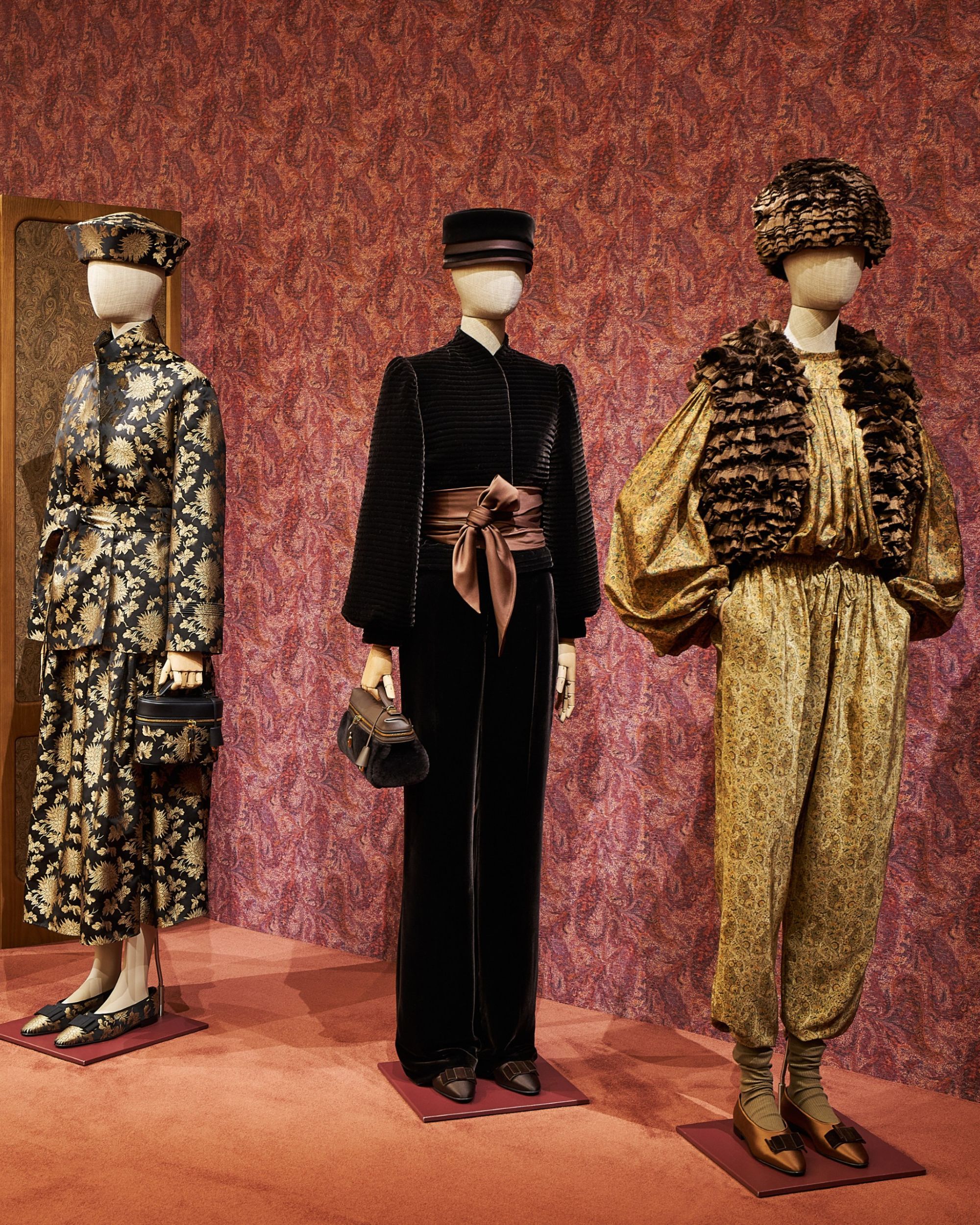
The common thread throughout the presentation was the paisley motif, interpreted in all its variations and in a rich palette of earthy and pumpkin tones. The walls were completely covered with this design, giving the whole a dreamlike and engaging atmosphere.
The collection was conceived as a “Nomadic Reverie” experienced through the windows of a train crossing ever-changing landscapes, in a succession of impressions that settle slowly, shaped by the passage of time and distance. The presentation's scenography also recalled the world of old trains, with corridors covered in polished mahogany and brushed brass handrails with fake windows along the walls showing blurred landscapes in rapid motion.
At the entrance, guests found a series of short poetic compositions describing the passage of the season and the evolution of colors. These texts, intended to represent aesthetic memories where movement, memory, and time intertwine, were collected in short letters housed inside a small suspended library. A narrating voice recited the verses of these poems, accompanying visitors in an almost hypnotic atmosphere that punctuated the exhibition path.
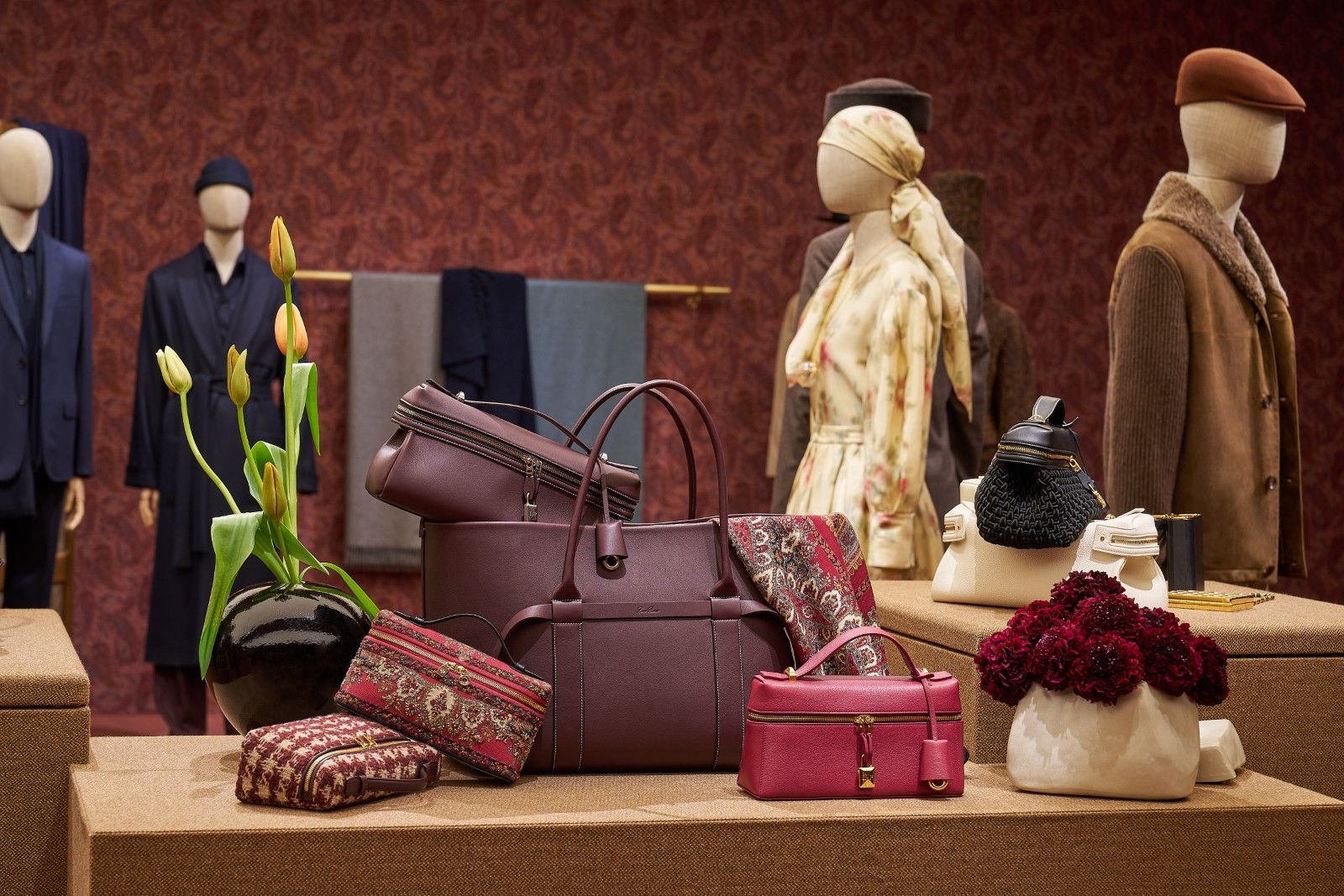
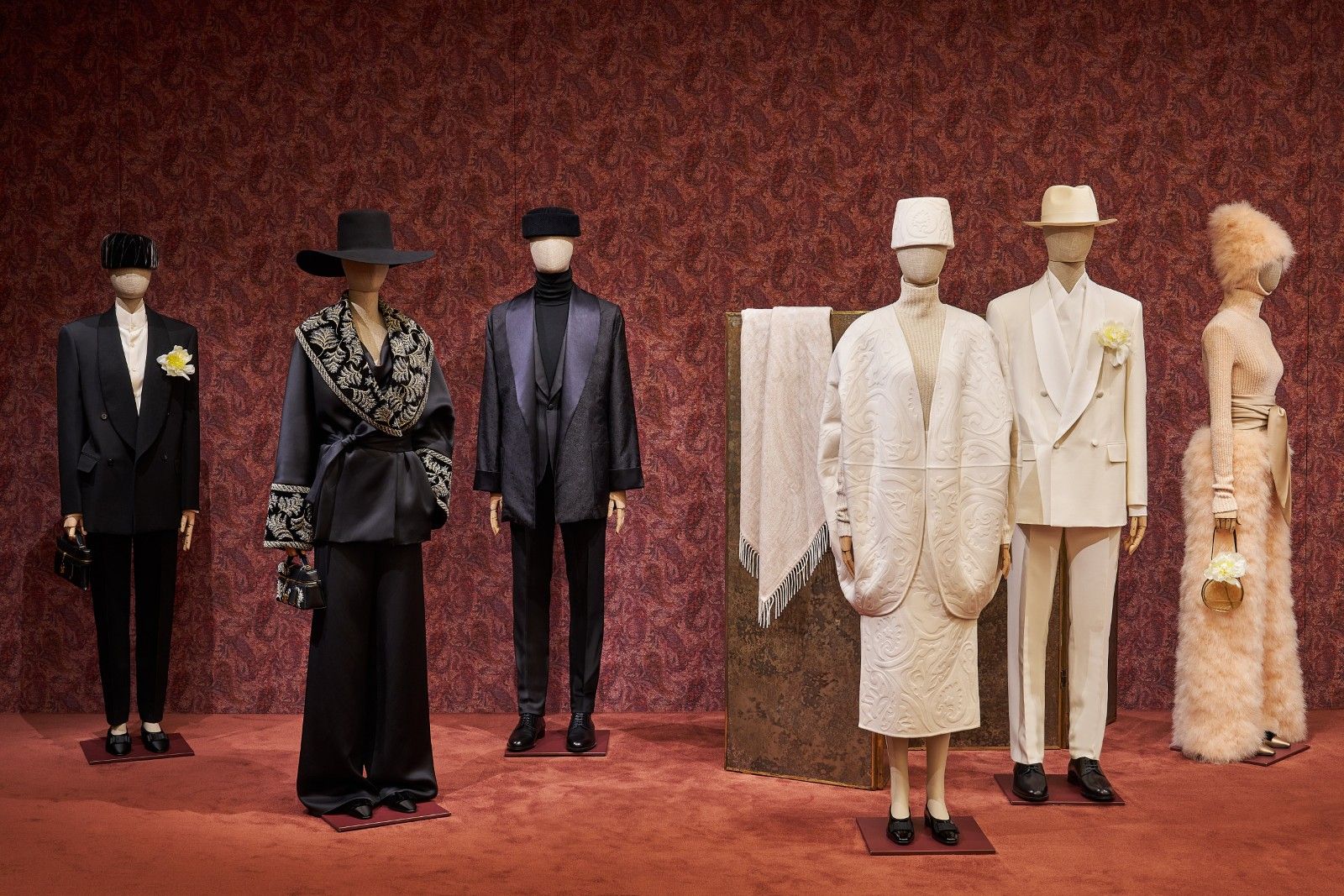
In the central room, the collection was presented through a scenography composed of mannequins flanked by modules covered in Sopravisso wool that highlighted the new bags, while waxed wood cubes arranged along the walls housed the Grande Unita cashmere scarves. The paisley motif, the absolute protagonist, enveloped every environment, from the walls to the nine dividing panels that articulated the spaces.
The Loro Piana Woman: Traveler and Cosmopolitan
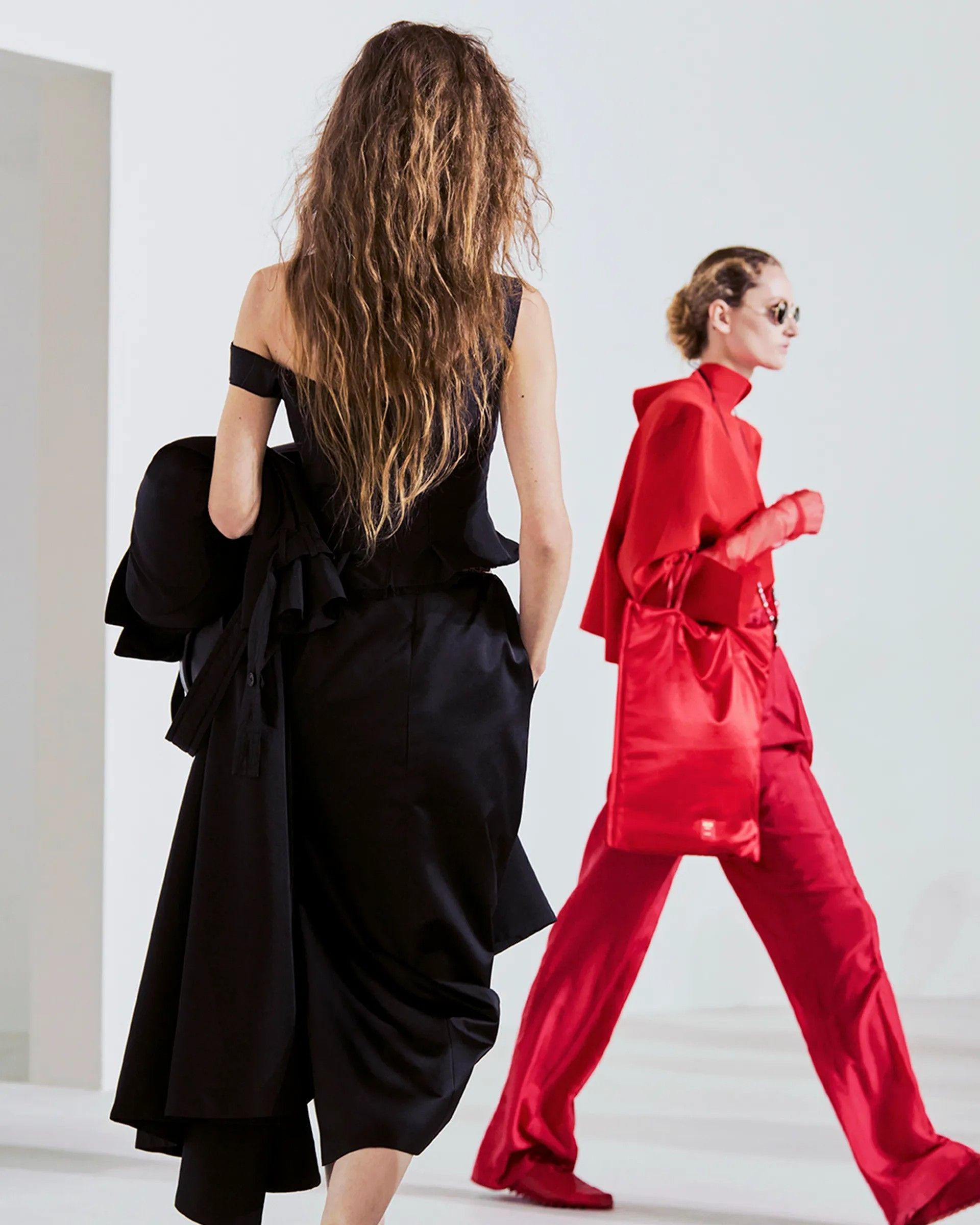
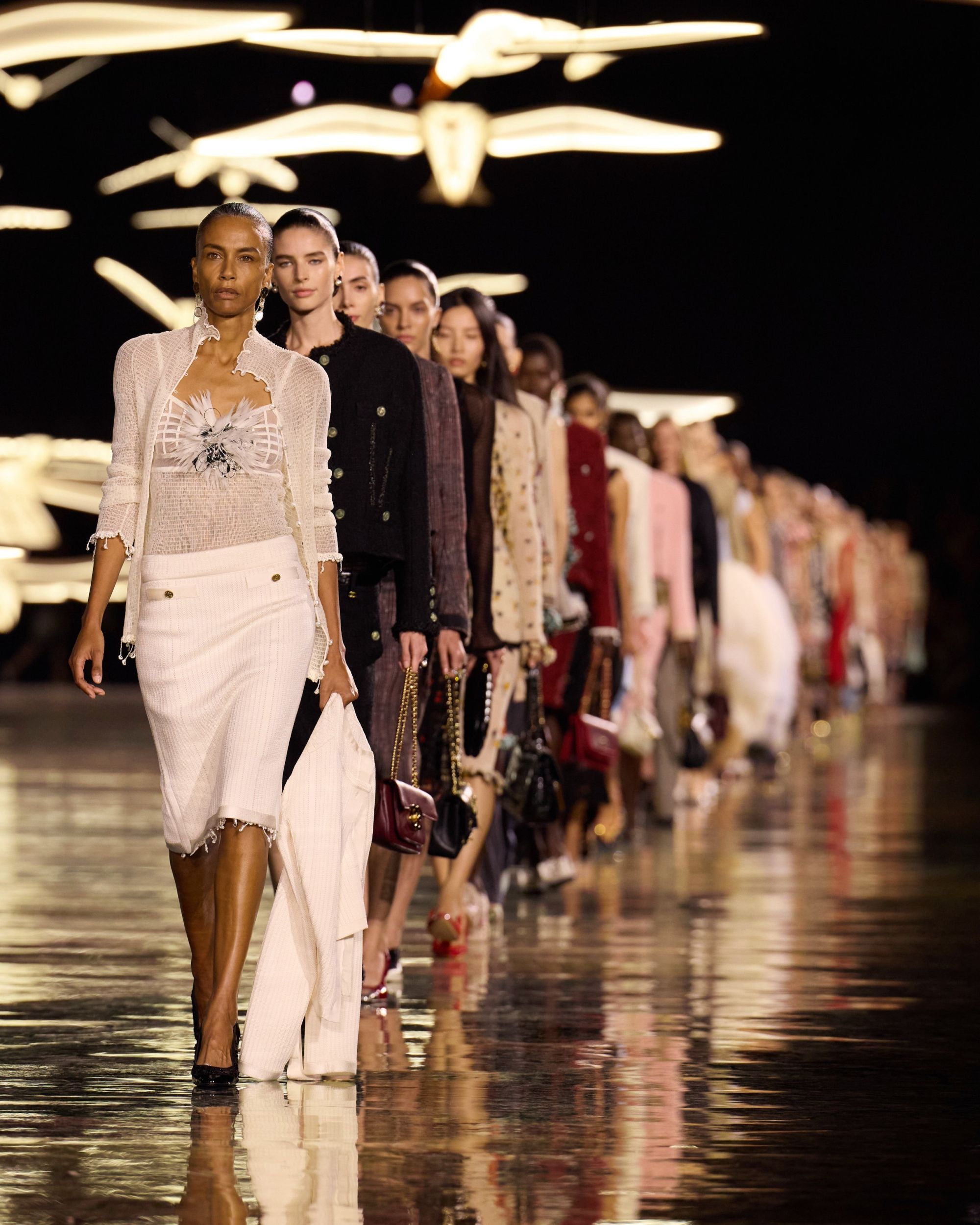
The feminine side of the collection develops the theme of travel and movement, evoking imaginary landscapes of memories and fleeting hints of distant places. The looks maintain a casual and precise spirit, with silhouettes put together impromptu, like ideas and thoughts freely jotted on the pages of a notebook, while landscapes follow one another from a train window. The collection thus transitions from initial lightness to an increasingly enveloping sensory warmth as the seasons progress.
The Maison's most celebrated fabrics like the Loro Piana Royal Lightness®, cashmere, silk, Pecora Nera® and Merino wools, tweed, mouliné, and chenille create a play of textures and colors that starts from ocher and terracotta tones, transitioning to gold, pink, and brown, evoking sunlight; then beige, gray, and dark brown that in turn give way to green, anthracite, tundra, and midnight blue, intimate and enveloping tones, before concluding with black, gold, and white, the colors of occasions to celebrate. There are also accents of brighter tones, like coral, turquoise, sand, calendula, and azure that offer a touch of novelty and evoke images of remote countries.
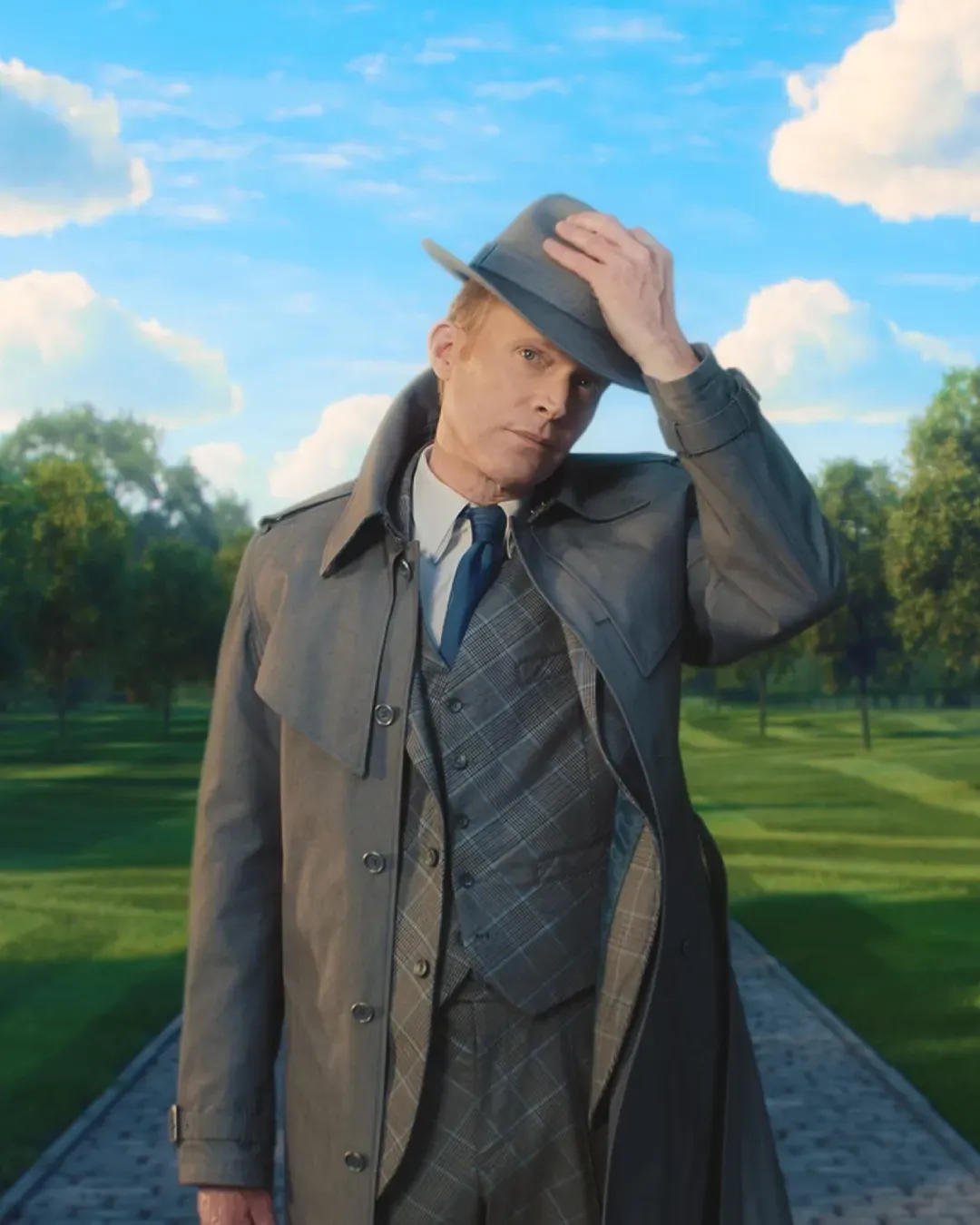
The fluidity sought in the forms creates a tapered and layered silhouette, paired with low footwear and characterful hats, defined by an abstract exoticism and poetic euphoria, conveying the eclectic and cosmopolitan spirit of the dreaming Loro Piana traveler. This season, the space between garment and body becomes exquisitely fluid, with volumes of fluid elegance and prints and motifs. Among these, the Paisley design is the collection's centerpiece, first appearing in the Maison's historical textile archives between the 1960s and 1970s; but there are also other jacquard motifs, herringbone, animalier, and of course the material ones of classic tweed.
The Loro Piana tradition is completely revisited through iconic pieces like Spagna, Traveller, Roadster, and Winter Voyager. The Rovasenda jacket, another pillar of the Maison's lifestyle, returns to the spotlight with a modern piece, perfect for travel and the city, inspired by the historic model worn by the Loro Piana family in the namesake Piedmontese village. Coats and dusters are long and voluminous; high-waisted Bermuda shorts and skirts with wide hems evoke timeless femininity while knitwear is based on comfortable and enveloping forms, with cable stitches and delicate mouliné yarns for chromatic effects.
The union of satin and tweed, suede, denim, and knitted fabric provides depth and visual dynamism, giving life to trenches, blazers with great personality, and a reinterpretation of the iconic Maremma jacket, now offered in bomber version. The same solid yet fluid shapes return in evening wear, wonderful examples of black and white elegance, distinguished by sculpted lines and simple silhouettes that conceal exceptional craftsmanship.
The leather goods are presented in soft leathers or in versions in various fabrics coordinated with the collection's garments: Extra Softy, Extra Softy Case, and Extra Pocket are offered in leather, leather and wool, wicker, and corduroy. The Bale®, Loom, and Needle Shopper bags are masterpieces of unstructured softness. There is also the Heddle tote with its houndstooth and check motif and a minaudière in Murano blown glass that is a true craftsmanship masterpiece. The jewelry includes enameled pendants in the shape of a bottle, stone brooches, and earrings in the shape of a thistle flower, one of Loro Piana's symbols. The footwear proposal
The Men's Collection: Dreaming of Distant Lands
The men's looks in the collection also embody a casual and serene spirit with outfits that emphasize a sense of dynamism and freedom of movement. The garments maintain a fluid and unconstrained silhouette, with a transition from initial lightness to an increasingly defined sensory warmth.
The plein air atmosphere, typical of the Loro Piana man's character, permeates the entire range of looks, from slightly formal declinations to sporty ones. A series of mountain looks celebrates the softness of sensory knitwear created from unique blends of cashmere and noble fibers, like Baby Cashmere and The Gift of Kings®. The same sense of freedom and aristocratic nonchalance is reflected in the evening wardrobe, with soft forms suggesting relaxed elegance and luxurious details in satin and turtlenecks instead of shirts.
Blazers and coats are single- or double-breasted, with peak or shawl lapels; tailored suits and two-pieces are formal but never rigid. The Maison's roots reemerge through classic jacket models like Spagna, Horsey, Roadster, and Winter Voyager but with some novelties. The Roadster finds a new interpretation in the coat, while the Rovasenda jacket, named after the Piedmontese village where the founding family is based, is re-proposed as a modern solution for urban life and travel. The Maremma reappears in bomber version, while the Traveller jacket returns in a technical silk construction equipped with modern functional details.
Wide-brimmed hats or those with exotic inspiration but linear shapes complete the nomadic image. Among the accessories, which add touches of personality to each look, there are bags like the oversized Bale®, the Pioneer backpack, the Heddle tote, and the Extra backpack, also evocative of the travel theme; as are the shoes where boots and moccasins dominate, but also sturdy lace-ups and new versions of the Nantucket sneaker. Brooches and belts are not missing. But the real stars of the presentation are the scarves, adorned with paisley in a visual motif resurfaced from the Maison's historical archives of the 1960s and 1970s.
The Meaning of the Loro Piana Paisley Motif
Paisley is a visual and textile motif with a history of over two thousand years, arriving in Europe in the 1700s, and it was precisely in the 1960s and 1970s that Loro Piana began incorporating it into its collections with such success that it became a recurring motif, especially in this one. In the presentation, on the walls were displayed five scarves made with extraordinary craftsmanship, printed with evolved versions of paisley. The printing technique on cashmere and other light and delicate fabrics represents one of the highest points of the Maison's research as it requires absolute precision and constant refinement of processes to achieve deep color shades without altering the natural softness of the material.
Like landscapes that blur through a train window, colors and materials merge into an image quintessentially Loro Piana. Through this presentation, the Maison has confirmed its vocation to transform textile tradition into sensory and narrative experiences, where fabric is not just material but also a memory of travel.
What to read next
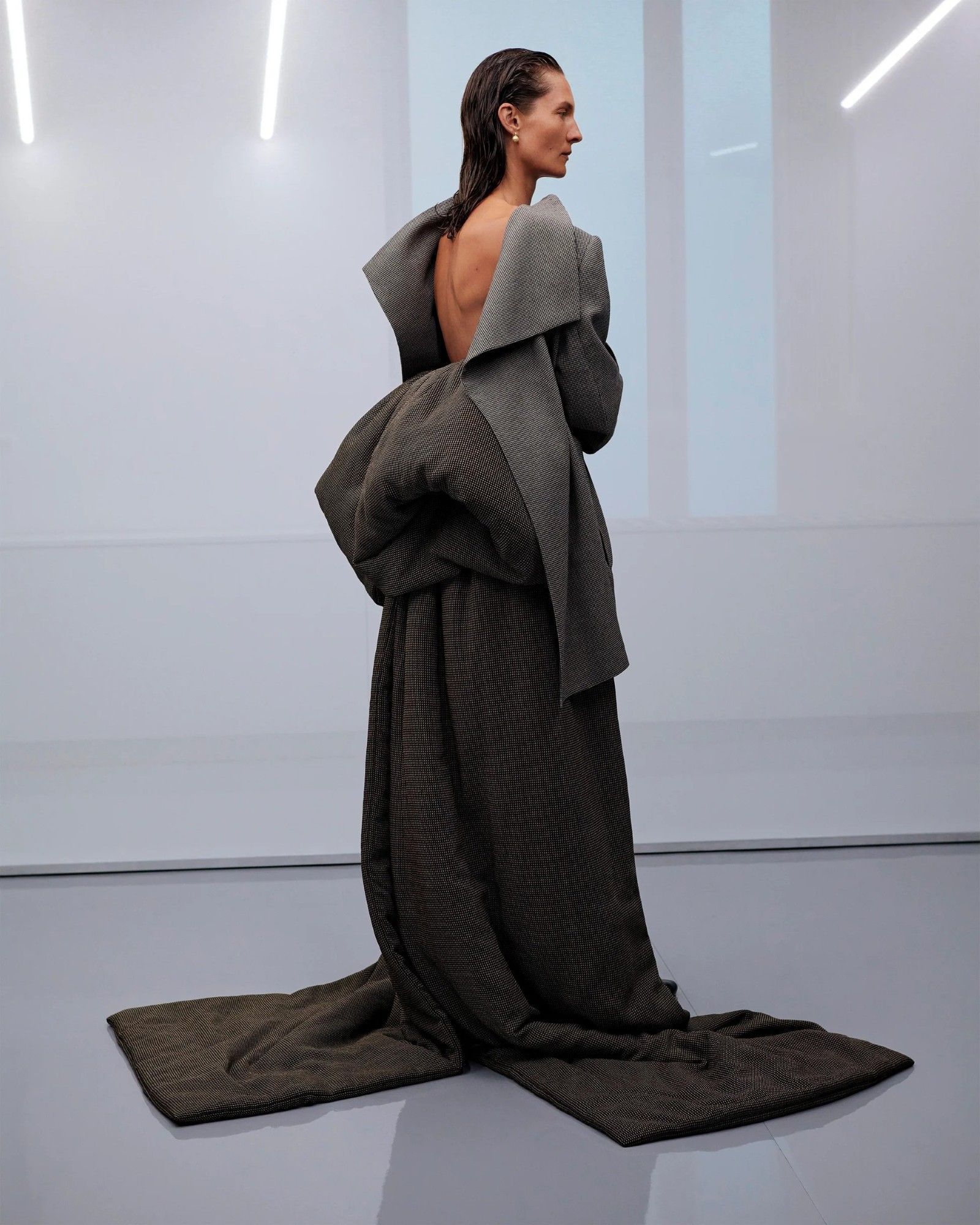
Now Phoebe Philo Wants You to Dress Avant-Garde
With Collection F, the designer plays with silhouettes in an entirely new way
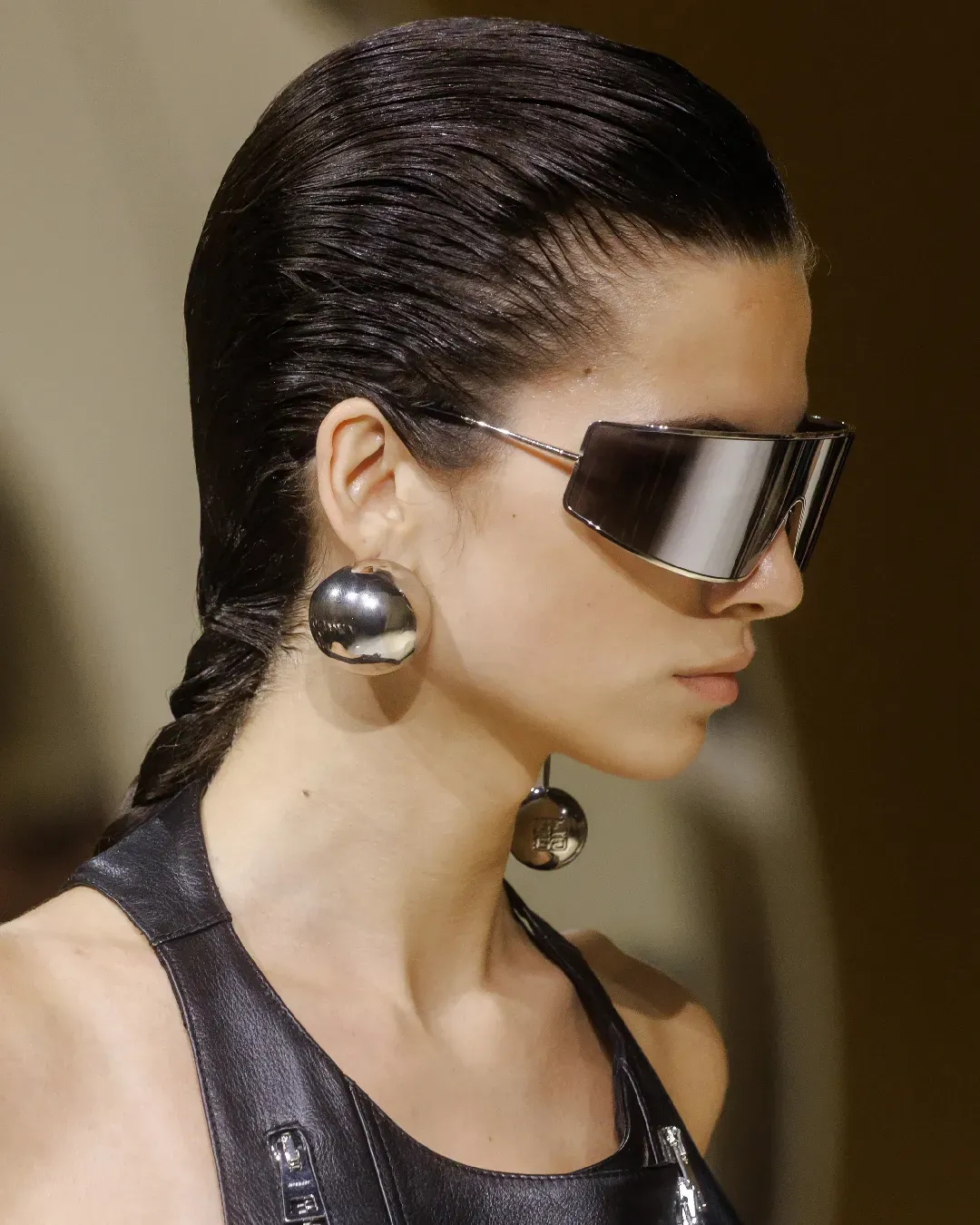
5 key trends from Paris Fashion Week SS27 Women's
What we'll be wearing next summer, according to the fashion of the Ville Lumière

The best street style looks from Paris Fashion Week SS27 Women's
La Ville Lumière steps back into the spotlight