.gif 2000w)
























Chronicles of a journey through the Kongoverse In London, there are countless ways to experience street art: the most unusual, perhaps, is from inside a Rolls-Royce
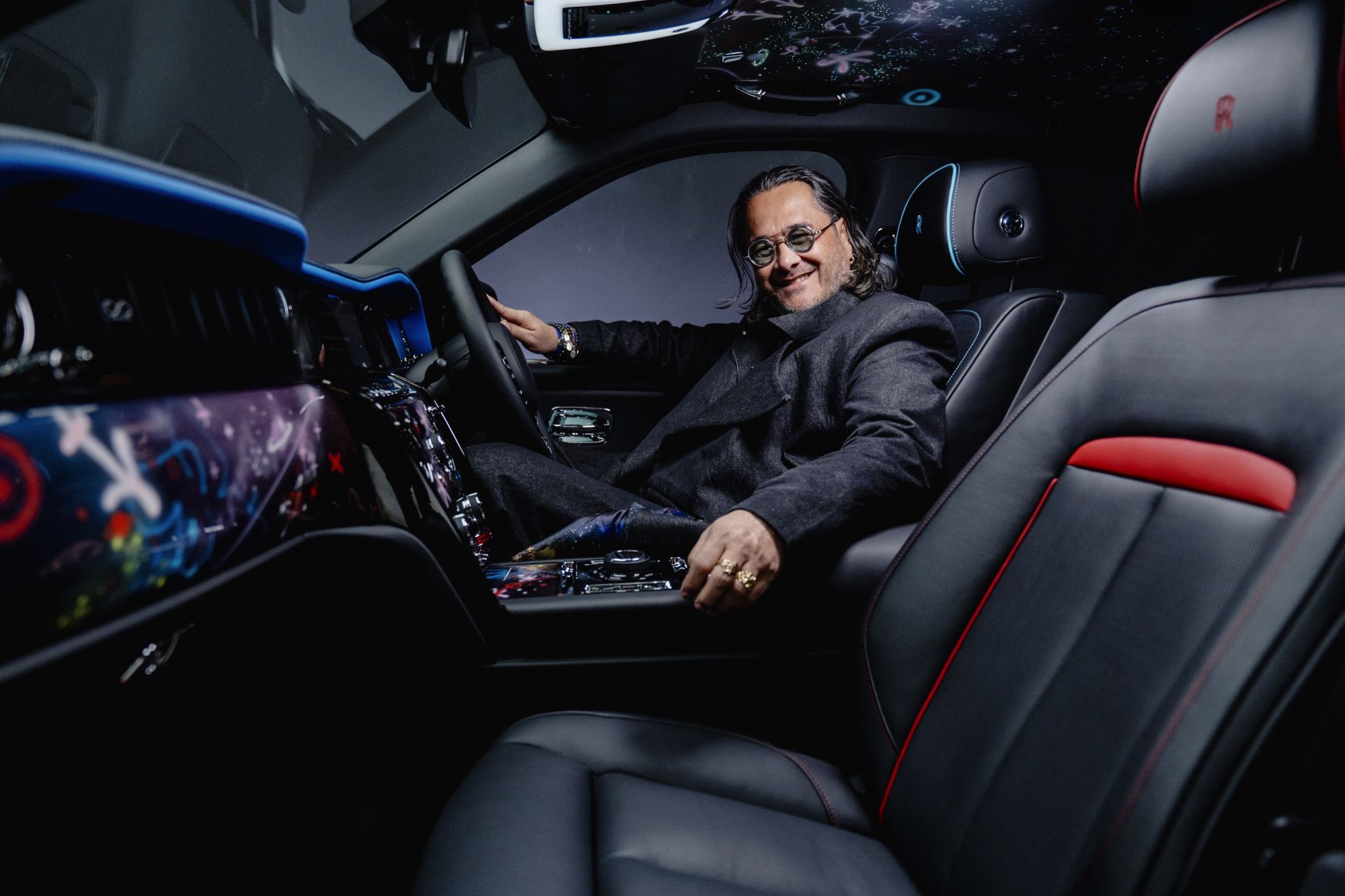
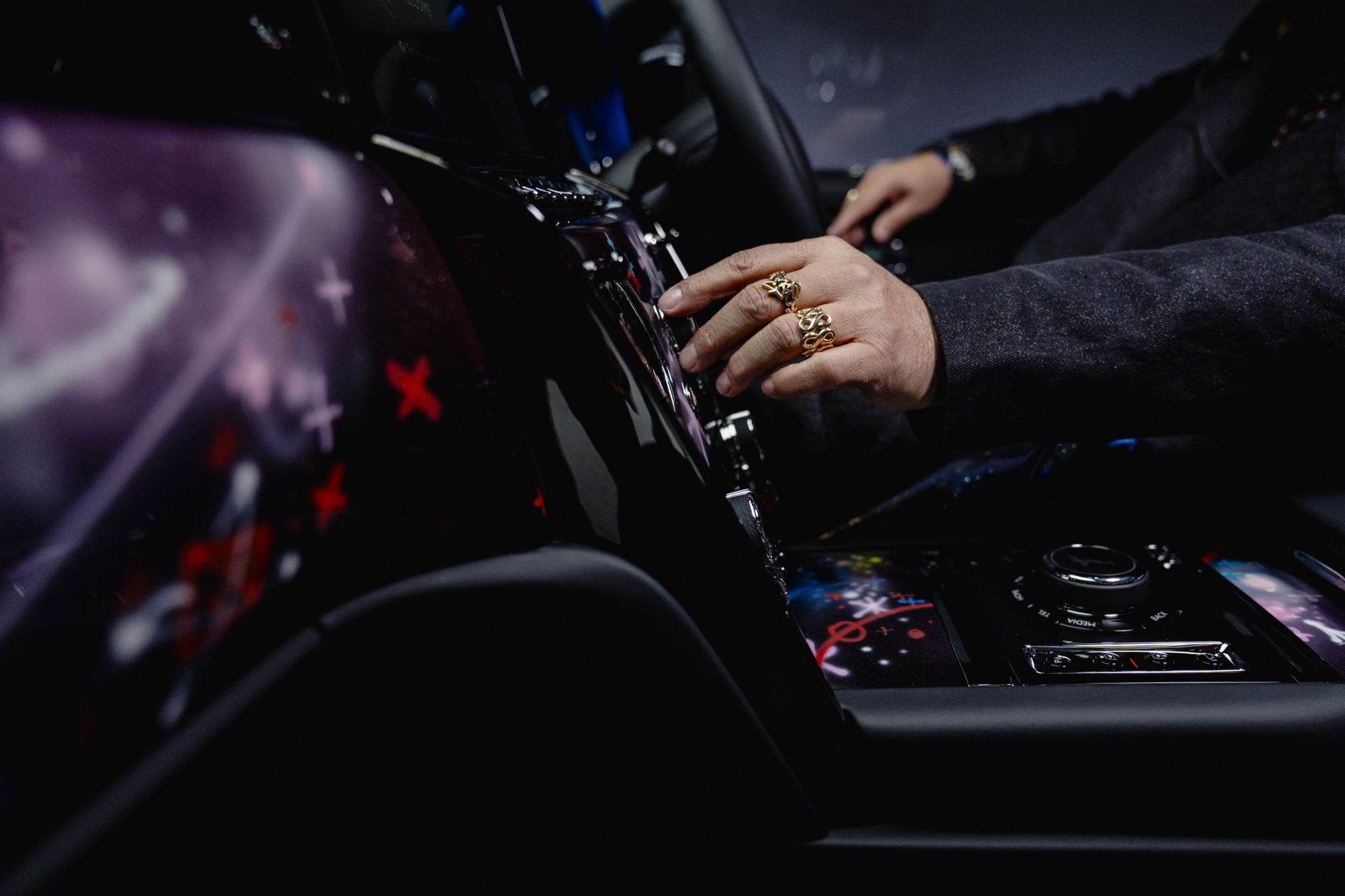
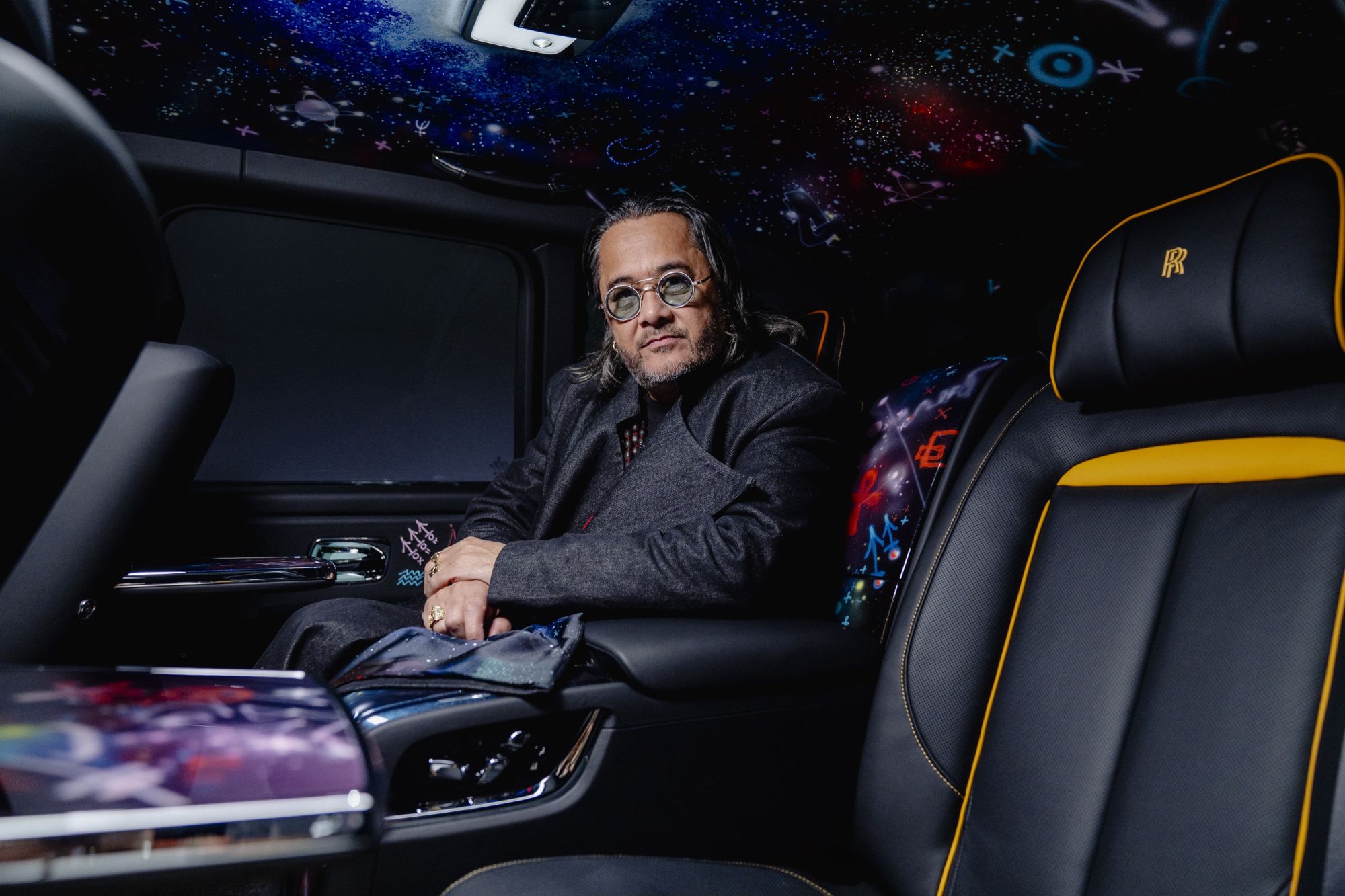
I left Milan on Thursday morning, and upon arriving in London, a Rolls-Royce Ghost Black Badge was waiting for me: Black Diamond and Imperial Jade Green exterior, black interior with white accents. On board, I was able to experience firsthand the infamous Magic Carpet Ride beneath a starry sky - specifically, the same one I might admire on a clear night above Goodwood, home of Rolls-Royce.
First stop: a guided tour through Shoreditch and Brick Lane accompanied by a local street art expert, who led me beneath walls signed by the most recognizable artists of the contemporary London scene, as well as the most famous and universally known names, all the way to the location chosen for the unveiling.
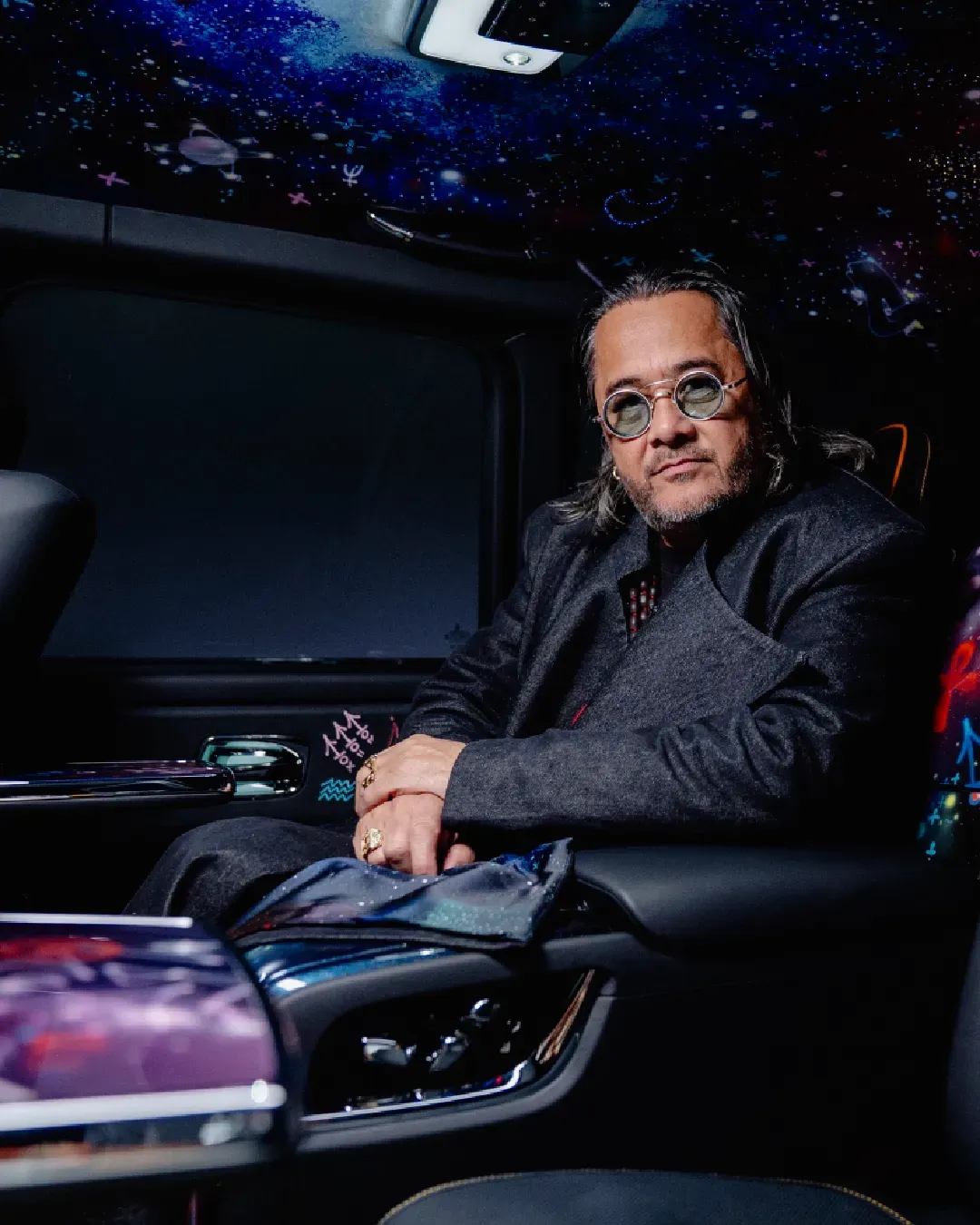
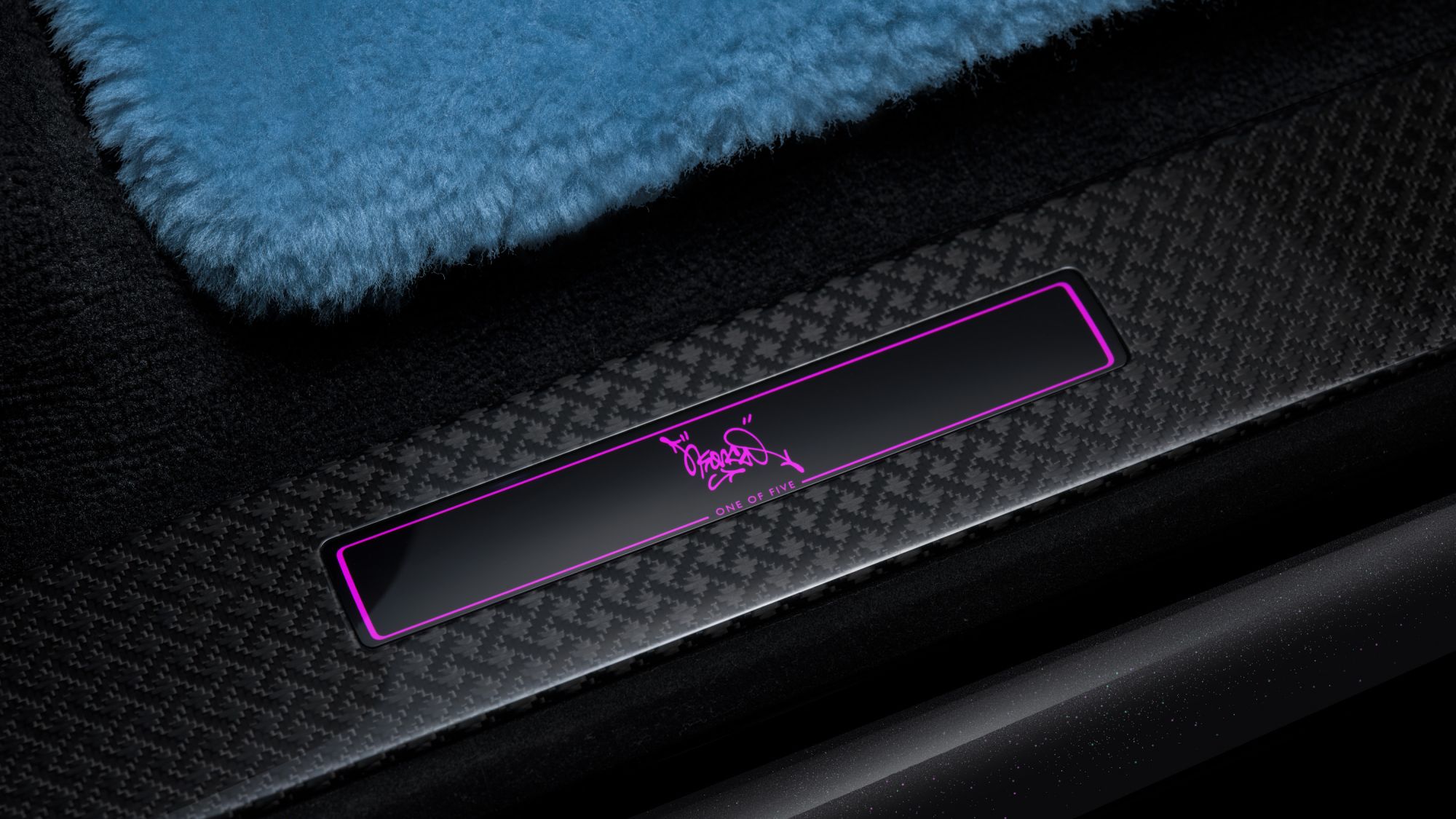
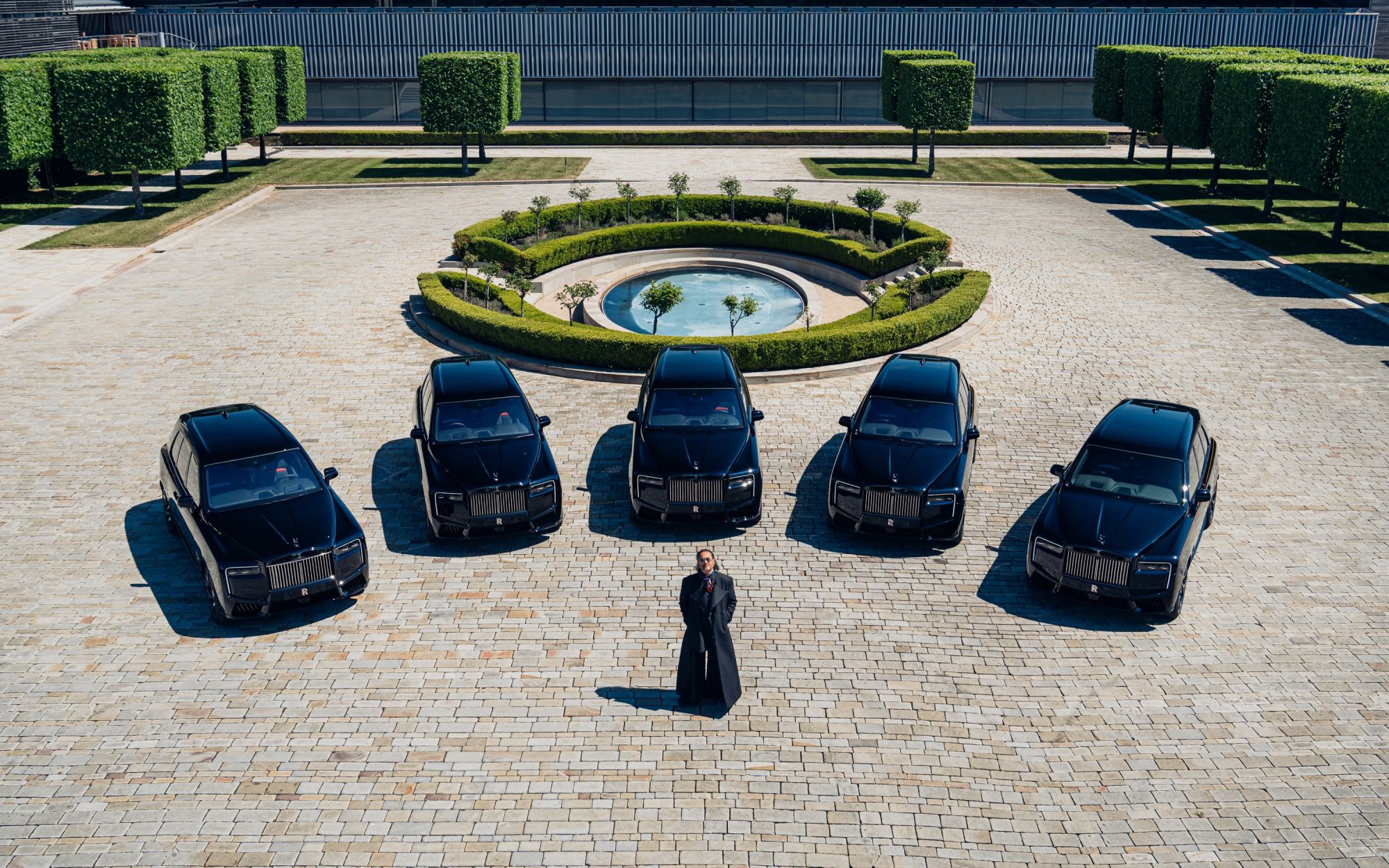
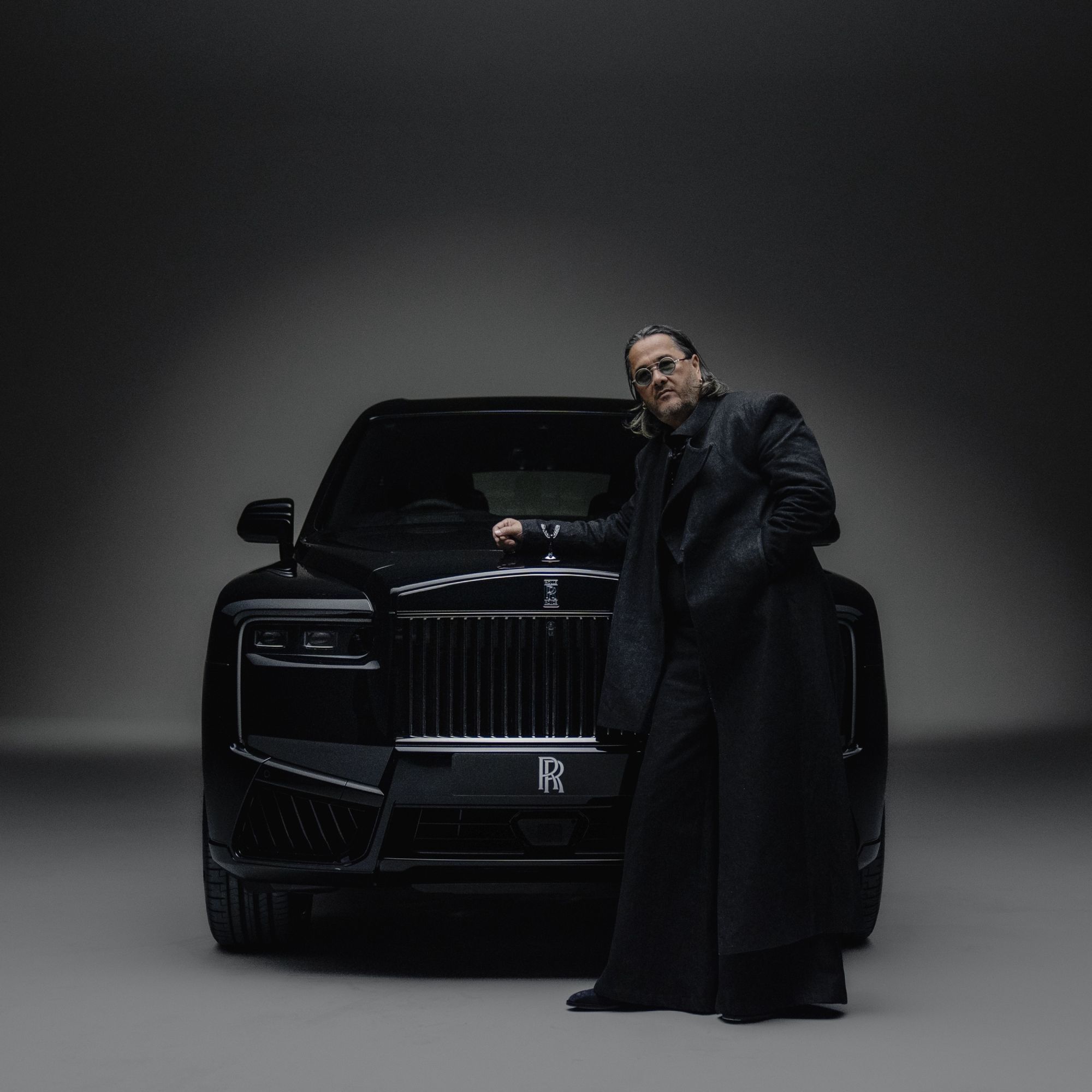
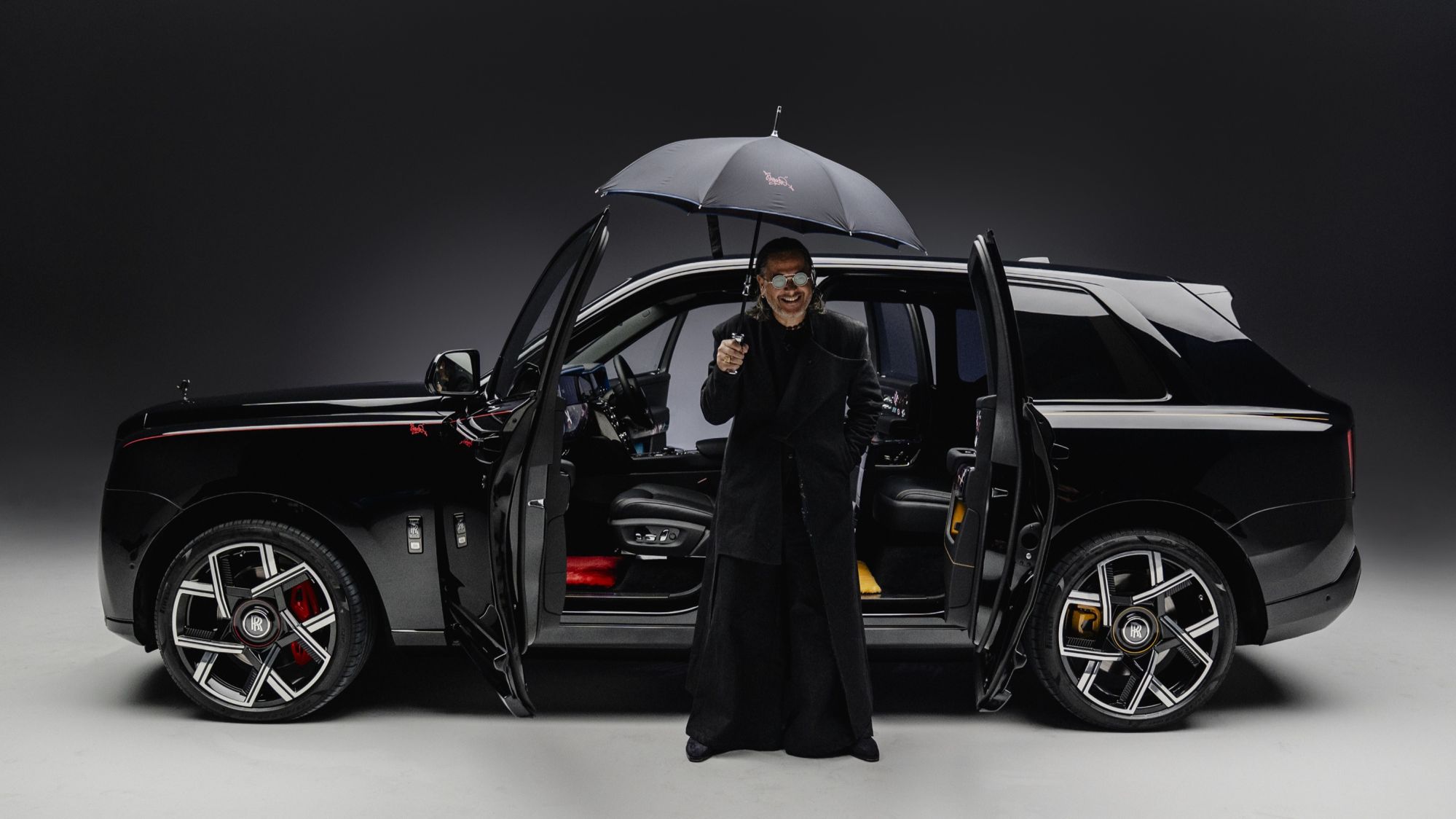
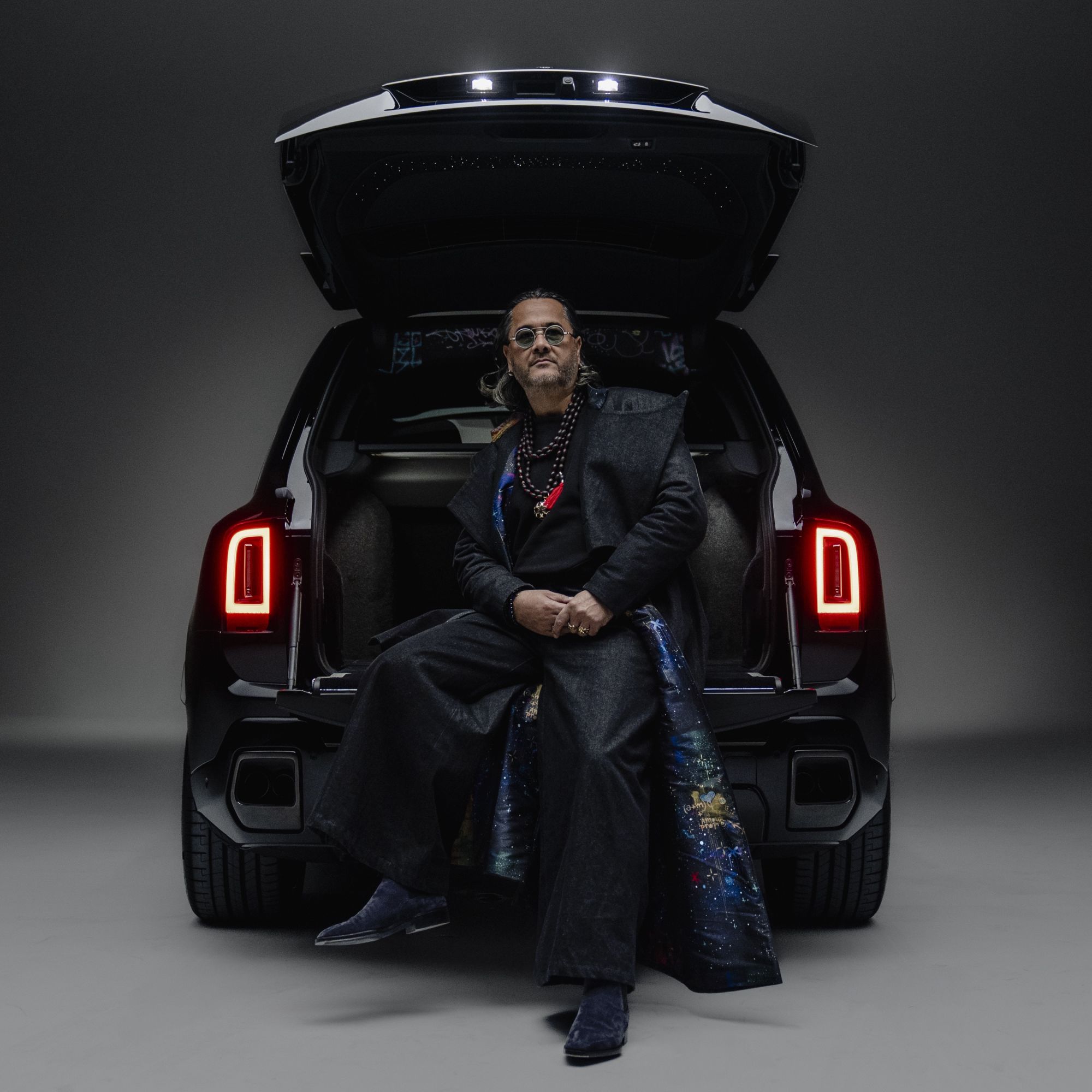
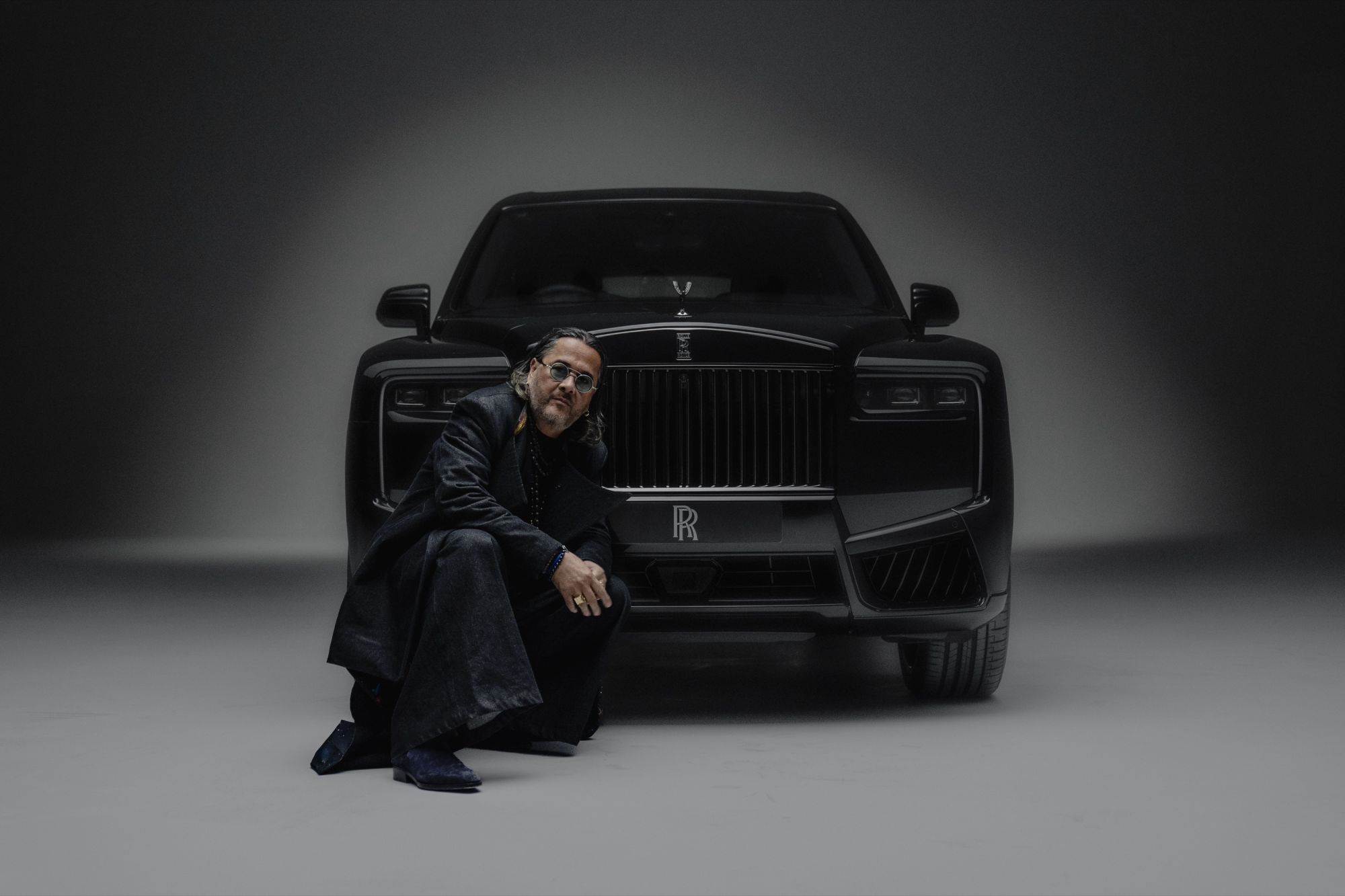
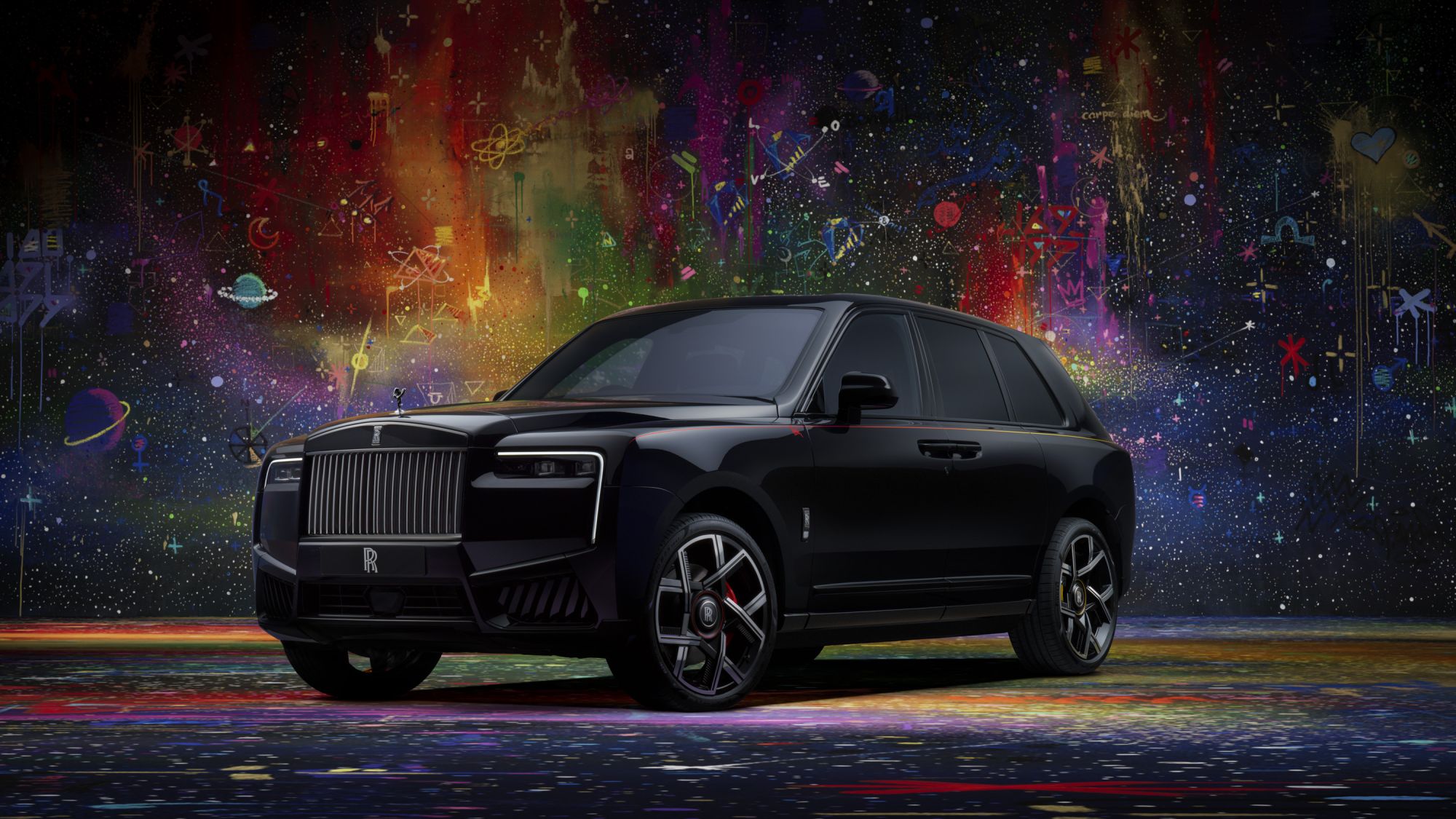
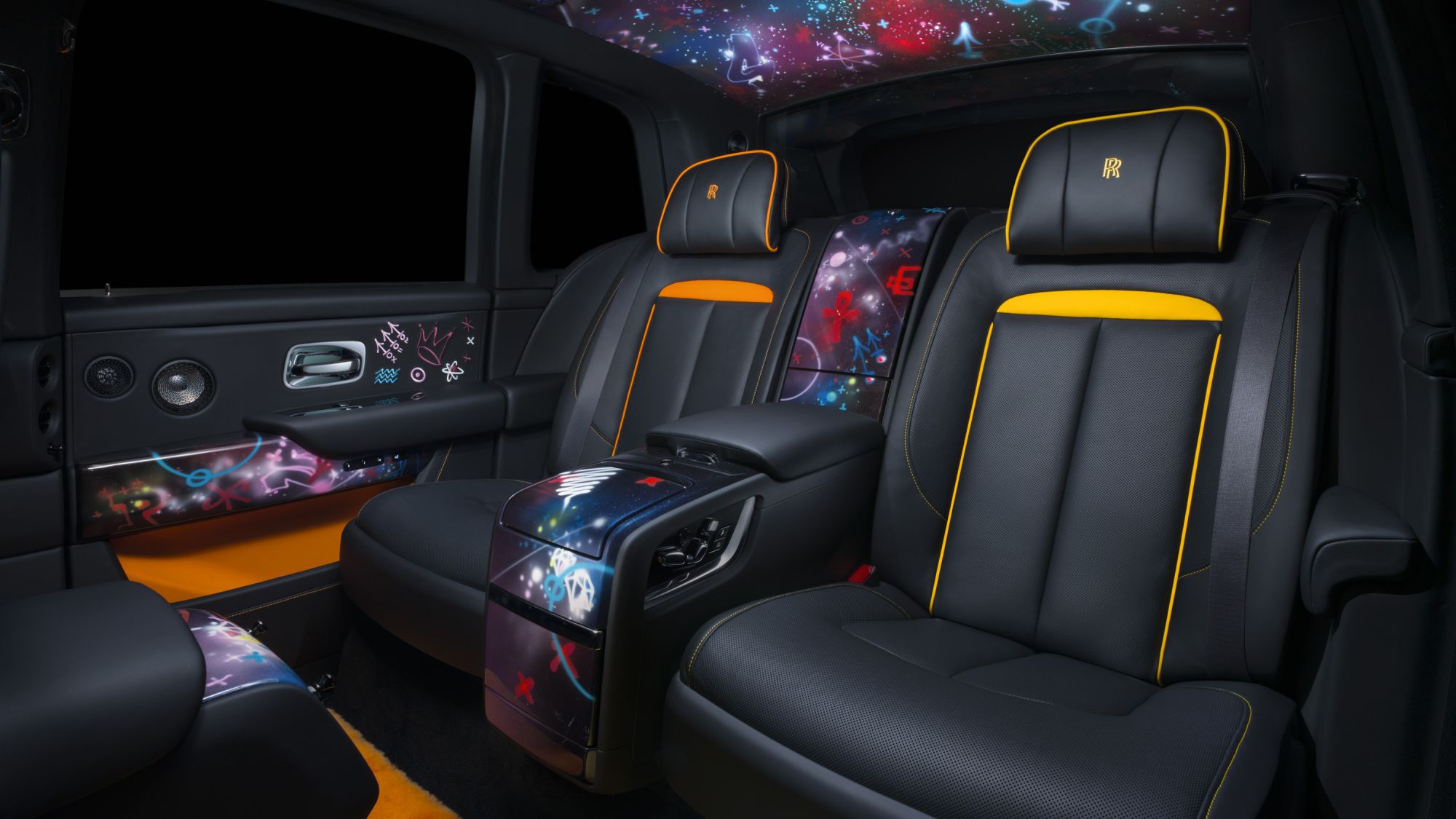
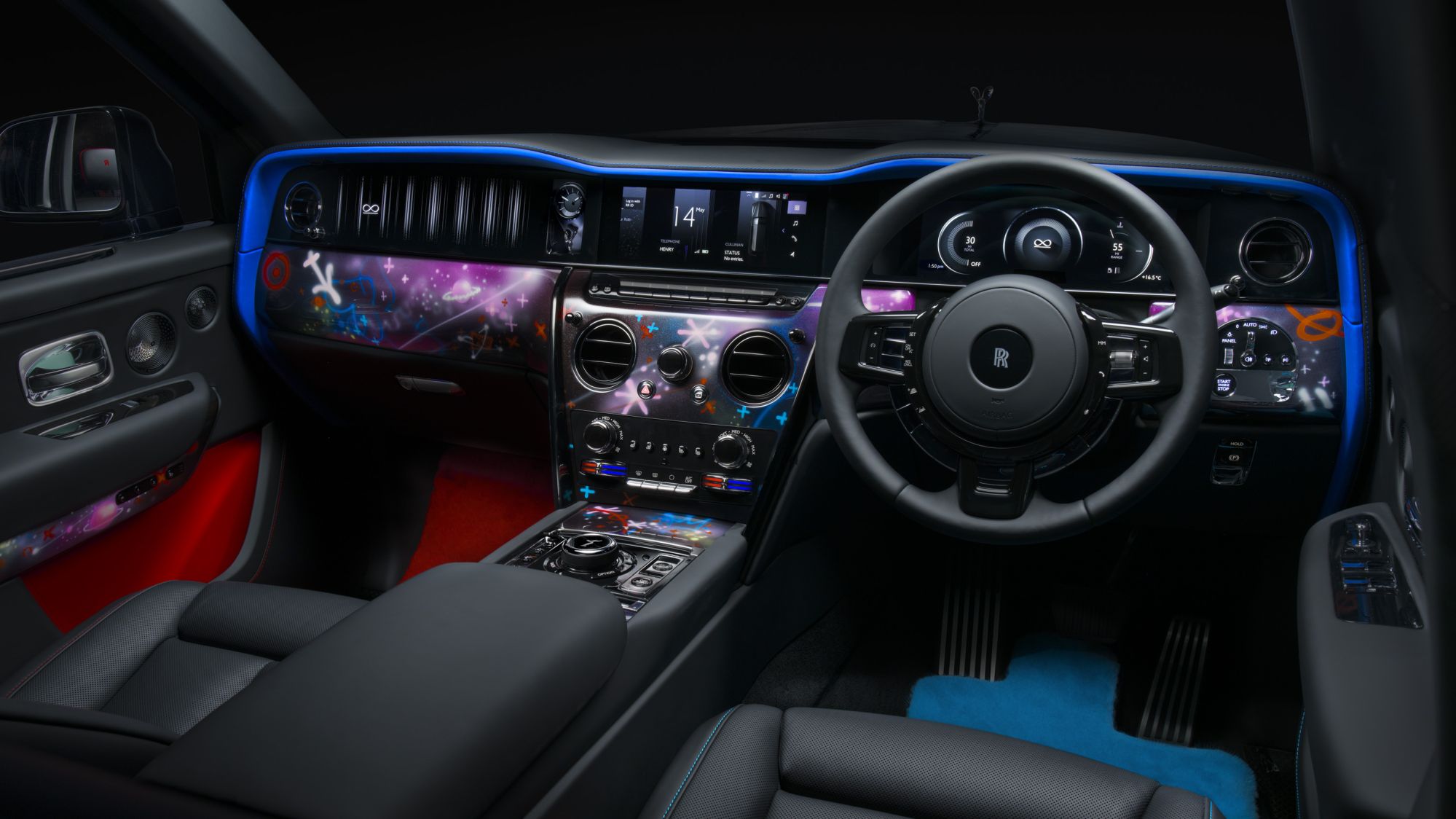
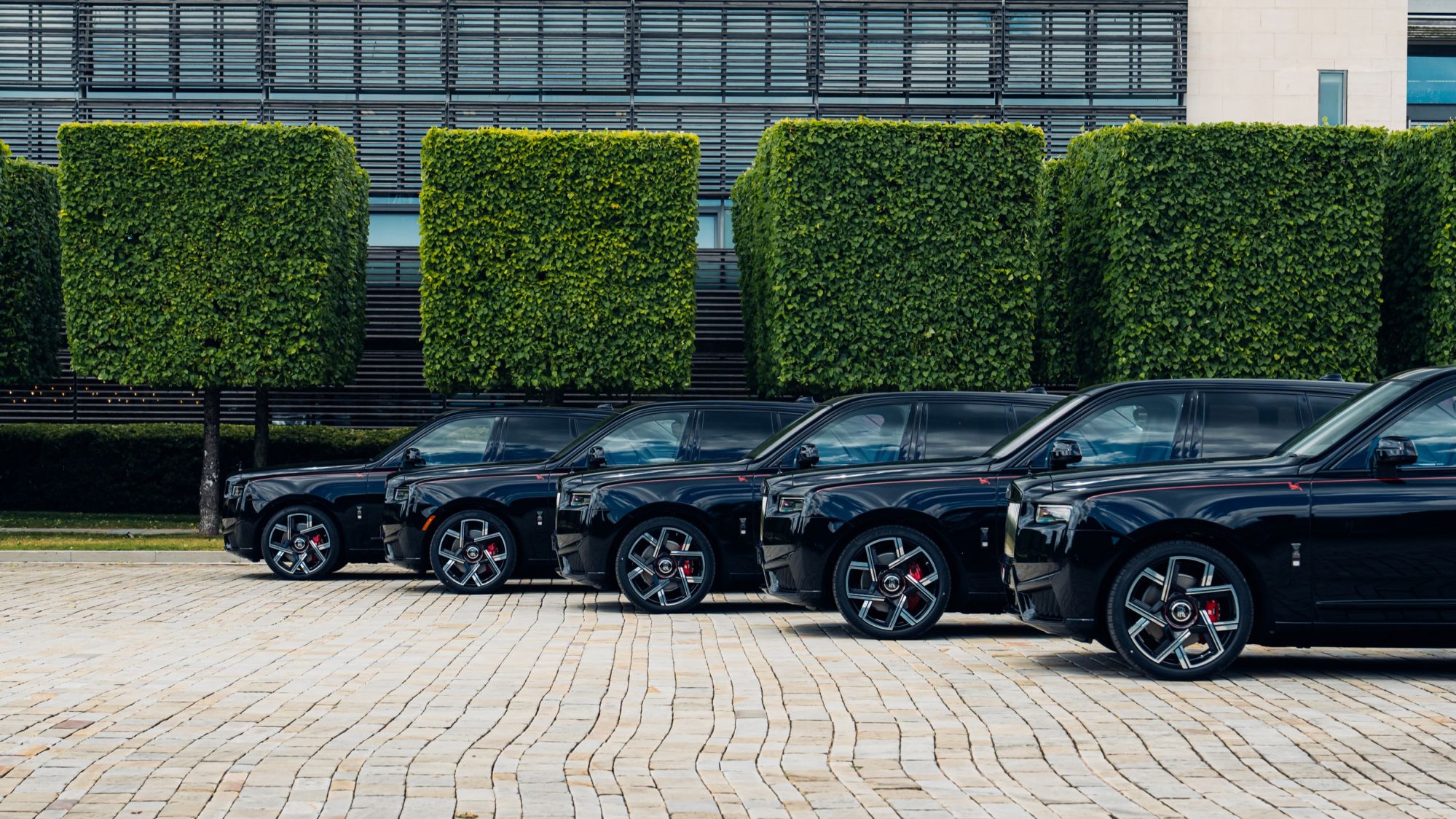
The car was introduced by three voices: Cyril Kongo, the artist; Domagoj Dukec, Director of Design at Rolls-Royce Motor Cars; and Phil Fabre de la Grange, Head of Bespoke. Before us stood just one of the five Black Badge Cullinan by Cyril Kongo: five private commissions. It was a unique opportunity to see one in person, because the other four were already on their way to the collectors who had commissioned them.
It is worth pausing for a moment on the artist himself. Cyril Phan, known professionally as Kongo, was born in Toulouse in 1969 to a French mother and a Vietnamese father. He grew up between Vietnam and the former French Congo - from which he took his artistic name - and in 1986 began painting walls in Paris. Three years later, he joined the legendary MAC crew, one of the earliest collectives in the European graffiti scene. In the early 2000s, he founded the Kosmopolite Art Tour, the first international graffiti festival in France, and gradually shifted from public spaces to canvas while preserving his language intact: explosive lettering, color, rapid gestures, an urban calligraphy that exists somewhere between chaos and composition.
From 2011 onward, his name entered the most rigorous luxury circles. For Hermès, he designed a silk carré. With Daum, he created a spray can in pâte de verre - the spray can relocated into blown glass. For Richard Mille, he hand-painted every example of the RM 68-01 “Graffiti” tourbillon watch. For La Cornue, he decorated a limited edition of deluxe kitchens. For Chanel, at Karl Lagerfeld’s invitation, he contributed to the Métiers d’Art collection. And in 2021, he designed the interiors of the Airbus ACJ TwoTwenty business jet. One of his quotes, now cited everywhere, perfectly summarizes the coherence of a path that might otherwise seem contradictory: «I don’t collaborate with brands. I collaborate with savoir-faire.»
Black Badge denotes the most powerful and least traditionally Rolls-Royce version in terms of driving sensations: the soundproofing material is reduced, and the engine is made slightly more powerful - as if that were even necessary, considering Rolls-Royce equips only 6.75-liter V12 engines. The Black Badge line has existed since 2016, debuting with the Black Badge Ghost, and this year it celebrates its tenth anniversary.
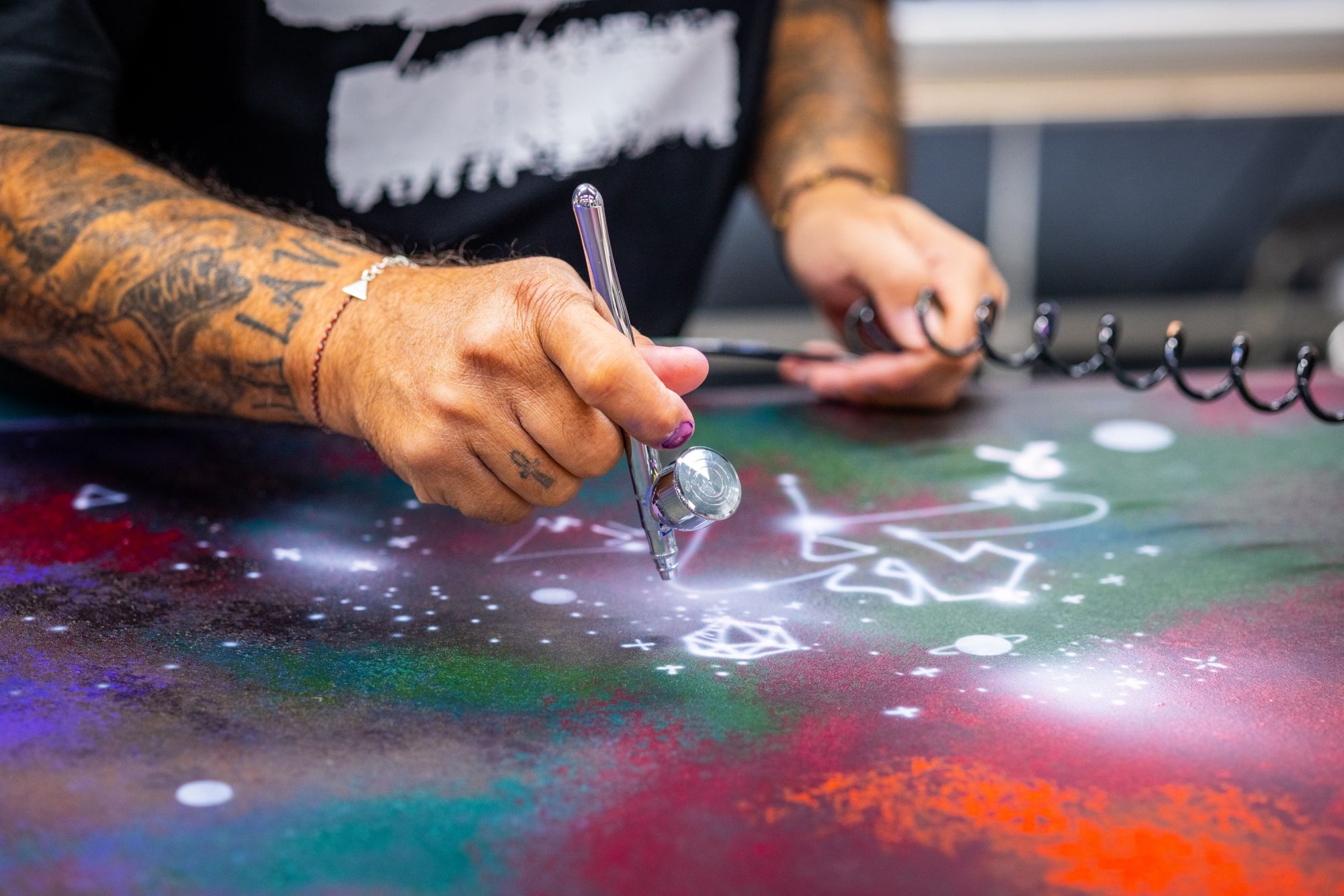
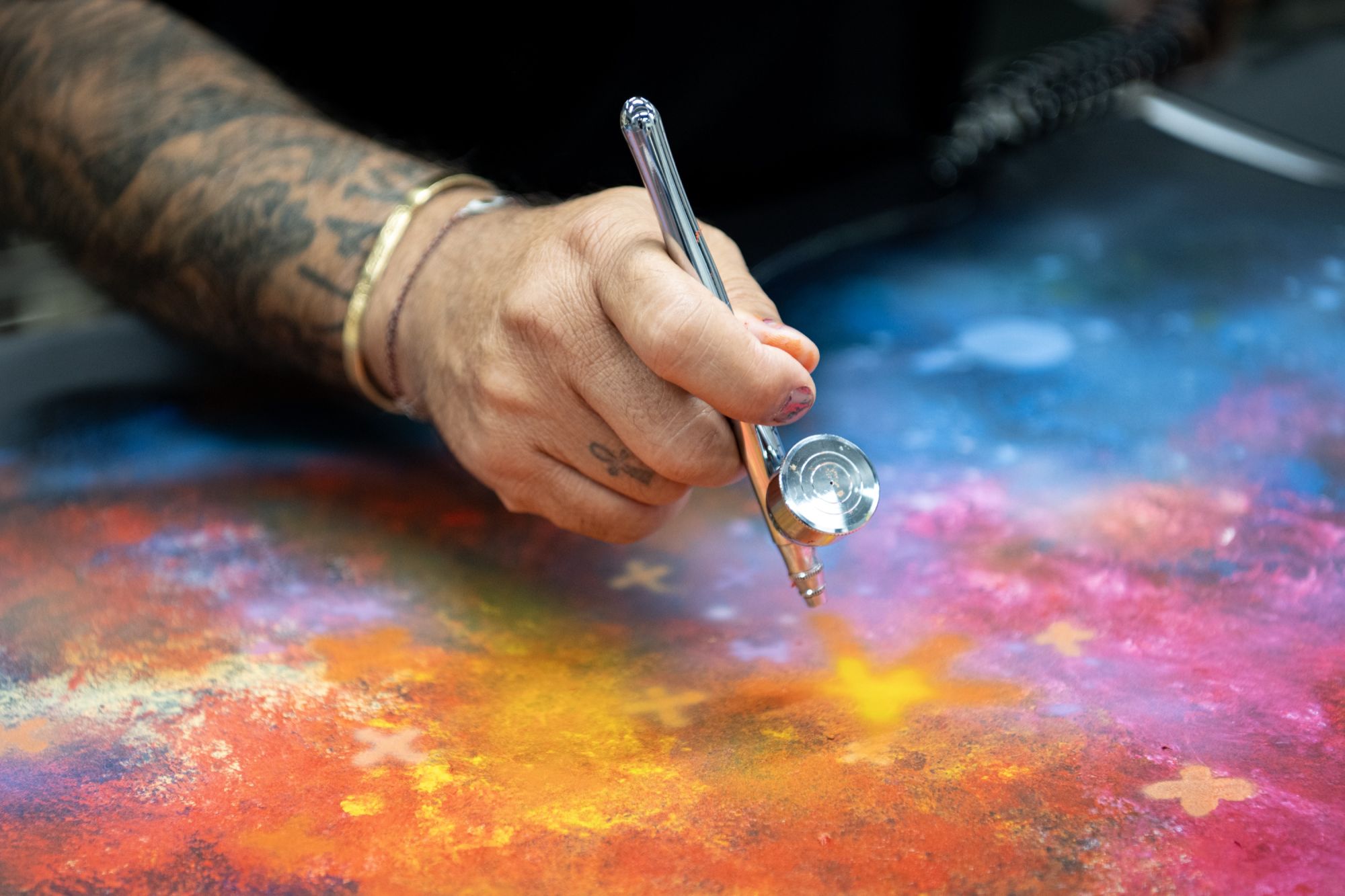
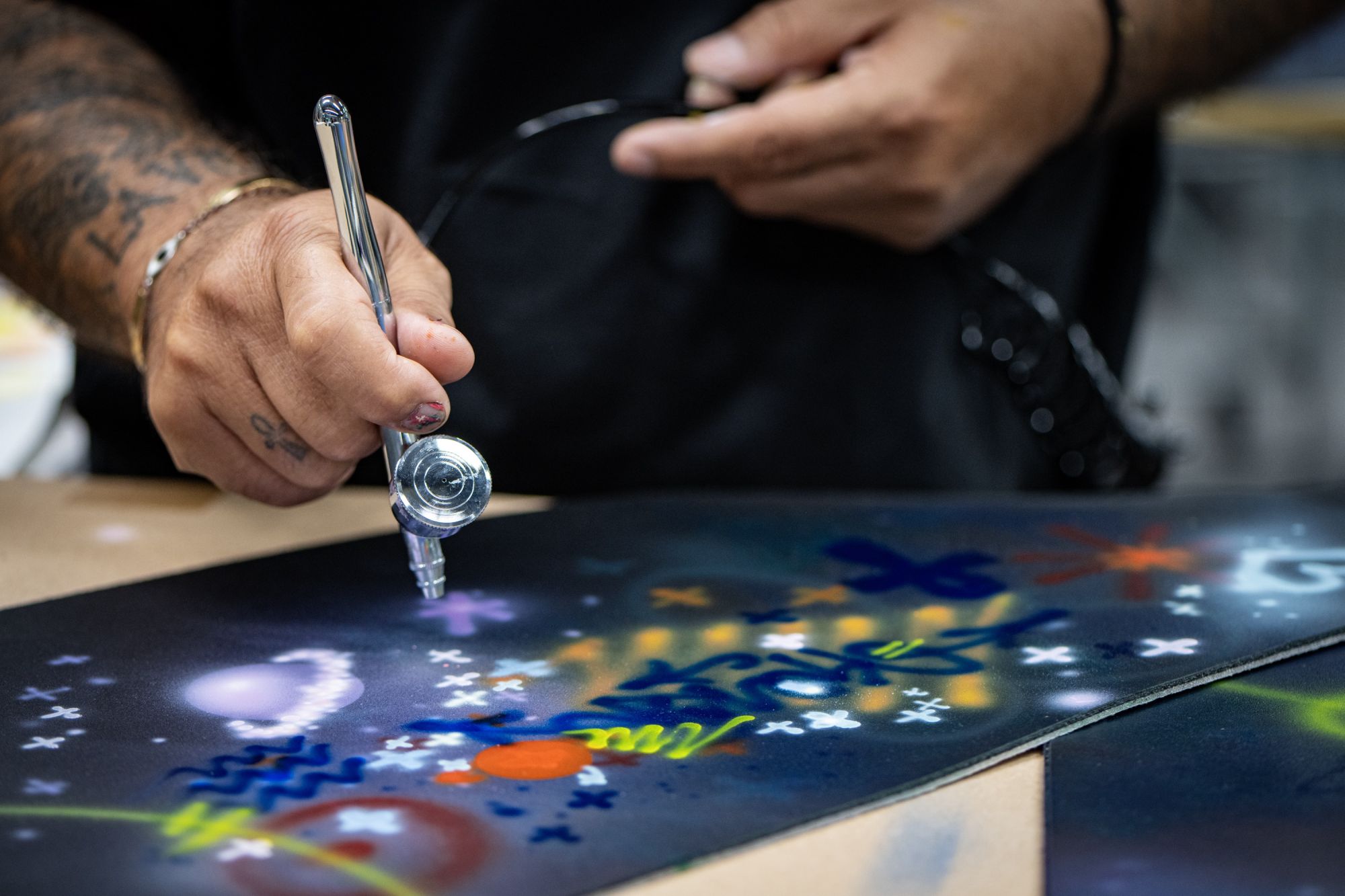
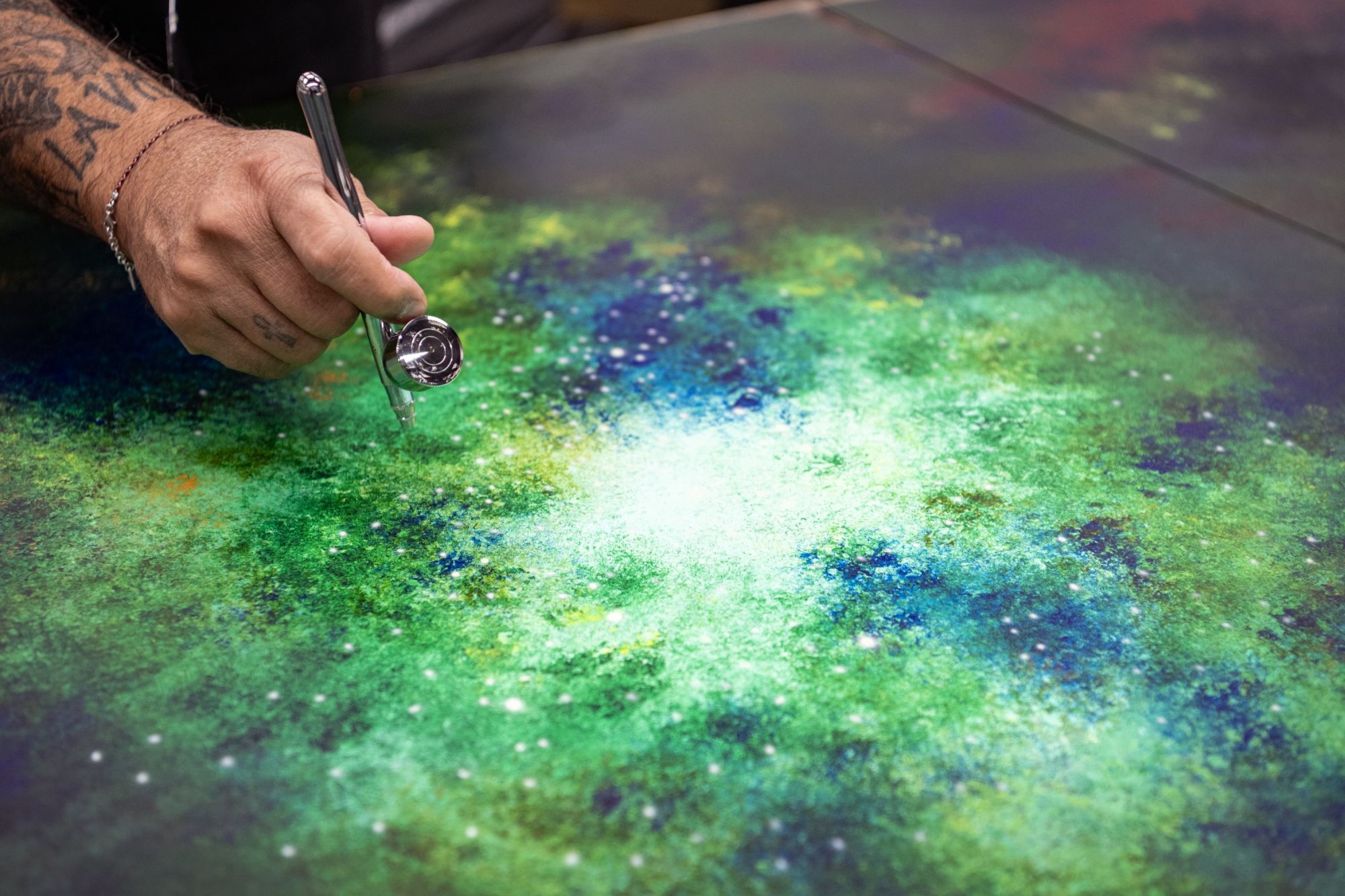
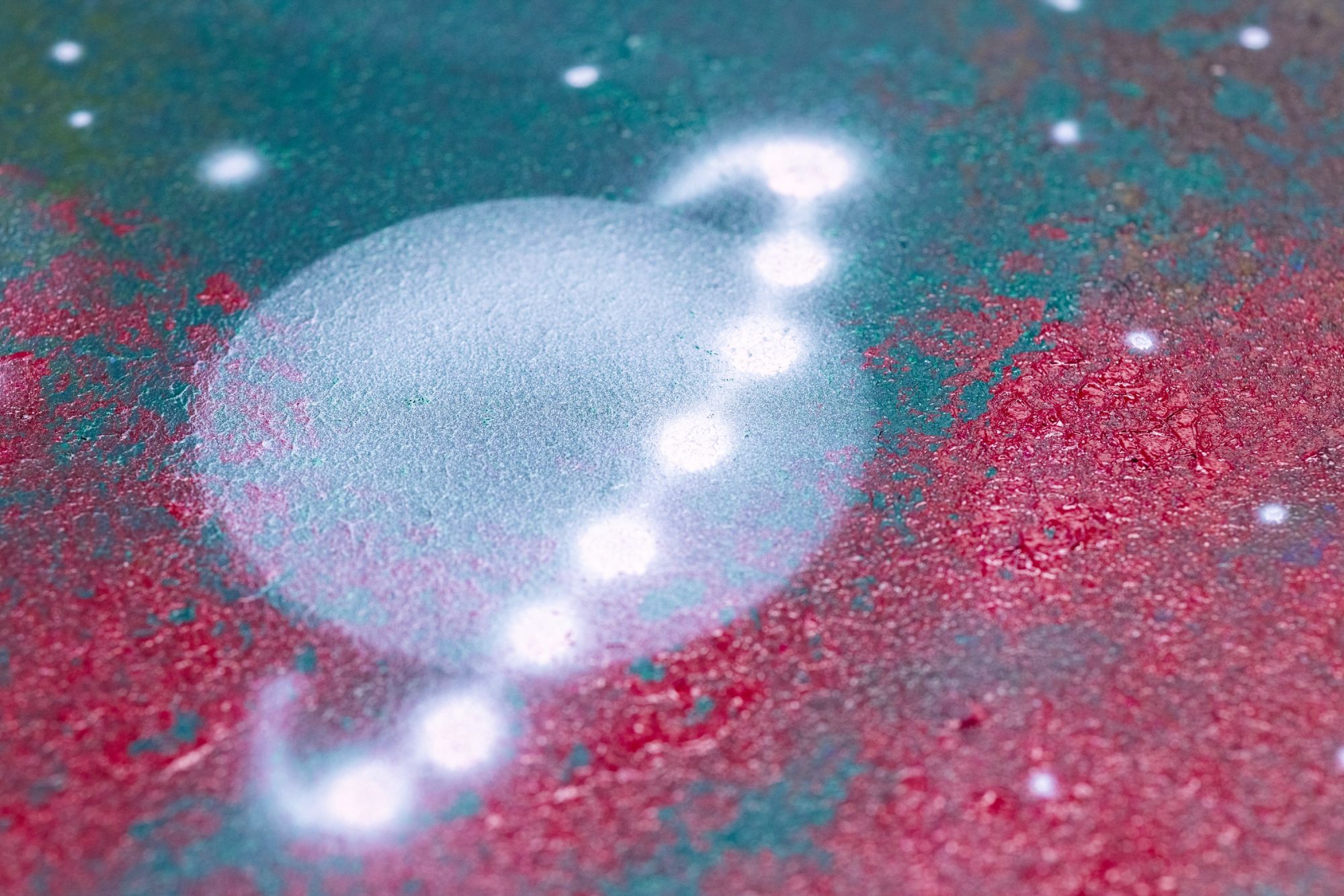
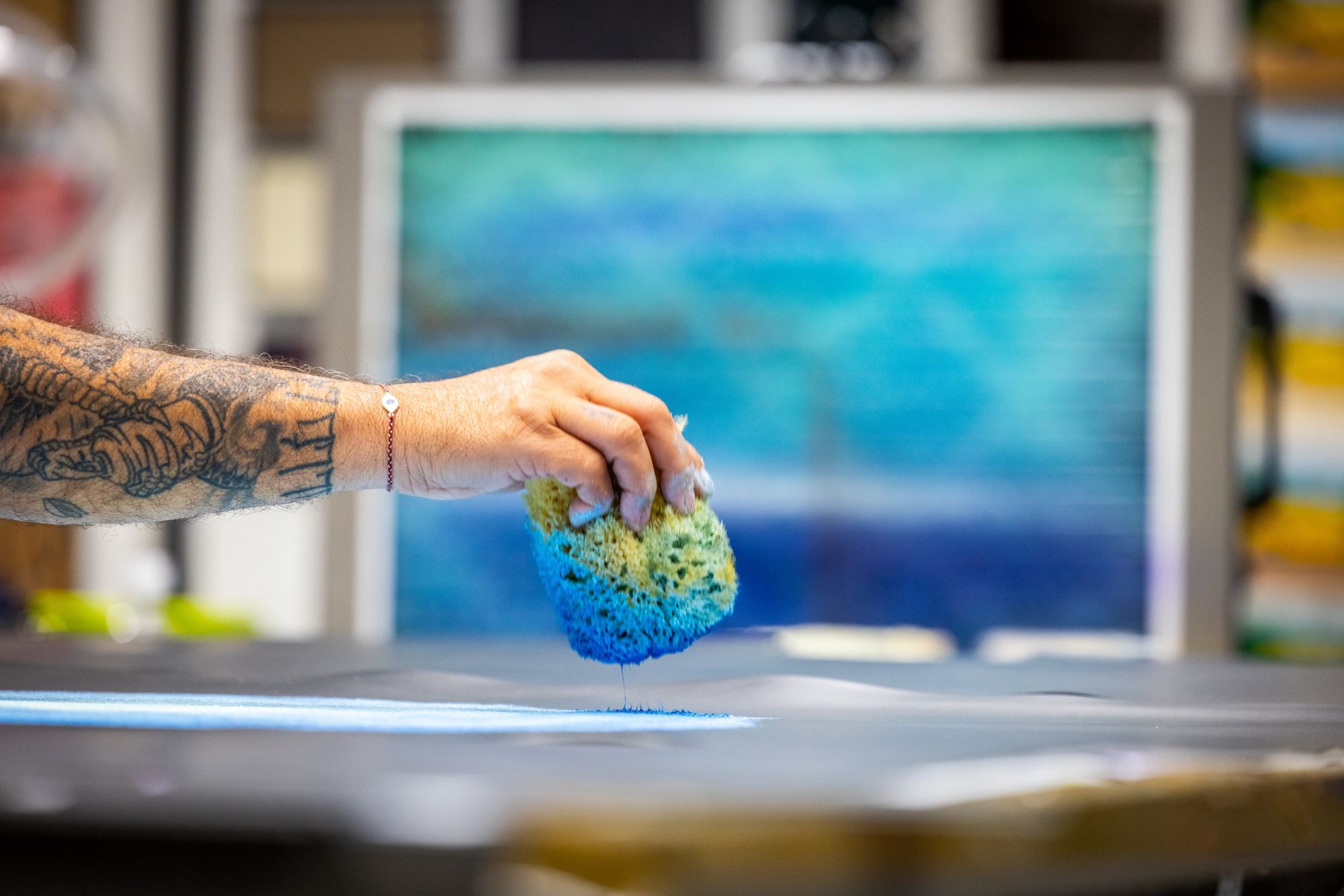
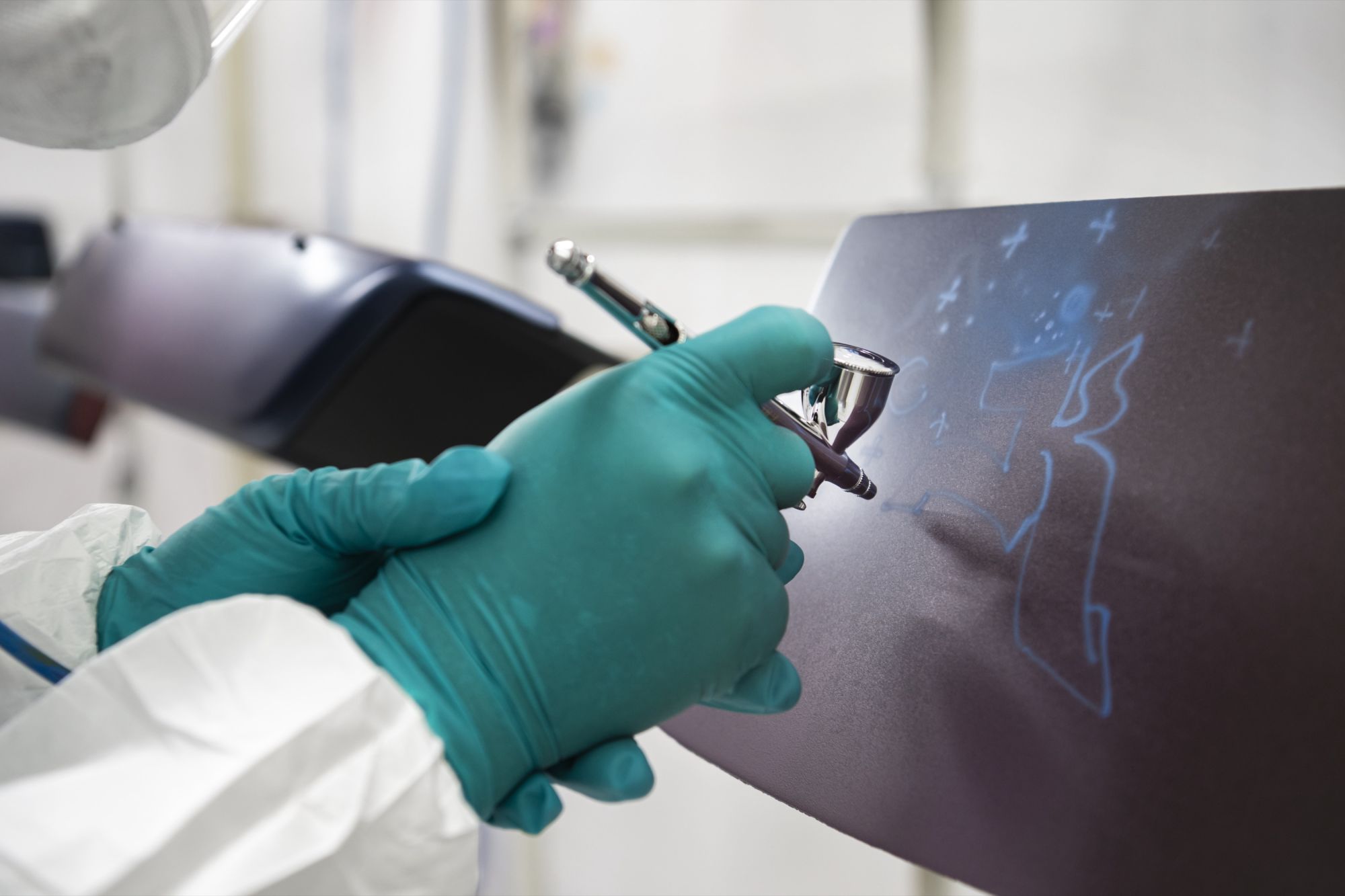
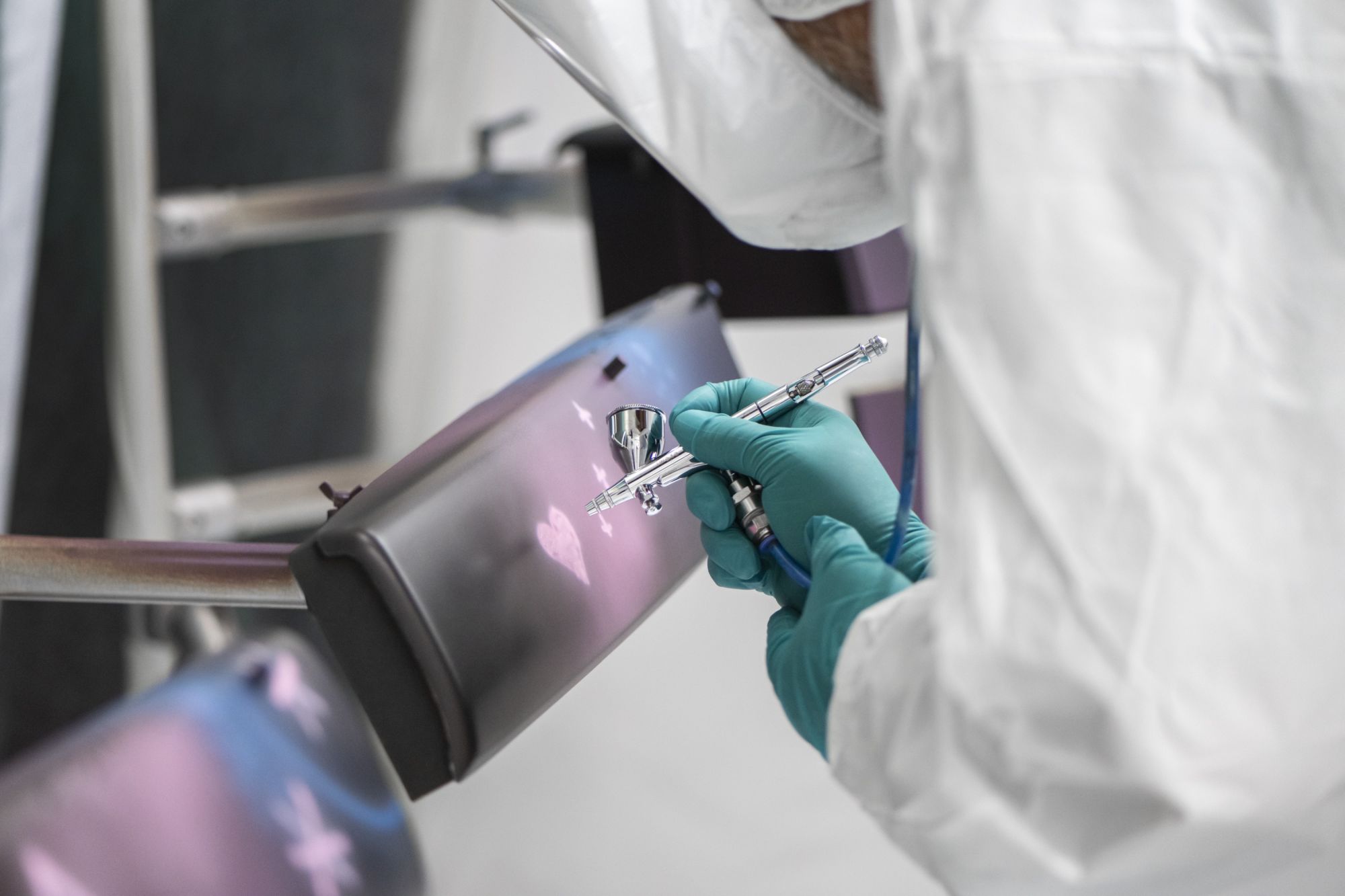
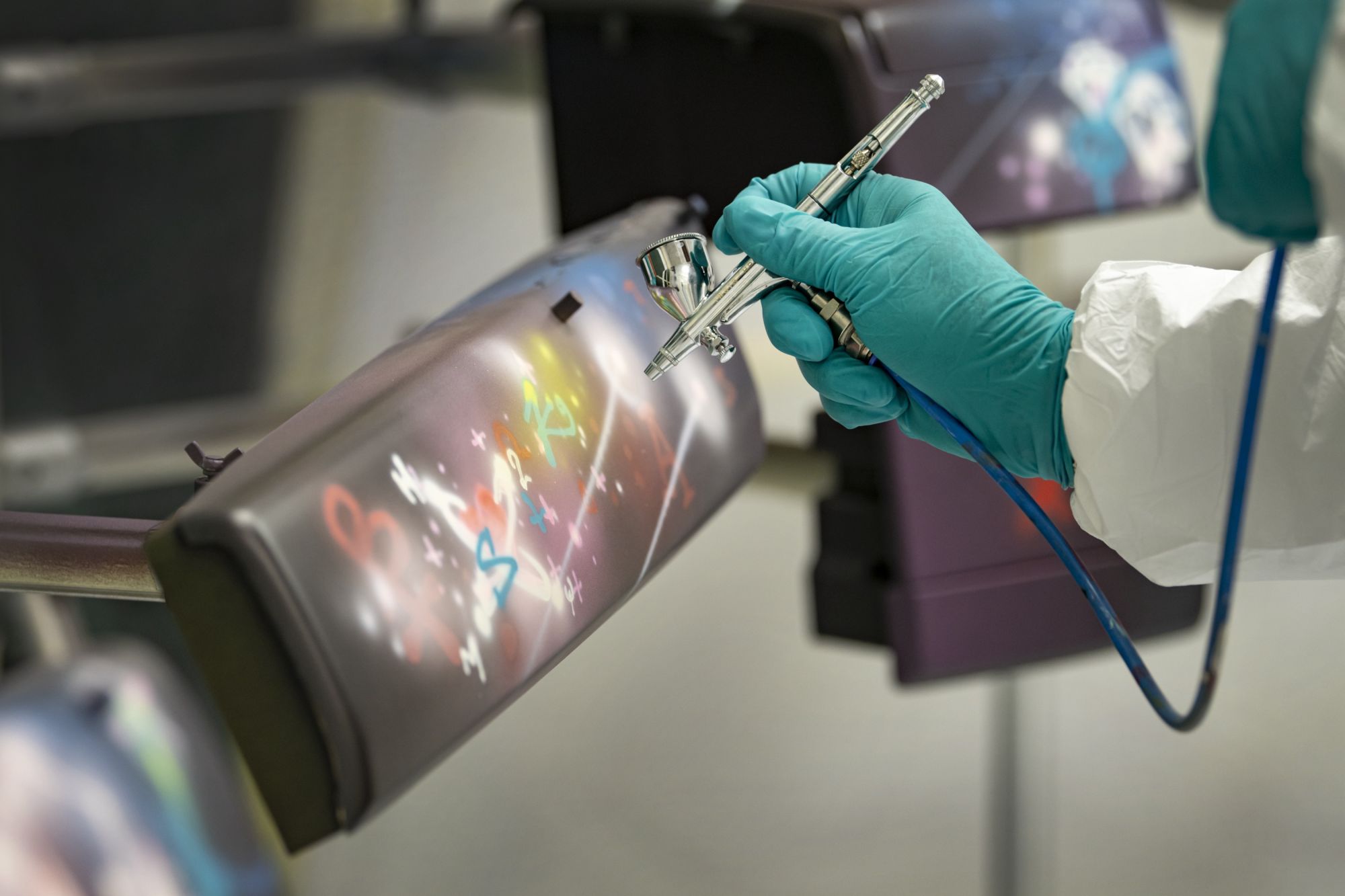
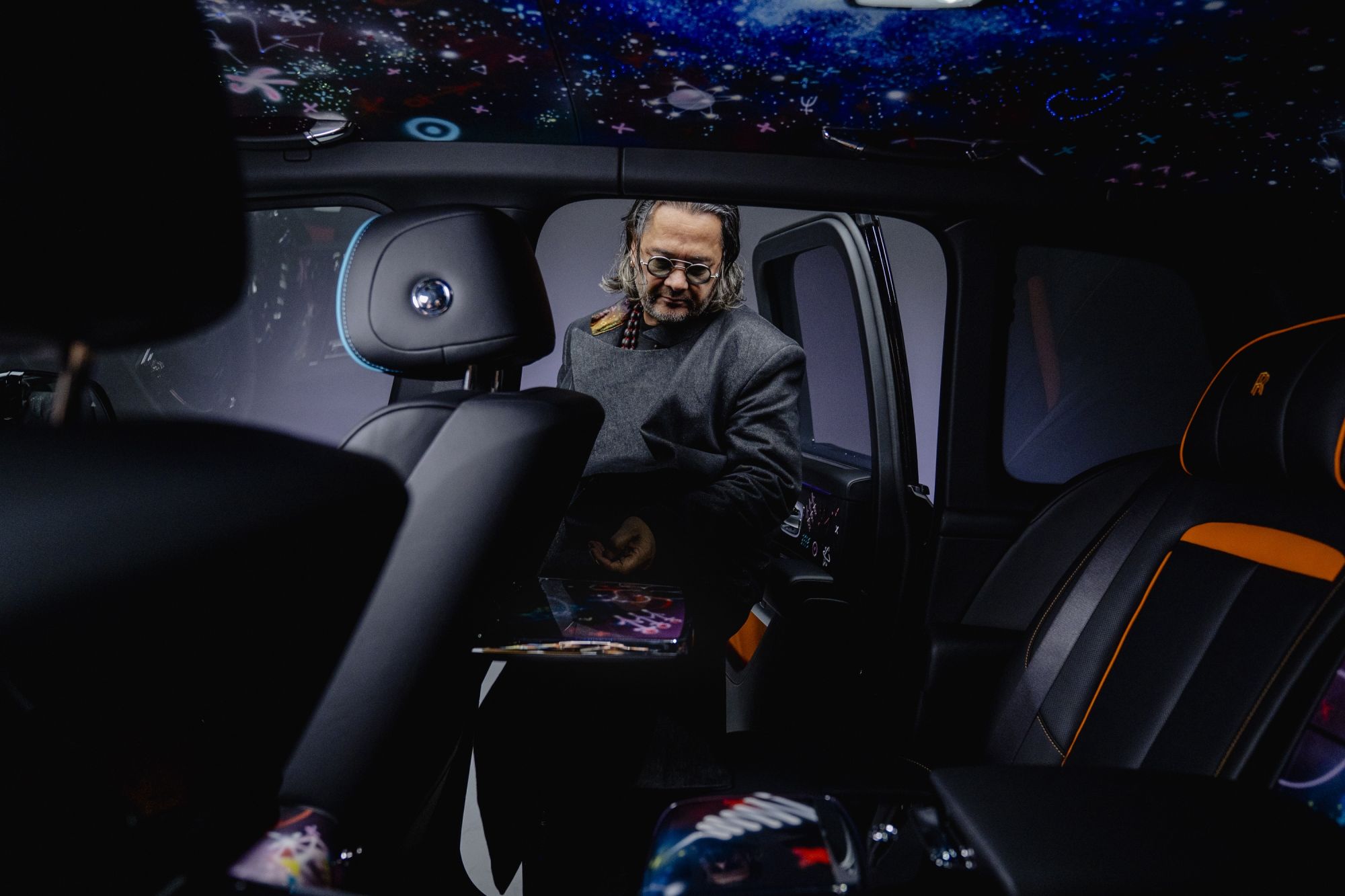
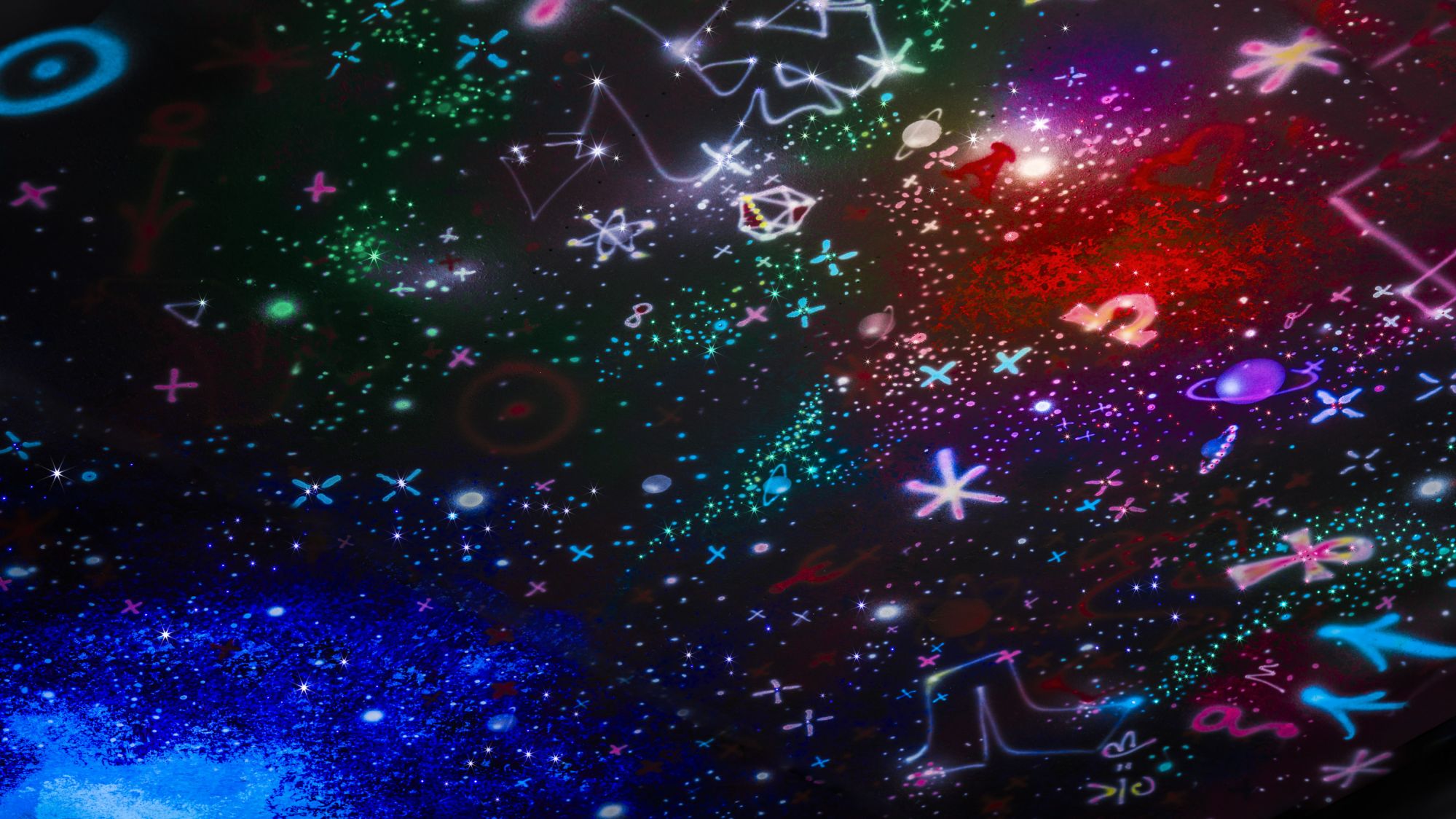
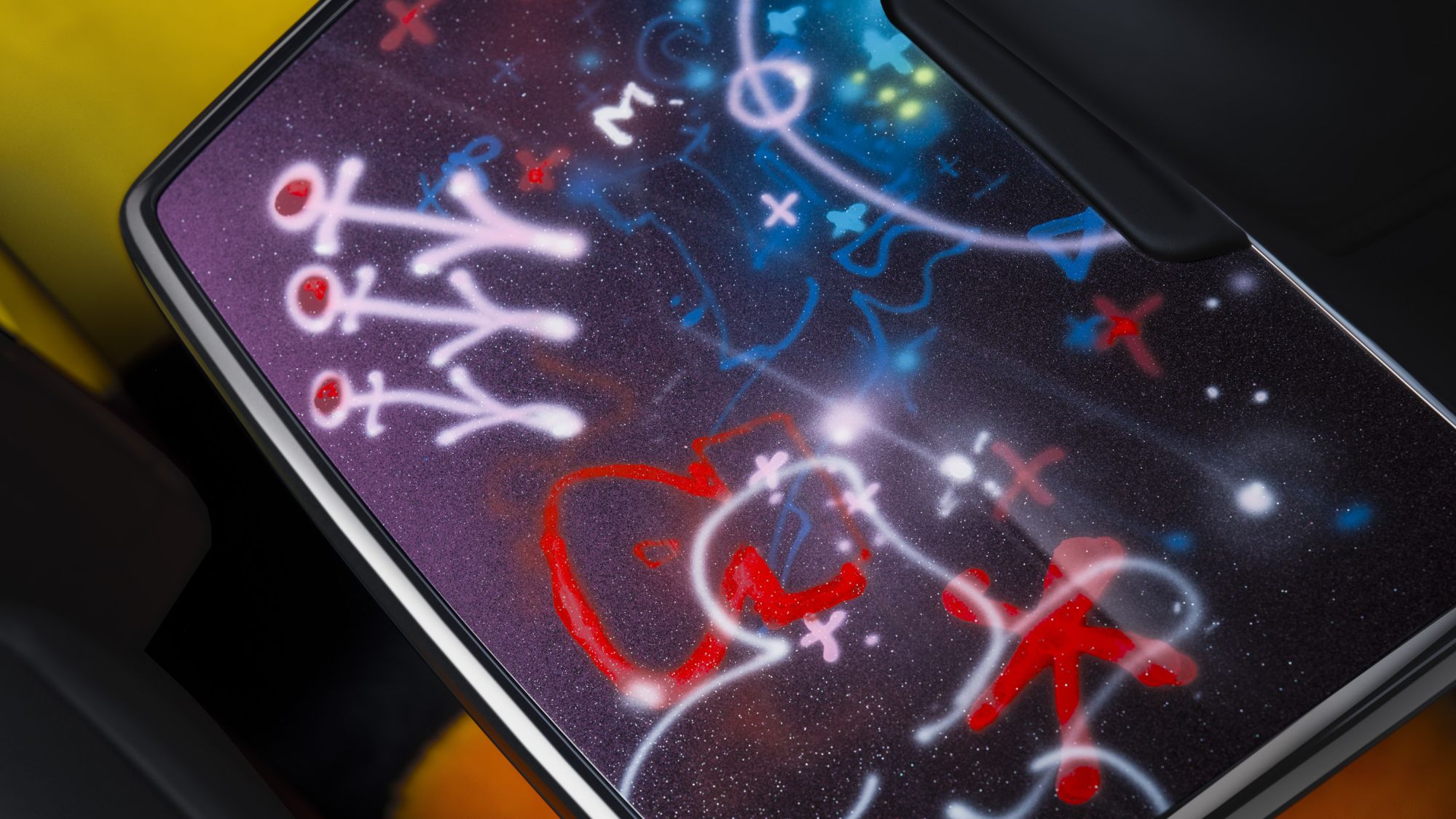
For six months, even before production began, Cyril Phan was welcomed to Goodwood, the home of the brand, as a full member of the Bespoke Collective. This was not an external commission signed remotely: it was true co-creation, shoulder to shoulder with designers, craftsmen, and engineers. Seventy colors were prepared specifically for him; nineteen black-lacquered wooden panels were then airbrushed directly by his own hand; the iconic Starlight Headliner was painted and then punctuated with 1,344 points of light, positioned one by one by the artist himself. Eight of those lights are shooting stars - and one of them, for the first time in the brand’s history, stretches across the entire cabin ceiling from one end to the other.
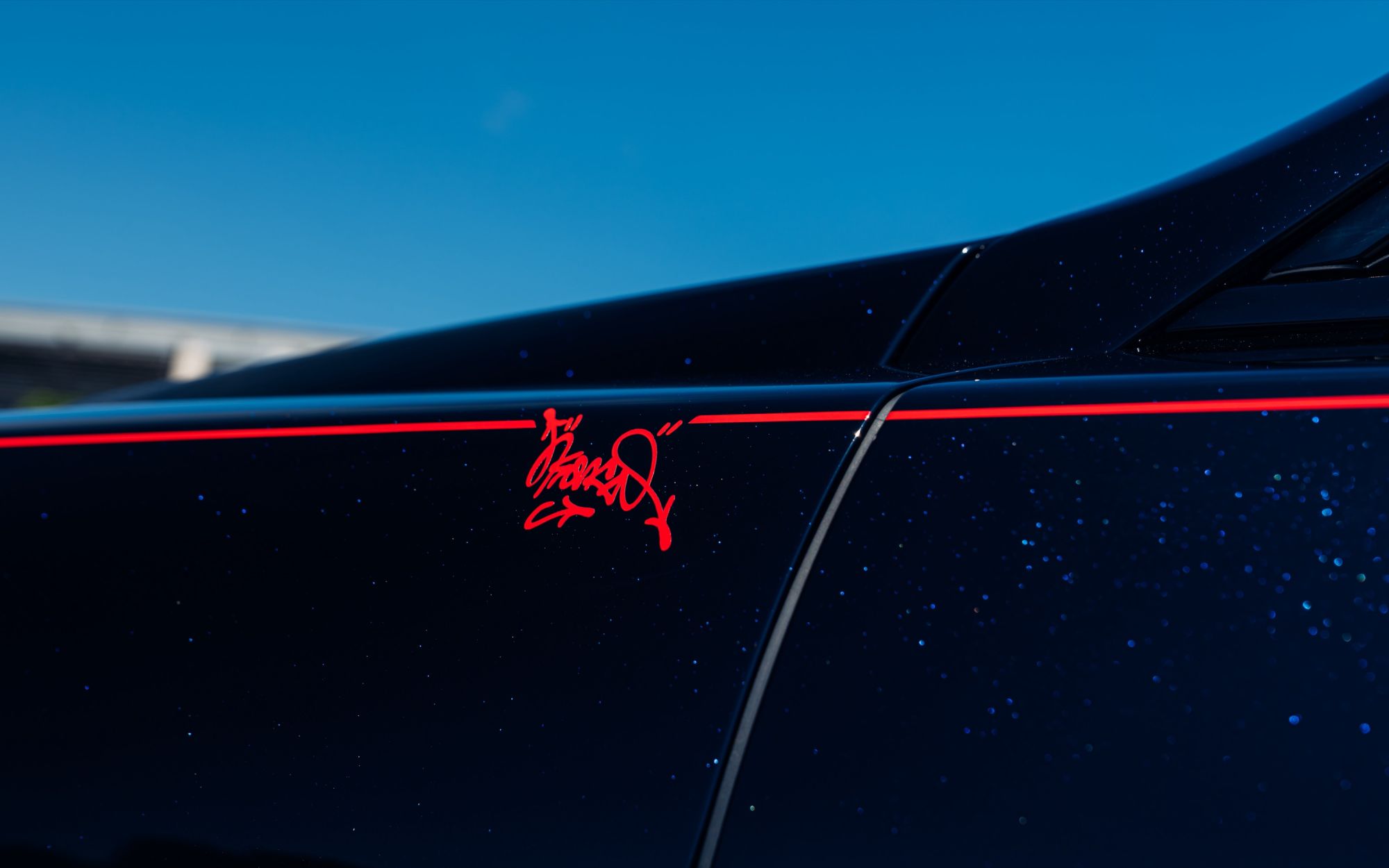
These extremely limited Cullinans feature two additional “firsts” that carry considerable weight for anyone familiar with Rolls-Royce’s stylistic rigor. The Gradient Coachline, the decorative line running along the side of the car, traditionally monochrome, now fades in color: on the left side from Phoenix Red to Forge Yellow, and on the right from Mandarin to Turquoise. Behind each 23-inch wheel sits a brake caliper painted in a different color. Four distinct shades, in dialogue with the four internal color zones, because the cabin itself, for the first time, is divided into four separate worlds: one for the driver, one for the front passenger, and two in the rear.
Kongo brought his personal universe into the car, a world he calls the Kongoverse: imaginary planets, mathematical formulas, atoms, and constellations that exist in no known sky. His brother is a physicist, and hidden within the swirls of the ceiling are real equations alongside invented stars. It is the visual translation of a family dialogue transformed into artistic language.
The Black Badge Cullinan by Cyril Kongo sits precisely at that crossroads between historic luxury and contemporary culture, between English craftsmanship and a language born beneath the bridges of Paris. The following morning, once again aboard the Ghost Black Badge, I headed back toward the airport that would take me home to Milan. I found myself thinking that somewhere in the world, someone now owns a Cullinan both identical to and different from the other four - and that perhaps they will never again be parked side by side.
