



























We’re tired of pretending that family influencers are normal We all realise that you’re making money from it
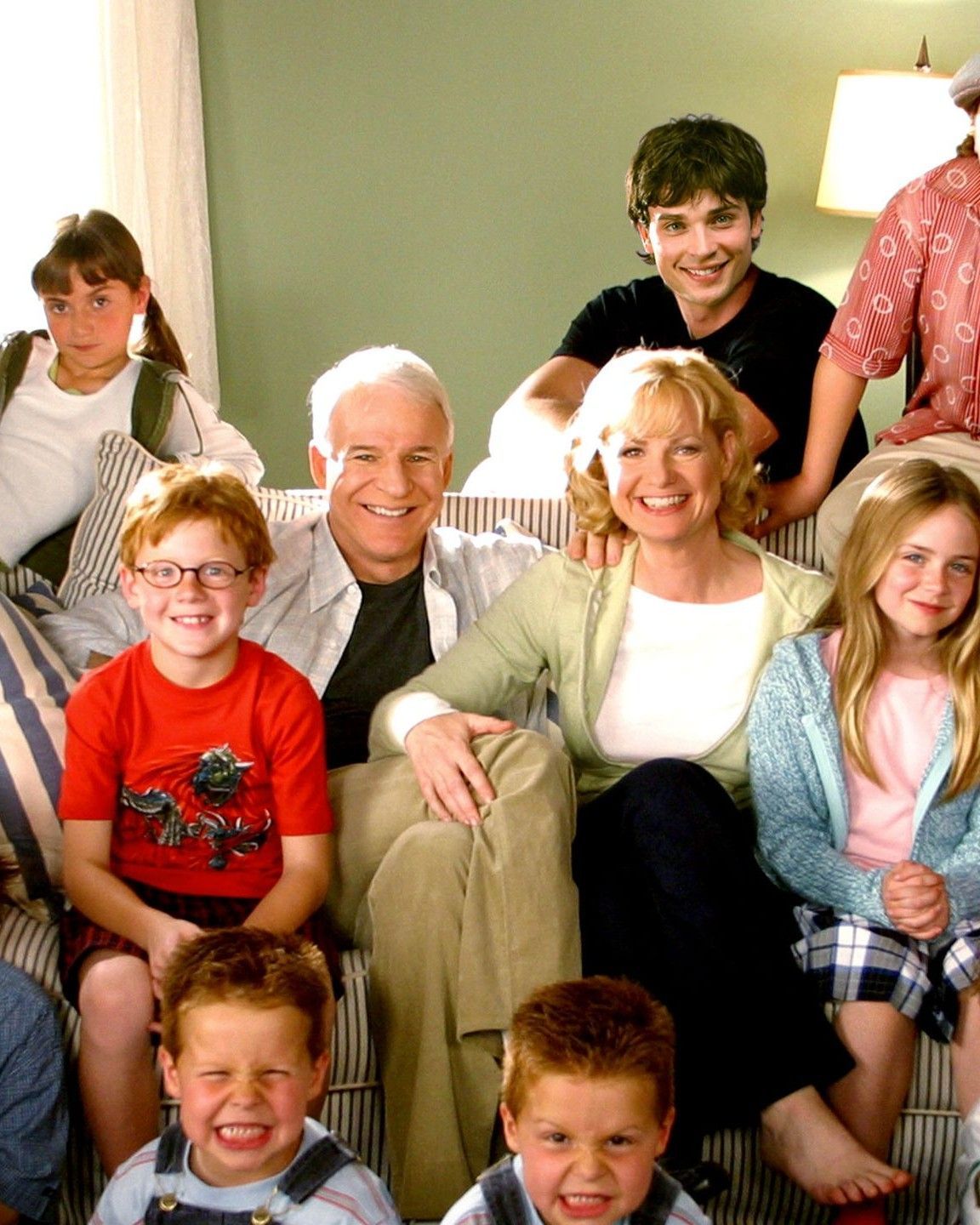
Maybe you need to be a cynical Millennial, maybe you need to have never experienced the many stresses that being a parent entails, but it is impossible not to feel a sensation of deep ick when you open the feed of one of the many Italian family influencers. Artfully shot and edited videos showing children playing or struggling with homework, parents putting them to bed with a fever while pointing a camera at them, play sessions where the little ones entertain themselves with the latest products sent by the brand of the moment in exchange for views.
Speaking about the phenomenon in Io Donna, and citing data from Buzzoole, Erika Riggi calculated that on the Italian web, between March 2023 and February 2024, approximately 1.4 million pieces of content on the Family&Kids theme were published. One year later, according to Buzzoole, sponsored content in the sector had gone from 7,000 to over 13,600, effectively doubling. Today in Italy, there are family influencers with enormous followings, ranging from hundreds of thousands to millions. At the center of this new and problematic branch of the entertainment industry are actors who often don’t even know they are actors: children.
Childhood as entertainment
@llindseycooper stop supporting family vloggers and giving them a platform. #influencersbelike #influencersecrets #borntobeviral #badparenting #familyvloggers original sound - llindseycooper
Recently, The Atlantic dedicated a long essay to the topic, including an interview with Fortesa Latifi, author of a monograph on child influencers. In the beginning, Latifi explains, it all started with the flourishing of 2000s blogs, which served as digital diaries where many mothers shared their daily challenges and freely exchanged advice or vents. With the arrival of social media and YouTube, however, the barrier separating advice from filming, and then filming from sponsorships, became increasingly thin.
On social media, the market for family influencers has proven enormous. The reason, quite simply, is that content with children performs better. An analysis by the Pew Research Center cited in The Atlantic’s essay found that videos featuring minors under 13 years old receive on average three times more views than others. Algorithms, brands, and parents form a self-sustaining cycle of attention and monetizable data. As for Italy, a 2025 study by Terre des Hommes, IAP, and Università Cattolica calculated that, out of 1,334 analyzed contents, minors appear in one organic piece of content out of two and in one sponsored piece out of four. And the percentages soon become even more disturbing.
Leggo di una proposta di legge per limitare l'accesso ai social da parte dei minori senza l'autorizzazione dei genitori, con l'obiettivo di contrastare il fenomeno dei baby influencer. Il problema? Spesso sono proprio i genitori a portare i figli sui social per farsi pubblicità.
— Jacopo Franchi (@JacopoFranchi87) May 21, 2024
Of all the analyzed content, only 7% protects the children’s privacy (the percentage drops to 2% for sponsored content), while a solid 21% of cases show intimate situations such as baths, diaper changes, and children being put to bed. It’s a “job” for which one is never too young, by the way. According to other data cited by Il Sole 24Ore, for example, nearly 80% of the minors featured in the content are between zero and five years old and thus cannot give informed consent or understand the implications of what is published. A content strategist told Fortesa Latifi that the best-performing videos are those in which a child is sick or gets hurt. A statement that should raise more than a few eyebrows.
But beyond privacy, there is something morally questionable in turning anyone’s childhood into monetizable entertainment. Those images remain online indefinitely, can be used to identify the children’s residence and habits, or, as documented by The Boston Globe, even transformed into child pornography material via AI. Without even venturing into the dark web, that roughly 21% of content showing children in intimate situations probably does not attract the type of audience the parents think, as also shown by the New York Times in an investigation into the followers of American girl influencers whose accounts are managed by mothers or other family members. But the implications go further.
Talking about families in the era of de-natalism
To have a sensible picture of family influencing, especially in Italy, one must consider the context in which it takes place. According to the most recent Istat data, in 2025 the fertility rate fell to a historic low of 1.14 children per woman, with only 355,000 births per year, a 3.9% decrease compared to 2024. 37.1% of Italians live alone: singles, widowed elderly, separated or divorced people without children at home, and so on. And now that having children has become exceptional, parents are increasingly isolated and deprived of community support networks. Filling this void is the only critical concession one can make to the phenomenon.
In a country where parental loneliness is structural, where grandparents live hundreds of kilometers away, where childcare services are lacking, sharing parenting experiences online can serve an important function. And even in America the same holds true: Fortesa Latifi, quoted by The Atlantic, writes that «you cannot overestimate how much sharing experiences from other mothers helped me in my very first blurred days of motherhood.» This community function, however, does not justify the commercial architecture that supports it, nor the way the product is sold as reality when it is constructed as spectacle.
The way I hate any family channel or influencer who post their kids online especially when they have a massive following and said kids can’t consent https://t.co/IJgVdXSz55
— z o e (@F1Valentine) June 12, 2025
Because the problem is not that these parents show their family. The problem is the model with which they do it, and what this model reveals and spreads. On one hand, there are figures who present large, always serene families, perfectly organized mothers, and well-kept domestic spaces: an image of motherhood and family life that is unattainable for the vast majority of the audience, which increases the sense of inadequacy instead of reducing it. On the other hand, there are figures who embody and authorize a certain aesthetic and cultural coarseness, validating forms of private exposure lacking reflection, and a completely uncritical management of family intimacy regarding its implications.
At the same time, a large portion of the audience responds to family content with uncritical sentimentality that deserves attention. The tendency to comment on children’s videos with hearts and remarks that treat them like videos of animal puppies reveals a collective disposition toward the infantilization of childhood itself: children as objects of tenderness and “toys” in parasocial relationships, not as subjects with rights. It is an audience that does not question the production conditions of what it consumes, does not ask whether the child sleeping in the reel gave consent, and does not consider the contribution its own views make to the economic incentive driving that industry.
Neither model is useful, just as the attention of an audience interested in experiencing that sense of cuteness is not useful — one that distracts from the cyber-infernal scenarios the rest of social media offers today. The first generates aspirational anxiety; the second lowers the level of discourse without even offering the consolation of authenticity, because that authenticity is itself constructed.
What to read next
The paradox of "day in the life" videos by influencers with ordinary jobs
Becoming famous thanks to your job and no longer being able to leave it
A new study reveals that consumers don't want new products but styling advice
But the ASOS-commissioned research even shows that 67% of consumers still draw inspiration from social media for their outfits

In 2026, the only influencers we trust are intellectuals
The attention economy is in crisis, users are seeking originality and knowledge