



















Does having a lot followers still matter? Because of slop now what's truly cool is niche
There was a moment, between 2013 and 2020, when having followers meant everything. In the most superficial sense, of course, but if a profile had the verified badge and a follower count ending in k, the aura of coolness was obvious even in real life. Those were the golden years of Instagram and YouTube, when social media hadn’t yet been overtaken by short-form content and algorithmic chaos, X was still called Twitter, and even Taylor Swift used to reply to her fans. After the pandemic, though, something changed, mostly thanks to the rise of TikTok.
Compared to other apps, going viral has never been easier, or rather, it has become incredibly common. During lockdown, all it took was a dance, a trend, or a «pov» to earn millions of views. That’s when the new internet stars were born: people who, within a few months, went from their bedrooms to being named model of the year, like Alex Consani, or from the Hype House to topping global charts, like Addison Rae and Sombr. But it was exactly that ease that made having followers «cheugy».
Niche celebrities are the coolest
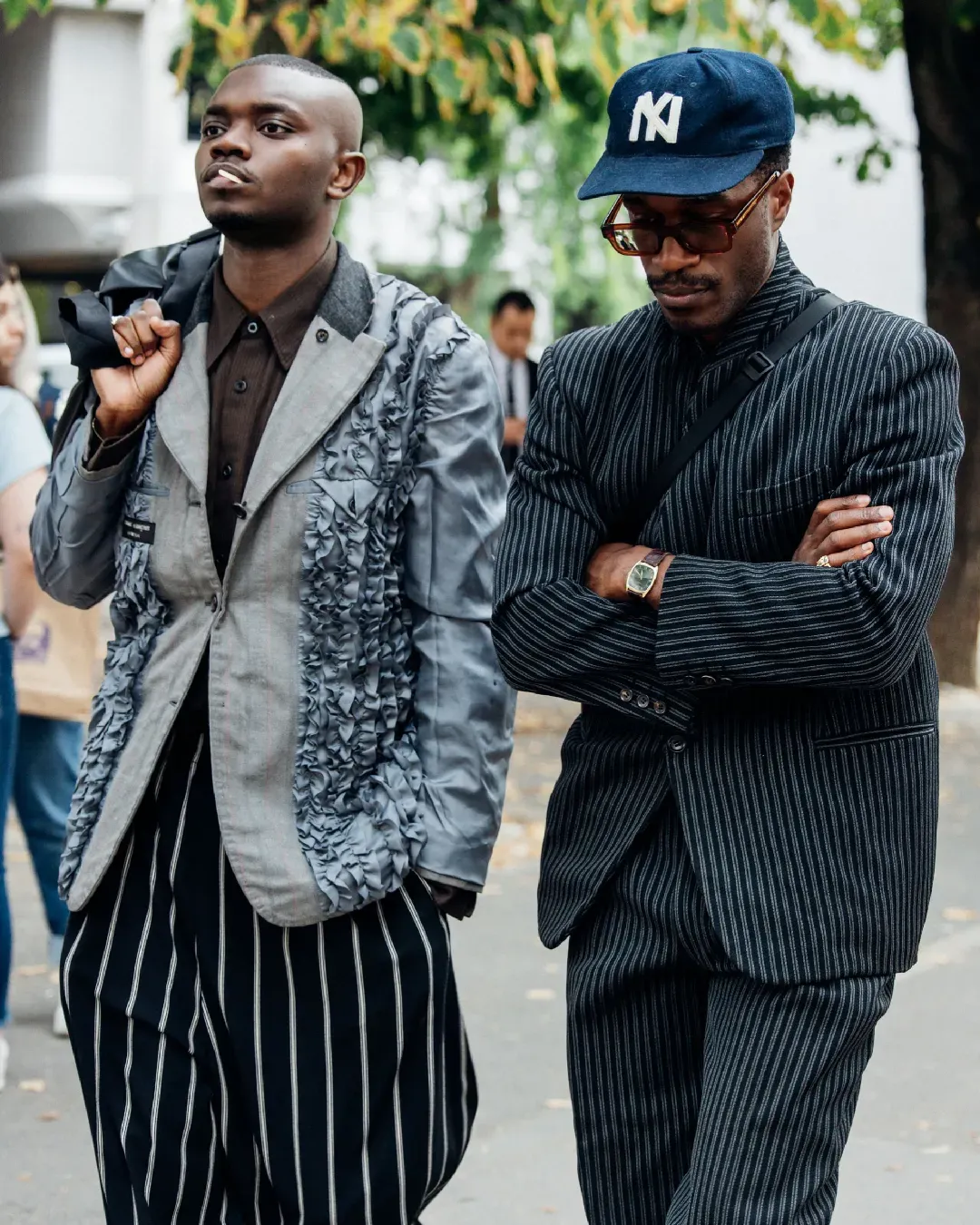
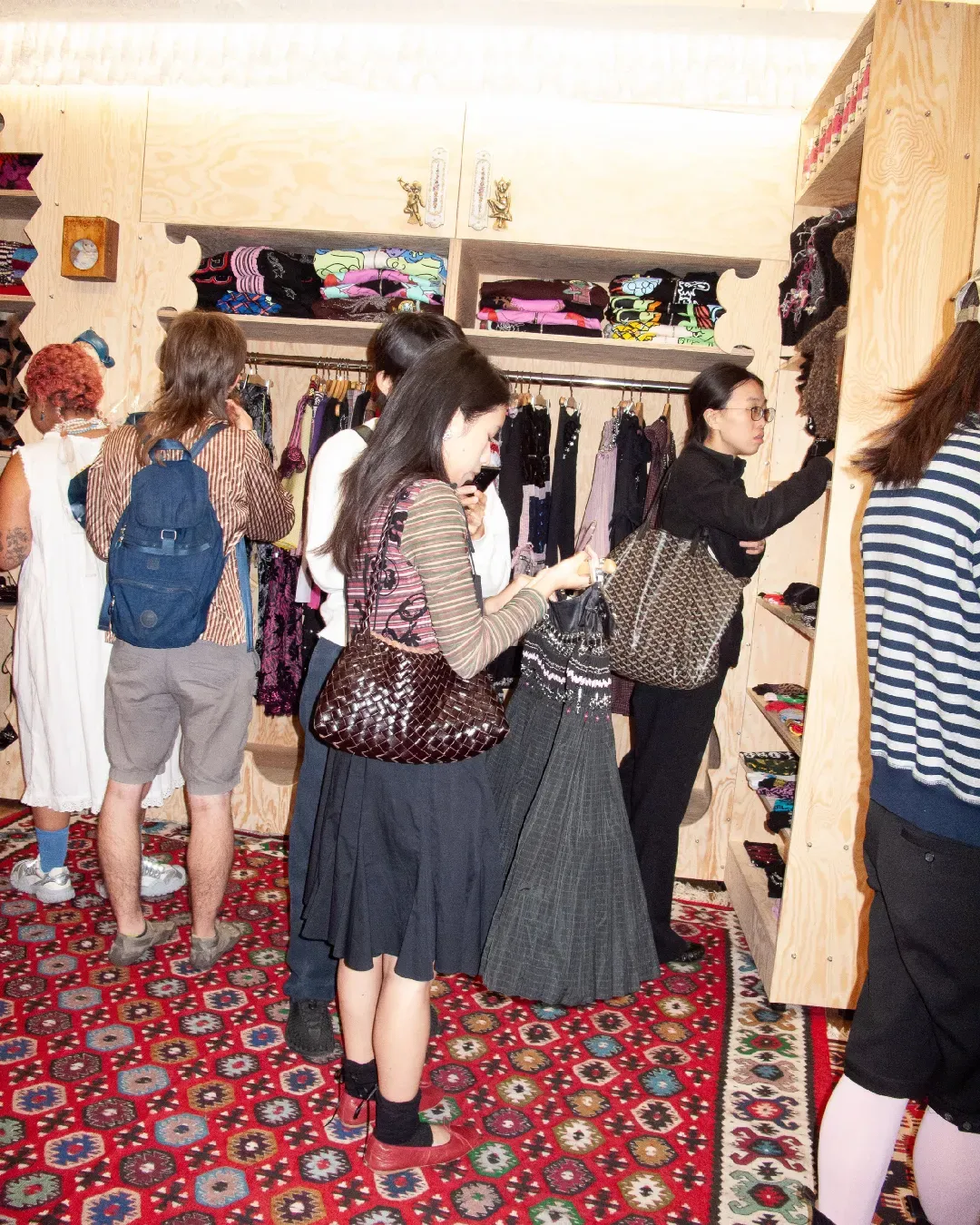
Today, popularity works the other way around; the more niche you are, the more interesting you become. The new celebrities don’t have millions of followers but just a few thousand, under 50k. They post rarely, never tag anyone, and if they do, it’s either by accident or for money. They live between fashion capitals or are constantly traveling, but their charm lies in not making it look like a big deal. In Italy, just think of the Måneskin entourage, a constellation of cool kids orbiting around the band, posting with apparent disinterest: a window, a blurry sunset in Ibiza, a flash photo from a club bathroom.
They do content creation but not as a job; they do it for themselves, to archive moments, to build a «digital scrapbook» (as it’s often called), where it doesn’t matter whether a photo gets 300 likes or 30. In the U.S., this aesthetic has been mainstream for quite some time now, probably started by the earliest niche celebrities, the old hipsters. The ones who populate Bushwick, the Brooklyn neighborhood that went from being full of Italian Americans and POC to the northern hemisphere’s ultimate creative hub - in the broadest sense of the word.
The New Yorker explained it well through the case of Lotta Volkova, stylist and muse of Balenciaga and Miu Miu, one of the most idolized figures in the fashion system. Despite having nearly half a million followers, she uses Instagram in a completely different way than one would expect from someone with that level of visibility, posting casual photos of random landscapes, industrial details, or rows of lockers.
The ghost of past followers
If niche celebrities have become the new measure of coolness, it’s also because there are profiles still dragging along the remnants of a past fame that no longer translates into cultural relevance. They’re the so-called «ghost followers», millions of people who might keep following a name out of habit but who no longer make it interesting. Lele Pons, for example, once hailed as the queen of Vine, still has more than 50 million followers on Instagram, but her online presence feels stuck in the uber-cringe (and not in a good way) era of the internet, when making a funny face in front of a camera was enough to go viral.
Meanwhile, Gabbriette, considered one of Gen Z’s leading it-girls, has just crossed the one-million-follower mark, yet her cultural weight is far greater. Even Charli D’Amelio, still the second most-followed person on TikTok, proves how virality is no longer enough. Her name is everywhere, but her image feels increasingly faded, like she’s stuck in a loop of expired trends where popularity remains but interest has vanished into oblivion.
Slop has taken over the internet
Basically, the problem is that the internet as we know it is going through one of its strangest phases. With aging social platforms, broken algorithms, and feeds flooded with AI-generated content now known as «slop», the brainrot phenomenon is the most obvious example. What was once the great global space of connection has turned into a chaotic maze filled with fake profiles and generated images that imitate reality without understanding it.
Slop is nothing more than a symptom of a network that has lost its direction. In their attempt to keep users glued to their screens through the algorithm, platforms have ended up promoting anything capable of generating interaction. And that’s why, in the middle of this chaos, niche personalities have become the most relatable ones, the only people who can still offer a sense of “reality” and genuinely connect with their audience.
As the New Yorker wrote, since most people no longer choose what to watch, popularity has become easy to build, almost cheap, and you no longer need to earn a real audience, just figure out how to game the system. The result is an internet that is more crowded than ever but also emptier than ever. That’s why micro-celebrities, those with just a few followers, feel the most authentic and cool, because even in a carefully curated way, they still manage to give the internet a sense of originality.
What to read next
The rise and rise of burner accounts
Anonymity is the new luxury, but you can't quit social media
The student revolt is happening simultaneously IRL and on TikTok
An analysis of a growing phenomenon