





















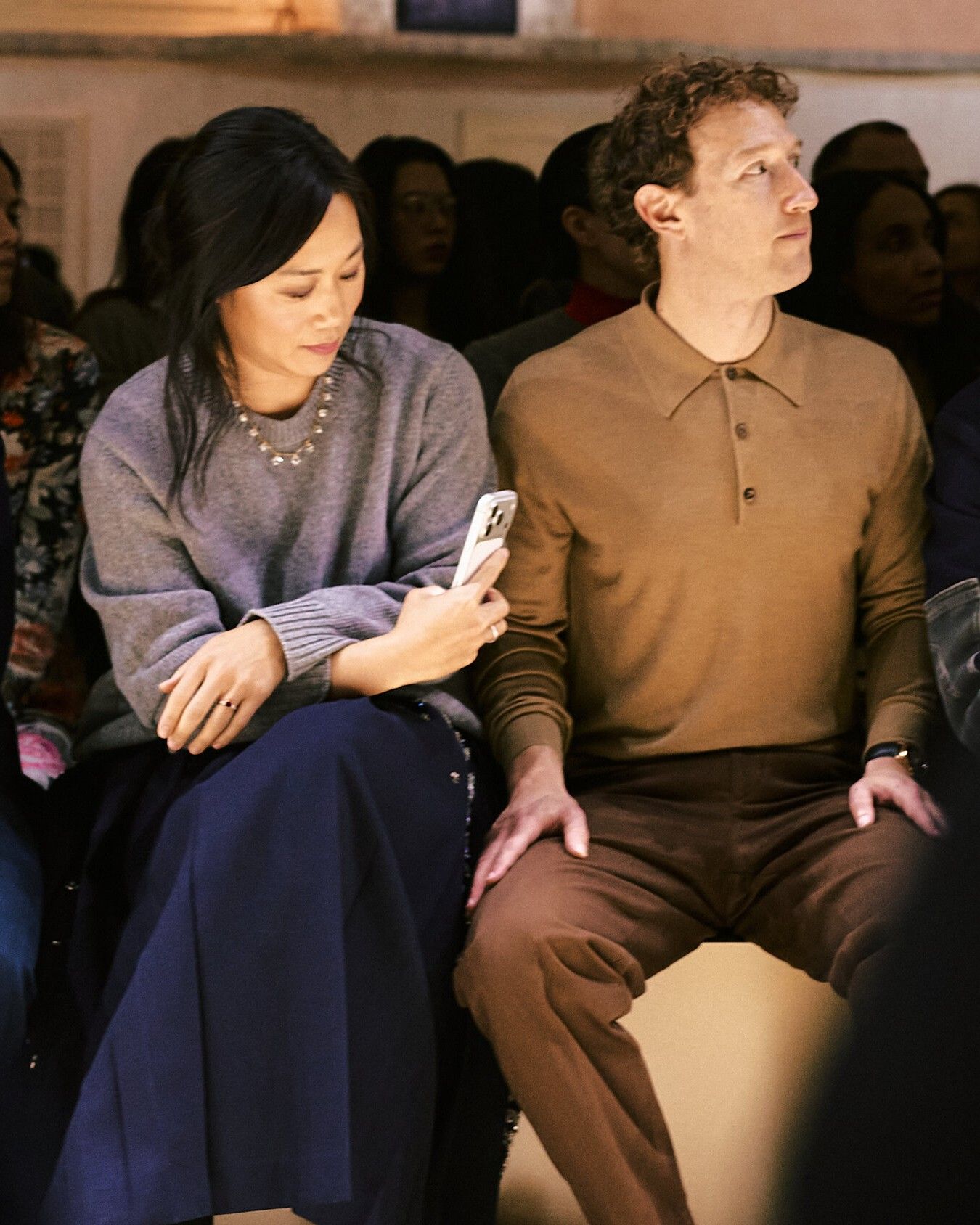
Why do billionaires want to appear at fashion weeks? They are looking for something that money cannot buy: cultural relevance
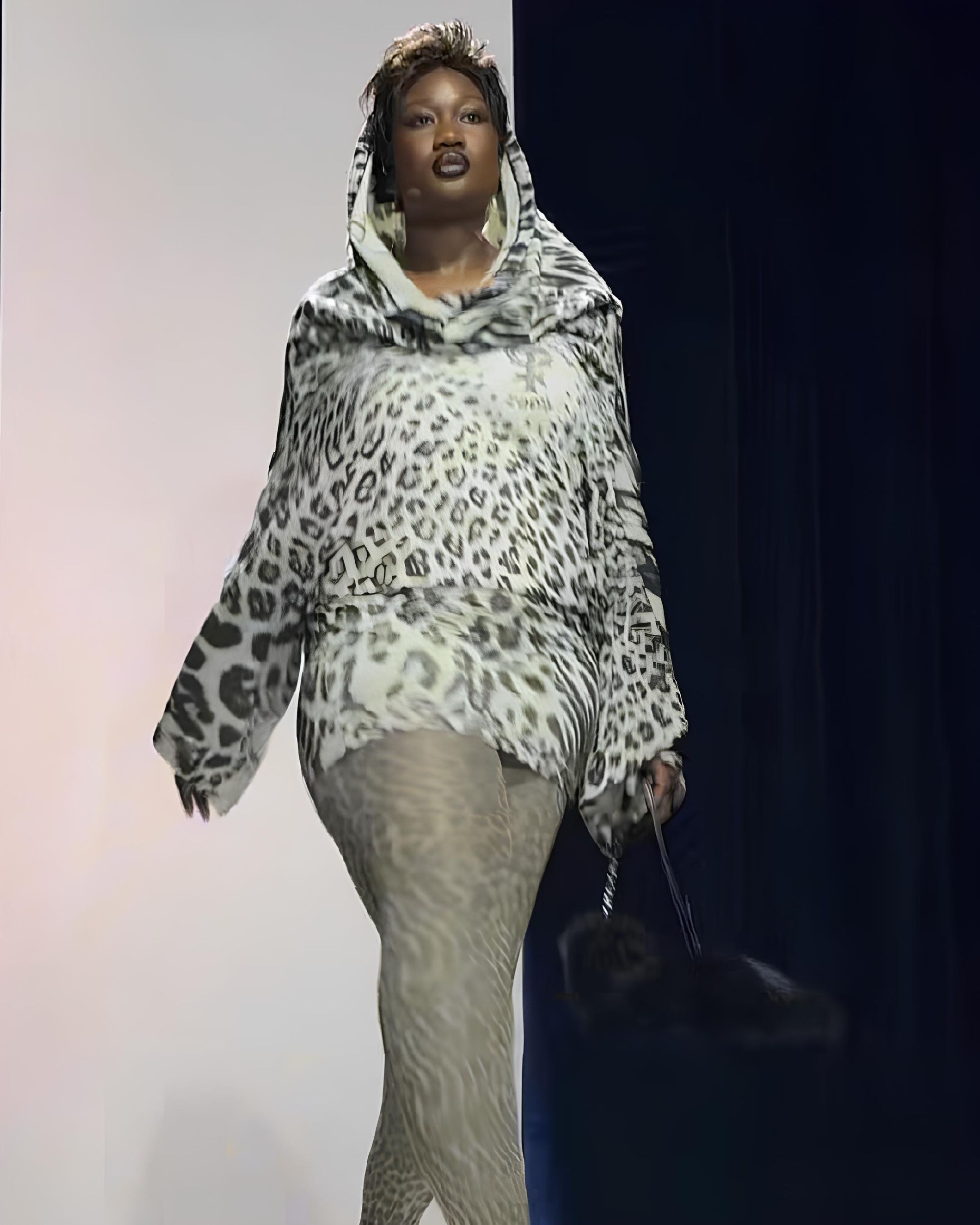
Jeff Bezos and his wife who are attending Haute Couture Week, are funding the Met Gala, and (perhaps) want to buy Vogue. Mark Zuckerberg seated front row at Prada and surrounded by gossip about a potential collaboration with Meta Glasses right as a mini-scandal over user privacy explodes. Yesterday, Bryan Johnson who walked as a model in a Matières Fécales show titled The 1% where the models wear dollar-shaped masks and elegant white gloves but with red palms in reference to blood-stained hands.
Never before in recent months have American billionaires been seeking access and recognition from the fashion industry. An industry, it must be said, for which these figures are perhaps important clients but rarely protagonists. All of this at a historical moment in which not only global hatred toward the techno-oligarchs is at an all-time high, amid Epstein files, terrifying connections to power, dystopian uses of AI, and ever more absurd and ferocious social divisions. Just a few years ago, the ultra-rich of this world only wanted to retreat into paradises of privacy. Why do they now want to expose themselves?
Lots of money, few friends
One reason you could tell Mark Zuckerberg and Priscilla Chan weren’t fashion people at the Prada show: both removed their (Prada!) coats before they sat down. Fashion people don’t do that! No time, no reason, and most of the time the coat is the point of the whole outfit
— Rachel Tashjian Wise (@theprophetpizza) February 26, 2026
As mentioned earlier, the general sentiment that much of the public feels toward these billionaires is one of pure contempt. They are the living symbol of rapacious capitalism that is turning into sludge every aspect of the human experience, they fund the sinister interests of warmongering politicians, they are at the center of horrific conspiracy theories that the Epstein files have proven true, and above all, they sit on such piles of wealth while playing at being influencers when they could eradicate world poverty in a single day and fund culture and research instead of funding their wives' (or toy-boys') plastic surgeries. As in the moral of many fairy tales, in short, love is the only thing that money can't buy.
Since it is unthinkable that there exist forms of pop culture that portray the rich as champions of good in the way Dickens often did in his novels, the only chance that techno-oligarchs have to be, if not loved, at least liked is precisely to position themselves as icons of culture. For years now, riding the archetype of the techno-founder created by Steve Jobs, both entrepreneur and a sort of guru. We have seen these billionaires grace magazine covers, gossip columns, the photocalls of the world's most exclusive charitable gala dinners.
None of it, however, has been enough to make them loved for two reasons: the first is that billionaires represent capital without culture, numbers without humanity. They are not patrons, they consider humanism and poetry a waste of time, they do not use their resources to create anything beautiful and in general discuss humanity in the same terms one would use for an intensive livestock farm. Even their entertainments are vulgar and somewhat sad, displaying a flat intellect and nonexistent taste. The second reason is that they are objectively very strange people, to put it mildly creepy. And this is where fashion comes in.
A welcoming world of contradictions
@nssmagazine A quick chat with the longevity guru himself @immortal unc before his first show in Paris #bryanjohnson #longevity #interview #matieresfecales #pfw dark fantasy II - voidseer.
Fashion is a contradictory universe. In it, creative and artisanal excellence and the highest conceivable cultural pretensions mix with the most sinister economic interests. On one side there is a creative and progressive world and, on the other, one that is business-oriented and conservative: it is a difficult coexistence that has nevertheless remained in balance as long as the unspoken pact of turning a blind eye to the client has been respected. It is no mystery that the biggest luxury consumers are also the ones most lacking in taste: in this sense, the meme page Supersnake is practically a comic true novel about their lives.
If cinema, music, and books are an impossible type of propaganda for these figures, fashion is not. In fact, fashion is perhaps the only cultural field where nostalgic fantasies of the Ancien Régime are still possible, where the most materialistic aspirations are considered purely positive values, where wanting to pretend to be noble is not a sin even though every idea of nobility necessarily implies the presence of a plebs over which to elevate oneself. There are no books, films, or songs where being obscenely rich is a purely positive value.
Fashion, instead, is born, grows, and feeds in the shadow of capital according to the social pact whereby wealth is counterbalanced by the support provided to the creative class: economic capital is converted into cultural capital. This is why fashion cultivates the myth of the ladies who lunch, of English princes, and of a hyper-affluent life that allows billionaires to barge right in. The problem is that if wealth is the requirement to move in the world of taste, taste is not the requirement to move in the world of wealth: the two worlds are aligned but the dynamic is unequal.
A new formula
@selloutartist Paris Fashion Week Street Style… brought to you by Jeff Bezos and Lauren Sanchez #fashion #dior #jeffbezos #laurensanchez #parisfashionweek original sound - Yagmur Tok
What is happening now is an advancement of this formula. If before it was capital itself that needed to be transformed into culture, now the capitalists themselves want to become culture in person. This desire for access, however, has broken the balance on which fashion's contradiction was based. The billionaire class has the role of enabling the dream of luxury, but it cannot inhabit it because the moral and human corruption from which it cannot justify itself poisons that dream.
You cannot be rich and cool, in the same way you cannot be poor and arrogant. The very economic superiority that the rich carry creates, with the insiders of the creative world, an already imbalanced dynamic that can only end in mutual contempt. But how many attempts will it take, on the part of the billionaires, before they understand that one lives better in their remote enclaves, miles away from the world they are cannibalizing?
Why Right Now?
The reason these appearances (whether in the front row, on the runway, or behind the scenes) are becoming so frequent right now is simply a sign of the times. In the historical juncture we find ourselves in, the billionaire class indeed possesses the highest imaginable power and, at the same time, the worst possible reputation. If in the days of aristocracy it was at least assumed that nobles were genuinely superior to the rest of people in terms of sophistication, culture, and education, today the rich no longer need to maintain any image because they can simply buy it.
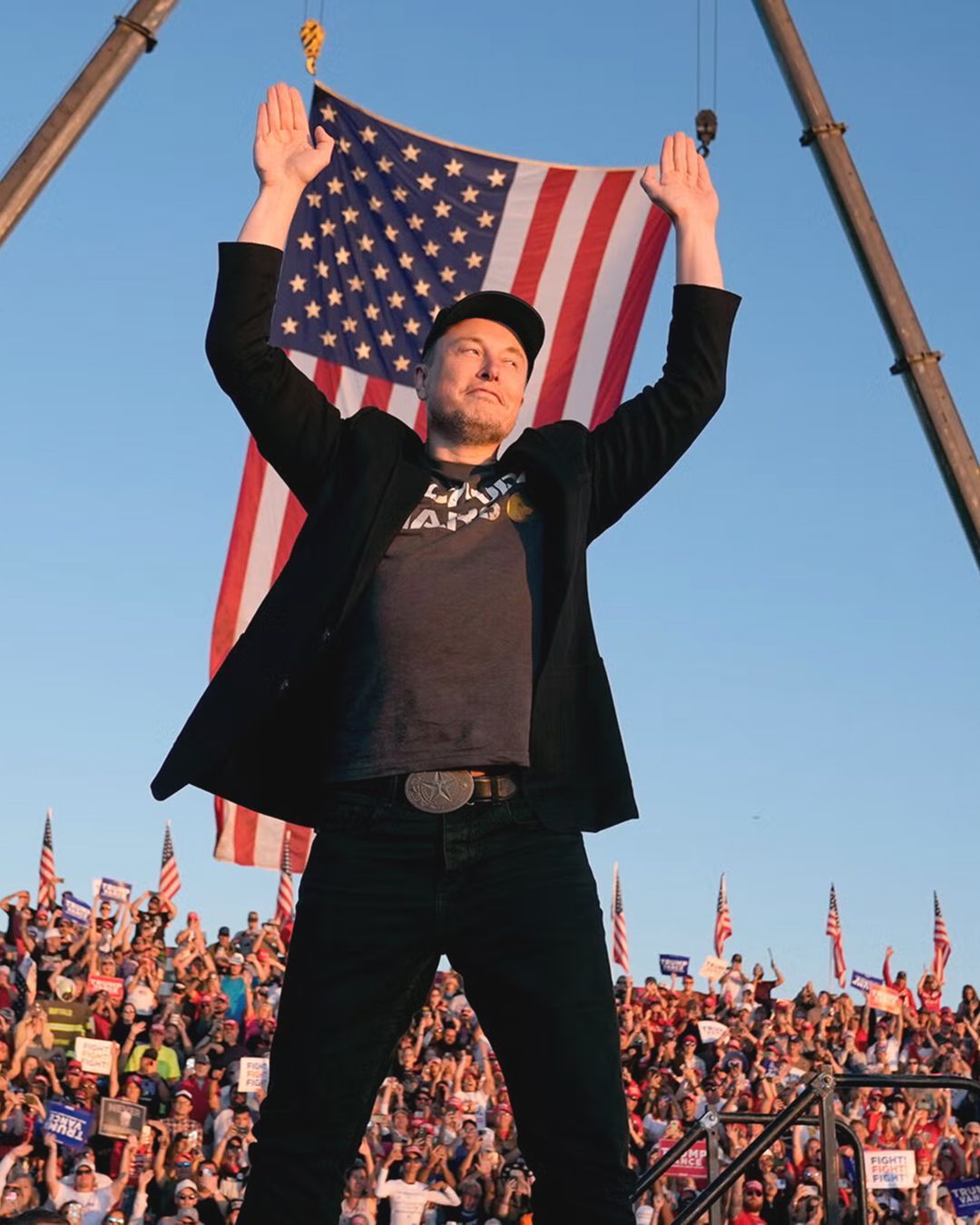
Zuckerberg already holds all our communications and data, Peter Thiel already has access to the highest chambers of power and his Palantir is already spying on half the world, Elon Musk manipulates public opinion at will, Bezos is colonizing global commerce. Through lobbying and funding, they and others are effectively already a state within the state, a government that governs governments, and we are completely powerless. Their attempt to self-insert into pop culture is just a side quest because they have already conquered the world. When we hear their voice in the world of fashion, there's no need to worry about when they will get inside: the call is coming from inside the house.
What to read next
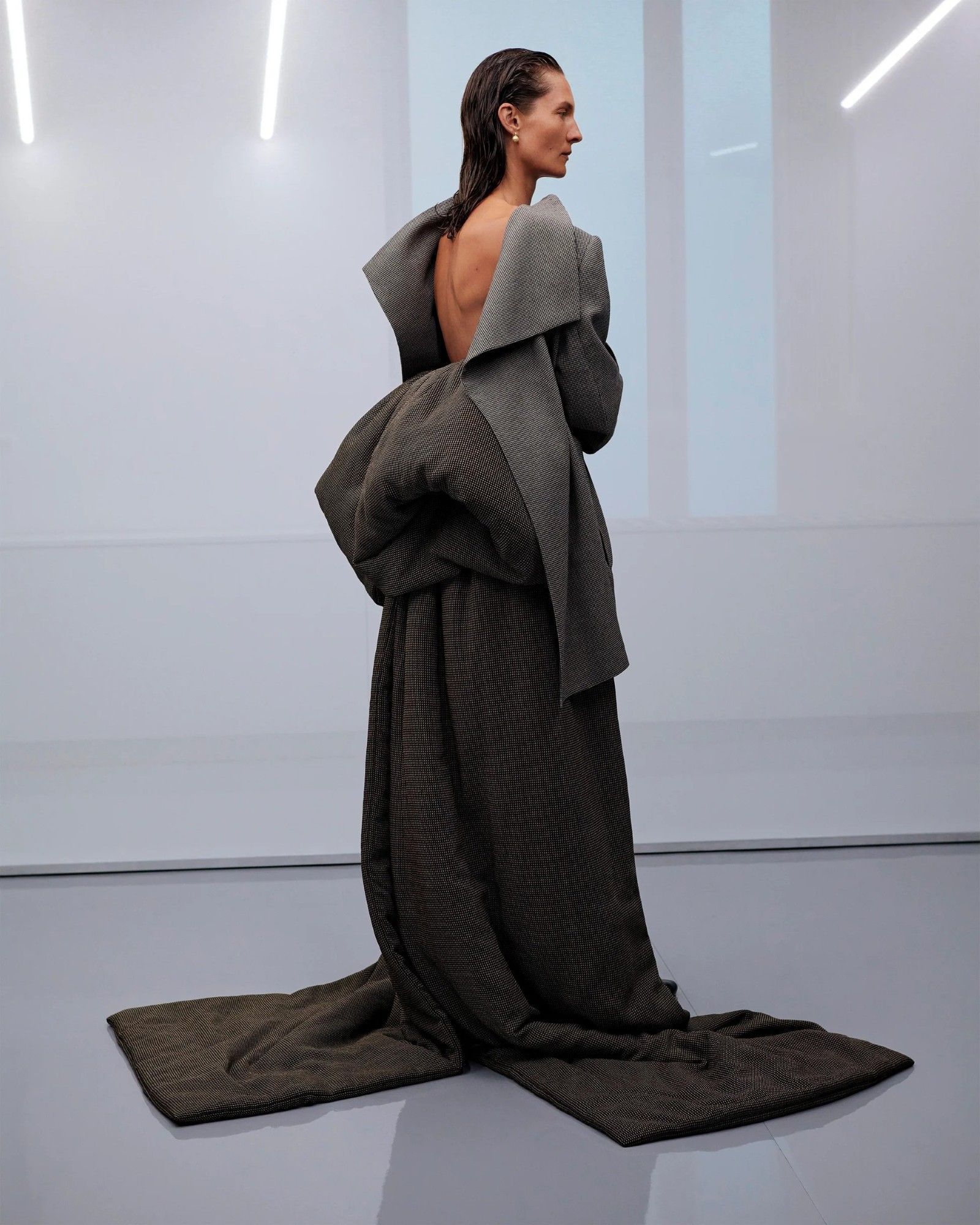
Now Phoebe Philo Wants You to Dress Avant-Garde
With Collection F, the designer plays with silhouettes in an entirely new way
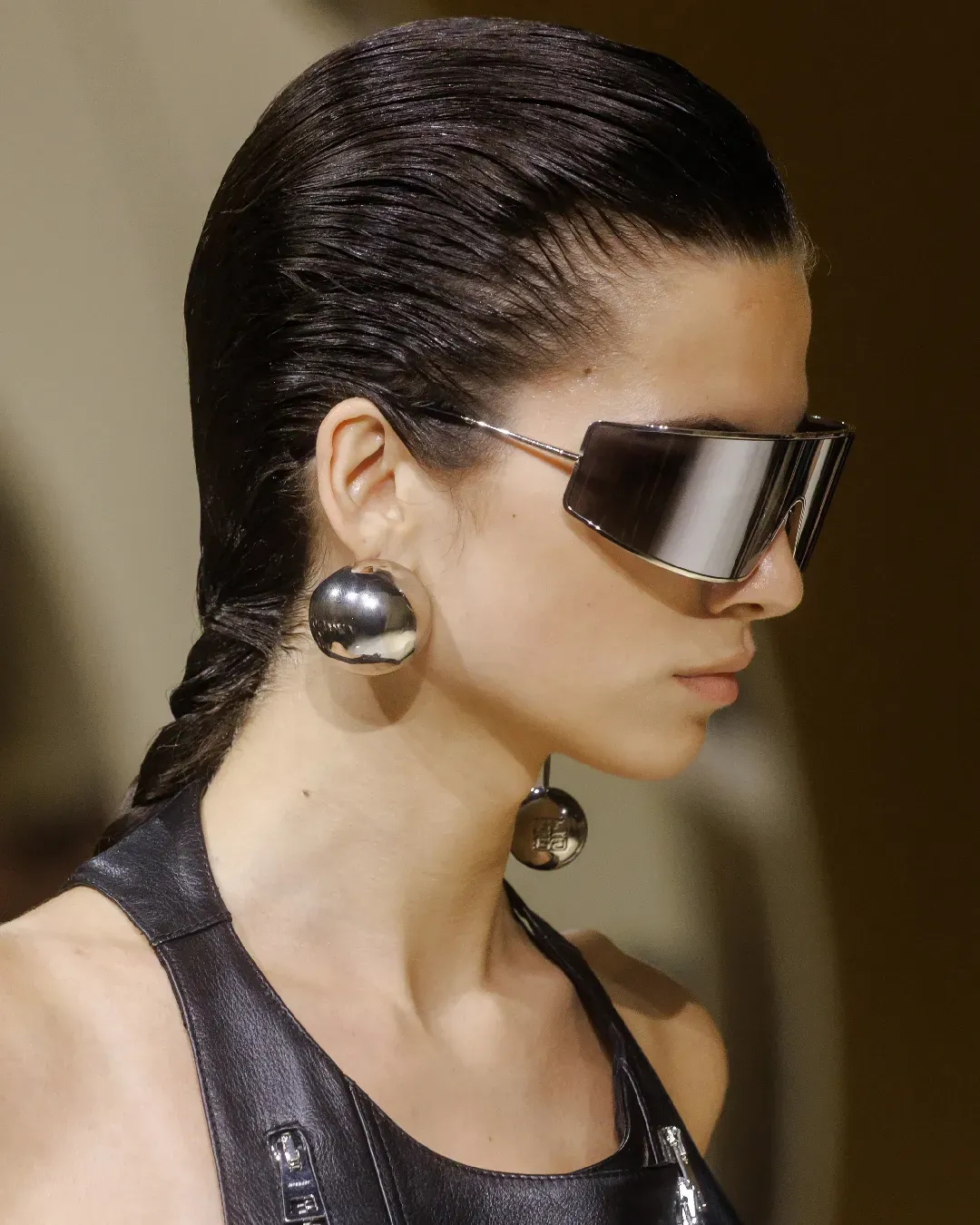
5 key trends from Paris Fashion Week SS27 Women's
What we'll be wearing next summer, according to the fashion of the Ville Lumière
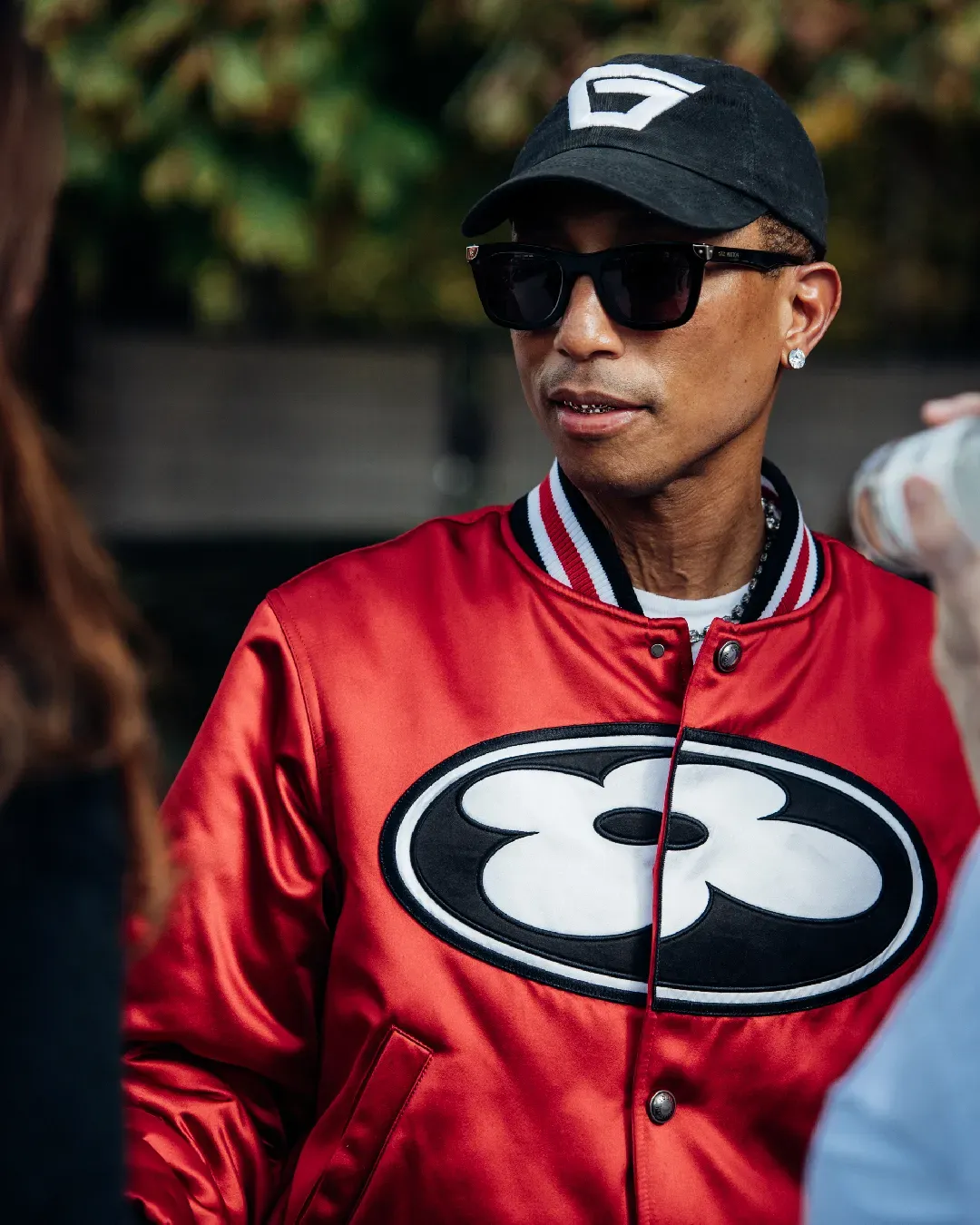
The best street style looks from Paris Fashion Week SS27 Women's
La Ville Lumière steps back into the spotlight