
























Will this year’s event be the Met Gala or the Bezos Gala? Protests against America’s most glamorous event are intensifying in New York
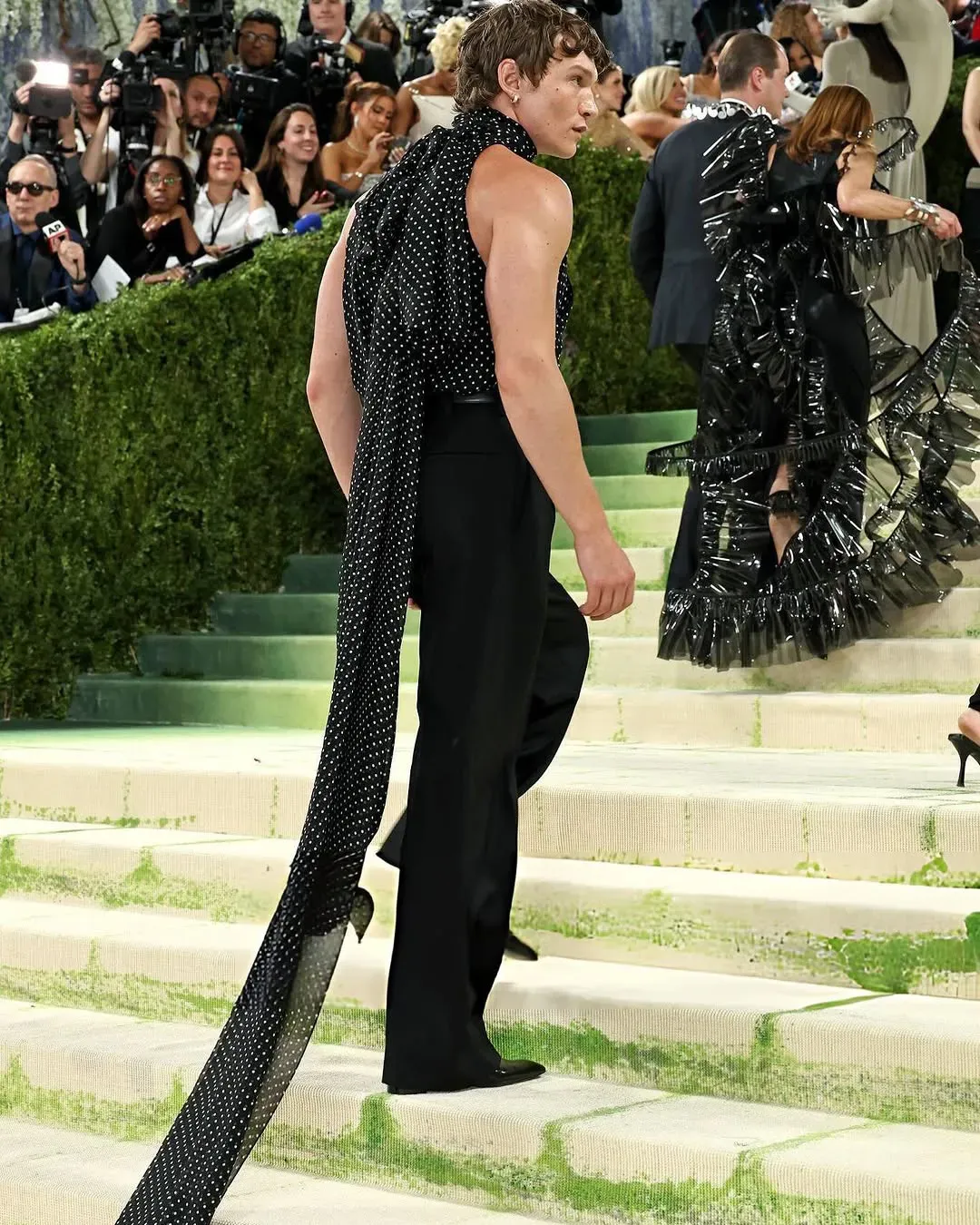
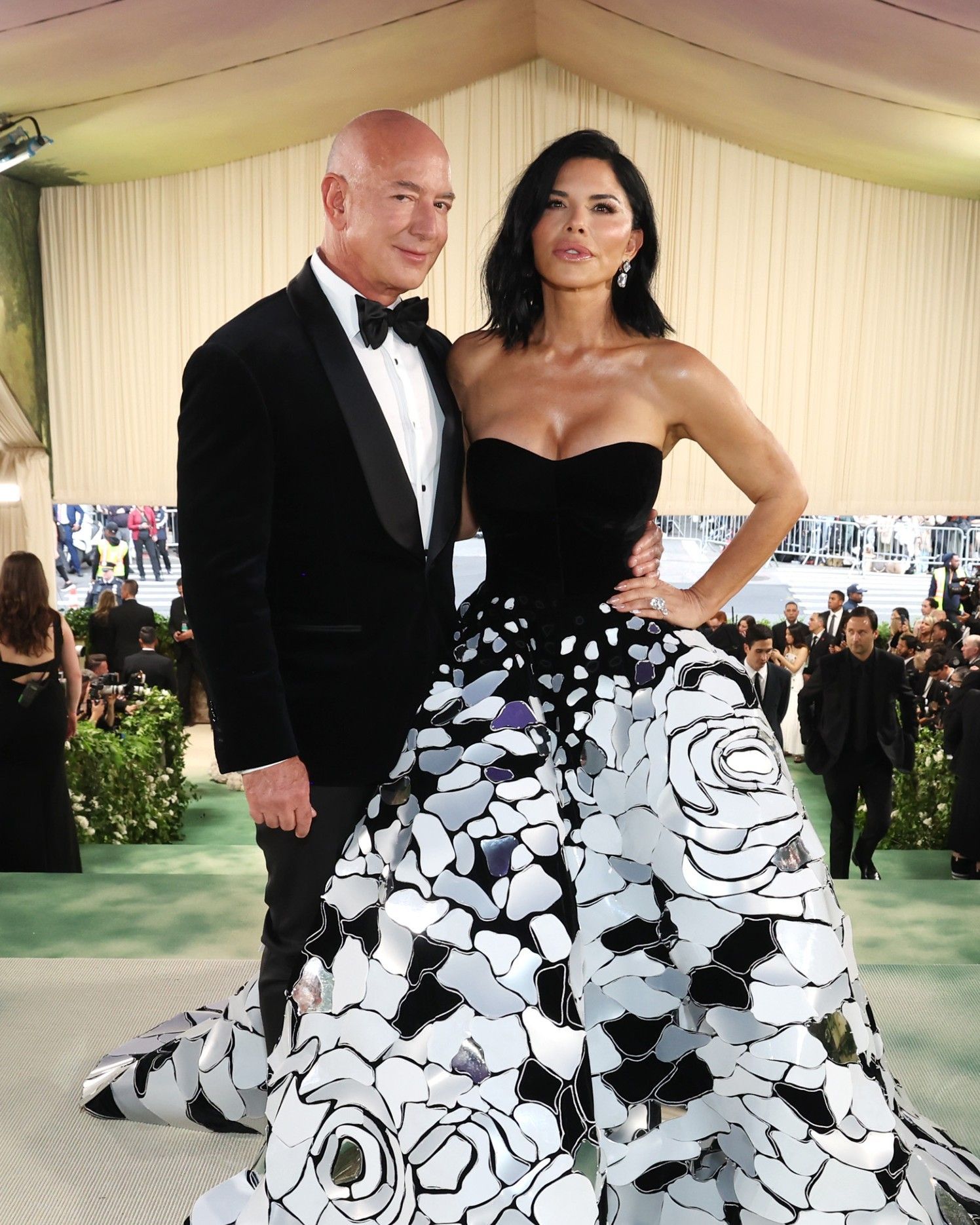
«The only thing about the Met that I wish hadn’t happened is that it’s turned into a costume party», said Tom Ford in 2022 to Time. «That used to just be very chic people wearing very beautiful clothes going to an exhibition about the 18th century. You didn’t have to look like the 18th century». All true statements that, however, this year have taken a back seat compared to another transformation that the Met Gala itself is preparing to undergo, together with Condé Nast and fashion as we know it: the arrival of tech oligarchs and specifically Jeff Bezos and Lauren Sanchez who this year, for the first time, will be the main sponsors of the event, a role that until now had been held by companies but never by private individuals.
Between their covers on Vogue, the insistent and publicized presence during Fashion Week and rumors indicating Condé Nast as the next target of conquest for Bezos’ empire, it seems that this year’s edition will not only be the last with Anna Wintour at the helm of Vogue, but could also be the last of fashion as we know it. And if last year people were already wondering how American Trumpism would affect the event, the much more immediate and overbearing presence of Bezos this year has already sparked numerous protests against the influence exerted by tech oligarchs on culture and on public institutions.
The posters by the Everyone Hates Elon collective
In recent weeks, numerous red posters - the same color as the Metropolitan Museum - have appeared on the sidewalks of Manhattan and inside subway cars, urging New Yorkers to boycott the event. On some of these posters one can read the words «The Bezos Met Gala: Brought to you by worker exploitation», a reference to the repeated accusations of worker exploitation in Amazon’s warehouses, while other posters accuse Amazon of being «the firm that powers ICE».
The campaign, funded by a fundraising effort that raised $13,000, was organized by the British activist collective Everyone Hates Elon, a group founded last year whose name refers to Elon Musk but which protests against the excessive power of billionaires, seen as the embodiment of structural problems of the contemporary economy. The same collective, during the wedding of Bezos and Sánchez in Venice, had unfurled a large banner in Piazza San Marco with the phrase «If you can rent Venice for your wedding you can pay more tax». And it was also them who, at the Louvre, installed a framed portrait of Prince Andrew to denounce his ties to Jeffrey Epstein.
Another significant political signal came from the Mayor of New York, Zohran Mamdani, who publicly declared that he will not attend the gala together with his wife, breaking a decades-long tradition of mayors attending the event. In an interview, Mamdani specified that he supports the Met but wants to focus his energies on making New York more affordable and livable.
Why are people protesting against Jeff Bezos?
@msnow Jeff Bezos says he is "very optimistic" about a second Trump term. "He seems to have a lot of energy around reducing regulation. And my point of view, if I can help him do that, I'm gonna help him," Bezos said during an interview with Andrew Ross Sorkin during The New York Times DealBook Summit. #jeffbezos #bezos #trump #donaldtrump original sound - MS NOW
There are several reasons. On the part of the Everyone Hates Elon collective, the accusations against Amazon are twofold: the working conditions in the company’s warehouses and its collaboration with ICE. According to the collective, it is hypocritical for Jeff Bezos to “buy” the crown of luxury while thousands of workers in his fulfillment centers face conditions considered exploitative, and it is even more serious that Bezos’ company provides technological services and cloud infrastructure to ICE, whose deportations have spread terror across America in recent months.
Beyond these specific accusations, the protest also has an ideological dimension. For groups like Everyone Hates Elon, Bezos represents the embodiment of an excessive and harmful concentration of wealth for society. In fact, with Bezos’ arrival, the cost of tickets for the event has increased by $25,000 compared to last year, reaching $100,000. Of course, this money will go to fund the museum, but the ticket price increase has been perceived as the celebration of an elite increasingly distant from the reality of most people and as an attempt to improve their public image through fashion, celebrities, and culture.
Activists also believe that events of this kind serve to “whitewash” the reputation of billionaires, allowing them to appear generous and sophisticated while avoiding uncomfortable political debates on issues such as the taxation of large fortunes, the monopolistic power of their companies, and the economic inequalities that are tearing society apart. Making matters worse is the fact that Bezos has effectively paid $40 million to the Trump administration for the distribution rights of the unpopular documentary on Melania Trump, a gesture that some senators have called a bribe and which has been seen as a symbol of alliance between Silicon Valley and Washington.
Past protests at the Met Gala
Hypocrisy writ large. Alexandra Ocasio-Cortez calling for a tax on the rich at the $35,000 per head Met Gala in NYC. pic.twitter.com/GgaqDcIMGA
— Geoff Bell (@GeoffCBell) September 17, 2021
Obviously this is not the first time the Met Gala has attracted protests. After all, it has been America’s most exclusive event for decades now. In recent years the event has been contested on several occasions: pro-Palestinian activists tried to disrupt the 2024 and 2025 editions, environmental groups demonstrated in 2023, while in 2021 some Black Lives Matter supporters were arrested outside the museum. Yet all American commentators, including the New York Times, are treating the targeted opposition against Jeff Bezos as a level of contestation never seen before for a Met Gala.
In the past, some guests also showed up with political slogans printed on their clothes, the most famous of all being Alexandria Ocasio-Cortez with her Tax the Rich dress which, however, given the elitist context of the event, did not represent a very successful protest. Another source of discontent this year has been the news that the last edition of the event raised a total of $31 million at a time when many news outlets, including those linked to Condé Nast or even those bought by Jeff Bezos such as The Washington Post, are cutting staff, reducing budgets, and even “steering” many opinions toward more billionaire-friendly territories.
A necessary evil?
@judithlola_ if fashion isn’t art, then what is the point? blazer: RECTO #fashion #style #fashionmagazine #fashionindustry #luxuryfashion Hide CS01 (Ambient Rework) - Eleftherios & GLO
Be that as it may, the Met Gala will remain a key evening for funding the Costume Institute, which every year organizes exhibitions of great historical and artistic value dedicated to fashion. The public itself, which during the entire awards season sees equally opulent dinners populated by the elites, is very “hungry” for the evening that has, in fact, become a true institution over time. This leads us to ask whether Bezos’ presence is not a necessary evil, as well as a sign of the times.
At a time when fashion and its institutions are particularly weak, when the geographies of power are being rewritten with a class of ultra-wealthy people who are increasingly essential, when fashion itself must stay close to increasingly controversial political powers (do you really think Dior posted on Instagram the Haute Couture dress recently worn by Melania?), the survival of the system depends more and more on patronage and closeness to the powerful of the earth. Perhaps then this will not be the most controversial Met Gala ever, but only the most controversial so far.