


















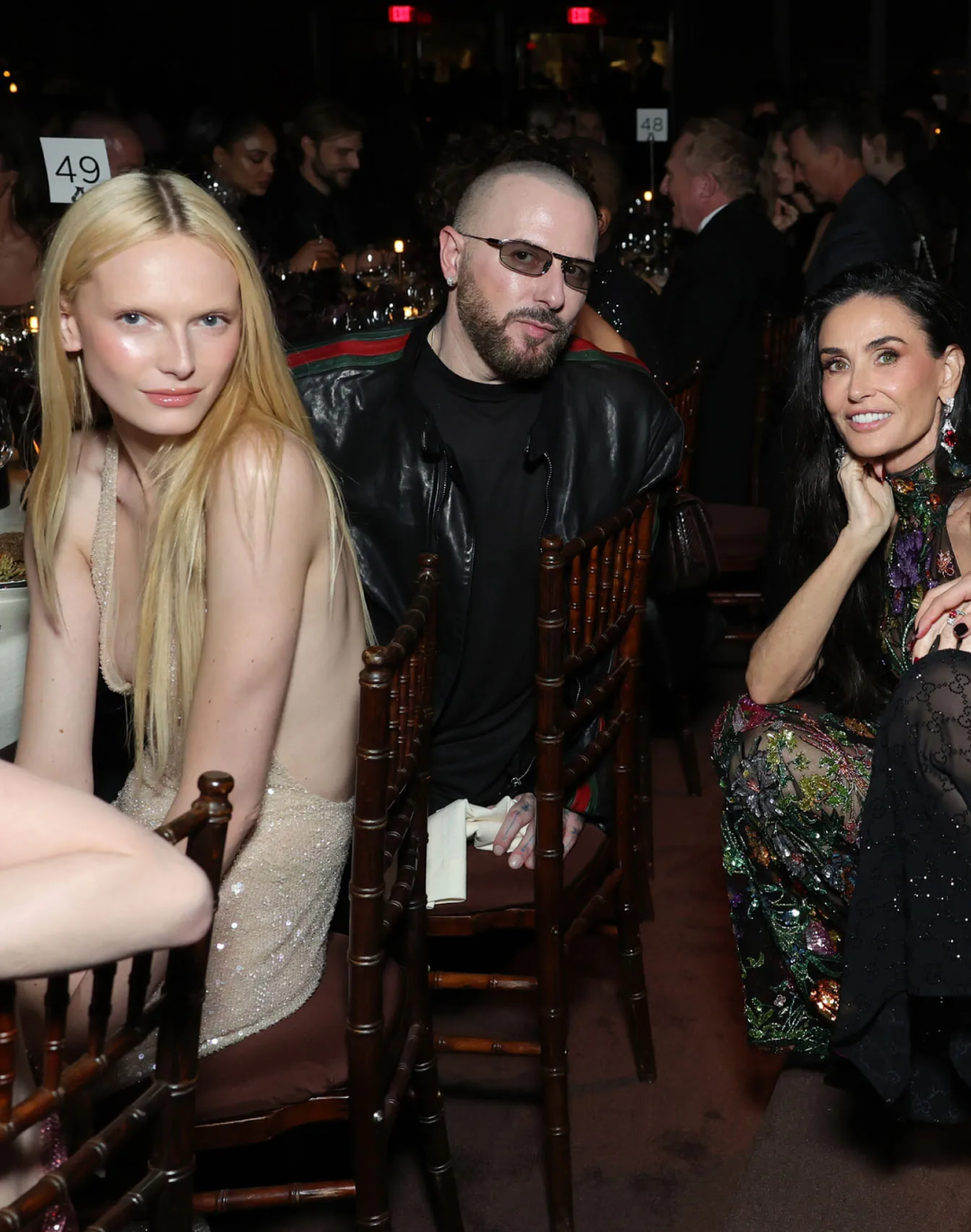
Per Demna il Met Gala è “cringe” Il designer l’ha dichiarato alla soirée annuale del LACMA Art + Film Gala
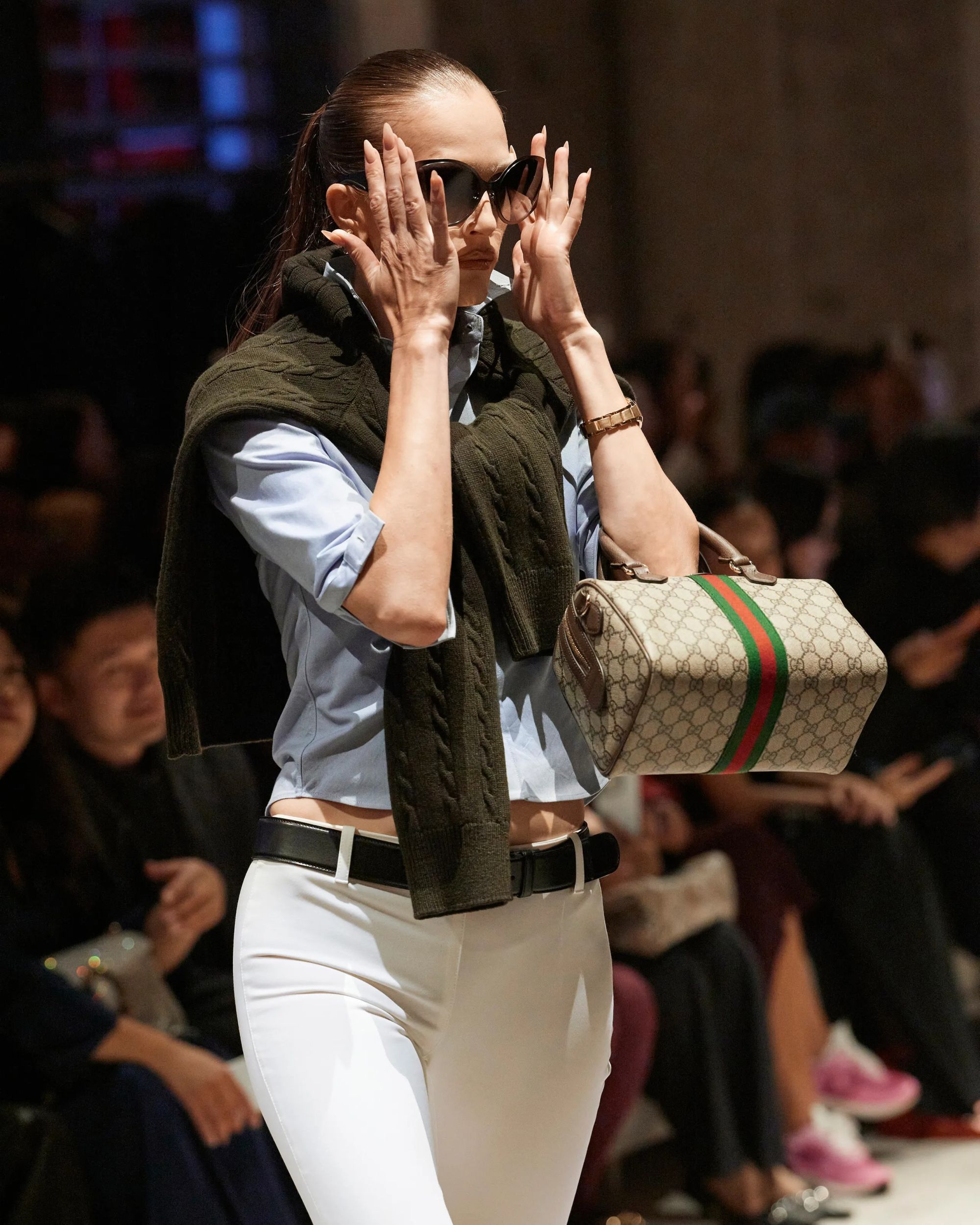
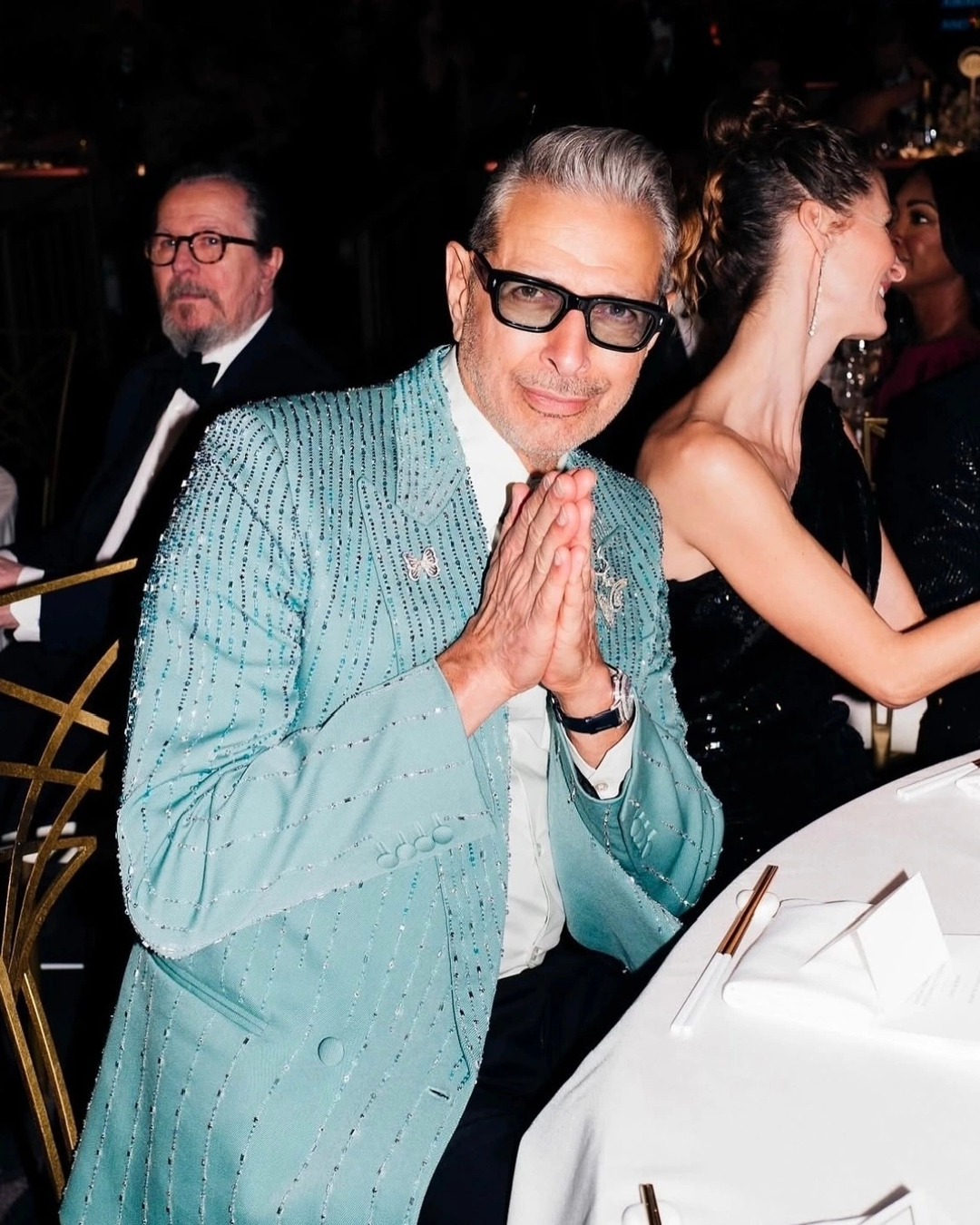
“It’s not like the Met Gala: this evening is far more elegant,” said Demna to the New York Times, referring to the annual gala of the Los Angeles County Museum of Art, organized in collaboration with Gucci. A partnership that has been going on since 2011 and that, year after year — and creative director after creative director — continues to highlight the relationship between art, fashion, and the film industry.
Although over the years the Georgian designer has experienced ultra-viral moments during the event held on the first Monday in May (think of Rihanna’s dark puffer or Kim Kardashian’s full-body ensemble), according to his statements to the NYT, today the Met Gala has become decidedly “cringe” — and he hopes his feeling is shared. And who can blame him, considering that what was once called the “Super Bowl of fashion” is now perceived as a “snooze fest,” as people on social media would say. Especially in recent years, Anna Wintour’s thematic choices seem to aim at sending political messages of convenience — superficial and designed only to hold on to the little cultural relevance that remains.
Is the Met Gala still relevant?
Met gala is forever giving Hunger Games capital.
— Seed Oil Sommelier (@4stringfella) May 11, 2025
Looking closely, the decline of the Met Gala had already begun in 2021, when — after two hugely successful editions (*Camp: Notes on Fashion* in 2019 and *Heavenly Bodies* in 2018) — the event returned with a double edition, due to Covid-19, focused on the United States. However, the historical context was not ideal: the gala took place just over a year after the peak of the Black Lives Matter protests, and the first part, In America: A Lexicon of Fashion, was held only a few months after the far-right insurrections that followed Trump’s defeat in the 2020 elections.
Since then, the event has struggled to regain its former cultural centrality. Just think of the last two editions, both held during the ongoing genocide in Palestine, which received minimal public resonance. In 2024, the event even became the center of the #Blockout2024 social campaign, which encouraged users to mute or block the attending celebrities as a form of protest against the entertainment industry’s indifference. The images ended up creating a grotesque contrast with current events, fueling comparisons to The Hunger Games, where an elite celebrates while the rest of the world faces poverty, inflation, and war.
The success of the LACMA Art + Film Gala
Although it was originally conceived as a charity event for New York’s Metropolitan Museum of Art, today the Met Gala has turned into a self-indulgent and self-referential celebration of the entire fashion system, increasingly focused on its own reflection rather than the cultural cause it was meant to support. In contrast, the LACMA Art + Film Gala embodies a different, more relaxed, and distinctly “cool” idea of glamour — less performative and, above all, still rooted in the mission of the museum and the spirit of Los Angeles.
Even the guest list highlights the distance between the two events: in Los Angeles, the new it-girls par excellence — from Alex Consani to Odessa A’zion, Nadia Lee Cohen, Adéla, and Lorde — attended alongside the entire cast of The Tiger and many others. Meanwhile, in New York, it’s always the same faces on the red carpet, with the occasional k-pop idol or influencer of the moment added in to inflate the event’s perceived relevance on social media.
This year’s LACMA edition, for instance, honored artist Mary Corse and filmmaker Ryan Coogler — the mind behind Sinners, *Black Panther*, and *Creed* — with the goal of celebrating the connection between cinema and visual arts rather than between luxury and image. To prove that its mission remains tangible, the evening raised over $6.5 million, a record sum that will go toward funding the Art+Film program, created to strengthen ties between visual and audiovisual disciplines through exhibitions, residencies, and educational projects.
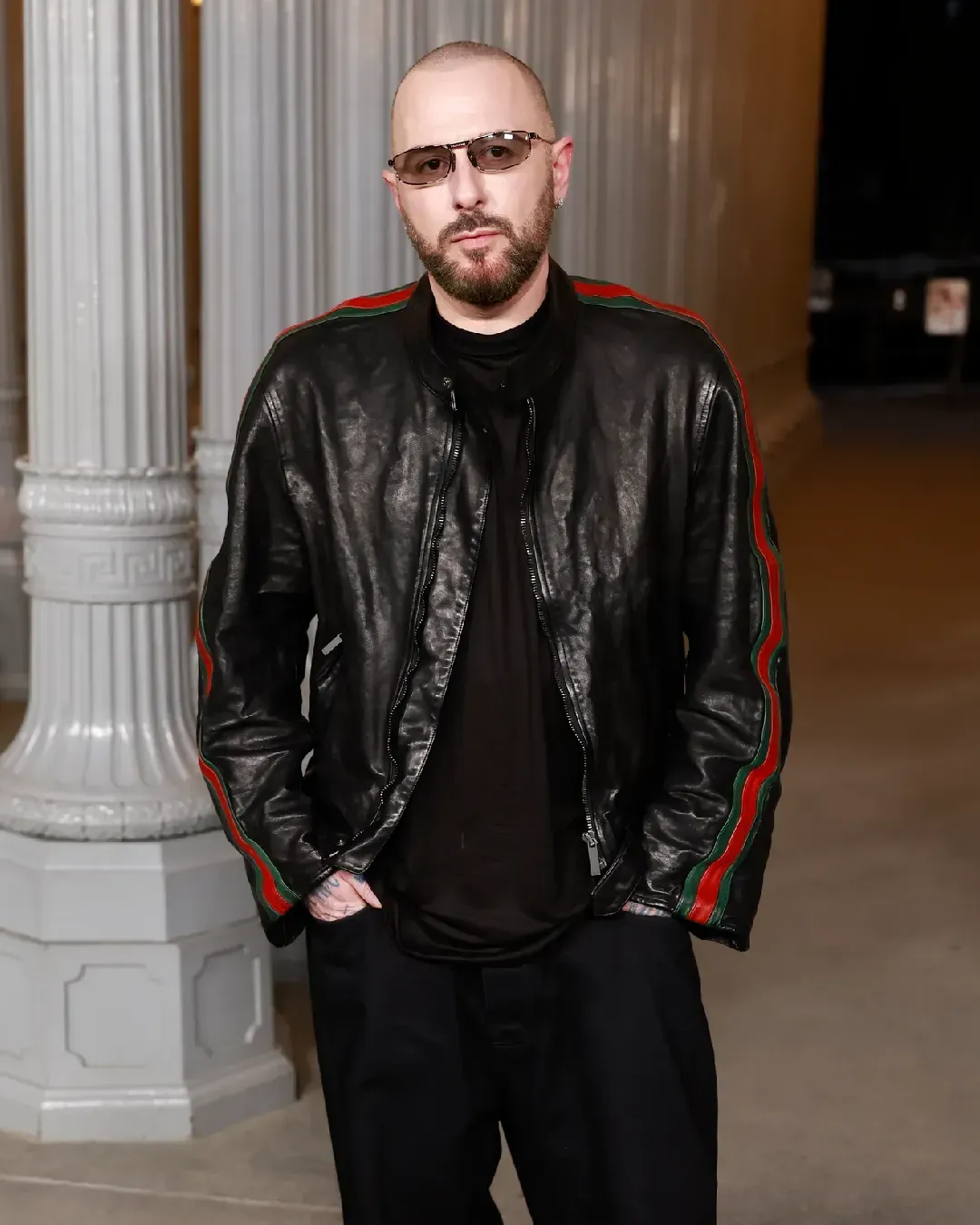
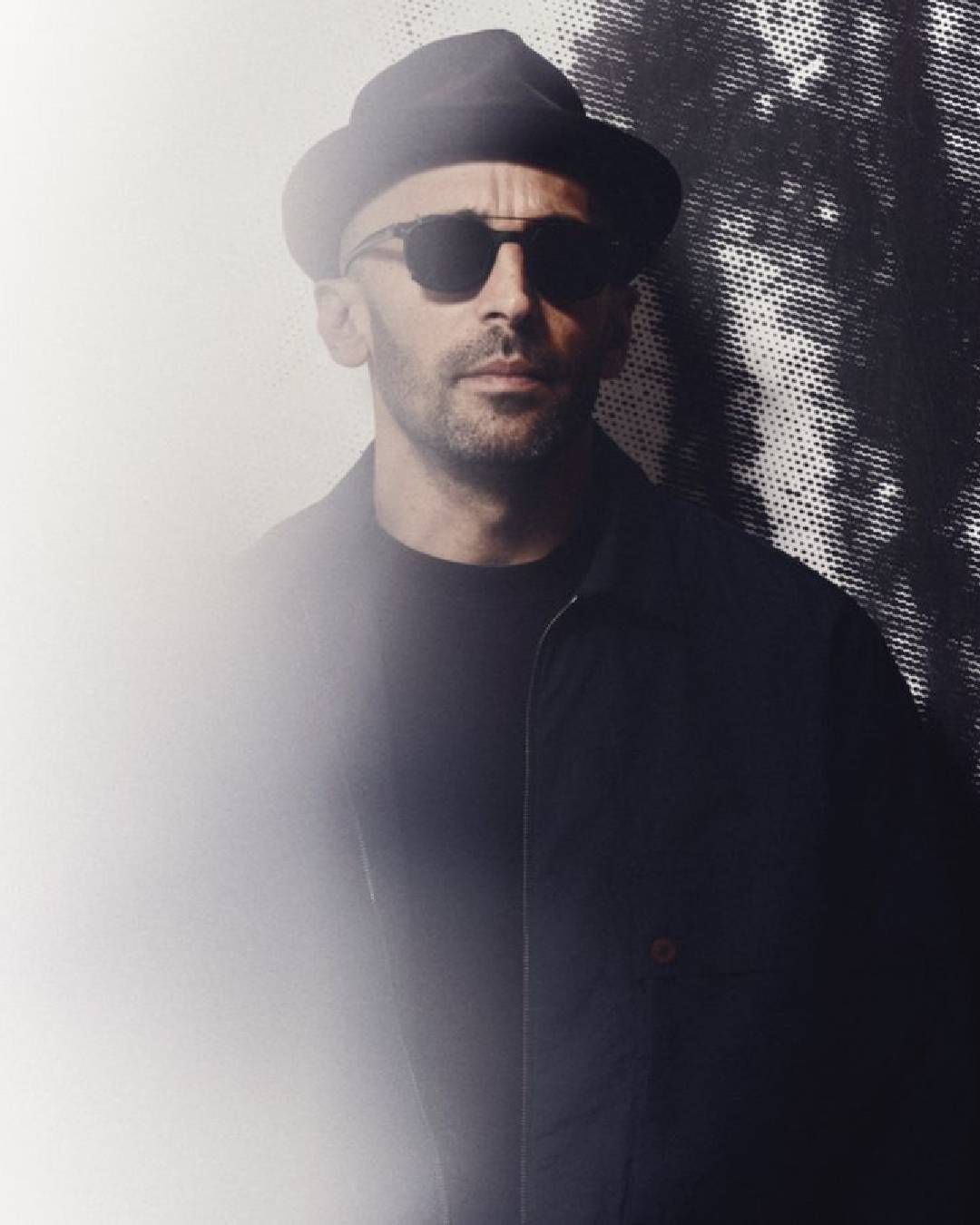
According to the New York Times, even the atmosphere felt different: although the dress code required “black tie,” Demna showed up in his signature look — baggy trousers, a leather jacket, and narrow sunglasses. Who knows if Gucci will make an appearance next May on the Met steps.
Kering's new strategy
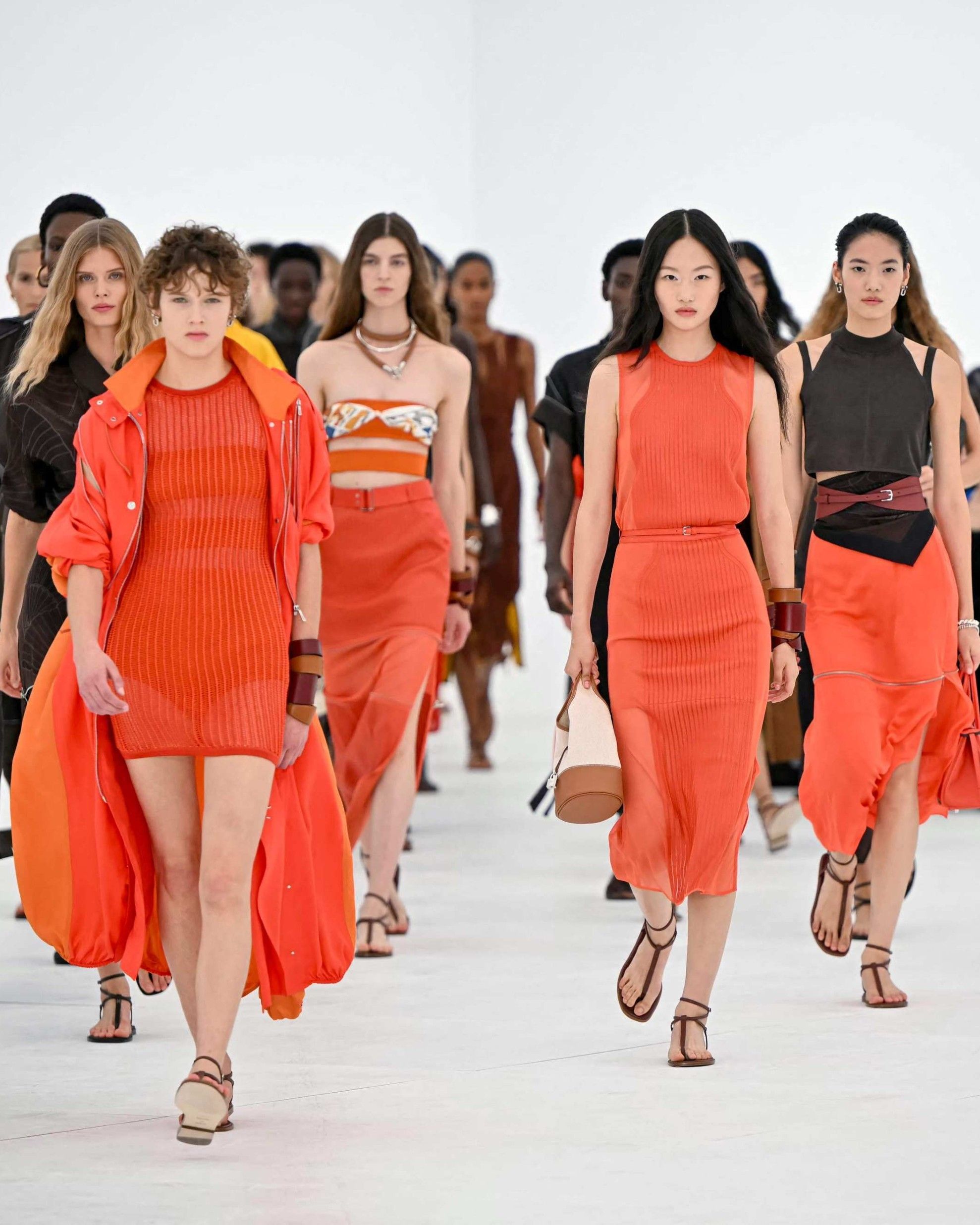
Beyond the event’s aesthetics, however, Gucci’s presence at the LACMA Gala arrives at a delicate time for its parent company, Kering. Much like LVMH, the group’s financial results for the third quarter showed faint signs of recovery — or, more precisely, that things are “less bad” rather than better. Organic sales fell by 14% in the quarter ending September 30, outperforming analyst forecasts of a 16% decline. Total revenue stood at €3.42 billion, down 5% but slightly above market expectations of €3.31 billion. The 15% organic drop, milder than anticipated, suggests a slow and cautious rebound for the world’s second-largest luxury group.
Appointed on September 15, the new CEO Luca de Meo has reaffirmed his commitment to leading Kering’s turnaround, calling the latest results “a step forward, but not enough.” As he stated, this phase “reinforces my determination to intervene in all areas of the business to bring our maisons and the group back to the leadership role they deserve.” Central to de Meo’s strategy is a fundamental shift in how luxury operates: reducing brands’ dependence on creative directors and steering toward a more market-driven, data-based approach. A change that may unsettle purists, yet it shields brand heritage from market volatility and creative turnover, affirming the growing dominance of timeless, carry-over collections within modern luxury.
In the end, Demna’s words about elegance over spectacle resonate beyond red carpets. They capture a broader shift in the industry, one where the excesses of old-school fashion give way to a quieter, more pragmatic era, the kind Kering is now betting on to rebuild its future.
What to read next
Kering Academy for Excellence, the first academic year gets underway
With a ceremony attended by Luca De Meo, CEO of Kering
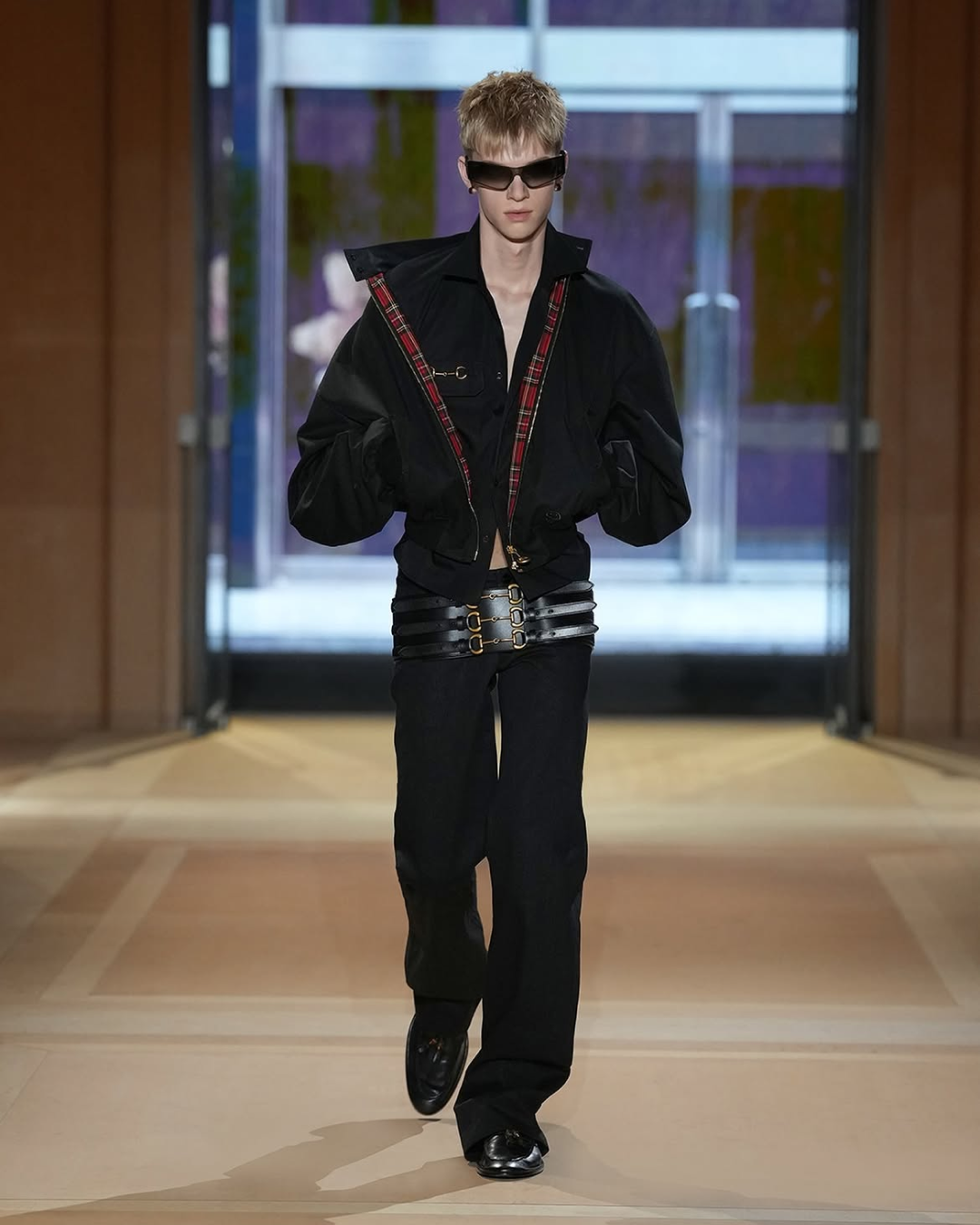
For Demna, buckles are the new logos
Gucci's creative director goes all in on the brand's iconic horsebit