
























Is AI just another toy that fashion will soon tire of? Creatively speaking, perhaps yes, but behind the scenes, it could be here to stay
There is a specter haunting fashion, and it is that of artificial intelligence. Since the AI mania began, infecting even the Sanremo Festival, we have seen both companies that have used it merely for presence and promotional purposes; as well as a broader, informal, and silent adoption that has infiltrated all those work areas where one needs to write texts, reorganize data, and, in general, perform not overly demanding analytical tasks. Just to give an example, last week Pope Leo asked priests to not write their homilies with AI. Another area of AI use that has sparked a great deal of discussion has been fashion.
The issue of Gucci's teasers
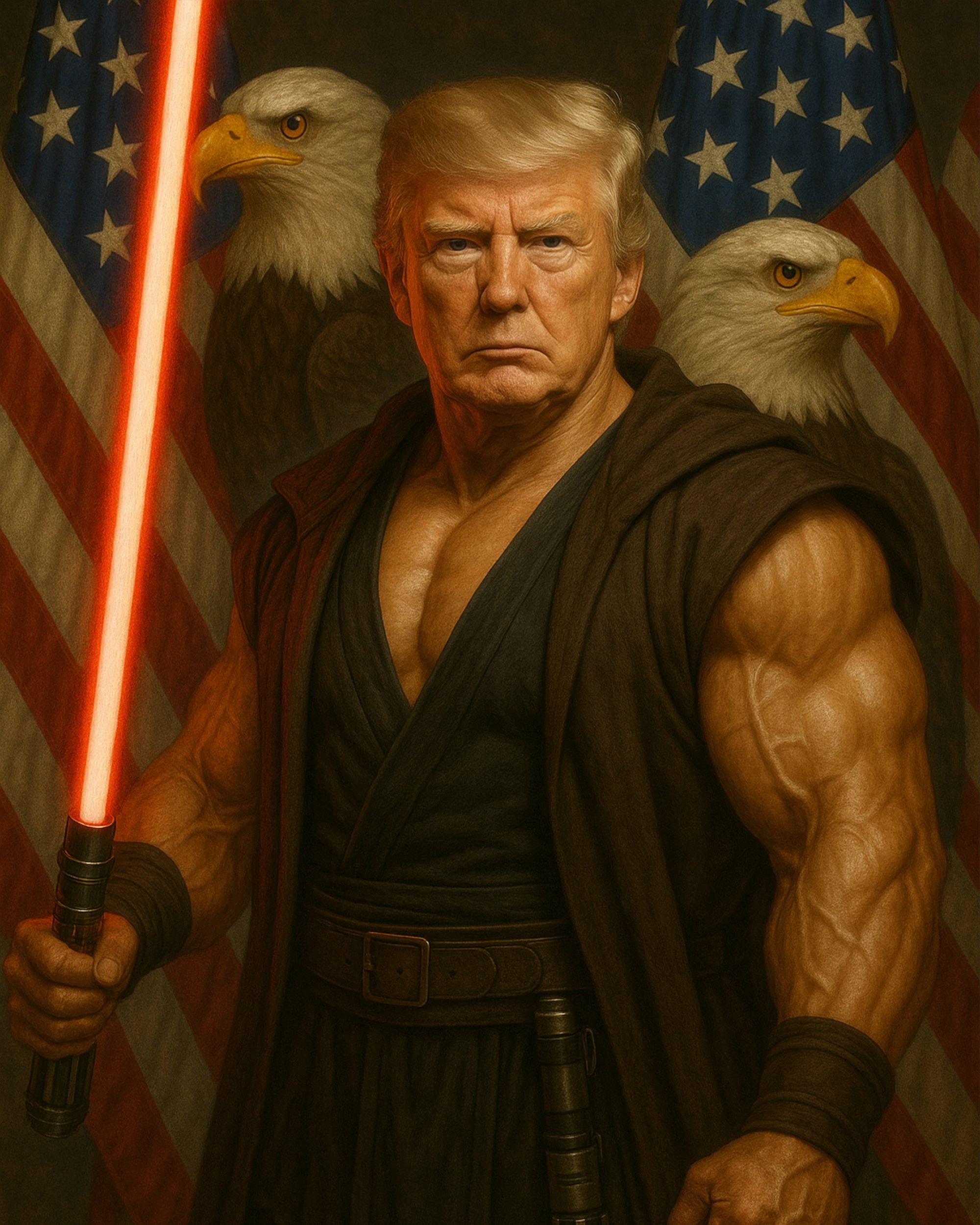
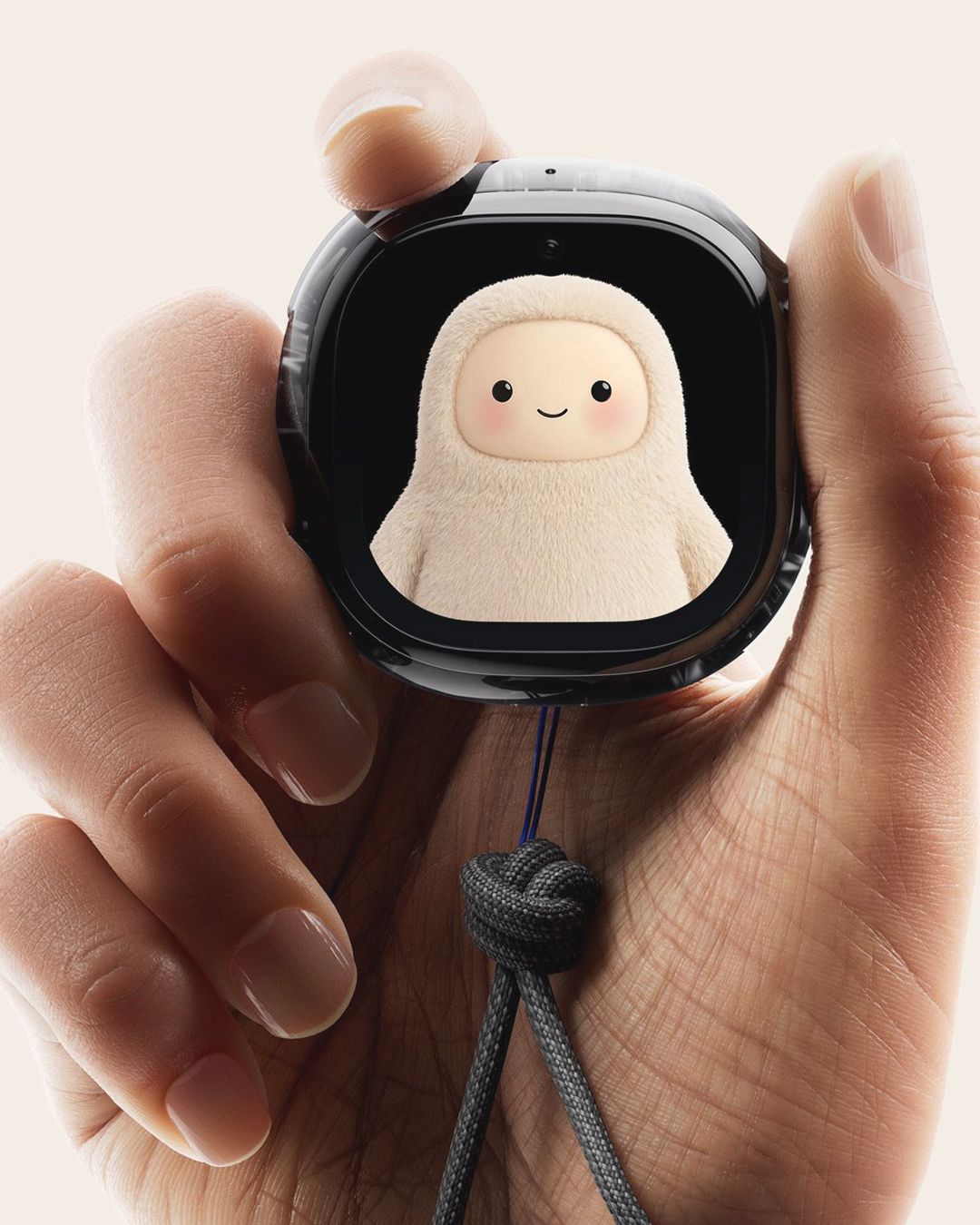
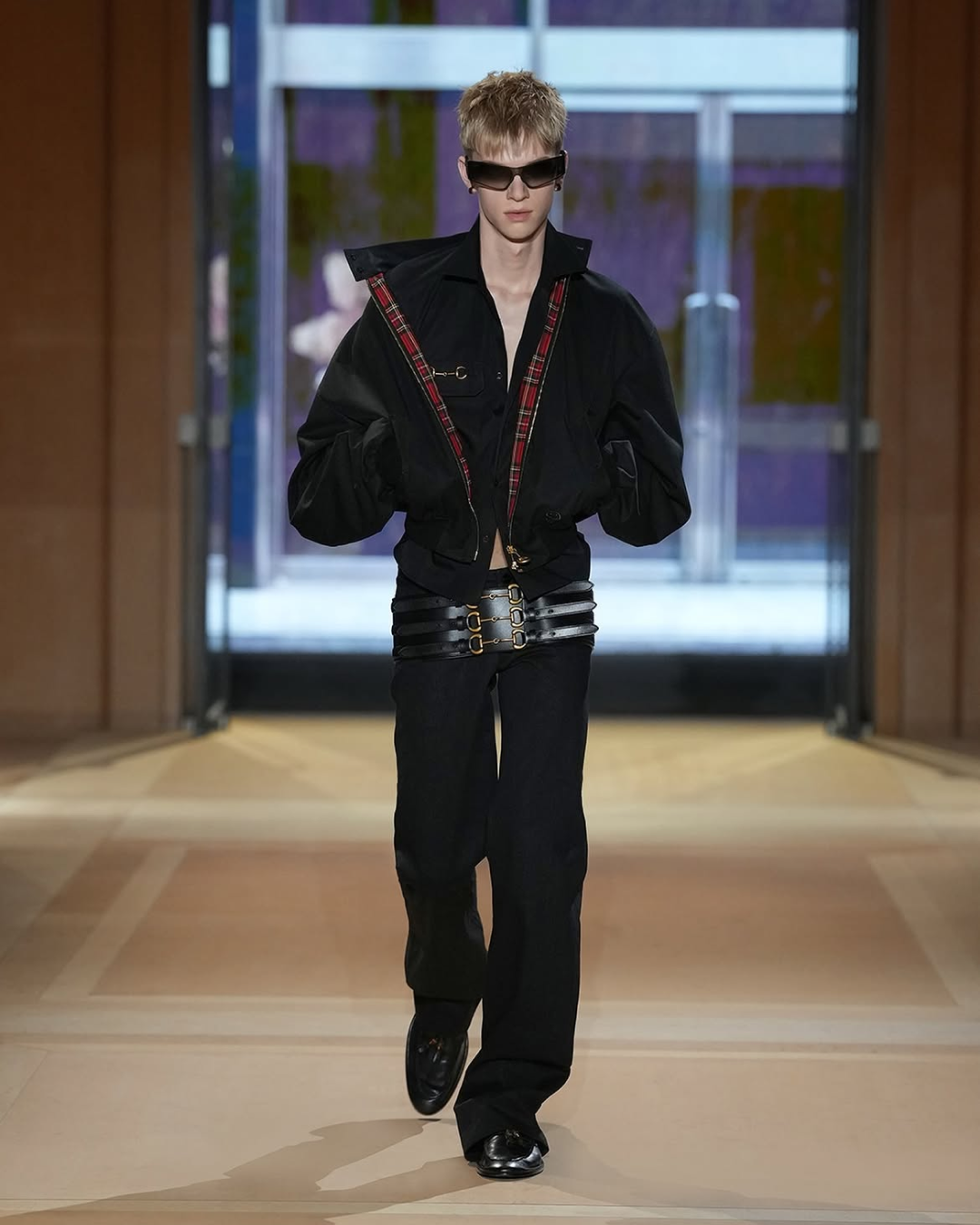
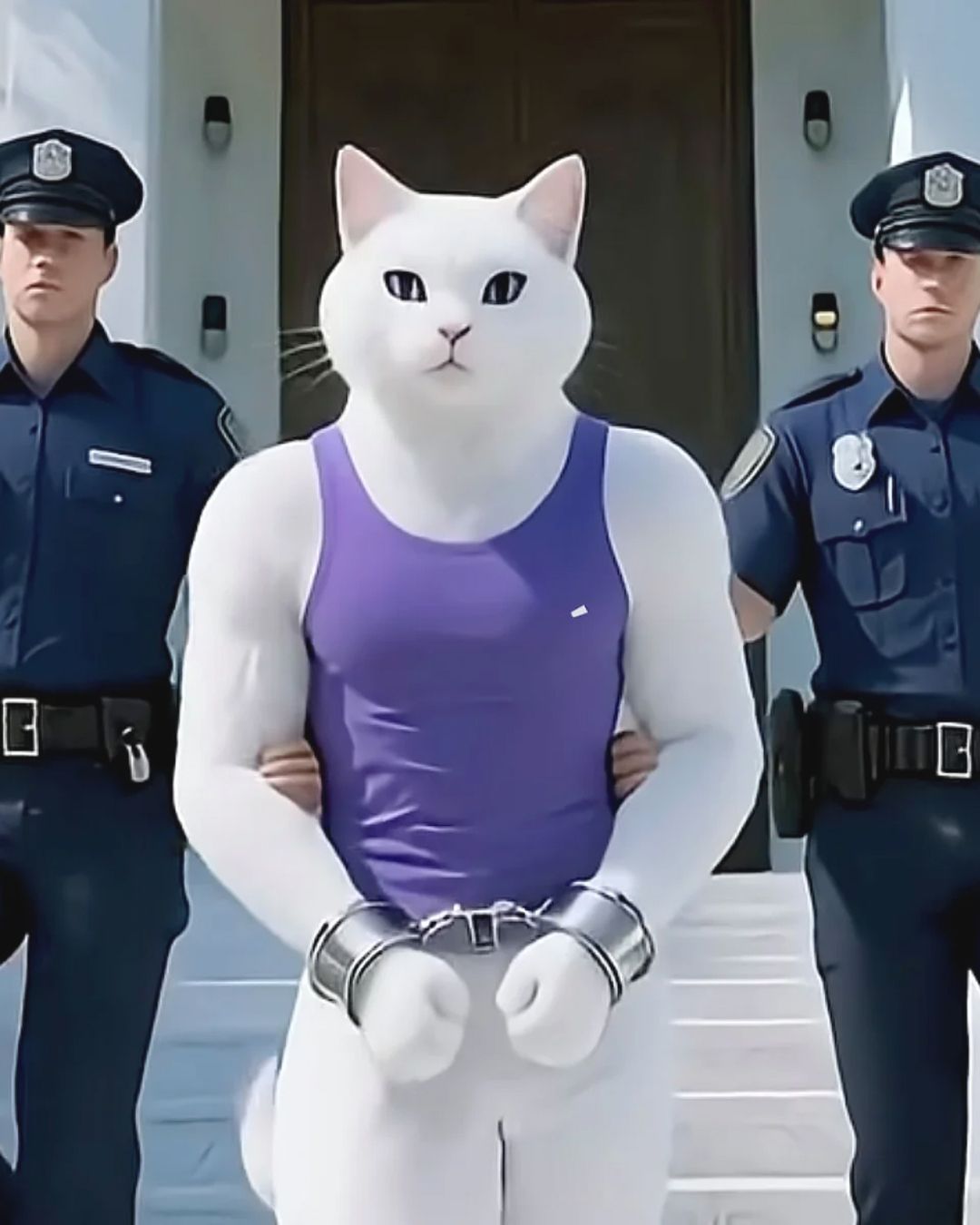
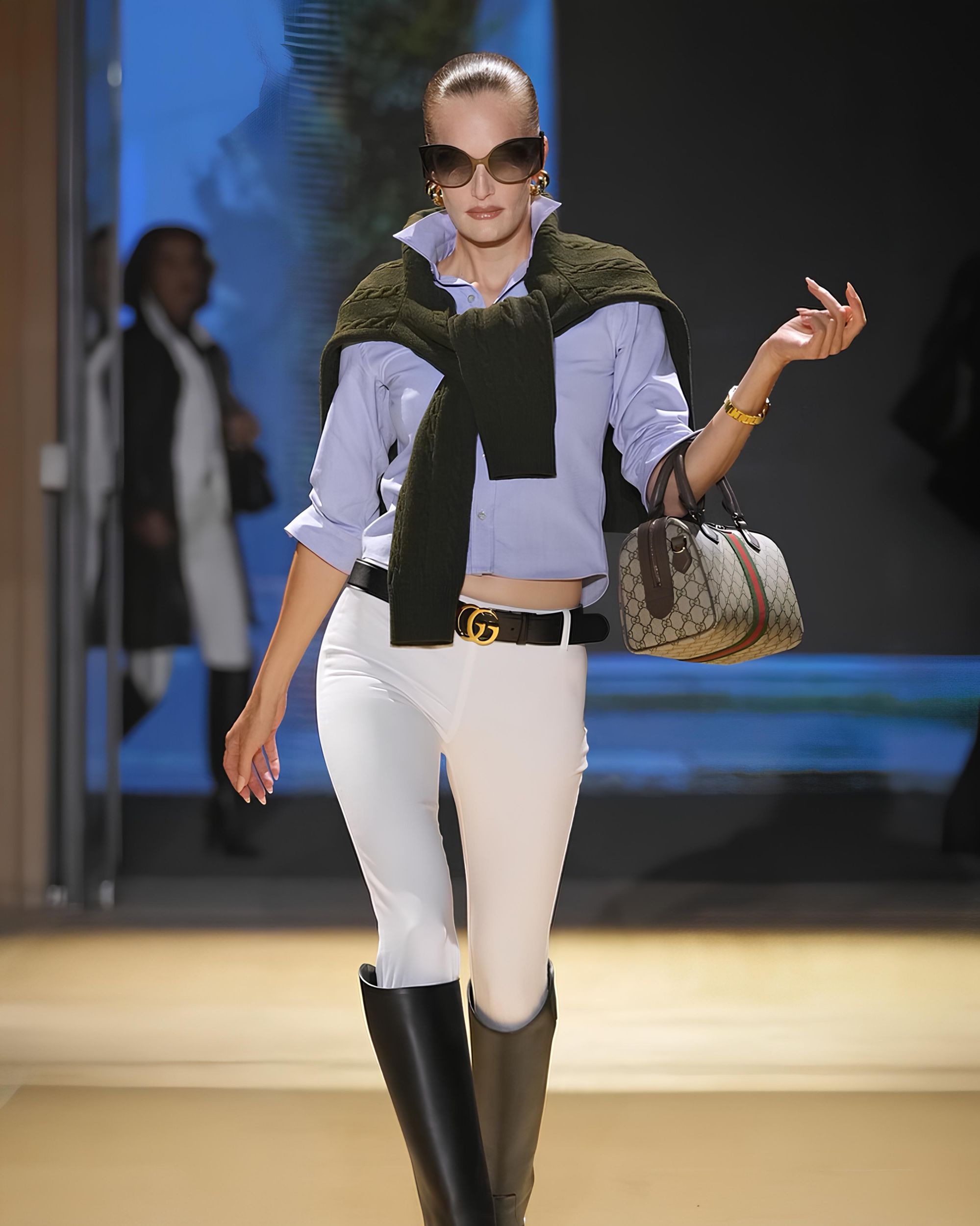
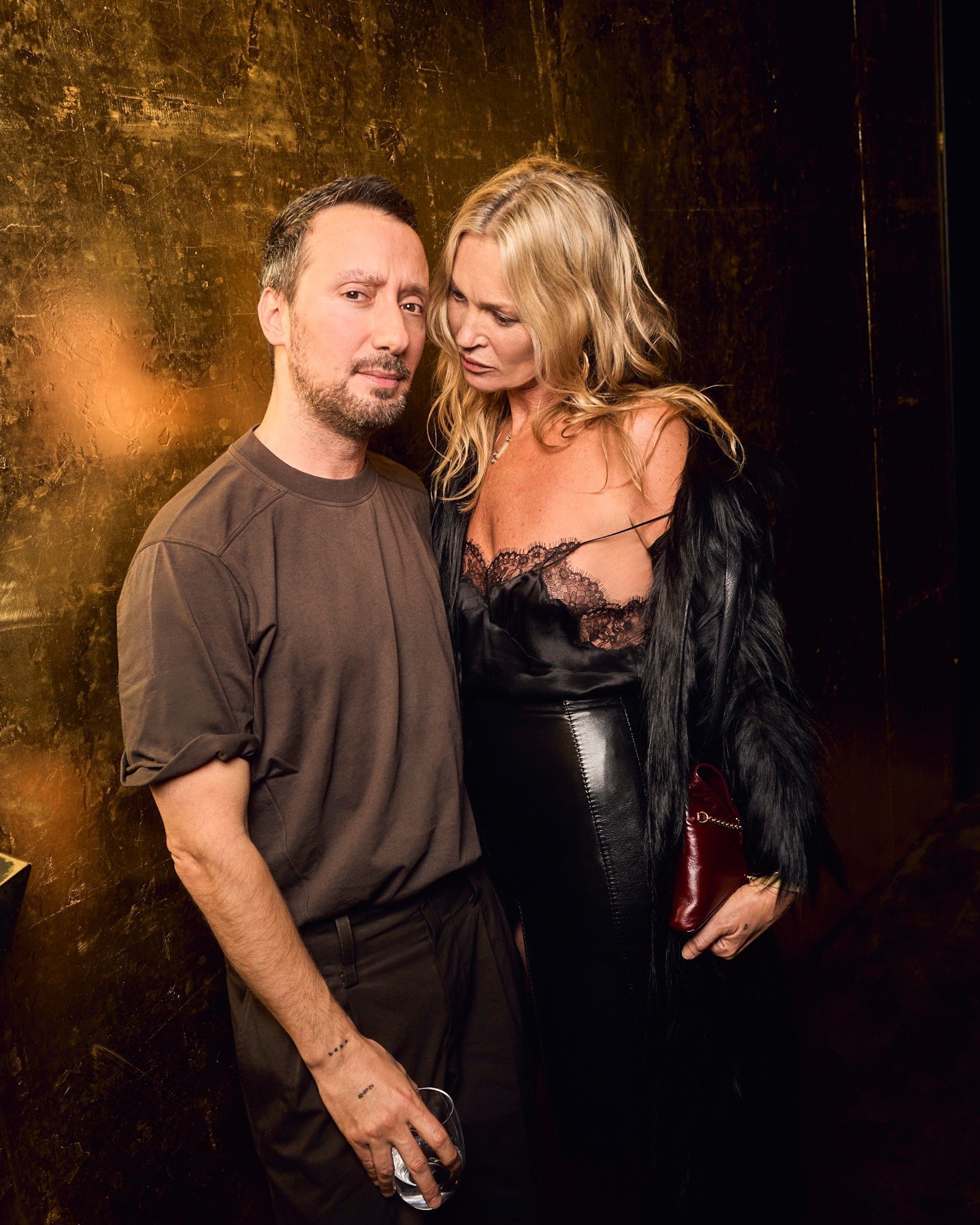
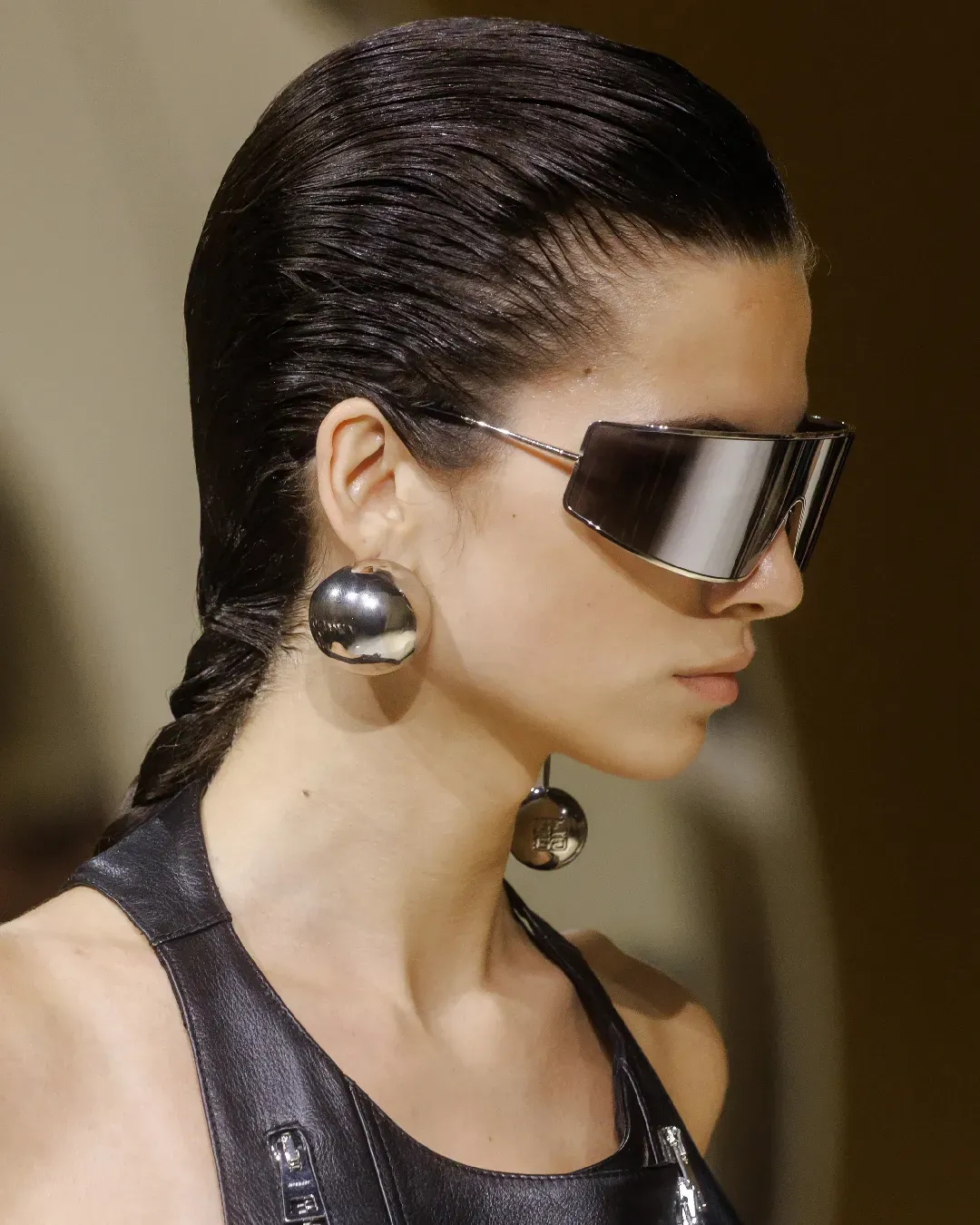
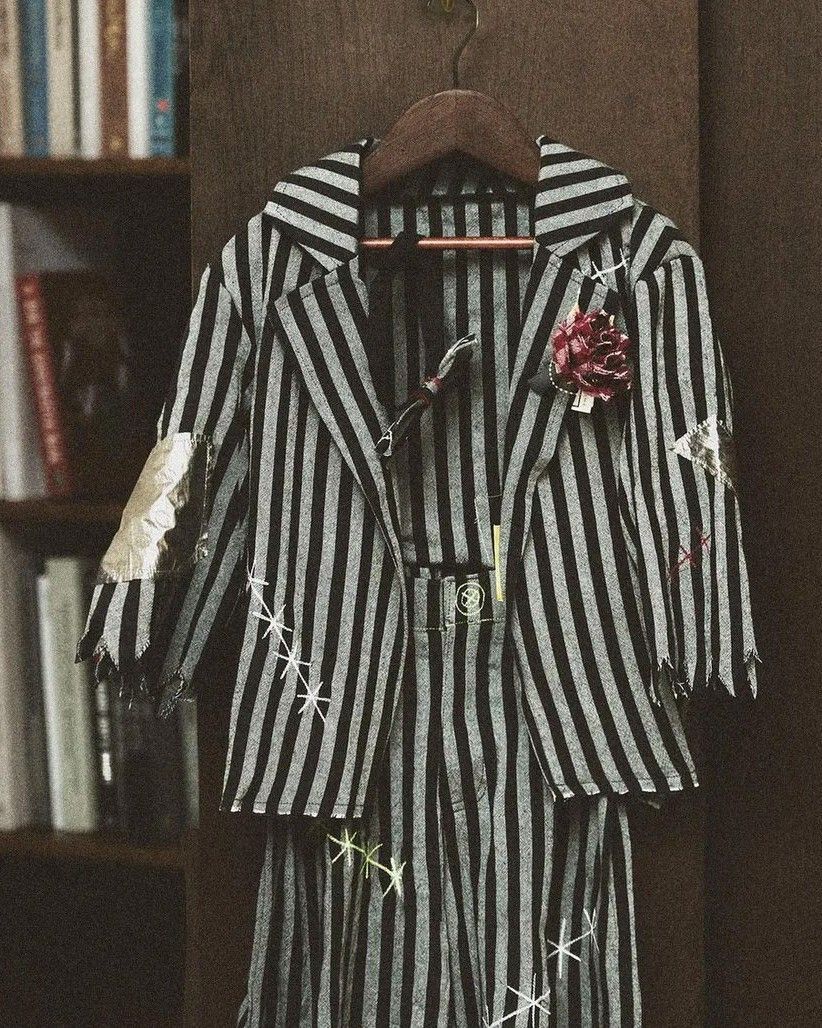
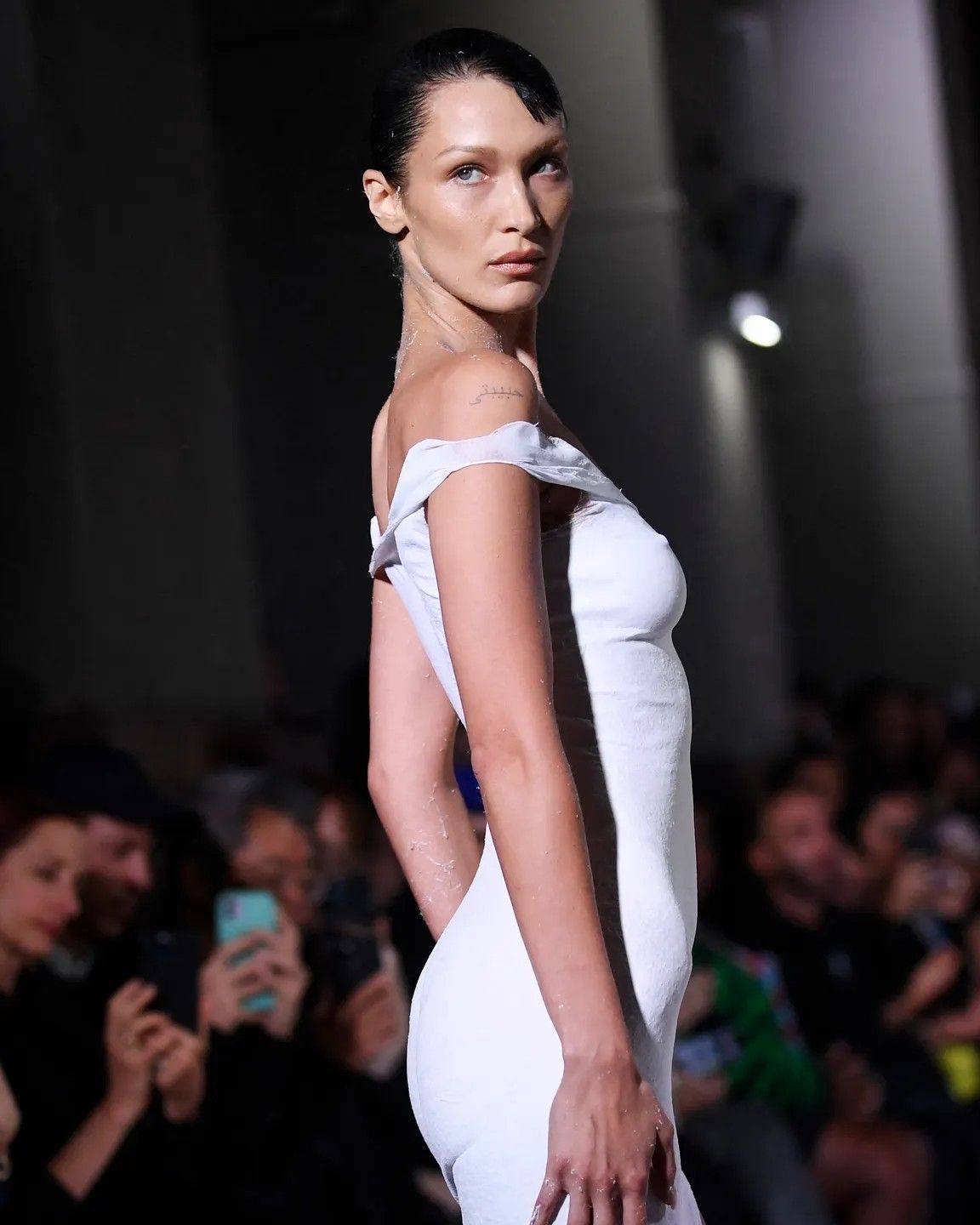
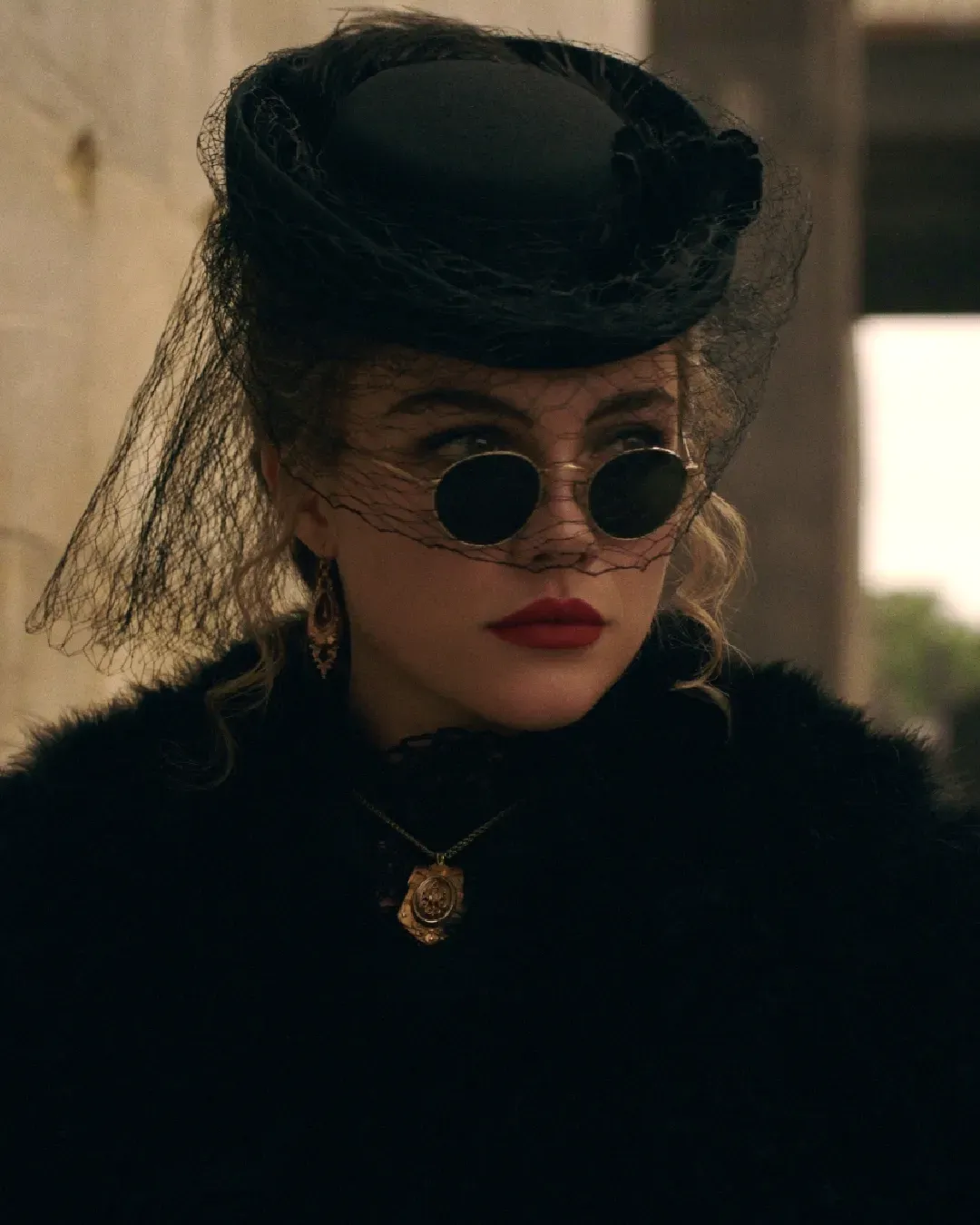
In preparation for the highly anticipated debut of Demna at Gucci, which will take place tomorrow in Milan, the brand has shared a series of AI-generated teasers that have sparked considerable discussion among online and independent commentators in recent days. The thesis of the latter is that the value of a brand's communication is measured by the value of its productions: an image produced with zero effort, therefore, is worth zero.
It is clear, however, that at this moment Demna's choice is the classic media rage-bait in which the designer has now become an expert: using the most recent topic of collective debate to provoke and get the public talking, creating organic media buzz around the show because it pushes journalists and commentators to discuss the brand's choices, thereby building anticipation for what will be presented to the public. The tactic is working.
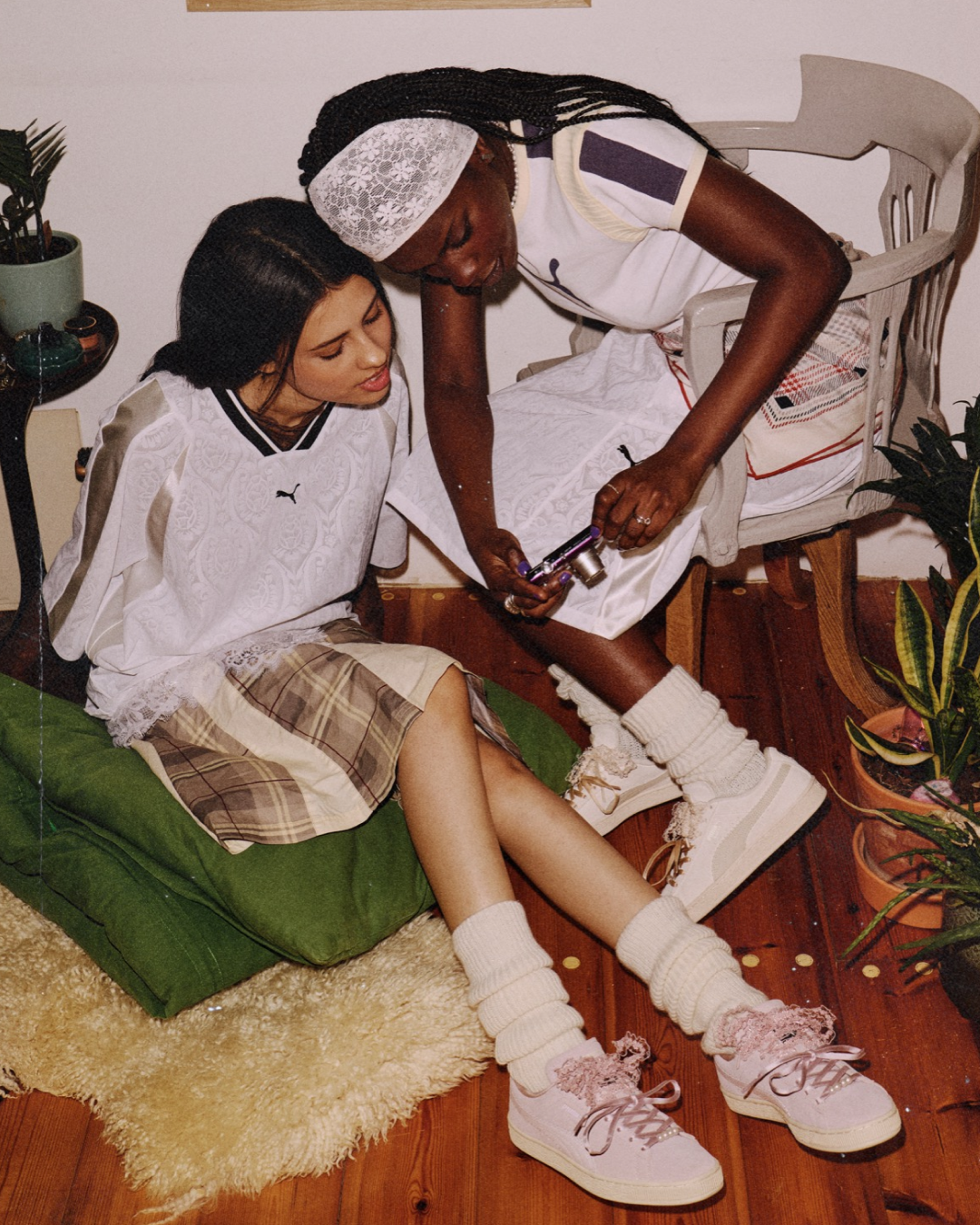
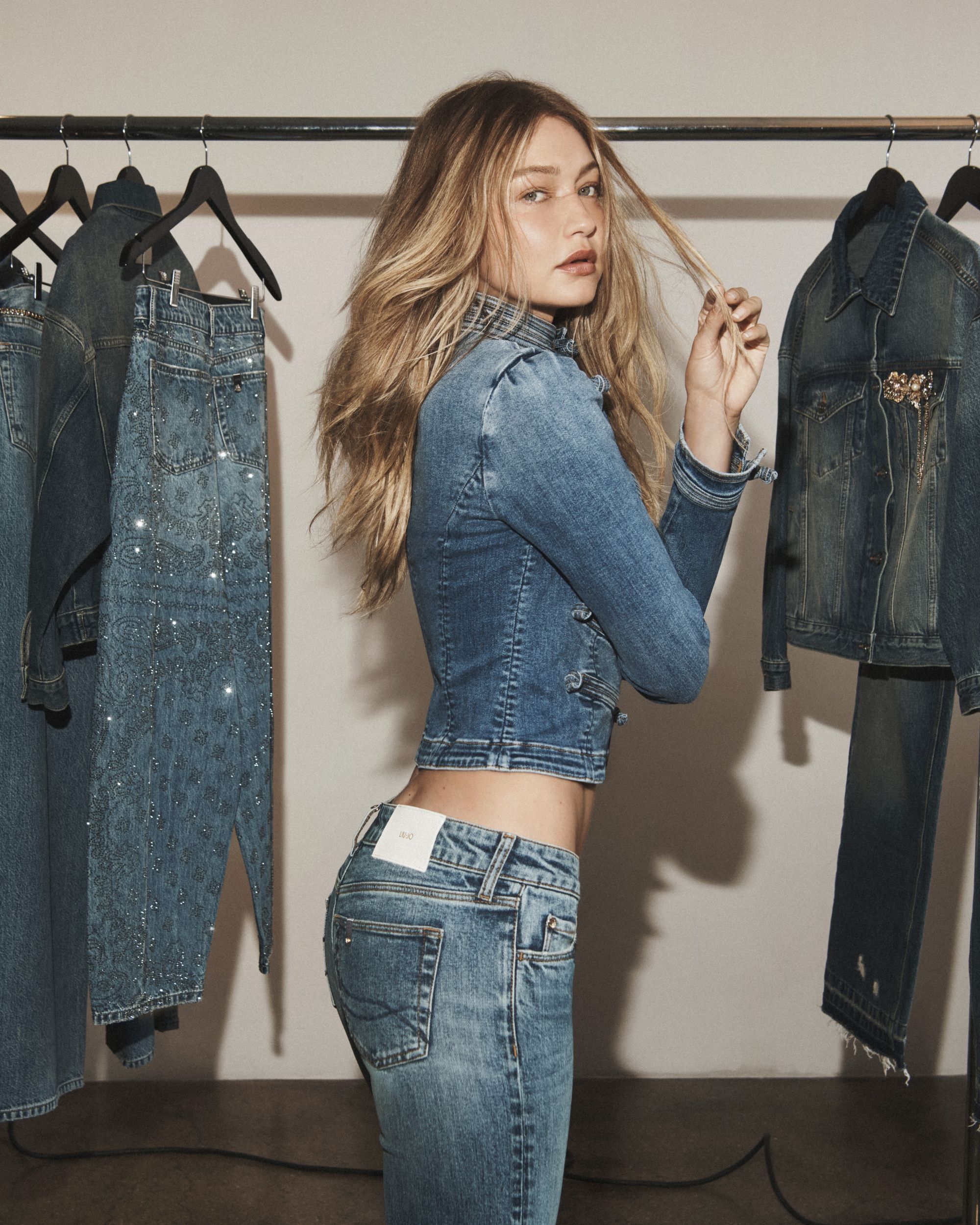
Gucci, moreover, is not the only brand using AI, though it has done so in the most blatant way and at a high-stakes turning point. We recently recall the AI campaigns of Valentino for the DeVain Bag, those of Casablanca and Etro which were among the first to adopt the new technology. There have also been debates around the AI models in the campaigns of Guess and H&M, as well as the “Haute Couture collection” by Alexis Mabille.
It is clear that Gucci's current use of AI is a promotional tactic. Even photographer Tati Bruening (who became famous for her TikTok videos in which she uses a laptop in the middle of a stream dressed as an office siren), a major opponent of AI, defended the brand in an interview with BBC: “I don’t think this campaign was necessarily made to reflect luxury, but rather to spark a debate about what luxury really is”. In short, a stratagem to generate discussion and set a tone—yet one that confirms the public doesn’t particularly love these images. But in fashion there are other applications of AI that are less aesthetic and more operational, and these are perhaps the ones we will have to live with.
An operational partner, not a creative one
@chatlabs_ Wha do we think about brands using AI? #ai #fashion #luxury #socialmedia #marketing original sound - chatlabs_
As Marc Bain very well illustrated in his recent article Why Fashion Doesn’t Talk About How It Uses AI, the real application AI is finding in the fashion sector concerns less the few campaigns and advertising copy and more the operational side: market research, product innovation and development, supply chain logistics, marketing, sales, customer experience, and retail management.
At the moment the “hottest” area is sales and customer experience, where AI is used to personalize interactions, predict trends, and improve loyalty. But what all these “back-office” uses of the technology have in common is that companies prefer not to declare them openly, unlike the production of images whose AI origin must now be explicitly stated.
A useful chart listing some common ways in which generative AIs “hallucinate” or make up facts and information.
— Ethan Mollick (@emollick) April 2, 2023
The paper suggests that way of reducing summarization & translation hallucinations are well understood, but we reducing them in chat is harder. https://t.co/CGMSH5uYov pic.twitter.com/nxAB4N0tSE
The reason for this silence, according to Bain, is the protection of competitive advantages and corporate strategies, but also the experimental nature of many of these projects, which in some cases have genuinely optimized performance but in others may not be scalable or deliver the expected results. Another factor pushing for discretion in the use of AI is the regulatory movement around algorithms, user data usage, and, in plain terms, the manipulation of users through social channels. In Europe these weeks there is debate over the legality of Shein’s algorithm and its effects comparable to addiction, for example.
And even though fears of an AI bubble remain distant for now, informal voices of users and experts are multiplying online on social media discussing the actual efficiency of AI models which, being built more to provide answers than to find them, often tend to invent data from scratch, make mistakes, and in general prove quite inaccurate in their performance. X/Twitter is full of stories about situations in which AI has committed glaring errors. But one reflection prompted by reading Bain’s article is different: could AI be yet another technological toy that fashion tires of too quickly?
Fashion’s “old tech games”
Fashion, always in search of new sales channels and with a short memory, has a somewhat toxic relationship with technology, based on excessive idealization, literal or figurative love bombing, use and abuse, false hopes. From 2019 onward the metaverse, Roblox, NFTs, digital fashion, blockchain, and gaming integrations have all been temporary obsessions and, ultimately, irrelevant areas on which a great deal—and often uselessly—has been invested.
According to a report from a company specialized in gaming data and strategies cited by Bain, after a boom from a few million in 2020 to over 400 million in investments in gaming platforms and various metaverses in 2024, investments collapsed by nearly 50% in 2025, settling around 230 million. The number of new brand activations also decreased by 17%. Of course, brands today prefer to invest in integrations within existing games (investments in initiatives such as virtual product placement increased by 14%) that are far more selective and goal-oriented than metaverse stores or NFTs.
The emerging pattern—that of often superficial enthusiasm based on trends—suggests not only that these “innovations” are frequently poorly thought-out experiments but also that they often do not translate into increased sales. This leads us to think that, as soon as the media resonance of AI fades, even the images and campaigns generated with this technology will end up being another abandoned toy that is rarely mentioned. While the utility of its operational functions—beyond data computation—may remain, the “creative” use of AI in fashion, already unpopular, should have a short life. But for how much longer will fashion want to keep playing with it?
Takeaways
- Artificial intelligence enters fashion on two distinct levels: on one hand, provocative campaigns such as Gucci’s teasers for Demna’s debut, deliberately created with AI to spark controversy and draw media attention; on the other, a discreet and practical use in internal processes, where it helps analyze data, optimize the supply chain, personalize customer experience, and predict trends—yet brands prefer not to talk about it in order to protect their competitive advantages.
- The public struggles to accept AI when it is visible and creative, as generated images appear effortless and lacking genuine artistic value, while it tolerates far more the hidden operational applications, which prove more effective.
- Fashion maintains an inconsistent and often superficial relationship with technology: the metaverse, NFTs, Roblox, and digital fashion saw a boom in investments between 2019 and 2024, but in 2025 efforts collapsed dramatically, leaving room only for more targeted and measurable projects.
- Enthusiasm for promotional uses of AI appears largely tied to current trends: once the hype fades, campaigns and images generated with this technology risk being quickly forgotten, just as happened with previous obsessions.
- The operational functions of AI, on the other hand, have a good chance of remaining and becoming consolidated over time, while aesthetic and media-driven uses seem destined for a short life, in line with the rapid cycle through which fashion embraces and then abandons digital innovations.