













We thought it was a movie but it's Seedance 2.0 Everything you need to know about the new surprisingly precise AI tool
Recently, ByteDance, the Chinese tech company that owns TikTok, introduced Seedance 2.0, the second version of its AI-based video generation system. With this new release, improvements were immediately noticeable: the quality leap has surprised many industry professionals, especially due to the realism of the generated content. However, these same results are fueling growing concerns about the potential evolution of the model and its implications for the sector.
AI made this in 20s
— el.cine (@EHuanglu) February 11, 2026
seedance 2.0 is dominating the market https://t.co/SygLOyUE6s pic.twitter.com/gb8xwZ4aQe
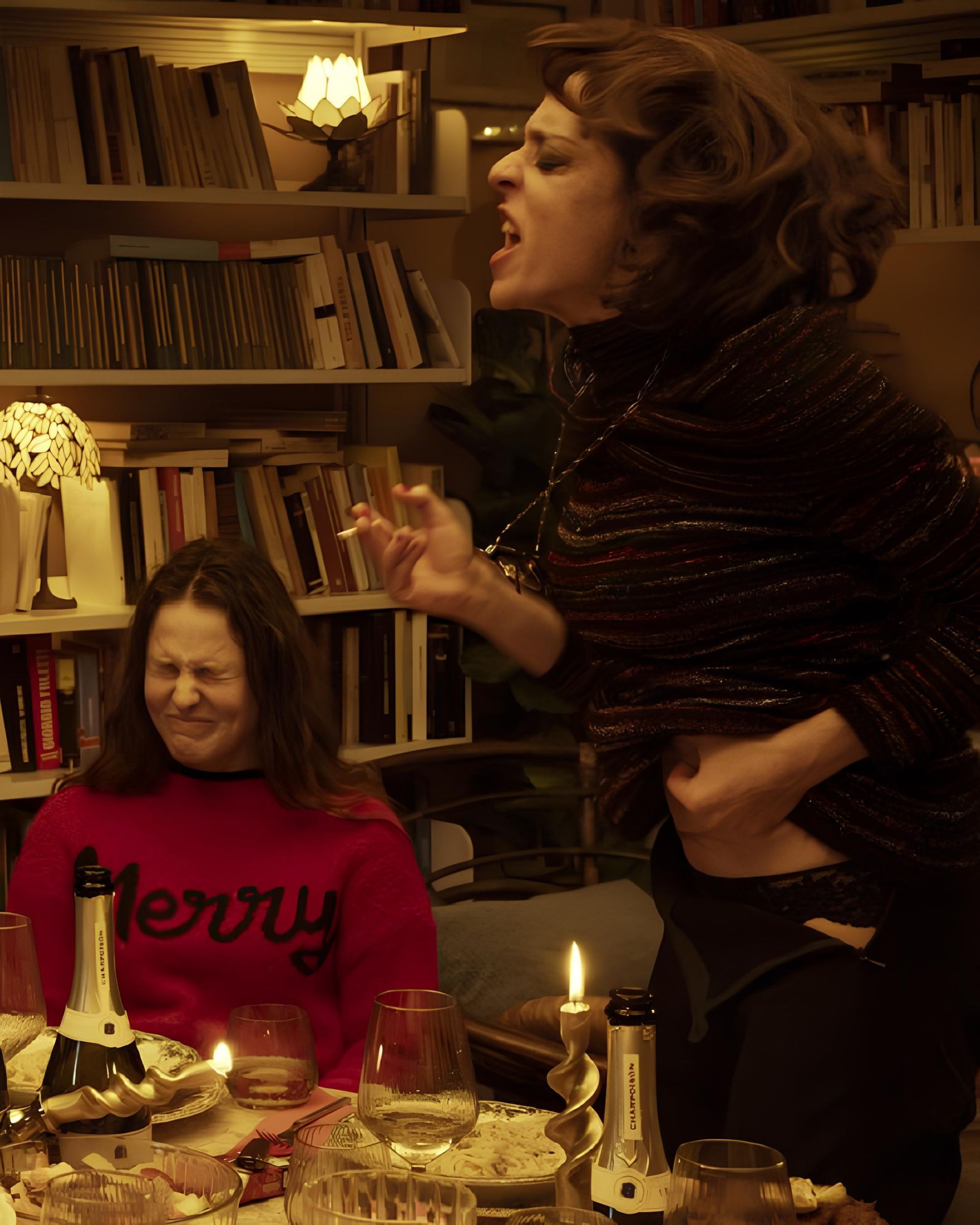
Compared to previous versions, Seedance 2.0 is, for example, able to significantly improve the fluidity of generated scenes. The result is overall more coherent videos: facial expressions, body and object movements, as well as the rendering of environments, tend to remain stable throughout sequences, overcoming one of the most common limitations of many AI-based video generation systems, where shapes appear to slightly change over time – causing a sense of eeriness known as the "uncanny valley effect.”
What scares about Seedance 2.0
@newslitproject With ByteDance's latest AI video generator Seedance 2.0, AI video has reached a whole new level of realism. These fabrications are now so convincing that relying on obvious glitches and visual tells doesn’t cut it anymore, making news and media literacy more important than ever. #Seedance2 #AILiteracy #MediaLiteracy #AI original sound - News Literacy Project
Currently, Seedance 2.0 is officially available only in China, but according to ByteDance, the international release should happen soon. Despite these limitations, numerous videos created with this new model have already circulated in the West, primarily through TikTok. Among the viral content, the video that drew the most attention shows Tom Cruise and Brad Pitt engaged in a bare-handed fight on a rooftop at sunset. The two, artificially generated, even deliver some lines, with voices indistinguishable from the real actors’. By resharing the video, the well-known American screenwriter Rhett Reese did not hide his concern about the impact of these technologies on the film industry, which, in his view, is destined to undergo a radical transformation, potentially leading to a significant loss of jobs.
For others, however, tools like Seedance 2.0 represent an opportunity, as they broaden access to filmmaking, a field historically reserved for few due to high production costs. The rise of increasingly sophisticated AI systems opens the possibility for a single person or a small team to create, almost independently, products potentially marketable. This process is already partly underway: for some time, albeit in very different contexts, AI tools have been adopted by those without access to professional production resources to create, for example, short films.
The challenges of generative AI in cinema
Currently, artificial intelligence is already widely used in film production, mainly as a support tool, particularly in post-production, where it helps accelerate and optimize certain workflows. It is still rather rare, however, for a film or TV series, with multiple scenes, to be entirely created by an AI system – and in the cases where technology has been extensively used, the results so far have often been considered questionable and unconvincing. Indeed, the video featuring Tom Cruise and Brad Pitt, impressive as it is, lasts only 15 seconds.
The fact remains that the unions of various sectors in the film industry are taking steps to protect workers from the rise of AI, attempting to mitigate the most destabilizing effects of automation on employment. These tools also raise significant issues regarding copyright protection. Generative AI systems rely on extremely large databases of copyrighted audiovisual content, and often (except in a few cases), at least in the early stages of development – as happened with Seedance 2.0 – no specific agreements are made to prevent the generation of videos using copyrighted images, characters, or sounds – with all the resulting consequences for the industry and the involved parties.