
























Is wearing worn-out clothes performative? Rips, studs, and faded patches to shout to the world that you got there before everyone else
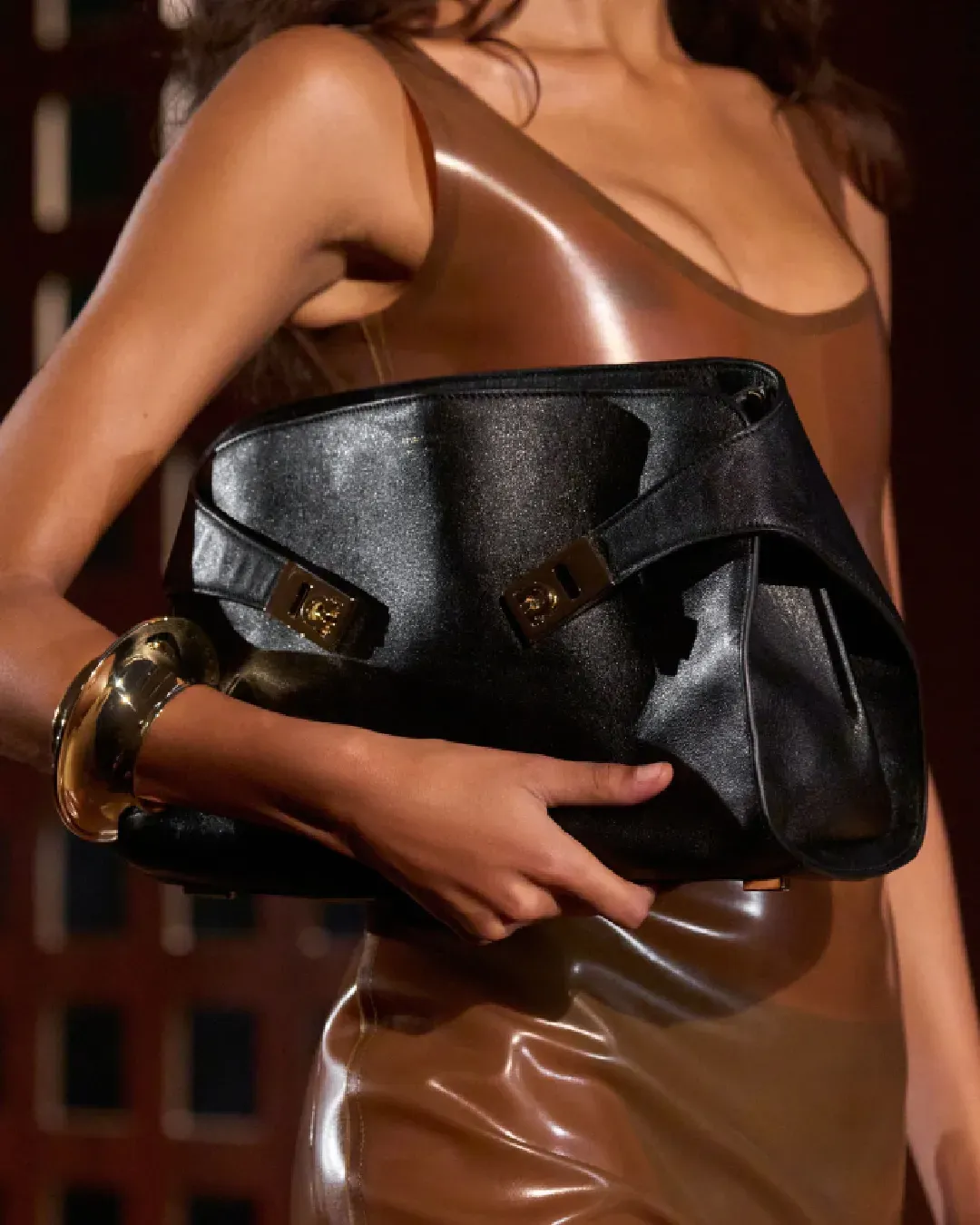
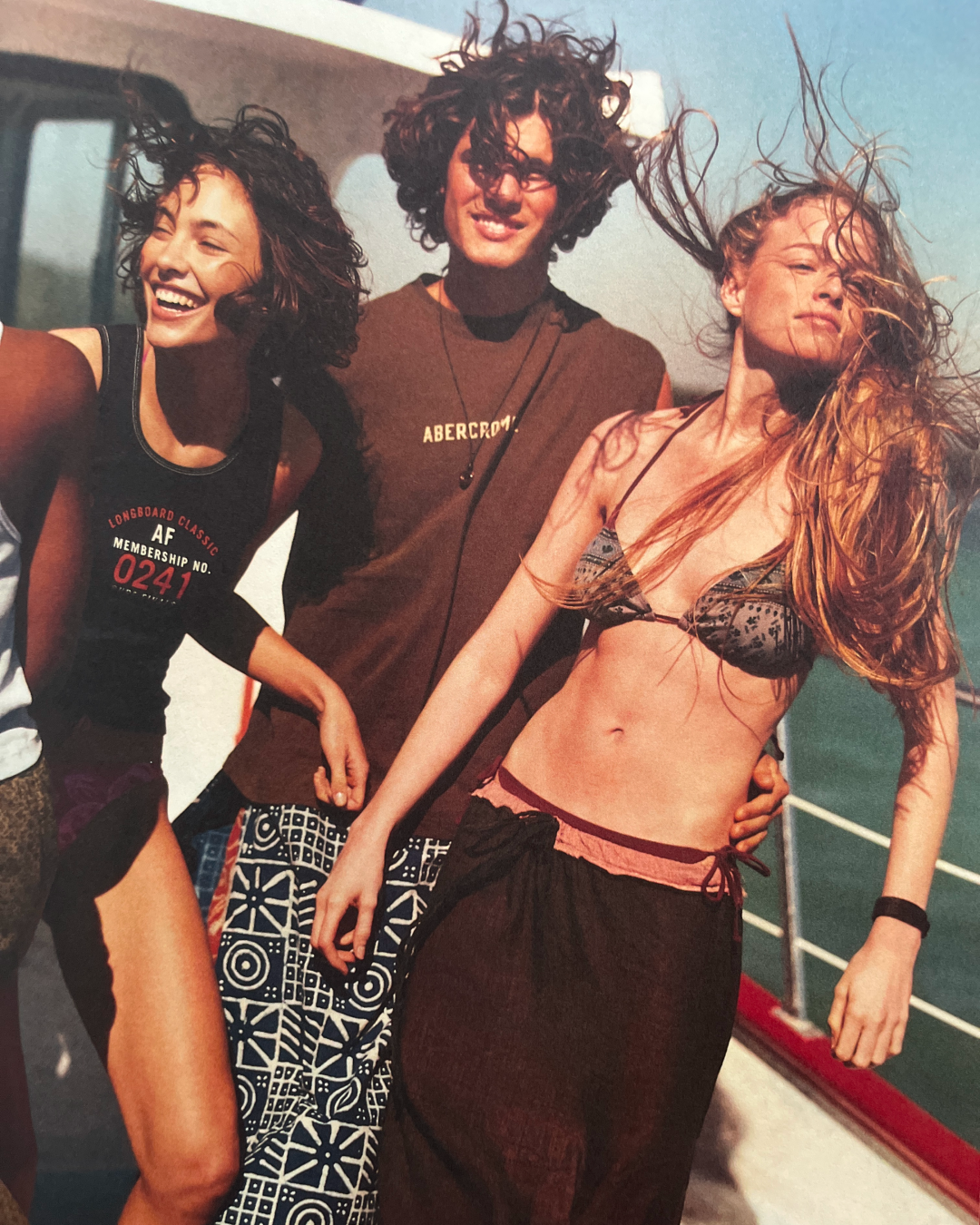
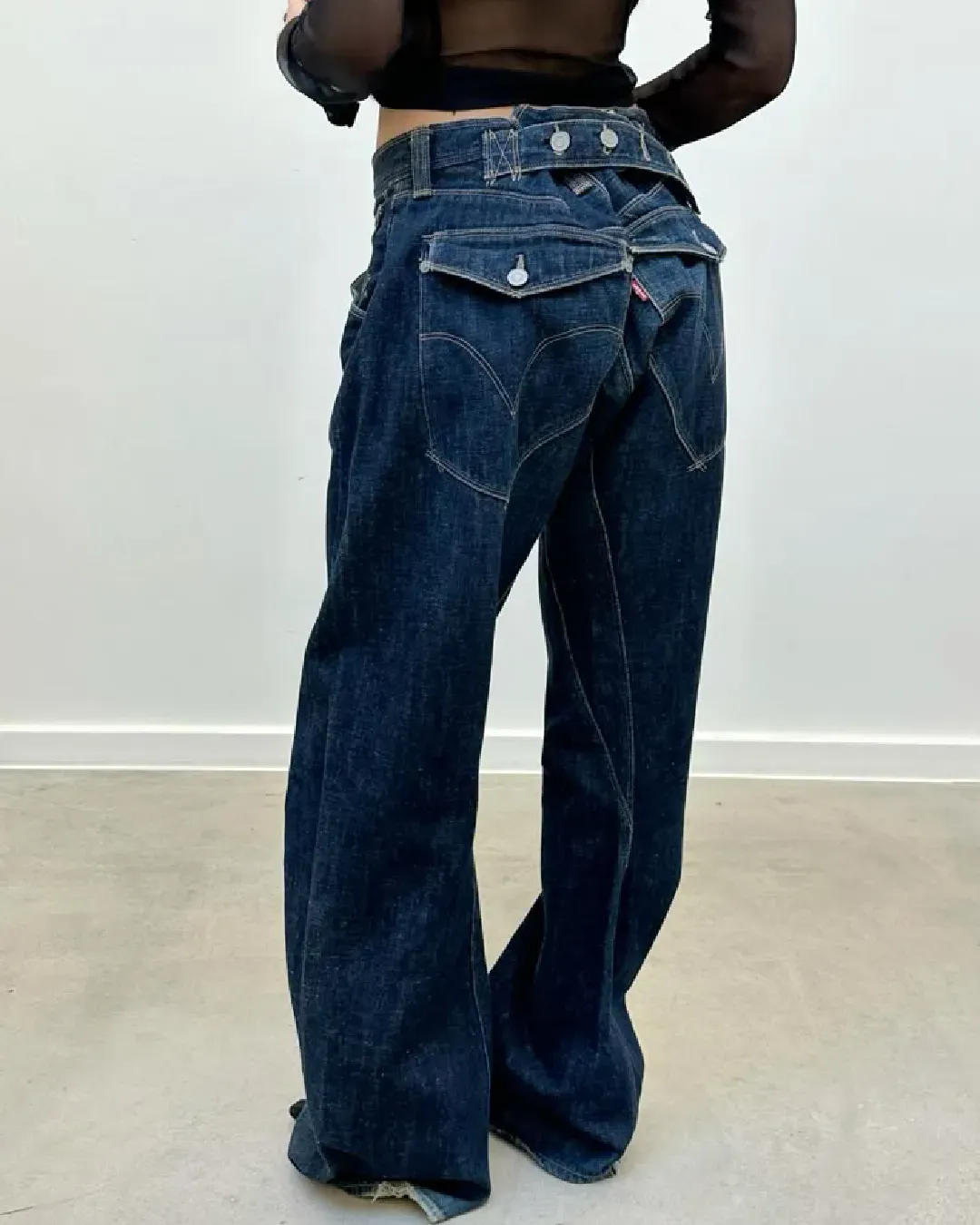
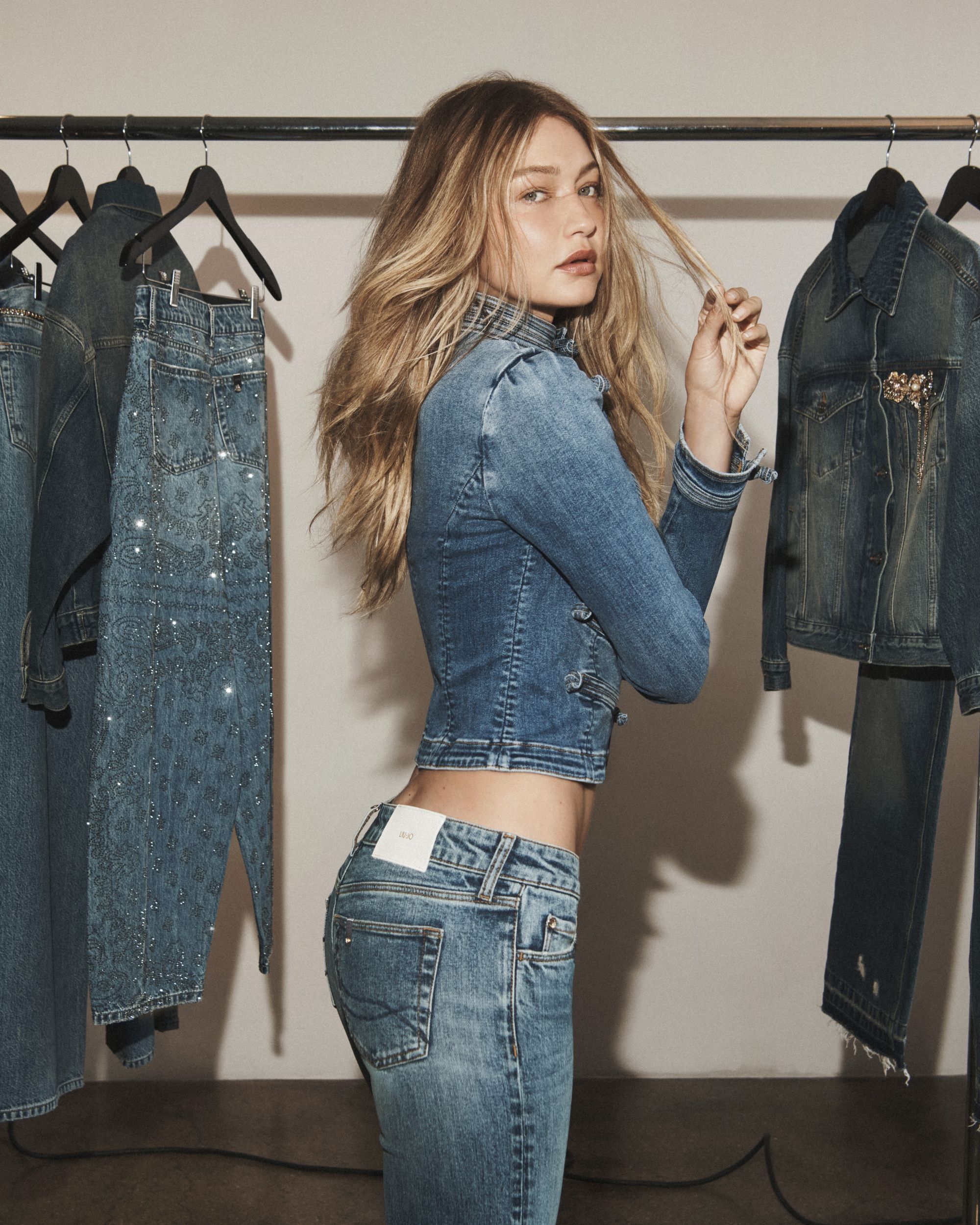
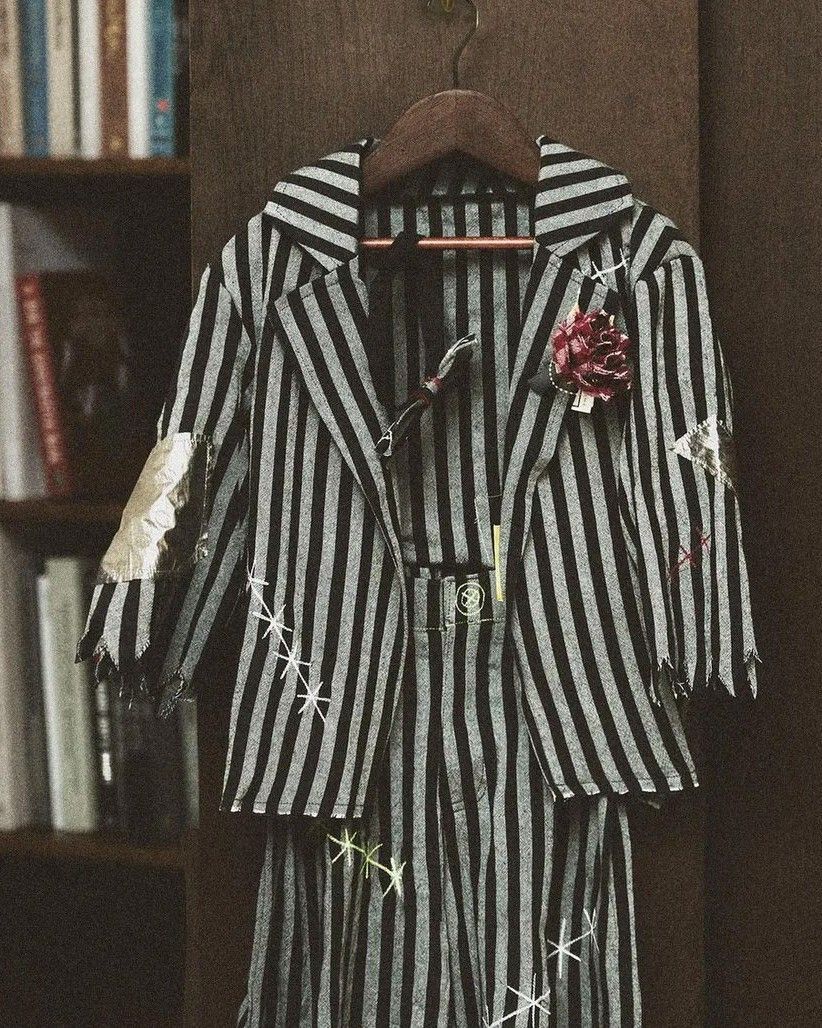
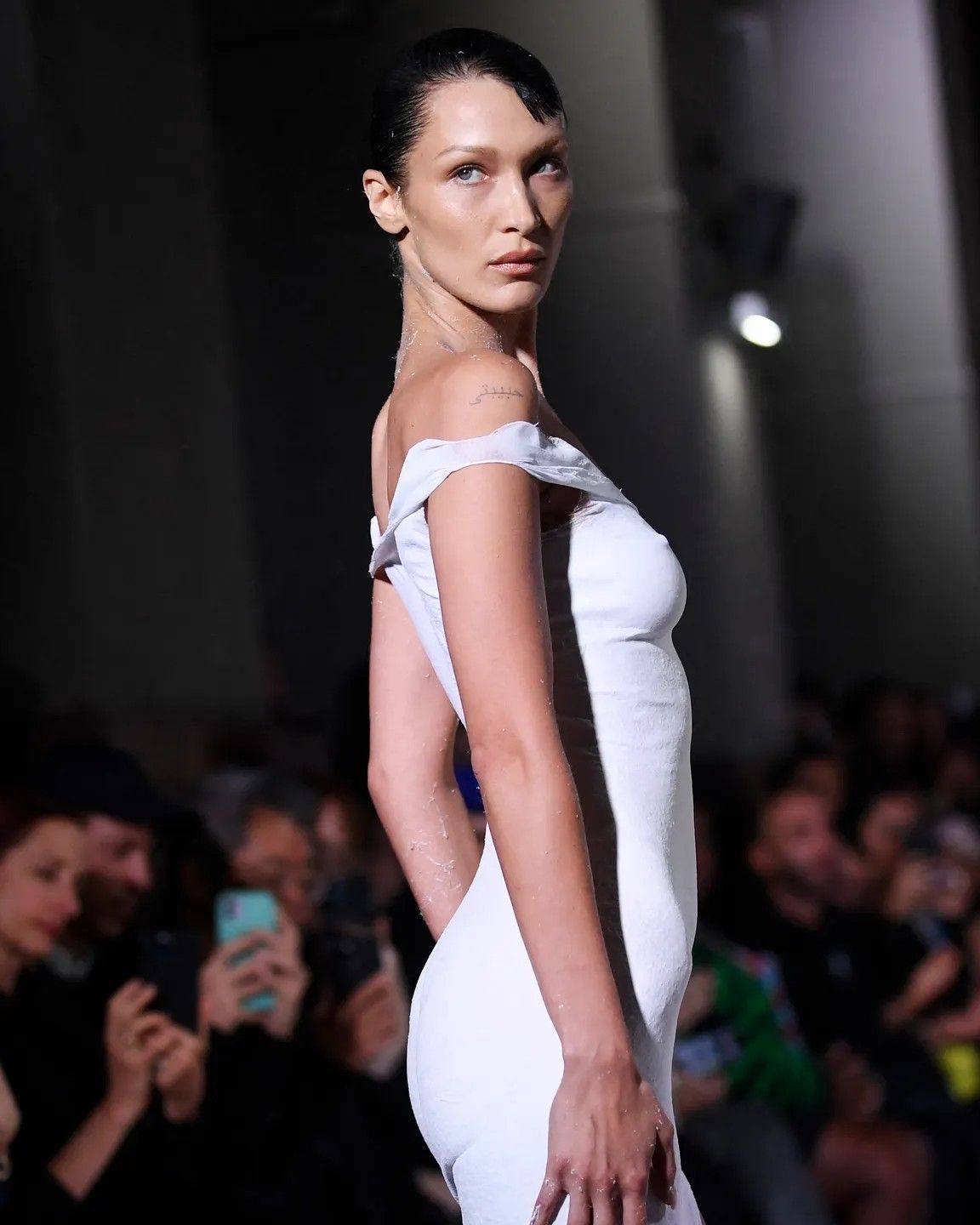
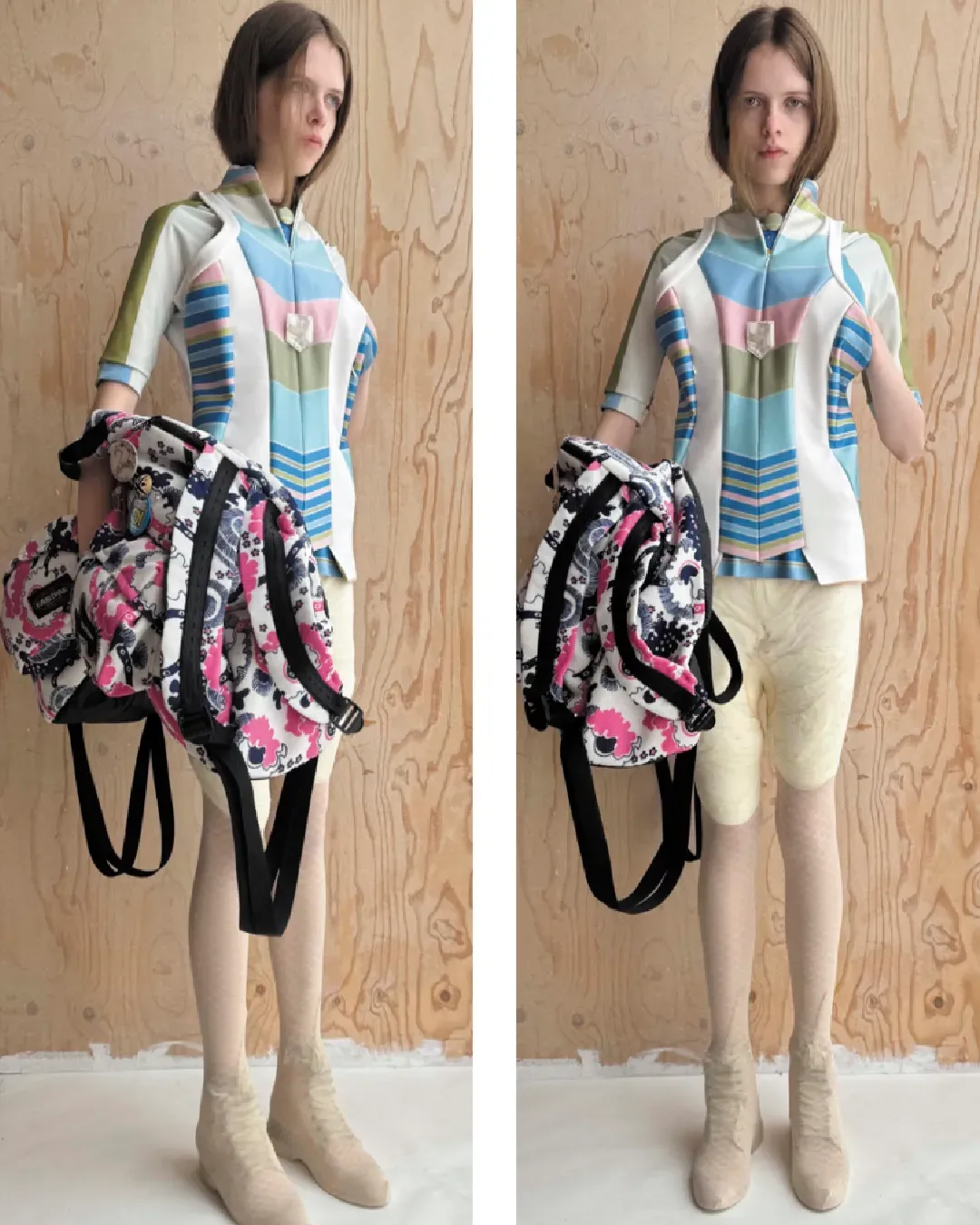
That we had grown tired of being perfect was already clear from our relationship with Artificial Intelligence, namely from the rejection of that glossy aesthetic, flawless and entirely inhuman, which led to the spread of naïf graphic formats and smudged makeup. In other words, it was only a matter of time before this imperfect aesthetic caught the attention of fashion as well. A few days ago, Brazilian content creator Rebeca Oksana posted a TikTok to answer the question «What will cool girls wear this spring?». The answer, delivered with the confidence of someone who already knows which way the wind is blowing, is disarmingly simple: cool girls no longer want to be pretty. They want to be interesting, and fashion will have to respond to this new need. Damaged garments, torn hems, patches, studs: spring and summer fashion will be made of pieces that carry the memory of time, whether real or simulated. Pieces that, even before being worn, already seem to say something essential about their owner: this is not my first season.
Vintage lovers are celebrating (and rightly so)
@rebecaoksana little compilation of spring fashion trends #springfashiontrends #springfashion original sound - rebeca
The fact that imperfection has become proof of authenticity, here understood as evidence of a certain foresight, is a rather ironic paradox. As much as fast fashion has been quick to replicate the effect of faded leather on polyester jackets, this shift marks the victory of the flea market crowd, that community which for decades lived on the margins of mainstream fashion and now suddenly finds itself at the center, also thanks to the growing popularity of the second-hand market.
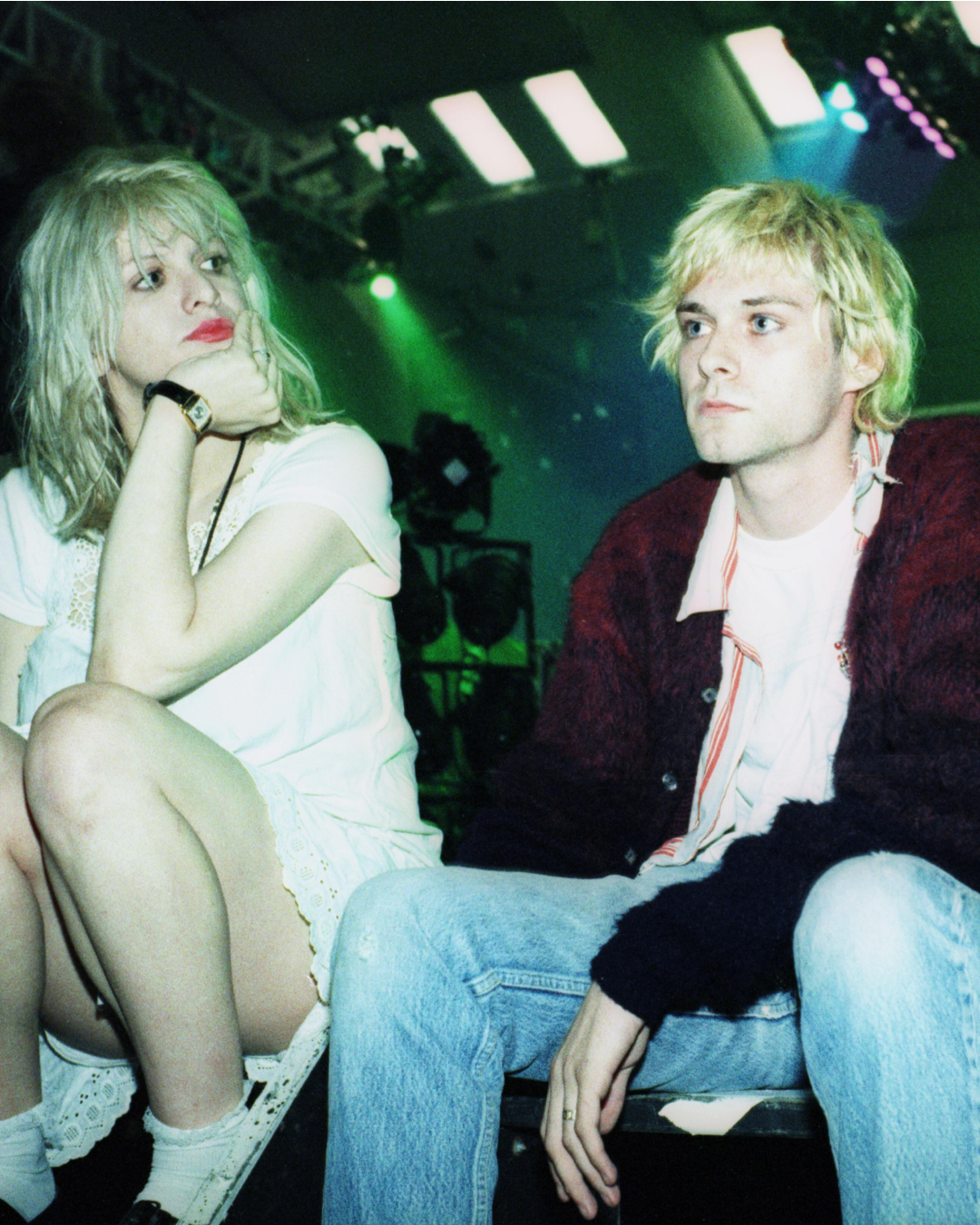
«This really looks like another economic recession», a user writes in the comments. While the aesthetic of these garments suggests a certain shift in the perception of luxury (once, wearing brand-new clothes and accessories was a symbol of wealth), the intention behind their adoption goes far beyond economics. Fashion has always had a talent for turning social discomfort into sellable aesthetics, just think of ’90s grunge. This time, however, there is no resignation in embracing imperfection, but rather a certain cleverness, that of those who would never give in to buying an artificially distressed garment within the four walls of a factory. In this sense, worn clothing becomes an act of resistance against compulsive consumerism, a way of saying that one has already moved beyond the buy-use-dispose cycle normalized by fast fashion. It is a refusal to pretend that the system works.
From runways to archives: the worn-out trend in high fashion
It would be wrong to think that the fascination with aged garments is something new born on flea market stalls. Even Prada, the brand universally considered the most intellectual and conceptual of all, has explored the idea of the marks of time on objects through stains, yellowing and abrasions in its FW26 menswear collection: signs that present themselves as witnesses to a real life, one lived in the physical world, far from the virtual stillness of Artificial Intelligence. And they have sparked quite a bit of controversy.
Last September 25, London’s Barbican Centre opened the exhibition Dirty Looks: Desire and Decay in Fashion. Curated by Karen Van Godtsenhoven and Jon Astbury, it brought together over sixty fashion houses, including Hussein Chalayan, Alexander McQueen, Vivienne Westwood, Miguel Adrover, Maison Margiela, and emerging designers from around the world – among them Elena Velez, Robert Wun, and Yuima Nakazato – to explore fashion’s fascination with dirt, decay, and regeneration. From romantic worn-out dresses to stained crotch jeans (the JordanLuca pissed jeans that caused scandal and still sold out), from mud to yellowed fabrics, the exhibition examined how decay has historically been used to challenge beauty standards and why it is experiencing a resurgence in the work of young designers. The theme, in fact, seems to cyclically return to the center of the conversation, each time with clearly defined intentions.
In the 1980s, with the collection titled Nostalgia of Mud, Vivienne Westwood and Malcolm McLaren introduced an aesthetic that turned dirt into a symbol of rebellion and political transgression: the FW83 collection (also known as Buffalo Girls) opposed the structured suits of the Thatcher era with a wardrobe made of torn skirts, raw-cut furs, and underwear worn over clothes. A direct affront to the polished and rigid aesthetic of power.
The luxury of getting there first
I’ve always believed in earning the wear on your clothes until it manipulates your characteristics. And I used to hate when brands would manipulate distressing or the worn out look. But then, through time, I changed my perspective and the way I would read the translation that the… https://t.co/OYmF1R1Kbe
— garçon (@boymolish) January 19, 2026
A powerful psychological mechanism, as old as time itself, governs this aesthetic. Today, wearing visibly worn garments goes beyond aesthetics; it is a statement of belonging backed by a certificate of precedence. Wearing a jacket with fraying sleeves or a pair of jeans that look like they have survived three decades of punk concerts does not signal poverty, it signals being an early adopter. It is yet another way of asserting one’s coolness, of being ahead of fashion before it even defines itself. Fashion, after all, requires a fair amount of vanity, and nothing satisfies the ego quite like claiming to have been there first, especially in an era where everything is available to everyone in real time. The real distinction is no longer owning something, but owning it before others. Today’s consumers do not want to show they are keeping up with trends; they want to give the impression that trends are chasing them.
This introduces a new form of gatekeeping, different from economic means or customs barriers: time. Egocentrism feeds on history as a performance rather than as a sequence of events, because no one really cares whether we actually wore jeans with hems worn down by asphalt three years ago, what matters is making others believe we are the kind of people who would have. The potential adoption of a trend is worth just as much as its actual adoption. The final paradox is that the more this mechanism spreads, the more people embrace the «I was there first» aesthetic, the more its symbolic value erodes. When everyone seems to have known first, no one really did. The trend itself thus risks becoming a victim of its own success: a trend that celebrates being ahead, destined to quickly become the symbol of those who have fallen behind.