
























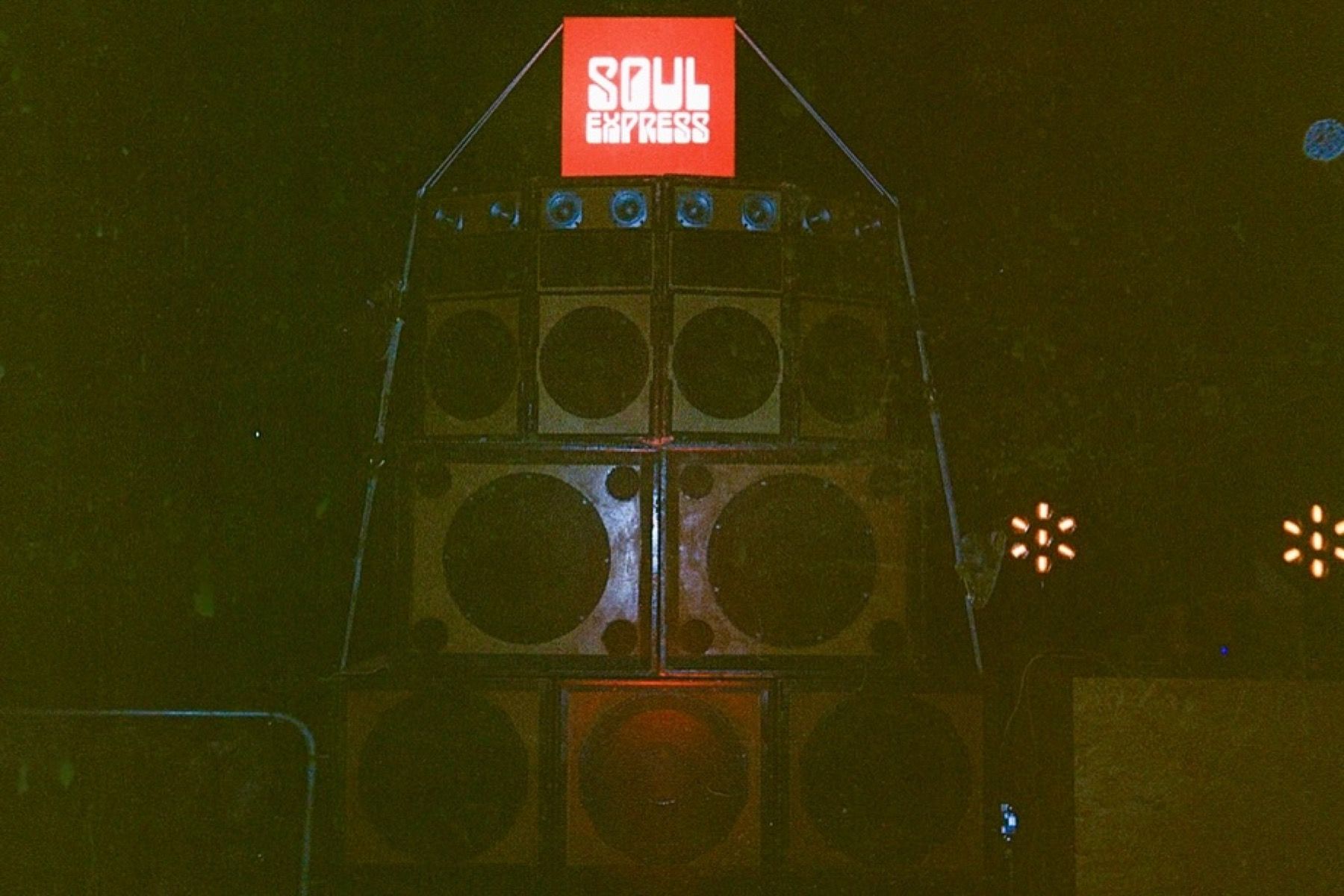
Soul Express Collective celebrates its tenth anniversary with “A System of Attitude” “A System of Attitude. Built on Sound. Built on People”
Soul Express was born in Naples from a choice that is both simple and radical: to put music at the center and let it sound the way it should. Everything else came later, almost as a natural consequence of a process rooted in relationships, built one at a time, night after night, collaboration after collaboration. Over the course of ten years, what was never conceived as a format has evolved into a true community. The numbers - over 150 events, more than 120 artists involved, 30 activated locations, and a constantly growing digital community - only partially reflect a project that primarily exists within its relational dimension.
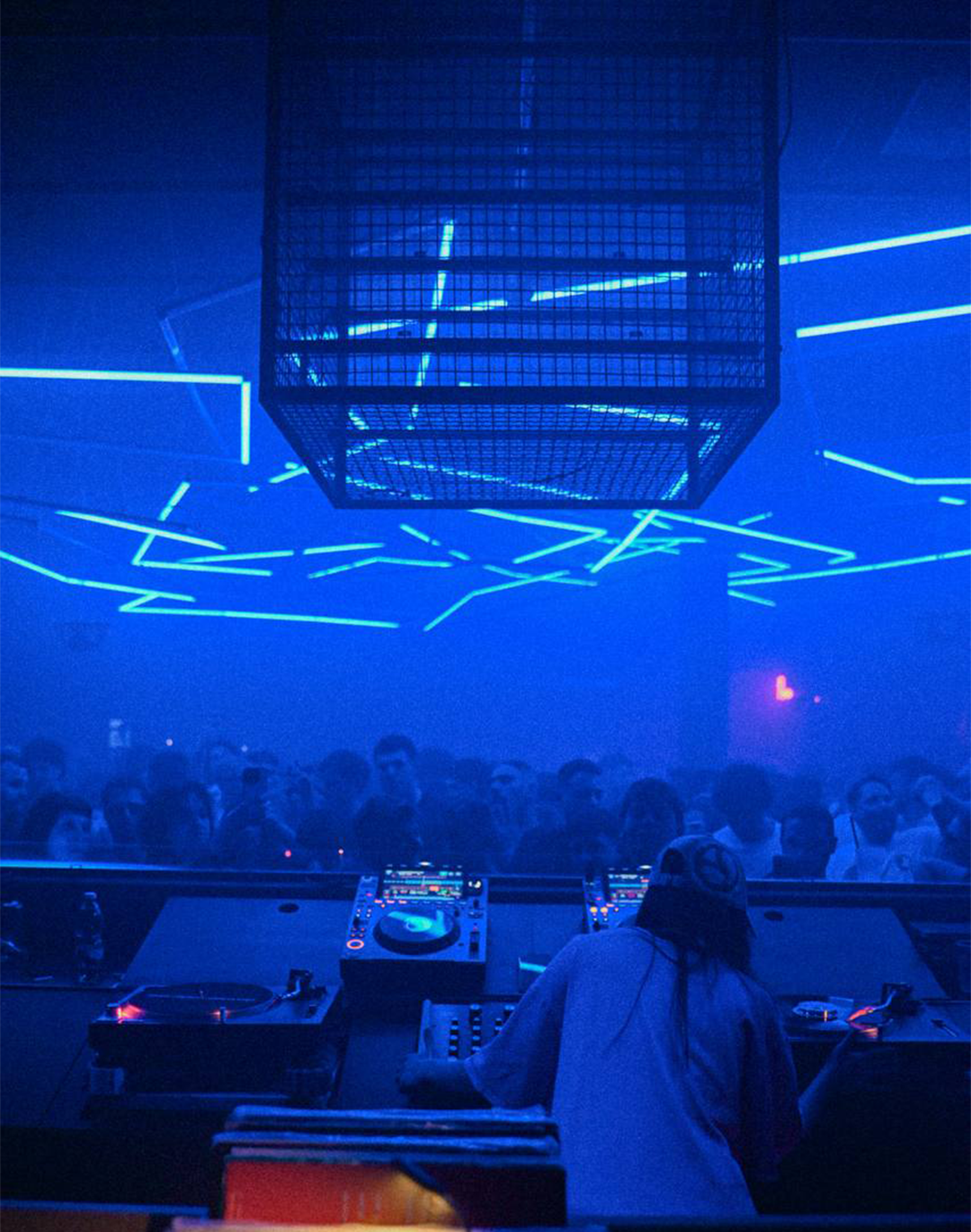
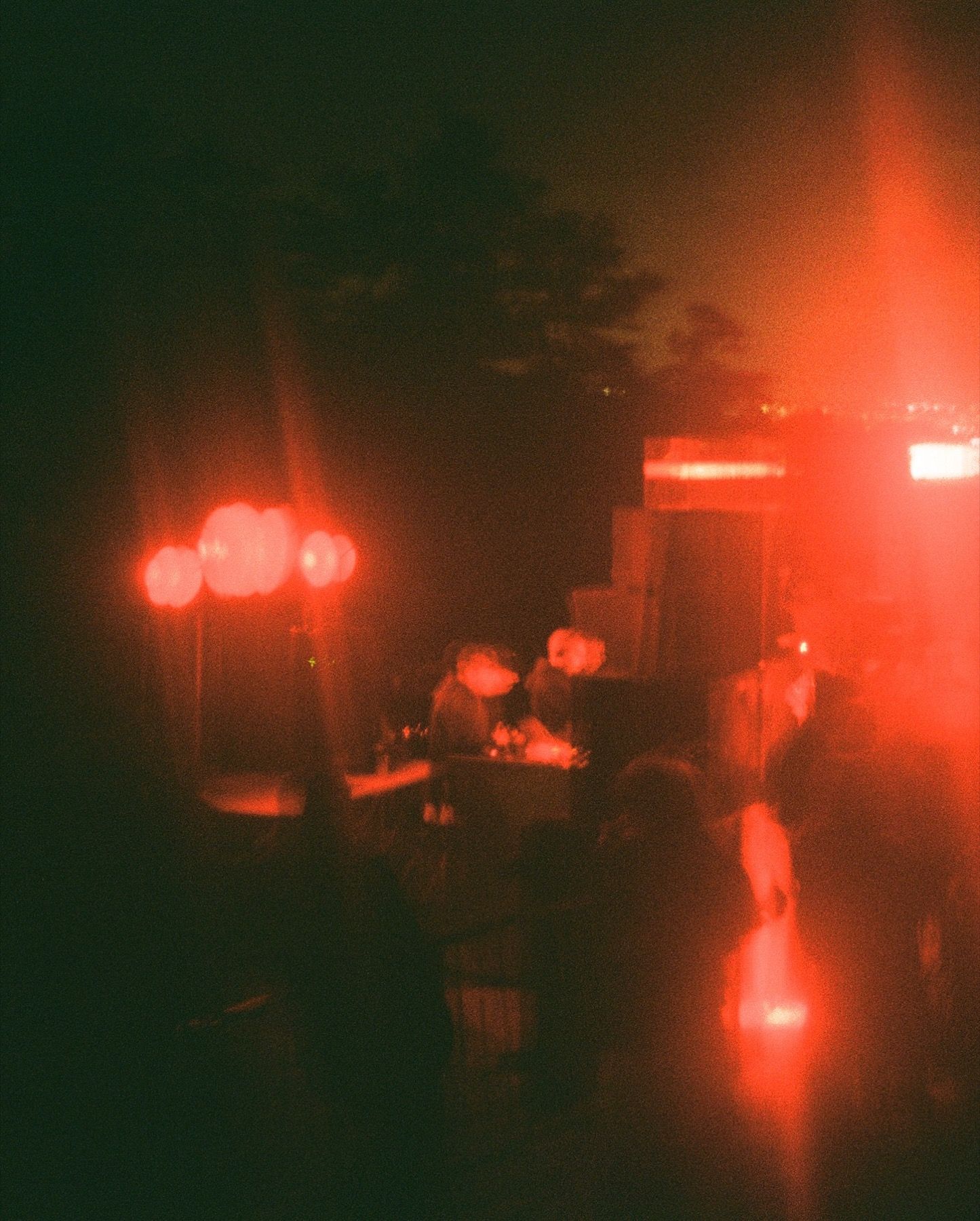
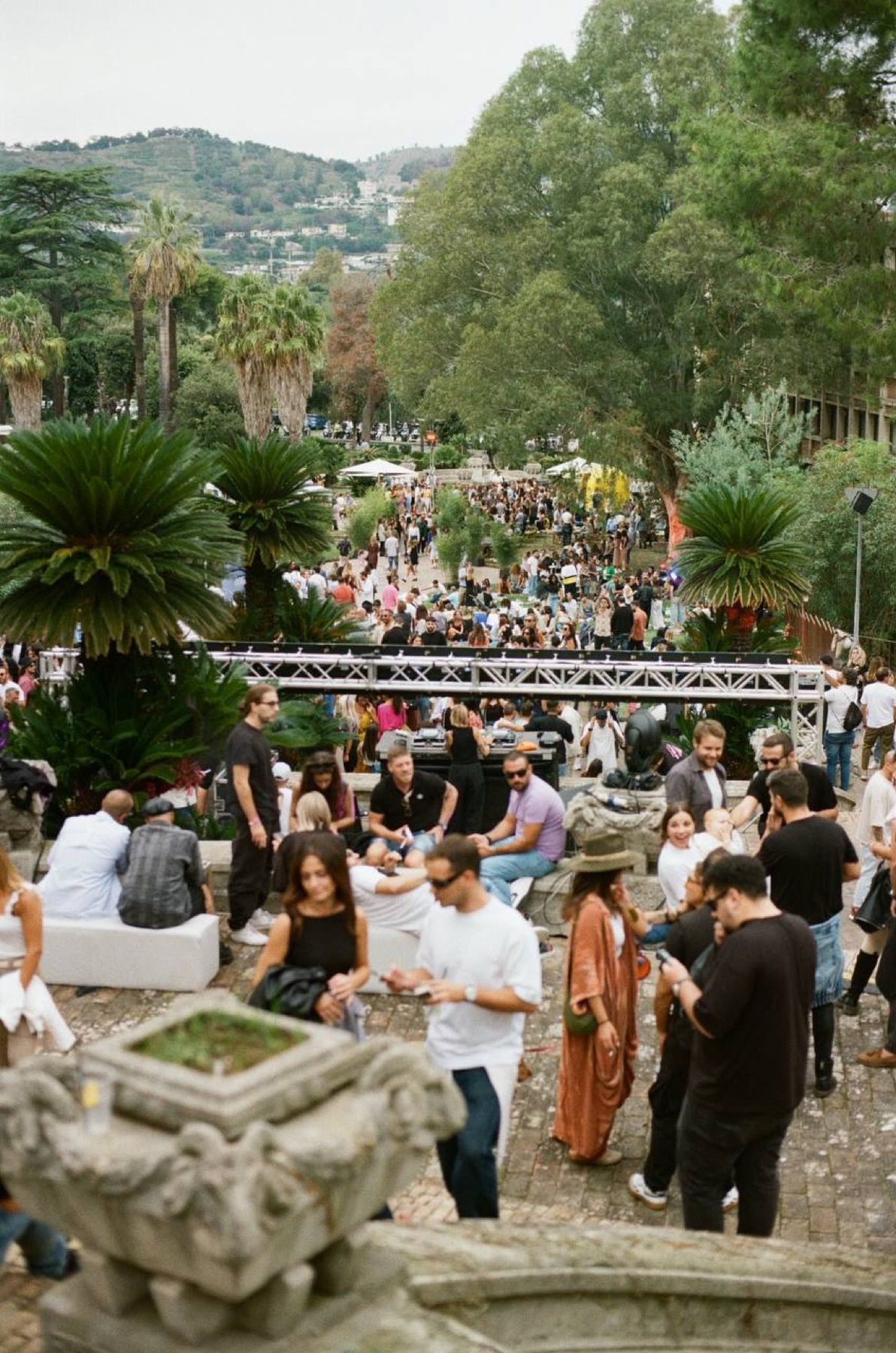
“A System of Attitude” is the synthesis of this journey: not a celebratory slogan, but a statement of intent, a dynamic balance between music, space, and community. Sunday, April 12, Umoya, Ecoparco del Mediterraneo in Castel Volturno will host an event that goes beyond the concept of a party and takes shape as a layered cultural experience: twelve hours and more of programming, conceived as a fluid transition from day to night, articulated across three itinerant stages embodying the different souls of the collective.
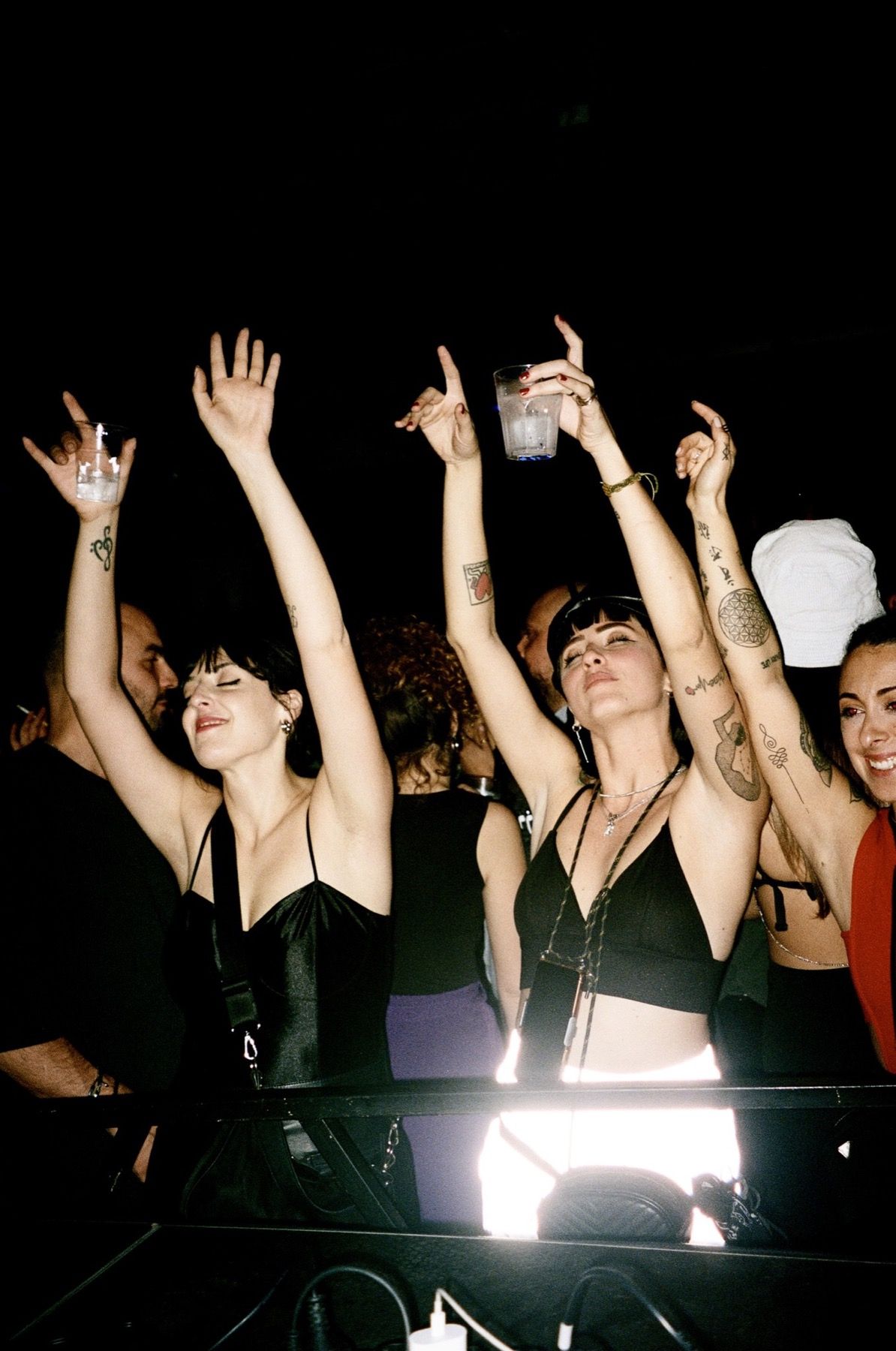
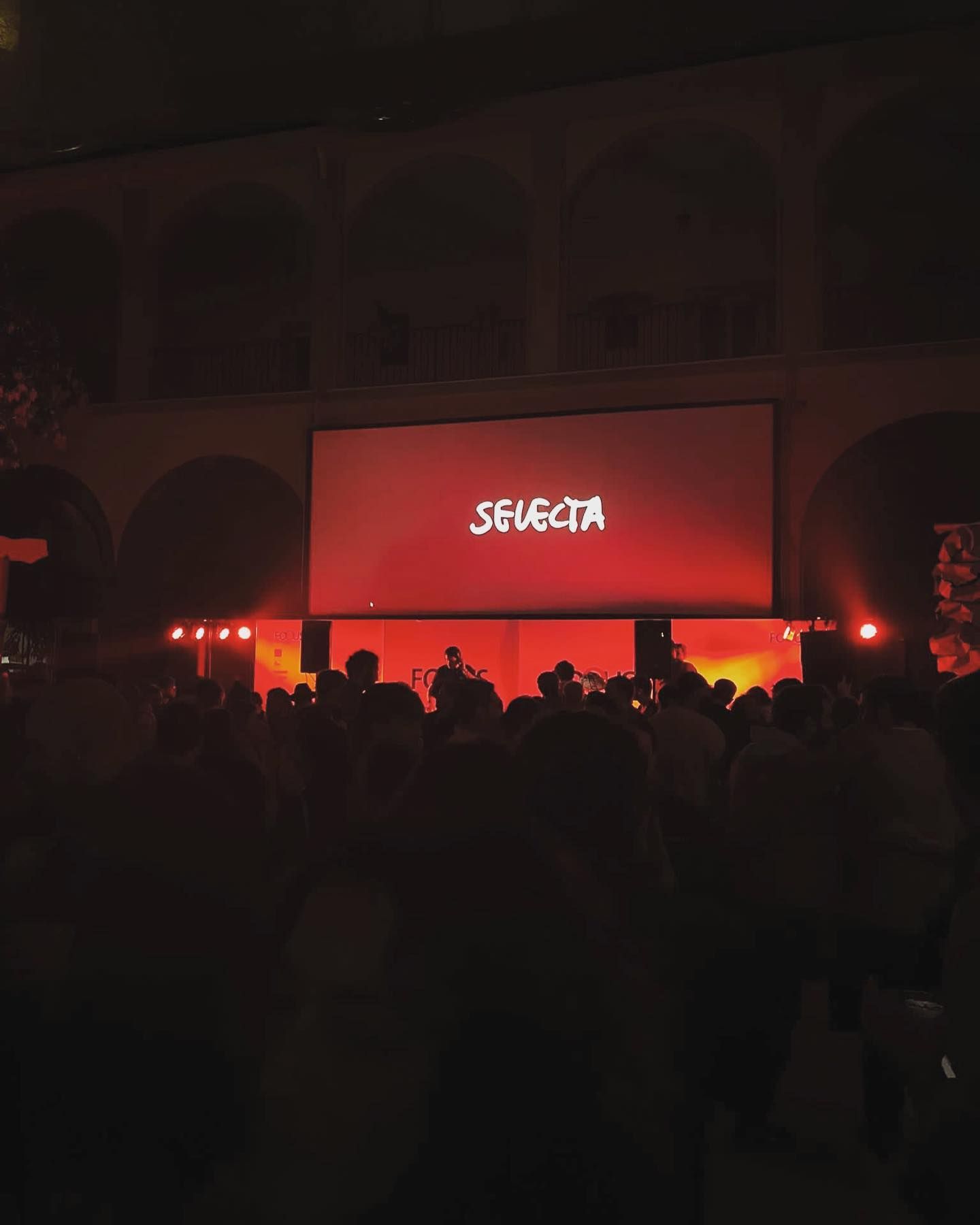
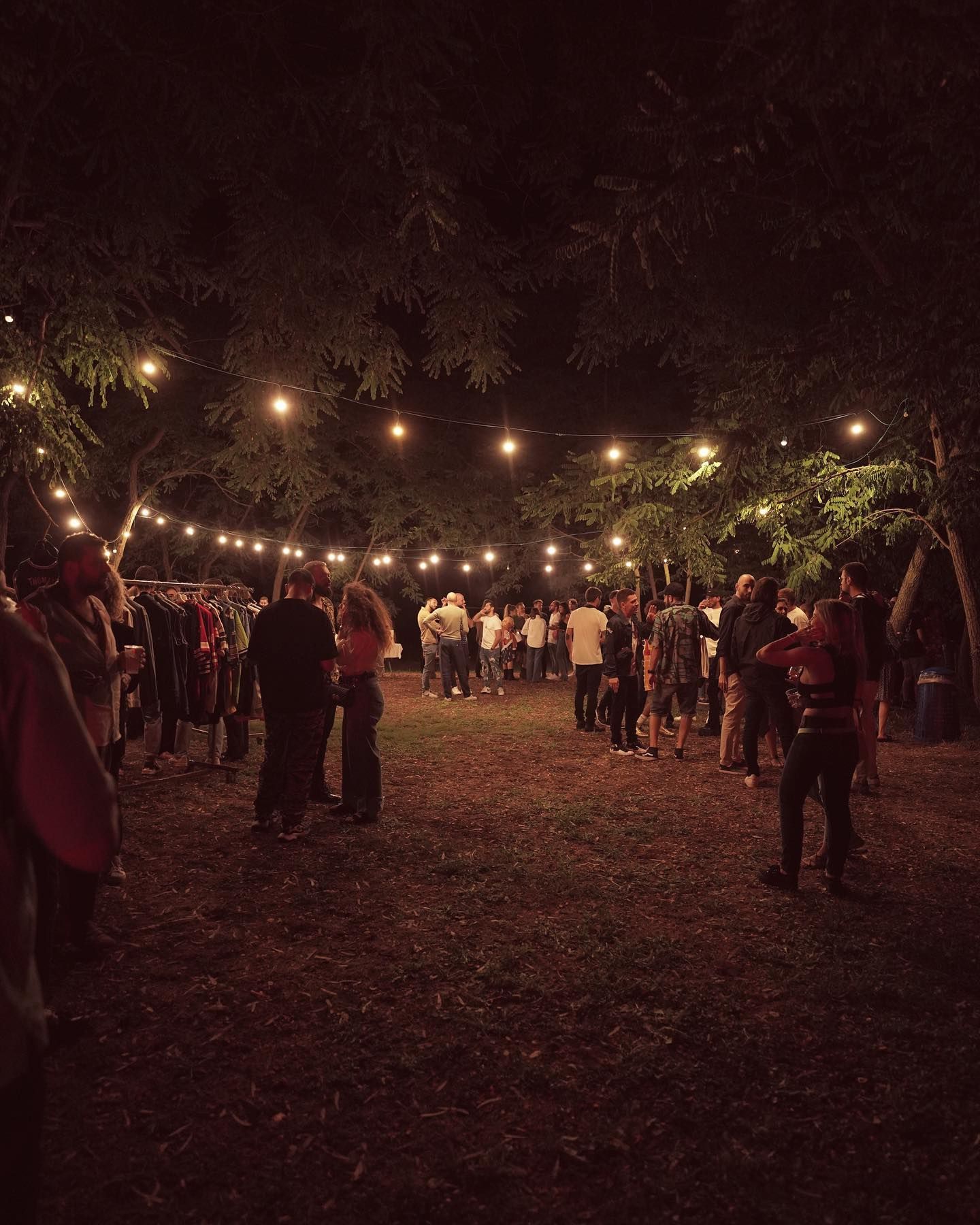


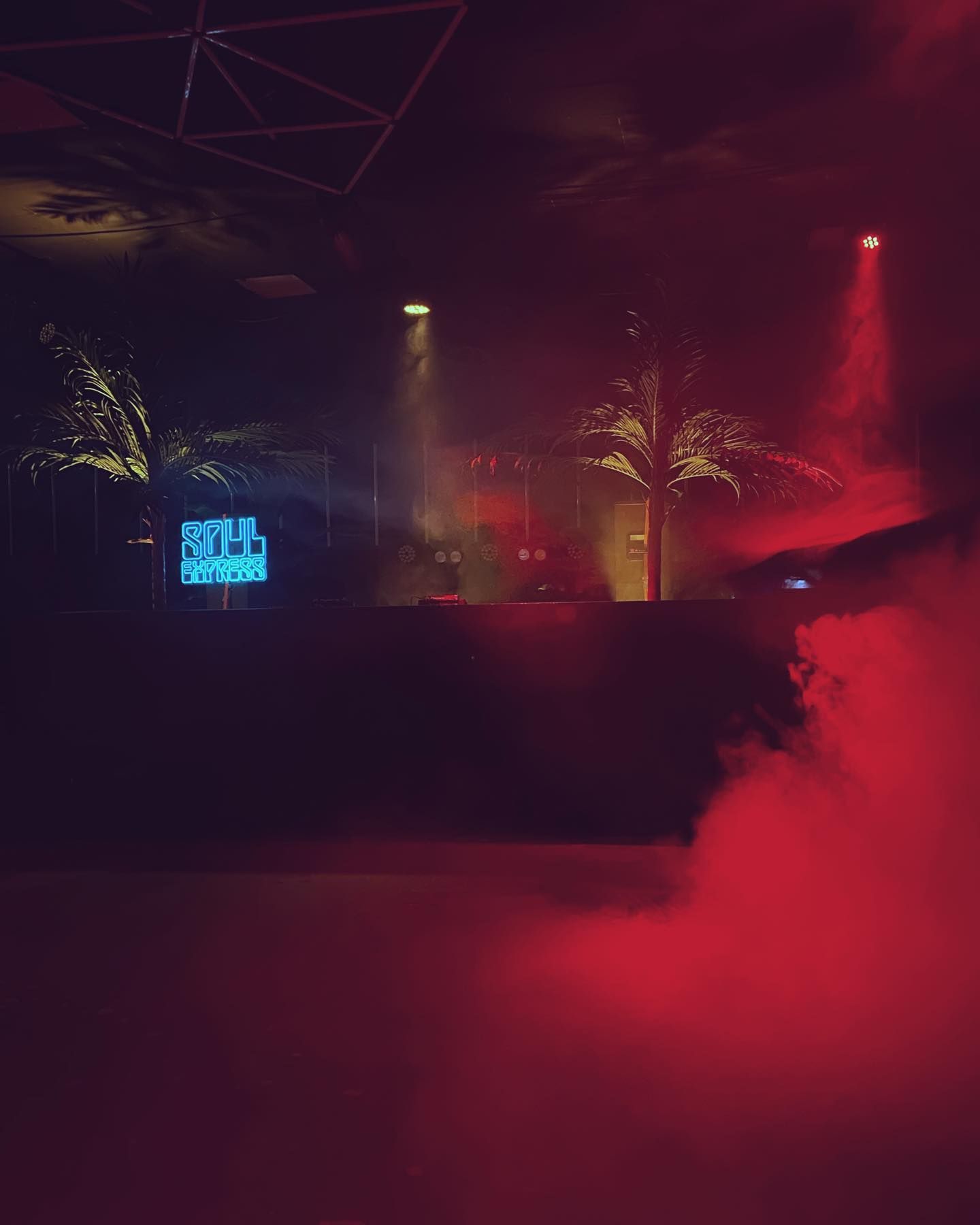
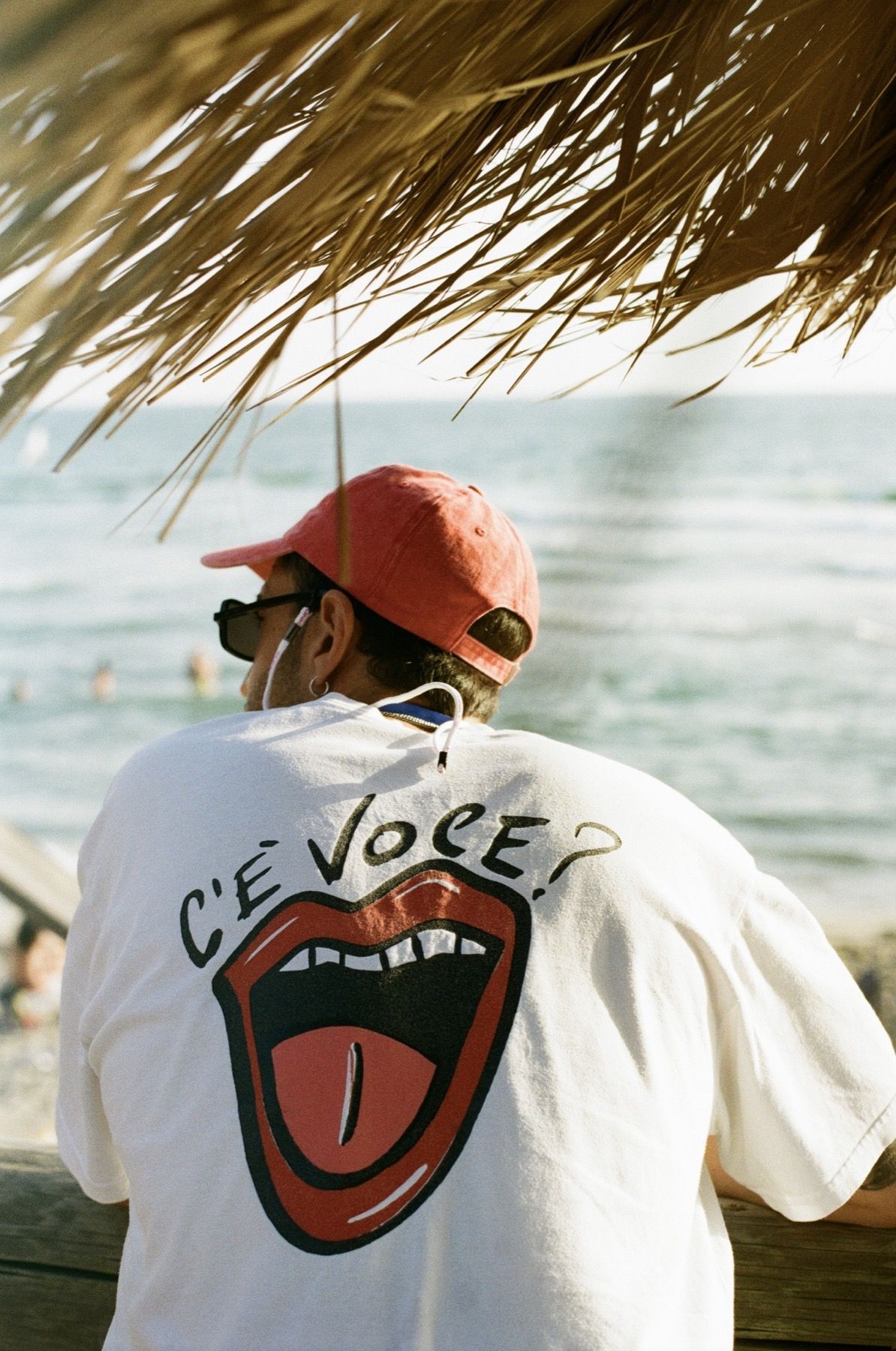

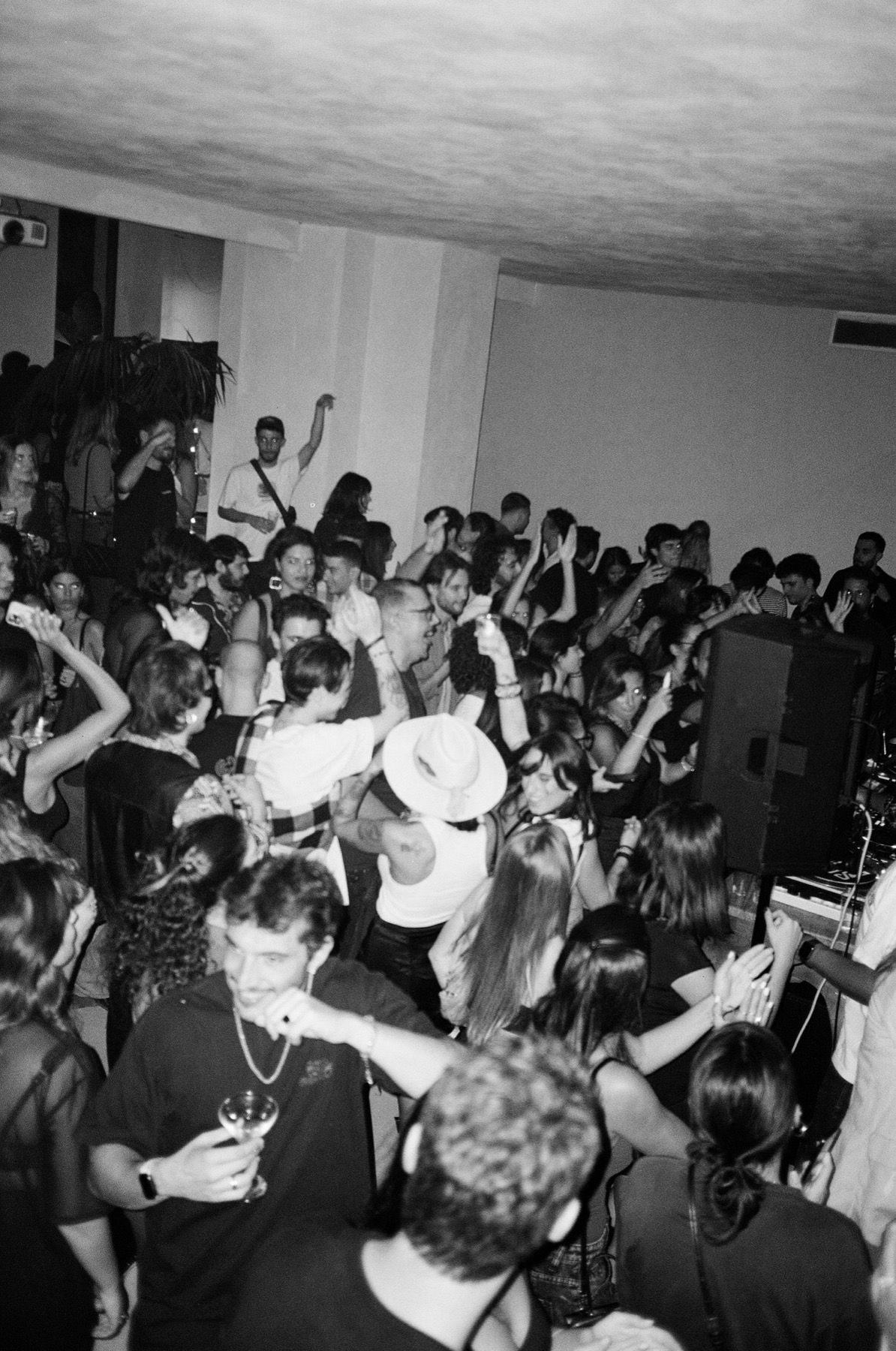
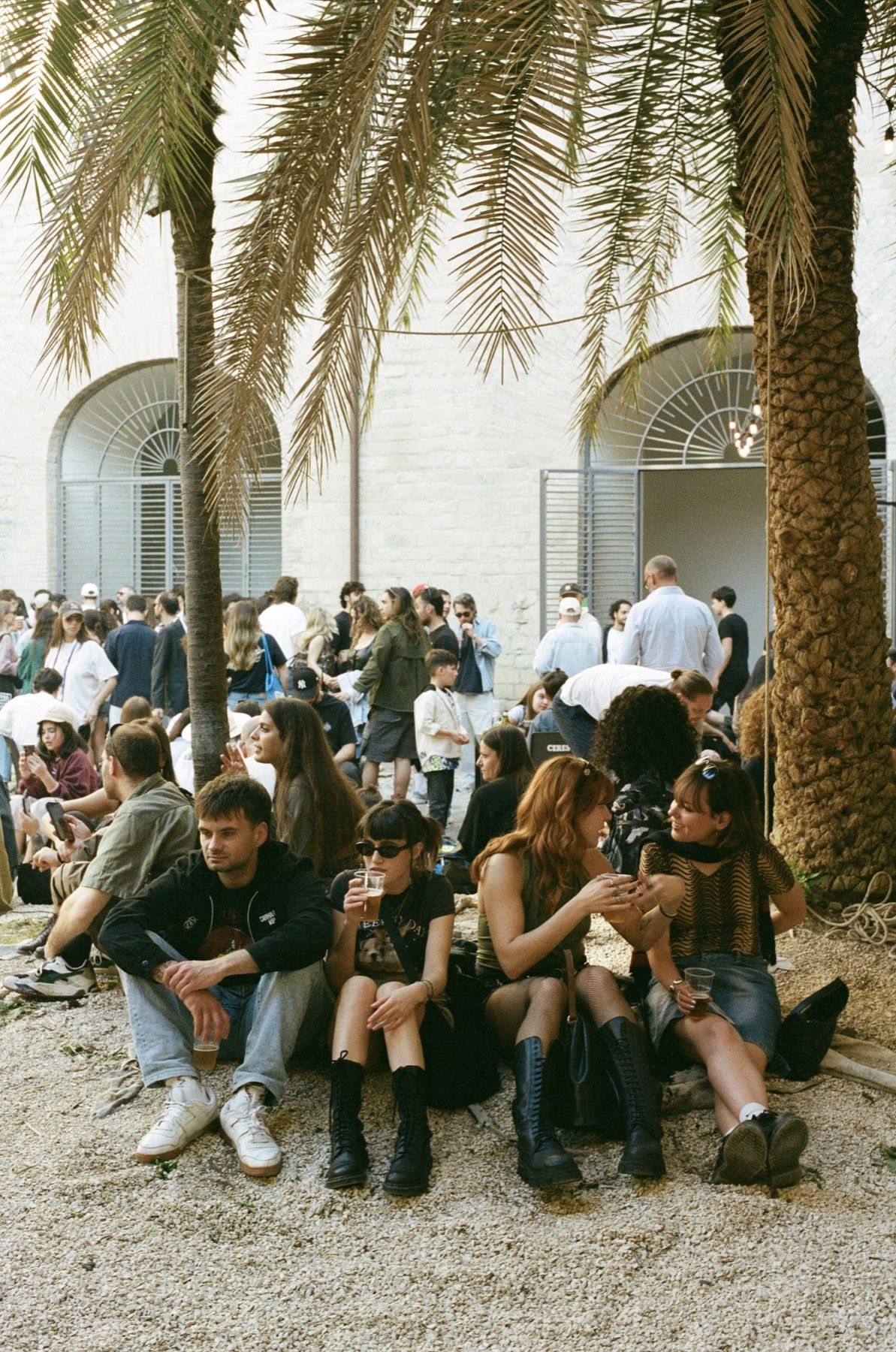
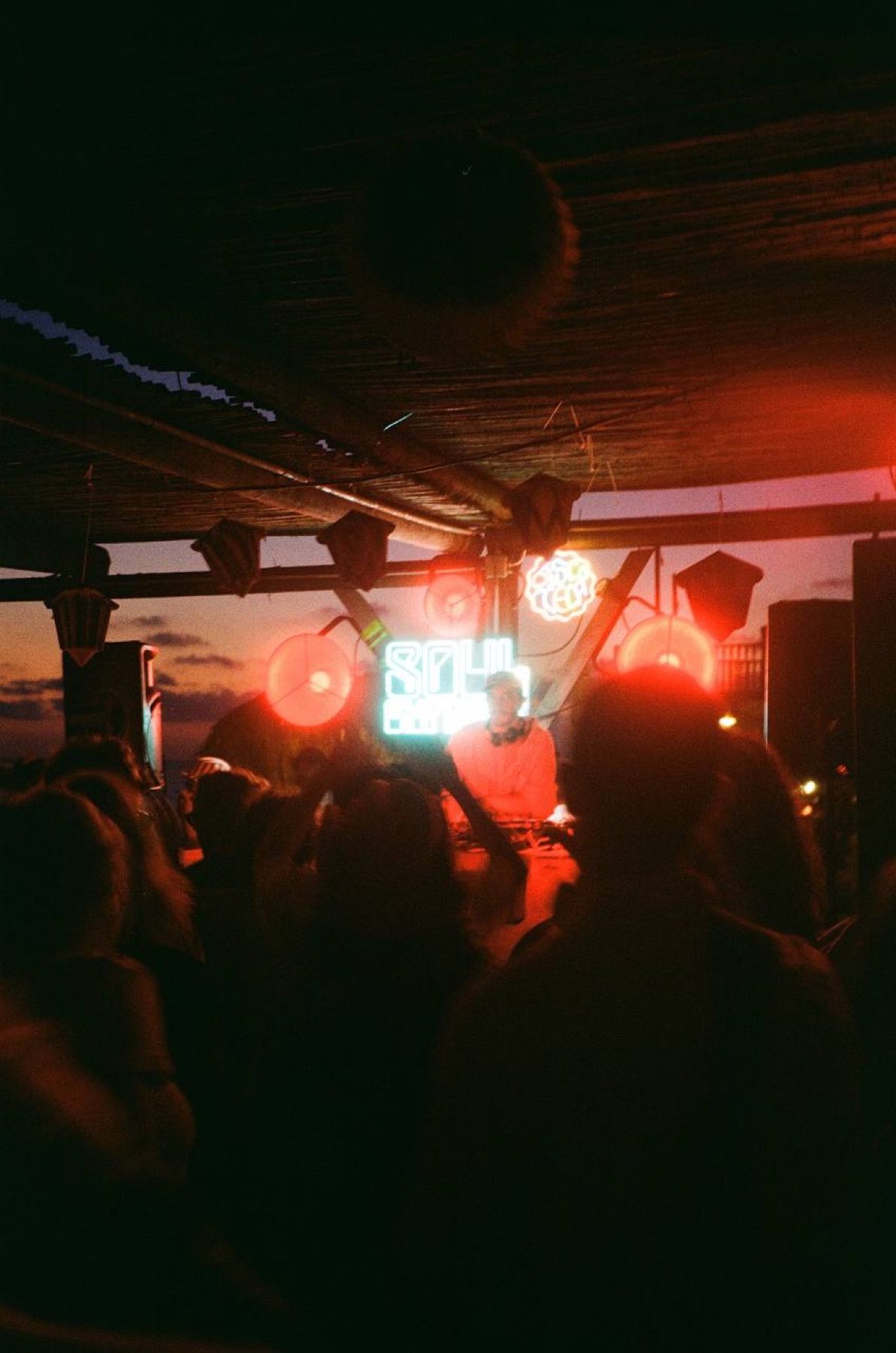
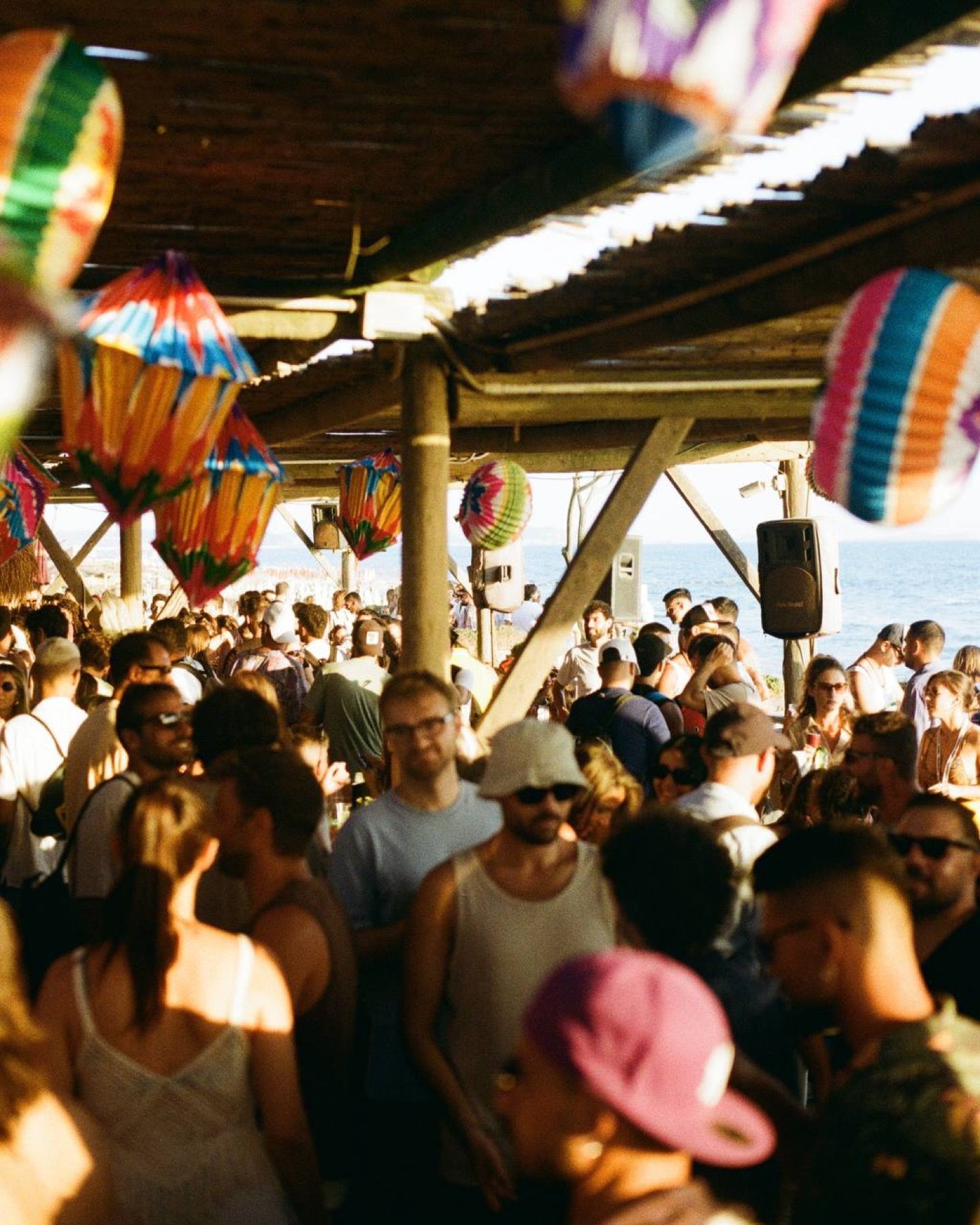
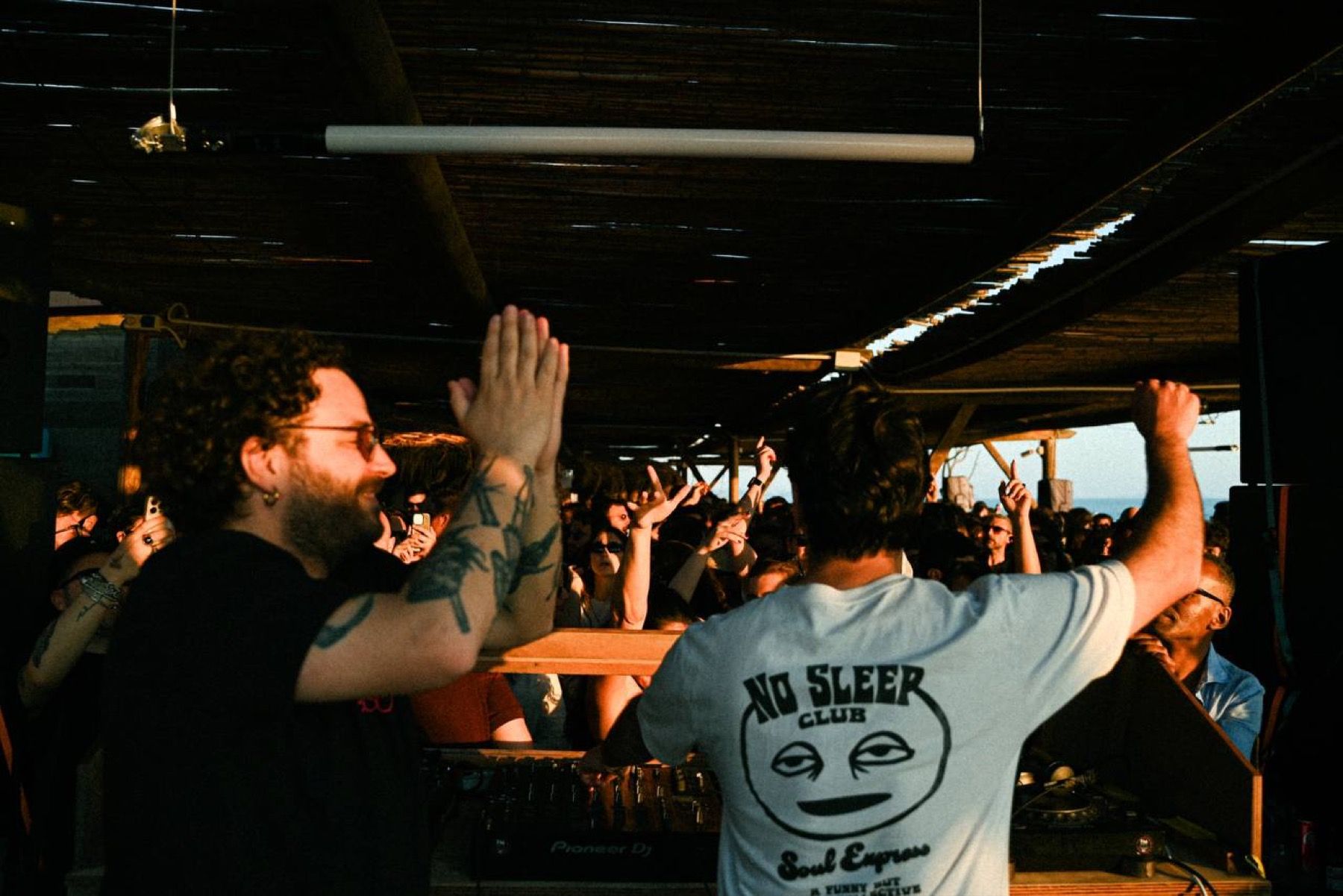
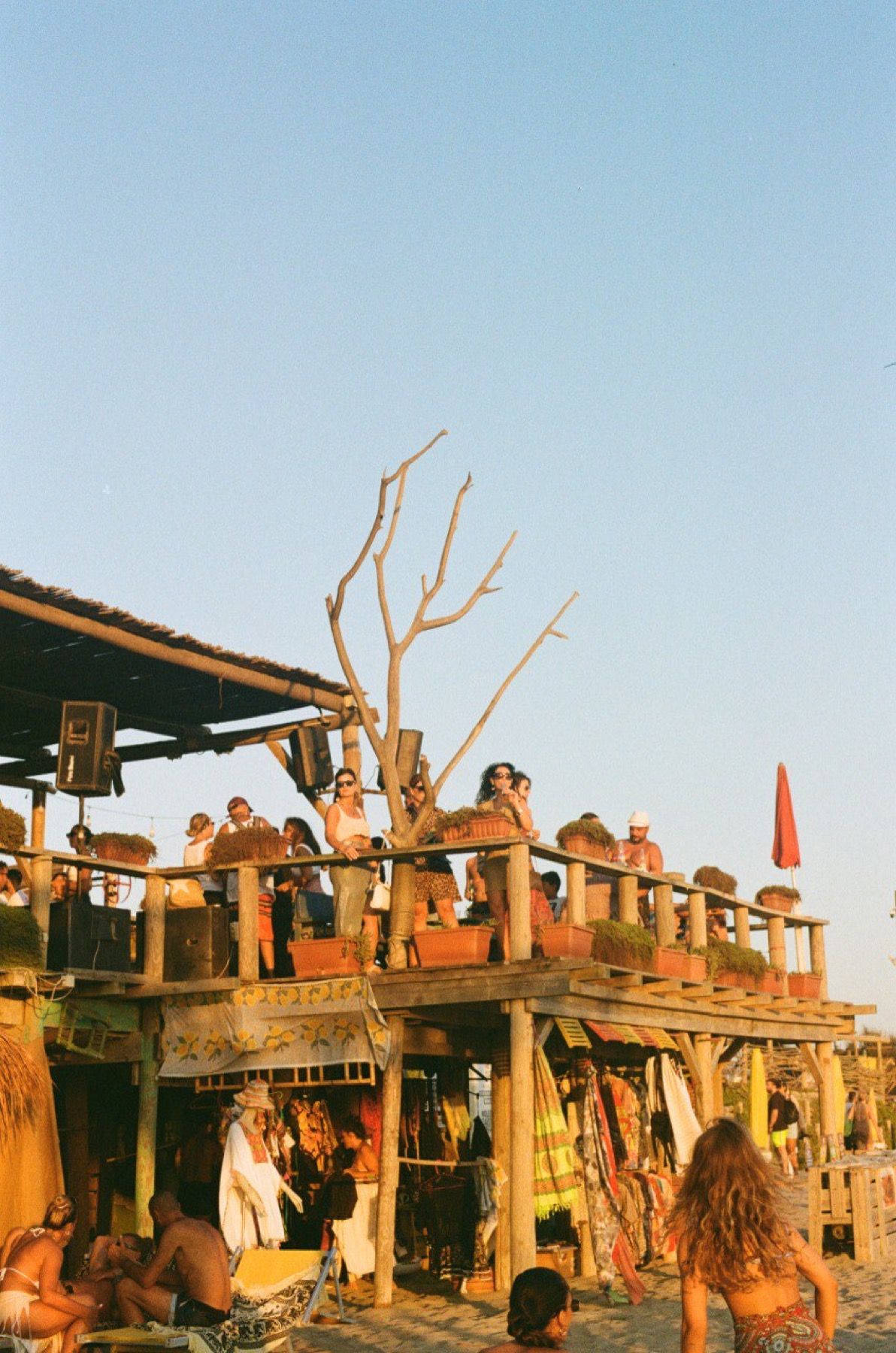
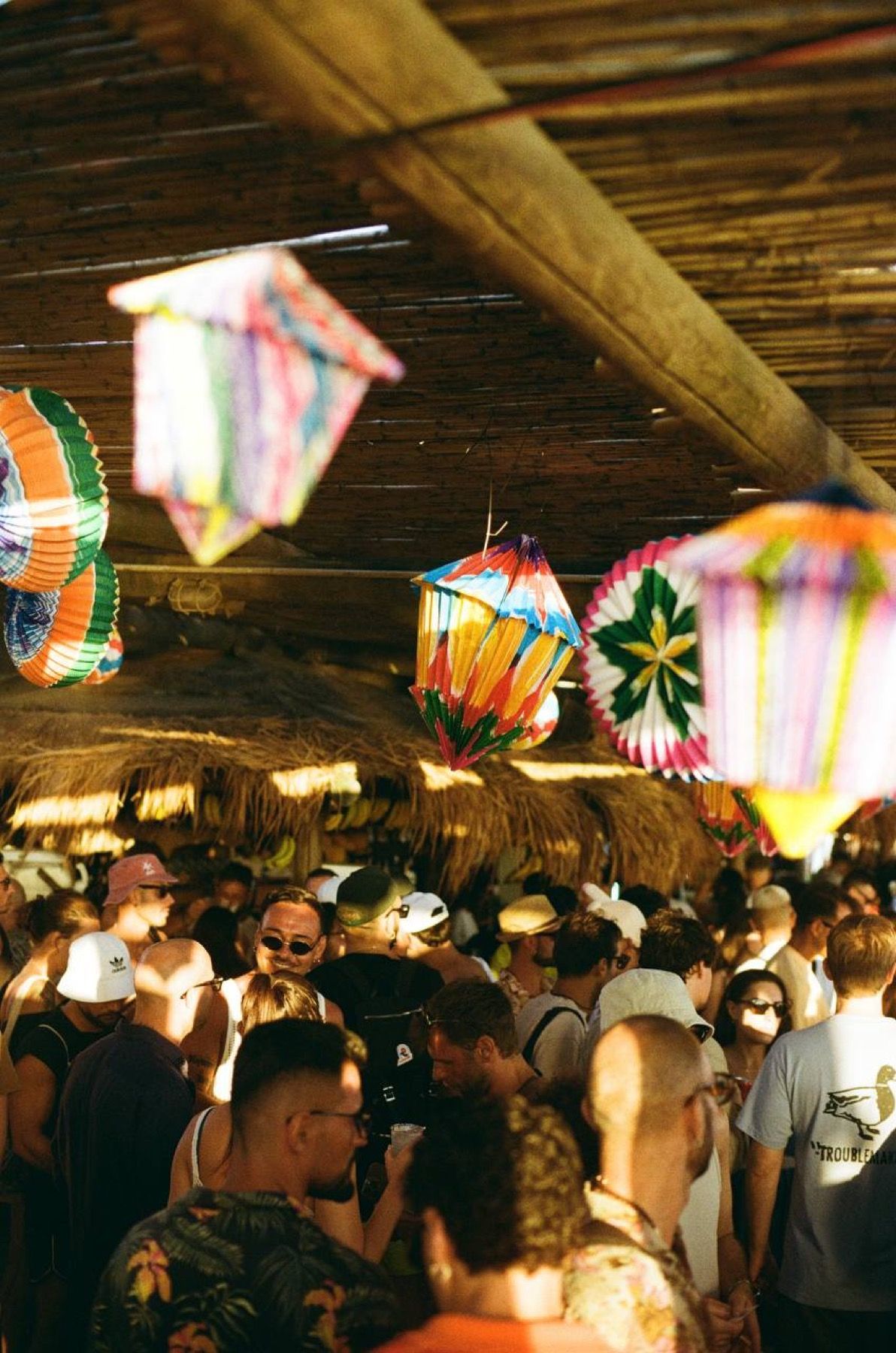
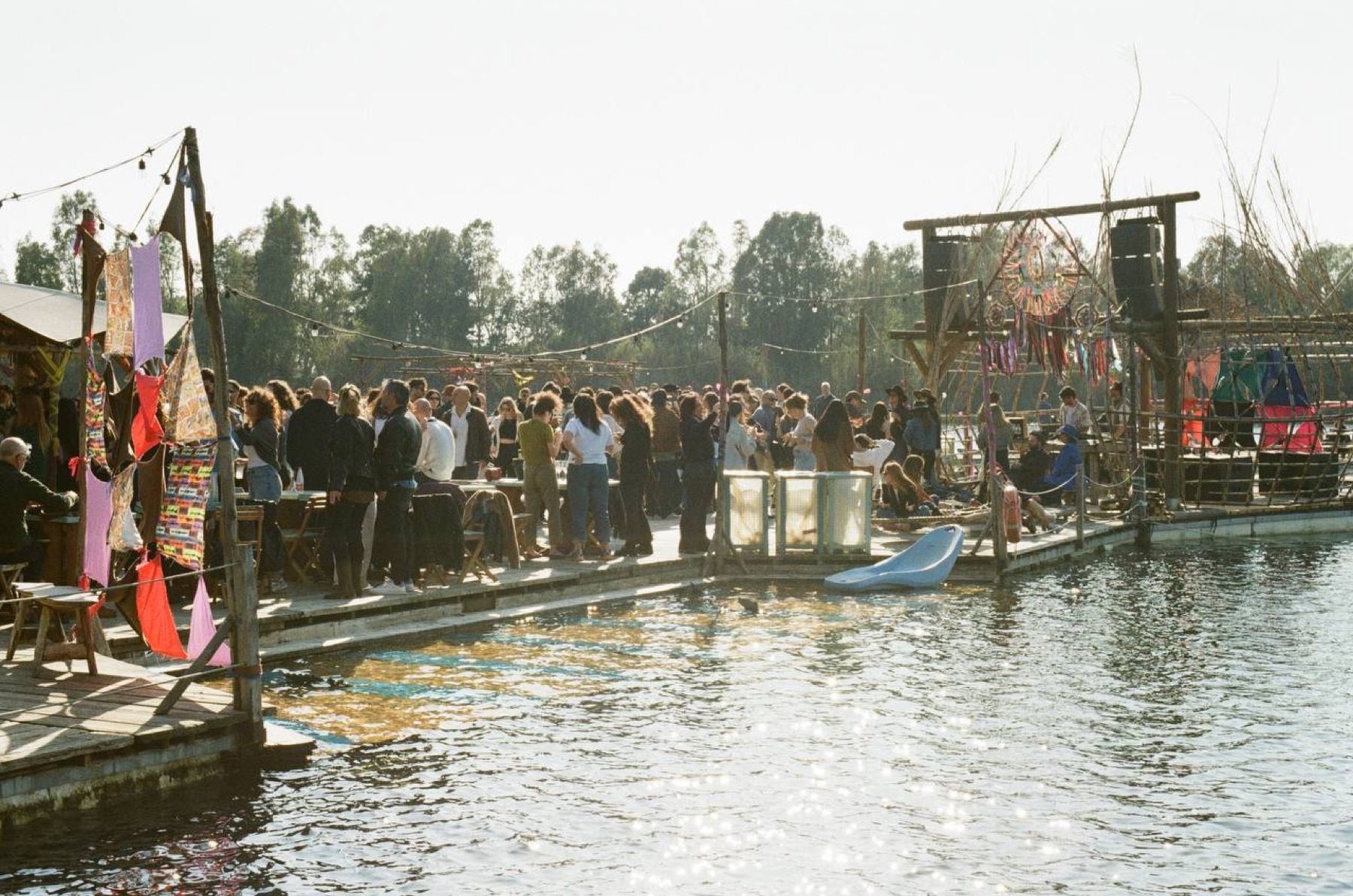
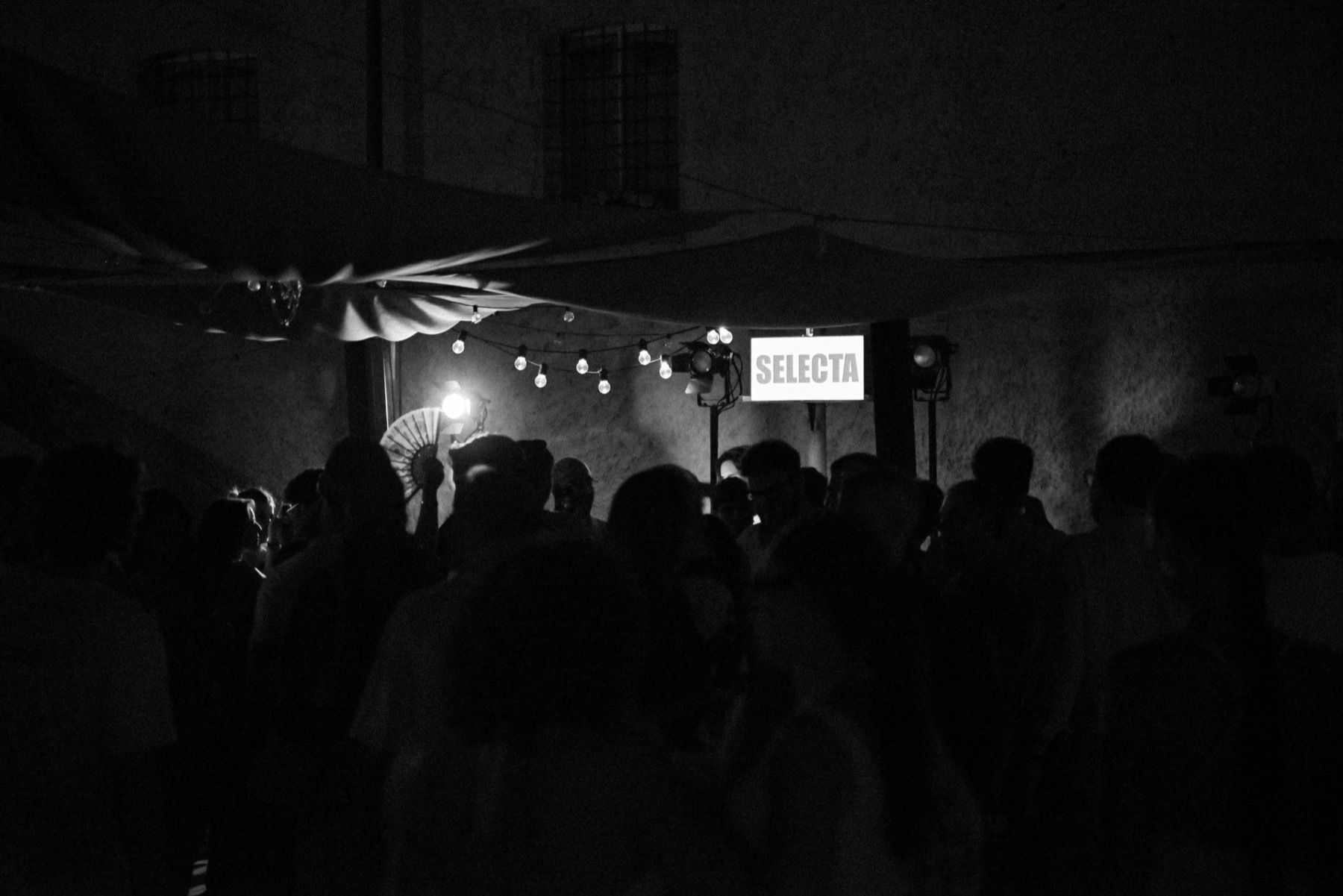
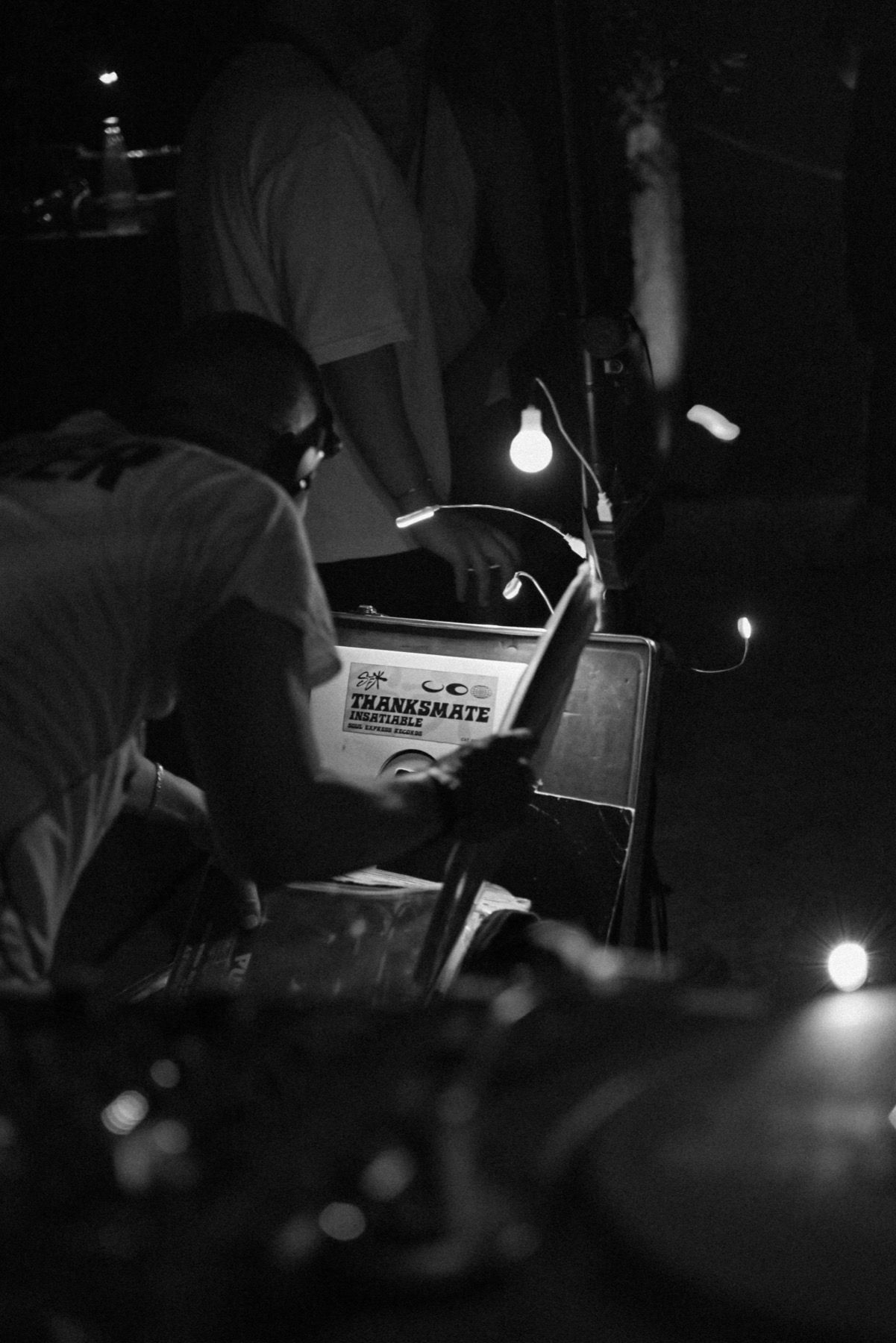
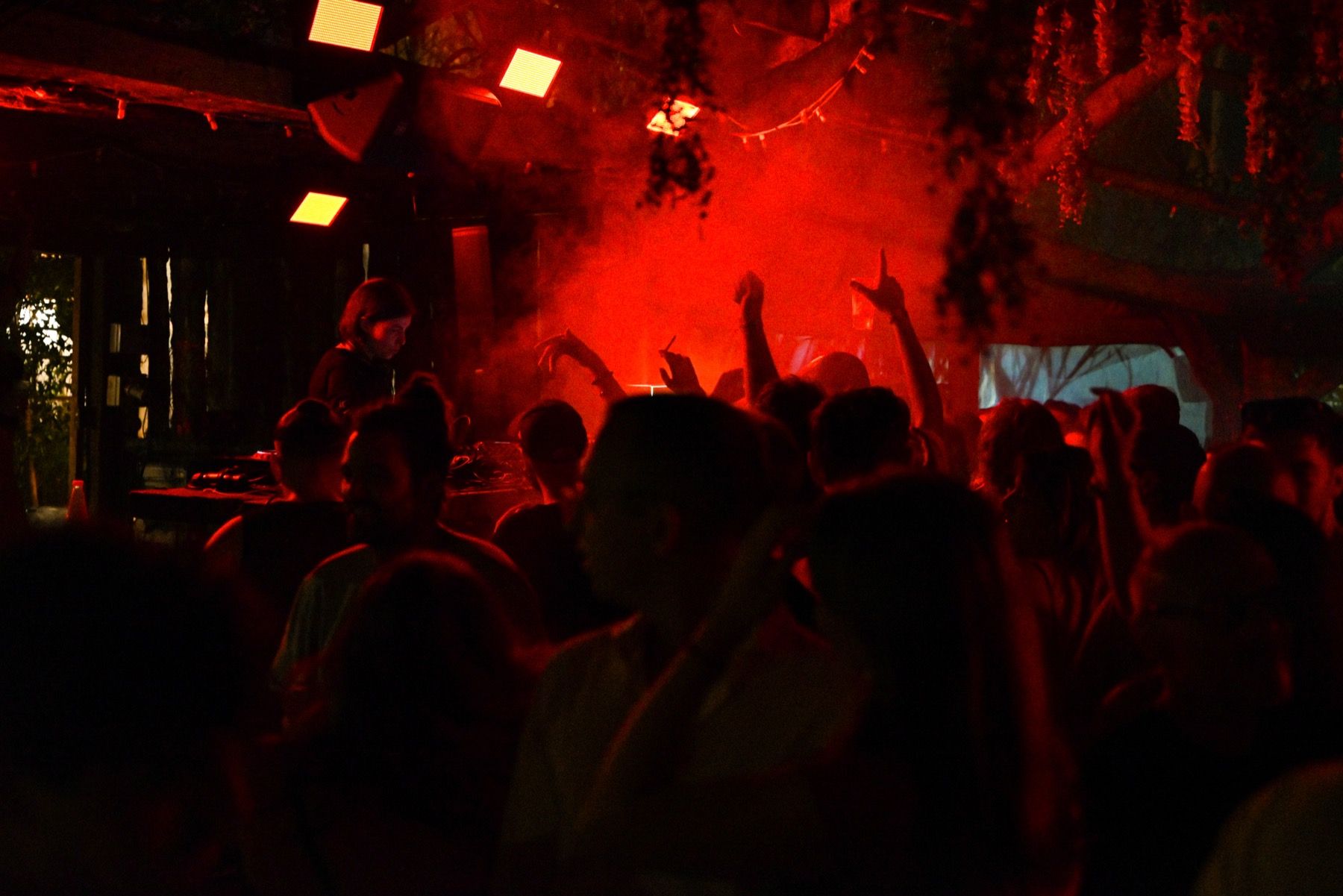
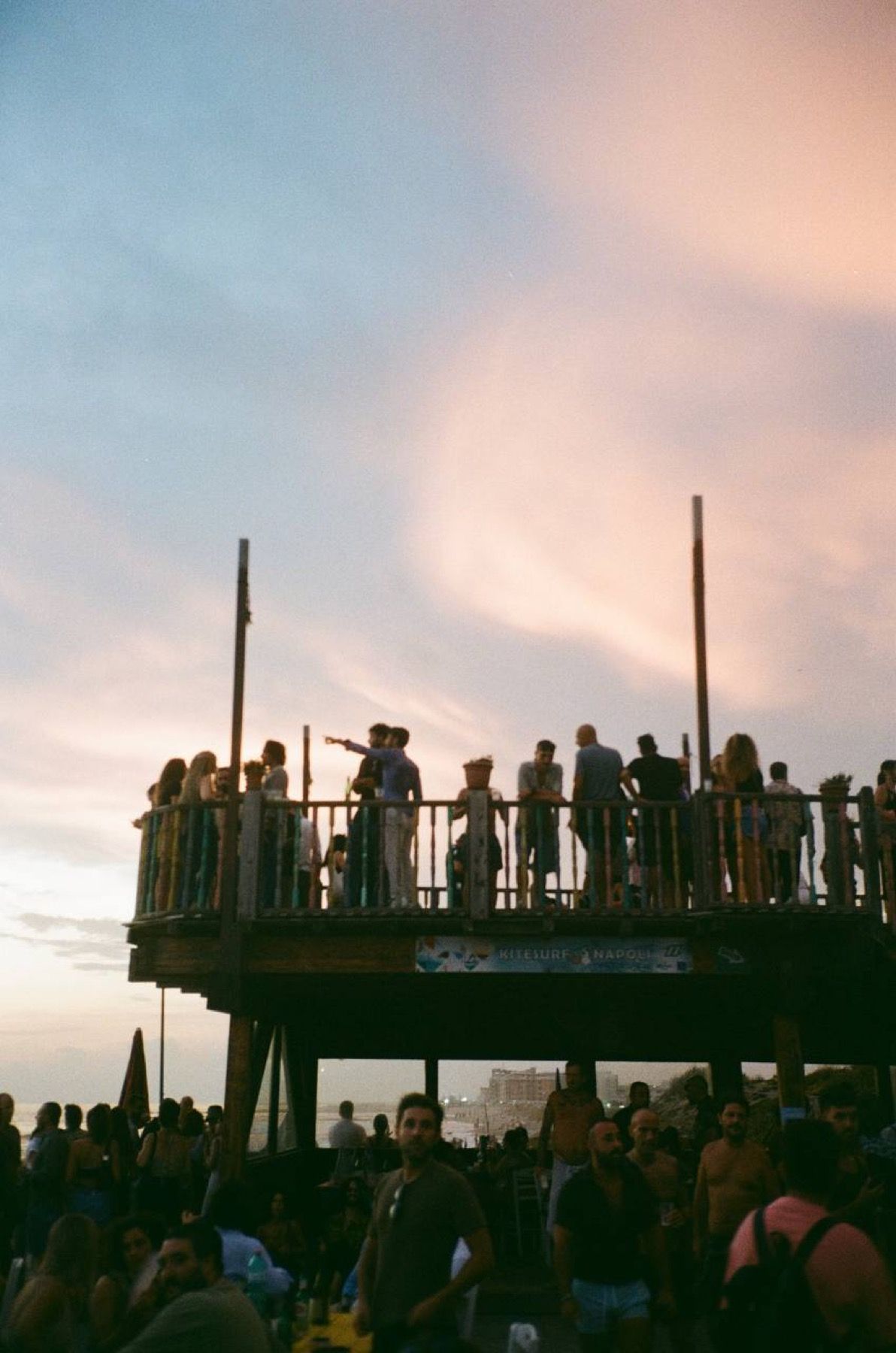
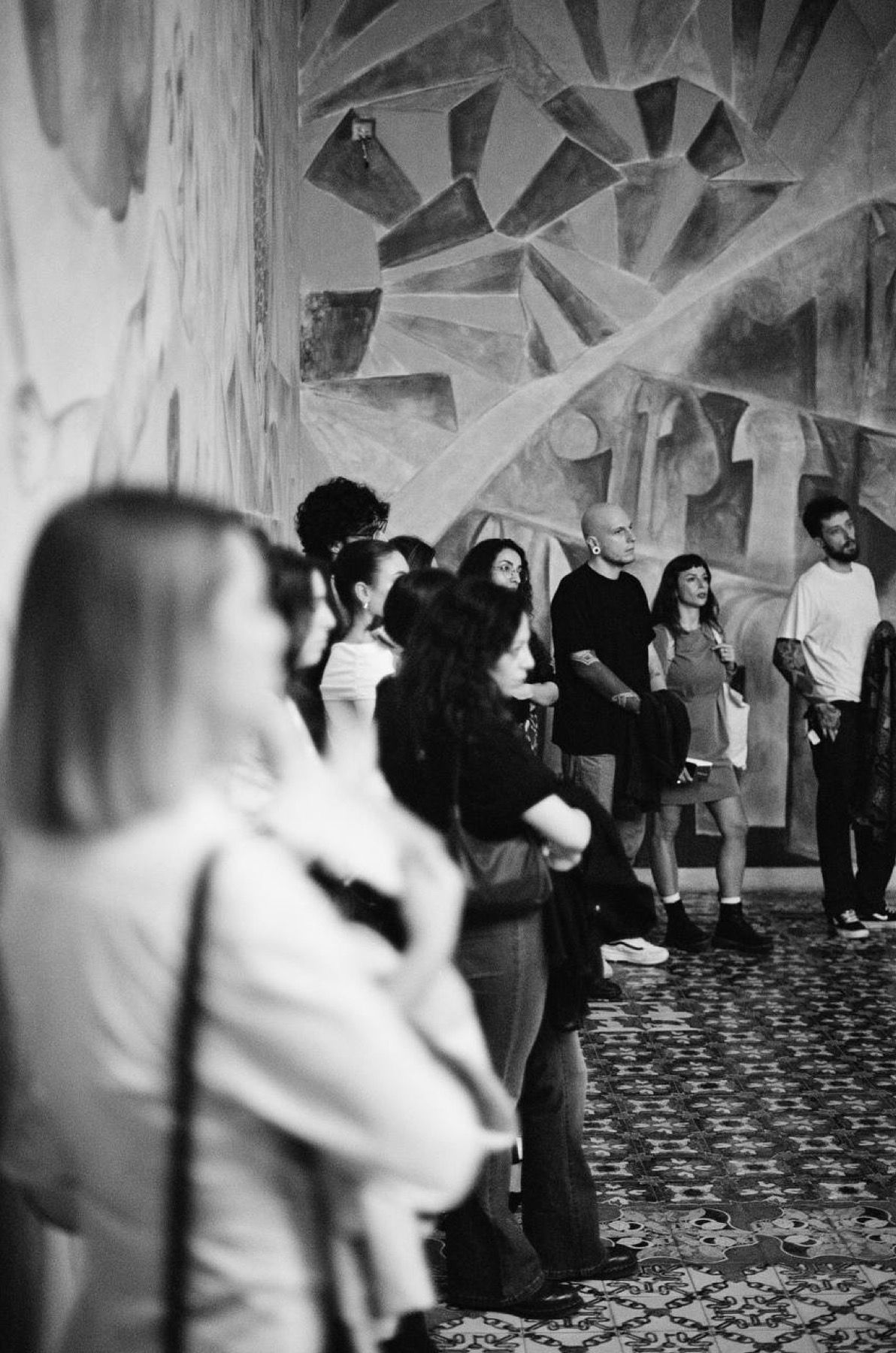
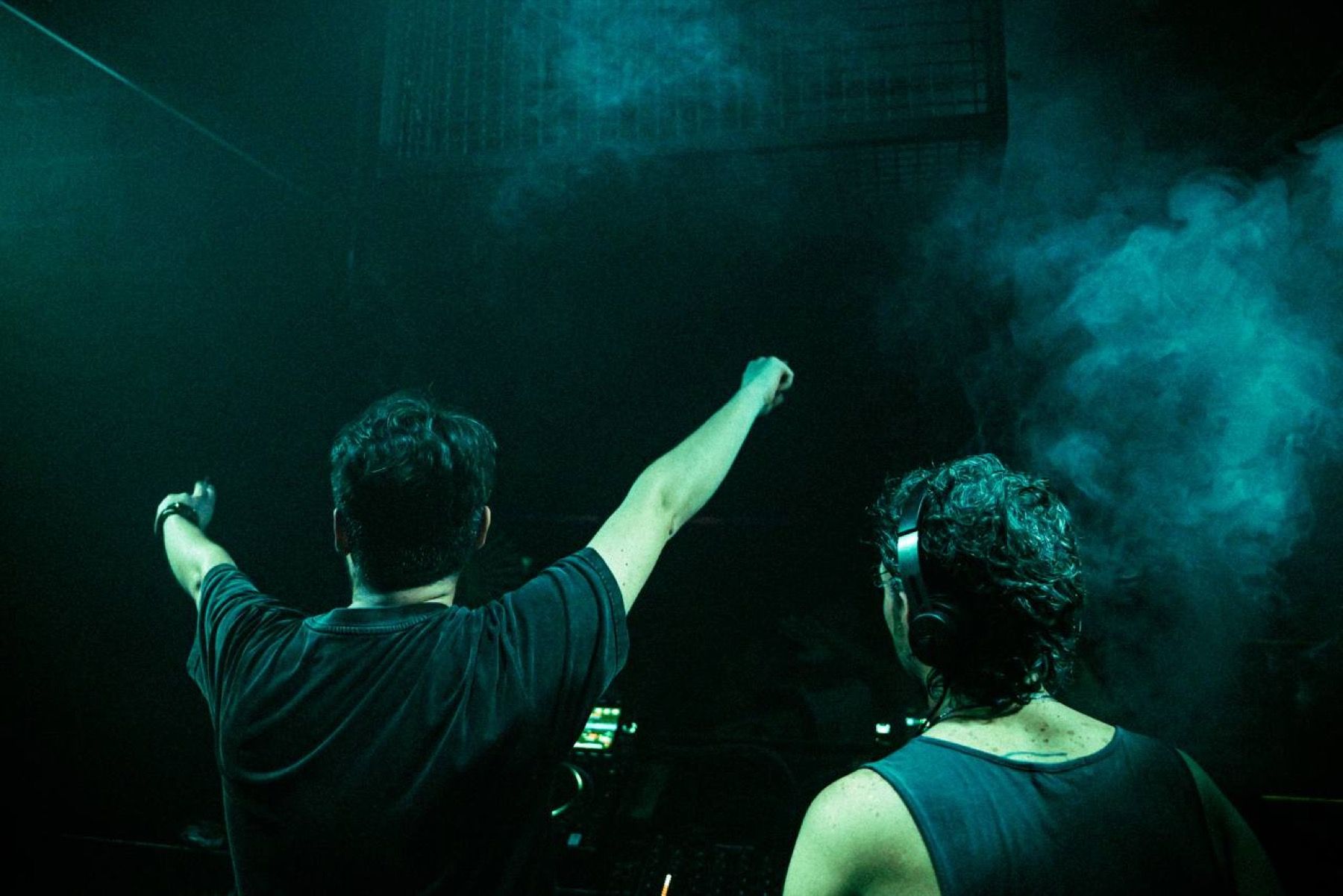
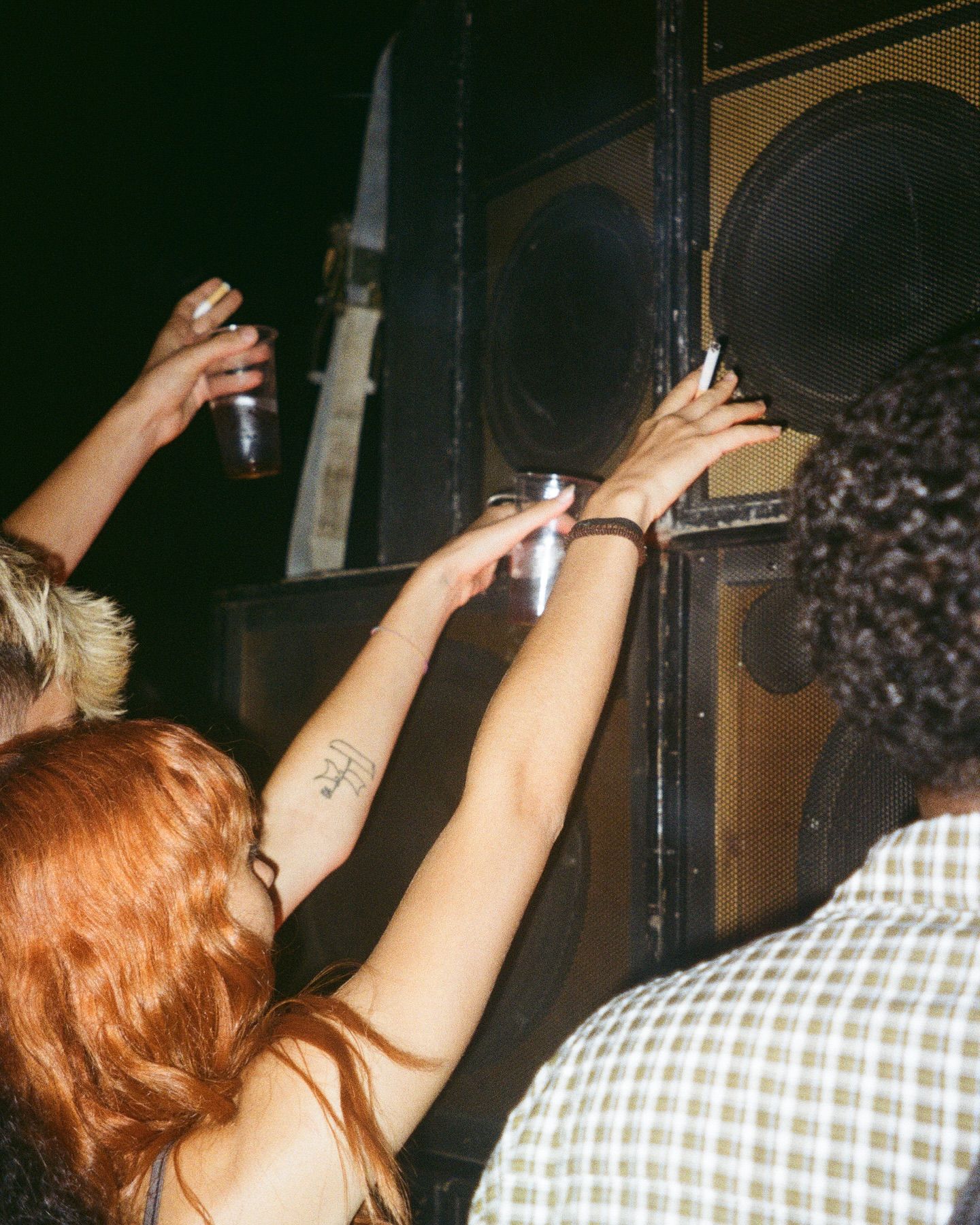
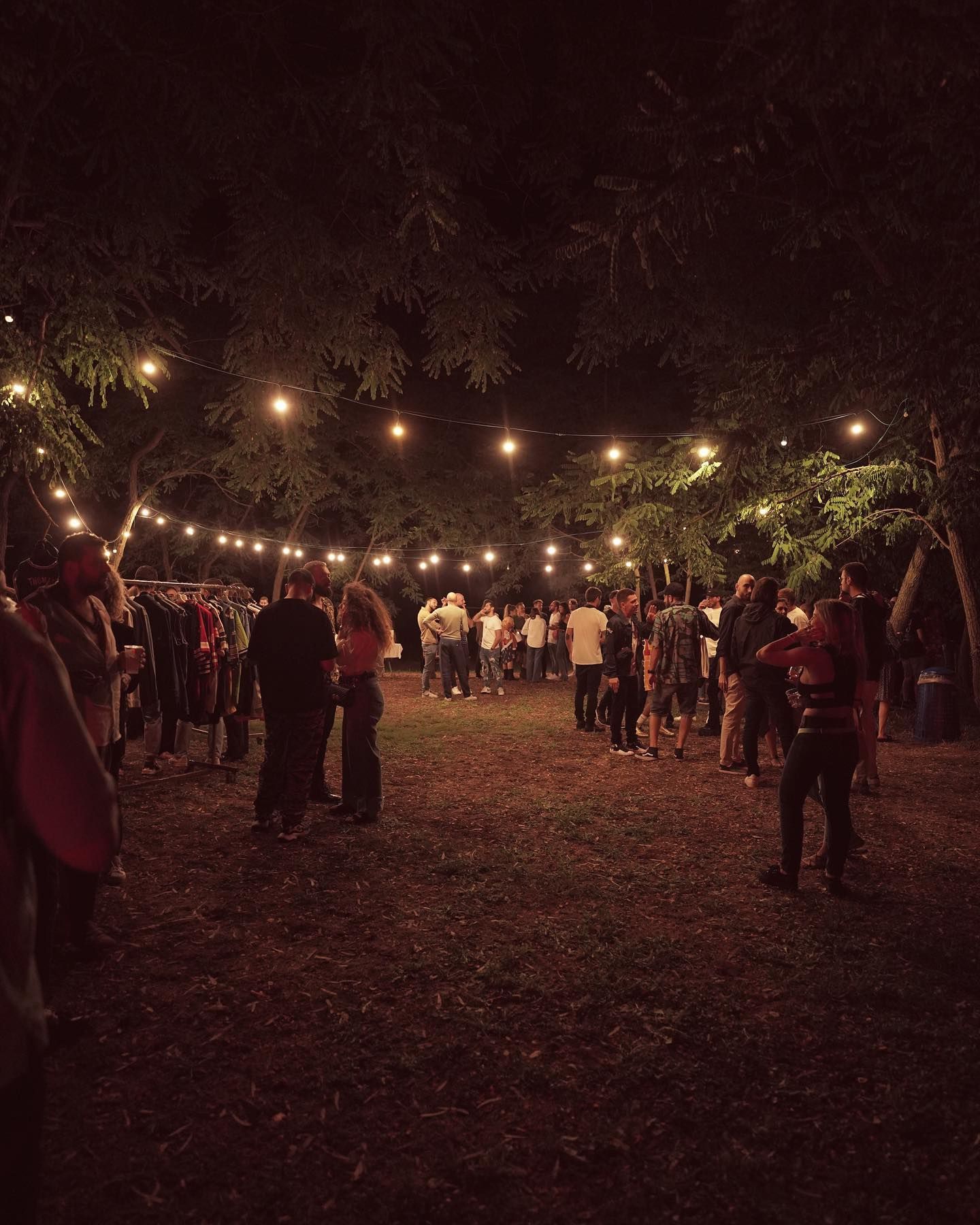
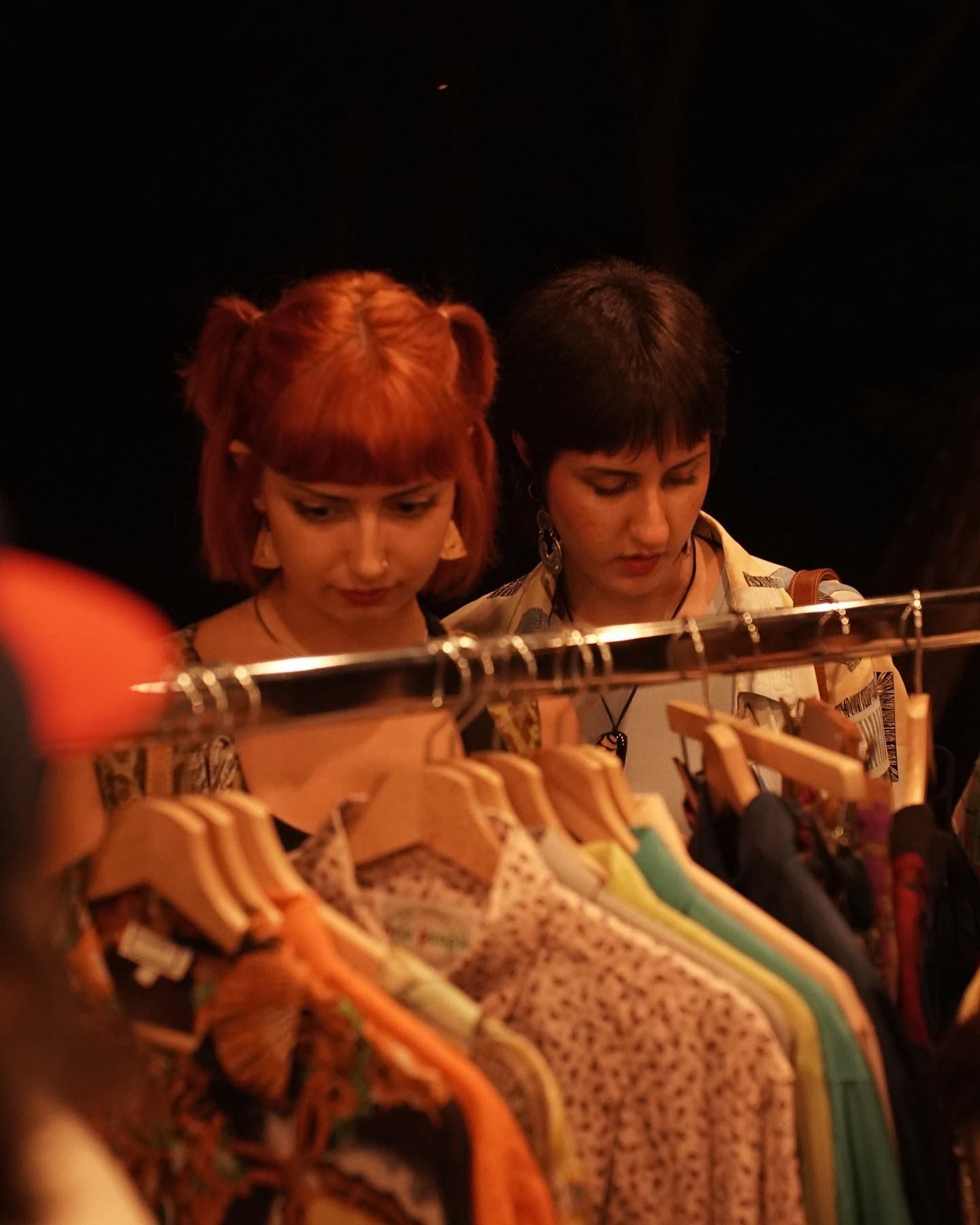
From the SELECTA stage, with Bassolino live and residents Giuseppe Fava, Vincenzo Curcio, Karlove and Mugman, to the CLUB stage led by Obbi and the return of Moodymann, absent from Naples since 2017, up to the DISCO BBQ, closing with 1morepizzapls and THANKSMATE, founders of the project. Around it unfolds a system of content and activations including a play area, a boutique curated by SOUTH MARKET, the participatory installation “Living Archive” dedicated to collective memory, and a food area involving realities such as Mimì alla Ferrovia, Malinconico, BOP and Dialetti, accompanied by a wine pairing experience curated by Canestrini.
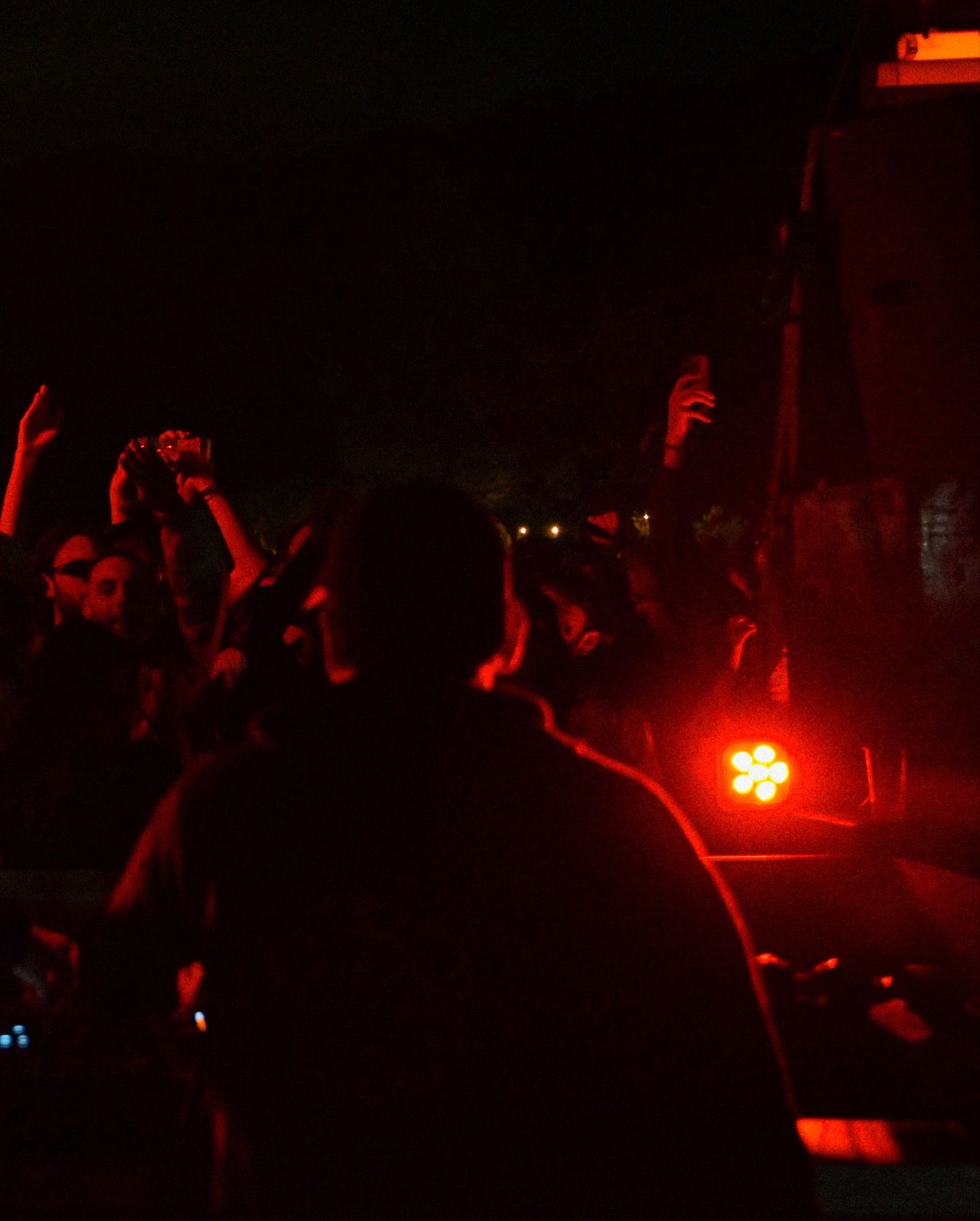
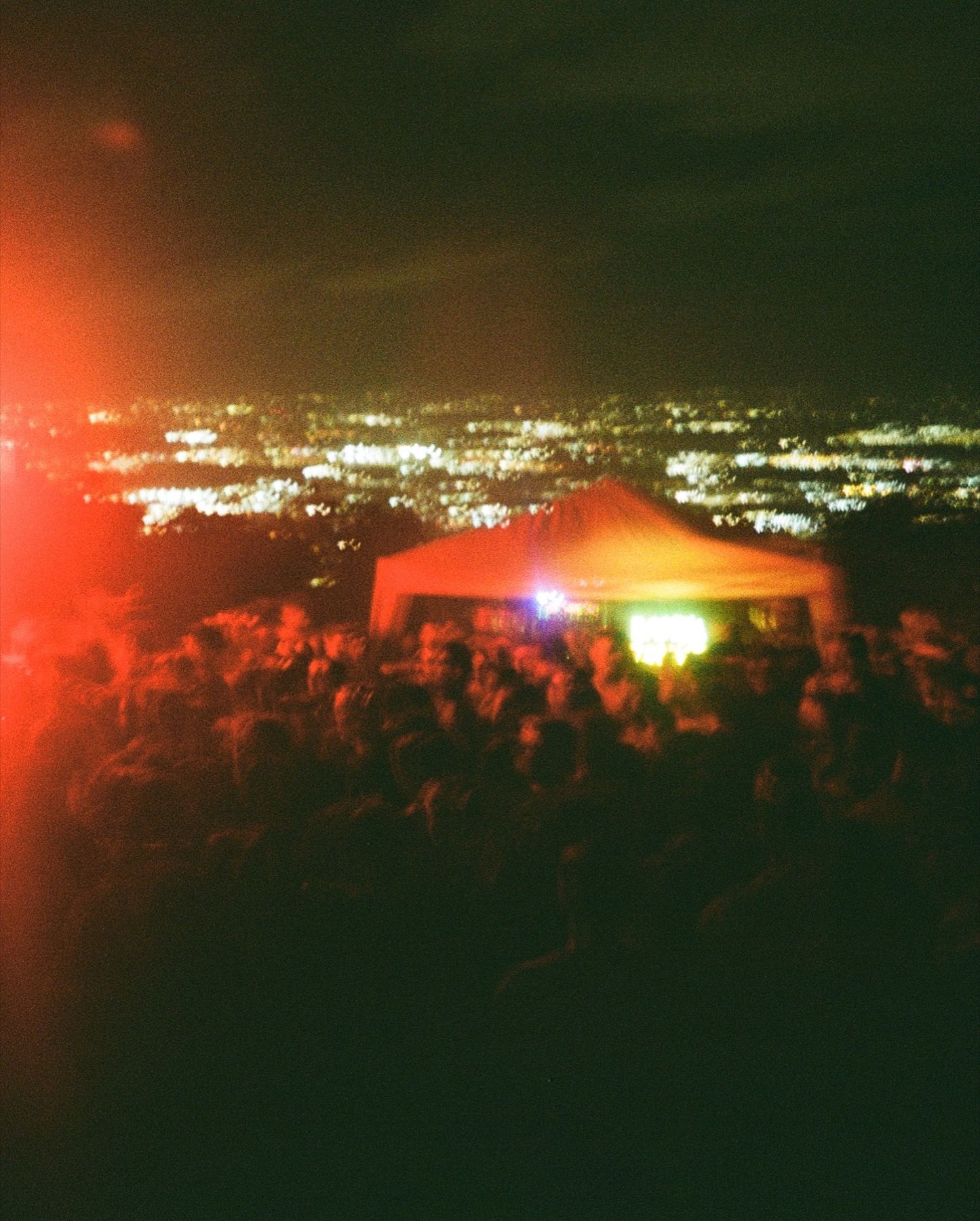
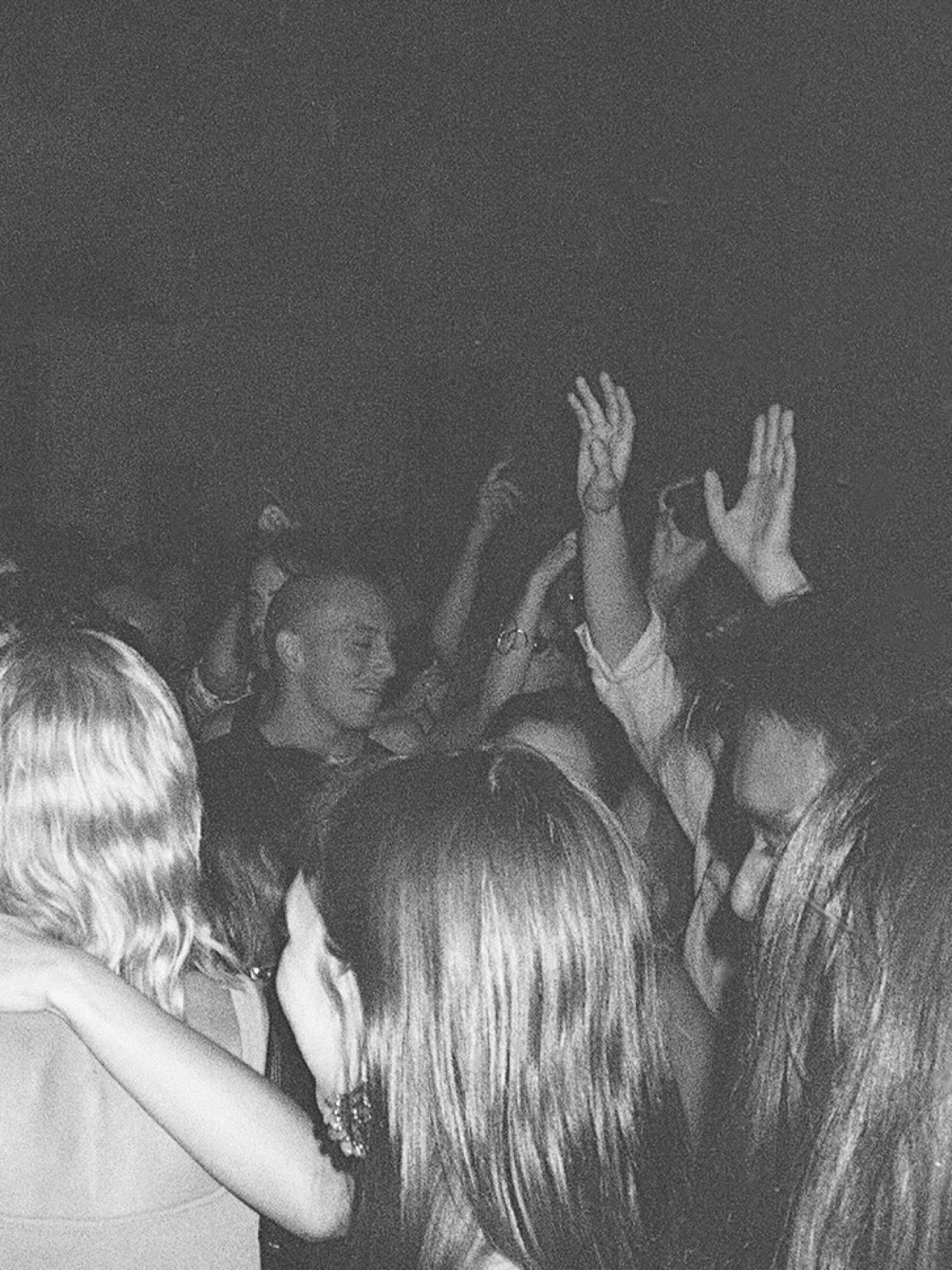
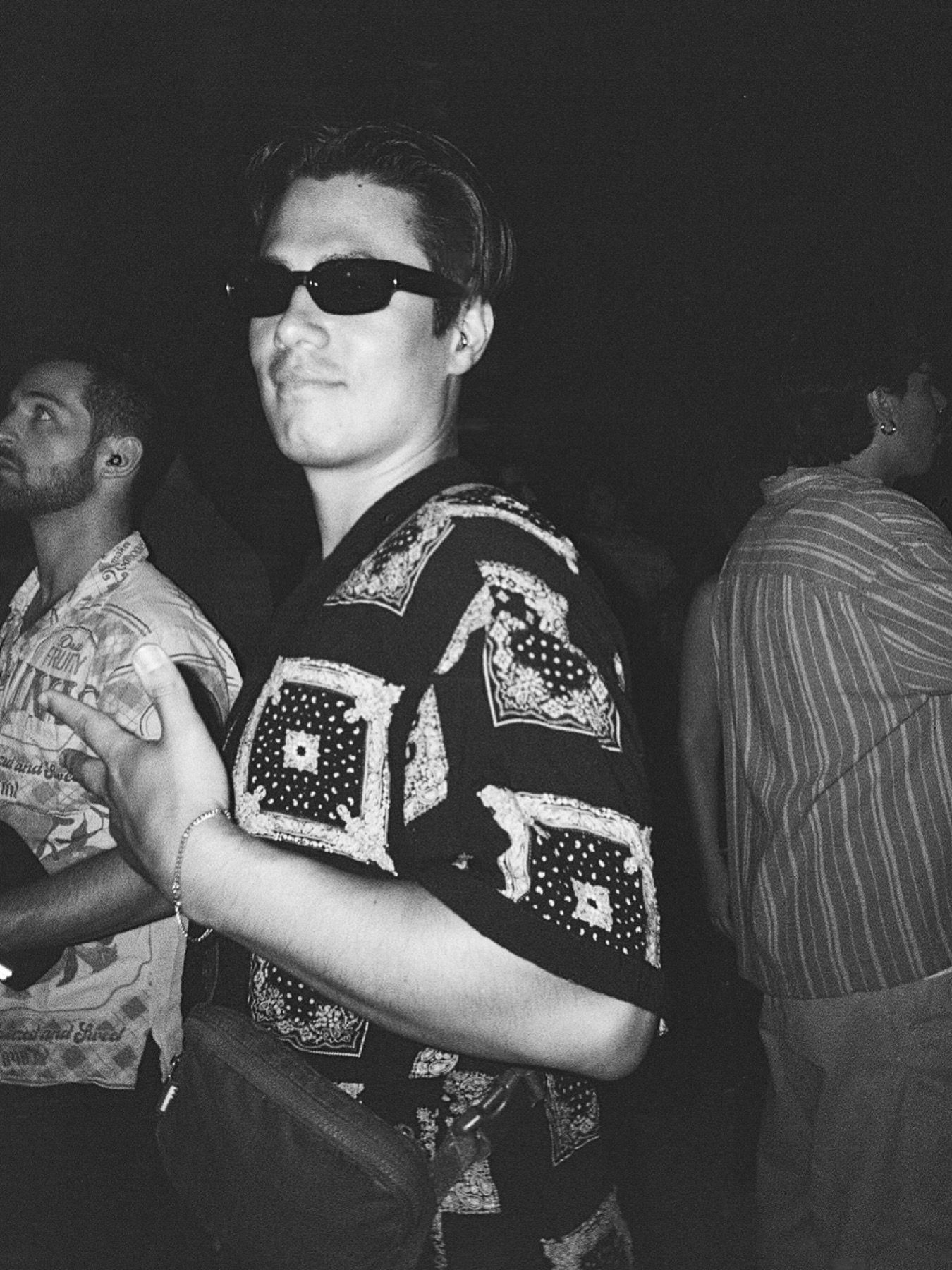
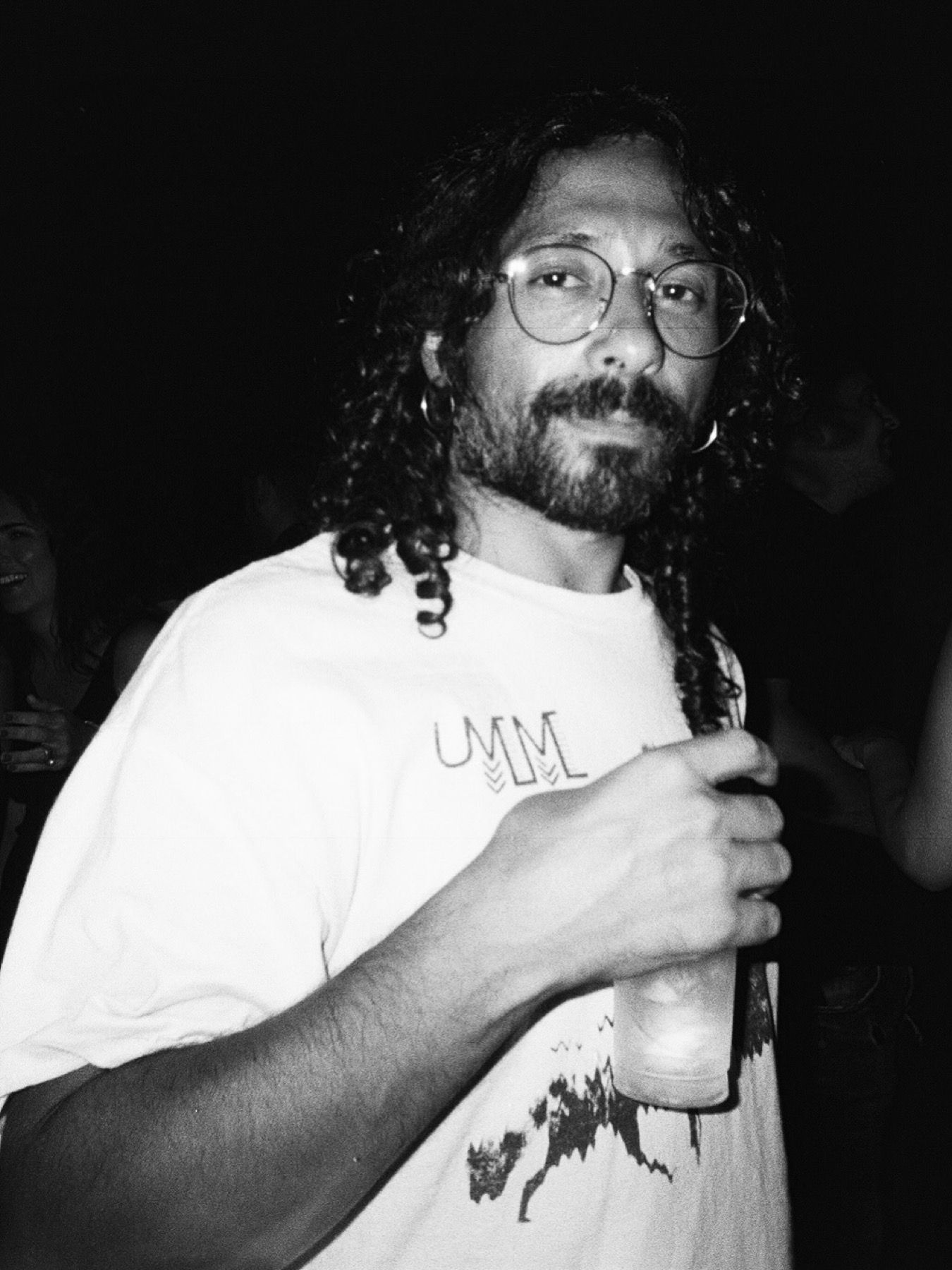
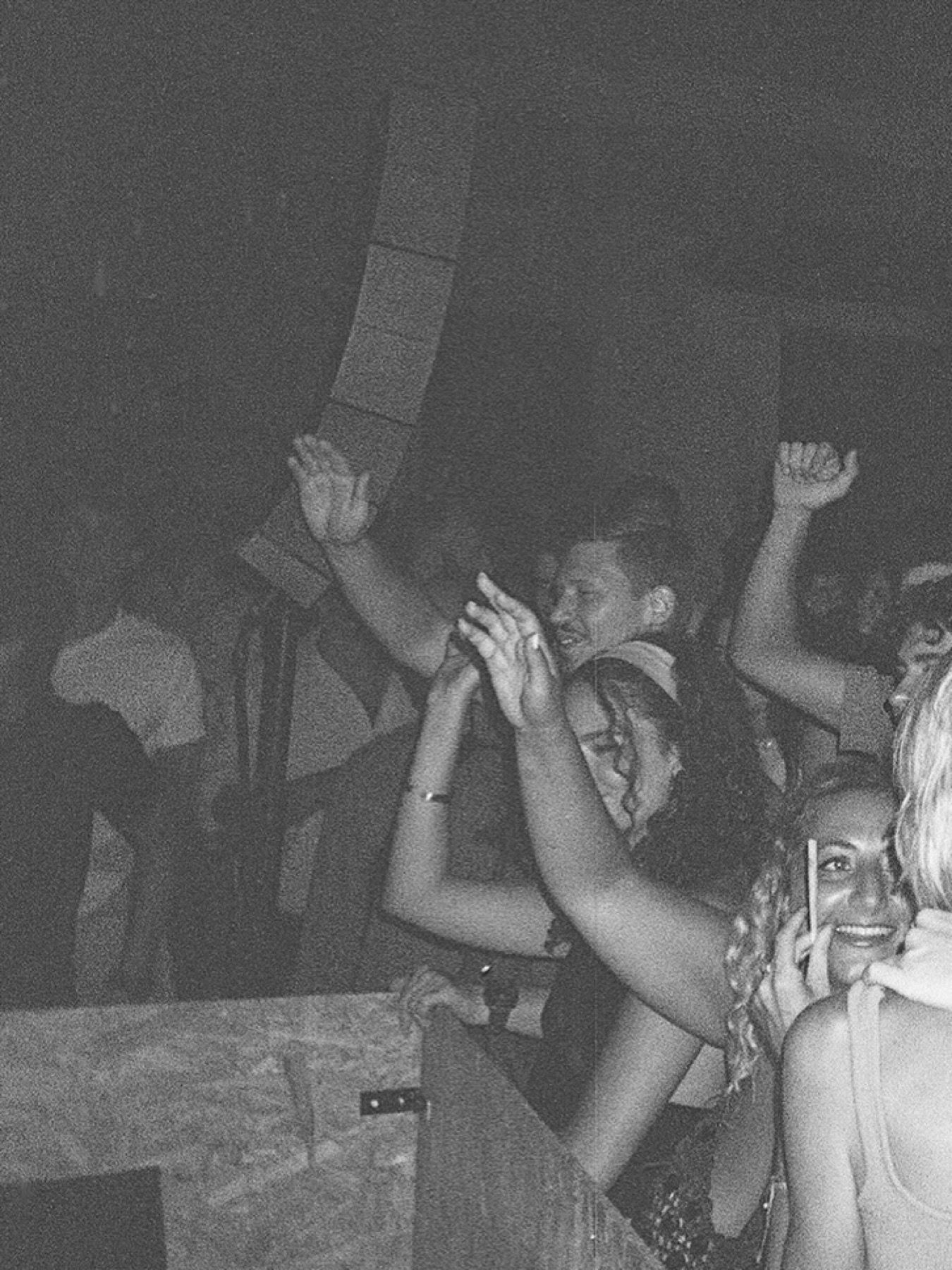
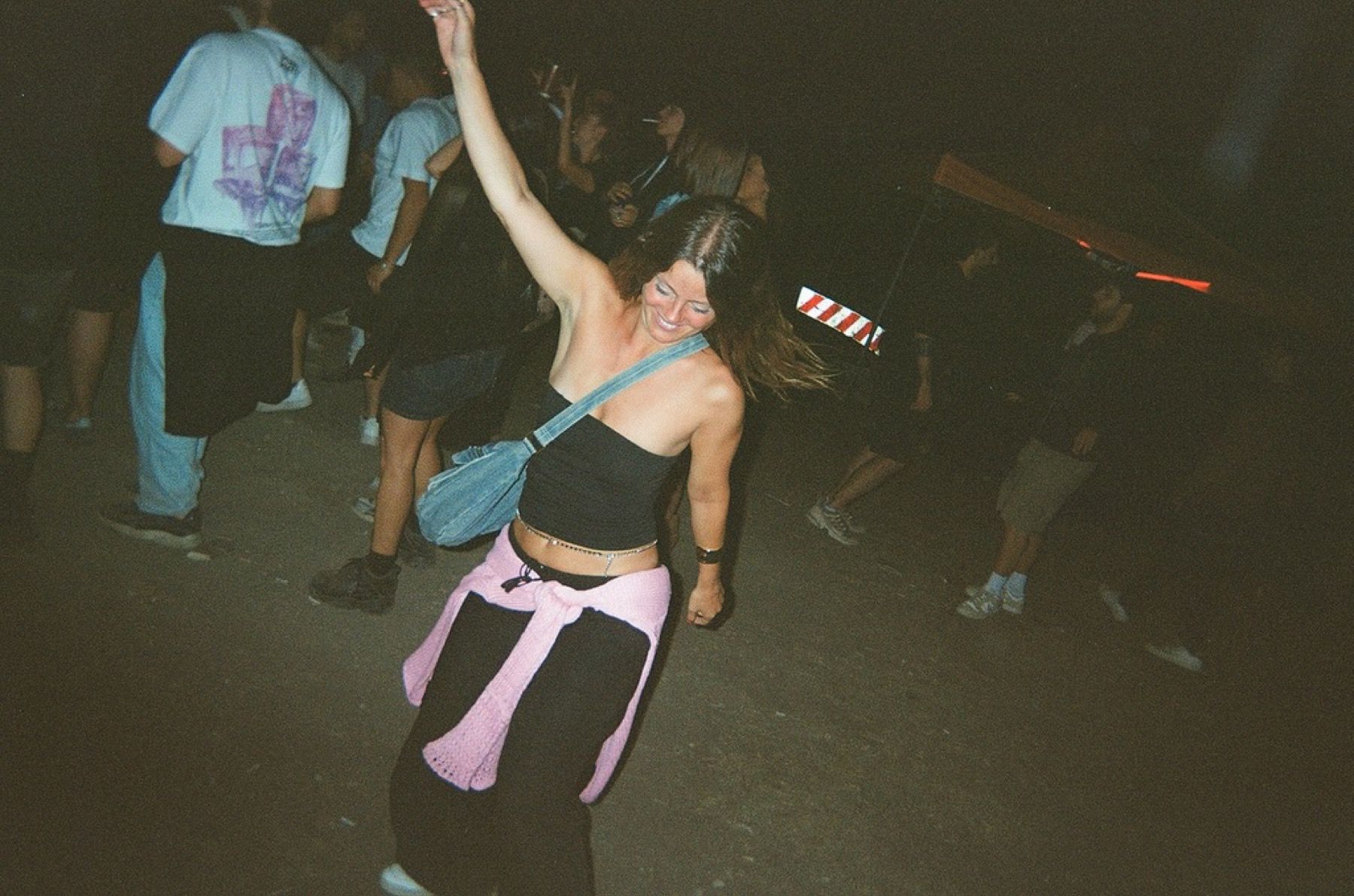
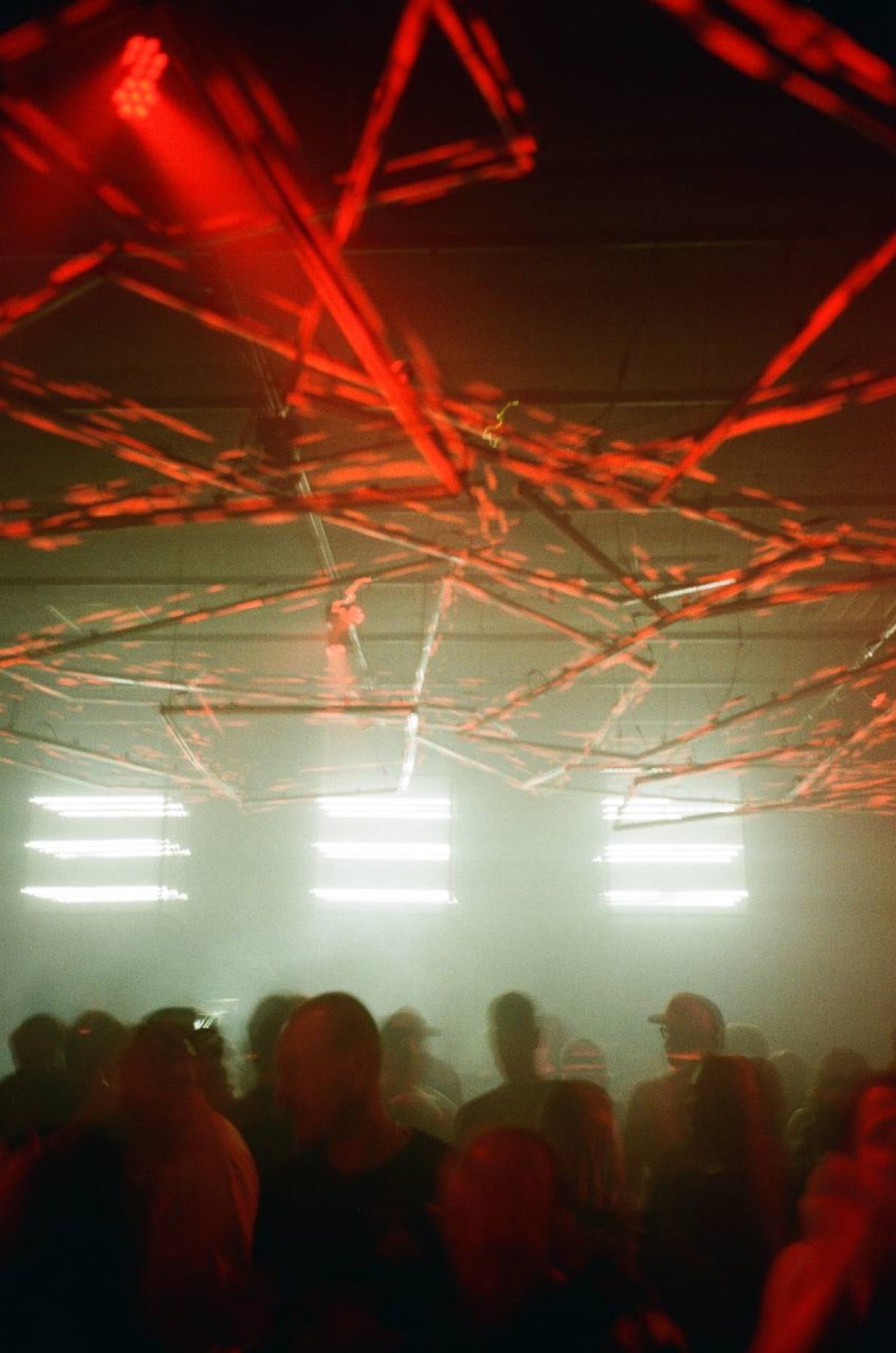
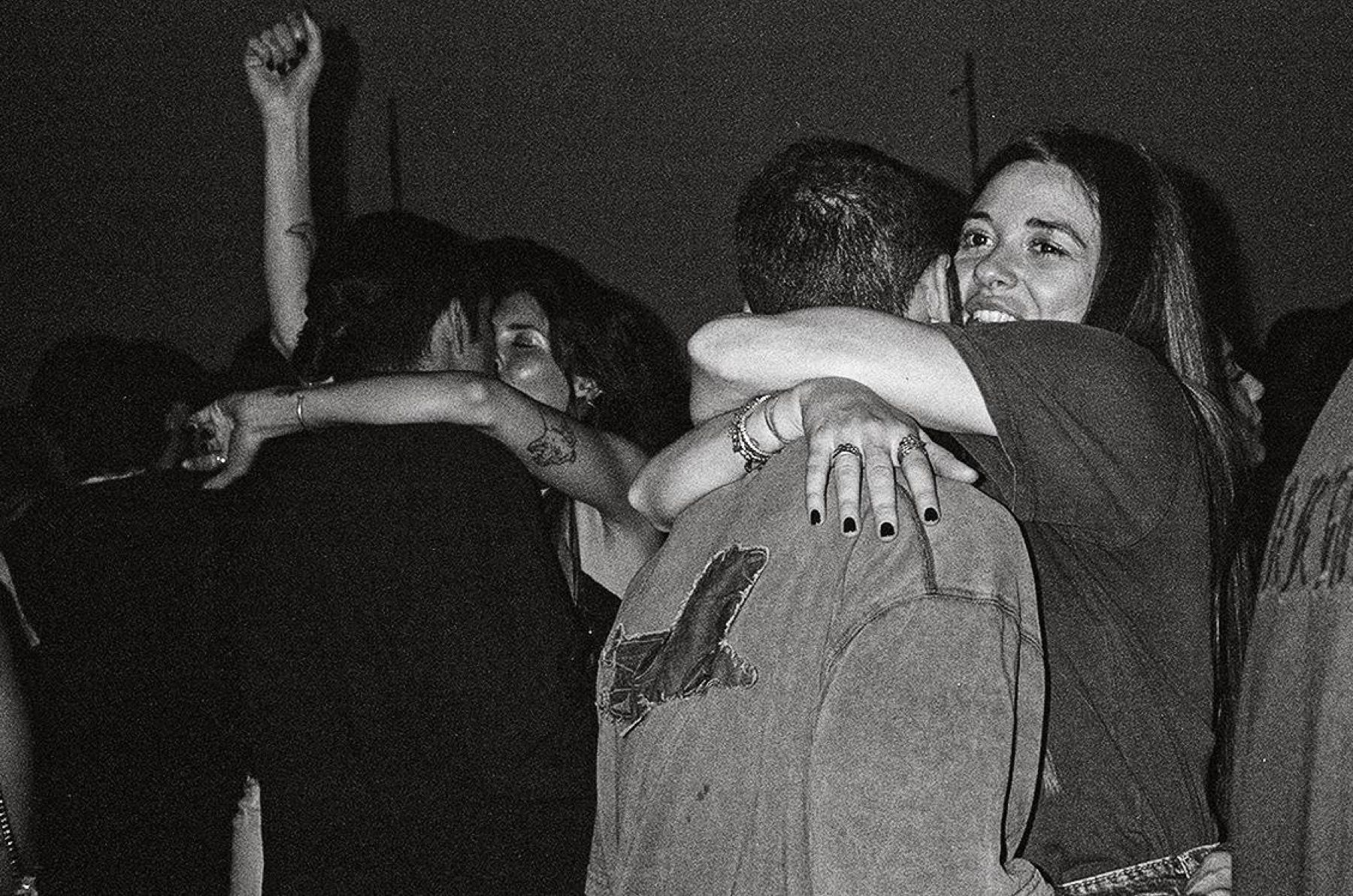
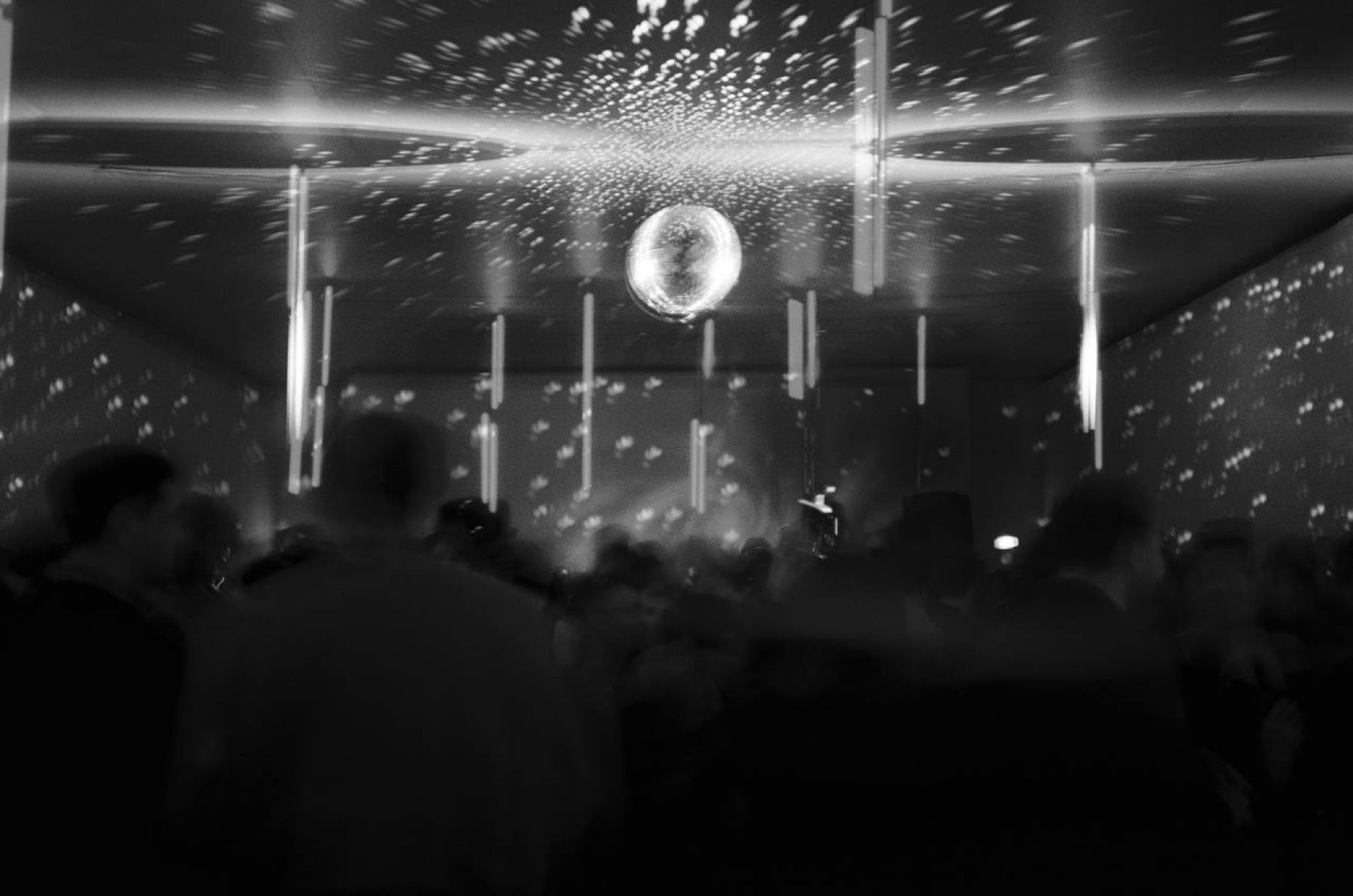
How did Soul Express begin?
Fabio: Soul Express was born from a very clear artistic need: to create a space that didn’t exist. Merko and I were already active as DJs and producers with Thanksmate, but we felt limited playing within contexts built by others. We wanted control over the artistic direction, the sound, the selection of artists, but also everything surrounding it: the environment, the audience, the energy. It wasn’t just about making music, but about building a coherent imaginary where that music could truly live.
Merko: At the beginning everything was very instinctive. A group of artists self-organizing to create their own spaces. There was no structure, but there was already a clear vision: avoiding compromises. We wanted to create a recognizable identity, where music, aesthetics, and communication were aligned.
Cristiano: I met them while working on Periodica Records, at a moment when the project was starting to take shape. Soul Express already had a strong artistic identity, but it lacked a structure that could sustain it over time. My role was to turn that energy into something scalable.
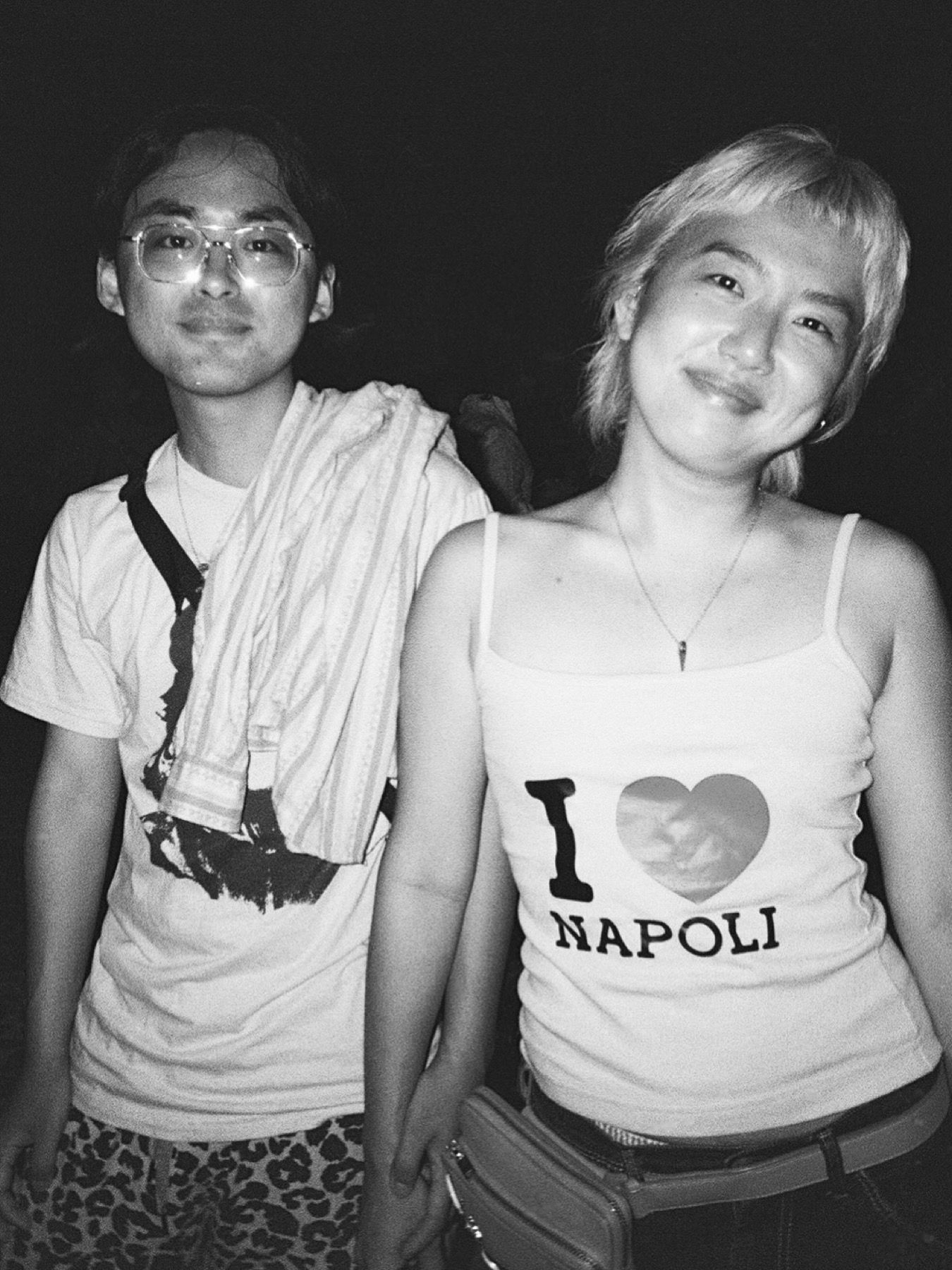
Fabio: The real turning point came after Covid. At that moment many dynamics were reset, and we had the space to redefine everything. Soul Express grew organically, attracting people who shared the same vision. Today it’s a collective of about 35 people, but it has never become an empty container. It remains a very human reality, based on real relationships.
Merko: The most important thing is that it was never built on paper. Soul Express took shape over time, through people and experiences. It’s a project that continues to evolve, but always maintaining a strong internal coherence.
Cristiano: And it’s precisely this coherence that allowed it to grow without losing its identity. We never chased the market, we built something that could last.
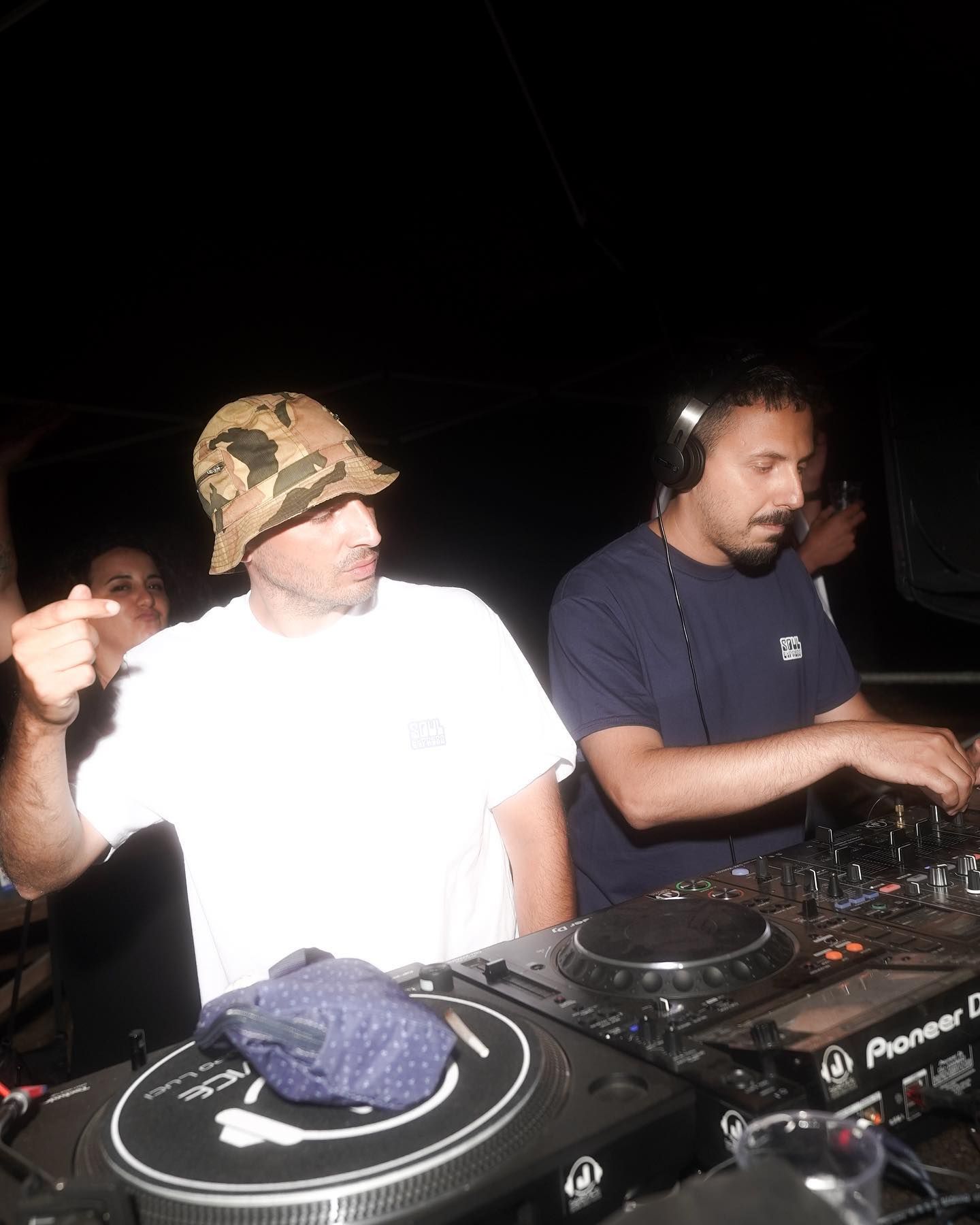

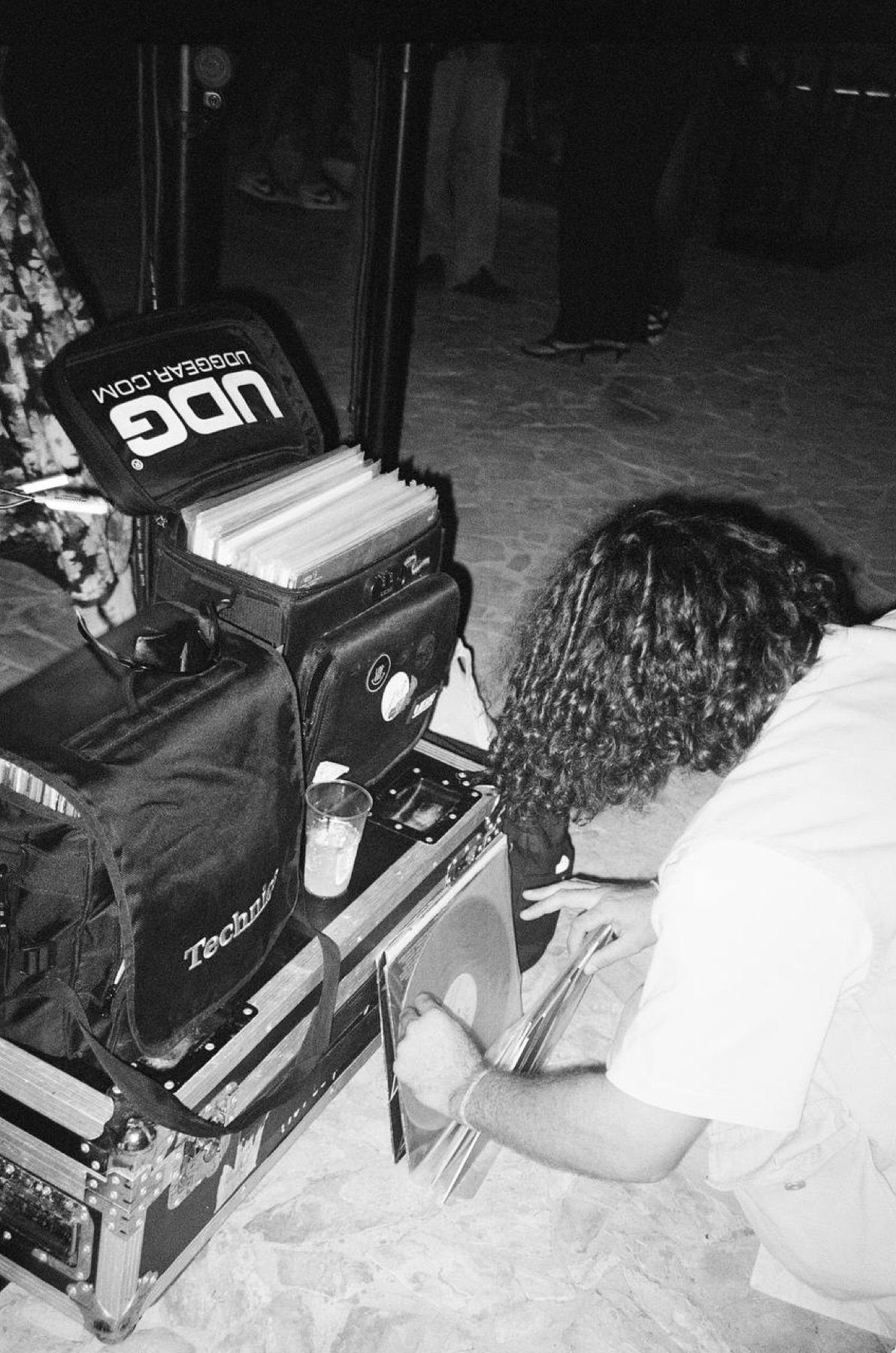




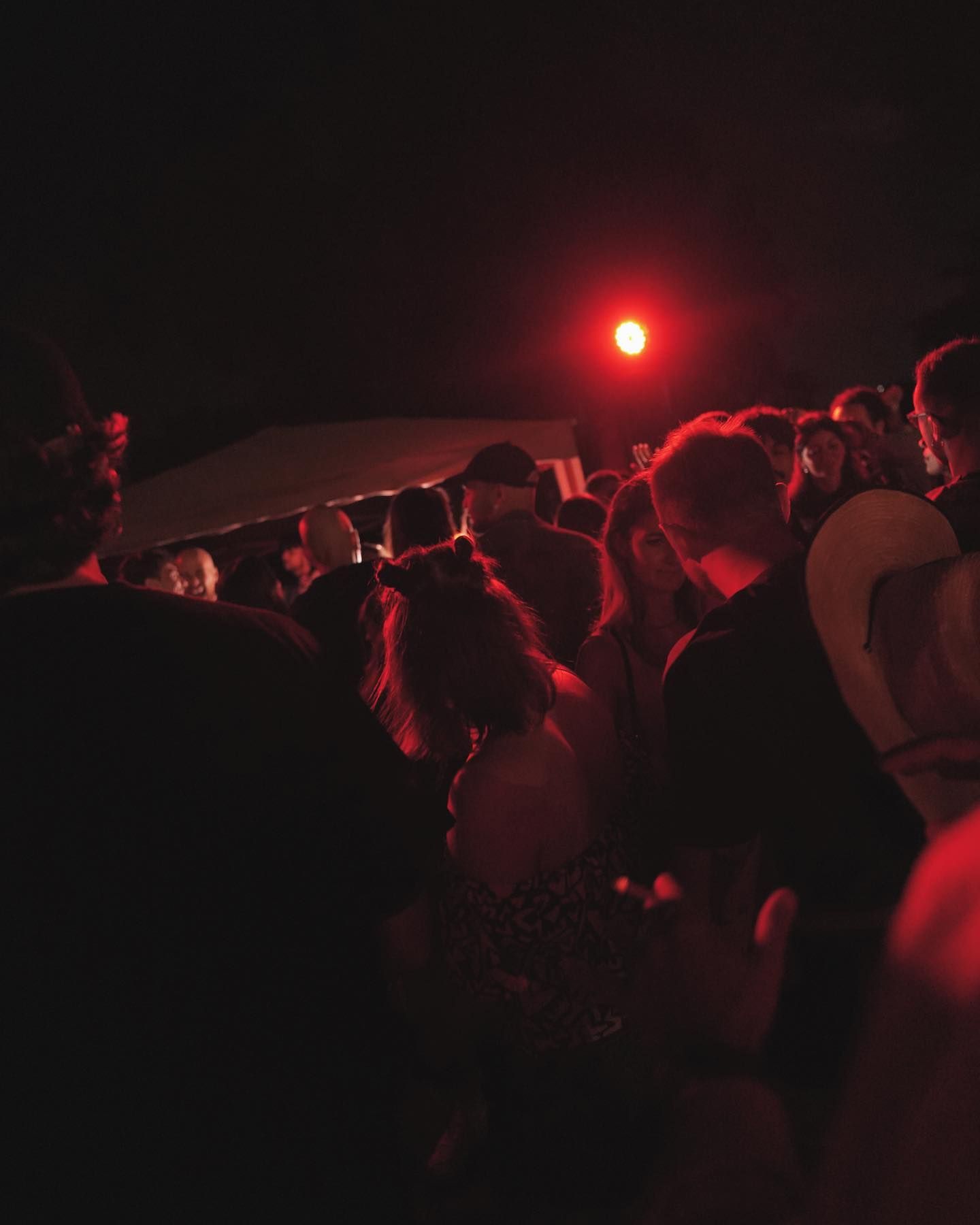
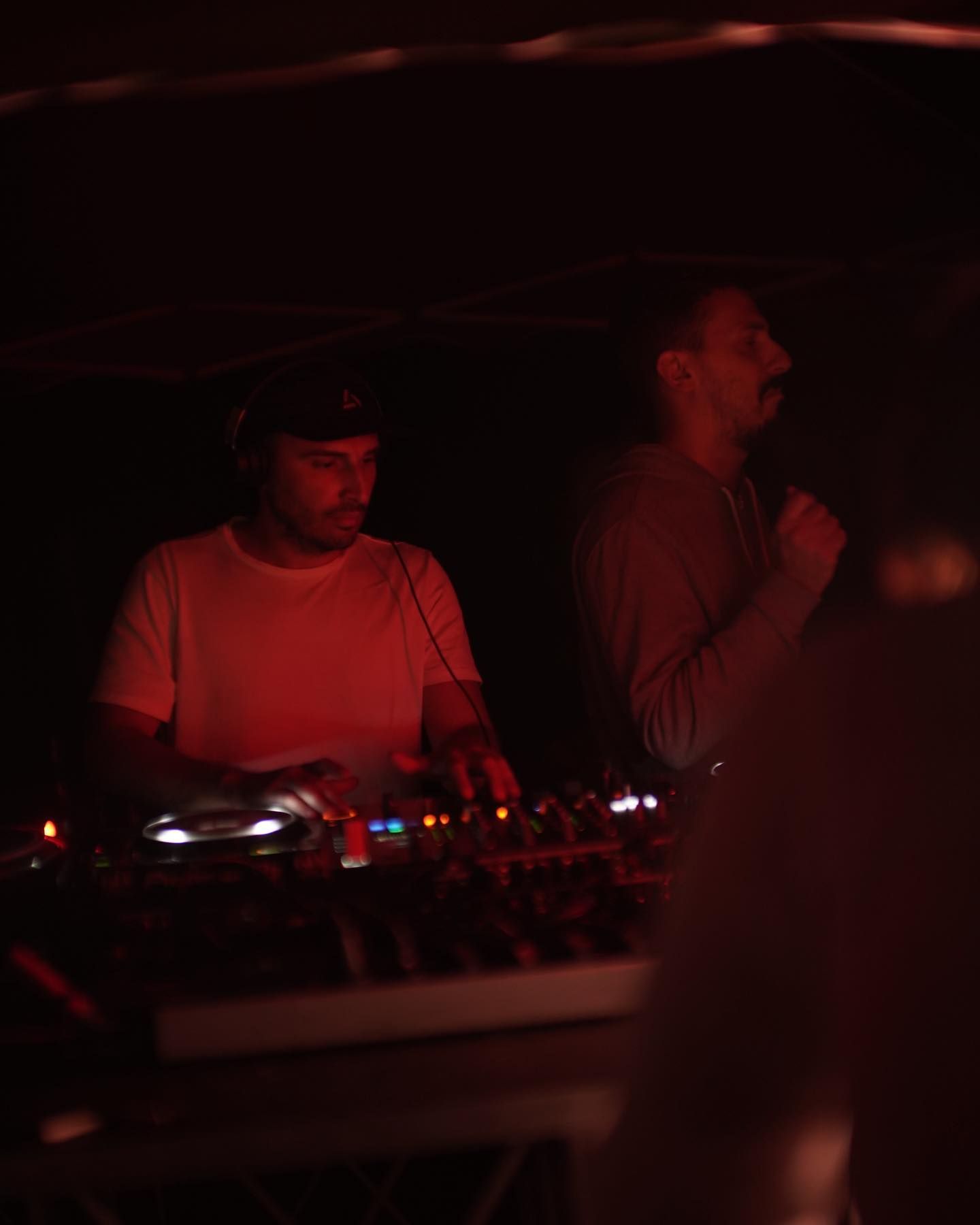
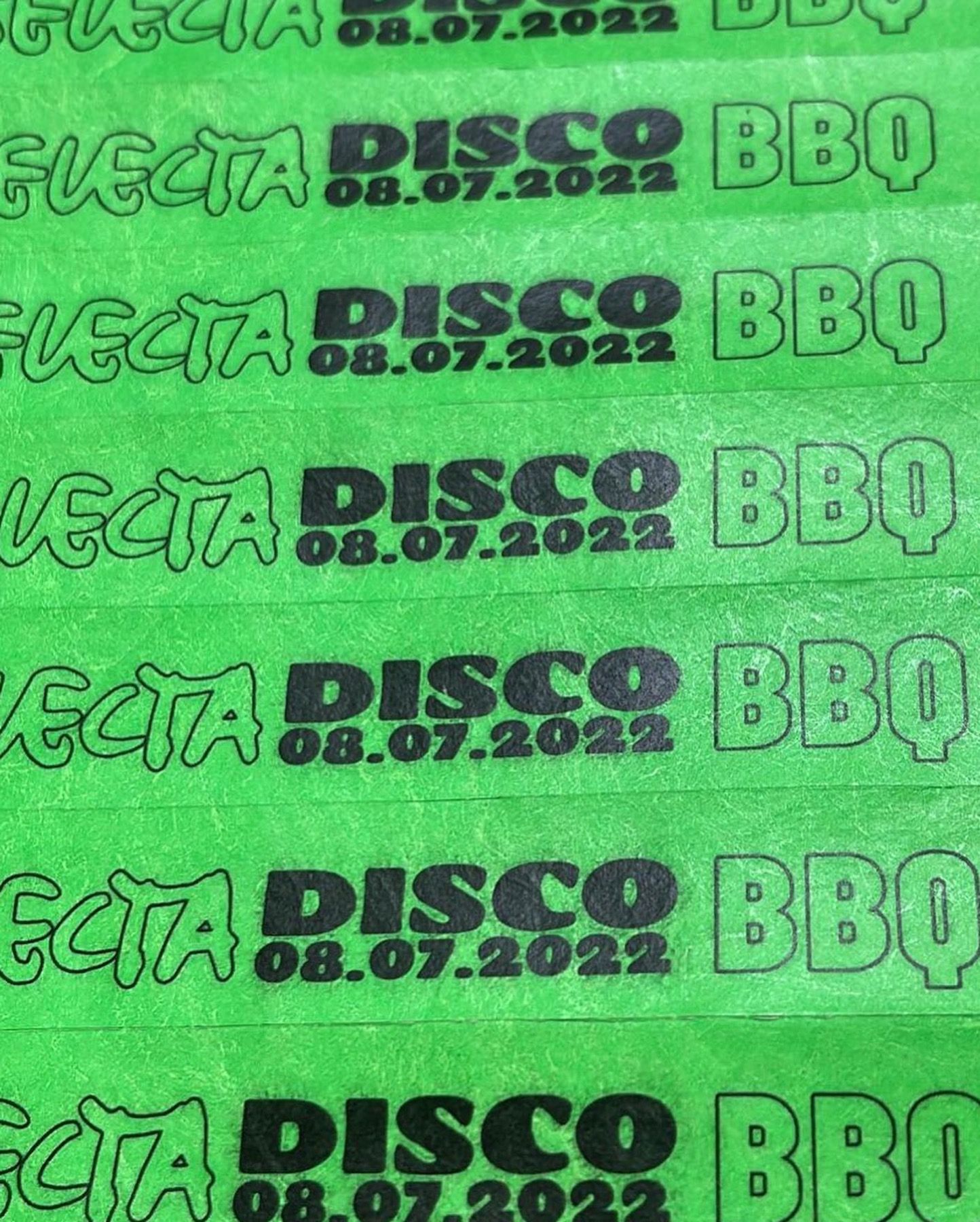
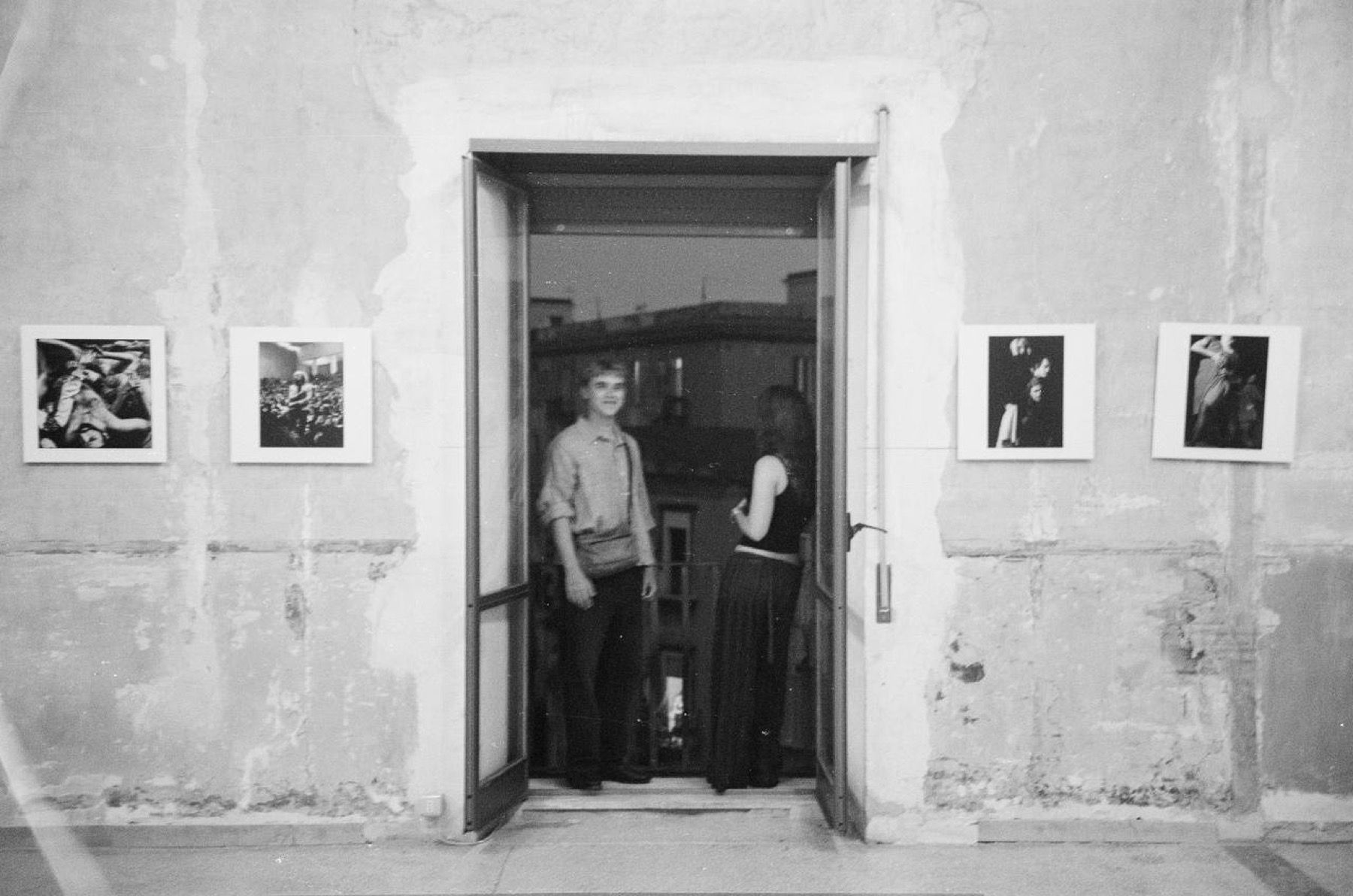
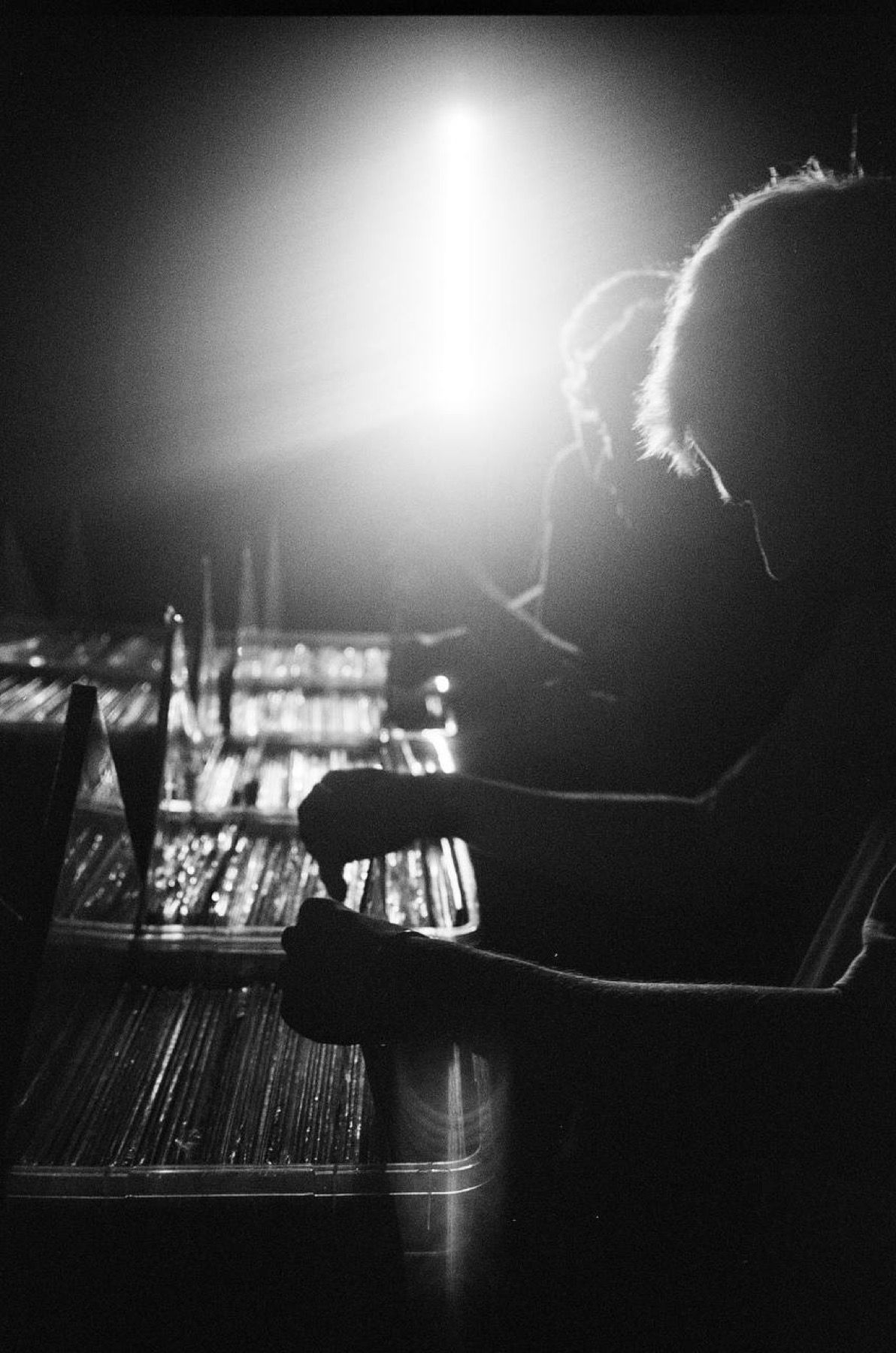
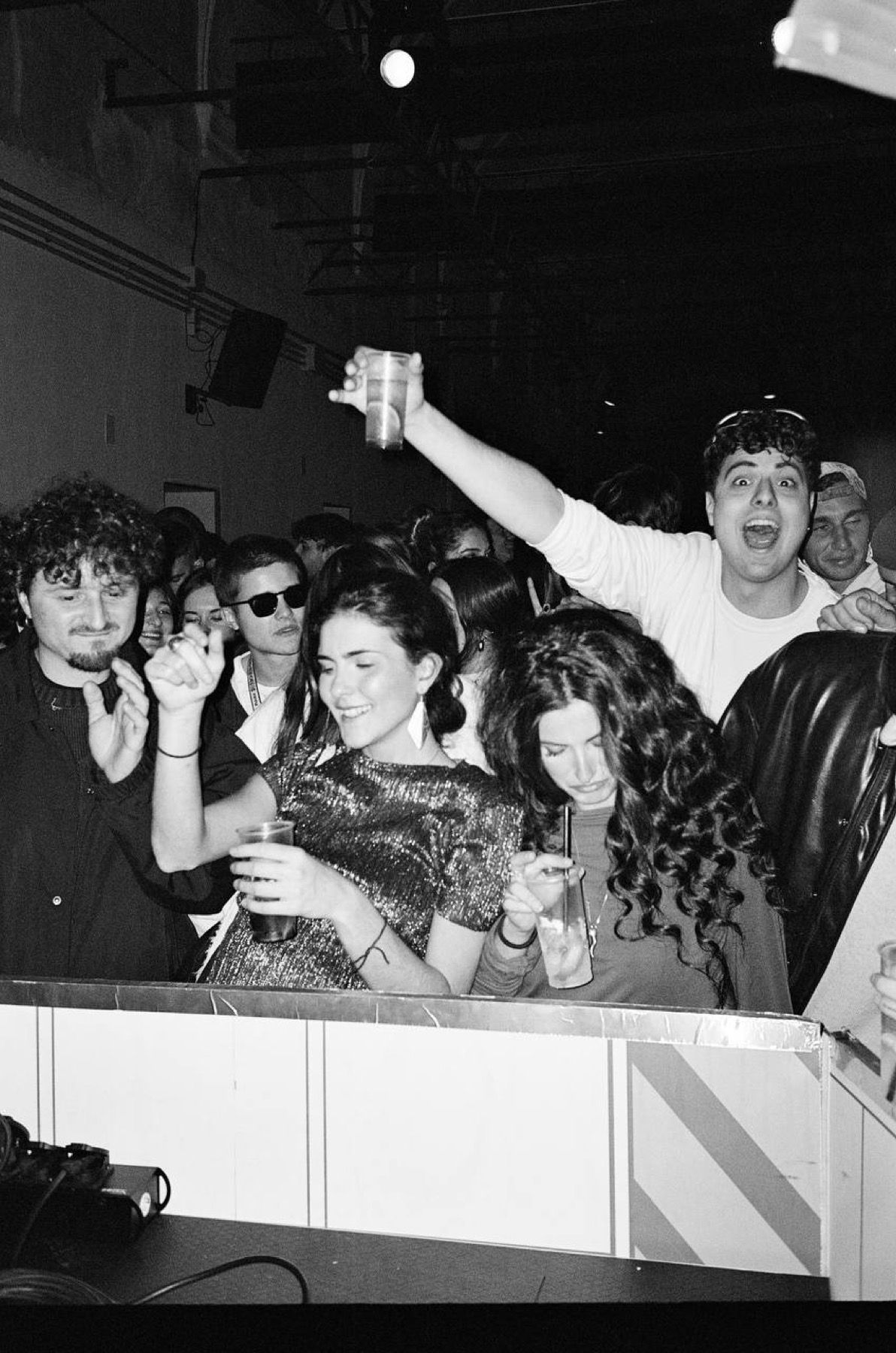
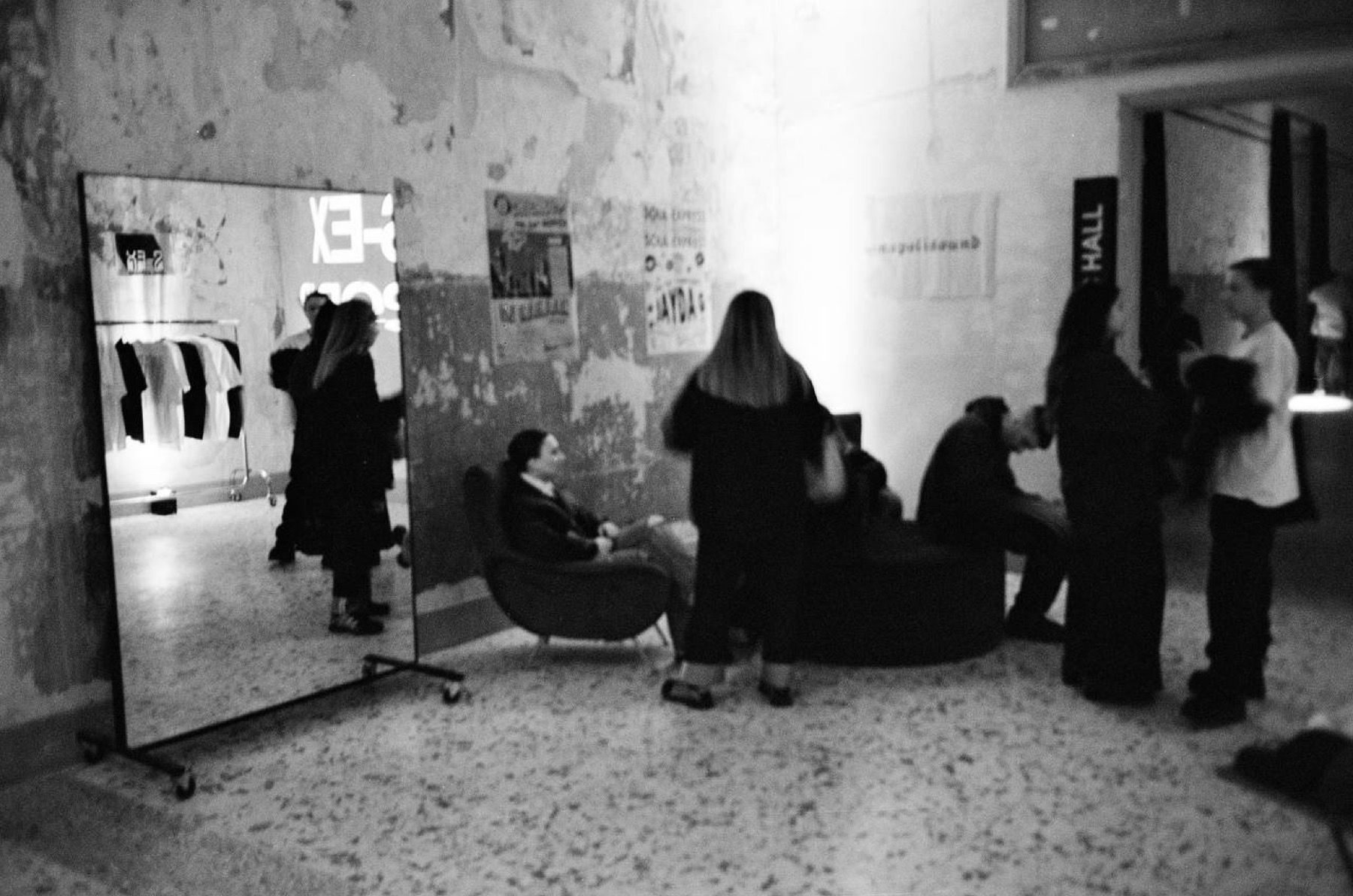
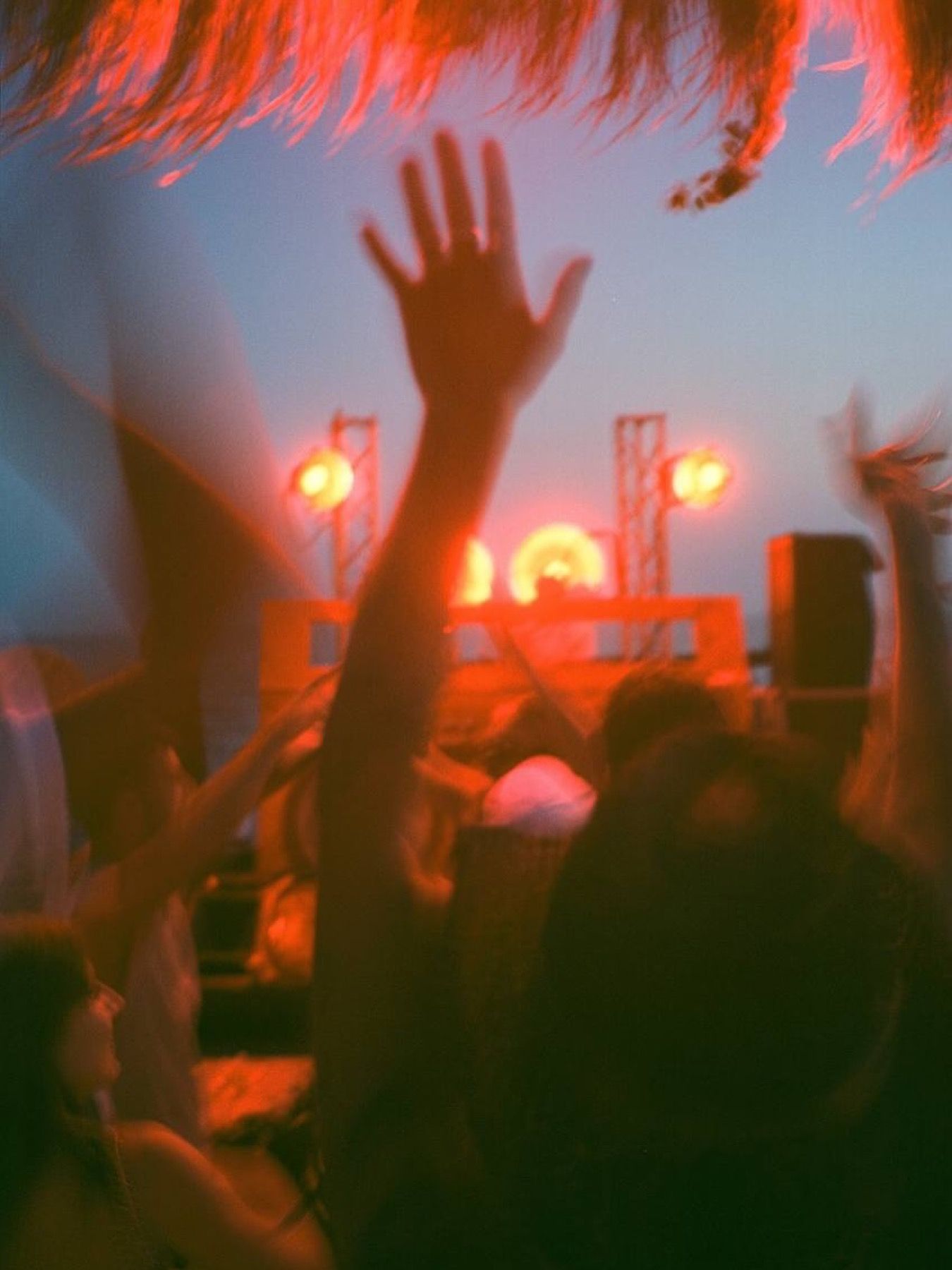
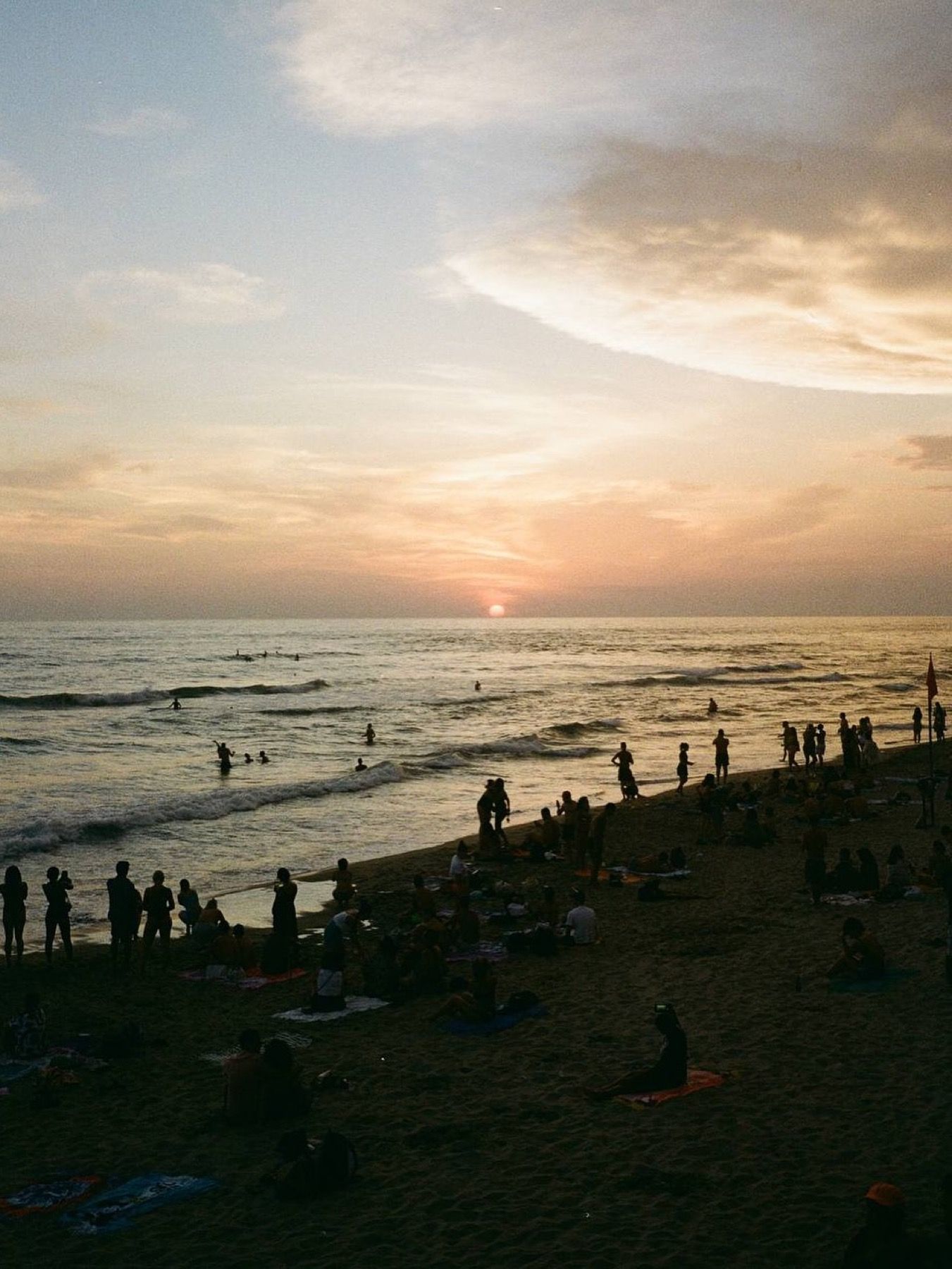
Which format or event do you consider the most unique and representative of your project?
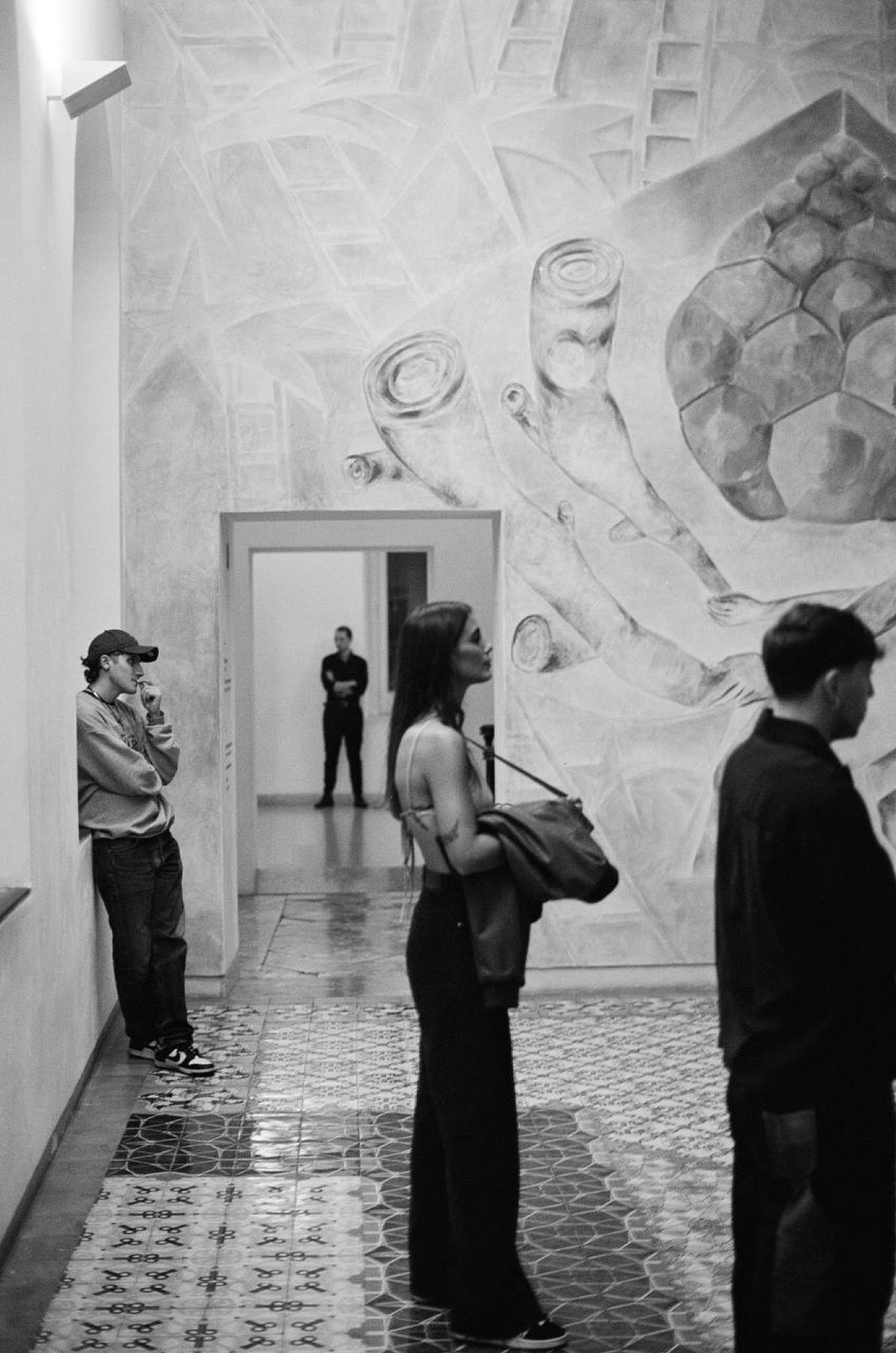
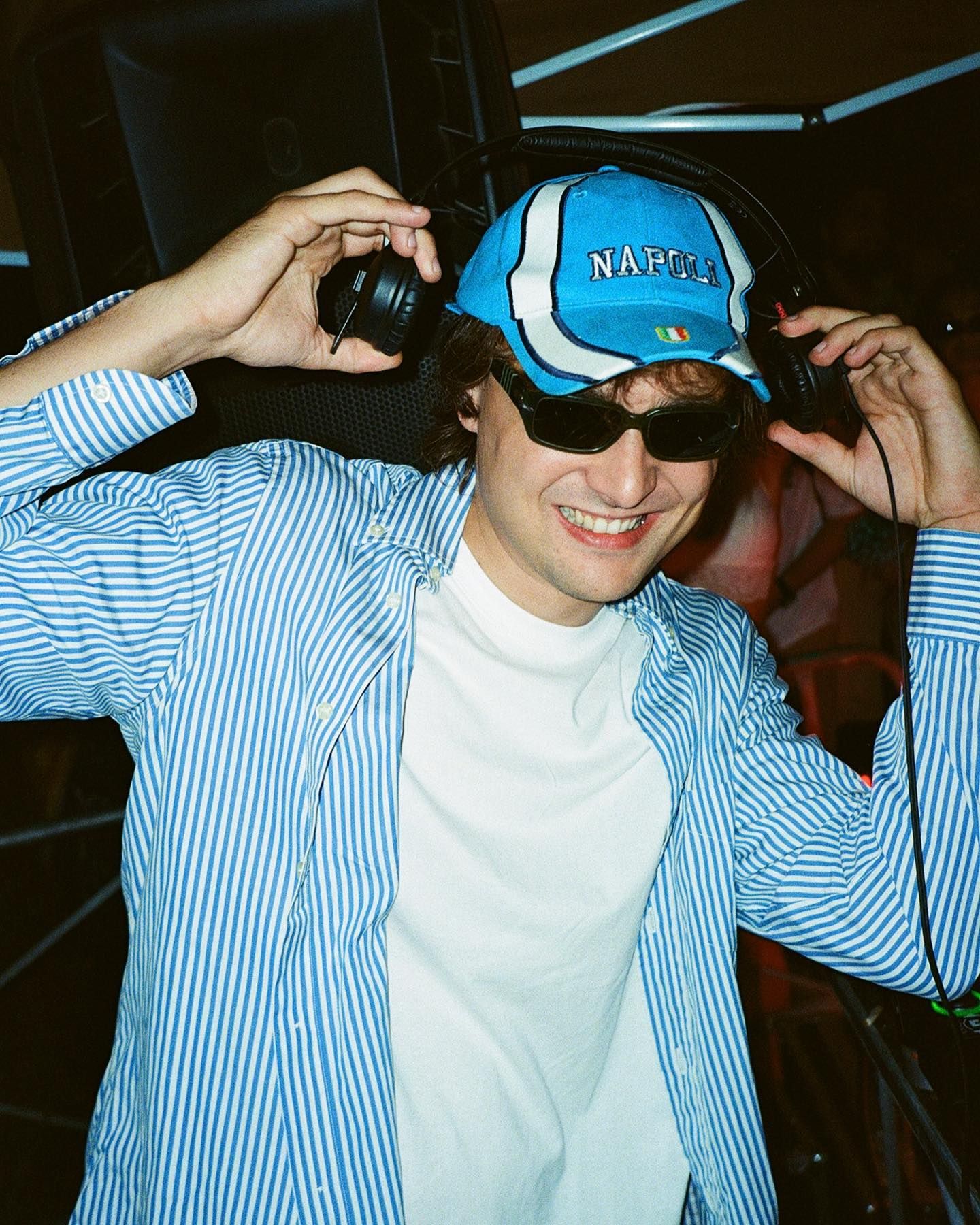
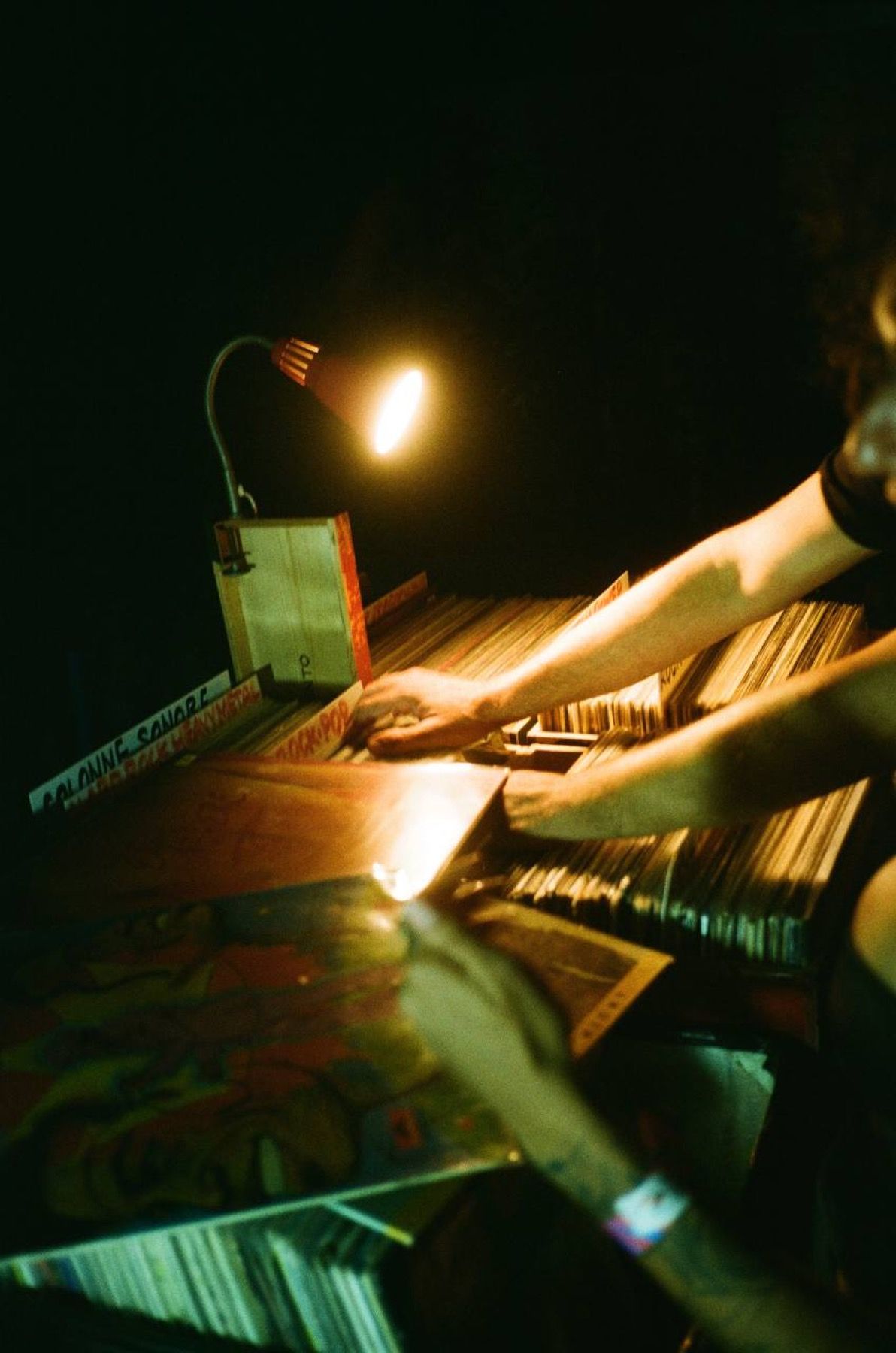
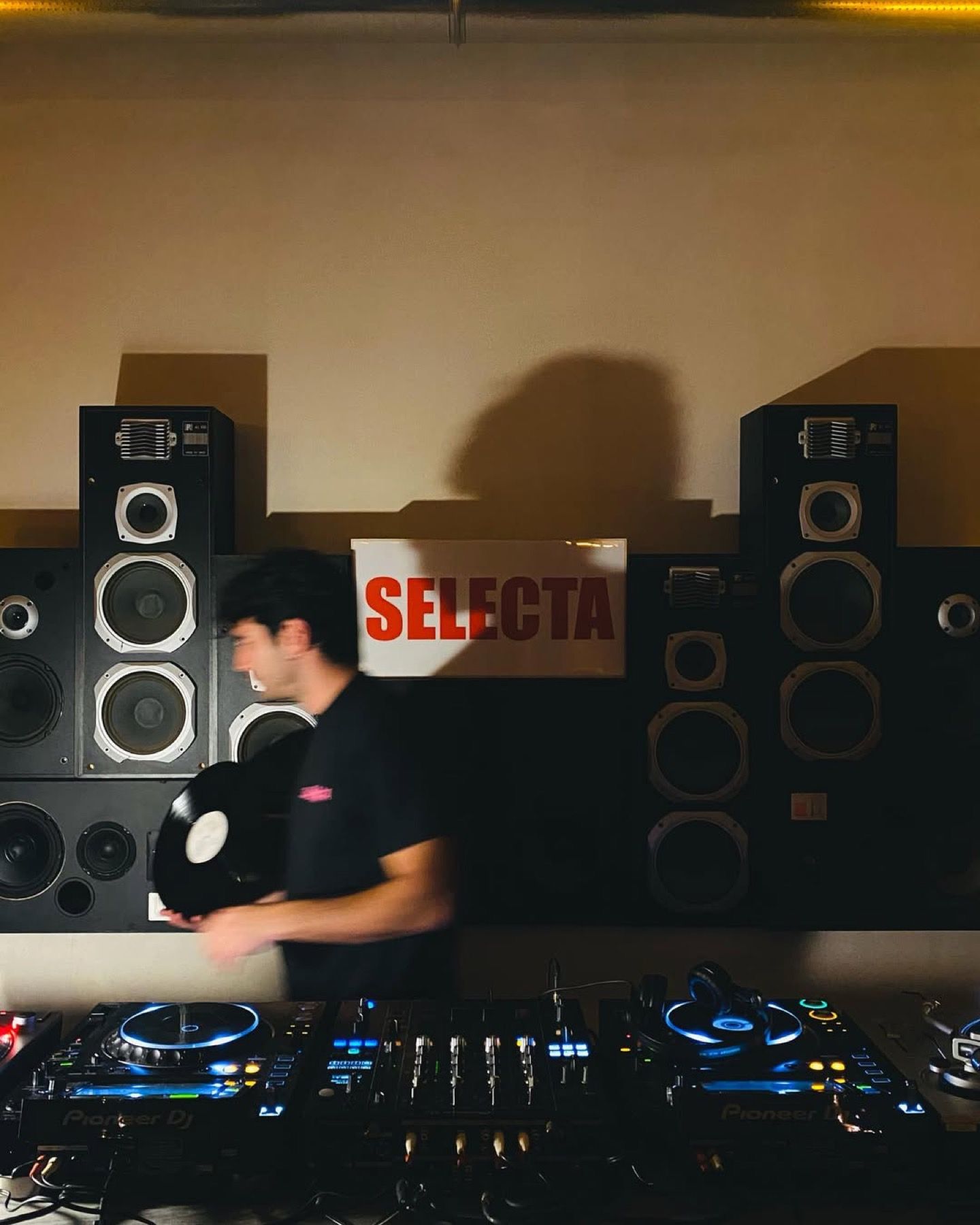
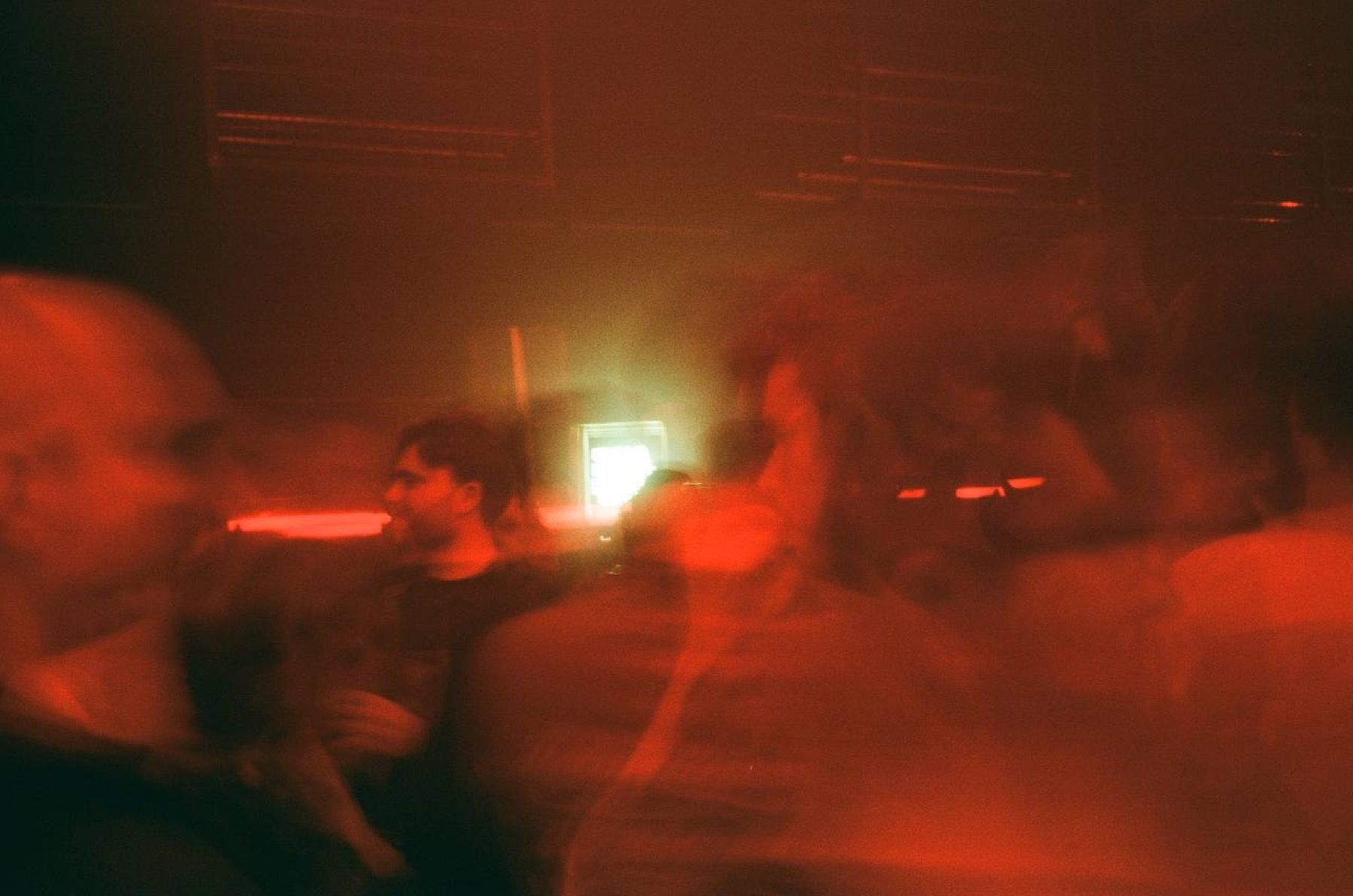
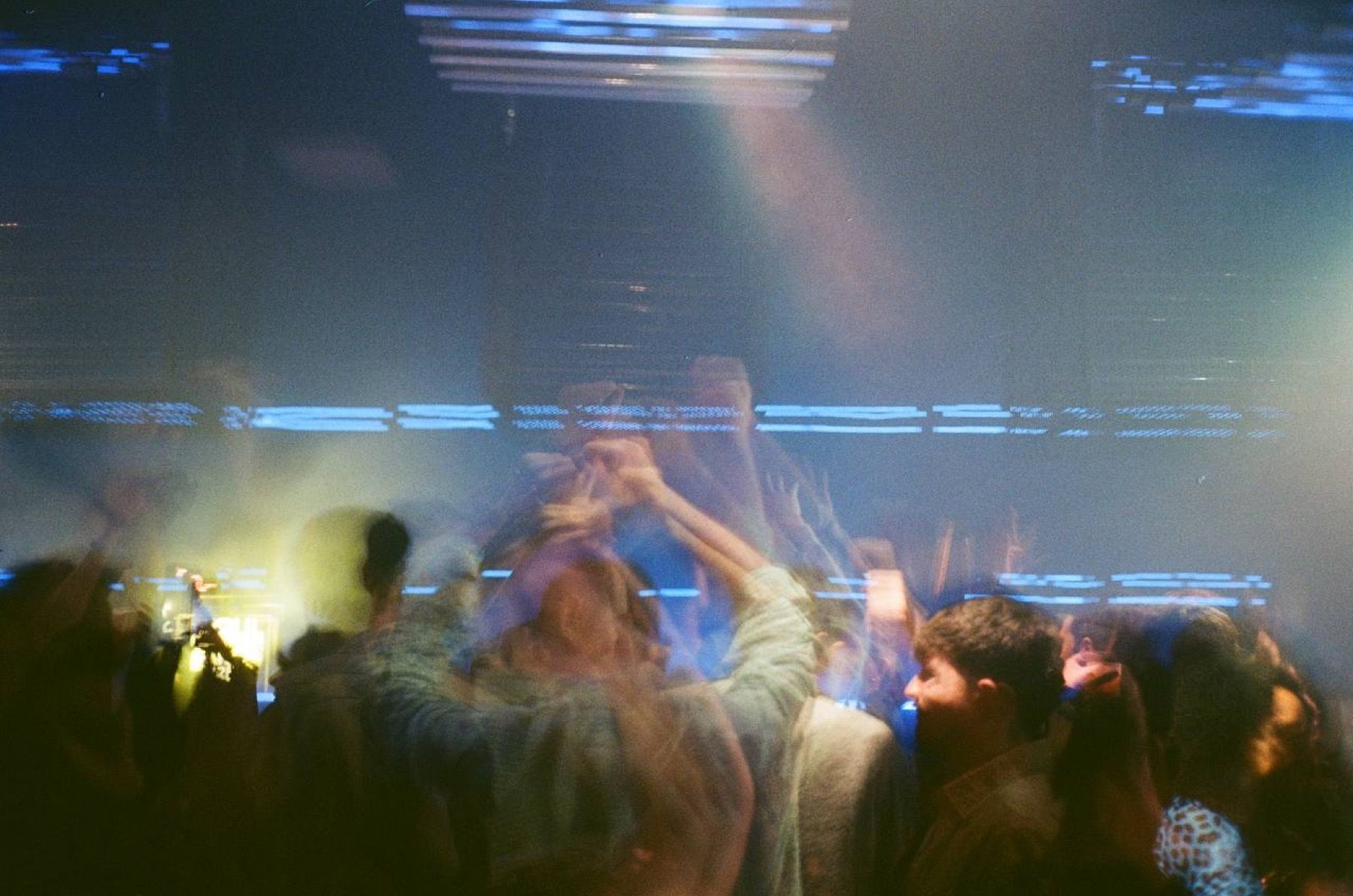
Fabio: The core of Soul Express is SELECTA. It’s the format everything starts from, especially in Naples’ historic center. That’s where the artistic direction is at its purest. I’m thinking of places like Albergo dei Poveri, Casa Morra, FOQUS in the early days—when it wasn’t yet a “clubbing” venue. In those contexts, the musical selection is central, without compromise. When line-up, space, and audience move in the same direction, that is Soul Express.
Merko: SELECTA is also the strongest point from a creative perspective. We work with spaces that already have a history and transform them completely without distorting them. The goal is to create a total immersion. People walk in and immediately perceive that it’s not a standard event, but an environment with a precise identity.
Cristiano: From a production standpoint, SELECTA is the most complex format. Working in unconventional spaces means building everything from scratch. It’s precisely in this complexity that we make the difference.
Fabio: Then there’s the more “club” side, which is Club Soul. Here we bring our identity into structured clubs, in Italy and abroad. We’re talking about places like Basic, Moses, Duel, Club 21 in Florence, Arca in Milan, all the way to The Carpet Shop in London, in Peckham. It’s a way to export our sound while maintaining coherence even in more traditional contexts.
Merko: Even in clubs we work on identity, adapting to the space. We never replicate the same event, but reinterpret the context while maintaining our language.
Cristiano: Club Soul is also fundamental for the growth of the project. It allows us to bring Soul Express outward, engage with other markets, and consolidate our international presence.
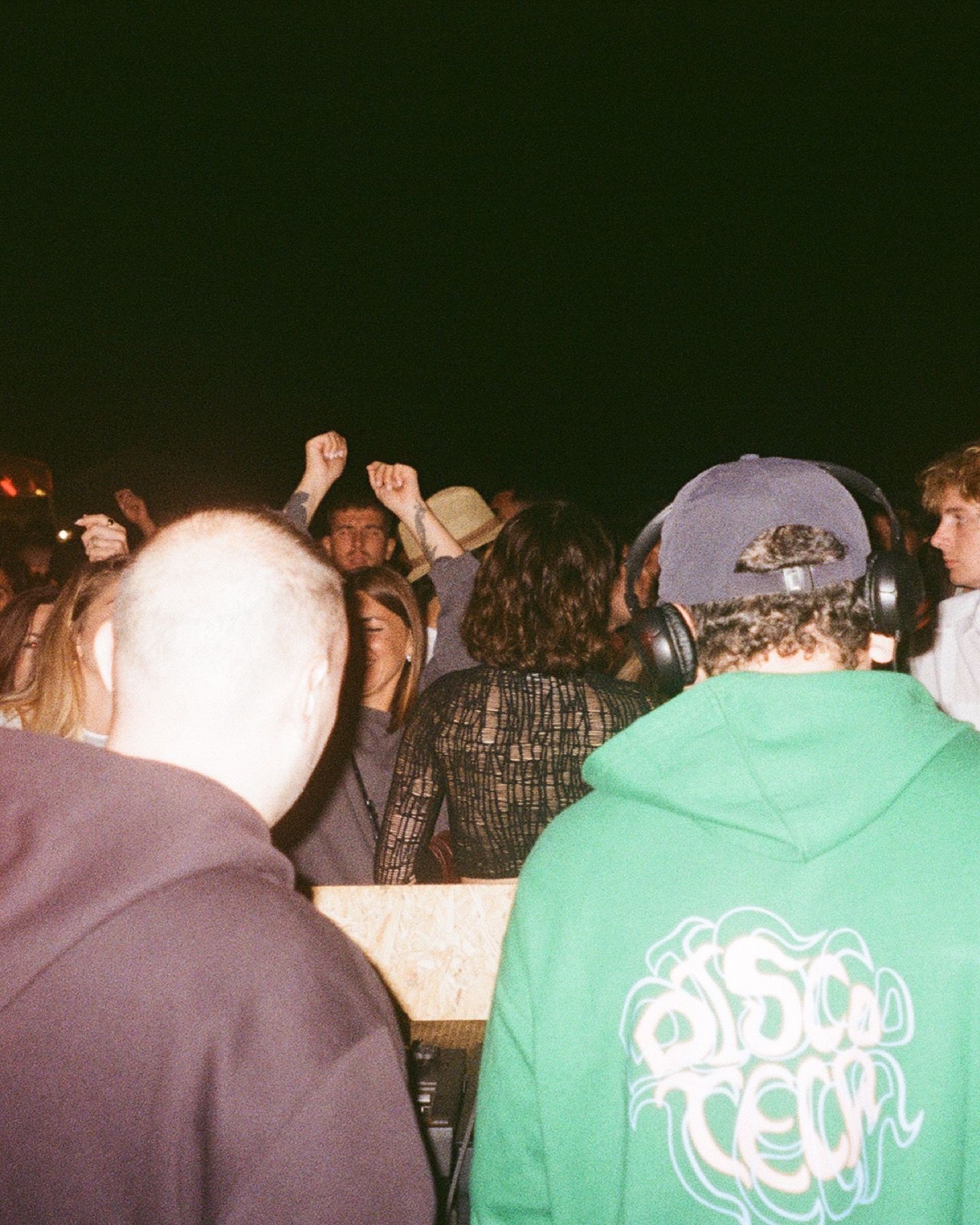
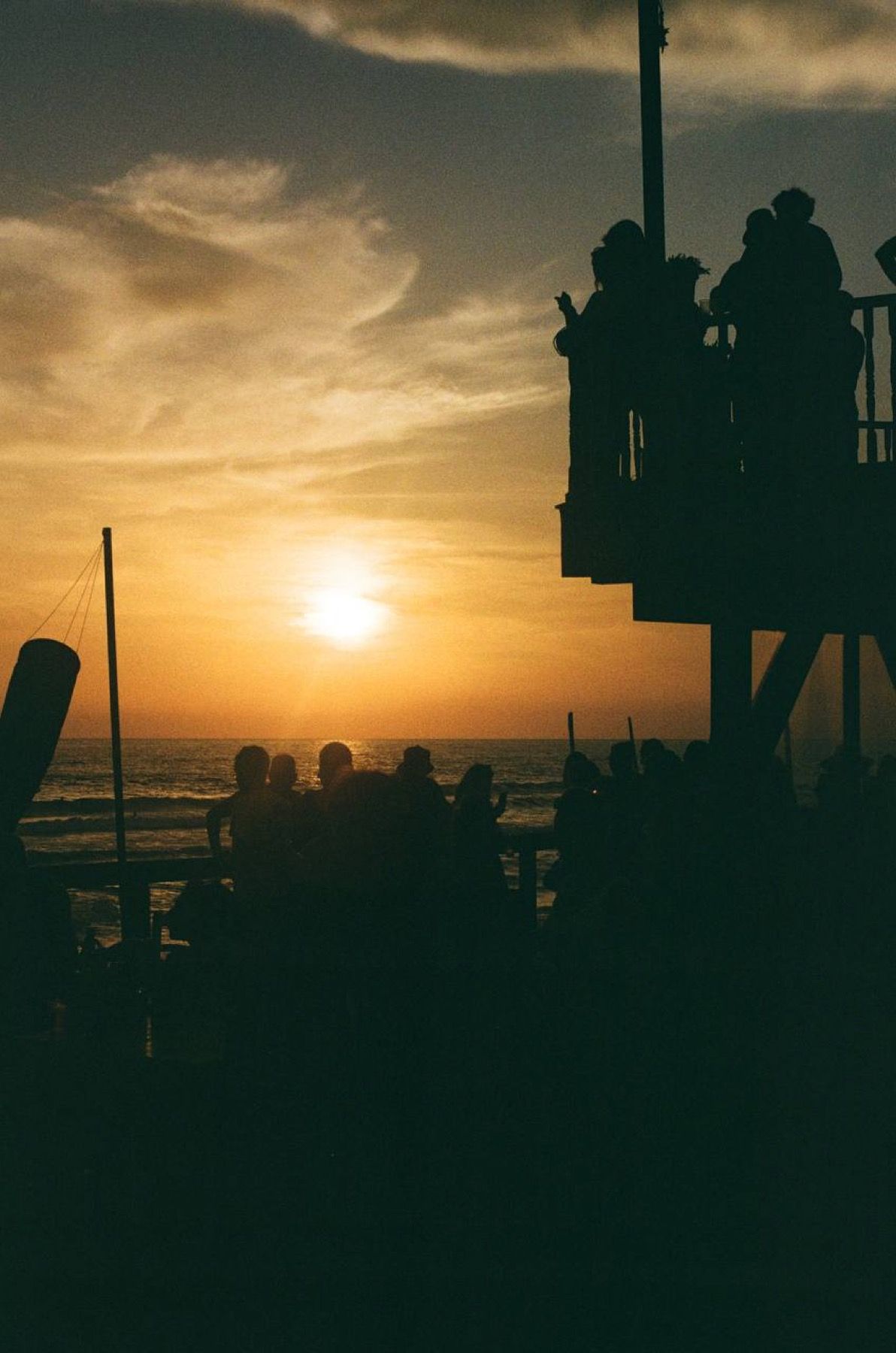
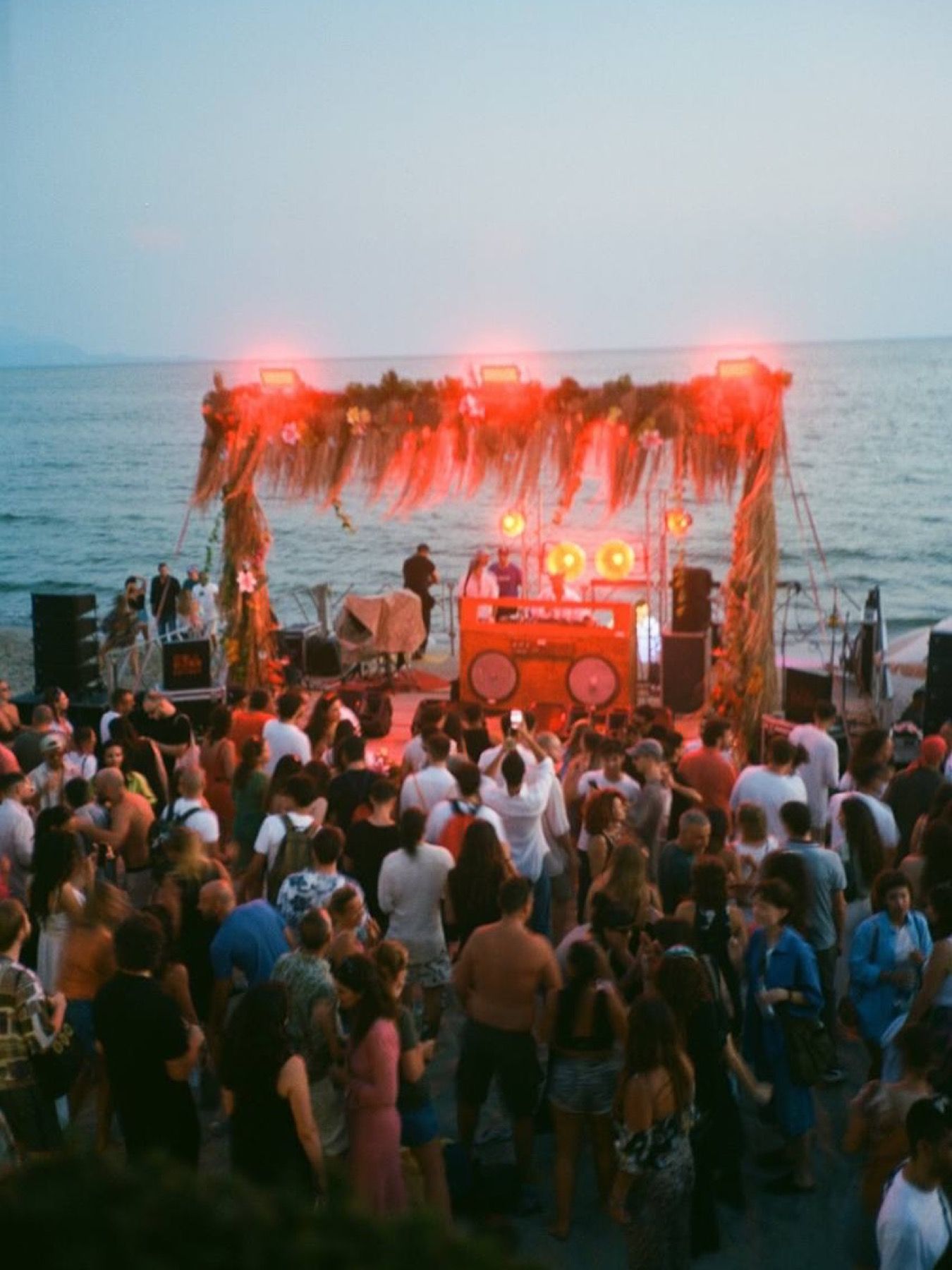
Fabio: Finally, there’s Disco BBQ, the most free and irreverent format. Here the musical direction opens completely: there are no genre limits, only quality, vibe, and experience matter.
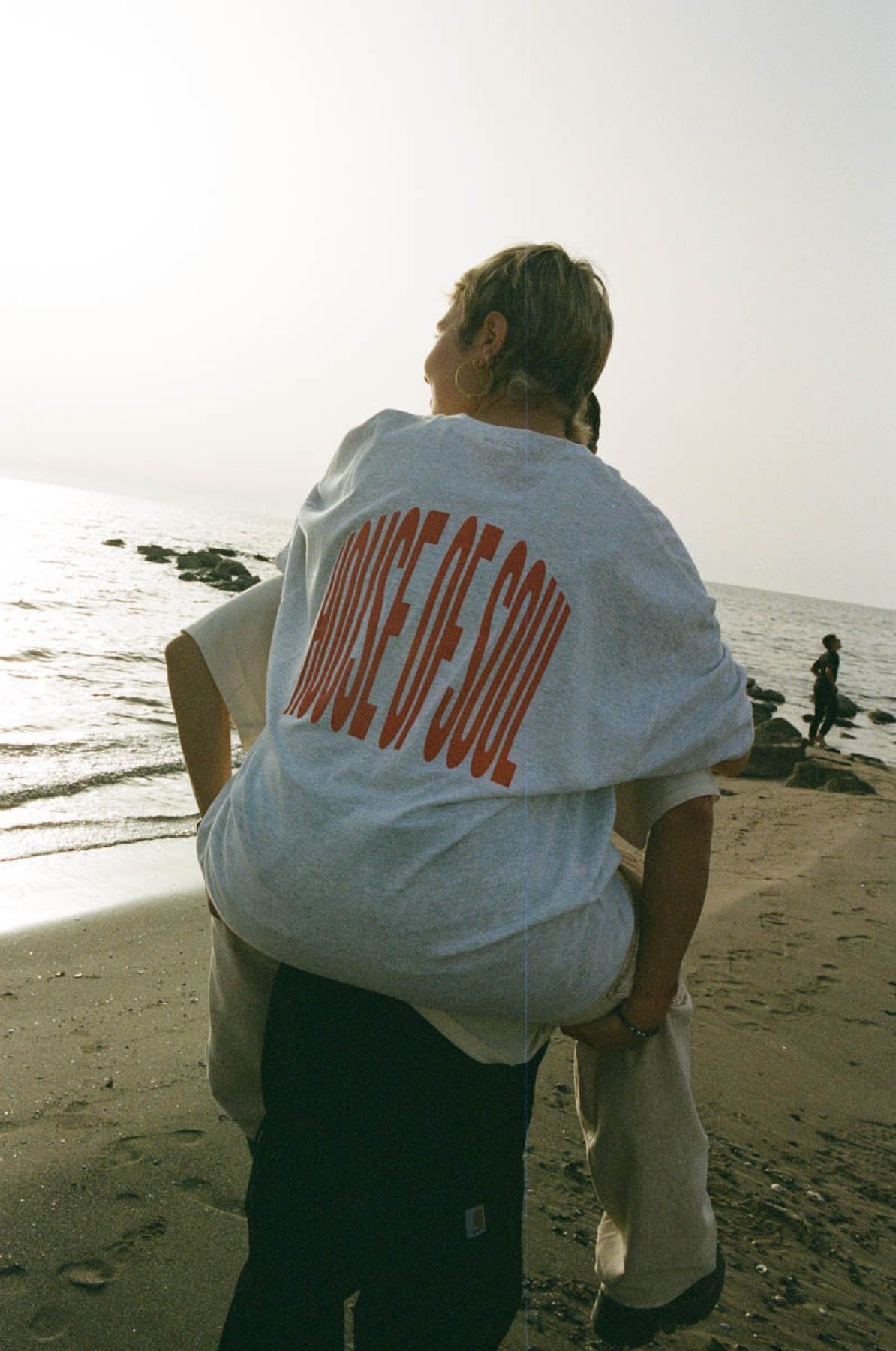
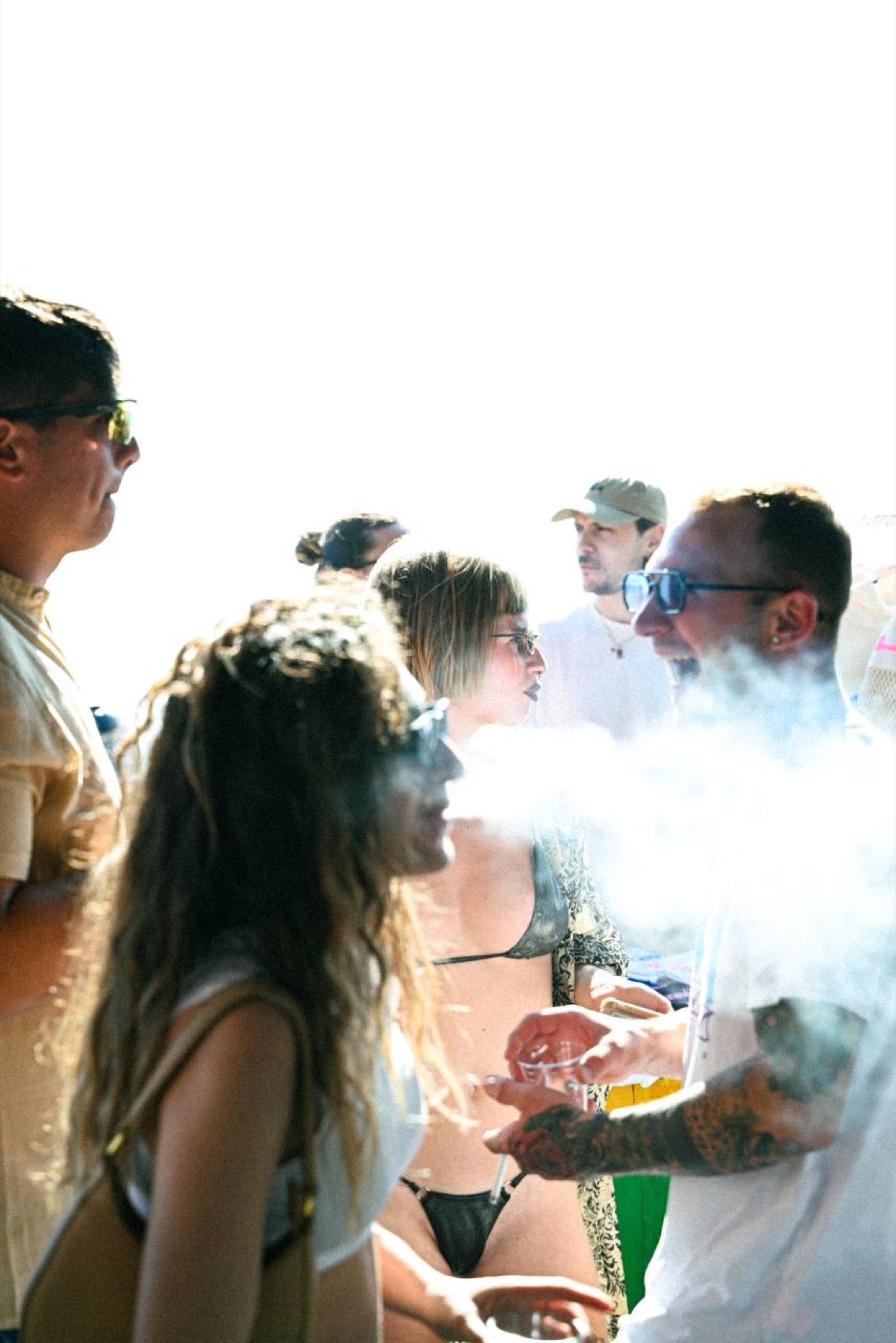
Merko: It’s the most human format, more convivial. Music is central, but it blends with food and sharing. The atmosphere is less formal, more spontaneous.
Cristiano: Even in production it’s a different format: it can be lighter or more structured, depending on the context, but the core idea remains the same: creating a collective experience, not just an event.
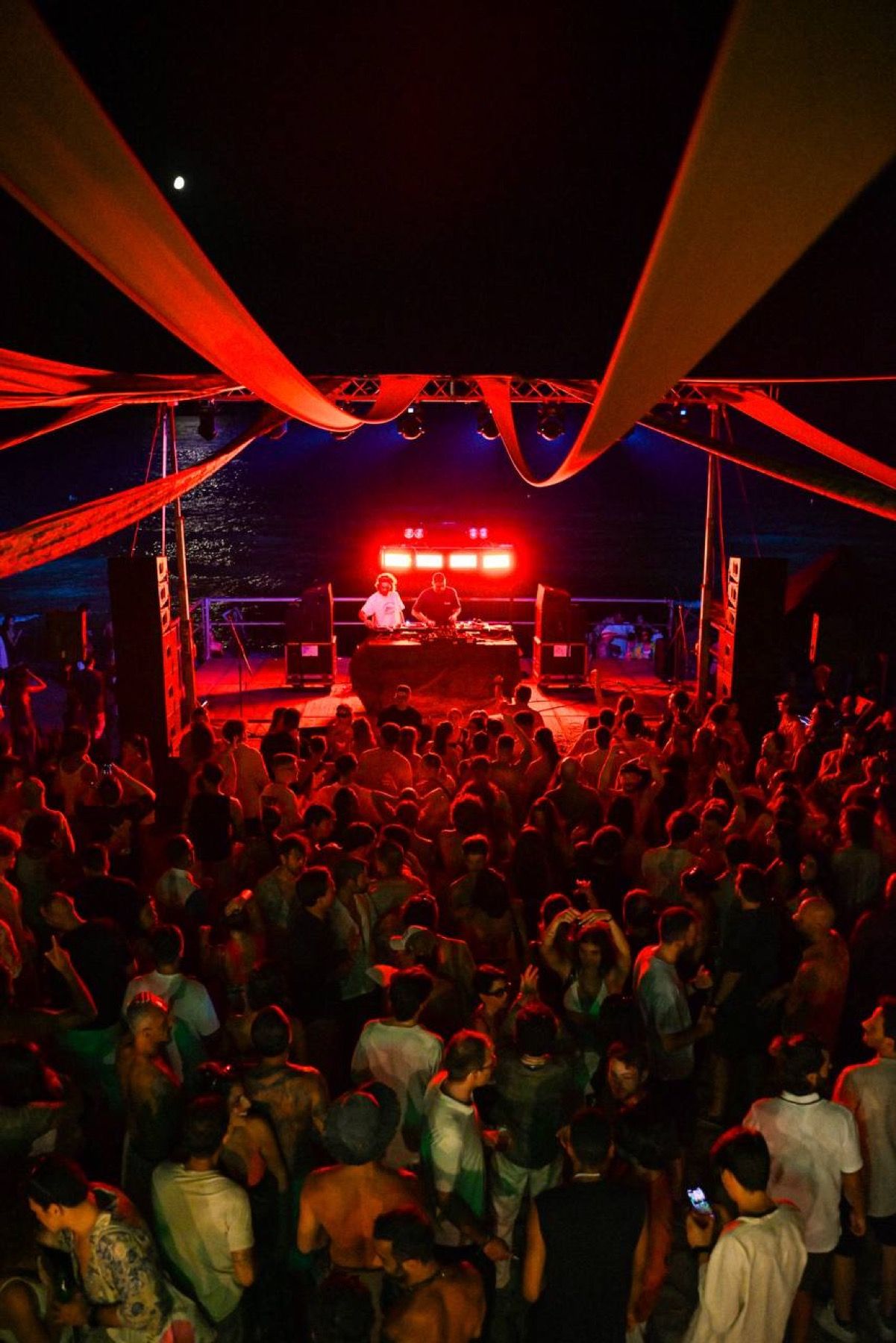
Looking ahead, what direction do you want to take Soul Express Collective?
Fabio: The direction is to increasingly strengthen the musical side. Label, catalog, artist development, and booking agency must become a solid system. The goal is to build a recognizable sonic identity even beyond events. We don’t want to be just a collective that organizes events, but a project that develops artists and supports them over time.
Merko: From a creative standpoint, the work is about removing, not adding. Becoming more defined, more recognizable. Soul Express must be instantly readable, even without a logo. Aesthetics, communication, visual direction: everything must speak the same language.
Cristiano: The challenge is structuring this growth without losing identity. We’ve gone from a spontaneous group to a collective of over 30 people, so we need to build a machine that is sustainable, replicable, and solid.
Fabio: Another key point is international development. We want to bring our sound and our artists abroad, creating real connections with other European contexts.
Merko: But without adapting. The idea is not to chase other markets, but to bring our vision into different contexts, maintaining coherence.
Cristiano: Exactly. Scaling, yes but without losing ourselves. Soul Express must grow as a platform, not as a replicated format.
Fabio: Looking ahead, we’re building a complete ecosystem: events, label, booking, content. All parts that feed into each other.
Merko: A project that doesn’t live only in the moment of the event, but has continuity.
Cristiano: And that can last over time.
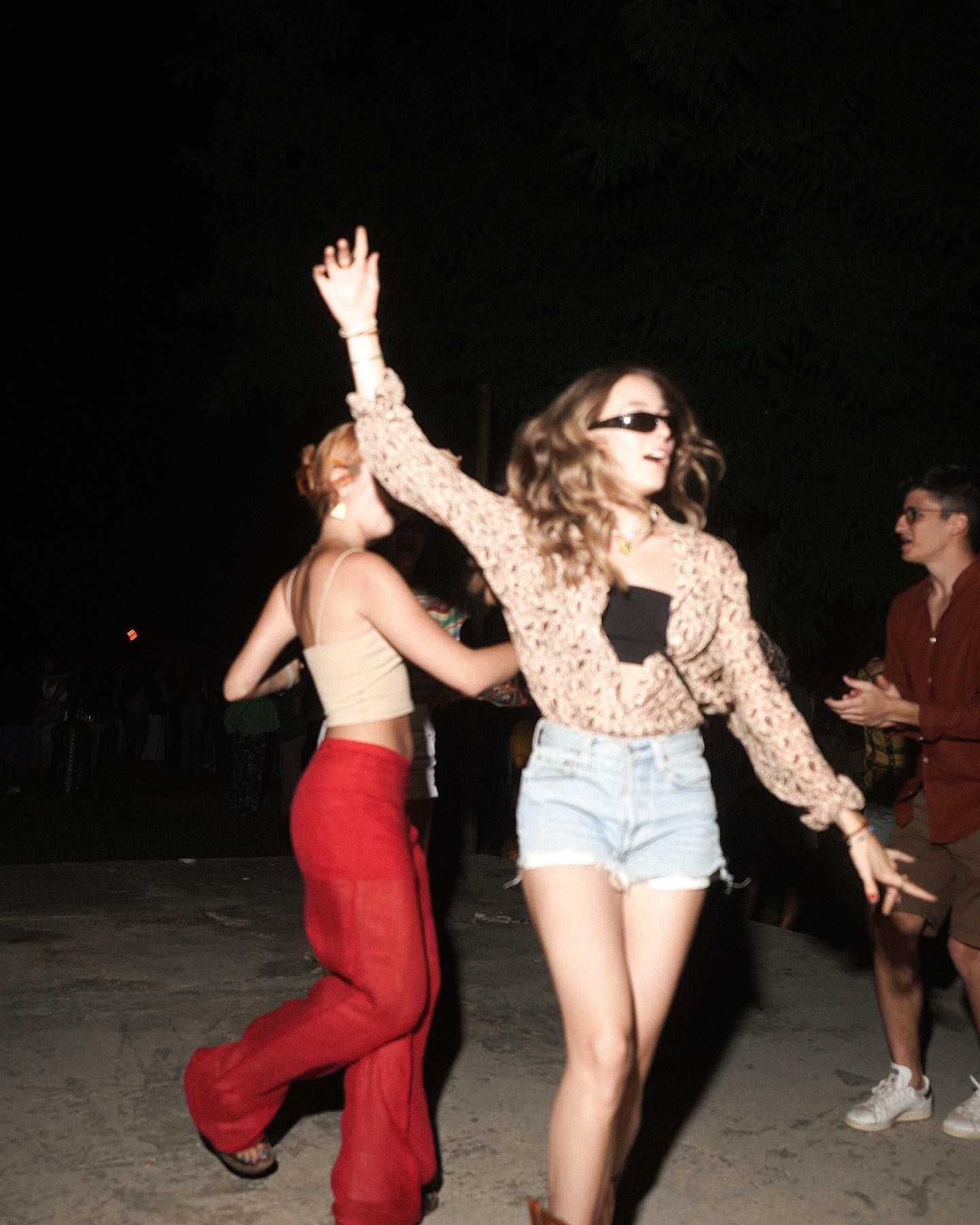
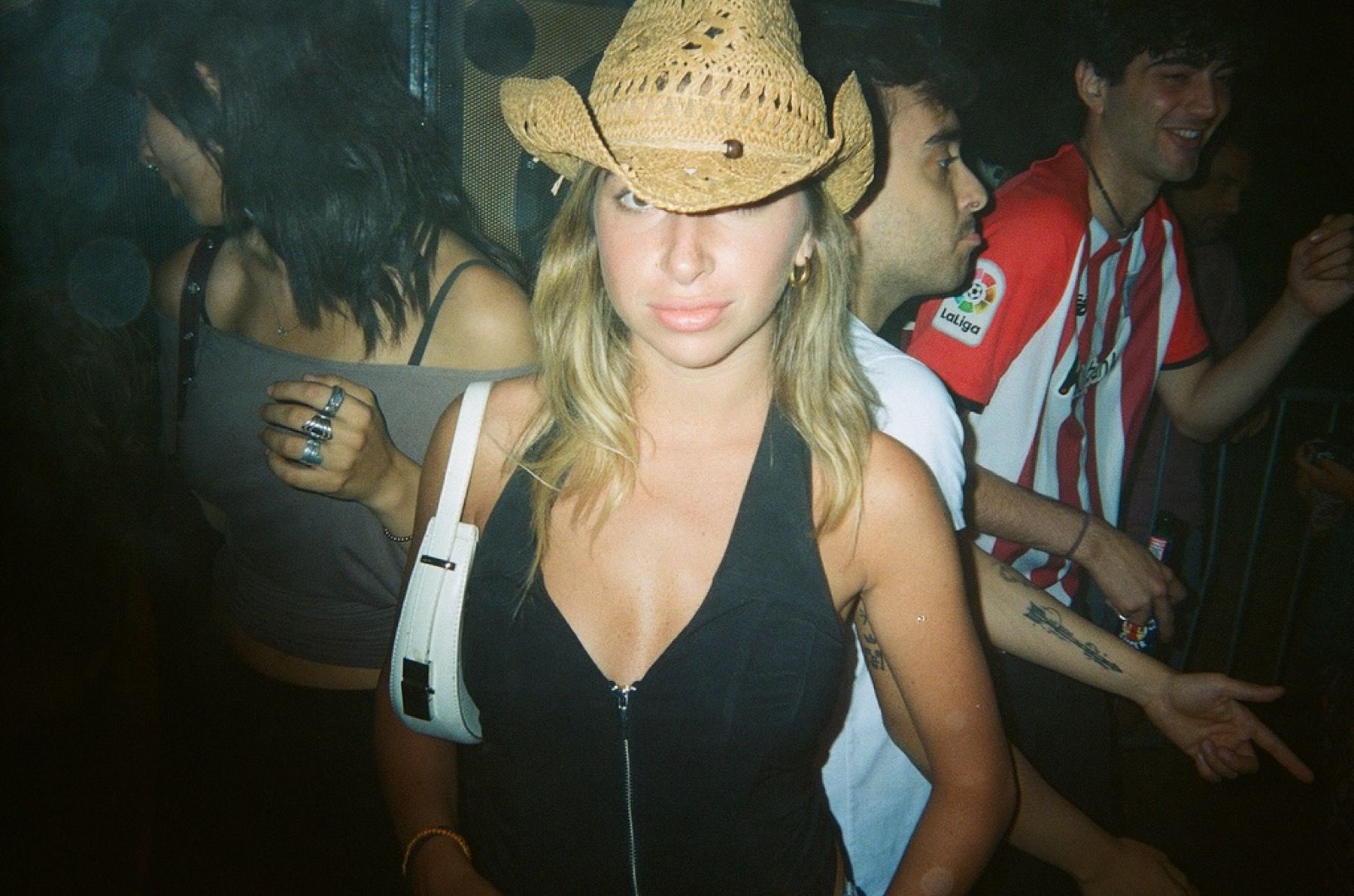
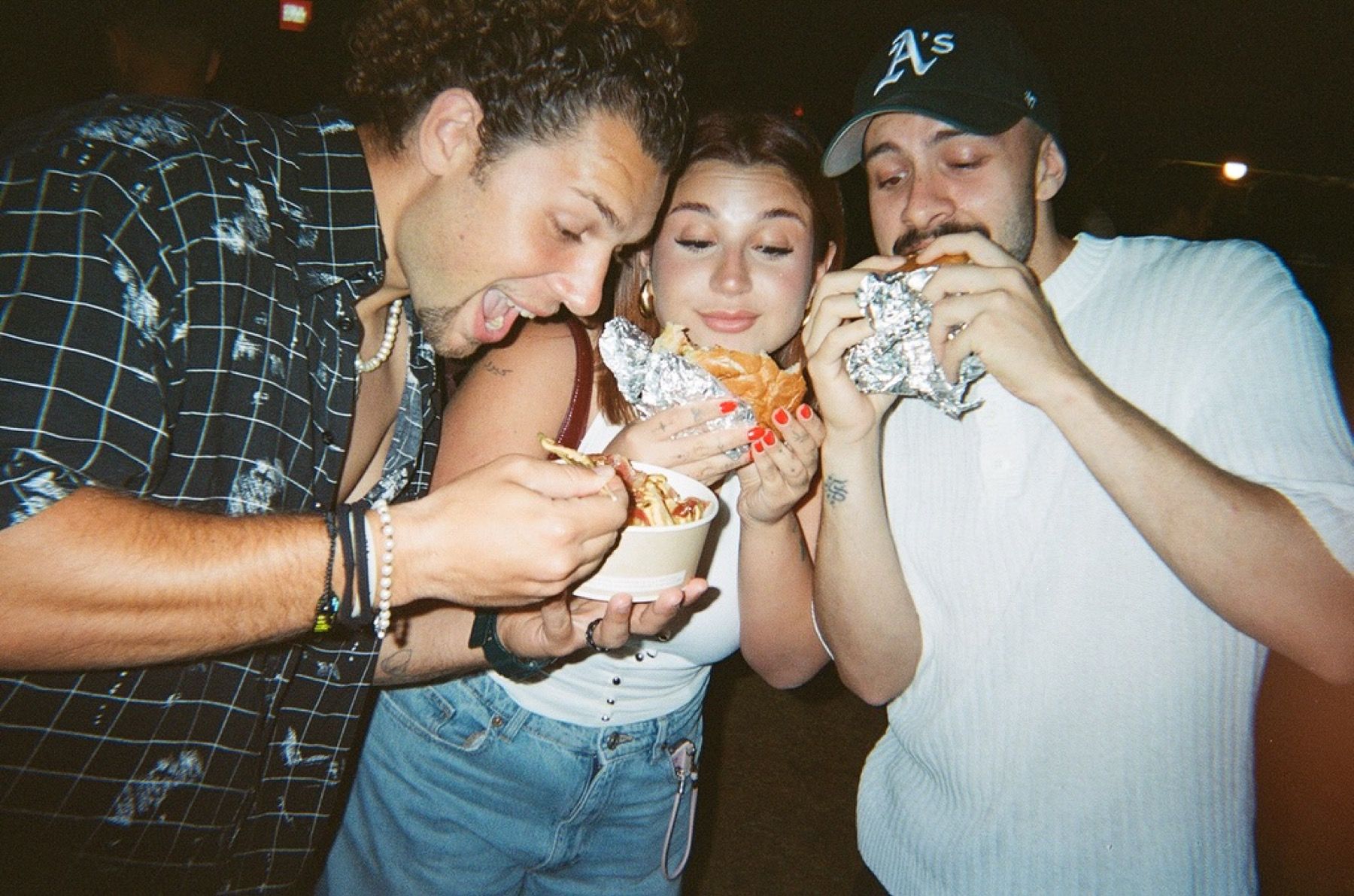
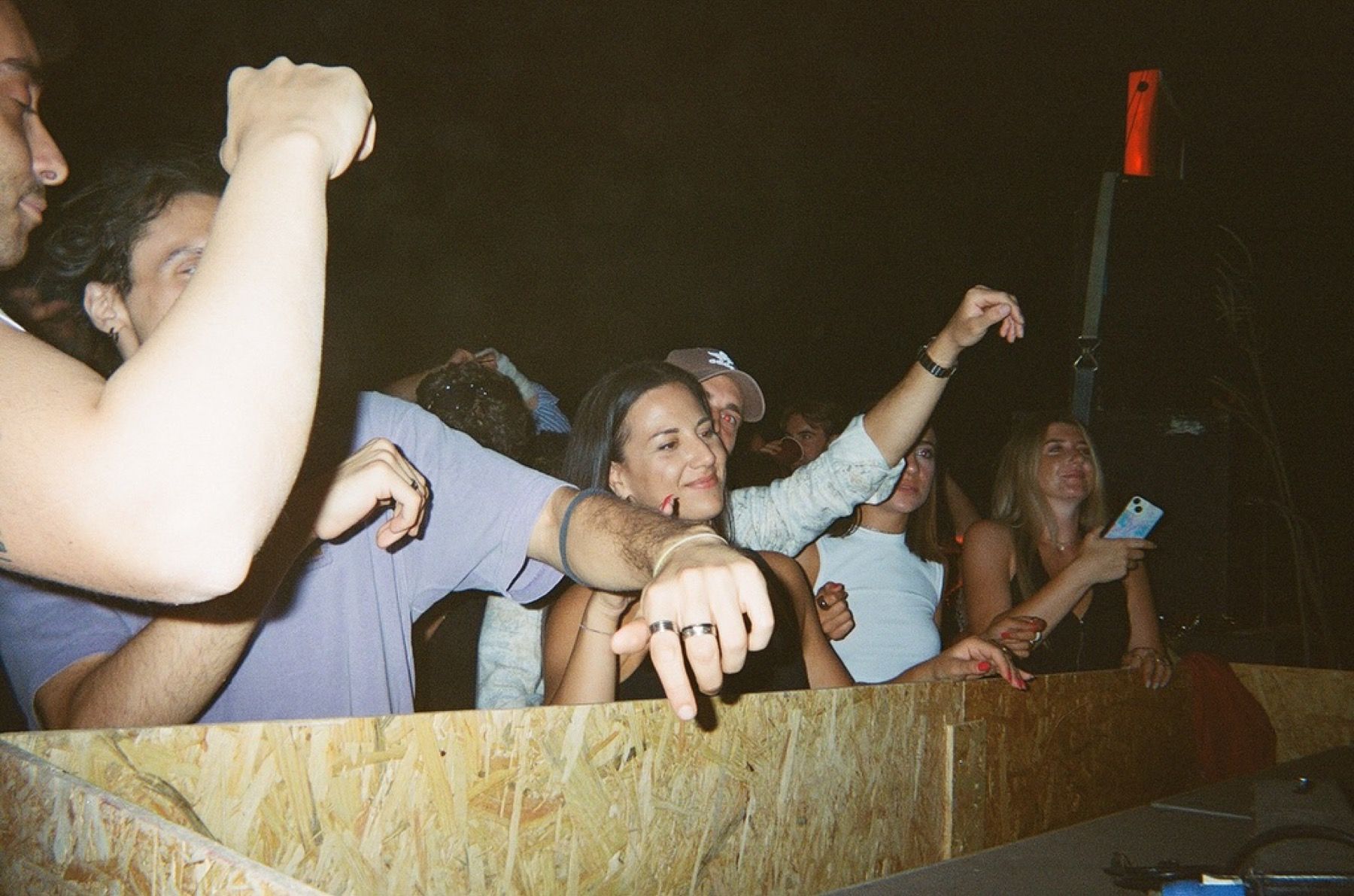

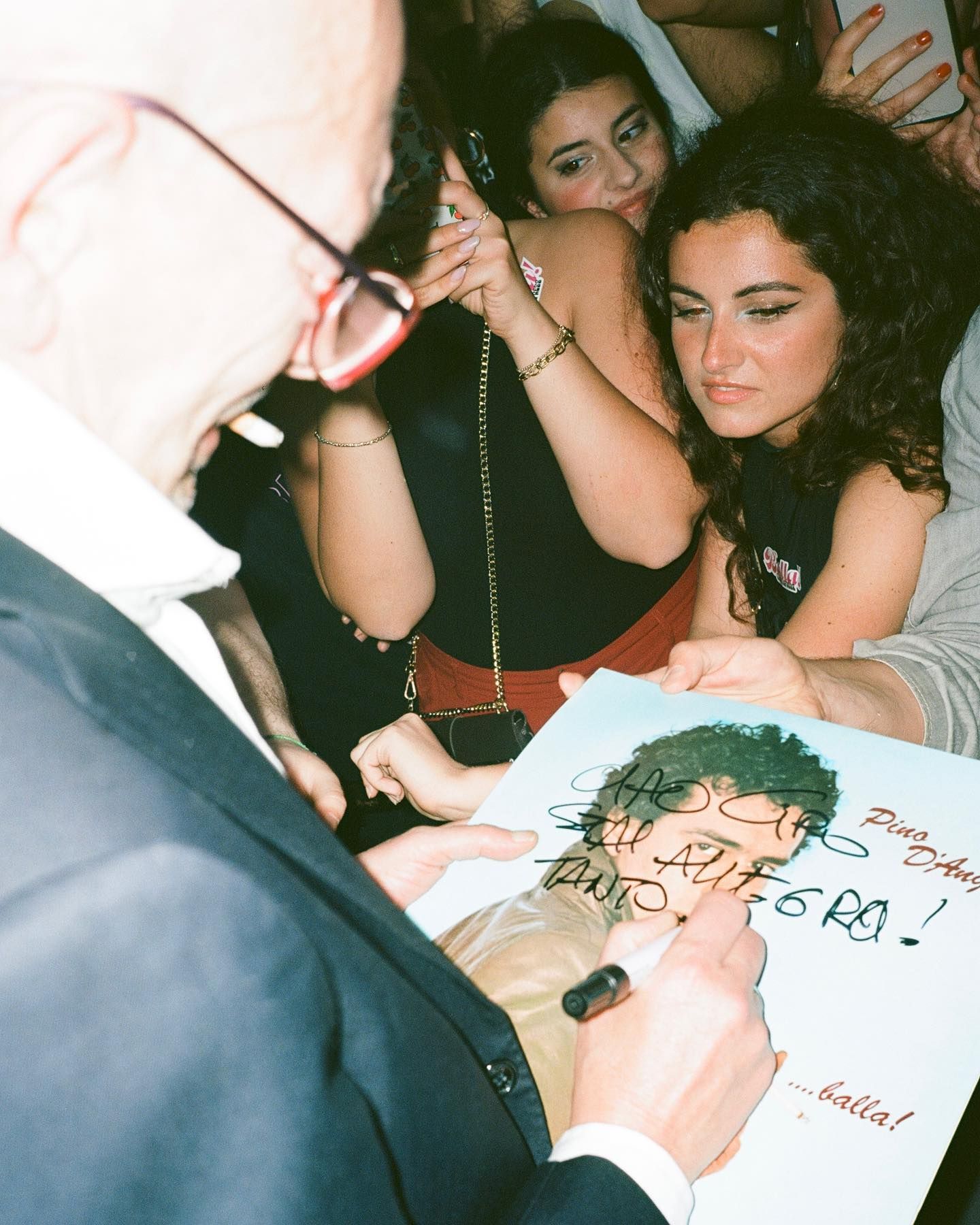
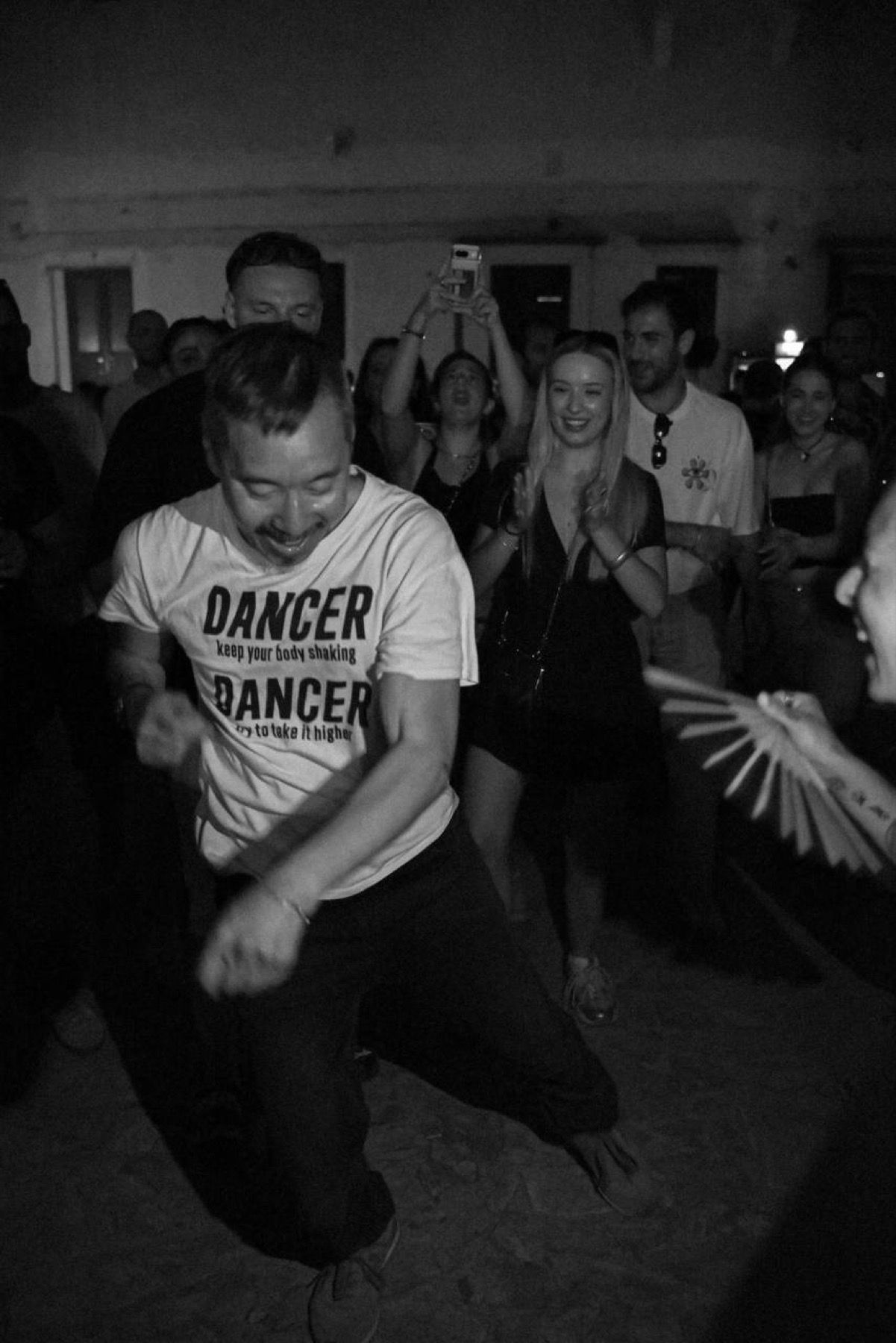
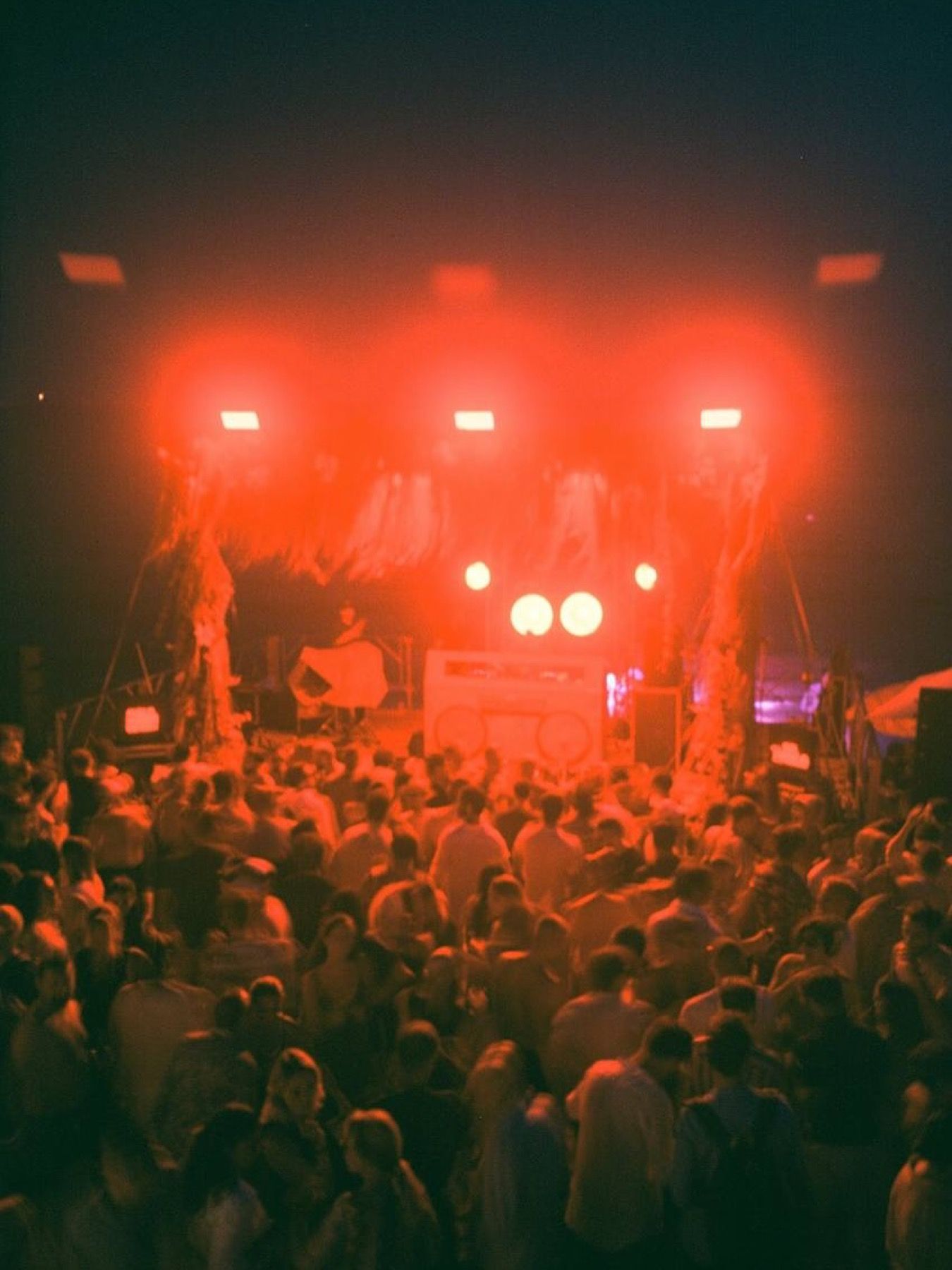

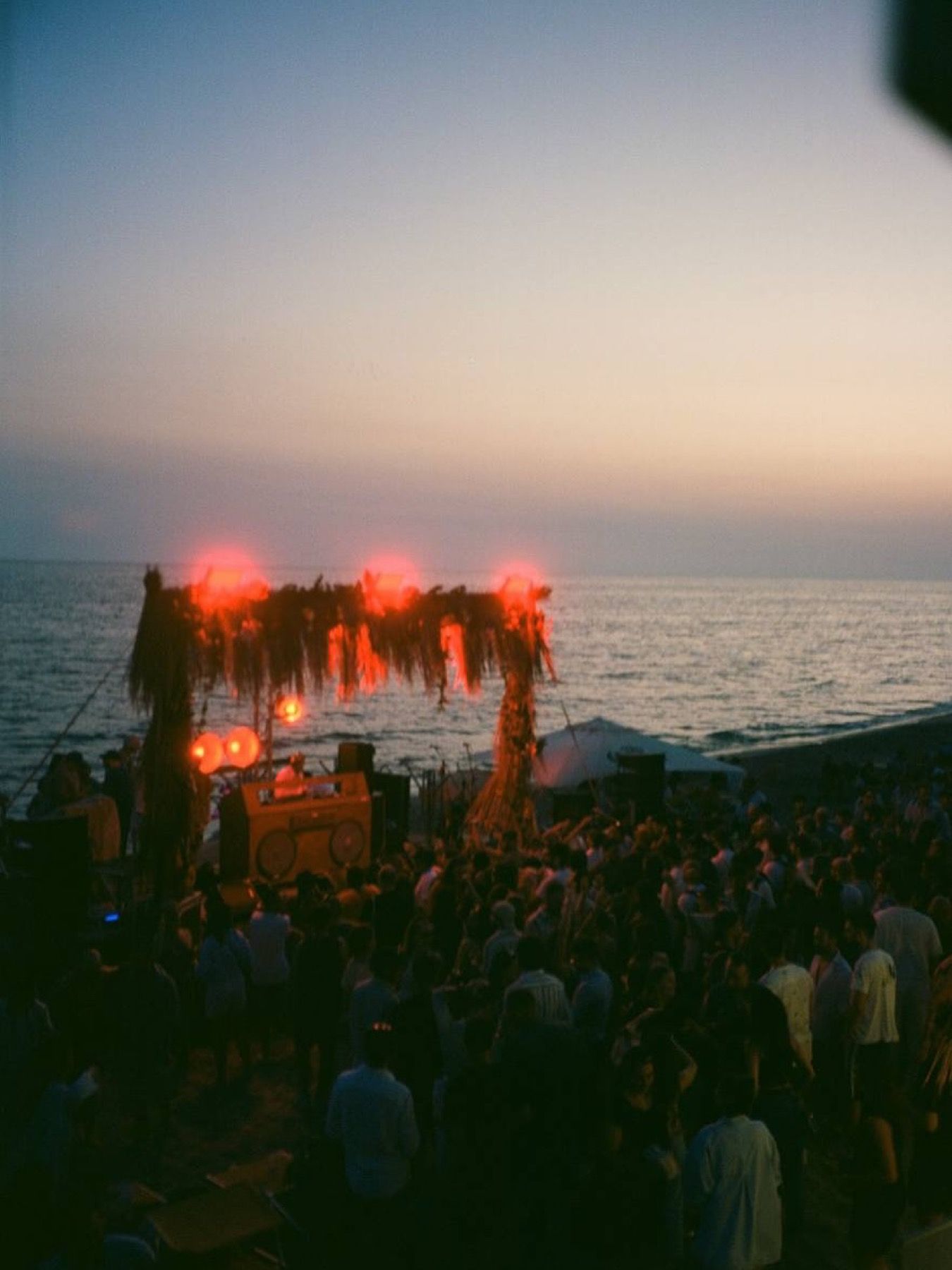
Tell us a unique anecdote
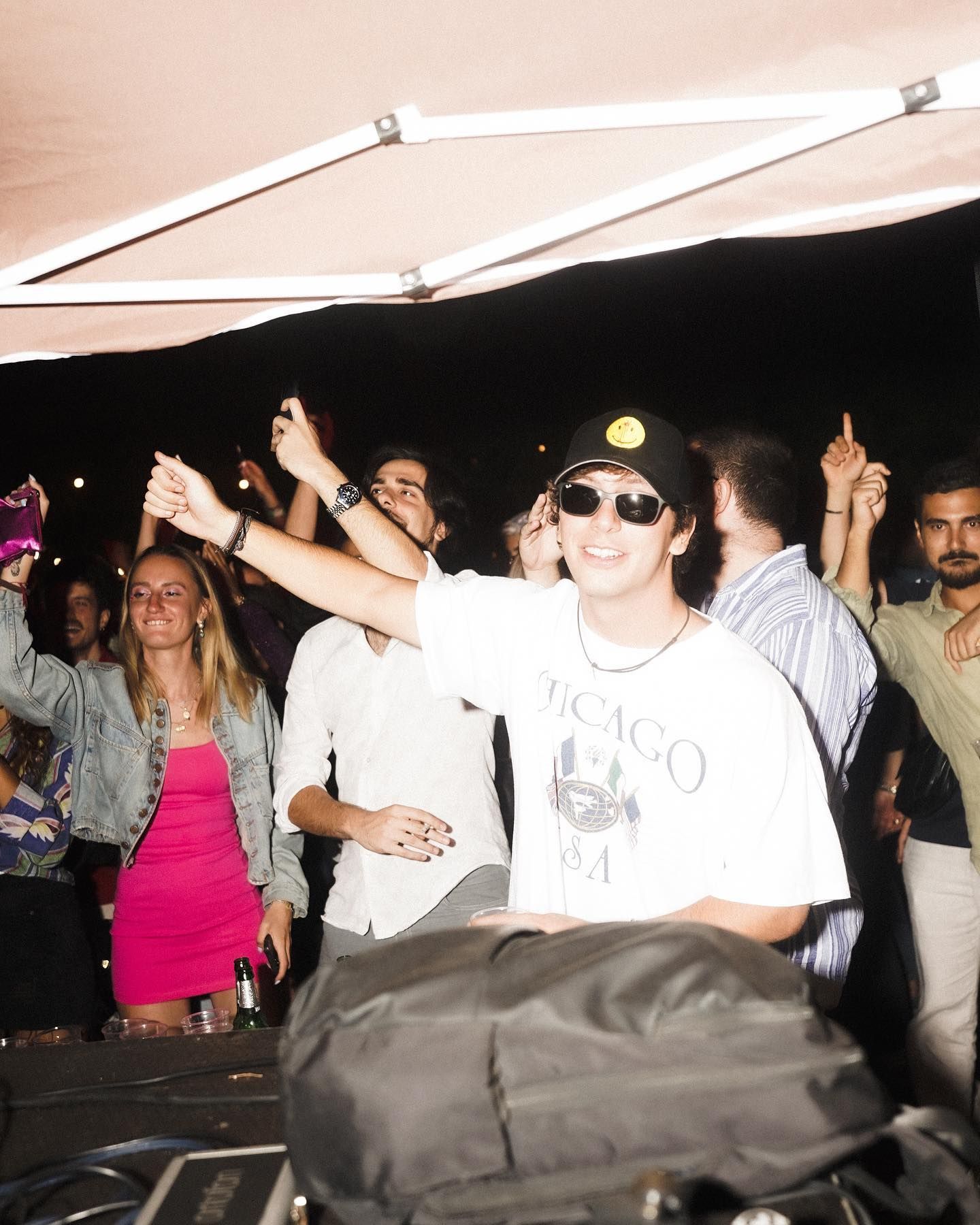
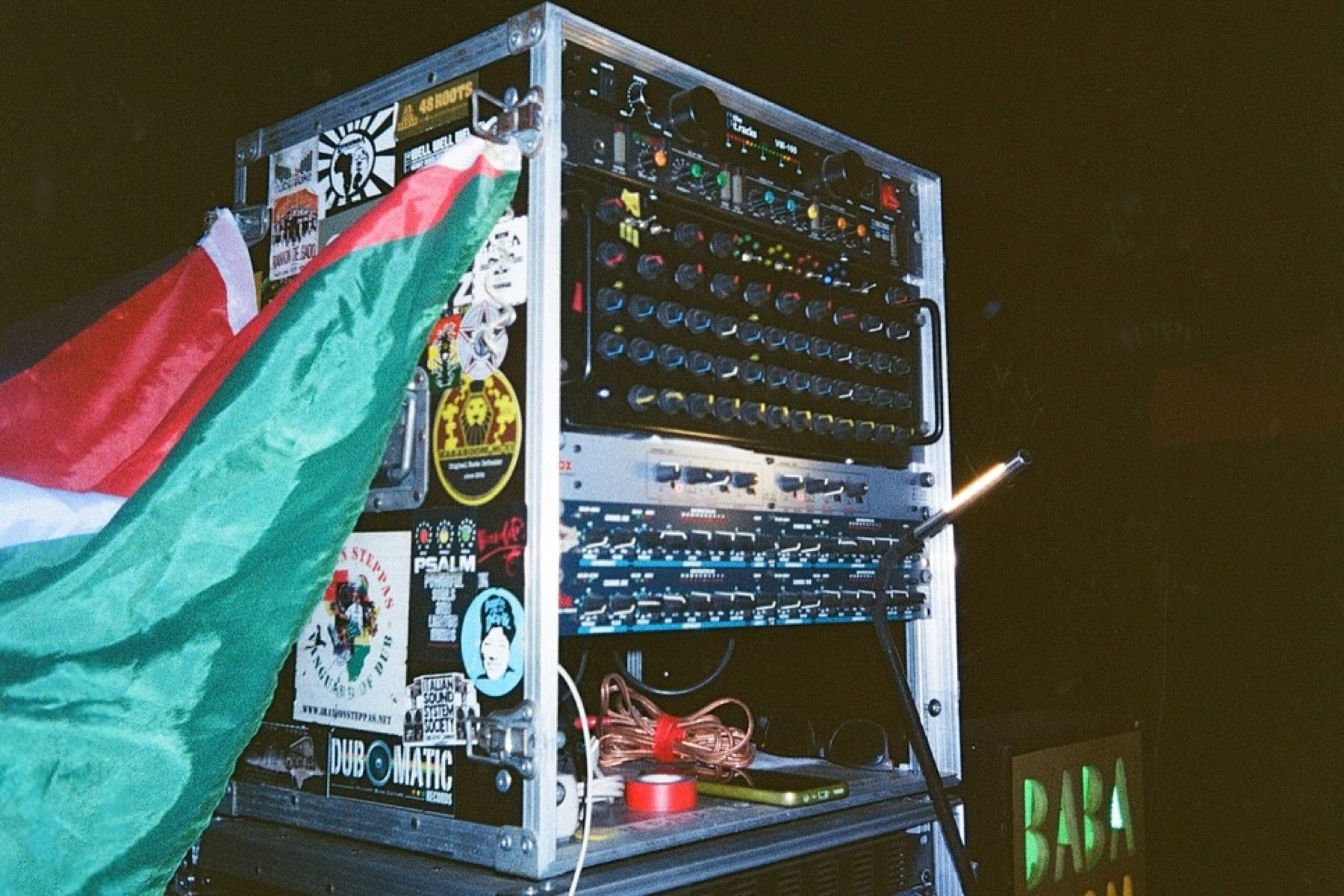
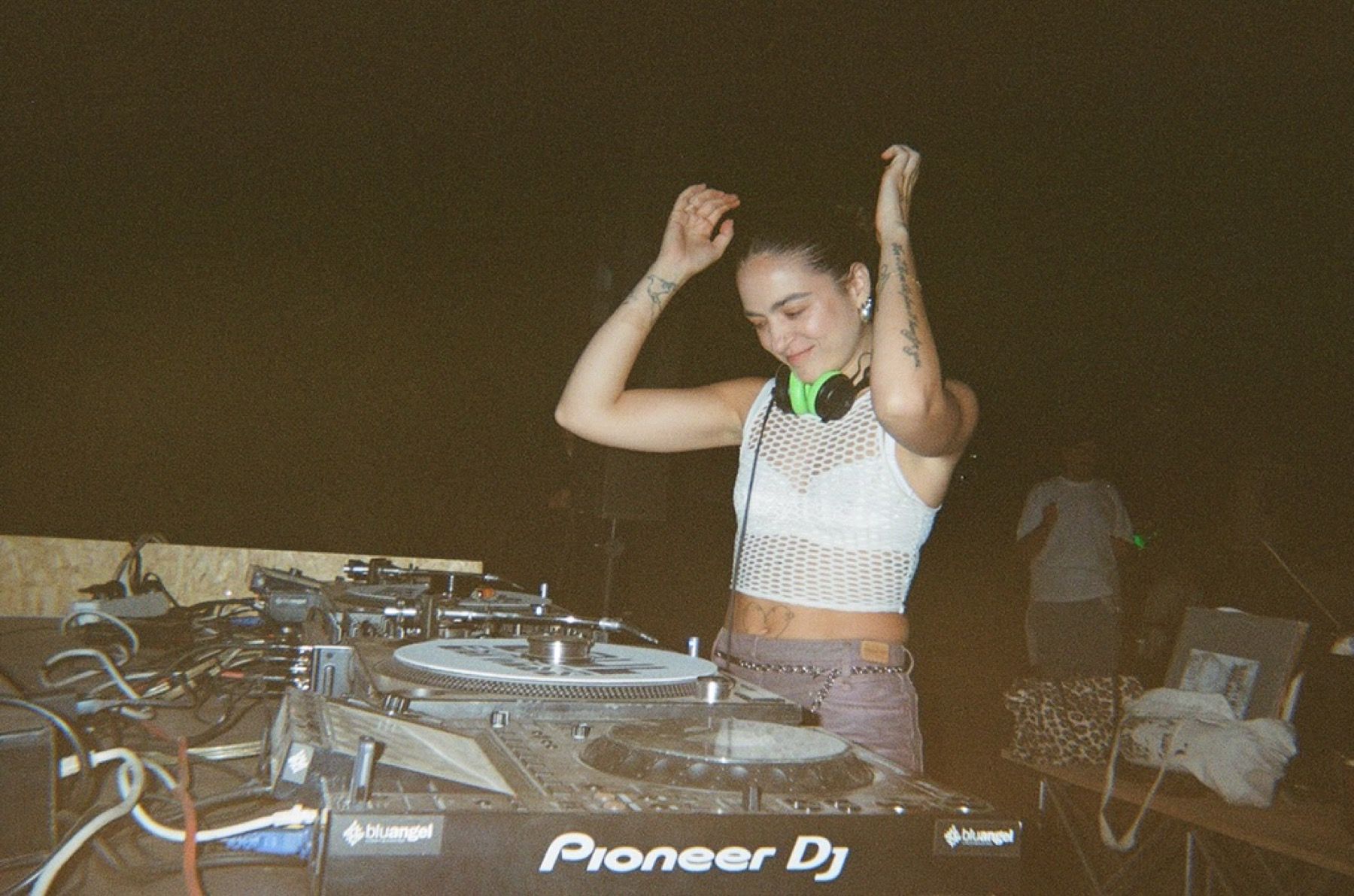
Fabio: During an event at Don Pablo, it suddenly started pouring right at the peak moment. We thought the dancefloor would empty within minutes. Instead, the opposite happened: people stayed. First with jackets, then we brought a cover to protect the console and people started helping us, holding it over the DJ while he kept playing. The music never stopped.
Merko: The most powerful thing wasn’t the rain, but the attitude. No one stepped back, on the contrary. It became an almost surreal situation where audience and organization were the same thing. There was no longer any distinction.
Cristiano: From a production perspective it was complicated, everything could have collapsed. Instead, it became one of the most successful moments. Everyone involved, everyone present, no one wanted to leave.
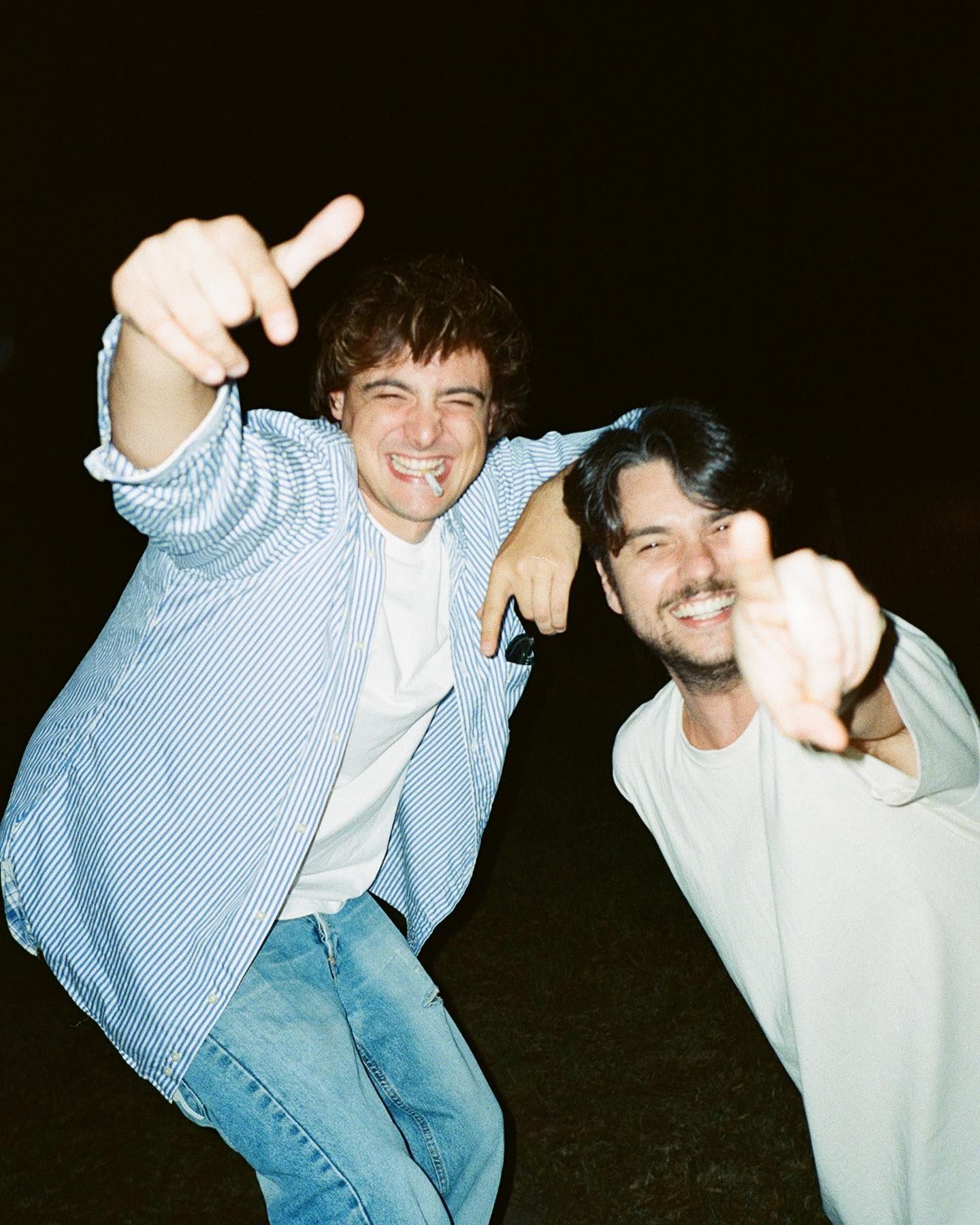
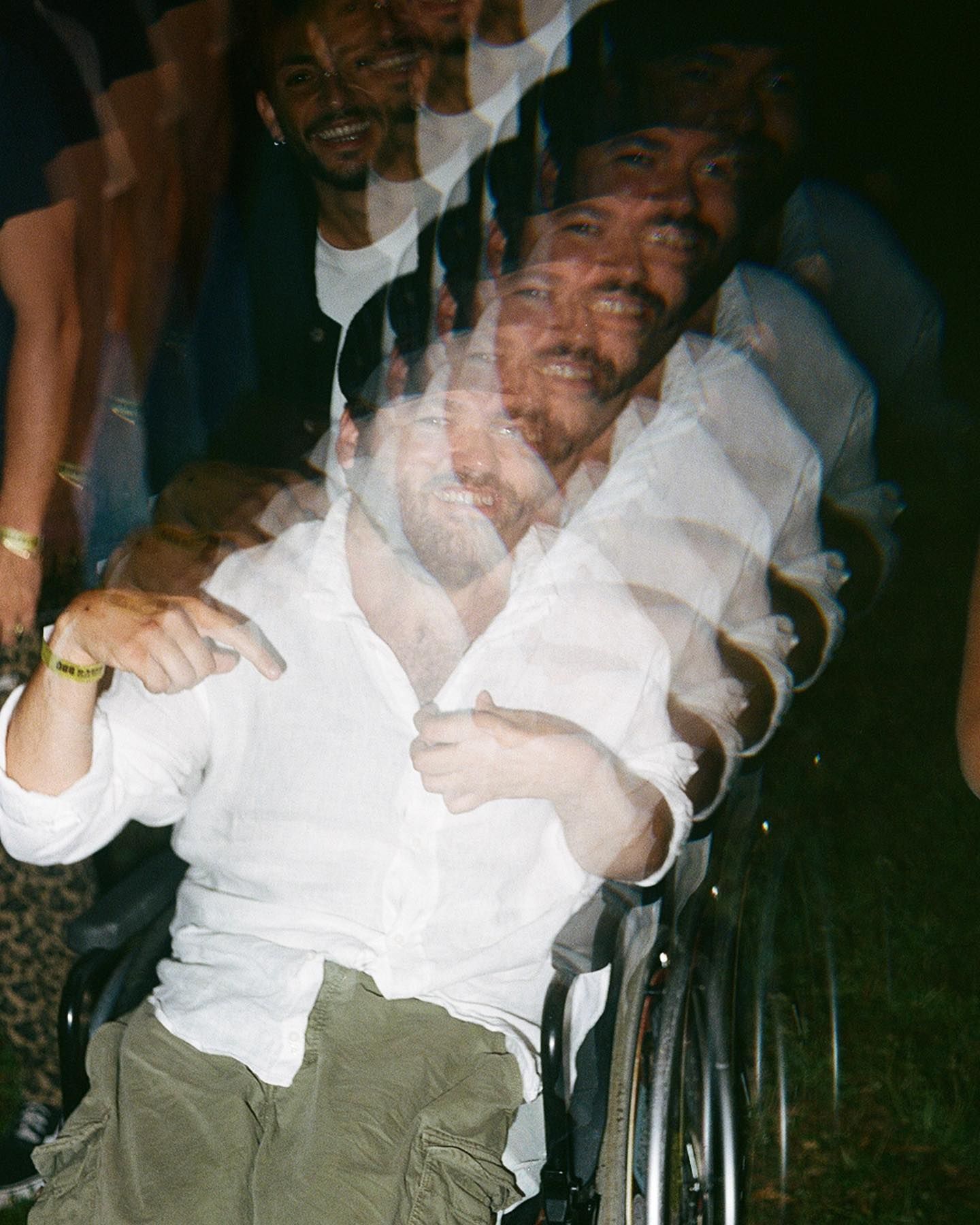
Fabio: That was the moment we truly understood what Soul Express is. It’s not just an event or a working collective, it’s a group of people who share something beyond that. At its core, it’s friends who build together and live the same experiences.
Within a natural setting, where nature is not mere scenery but an integral part of the experience, Soul Express reaffirms its position: it celebrates not only music, but also the network of cultural, artistic, and relational practices that have taken shape around it over the past ten years.