




















What really makes a fashion show’s casting really work? «The job of a good casting director is to help build a brand’s identity», an interview with Emma Farachi
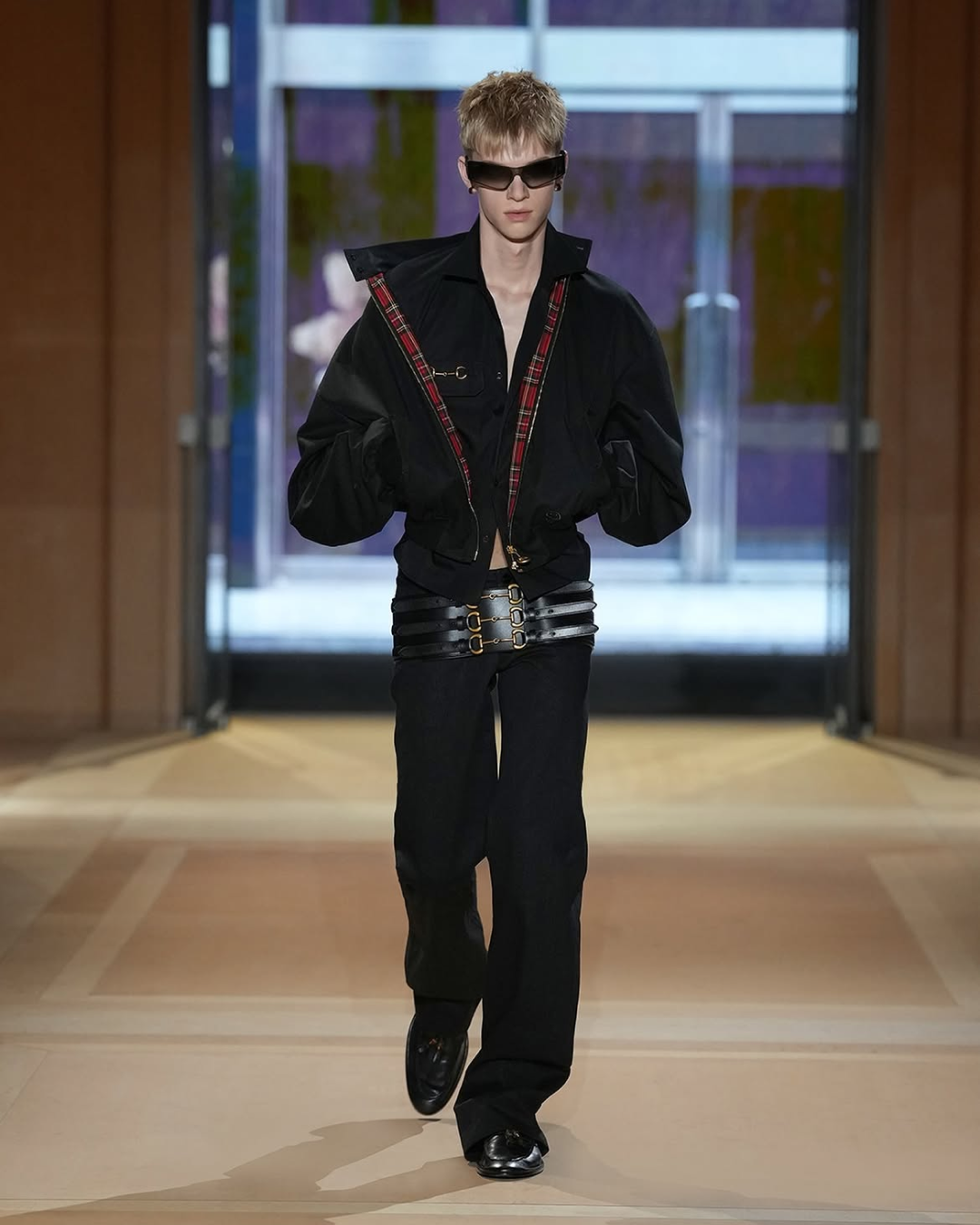
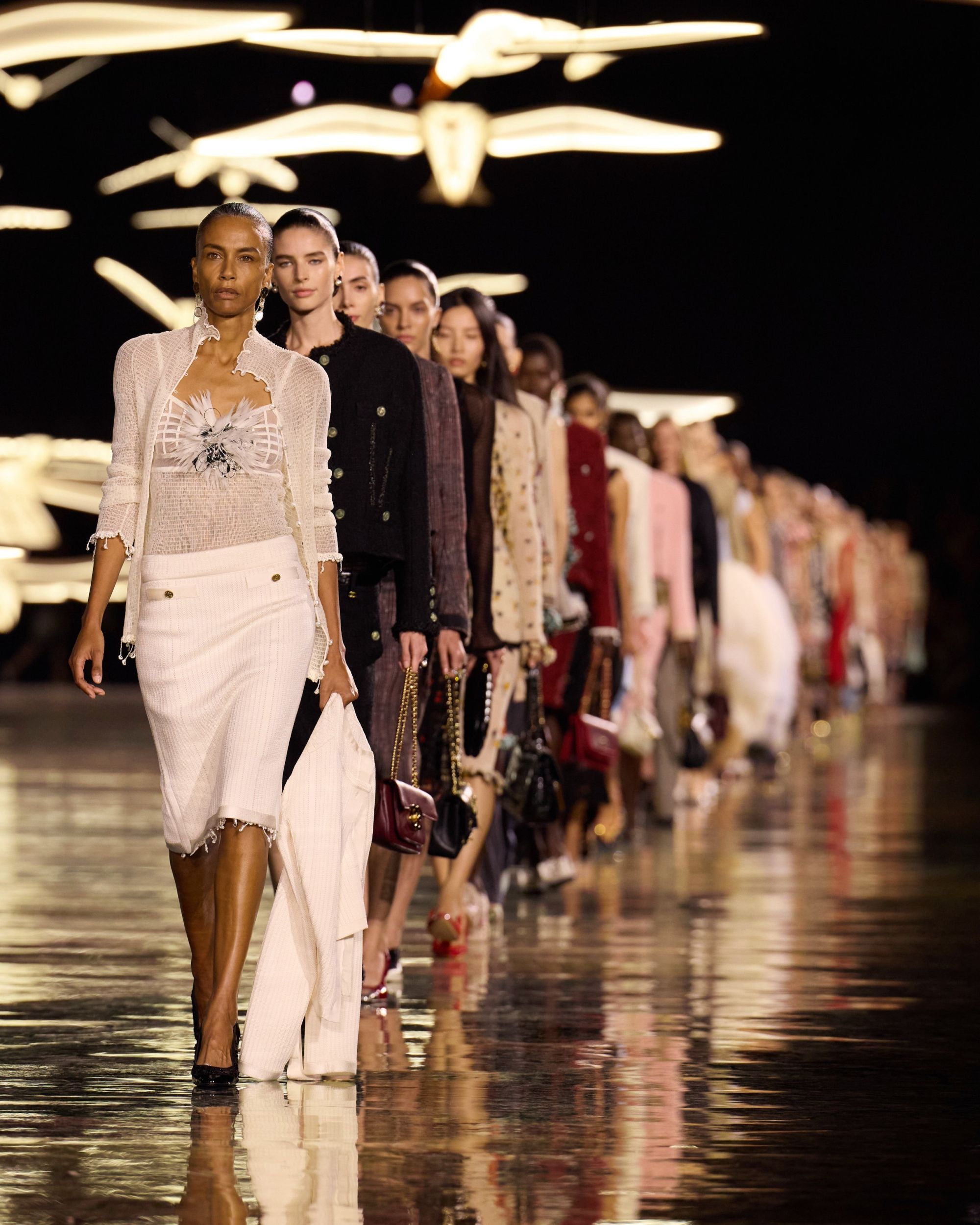
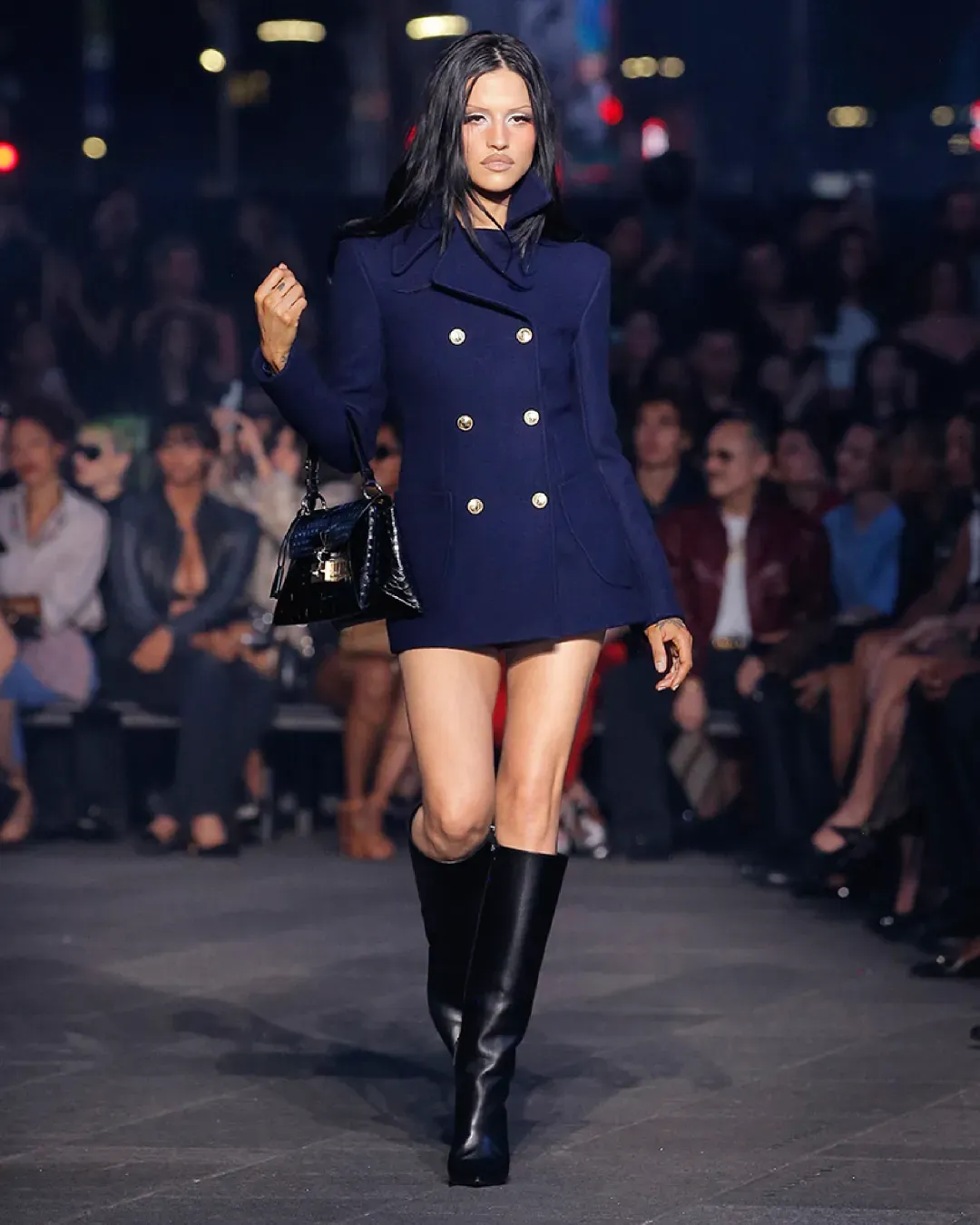
The models that a brand sends down the runway follow the same trend cycle that alternates from season to season in fashion. The faces chosen to present a new collection, whether well-known or not, must always reflect the identity of the brand they wear. That is why, when looking at the latest Gucci and Chanel Cruise 2027 shows, the differences in communication between the two brands were so evident: Gucci, under the creative direction of Demna, brought a star-studded cast to Times Square, featuring American icons such as Paris Hilton, Cindy Crawford, and Tom Brady; Chanel, in Biarritz with Matthieu Blazy, opted for a casting that included no celebrities at all.
Different choices, yet both deliberate and driven by precise strategies. Casting, just like styling, set design, or music, contributes to the artistic storytelling of any brand. This is why, in shows of this scale, the work of the casting director is central to the success of the event.
The universe of stars
@gucci On the runway in Times Square #GucciCore original sound - Gucci
«It’s definitely also a marketing strategy,» explains Emma Farachi, a freelance casting director who has long collaborated with brands such as Willy Chavarria, Jil Sander, and Ottolinger, regarding the choice by brands like Gucci to feature so many famous personalities on the runway. «The more recognizable faces you have walking, the greater the visibility of the show.» Not only that: Gucci chose to present its Cruise 2027 collection in Times Square, one of the most famous locations in the world and one of the squares most frequently represented in American films and TV series.
Since his very first project for Gucci (the film The Tiger, directed by Spike Jonze and starring Demi Moore and Edward Norton, among others), Demna has wanted to associate the brand with an ever-changing group of celebrities: in addition to top models such as Alex Consani, Kate Moss, and Amelia Gray, his latest shows have also included alternative personalities like Tom Brady, Fakemink, Nettspend, and even gallery owner and socialite Jeanne Greenberg Rohatyn.
In Demna’s Gucci universe, the standout star is undoubtedly Alex Consani, now considered more than just a top model thanks to her exuberant personality. «Today’s top models are partly models, partly talents, and Gabbriette and Alex Consani are the first examples of this trend on the runway,» says Farachi.
The casting director recalls that Consani has worked as a model for several years, but only became truly famous through social media, while Gabbriette transitioned from musician to content creator and from content creator to it-girl before walking for major Paris Fashion Week brands. «This is something specific to our generation: whereas models used to be more confined to the fashion world, social media has made the industry somewhat more democratic.»
The new face
The strategy adopted by Chanel on the runway is diametrically opposed to Gucci’s. Instead of featuring ’90s supermodels, international stars, rappers, and athletes, the French maison is betting on novelty, assigning Matthieu Blazy’s new designs to faces of all ages, yet equally fresh.
This is the case of Bhavitha Mandava, a girl discovered by chance by an agent on the New York subway who, within a matter of months, found herself not only opening a Chanel show (the Métiers d’art 2026), but also attending the Met Gala as a brand ambassador. «Whereas until two years ago there was a shared desire among casting directors and brands to include familiar faces in runway shows, recently the opposite trend has emerged,» explains Farachi: «it has become a real race to discover the New Face of the season first: everyone wants a model no one has ever seen before to open their show.»
This is not the first time it has happened: in the early 2000s, after the era of great supermodels like Naomi Campbell, Cindy Crawford, and Claudia Schiffer, followed by the popularity of Kate Moss and Carla Bruni, it was Prada that changed casting trends by removing major personalities from its runways. The brand began choosing a new generation of models from Eastern Europe, similar to one another and therefore perfect for keeping attention focused on the clothes they were wearing. Within a few seasons, names like Sasha Pivovarova, Natalia Vodianova, and Natasha Poly shook the entire fashion industry. Shortly after, other brands also began adopting the same type of casting.
As Emma Farachi points out, the race to discover the New Face on the runway has both pros and cons. On one hand, it gives emerging models the «15 minutes of fame» capable of transforming their careers; on the other, the constant search for novelty complicates their professional growth. «After debuting with one brand, a model often ends up appearing on every runway, in every campaign, and in every magazine for a couple of seasons, before attention shifts to the next one. The turnover is so fast that sometimes models debut, work for two seasons, and are never called again.»
Spotlight on the product
While Gucci is working to relaunch the maison with major media investments (Cathy Horyn reported for The Cut that the budget for this Cruise show was around $10 million), there are still those who prefer to focus on their productions rather than on star-studded casting and magnetic locations.
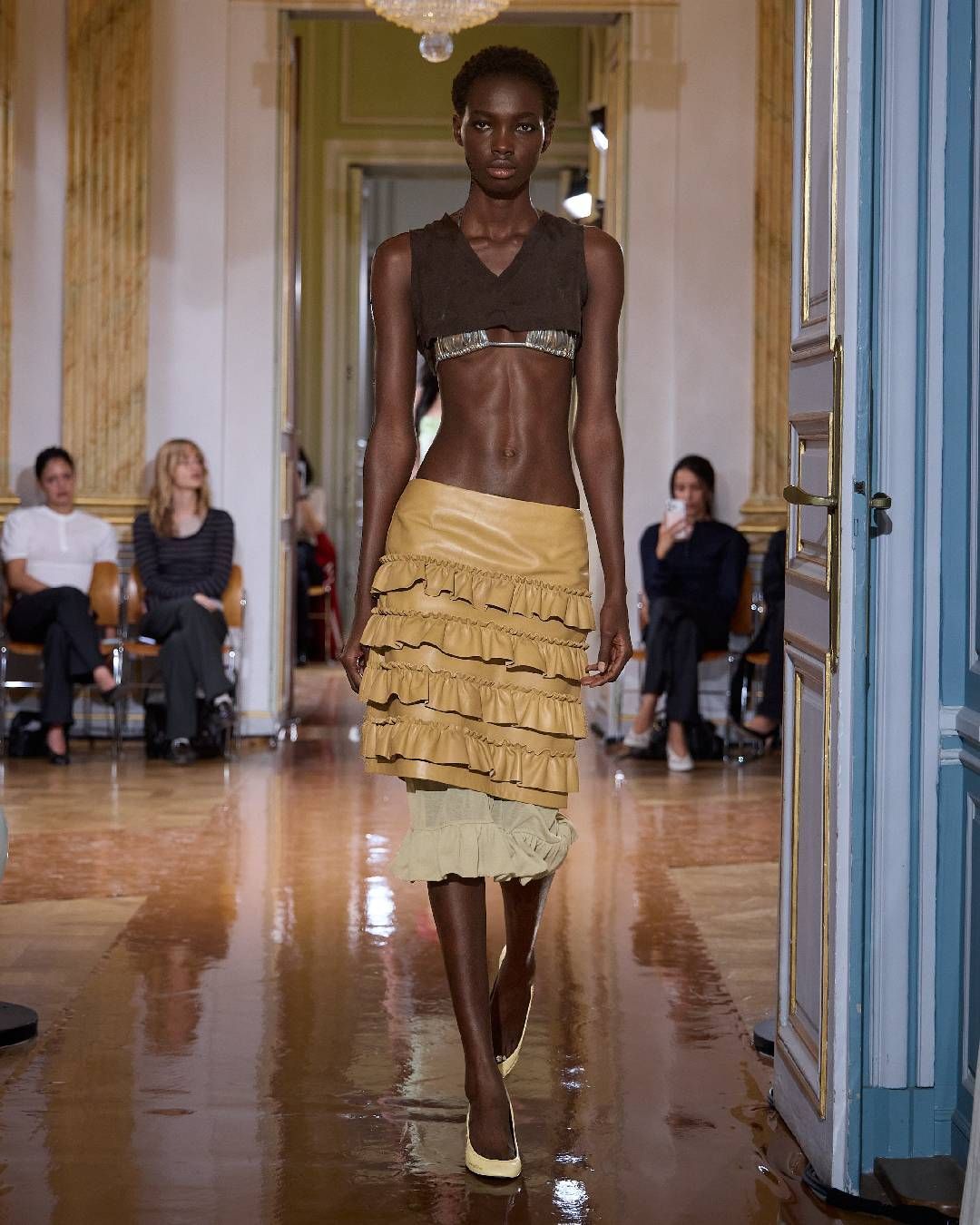
«Some brands prefer to focus their attention solely on the product,» adds the casting director, noting how this dynamic often also reflects the level of privacy maintained by the respective designers and creative directors - as in the case of the Olsen sisters for The Row. As for Demna, who over the years has cultivated a fanbase that continues to grow thanks to his consistently disruptive approach, the dramatic nature of his shows has always translated into his casting choices. Even at Balenciaga, the creative director often worked with unconventional faces - such as artist Eliza Douglas, who appeared in almost every show for the brand - and with models traditionally considered “less beautiful” by market standards.
Casting as a political choice
Just as much as it is a matter of communication, runway casting can also be political, with shows such as Willy Chavarria’s SS26 or Miu Miu’s FW25 demonstrating its impact. Last June, before presenting his new collection in Paris, Chavarria sent thirty-five men dressed in white and with their hands behind their backs down the runway as a demonstration of solidarity with the South American community, which over the past twelve months has been targeted by U.S. ICE forces. «It’s beautiful that fashion can still be a vehicle for messages greater than the clothes themselves,» comments Farachi, who worked on the casting for the show.
Last year, Miuccia Prada created a collection for Miu Miu that questioned the concept of femininity by taking archetypes from the traditional womenswear wardrobe (pencil skirts, bras, and fur shawls) and exaggerating them. The casting, in turn, included as many different women as possible, including several transgender models.
In short, whether it’s about involving dozens of celebrities, discovering the new face of the season, or shaping a political performance, the role of the casting director is to «help give identity to a brand.»