




























Will speedwatching at the movies be a lasting trend? Watching a time-lapse video is still considered a controversial practice, even though it is becoming increasingly accepted
When Netflix introduced the option to watch movies and TV series at increased speed, many directors and film industry professionals criticized the decision, arguing that it altered the pacing of individual works, originally intended by their respective creators. Although there is no official data on the use of this feature among Netflix users, it is believed to still be relatively uncommon on the platform and among viewers in general.
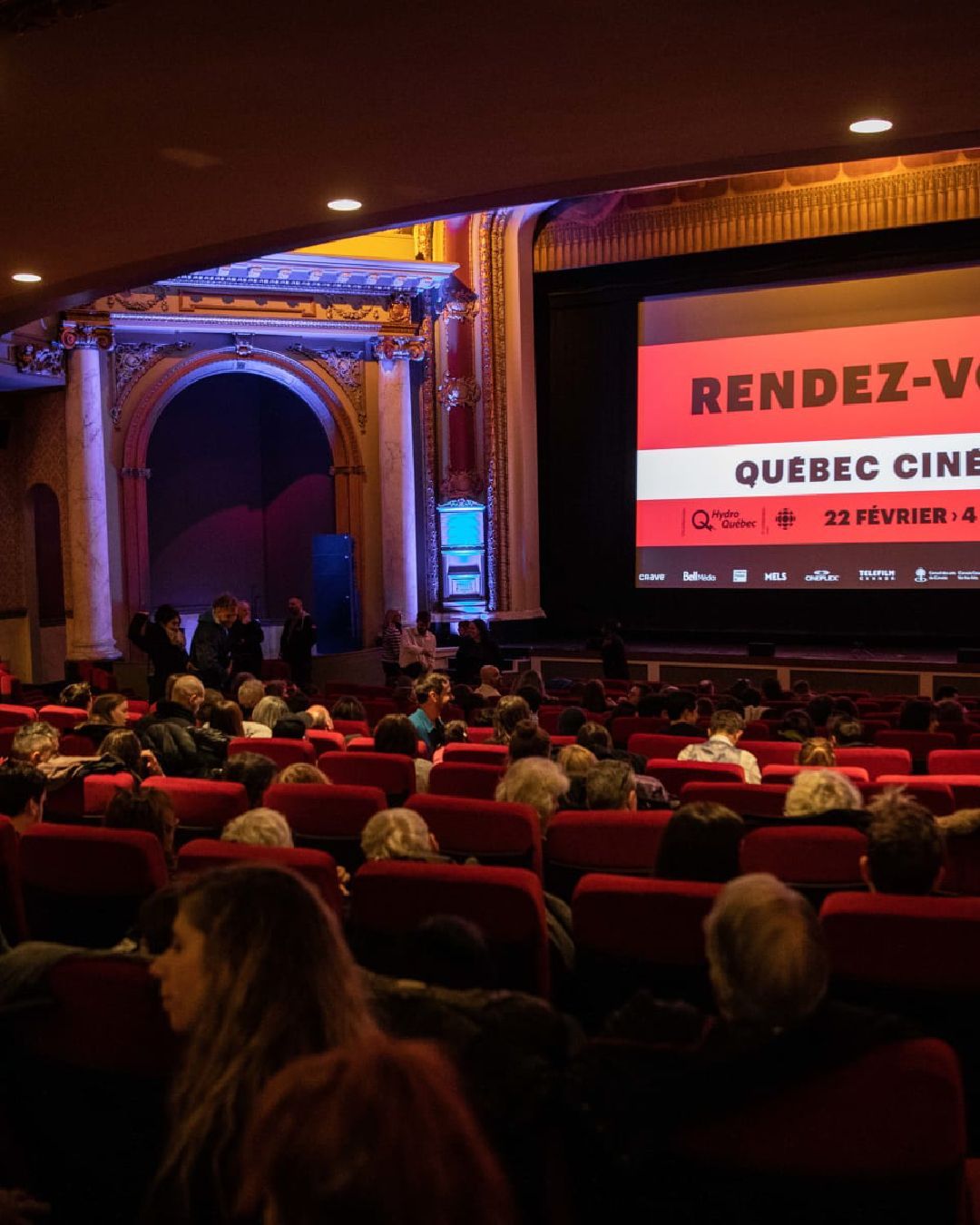
However, in recent days the Rendez-vous Québec Cinéma festival in Montreal decided to experiment with this mode in movie theaters as well. The film Amour apocalypse, by Canadian director Anne Émond, was screened at 1.5x speed, reducing its runtime from around one hundred minutes to just over an hour. The initiative was part of a special section dedicated specifically to sped-up films.
The goal of the festival was to observe the audience’s reaction to a film shown at a different speed from the original, in light of the new viewing habits of a portion of viewers, especially younger audiences, who are increasingly accustomed to consuming accelerated content on social networks and beyond.
The criticisms of speedwatching in movie theaters
@frame0_ Un film diffusé en vitesse x1,5 au cinéma ?! En vrai bien vu l’idée @Québec Cinéma #festival #streaming #cinema #quebec #amourapocalypse son original - Frame
The initiative by Rendez-vous Québec Cinéma sparked some controversy, especially among those who consider cinema an artistic expression that as such does not deserve to be treated like just any content to consume quickly. For many critics, in short, speeding up a movie cannot be compared to accelerating other audiovisual content, such as a video tutorial: in cinema, in fact, rhythm, pauses, and scene duration all contribute together with other factors to defining the work itself, influencing audience engagement. Altering these elements therefore means changing the experience imagined by the director.
In recent years, there has also been frequent discussion about the risk that cultural and artistic works may increasingly be perceived as products to optimize and consume quickly, losing part of their expressive value. The fact remains that even among people accustomed to listening to audiobooks and podcasts at increased speed, there is still a certain skepticism toward the idea of doing the same with movies and TV series.
Experts are also questioning the possible cognitive consequences of these habits. According to some, more or less continuous exposure to accelerated content could affect some users’ attention span and their ability to maintain high levels of concentration over long periods, especially among younger people. At the moment, however, there are still not enough studies to establish any effects with certainty, partly because this is a relatively recent phenomenon.
How did speedwatching spread?
Among the first major platforms to make playback speed control common was YouTube, which integrated this option into its video players more than ten years ago. Over time, this feature became standard for a significant portion of users, who today no longer find it unusual to increase the speed of an audiovisual content. Later, the same mechanism was adopted by listening-related services, such as those dedicated to podcasts and audiobooks. In these cases, the possibility to speed up listening was incorporated almost immediately into the offering, helping to consolidate its use.
At the same time, the practice also spread to social networks, particularly TikTok, where manipulating the speed of tracks became a creative tool for adapting songs to short videos. This also had effects on the music industry: some songs from the past became popular again specifically in sped-up versions, to the point that part of the younger audience mainly knows them in that form. Overall, all of this has contributed to making the idea of modifying the playback speed of audio and video content increasingly natural.
What to read next
5 trends that Trainspotting anticipated Back in 1996
There is much more to the film than the famous Helmut Lang tank top
Andrew Scott gives the best performance of his career in "Elsinore"
Simon Stone's film tells the true story of actor Ian Charleson and his production of "Hamlet"
"Il rumore delle cose" by Paolo Genovese opens the 2026 Rome Film Festival
The film, adapted from Genovese's novel of the same name, is nonetheless the usual Italian drama