

































What happens when Shein acquires a sustainable brand? Everlane's recent sale to a Chinese ultra-fast fashion company exposes all the flaws in the fashion industry
Everlane was born in Obama-era San Francisco back in 2011. Those were the years of girlboss culture, Millennial optimism and a Silicon Valley filled with startups promising to improve the planet through technology and more ethical business models – not yet the den of evil spirits it often feels like today. In many ways, Everlane embodied the peak of that era, which now feels incredibly distant. The brand was founded with the idea of bringing sustainable fashion to the masses through transparent pricing, controlled production and an almost educational approach to consumer communication. That is why the news of its sale to Chinese ultra-fast fashion giant Shein for around $100 million sounds like the perfect oxymoron. More importantly, though, it raises a much bigger question: what went wrong?
Everlane’s sale to Shein
@rsbrownfield you had us all fooled @Everlane @SHEIN #rachreceipts #fashion #shopping #opinion #hottake Censor Beep Bleep (Version 3) [TV Television Censorship Bleep Out Censored] [Sound Effect] - Finnolia Sound Effects
According to Business of Fashion, Everlane’s board approved the sale of the brand to Shein over the weekend. The deal reportedly values the company at around $100 million, with the sale largely driven by the company’s increasingly difficult financial situation. As reported by Puck, the outlet that first broke the news, Everlane had spent months searching for new investors to cover roughly $90 million in debt accumulated through loans and credit lines. L Catterton, the investment fund that acquired a stake in the company in 2020, was reportedly willing to reinvest in the business only if new partners joined the deal, while also remaining open to a complete sale.
It seems that after the pandemic, the brand was never really able to find a clear direction again, partly because of the departure of founder Michael Preysman and Alexandra Spunt, one of the key figures behind the brand’s original communication strategy. Subsequent attempts to reposition Everlane toward a more Gen Z-oriented aesthetic, rather than its original Millennial identity, never truly worked, as also highlighted by Vogue Business.
Is Shein trying to build a new fashion conglomerate?
Decades from now, hipsters will scour thrift stores to find "pre-Shein" Everlane pieces https://t.co/6uYpuBc1o4
— neha (@nehajewalikar) May 18, 2026
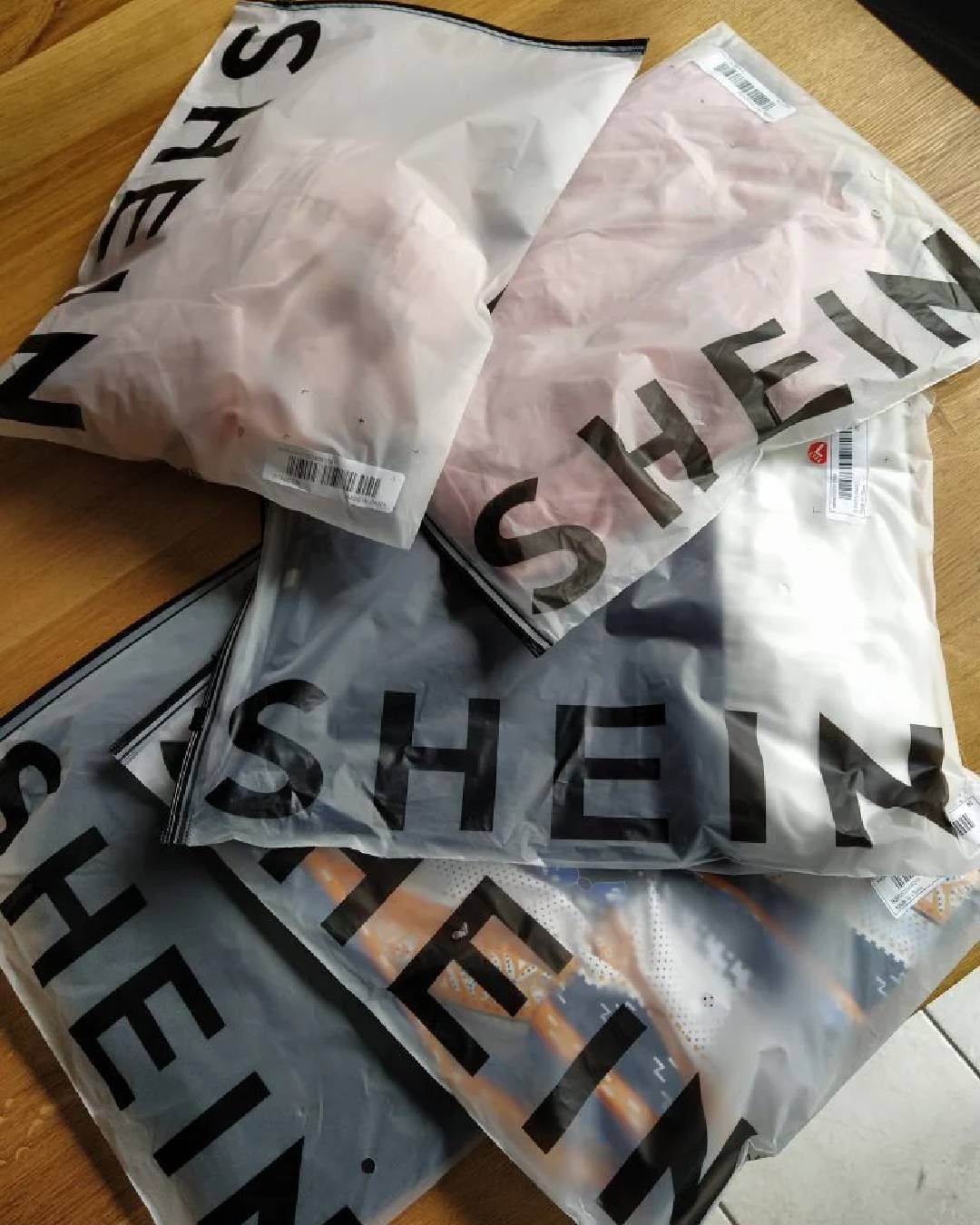
The most symbolic aspect of the entire operation is the buyer itself. Everlane built its identity around the concept of “radical transparency” – as Lauren Sherman pointed out for Puck – openly showing factories, production costs and profit margins at a time when sustainability genuinely seemed like the future of fashion retail. Shein, on the other hand, represents the exact opposite: extreme speed, ultra-low prices, overproduction and an industrial system that has become synonymous with the contradictions of ultra-fast fashion. Yet this acquisition appears to reveal something much bigger than a simple financial operation.
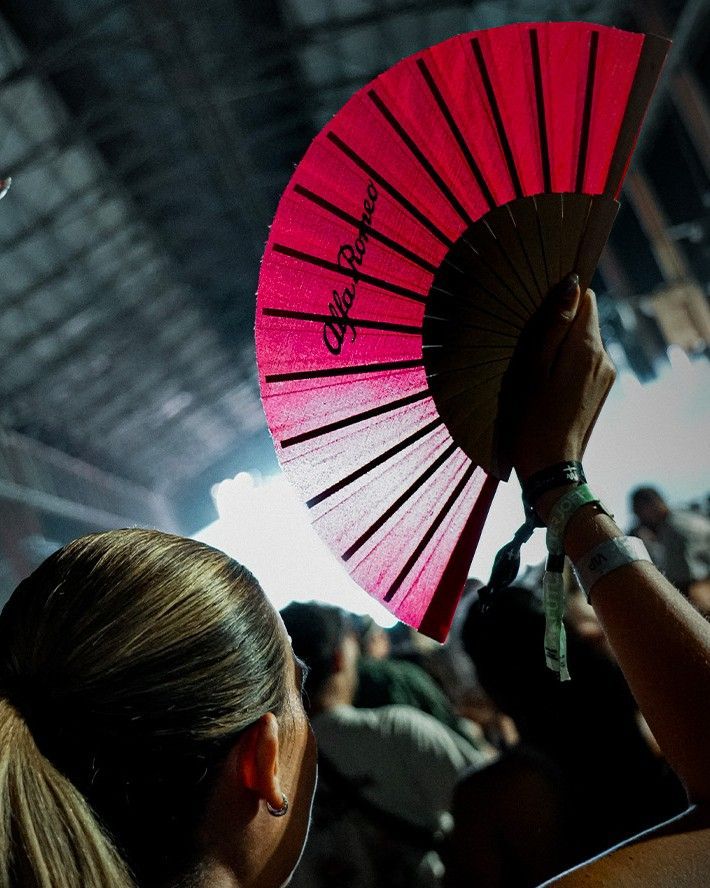
In recent years, Shein has increasingly been trying to evolve from a simple ultra-fast fashion platform into a more structured global fashion group, following a path that closely resembles that of Inditex. After opening its first permanent store in Paris inside the historic BHV department store, Shein has continued to expand its physical and cultural presence across Europe through pop-up stores and sponsorships of major music festivals such as Parklife, Creamfields and Firenze Rocks, in an attempt to normalize its image in the eyes of Western consumers.
From an operational standpoint, the Chinese giant is also looking to expand beyond retail itself. As we previously reported last September, Shein has started offering its manufacturing infrastructure to external brands, providing supply chain services, production, logistics and sales support. This is why the acquisition of Everlane should be read as more than simple expansion. Beyond acquiring a brand already recognizable within the Western market, Shein is also gaining access to an imaginary world very distant from its own, one associated with sustainability, minimalism and conscious consumption. Everlane’s acquisition therefore appears to be a first step toward a new era for Shein, an attempt to diversify its offering and gradually clean up its public image, which has increasingly become associated with the eco-terrorism of ultra-fast fashion.