























Everything that isn't fur Finding the perfect substitute for the material everyone wants but no one dares to use
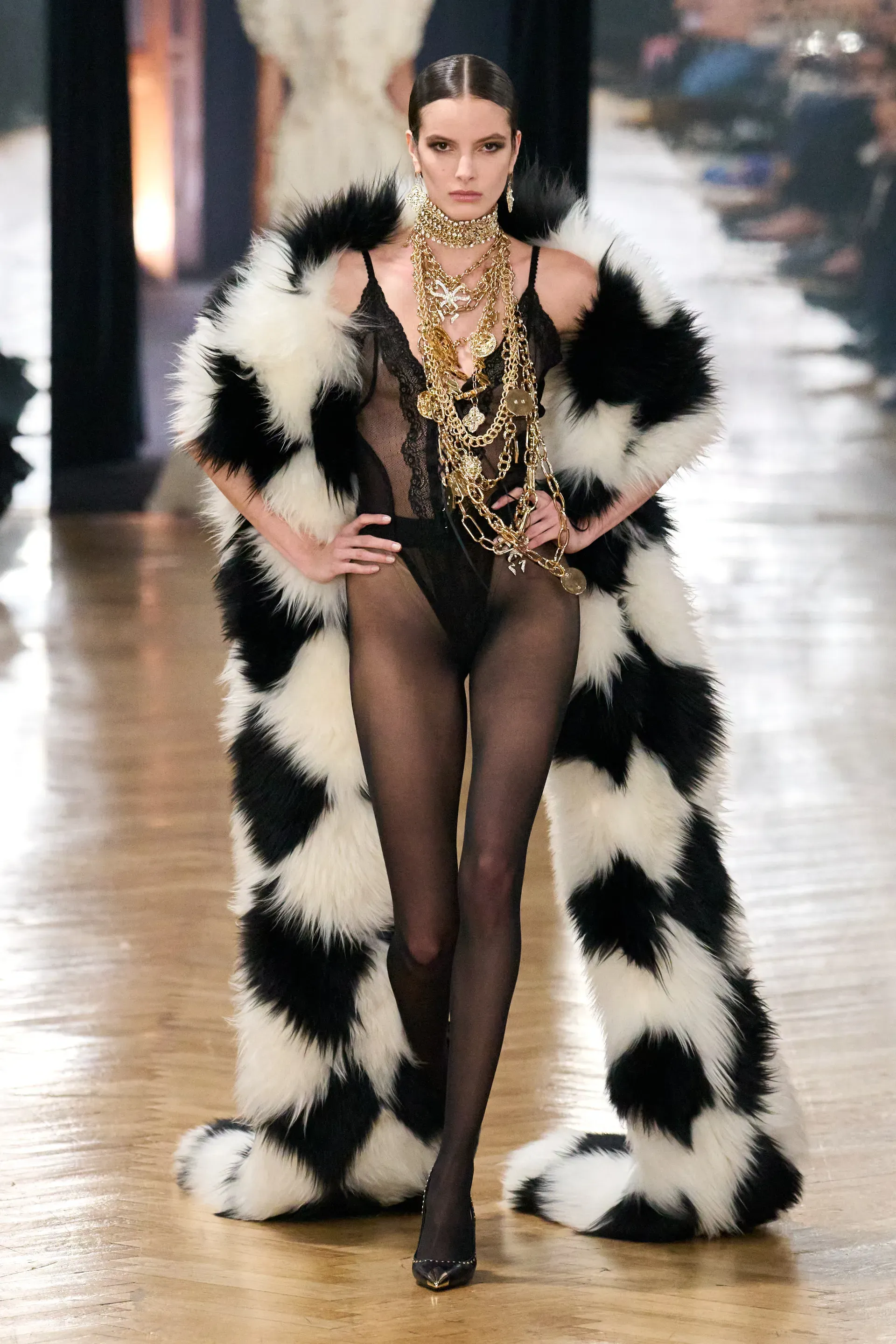
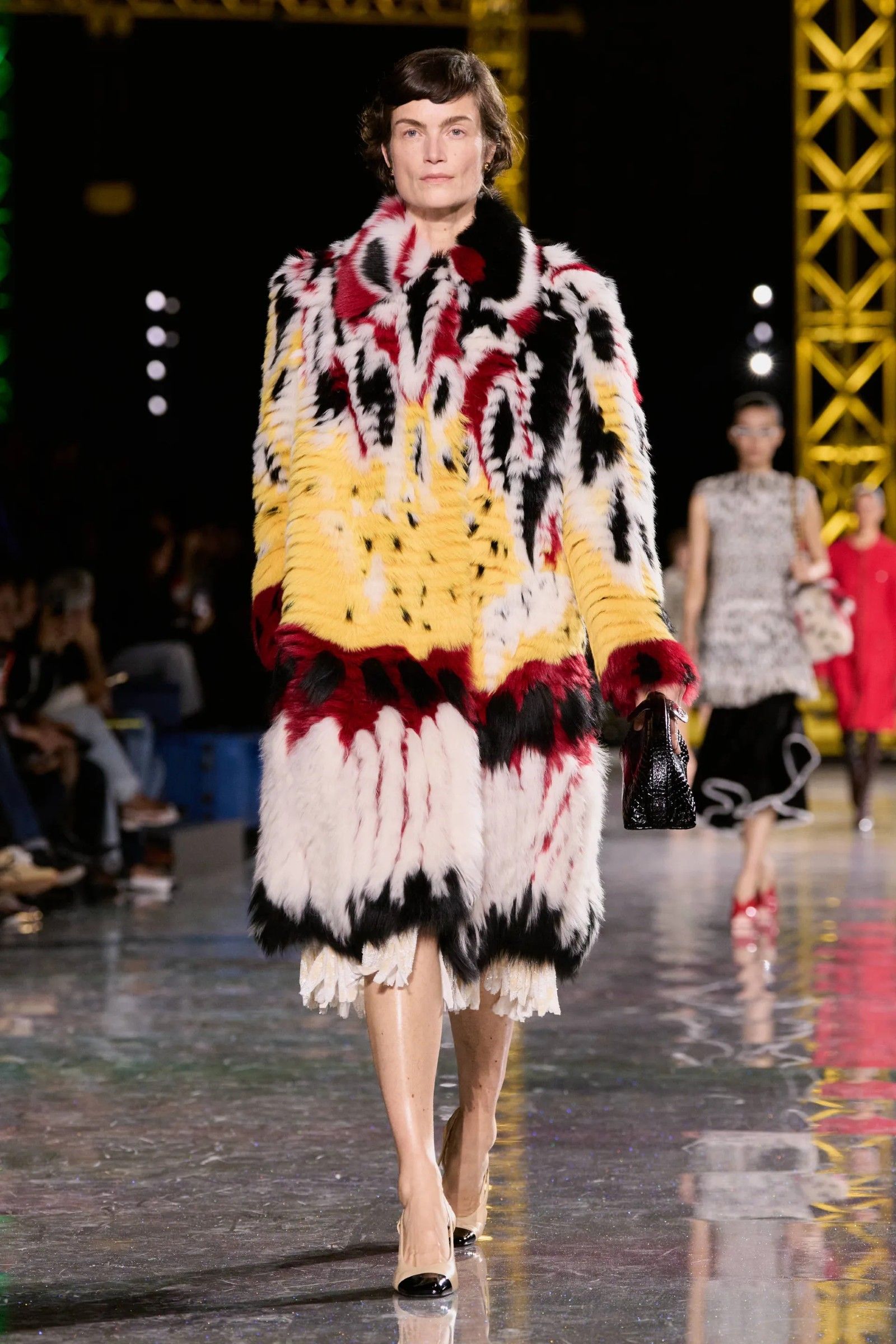
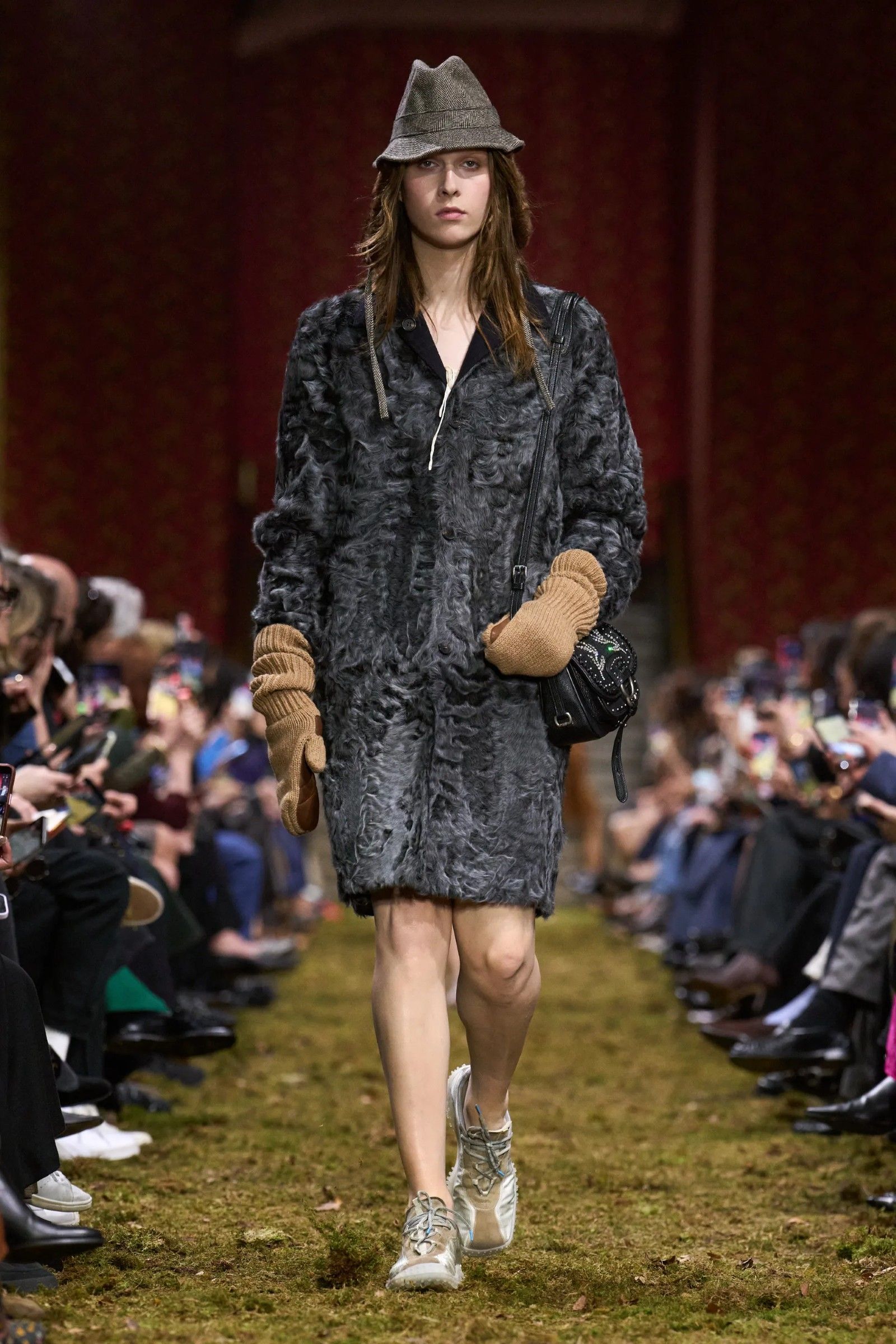
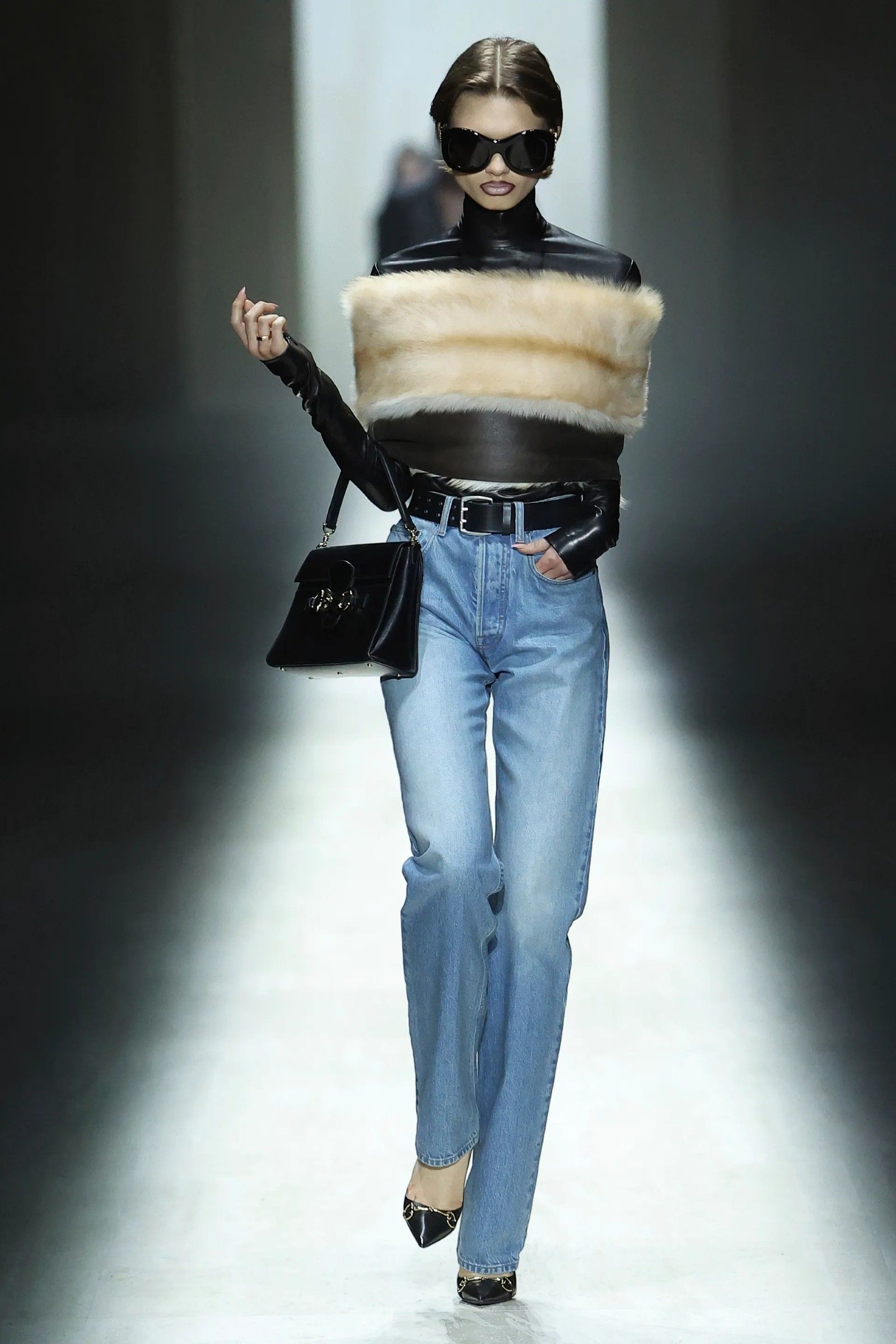
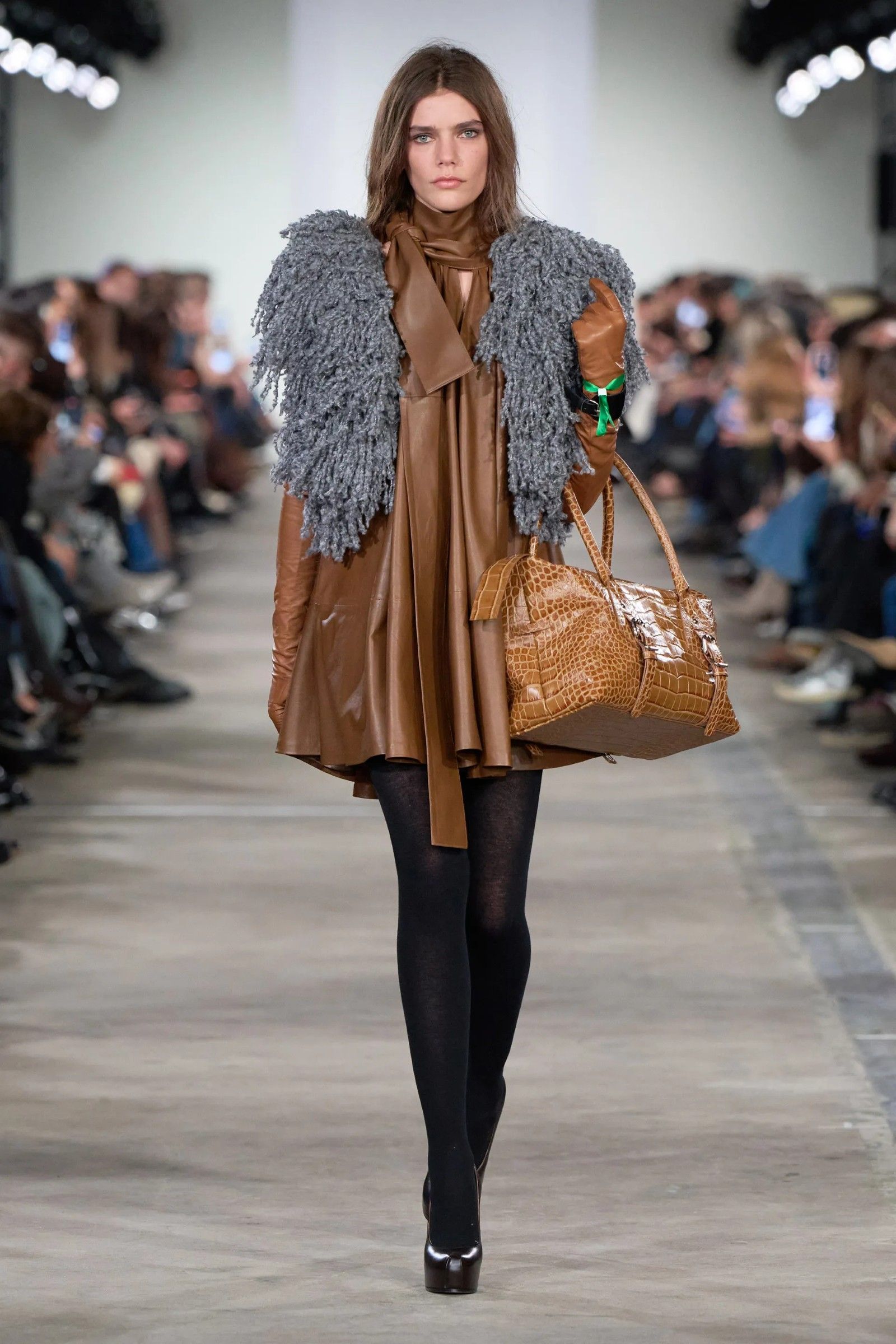
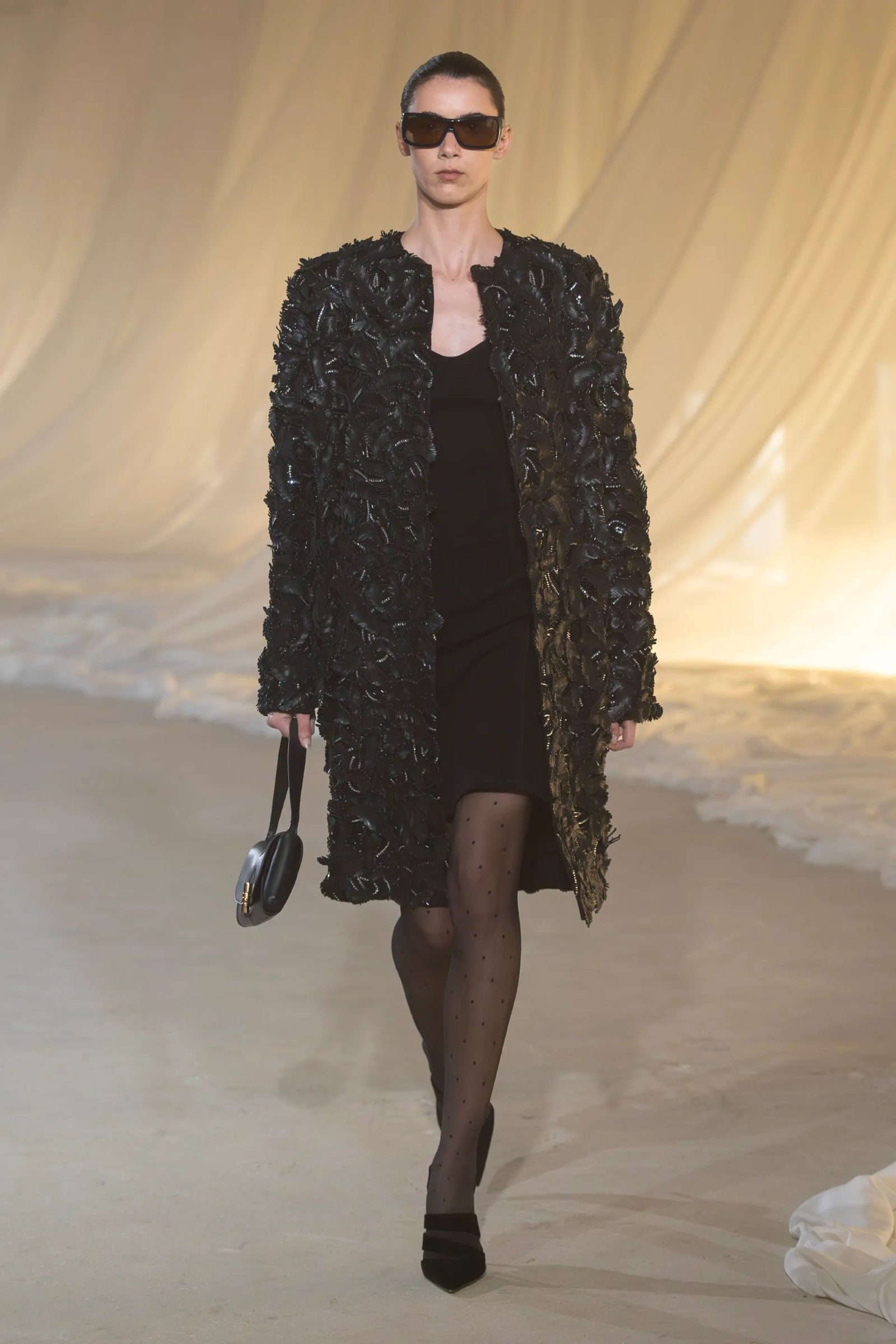
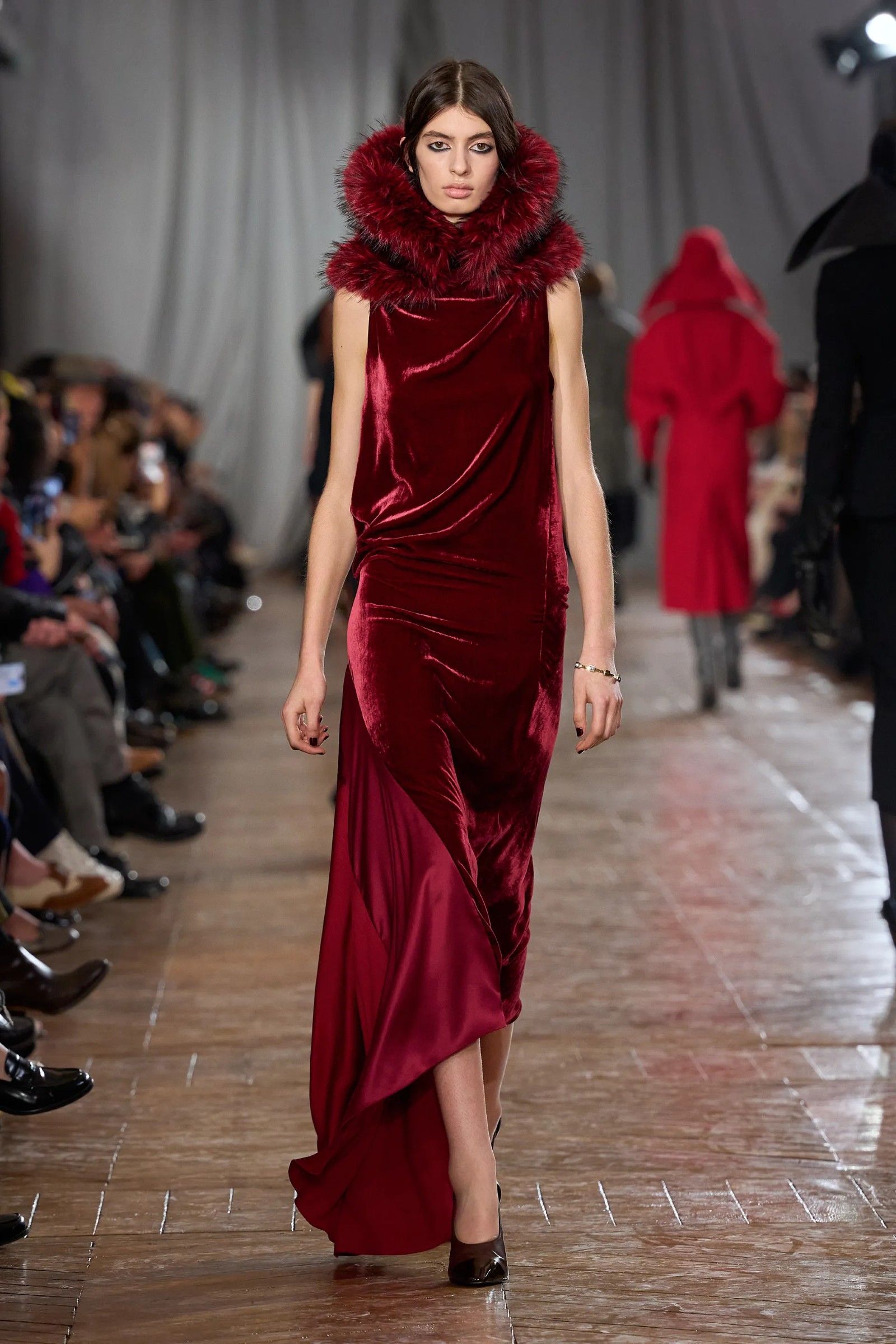
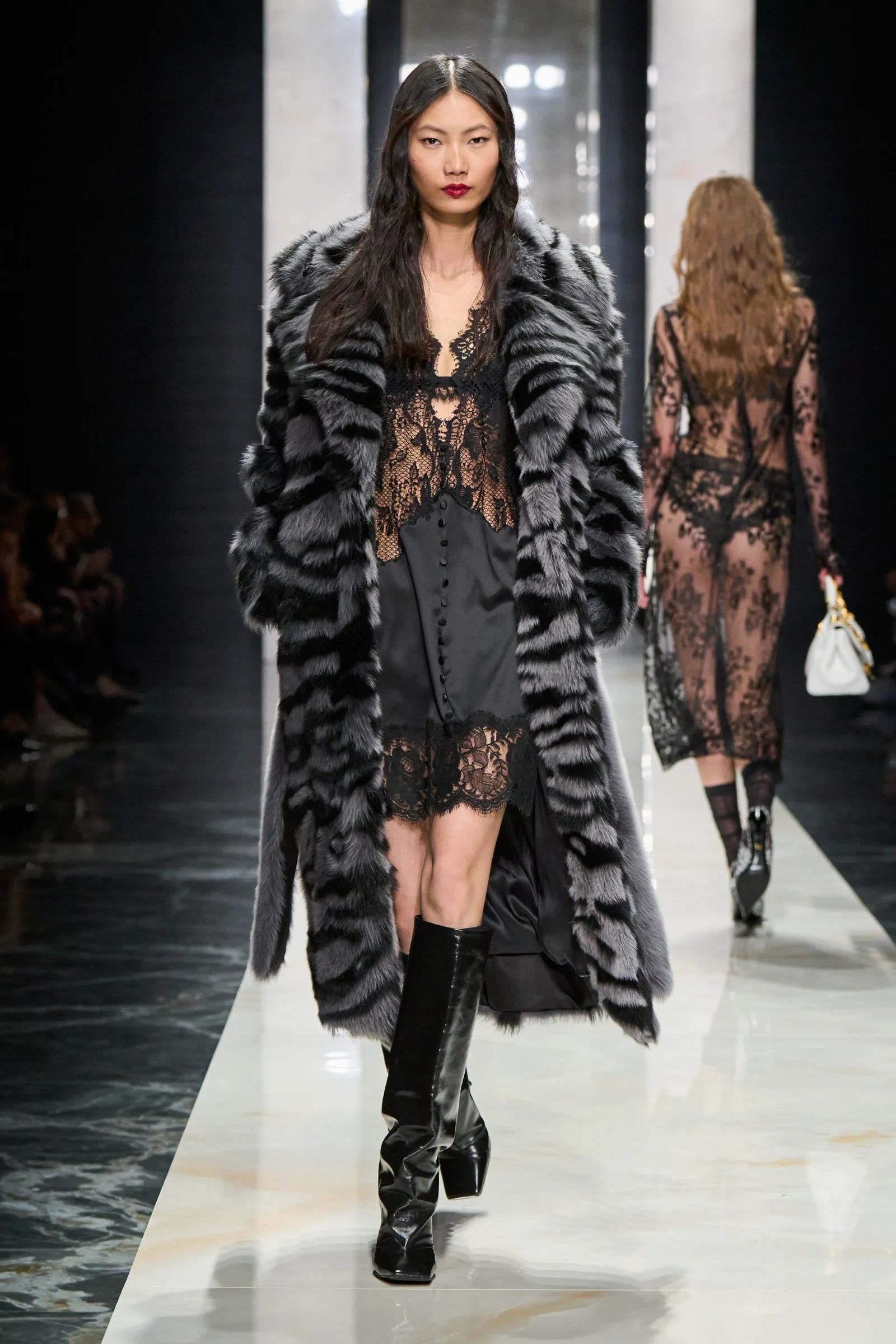
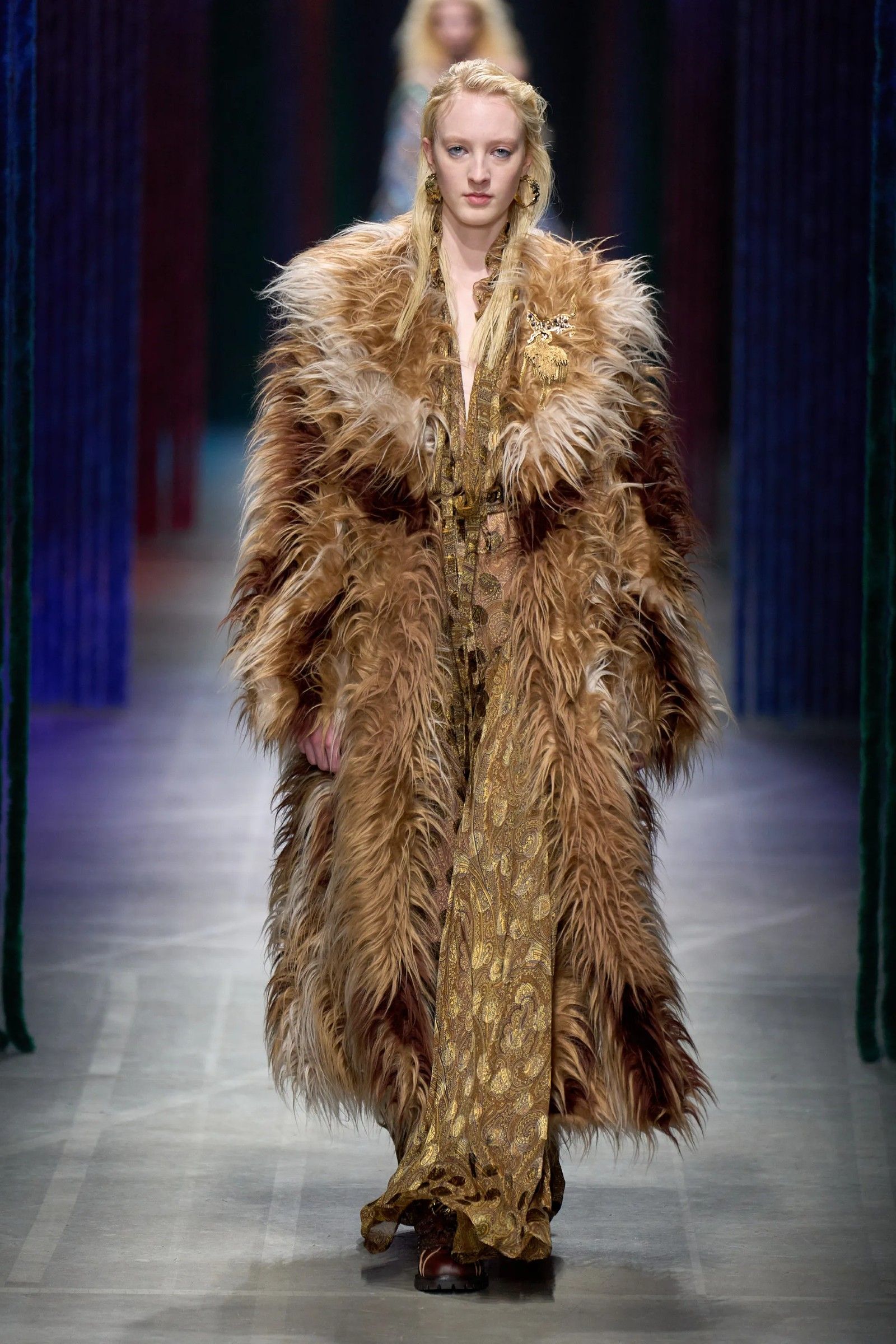
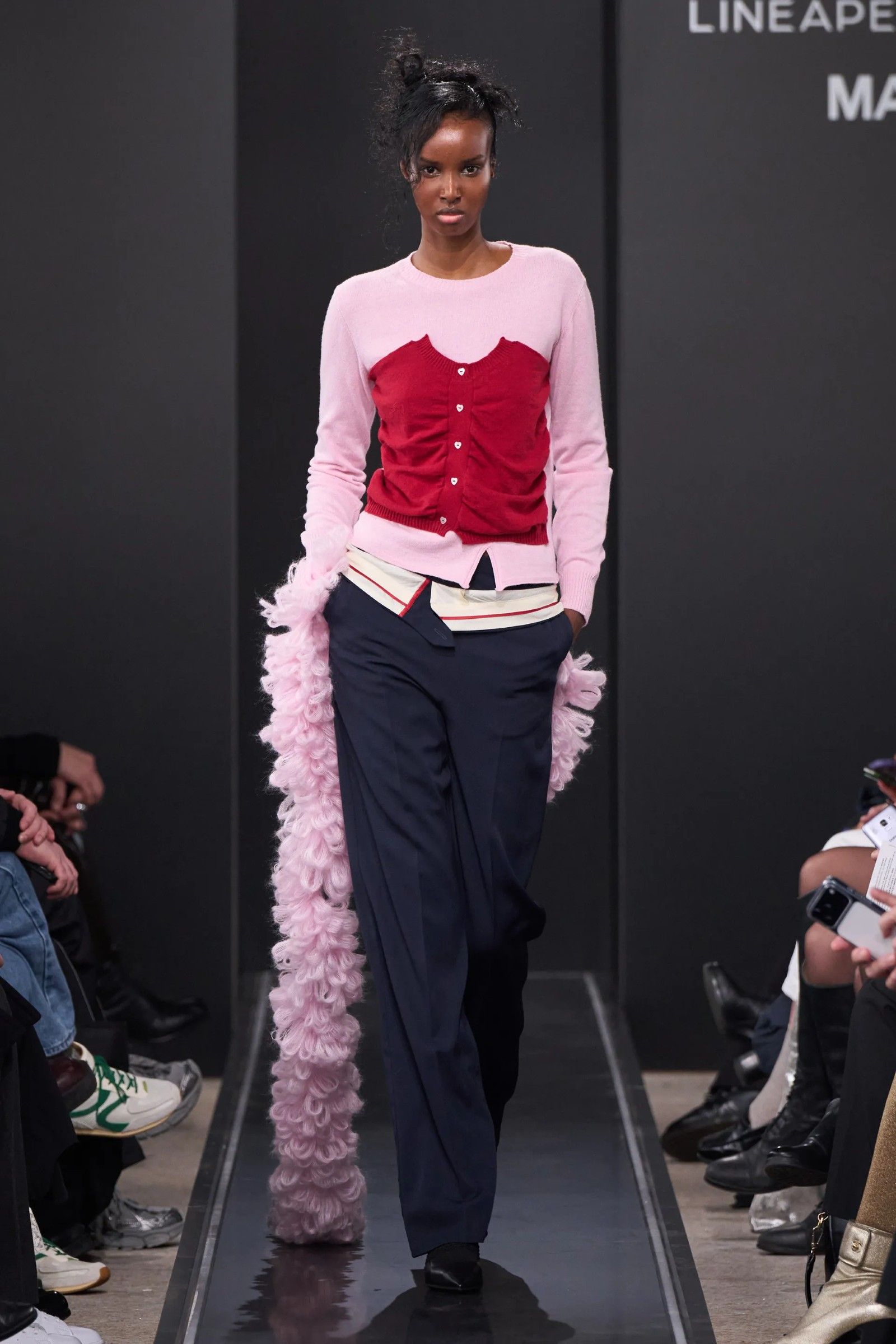
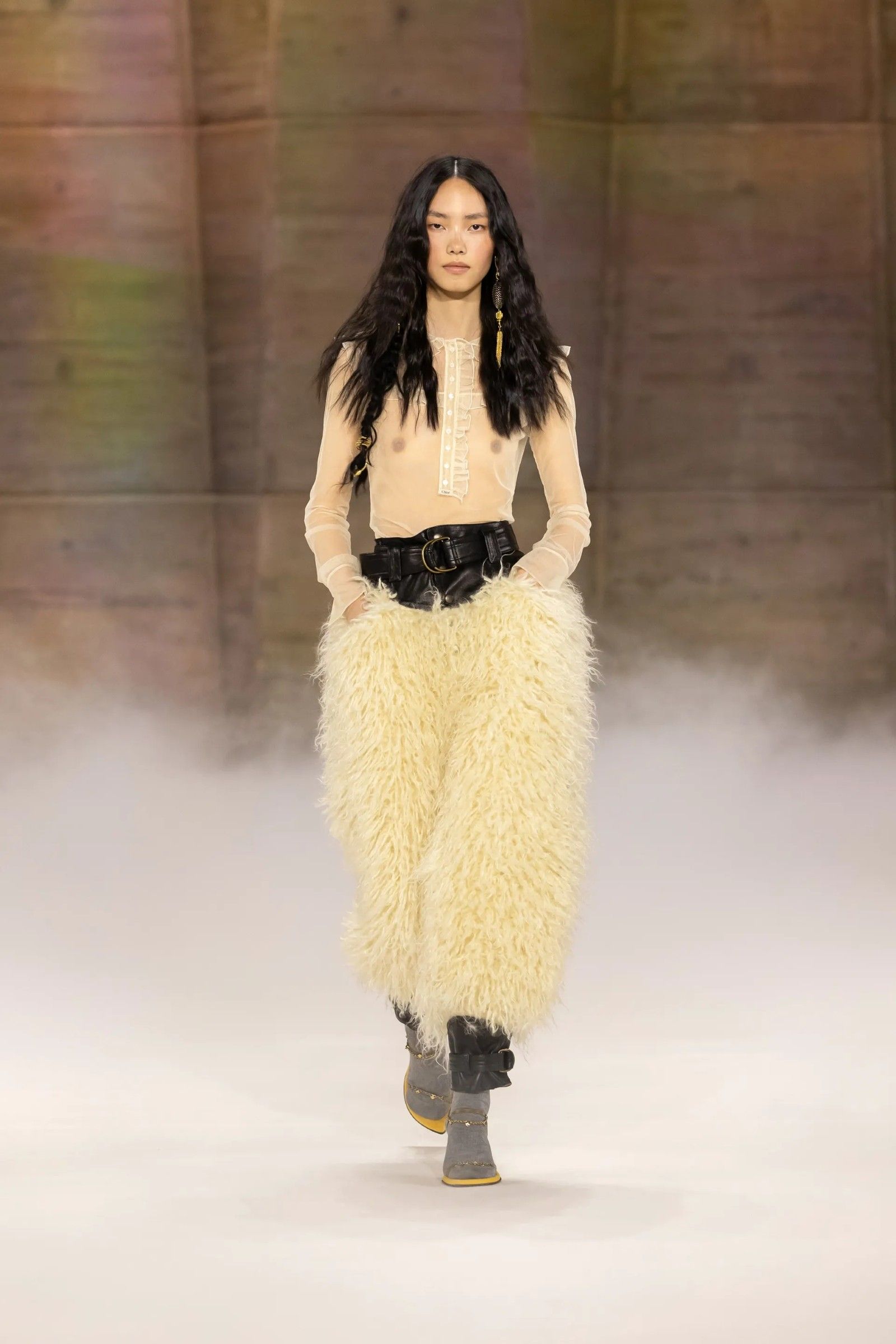
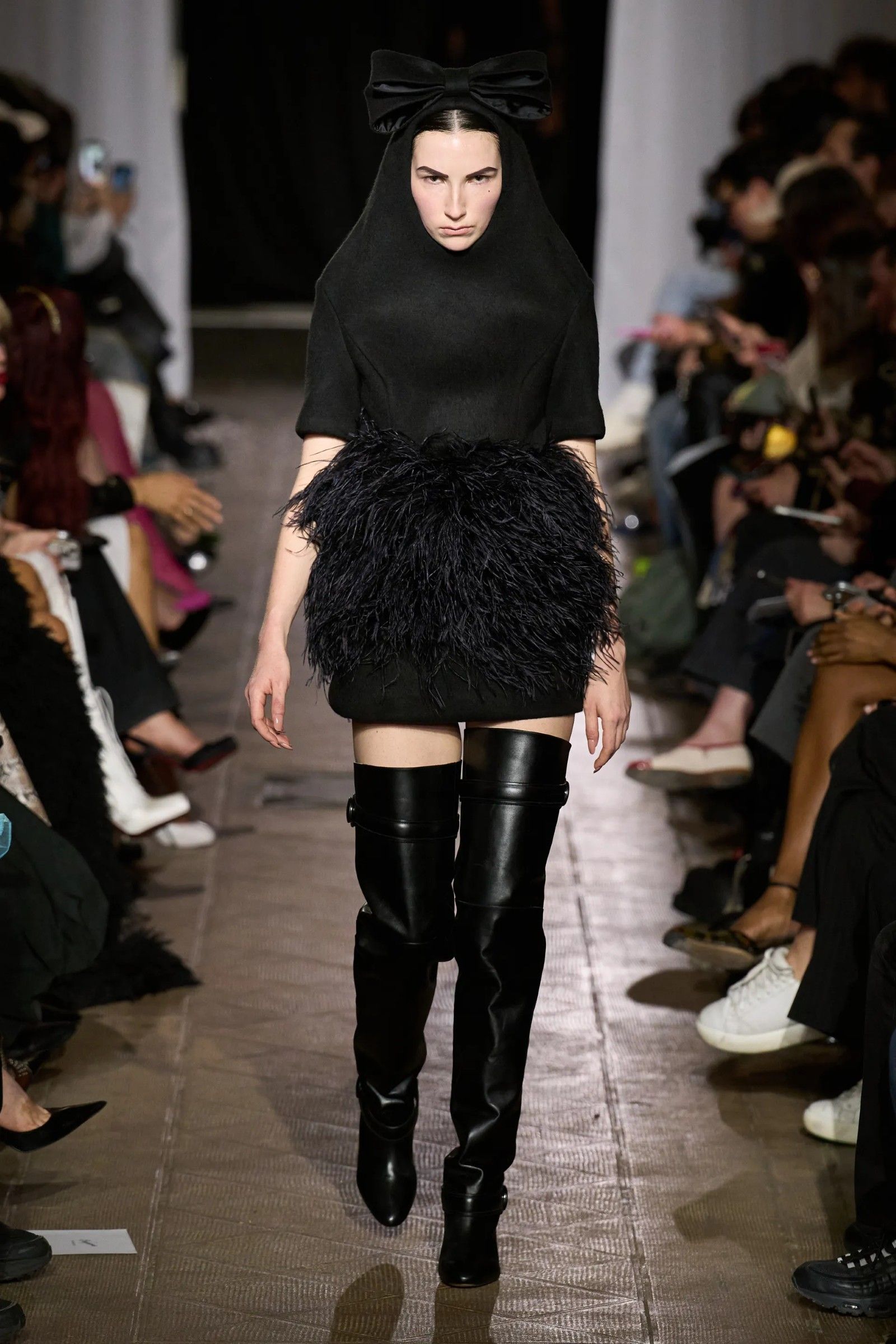
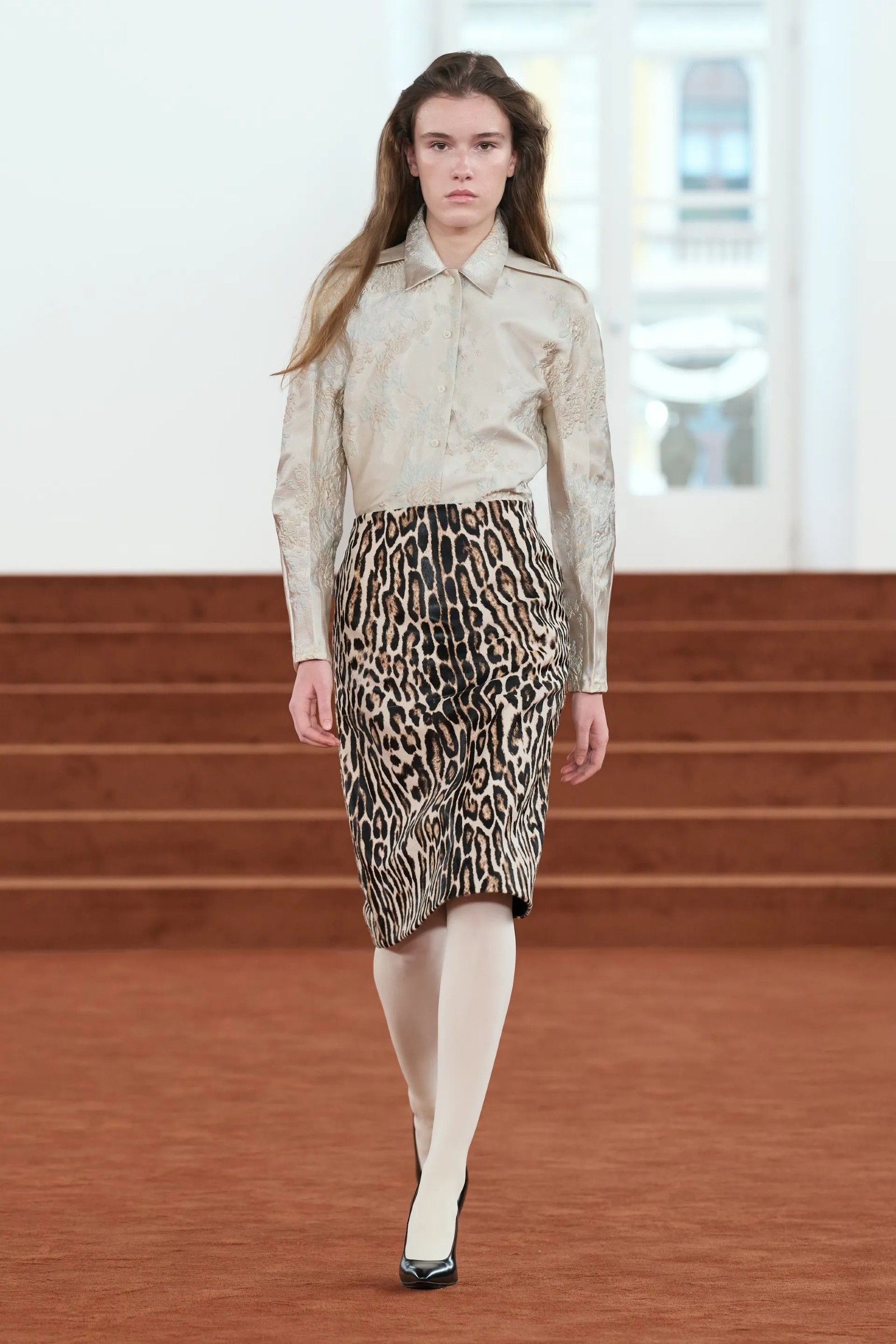
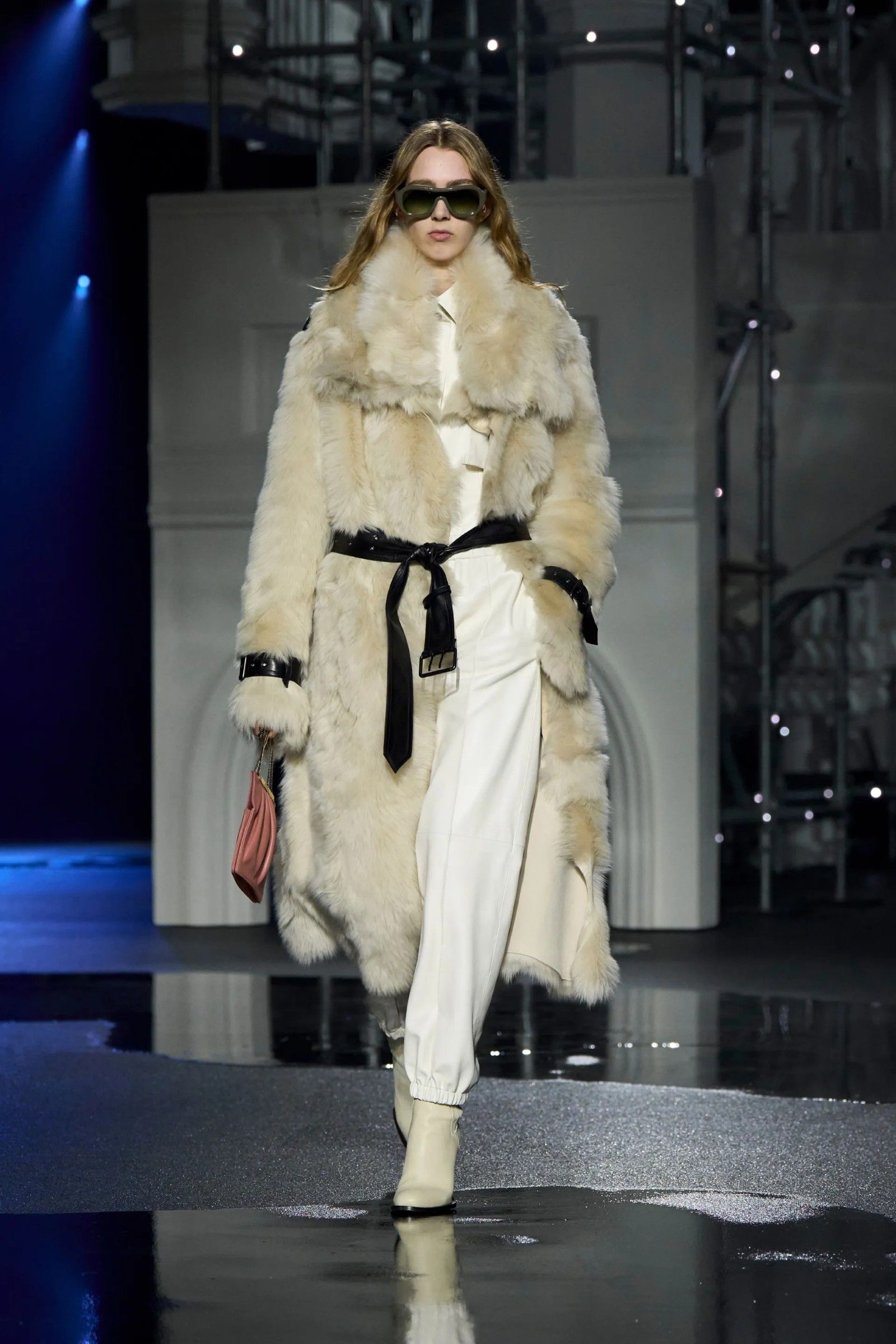
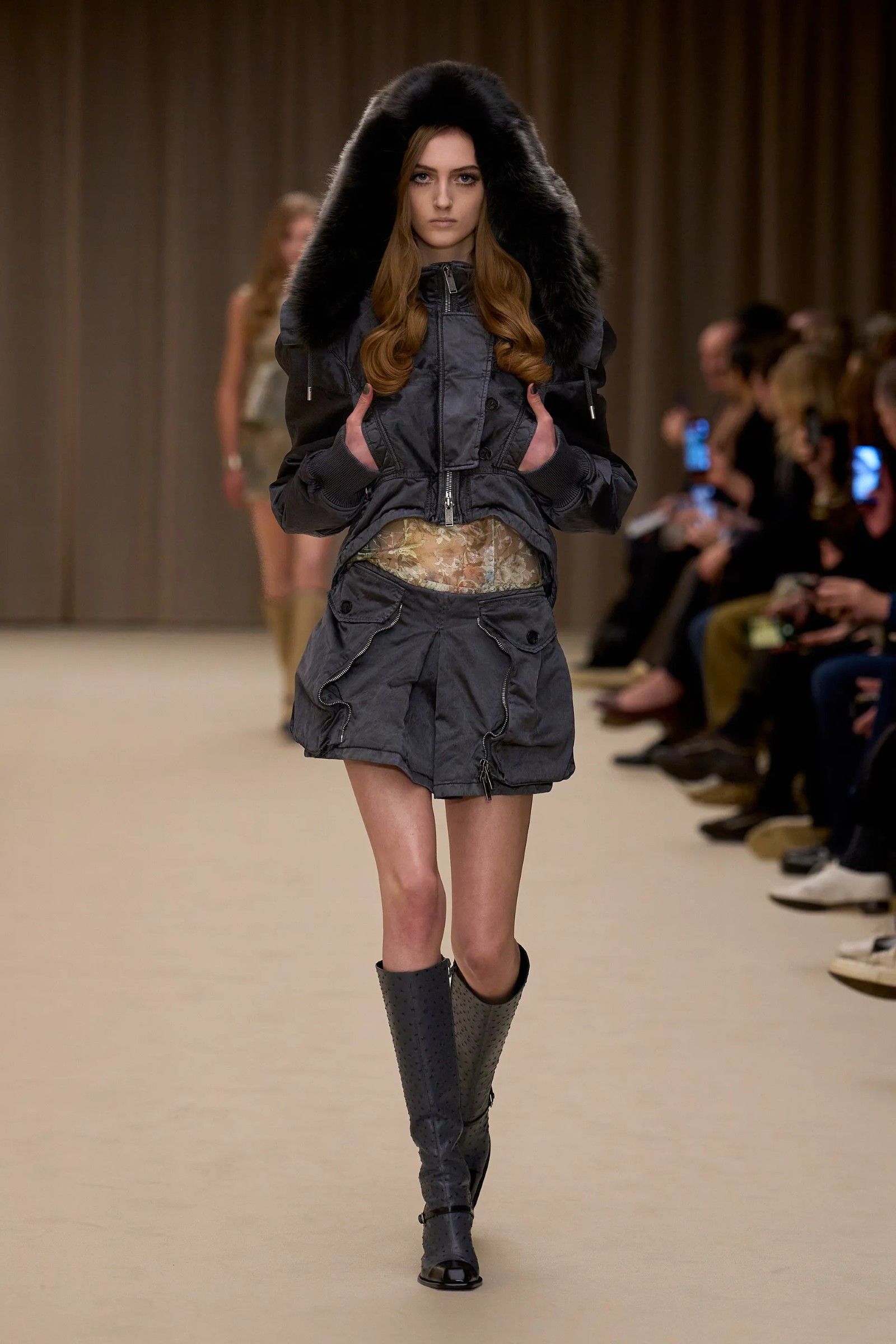
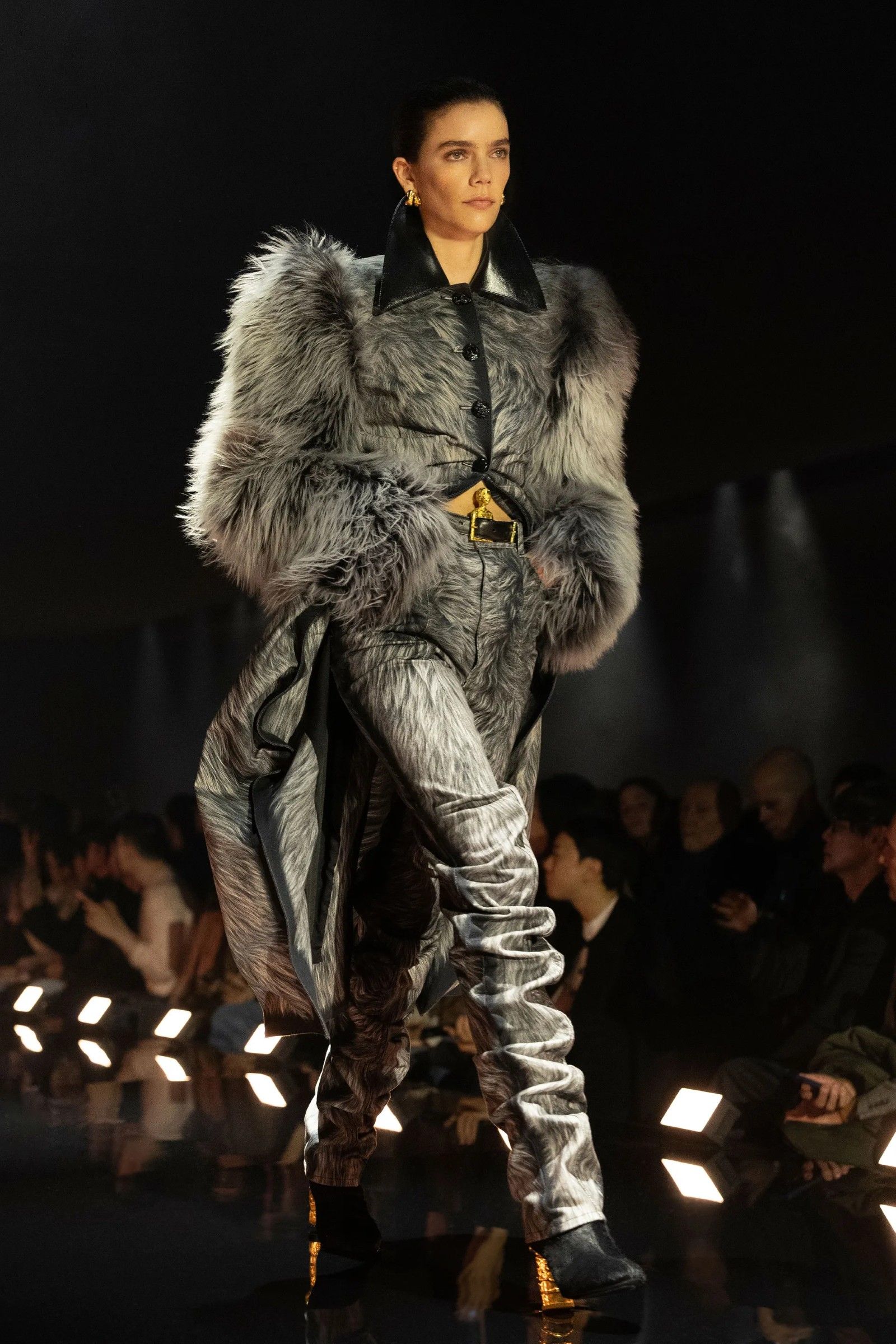
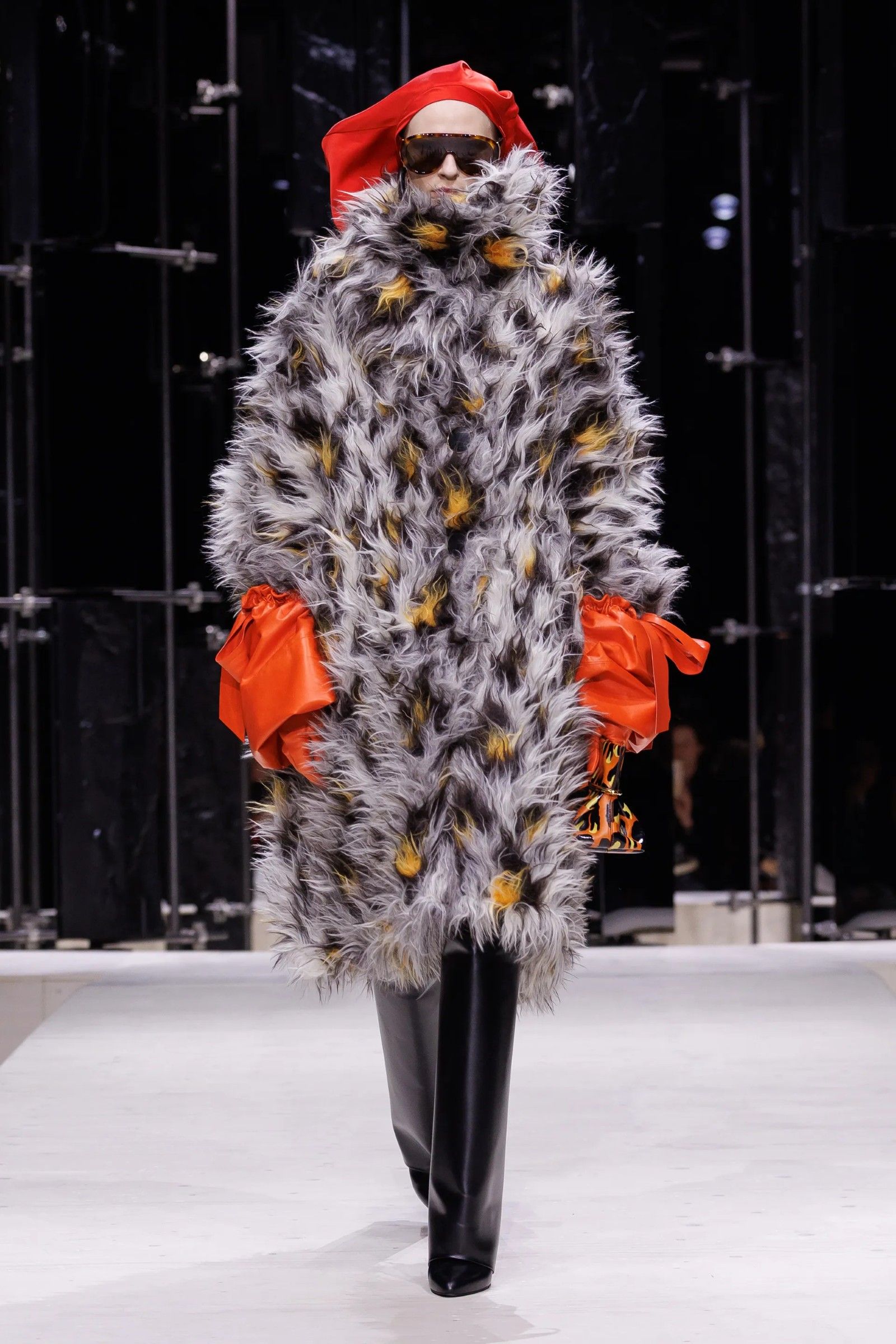
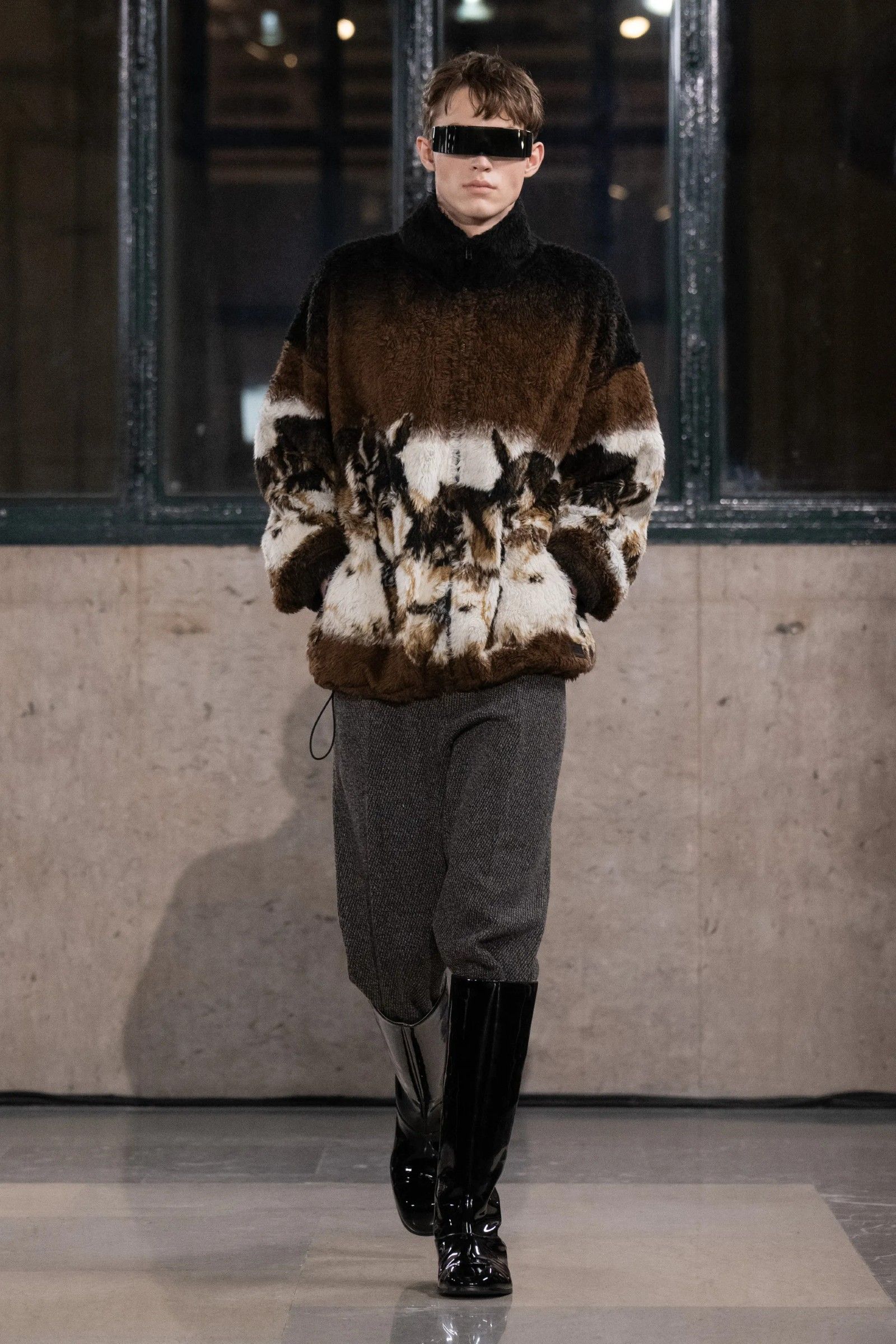
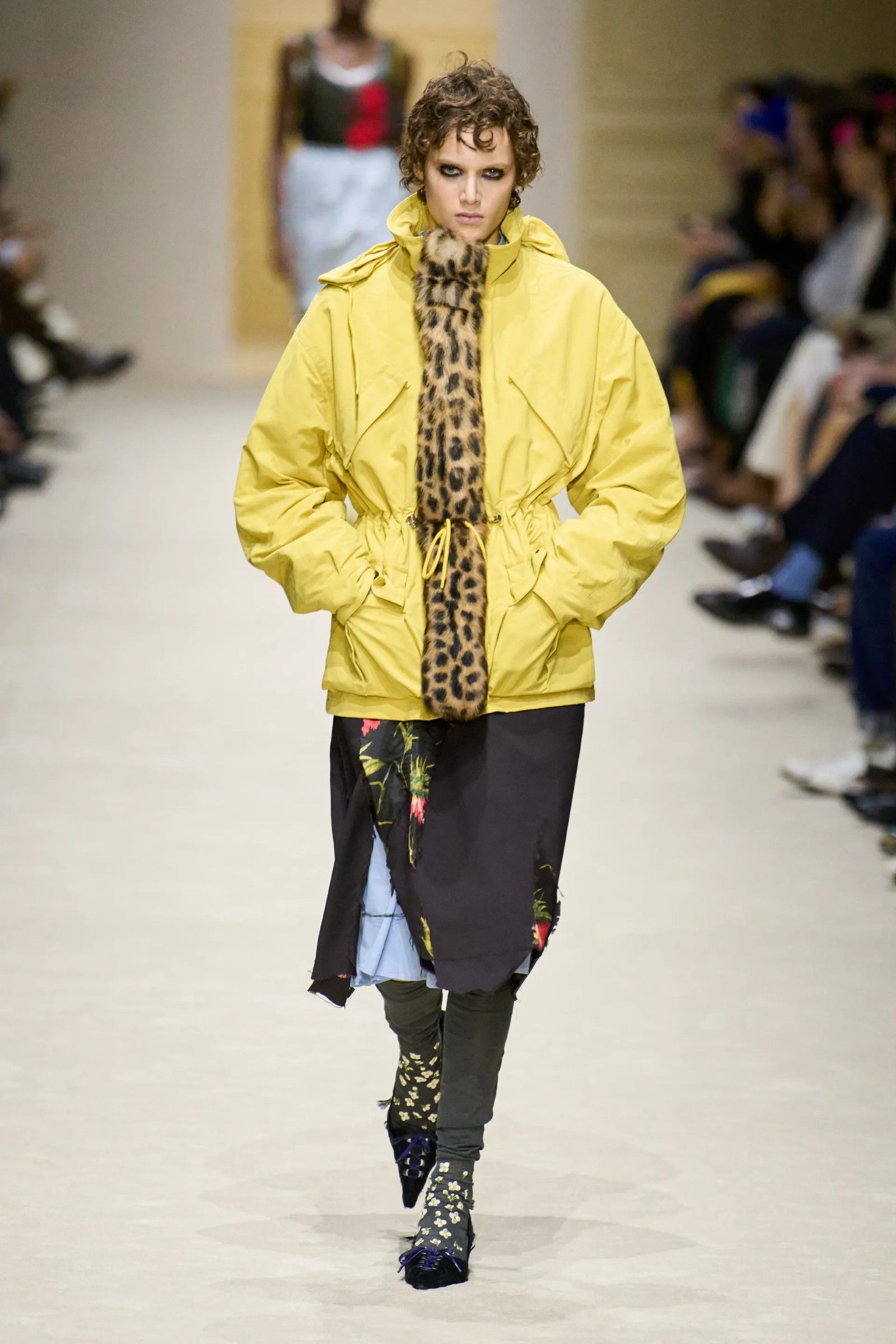
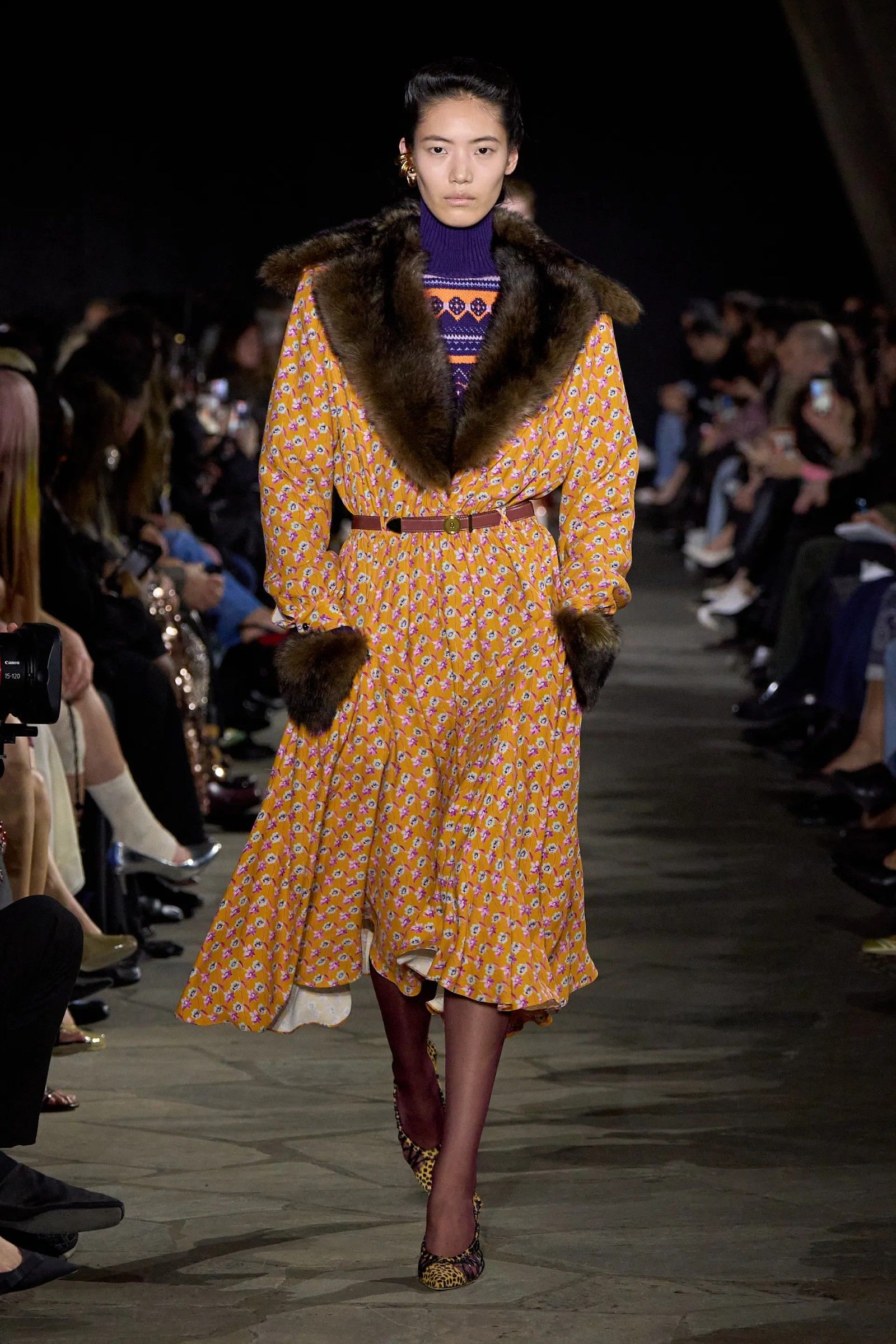
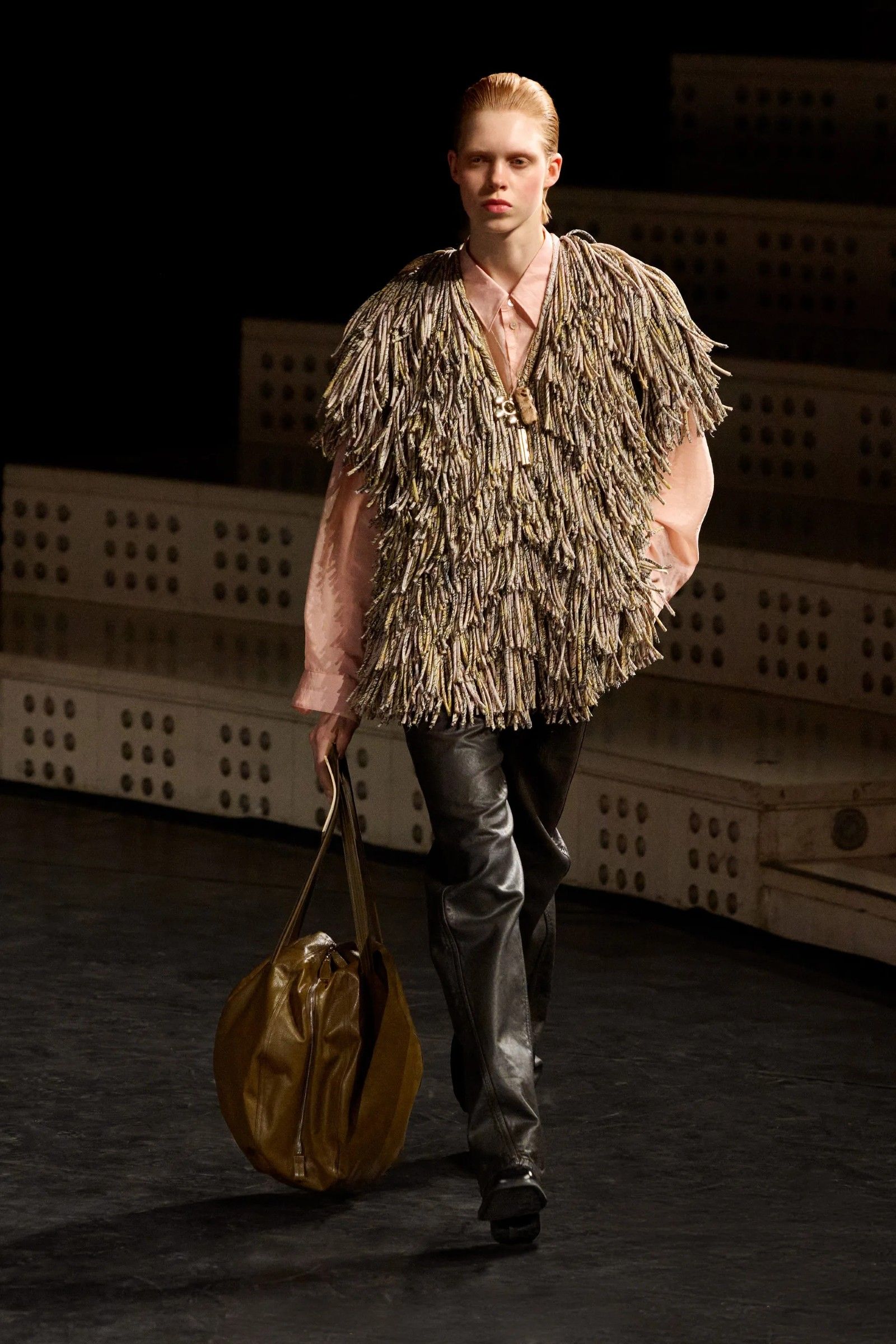
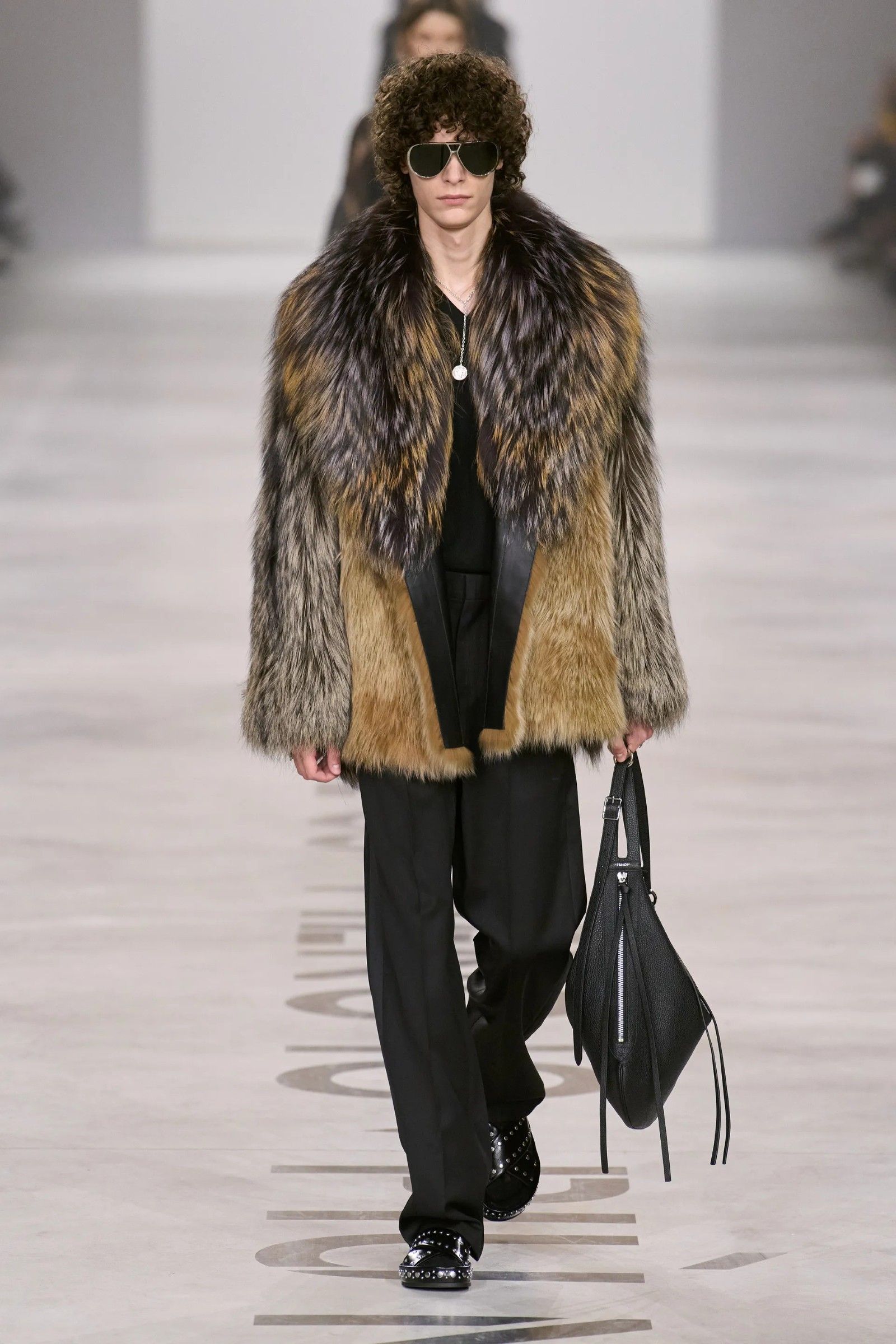
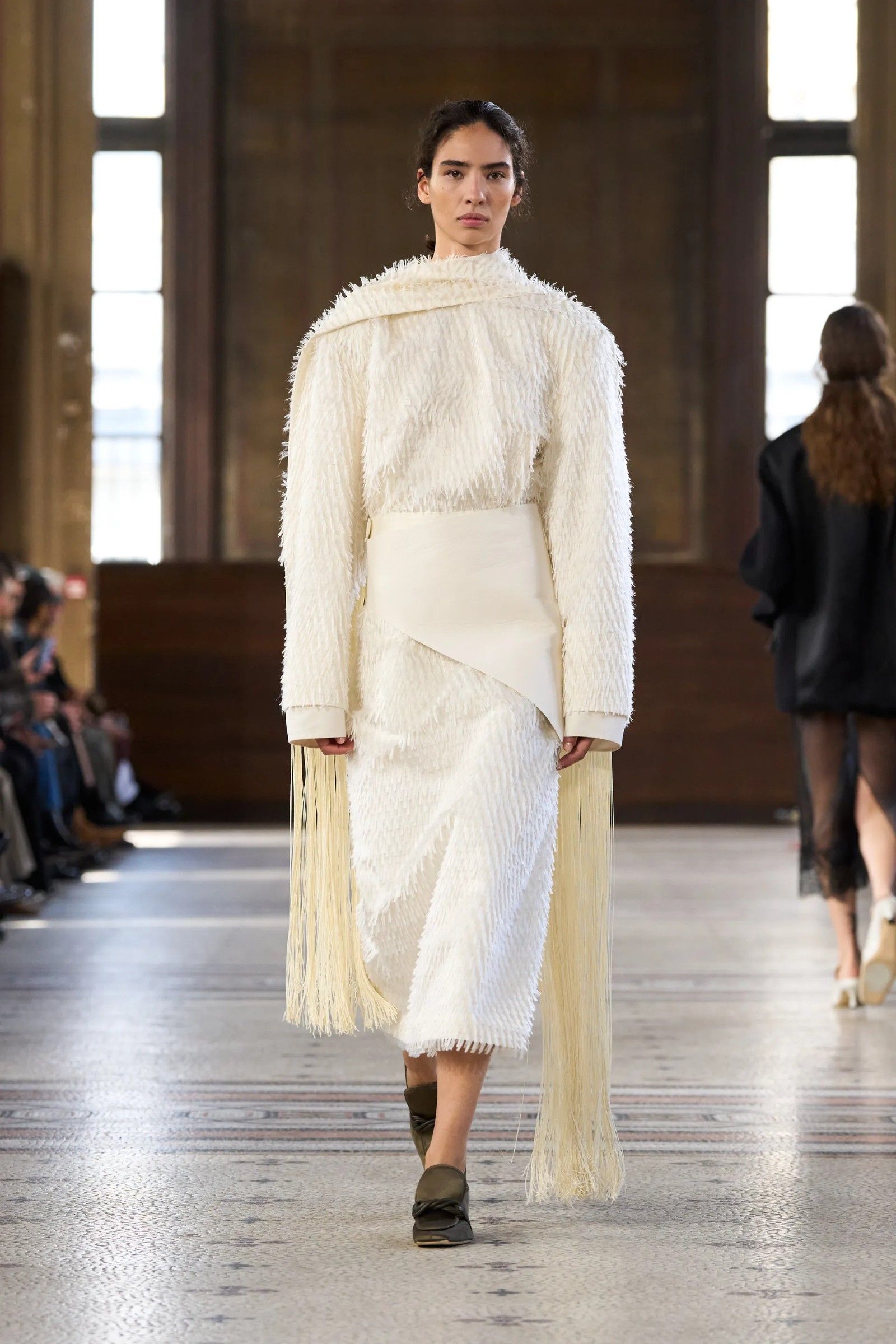
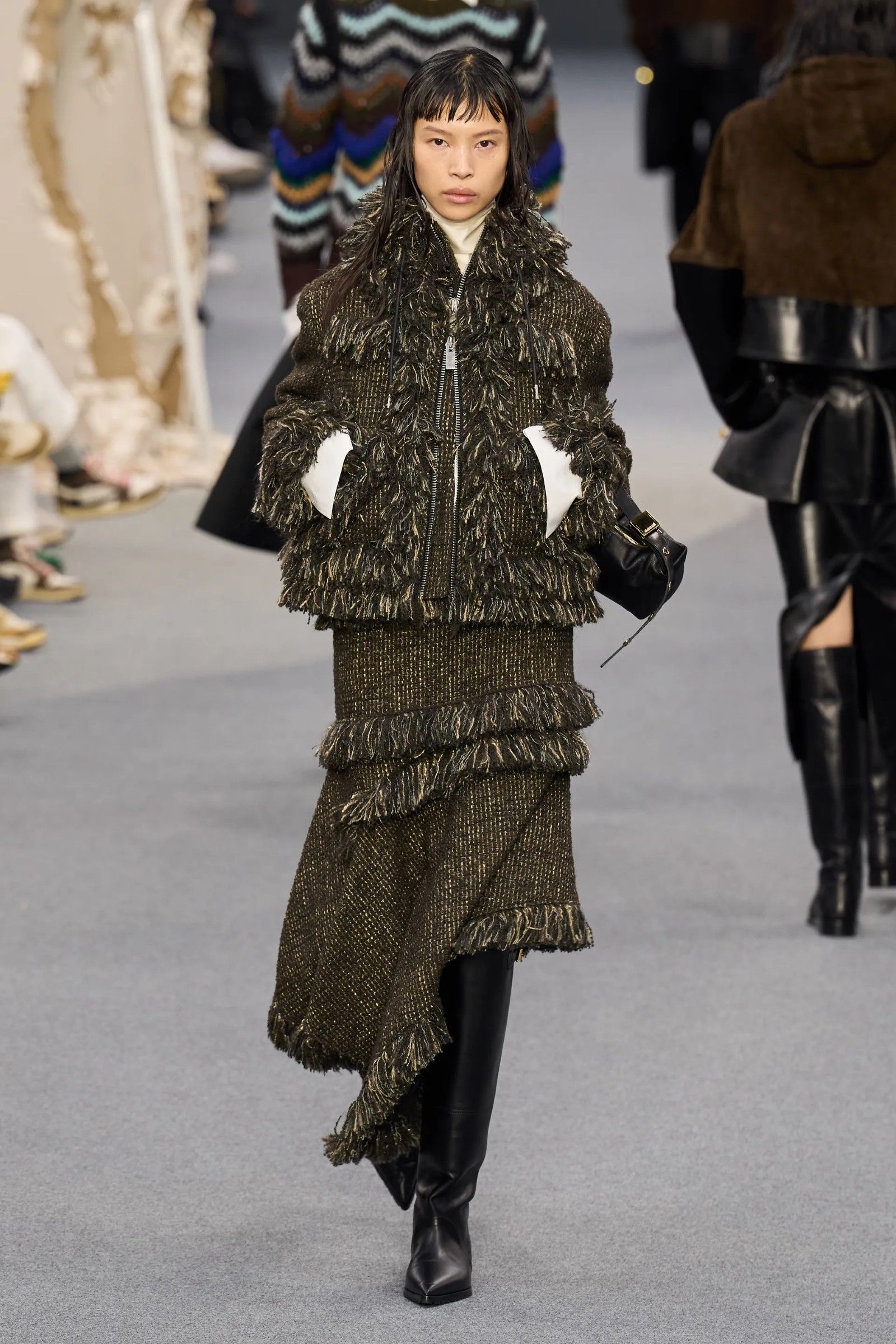
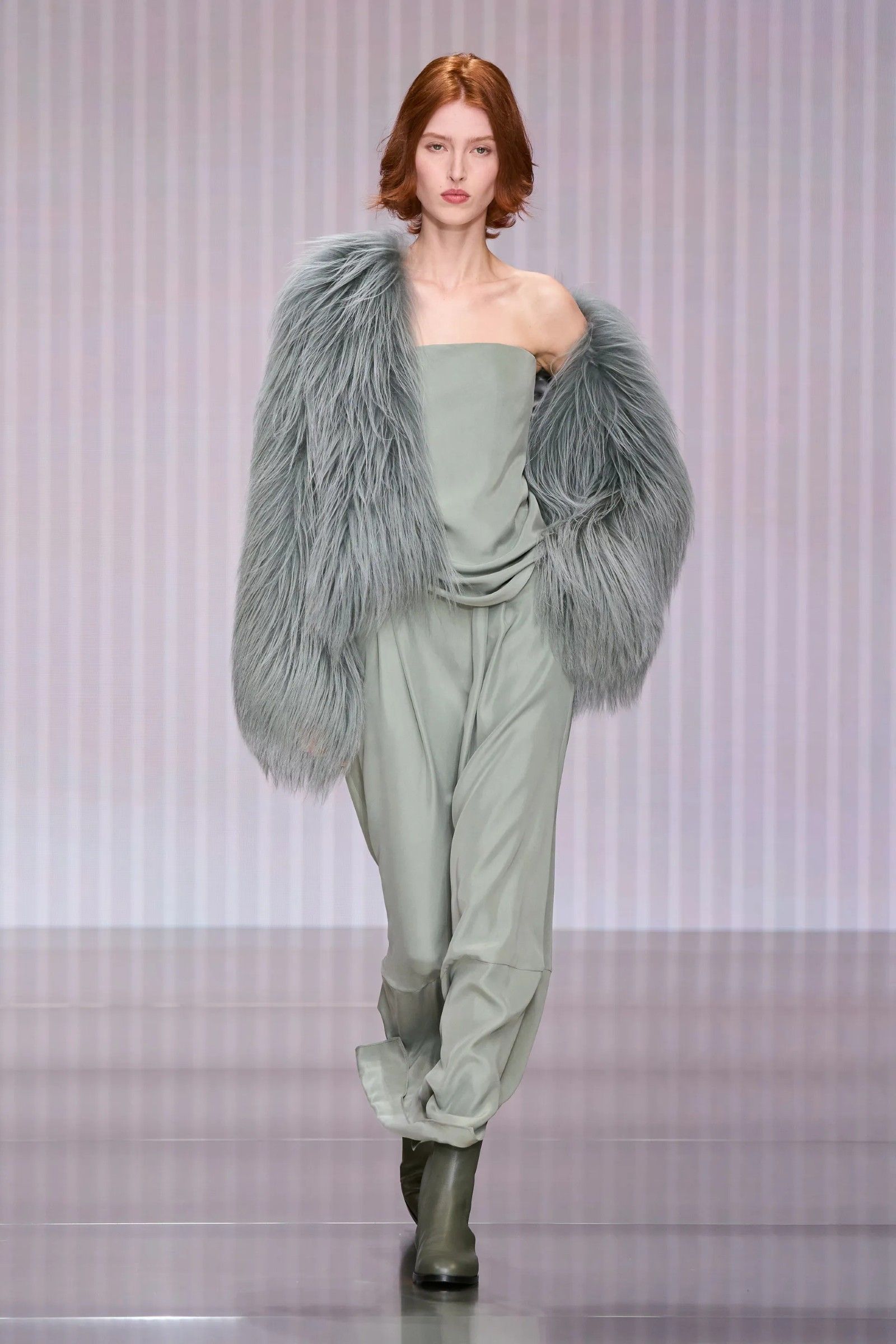
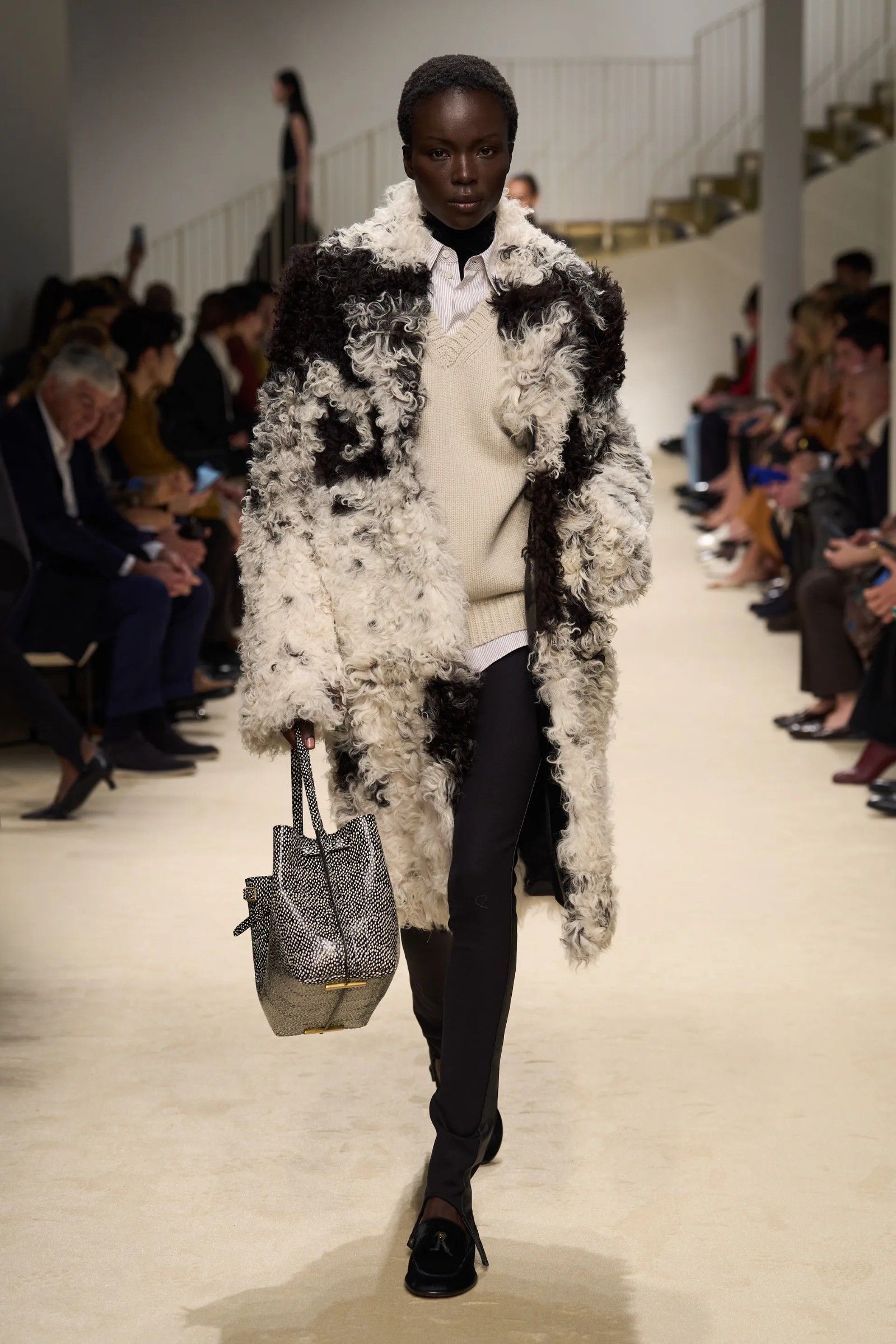
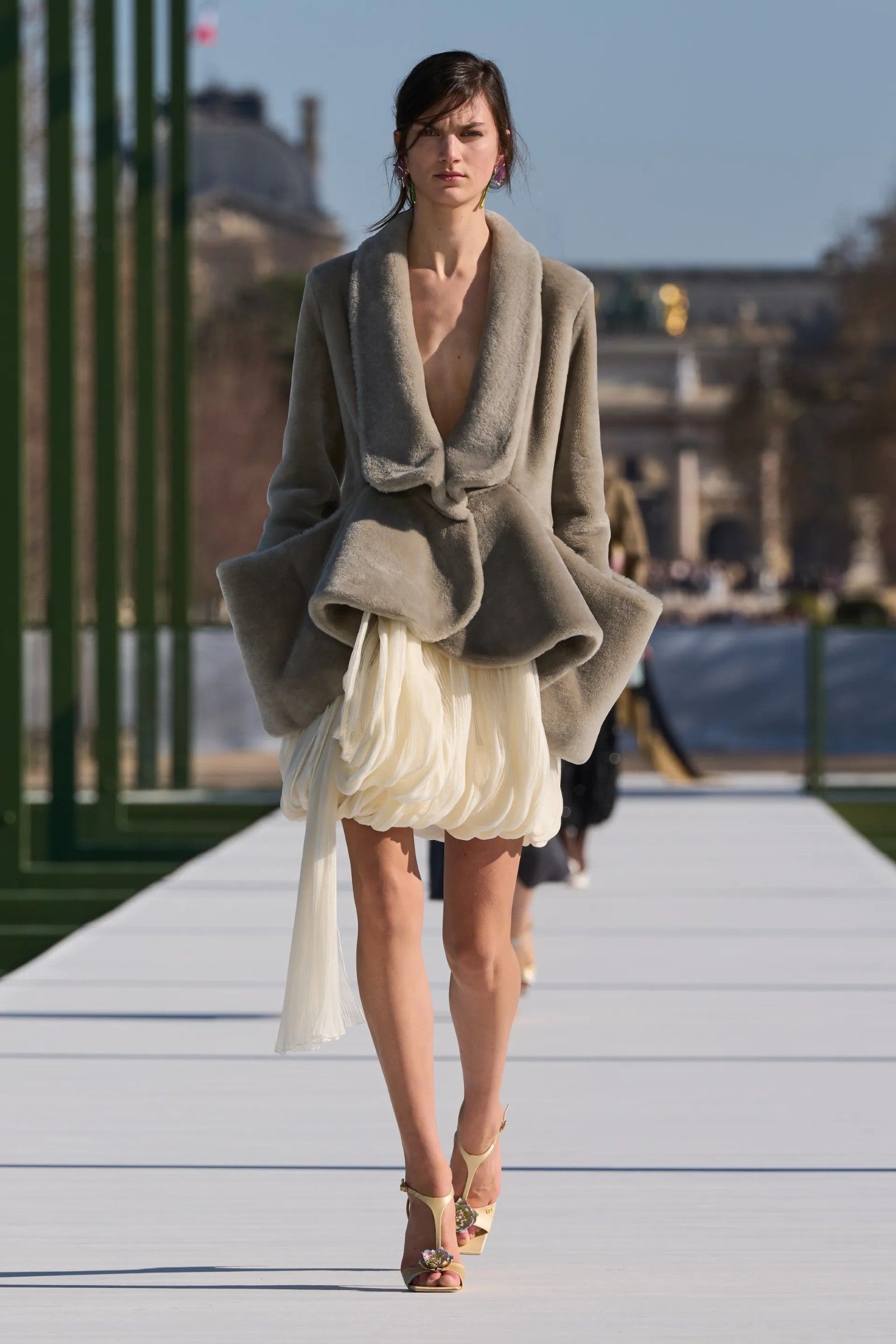
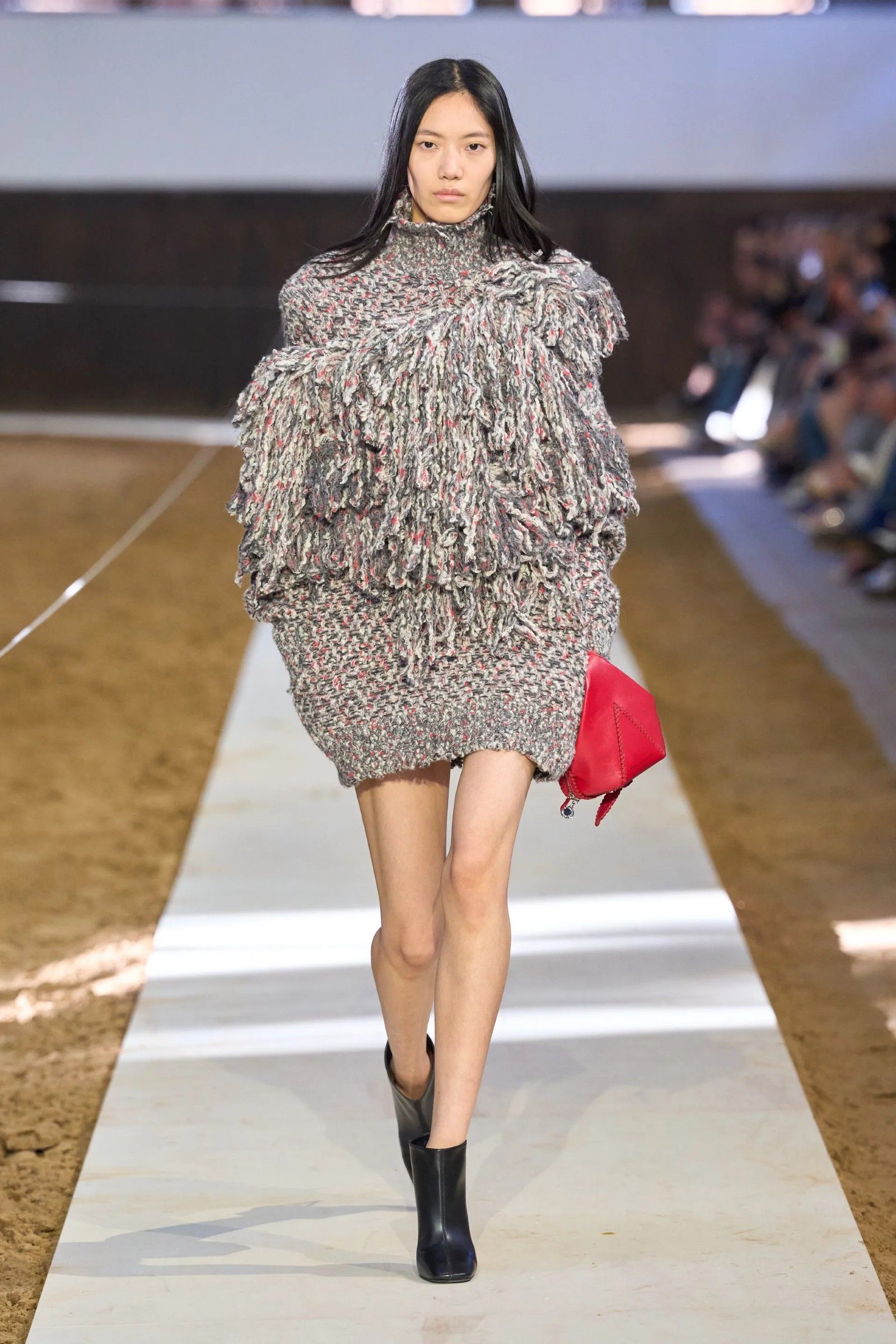
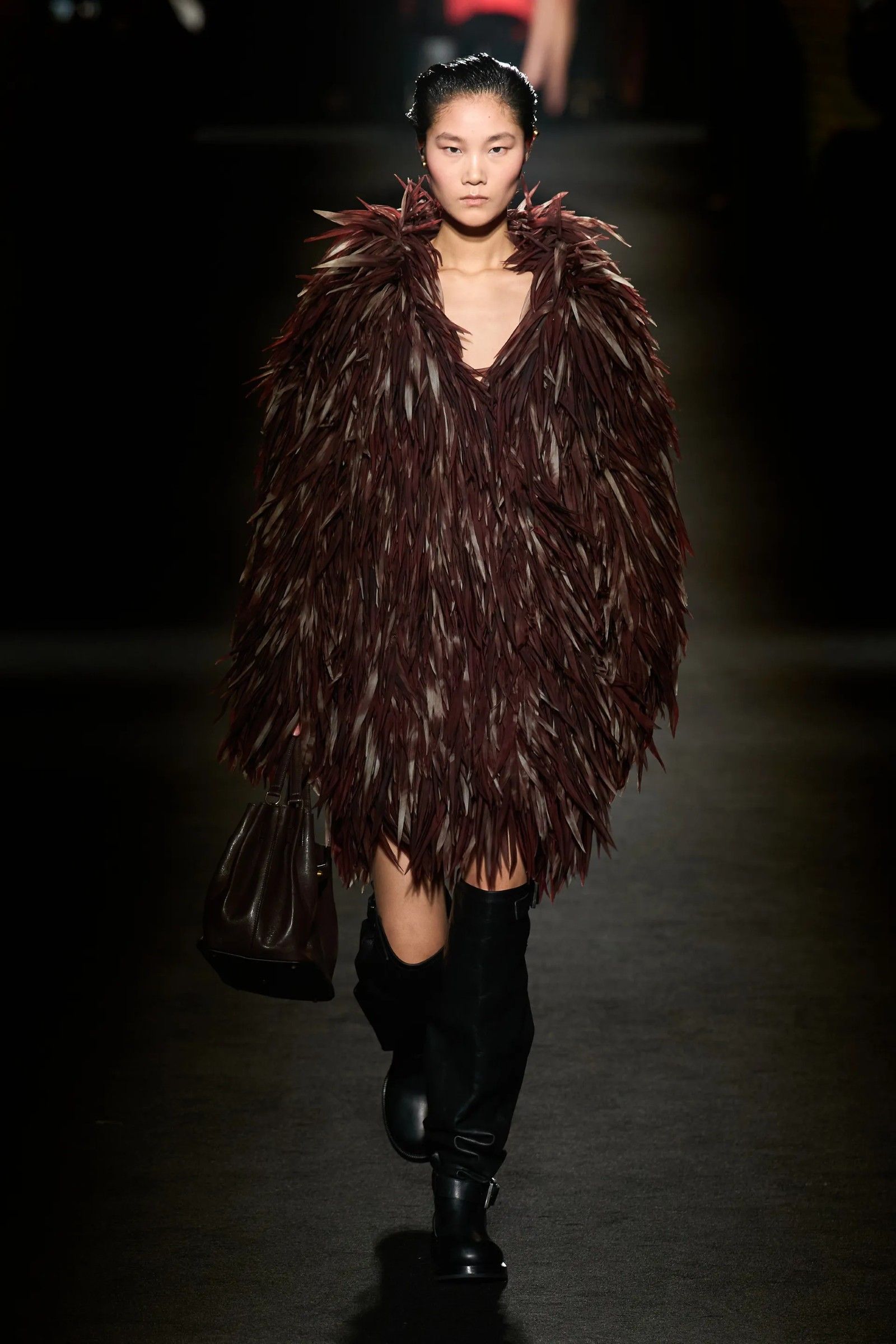
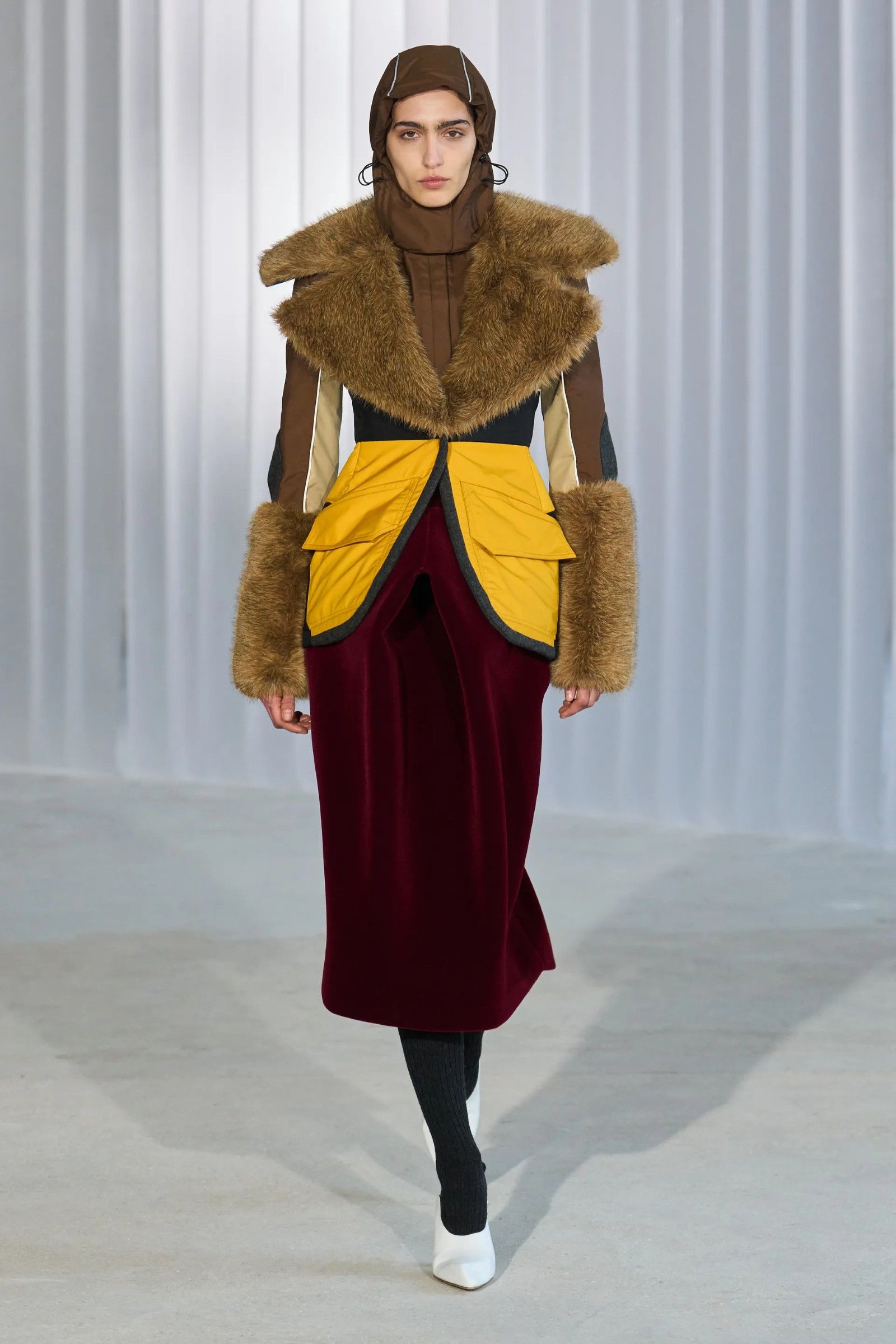
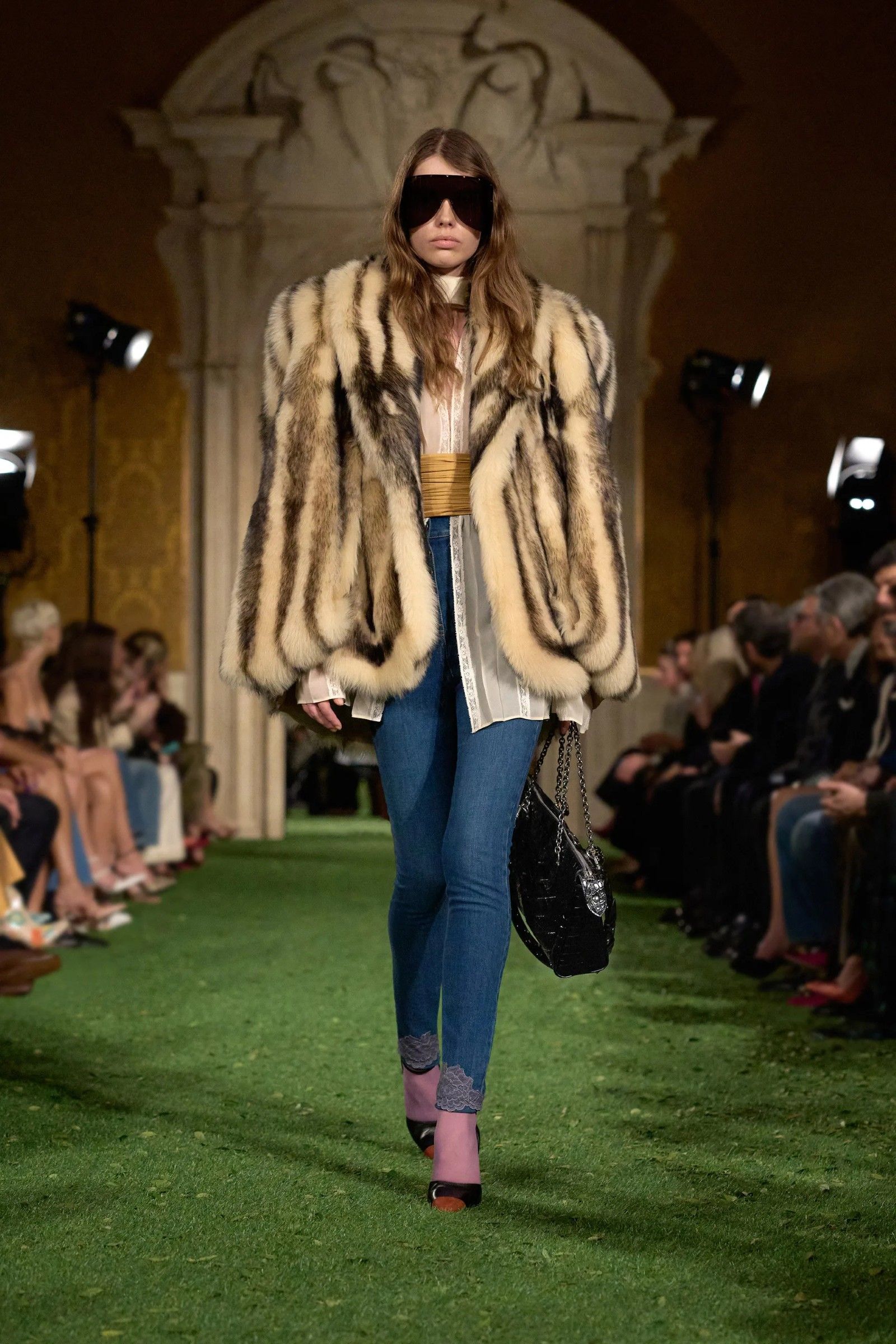
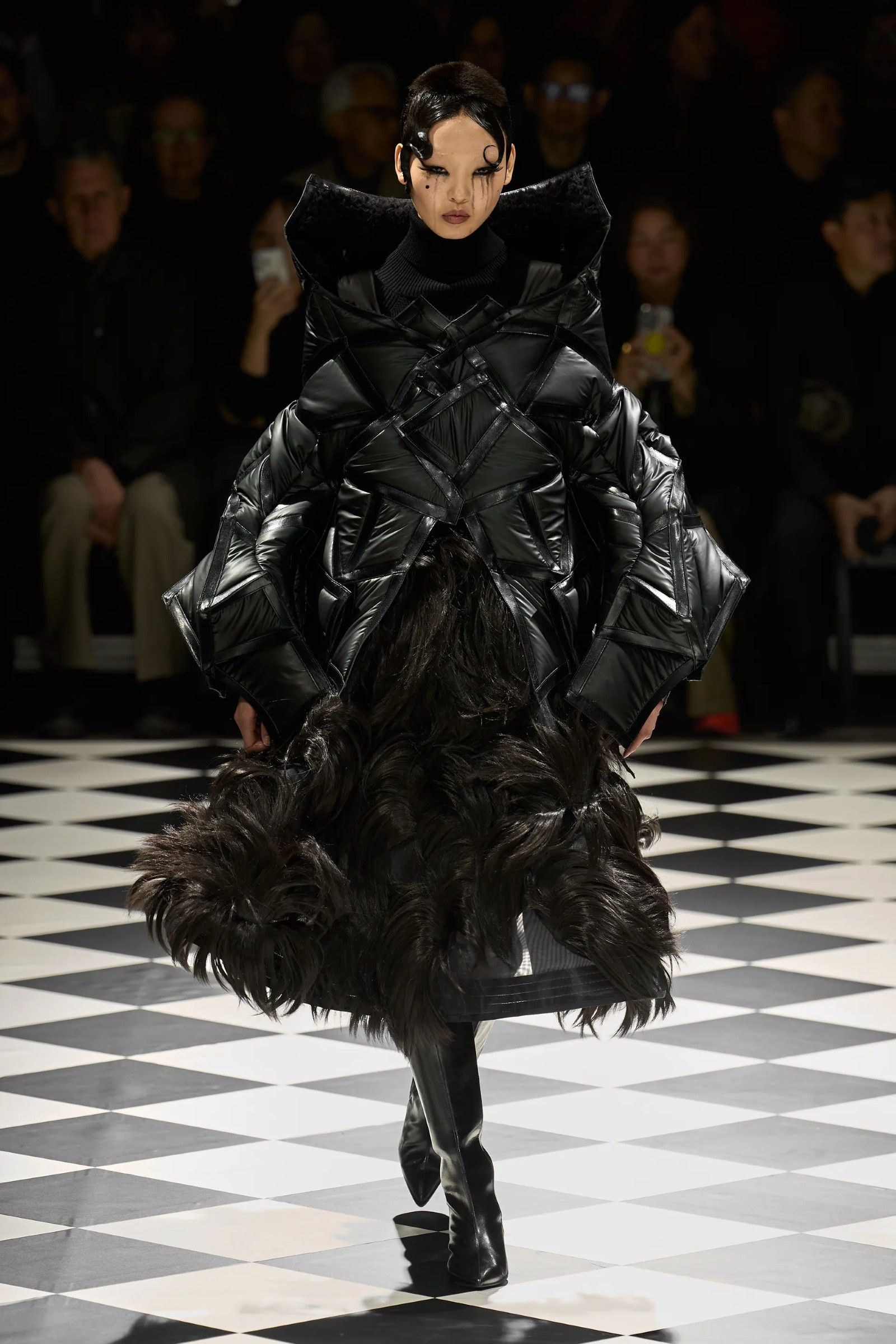
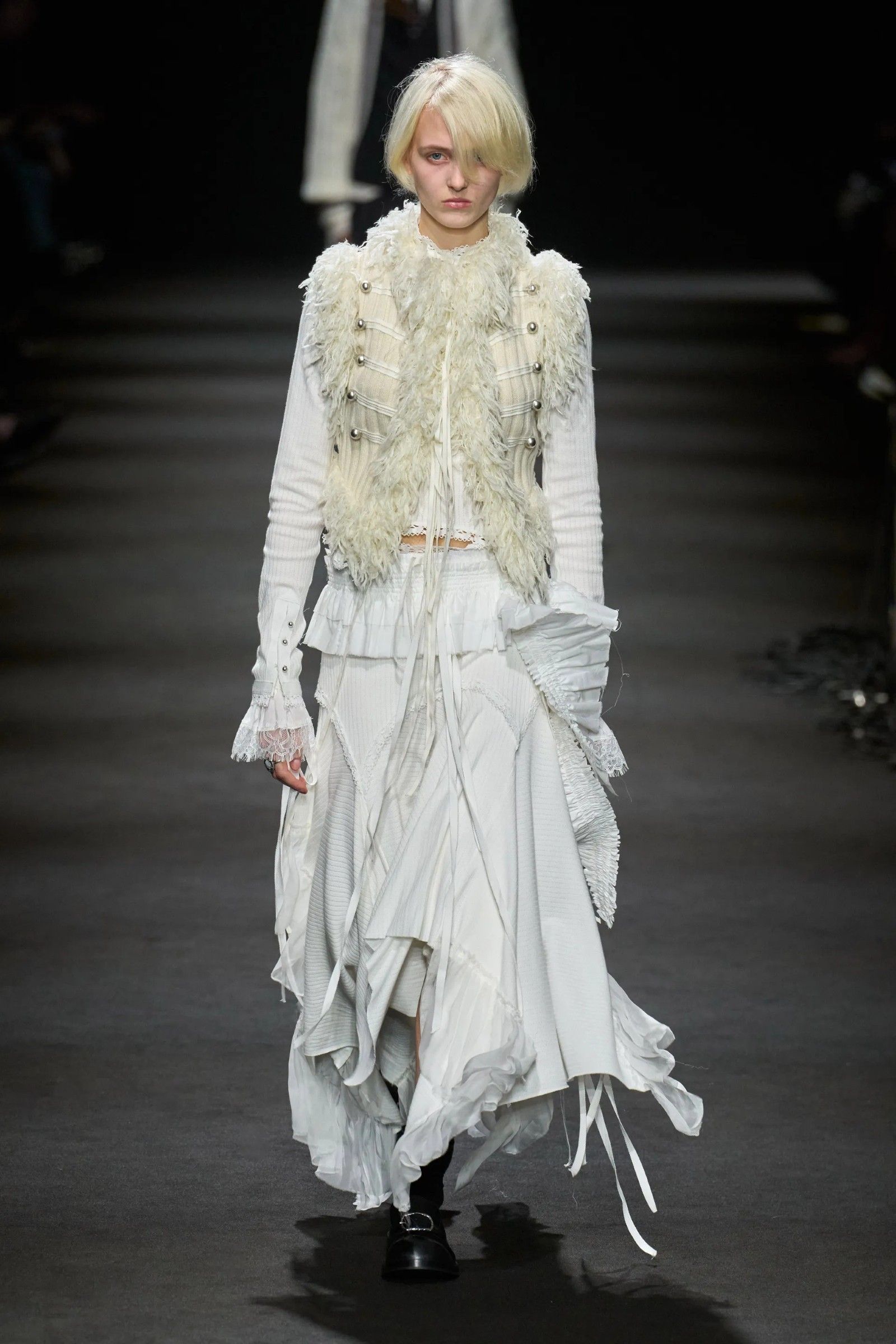
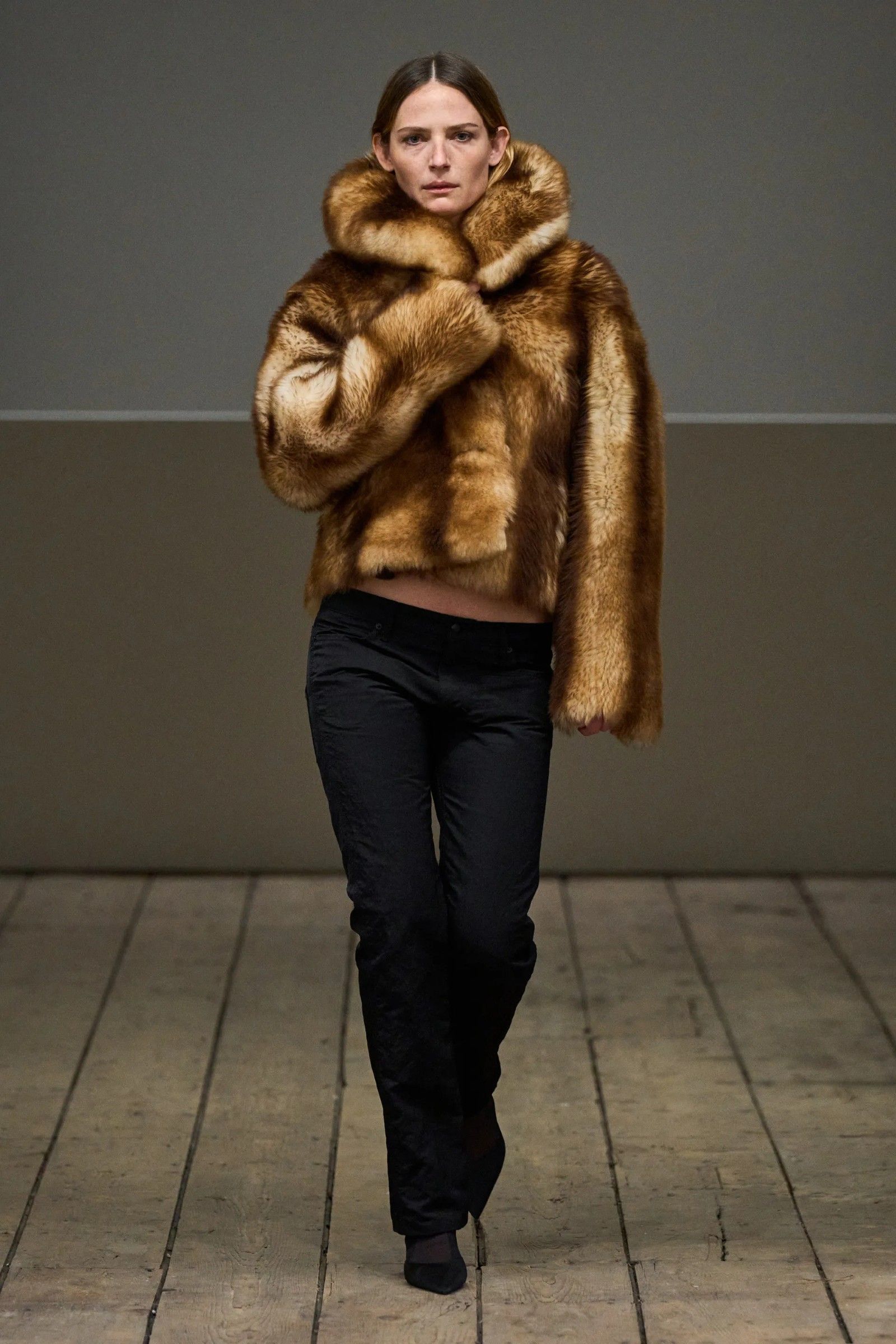
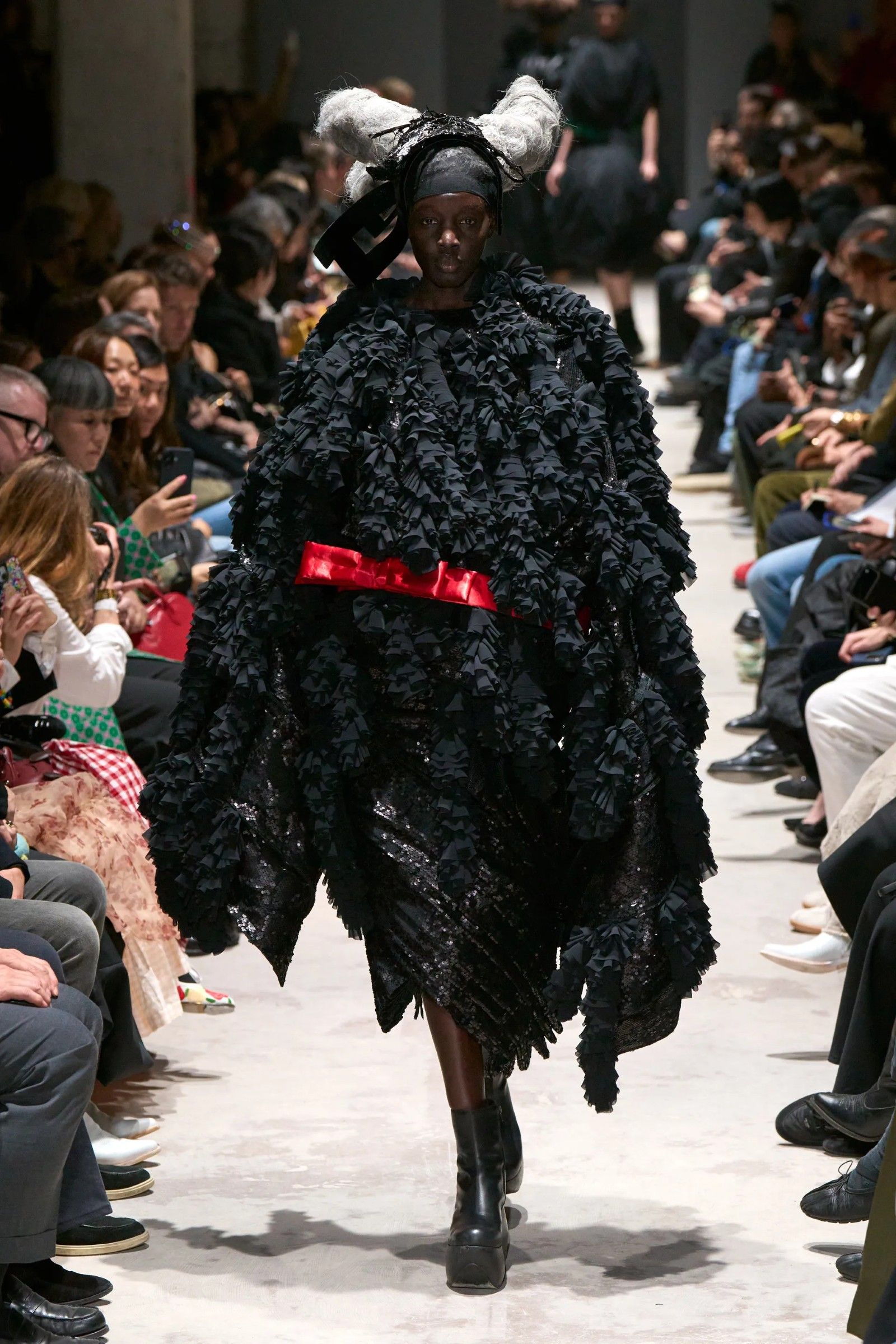
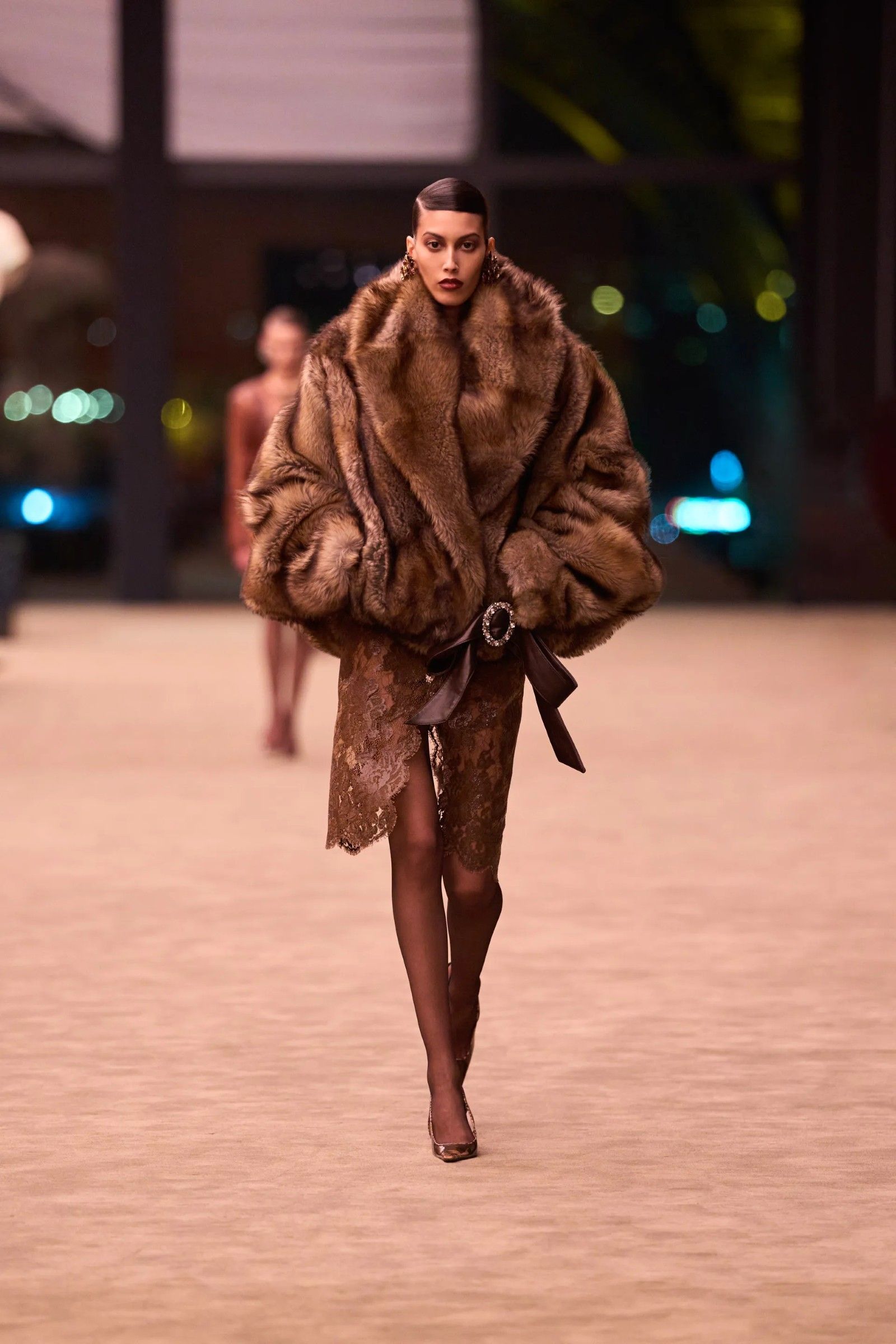
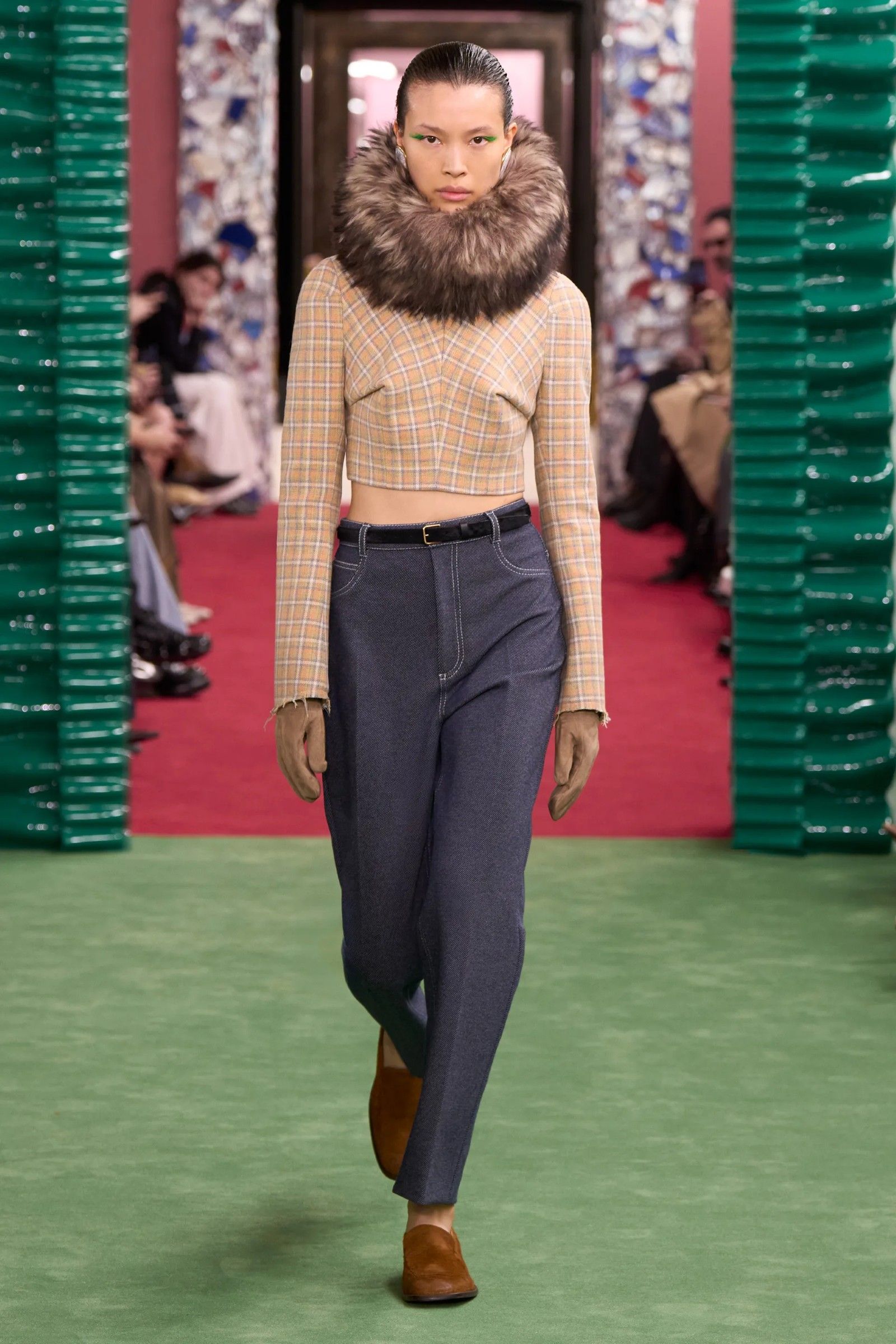
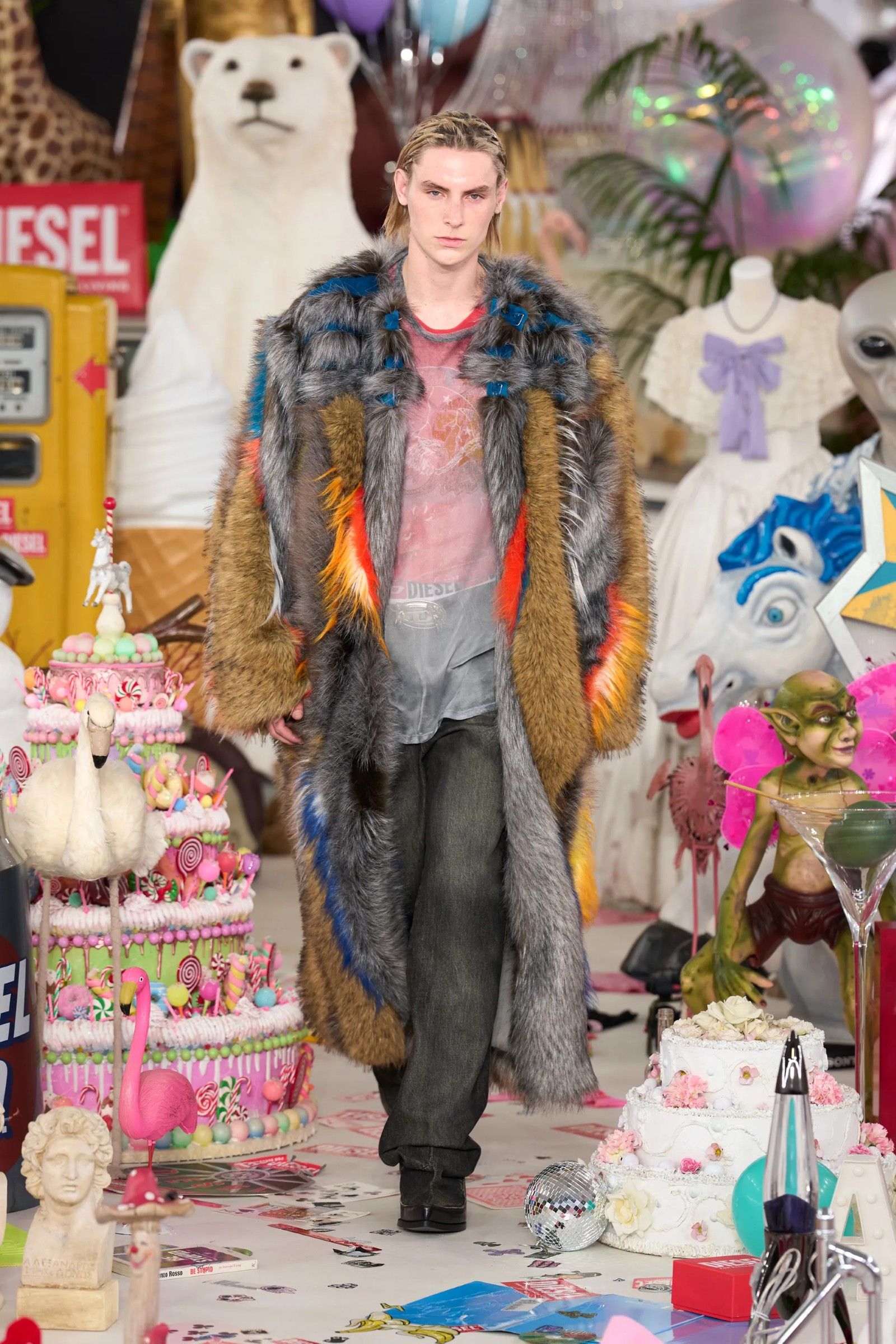
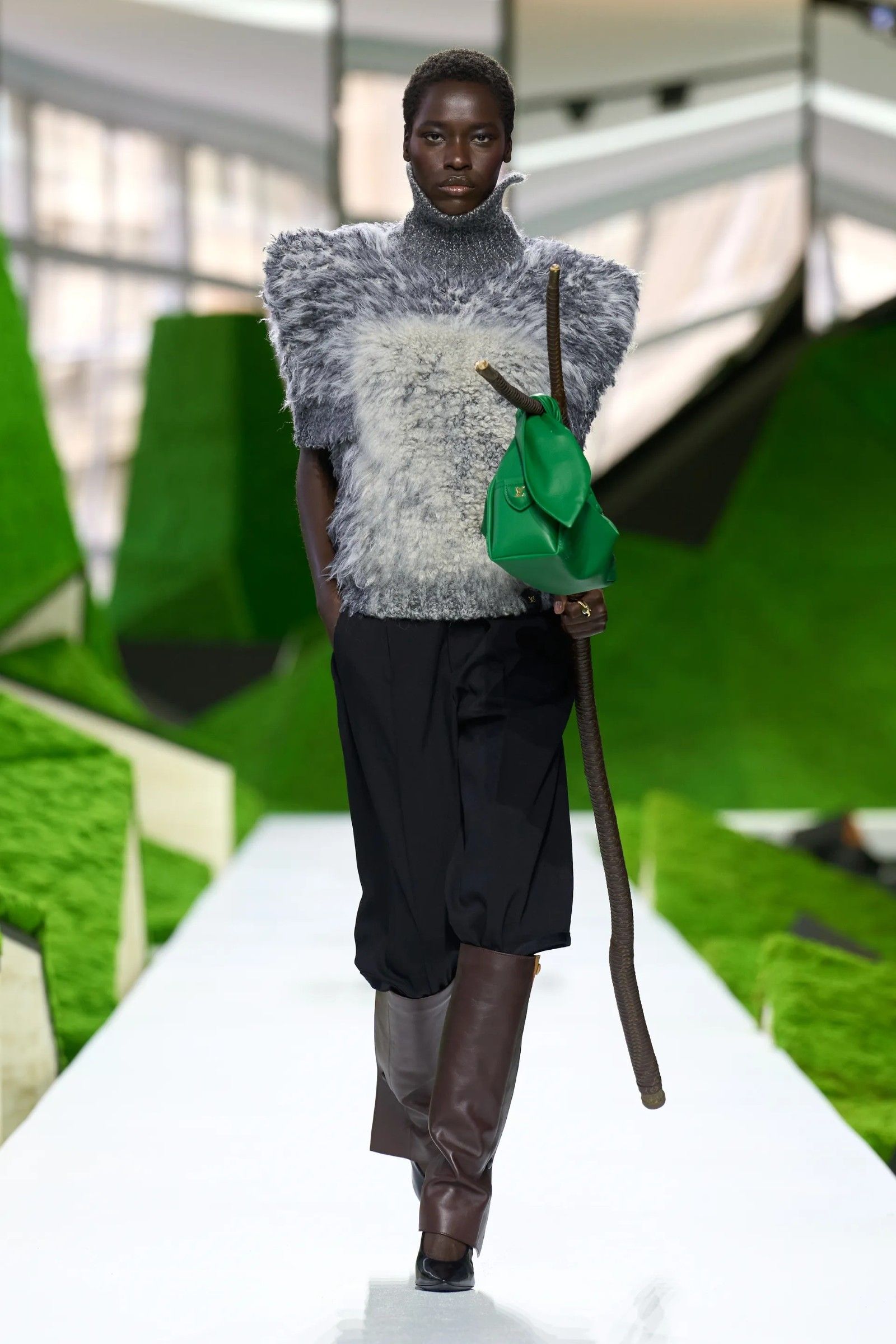
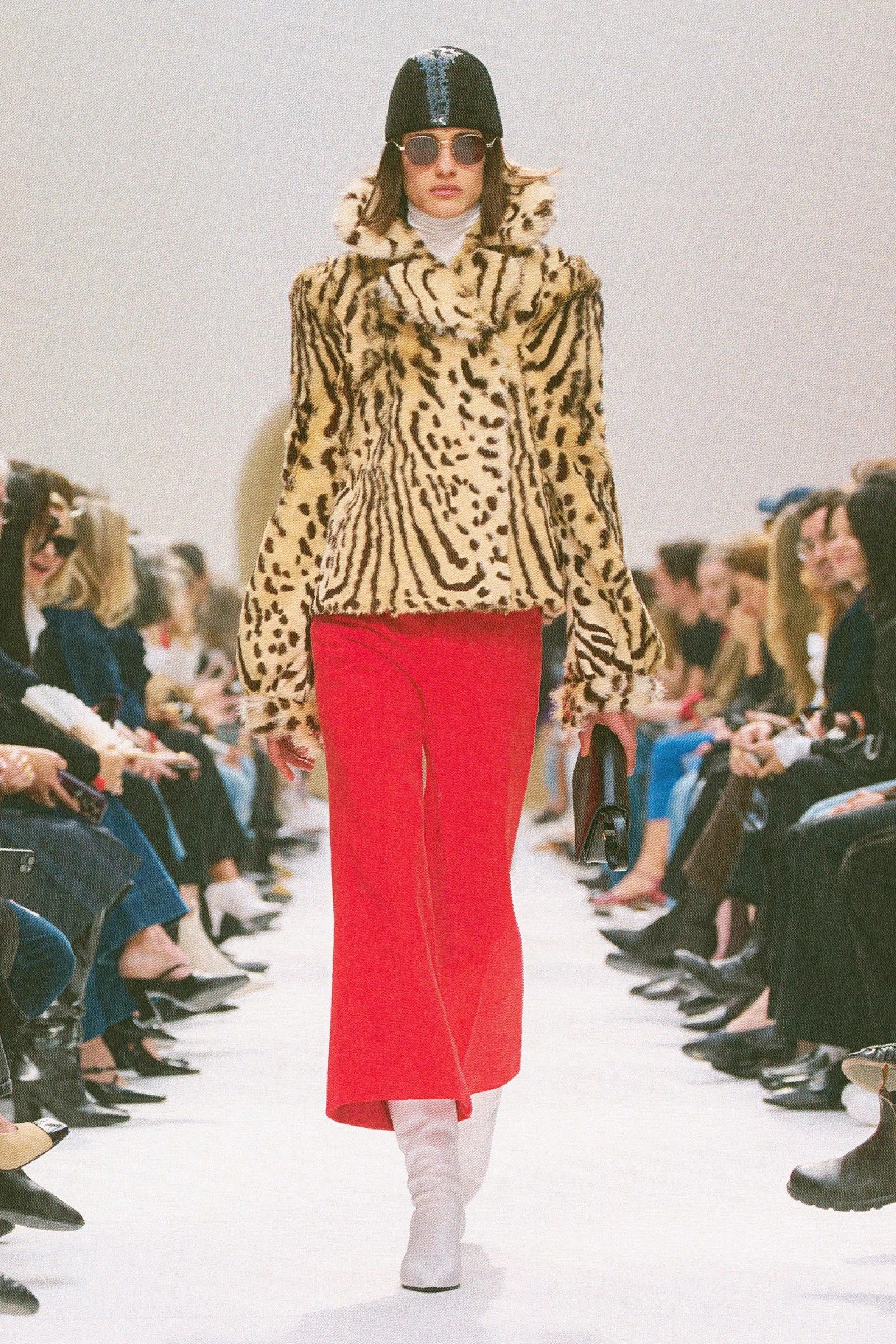
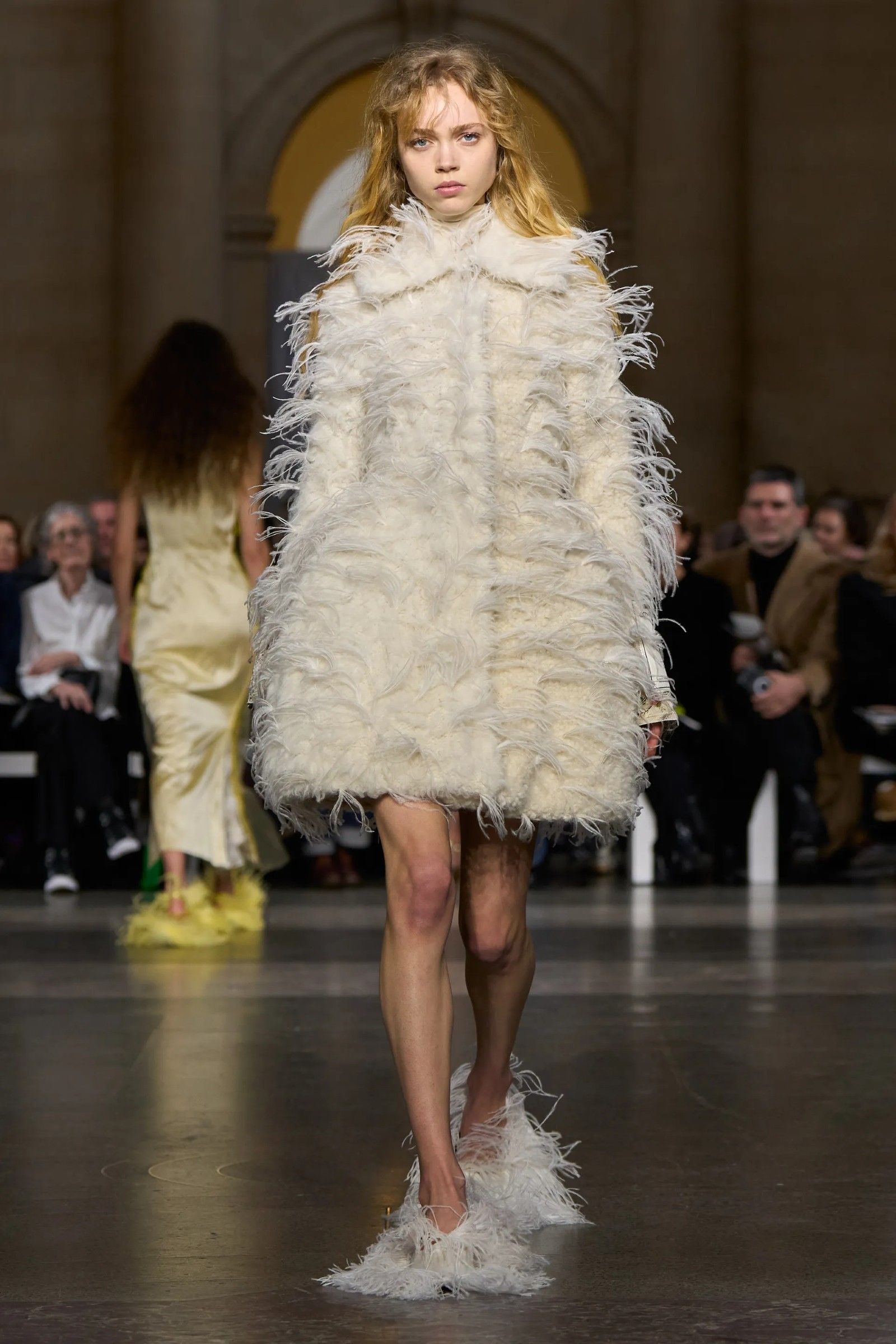
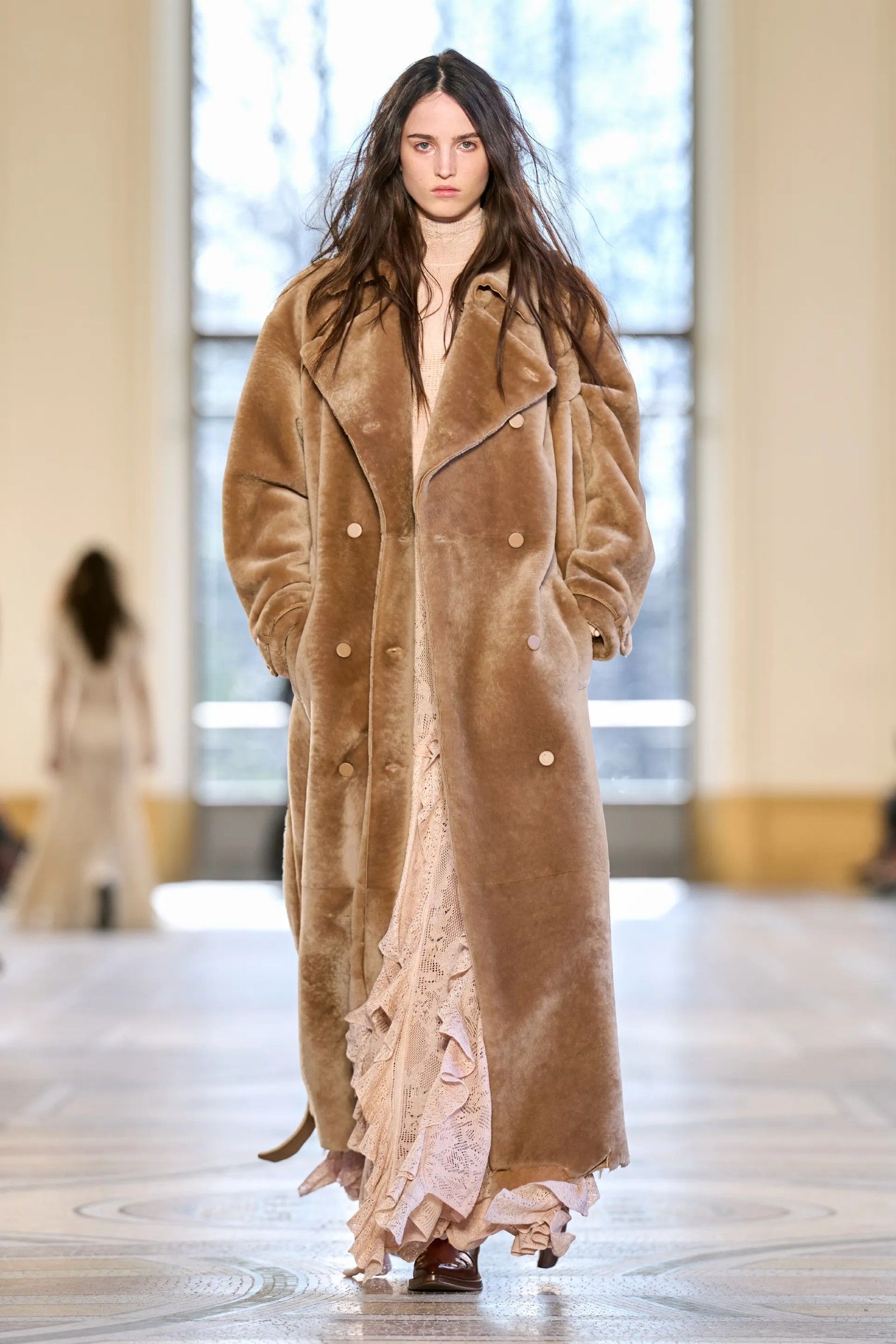
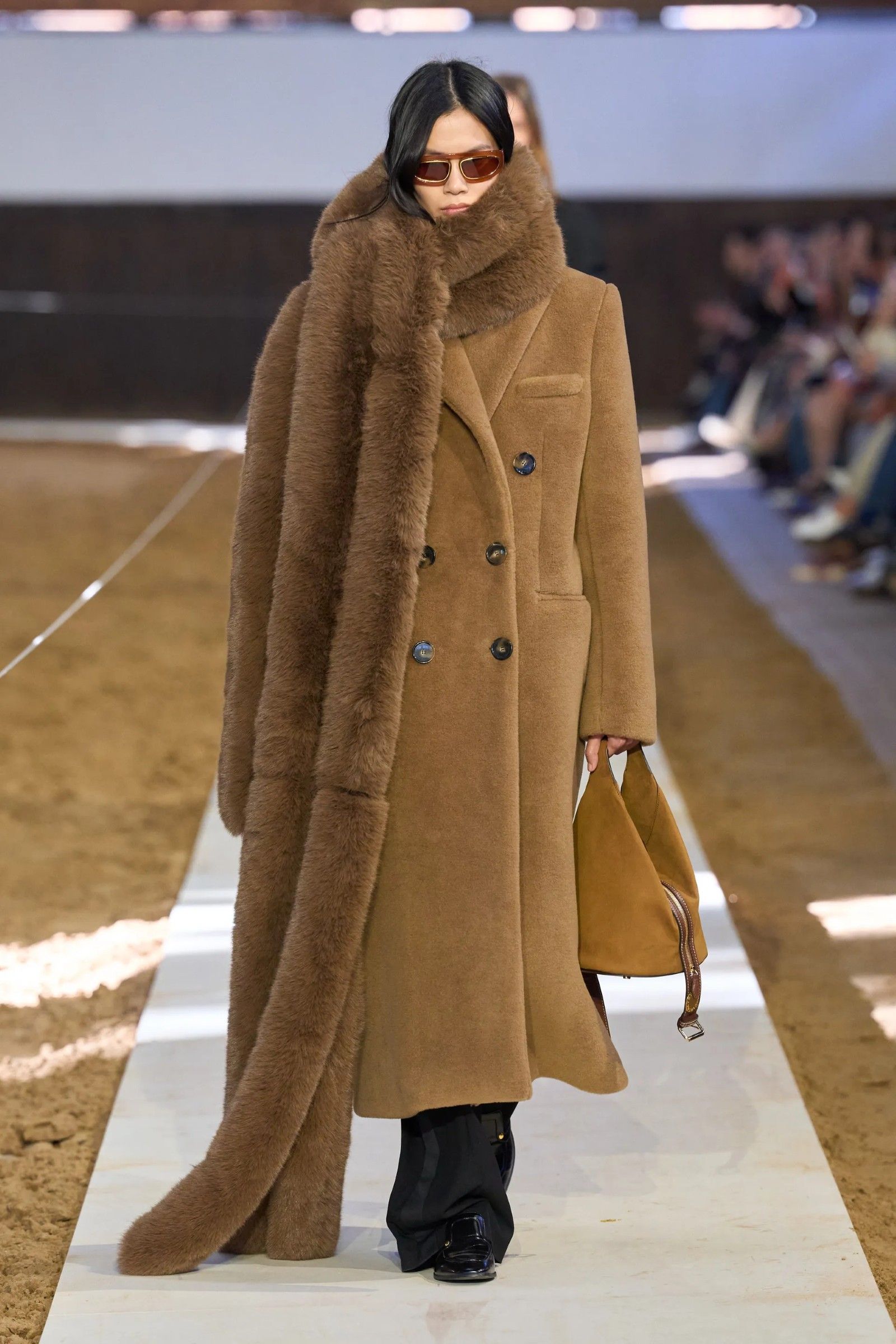
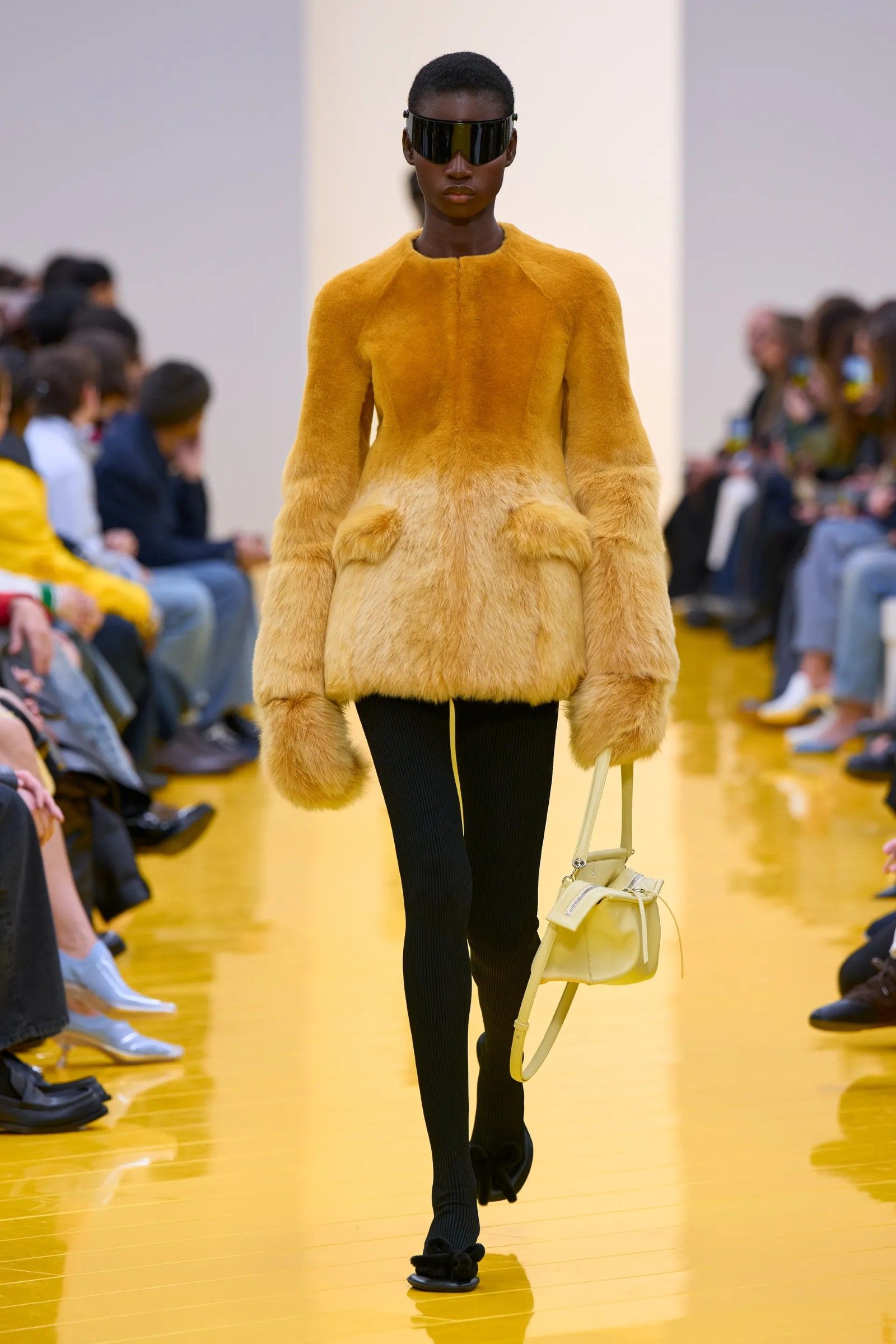
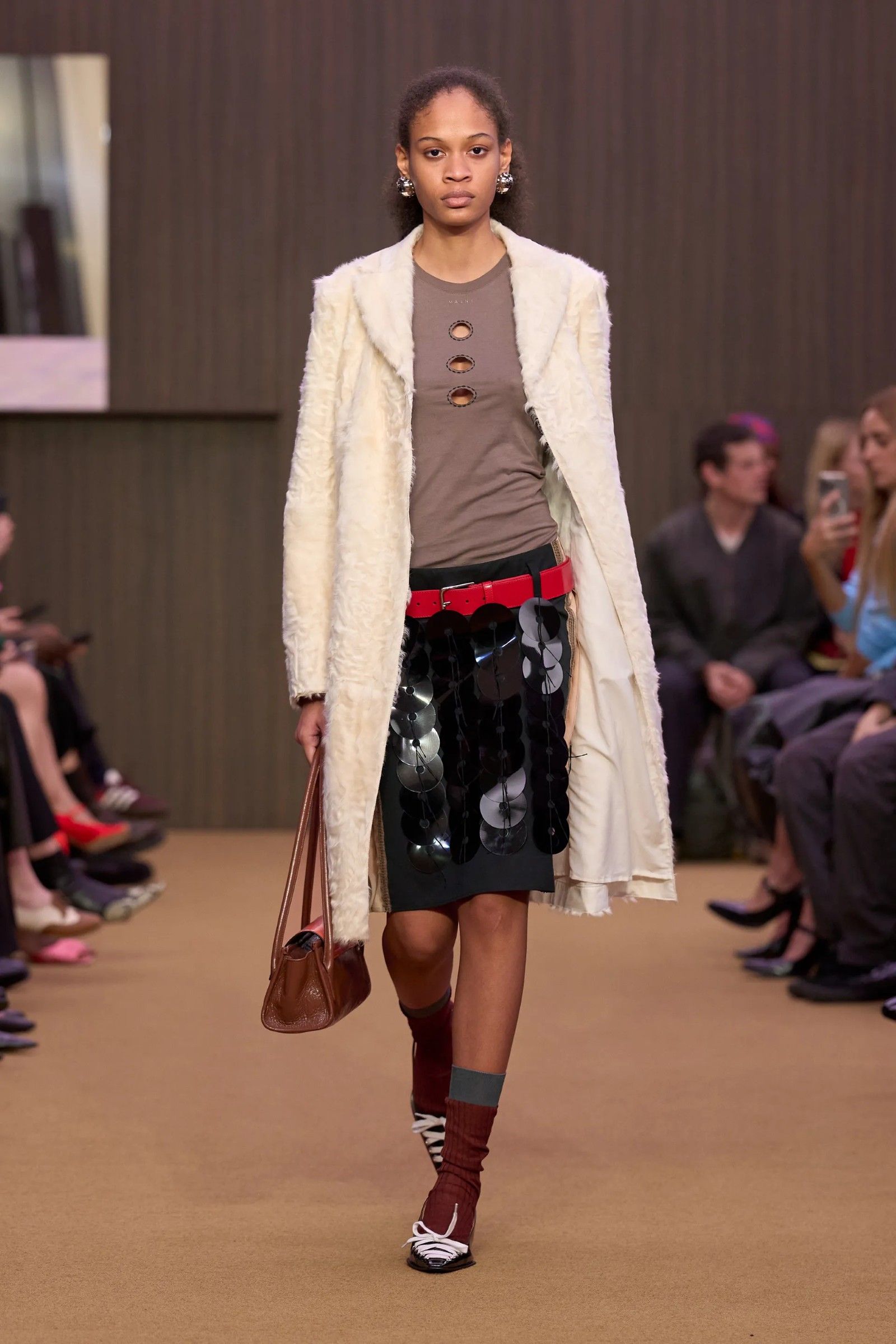
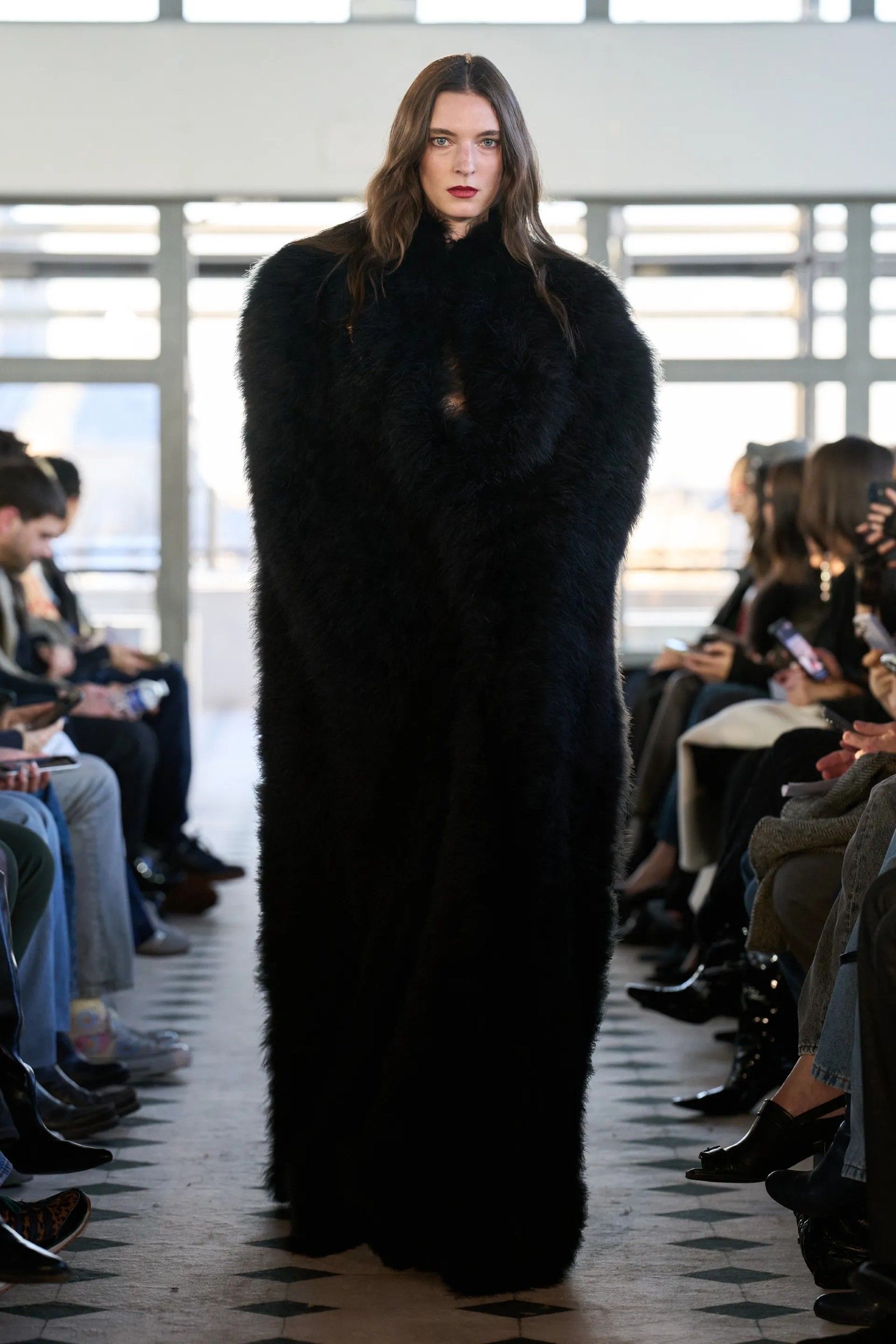
Lately, and especially during the last winter season, fur has made a comeback both on the runway and in real life. The great return of vintage and the spread of second-hand culture have established the general opinion that a fur coat is unethical only if it is new, while grandma’s fur is perfectly excusable. All conversations that inevitably end with the admission that, in fact, nothing is better or warmer than real fur.
Things are different in fashion. The designers’ world immediately understood that after so many years the moment of fur was returning but, thank goodness, the times when Tom Ford and Karl Lagerfeld used the skins of dozens of chinchillas, beavers and assorted rodents for Gucci and Fendi coats are now gone forever. And so, a whole series of alternative yet equally “furry” materials has descended upon the runways across Europe, capable of being the best surrogate for the only material that, together with silk, has always represented aristocracy and material success. But it is precisely the use of these materials that has slightly shifted the semantics of fur. But how?
Replacements, Innovations and New Disciplines
Anyone who remembers the old world will know who the furriers are. Once upon a time, fur occupied its own separate category in fashion, and there were specific shops that sold it, just as there were specific artisans, distinct from ordinary tailors, who repaired or altered it. Thanks to the modern boom in used fur, those old furriers have today found new waves of work, as many people turn to them to modify an old coat inherited from a family member or bought second-hand. However, the new wave of pseudo-furs requires a slightly different set of skills.
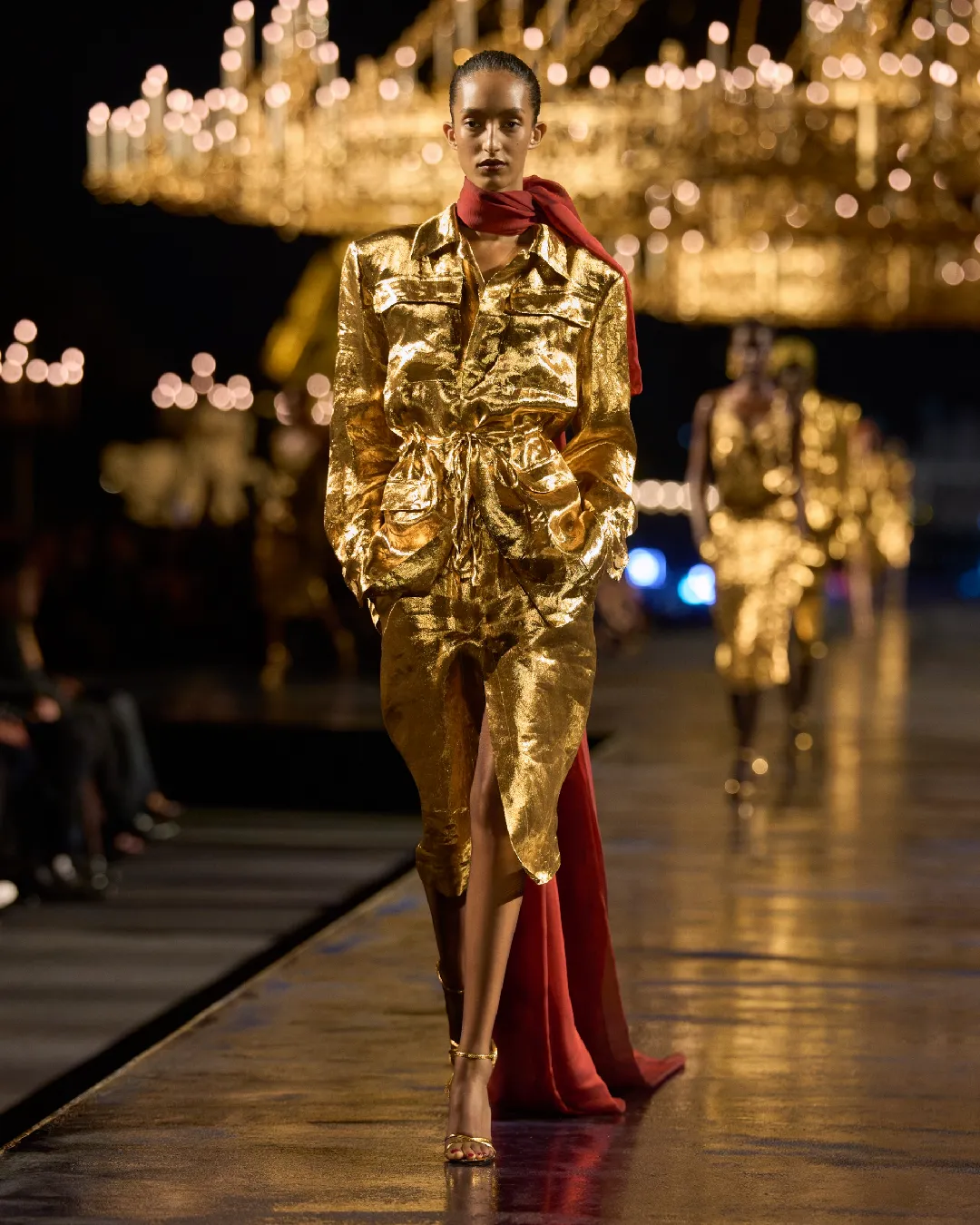
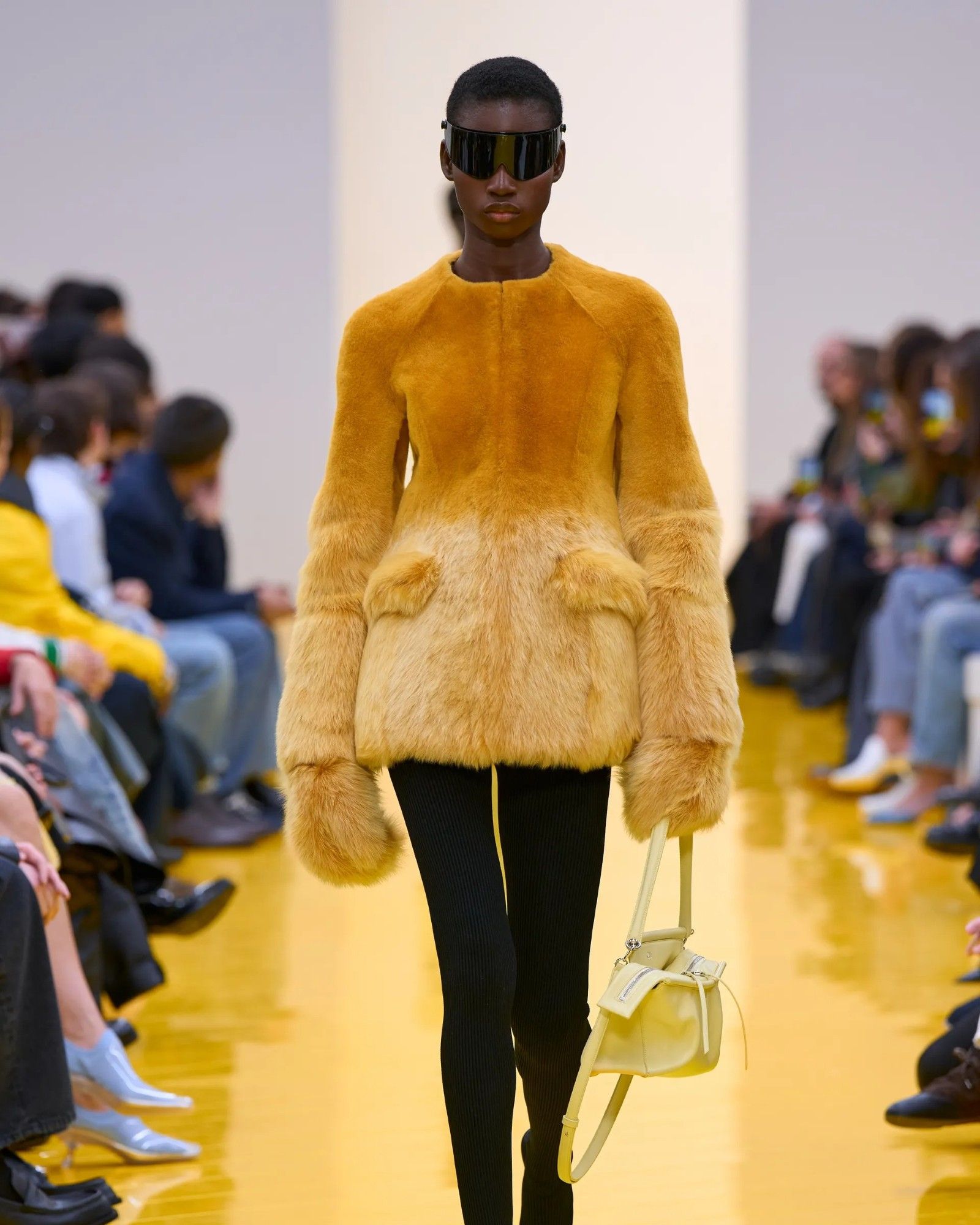
The key here lies in the particle “pseudo”. What we see on the runway, in fact, apart from the few cases of fur recovered from pre-existing production scraps (a point that was central and heavily emphasized in Maria Grazia Chiuri’s debut at Fendi), in the rest of the fashion world practically everything is used as an alternative: shearling is the most common option to simulate the effect of real fur, while there is an abundance of pony hair, feathers, frayed wool and cashmere made to look like real fur, organza and chiffon specially worked, and, in the case of the viral Loewe jeans, even leather treated to look “feathery”. But the real hot zone of the sector is vegan eco-furs.
Between Two Taboos
The search for an alternative to fur, in short, has represented a new branch of material innovation. On one hand, we have advances in the processing of existing fabrics that become pseudo-furs; on the other, entirely new industries are opening up. Bottega Veneta has used fibreglass, Stella McCartney debuted the vegan feathers from the company Fevvers in her SS26 show; Collina Strada used plant-based eco-furs in its FW26 show, while BioFluff, which is also backed by LVMH, has developed a completely vegan fur now used by Louis Vuitton, Martine Rose and Collina Strada, as reported by BoF.
The birth of new materials (which also includes vegan eco-leathers) is necessary because the very category of furs, whose commercial appeal is undeniable and simply demanded by the market, finds itself caught between two taboos, both entirely understandable. On one side, the well-known taboo of real fur, now banned by almost every brand and every industry publication, as well as the target of furious protests by PETA, together with the entire reptile skin market; on the other, the taboo of plastic, which has condemned fur, fleece and artificial skins made essentially of plastic to the hell of cheapness and polluting microplastics.
Yet these two taboos have not only pushed textile innovation, which also includes recycling, but also a type of innovation that is in every sense an advancement of that technical-artisanal excellence on which so much of fashion is based and which, ultimately, responds to those needs for material prestige that today have returned to being a selling point of luxury after years of logos, graphics and general programmed commercial mediocrity.
A Post-Status Symbol
We have now reached the real point where the semantics of fur has been inverted. If once a fur coat lasted entire decades and represented a highly valuable asset for the woman who owned it, its desirability was linked to a symbolic role of social prestige. Fur was for the “lady” and often buying one’s first fur was a sort of rite of passage for girls, just as the first car was for men. Over time, fur came to represent material well-being and success and thus indicated inclusion in a sort of “caste” of respectable people who entrusted their status to a kind of uniform that, for men, included the suit and the watch and, for women, the shoes, diamonds and furs. Today we find ourselves in a new scenario.
While still linked to a high-bourgeois and vintage imaginary, today fur is what in semiotics would be defined as an “empty signifier”, whose external appearance remains but whose meaning has been emptied (wearing a fur is no longer a direct signifier of personal wealth) to be replaced by new meanings, which in this case are comfort, escapism and a sense of prestige, sophistication and material elevation that separates today’s fur from yesterday’s on the semiotic level. The fact that we still call it fur even when it is not real fur testifies to this shift: it is no longer the status symbol of the past, but evokes it with detachment, irony or nostalgia — that same status symbol without being identical to it.
The new need it responds to, instead, is according to many, including those interviewed by BoF, a new and higher level of artisanal sophistication that is now required for a garment to be perceived as “luxury”. Paradoxically, the more fur moves away from itself, the more it remains identical to itself, completing the proverbial circle and once again becoming a synonym of excellence and artisanal advancement, but for entirely different reasons — namely, for being a simulation so close to the real thing that it becomes believable.