





































The war in the Middle East is also bringing fast fashion to a standstill From cancelled flights to skyrocketing oil prices
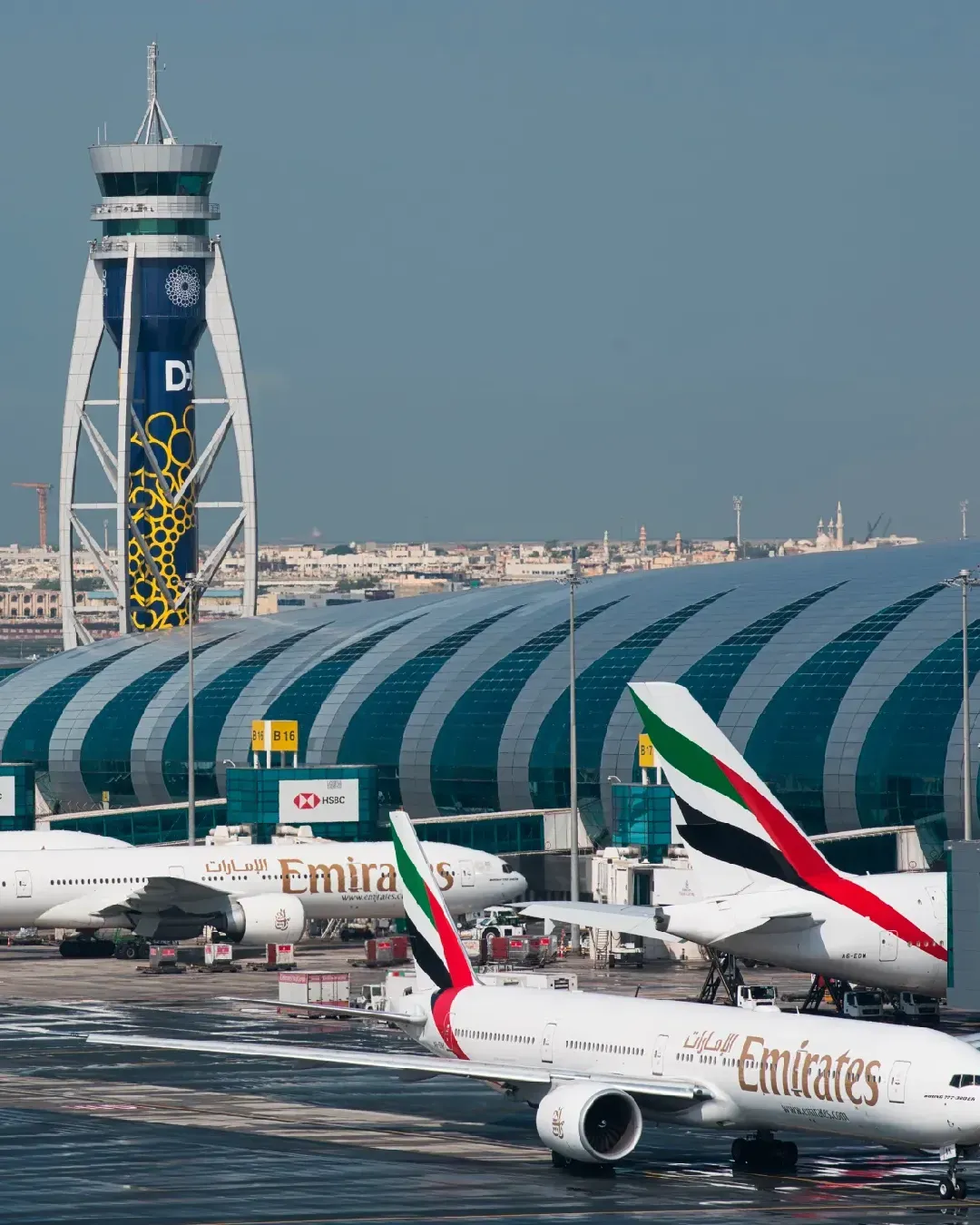
The conflict in the Middle East is involving Iran and Israel, with consequences that are also affecting the fate of usually “sheltered” cities such as Dubai, whose airport (the largest in the region) has been blocked for days. While the war continues to put innocent lives at risk, the air traffic shutdown is changing the dynamics of some of the most powerful industries in the world, fashion included.
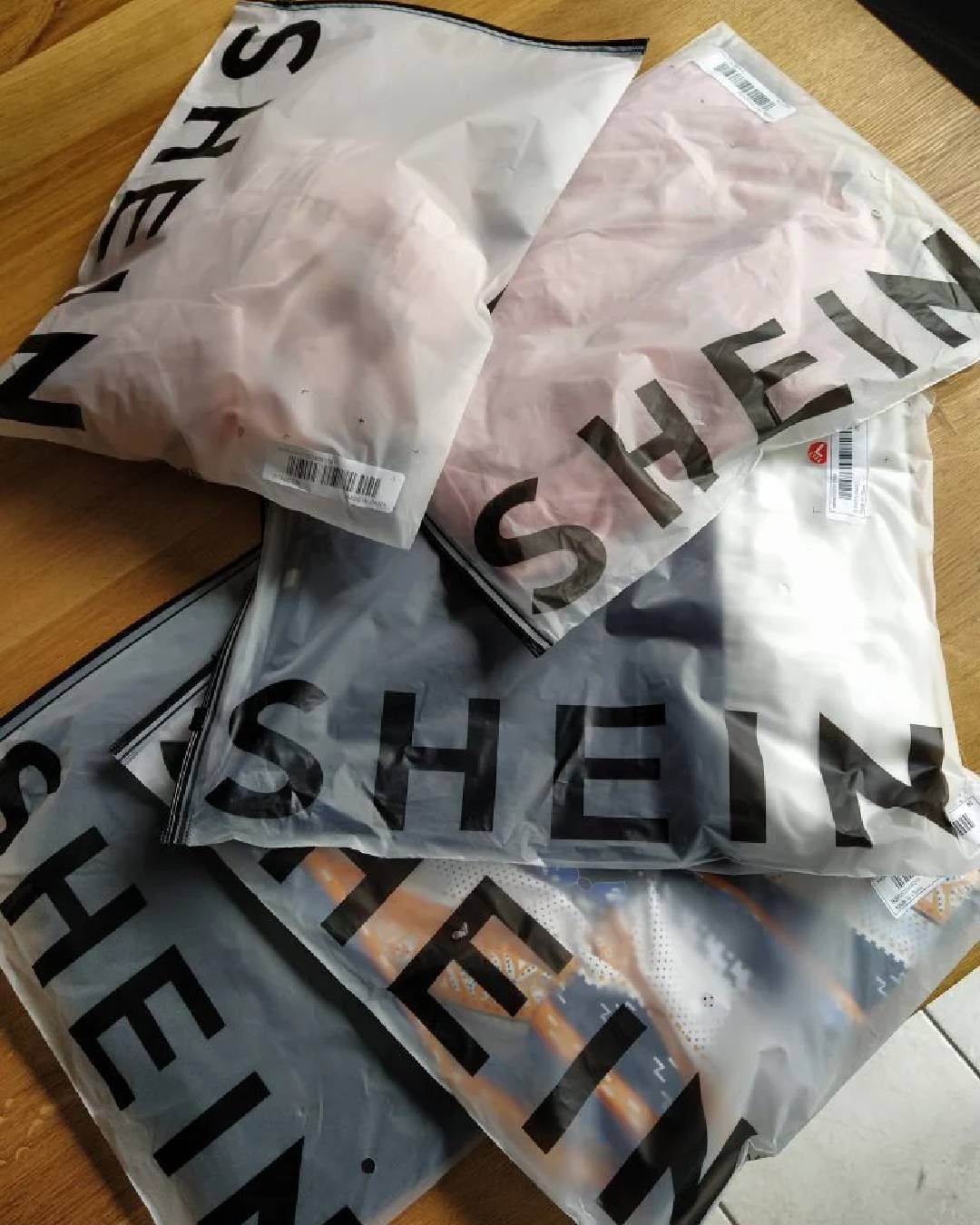
Canceled flights halt fast fashion shipments
Iranian Drone Hits Dubai Airport. pic.twitter.com/4KdYQTOKjo
— Syed Zeeshan Aziz (@iemziishan) March 7, 2026
Canceled flights across Middle Eastern airspace are not only worrying the region’s luxury tourism, but also fast fashion shipments, the less glamorous side of the fashion sector that is now facing a rather tricky issue. Fast fashion shipments coming from manufacturing countries in South Asia are now stuck in manufacturing hubs or at their respective airports. Reuters reports that, according to the latest updates relating to the year 2023, Inditex (owner of Zara, Bershka, Massimo Dutti, Oysho and several others) reportedly has 150 suppliers in Bangladesh, 122 in India and 69 in Pakistan.
In conversation with Reuters, the managing director of one of the fast fashion manufacturing companies in Bangladesh explained that with Dubai’s airport shut down, the company is looking for alternatives to ship goods to Europe. However, everything—from flights to alternative routes—now costs more. Some brands are shipping by sea, but this option is also proving to be expensive: Iran borders the Strait of Hormuz, one of the most important commercial shipping routes in the world, and its closure is further worsening costs not only for shipping but also for production.
Rising oil prices are also weighing on the industry
Good informational video on what happens when the straight of Hormuz closes.
— Syrian Girl (@Partisangirl) March 1, 2026
It closed yesterday. pic.twitter.com/9fseSH6AdX
The Strait of Hormuz is a crucial commercial hub not only for the shipment of goods, but also for the transport of oil. 20% of the global supply passes through this route, which is why oil prices have skyrocketed over the past week: according to Sole24Ore, today the annual record for oil prices was reached, with a rise of 23.38% to 119.5 US dollars per barrel.
Reporter Brian Baskin, a journalist who once covered the oil industry, wrote for BoF that the main problems for fashion right now are the disruption of travel to the wealthiest cities in the Middle East and a general slowdown in purchasing, but in the future the sector that will suffer the most will be the supply chain. The transportation of goods will see significant cost increases due both to the closure of major ports and the price of oil. Not to mention that the price of synthetic fibers - such as nylon and polyester, which are among the most widely used materials in fast fashion - will also increase. According to Baskin, the best solutions are sustainable ones: the use of natural fibers, manufacturing closer to the consumer, and greater use of renewable energy throughout the production process.
What to read next

Will the new EU regulations on unsold goods really help independent brands?
Yes, but there's a catch

A new study reveals that consumers don't want new products but styling advice
But the ASOS-commissioned research even shows that 67% of consumers still draw inspiration from social media for their outfits

Now even Marks & Spencer supermarkets have an atelier
How the "manufactured transparency" of European fast fashion is attracting new consumers