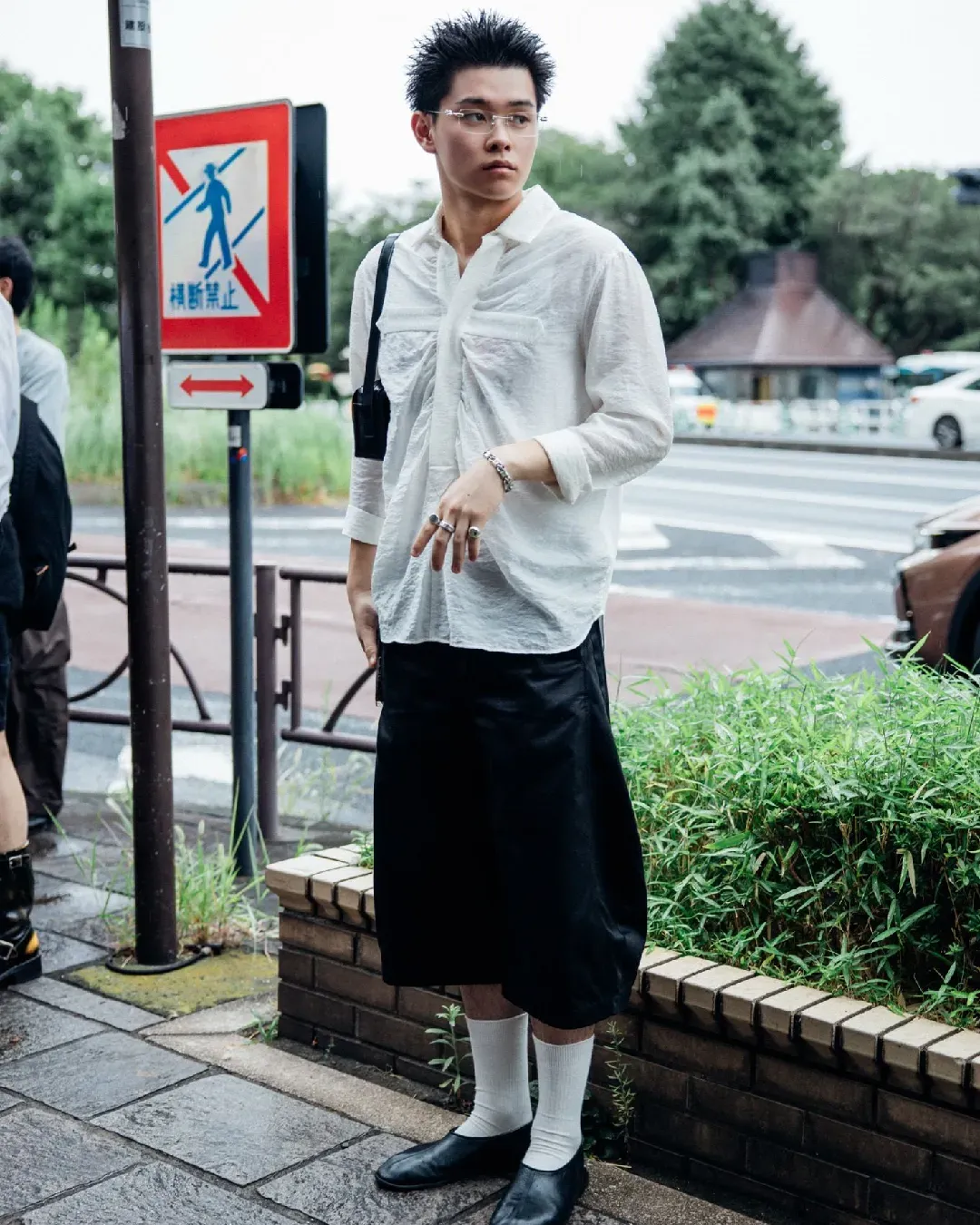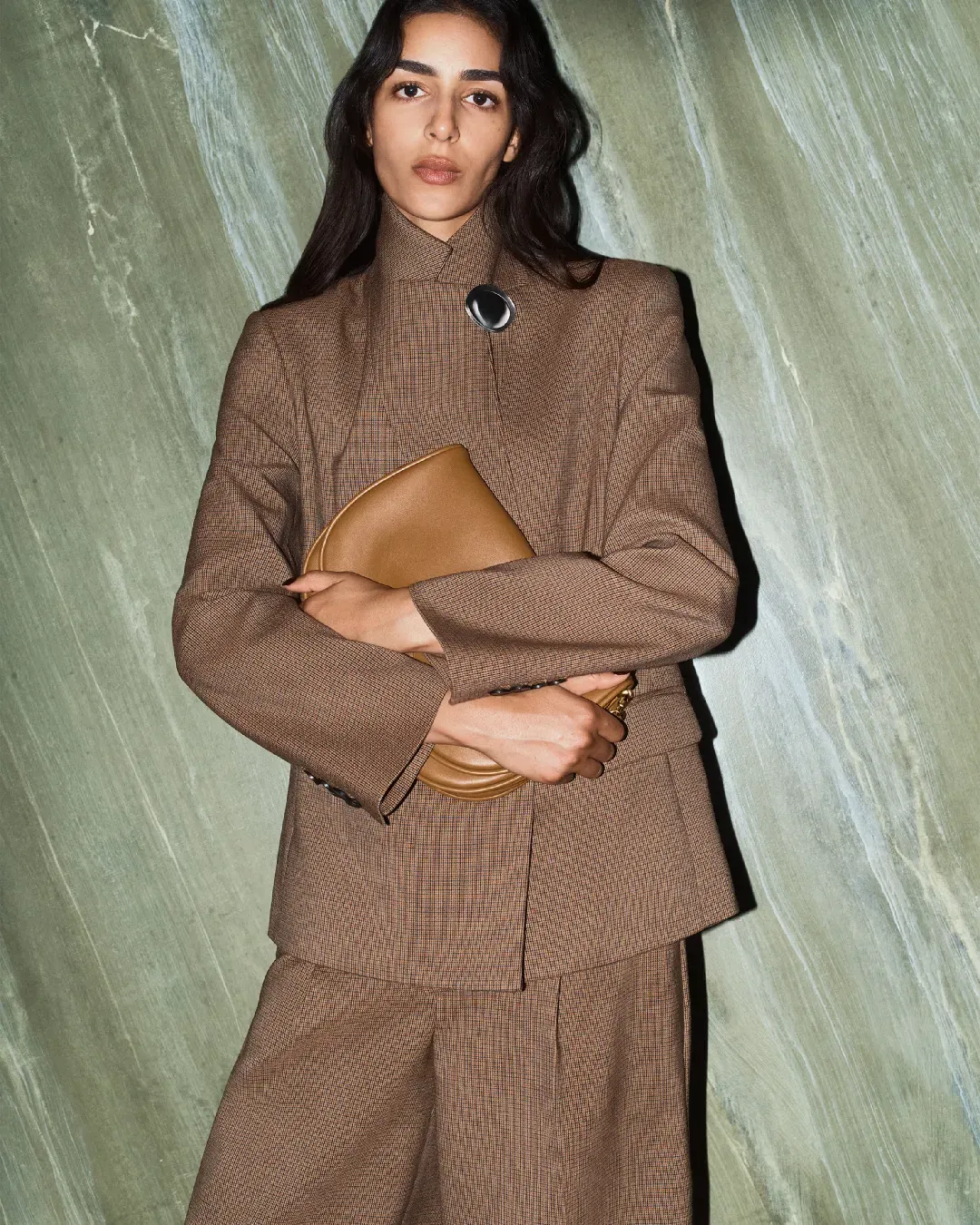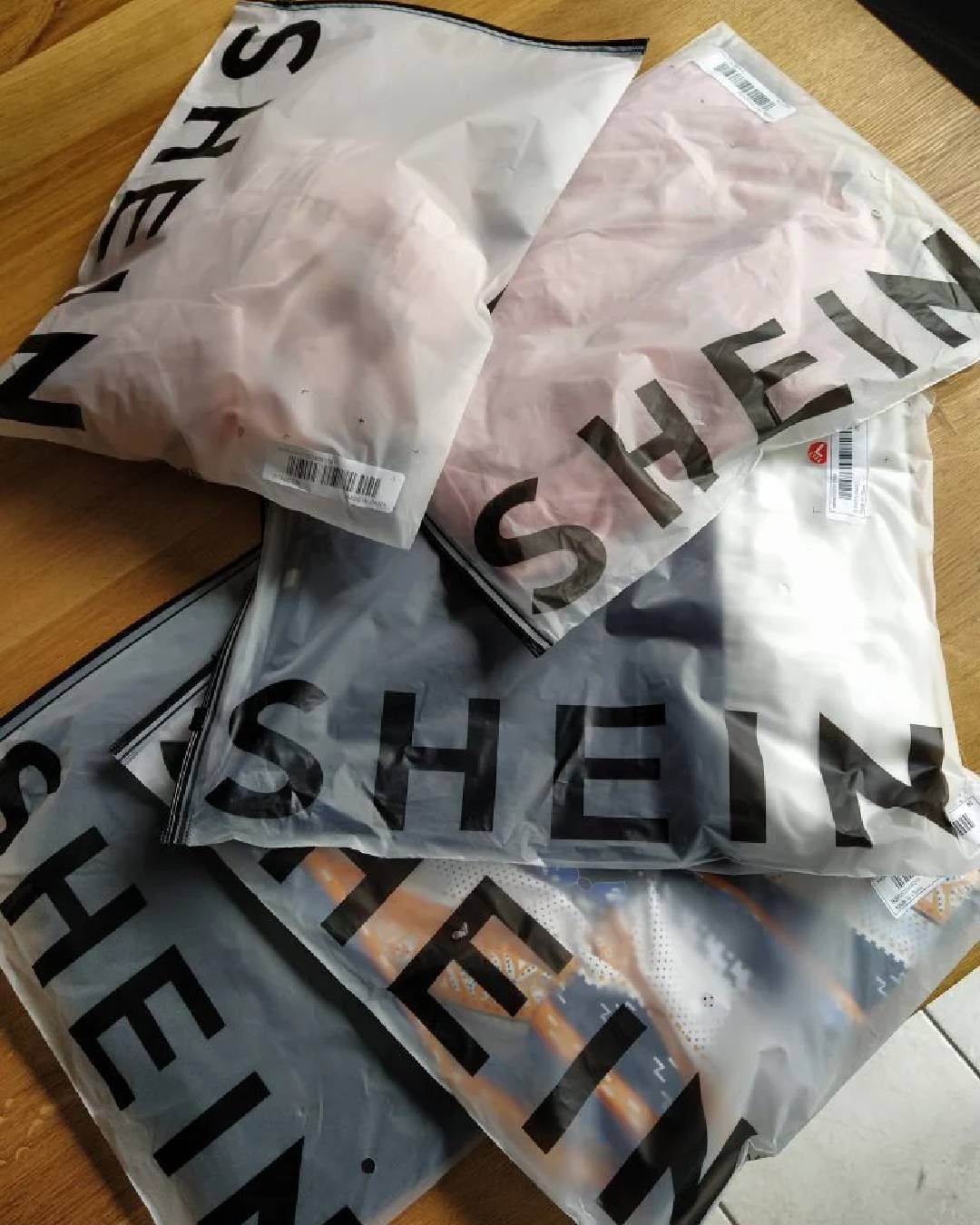























When fast fashion pretends to be ultra-luxury It involves specific repositioning strategies, as well as broader economic factors
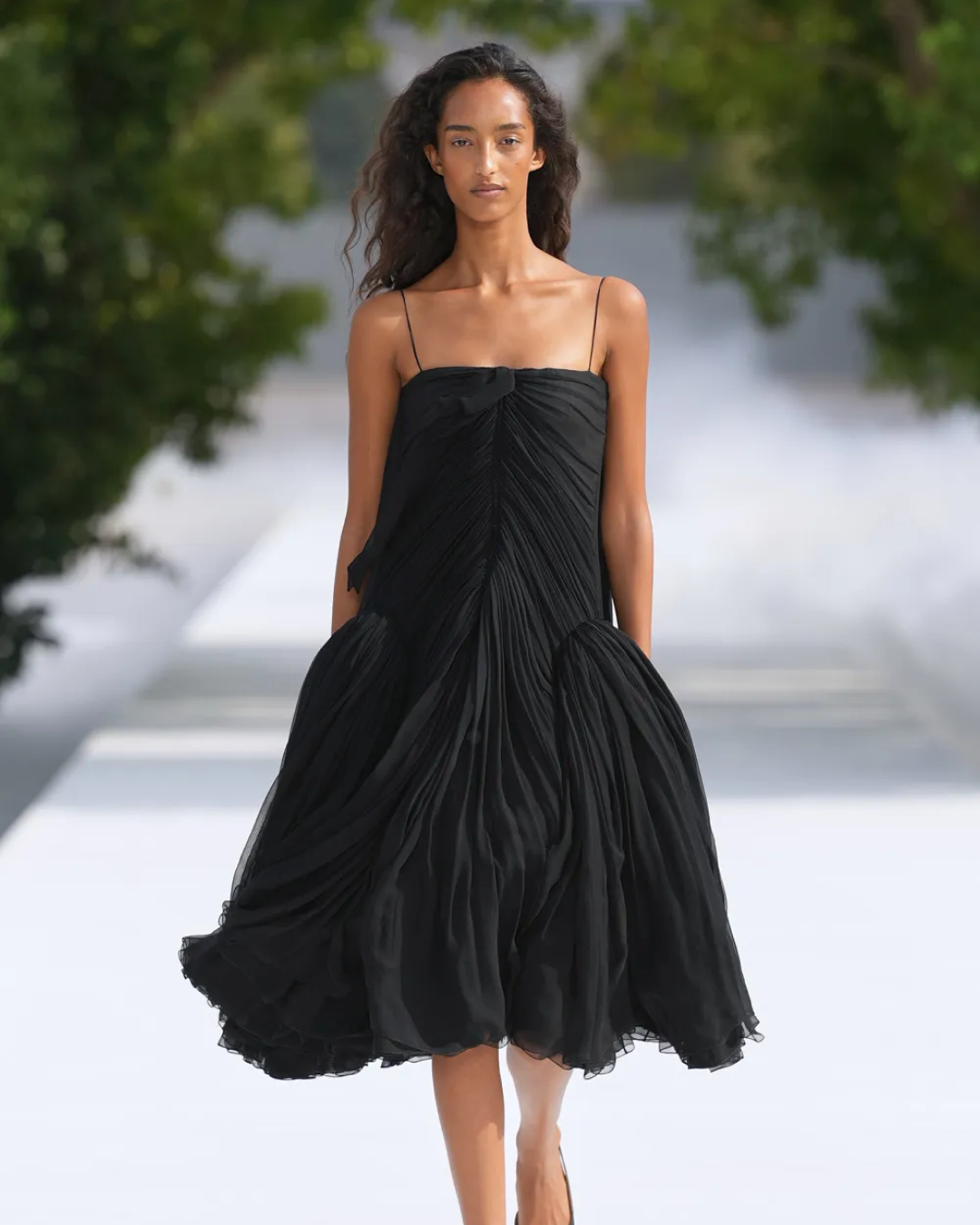
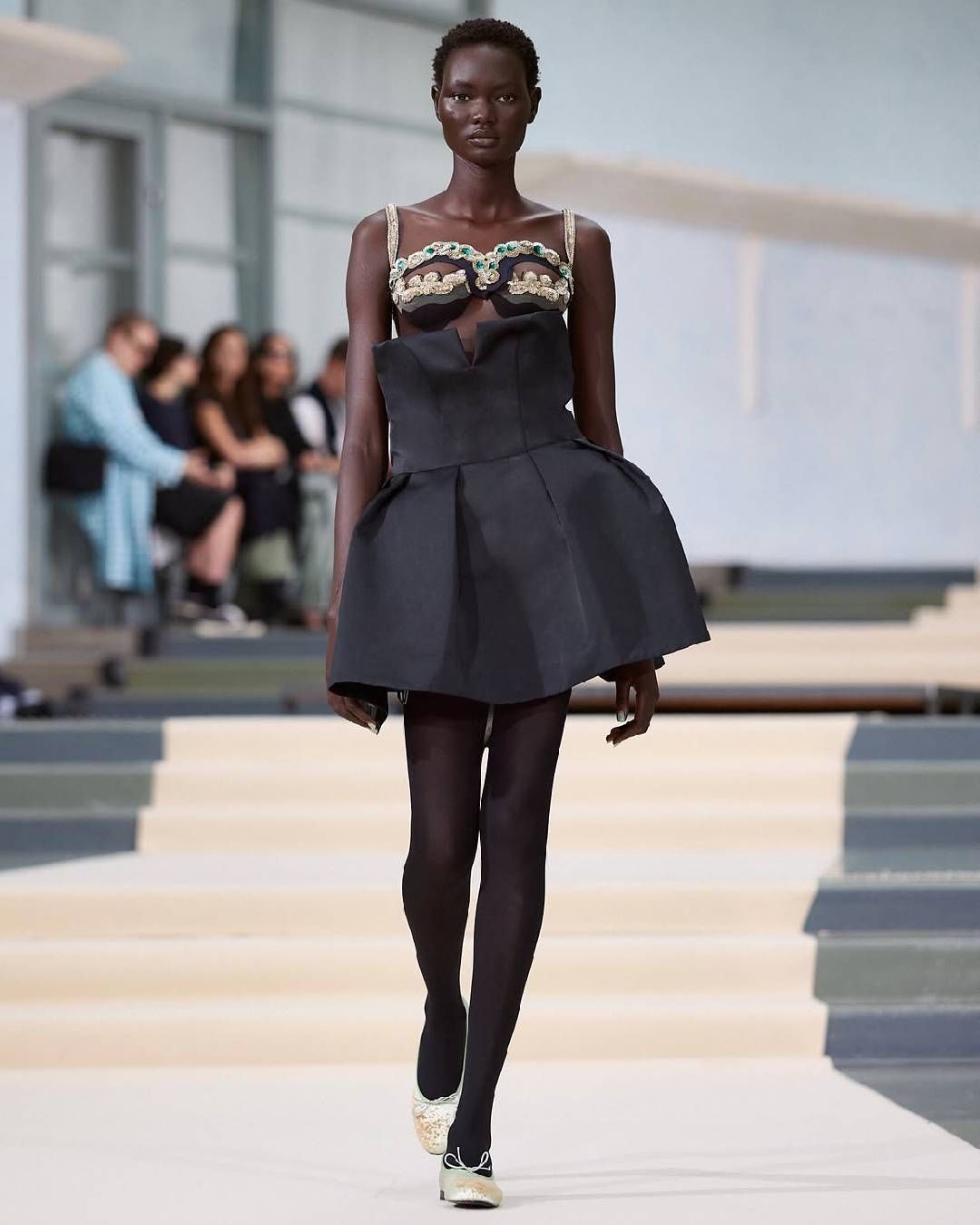
In recent years, as recently highlighted by Business of Fashion, a growing number of fashion brands have been adopting what the British magazine defines as a “brand elevation” strategy, aiming to position themselves in more prestigious market segments. This phenomenon appears to be driven by two main factors: on the one hand, brands historically close to fast fashion, and therefore more accessible, are trying to protect themselves from competition from players such as Shein and Temu, the undisputed leaders in the low-cost segment; on the other hand, they are seeking to attract a new segment of consumers penalized by rising prices in the luxury sector – a type of customer that desires higher-quality garments in terms of materials and design, while still remaining budget-conscious.
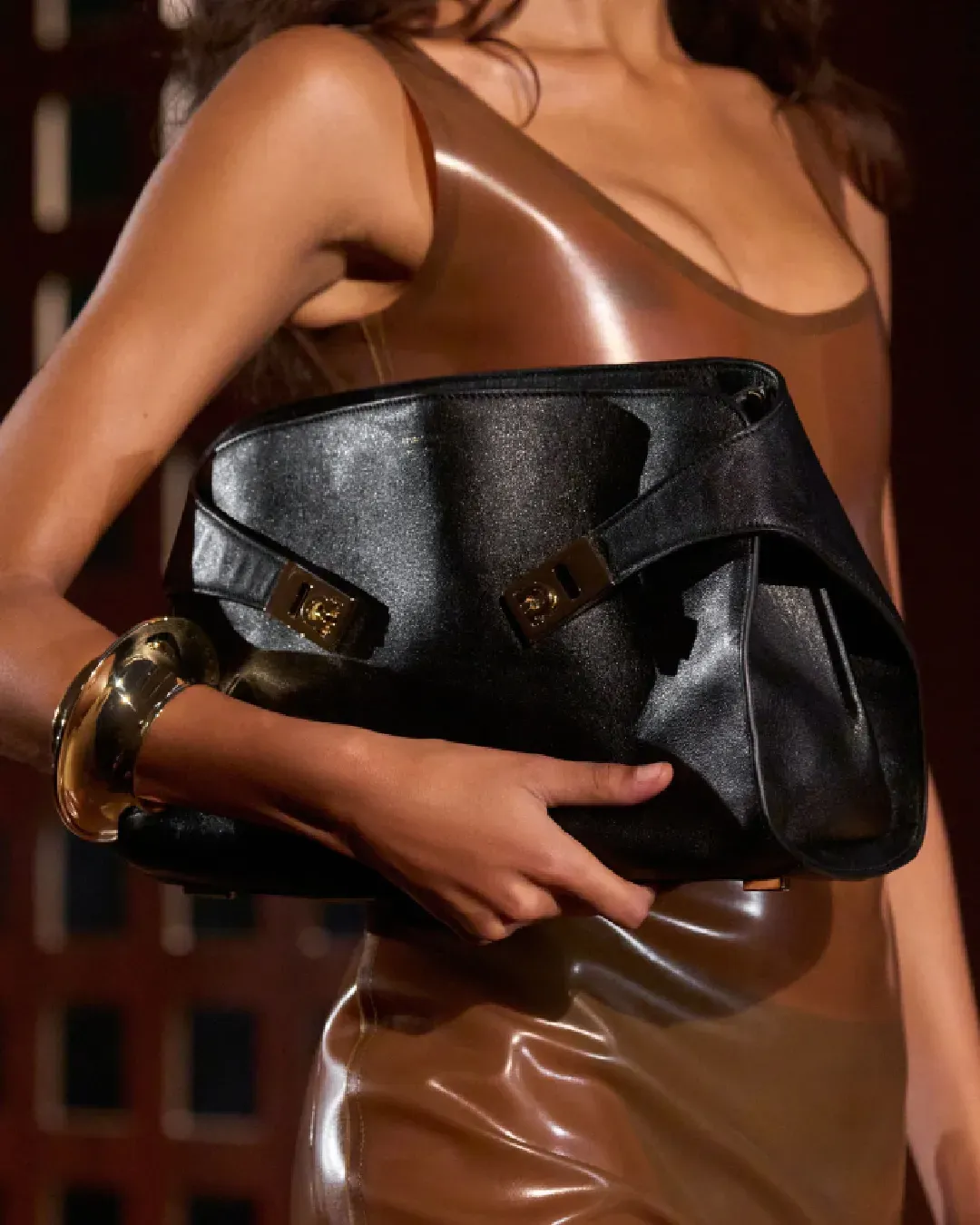
“Value” tier companies, meaning those brands that traditionally offer low-priced products to a particularly price-sensitive audience, are revising their collections by reducing the share of low-cost items. Between 2023 and 2025, for example, Bershka and H&M progressively reduced the presence of low-priced products, favoring "premium" lines. At the same time, mid-market brands are focusing on so-called “affordable aspiration”: Zara was among the first to experiment with this strategy, offering in some cases accessible products characterized by higher quality compared to its more economical offerings. Conversely, brands long active in the luxury sector are expanding their offerings in categories such as outerwear or bags, among others, where customers appear to be more willing to invest.
How brands offer “premium” lines
According to BoF, the so-called “elevation” strategy adopted by brands generally rests on three pillars: price, product, and shopping experience. The first involves shifting part of the commercial offering toward higher price ranges, reducing discounts and promotions in order to consolidate a so-called "premium" image. This approach must be carefully balanced, however: overly rapid price increases can alienate customers if they are not accompanied by a real improvement in garment quality and design.
As for the product, the focus – at least on paper – is on durability and distinctive lines, with the aim of strengthening brand perception. Finally, the shopping experience mainly concerns communication and marketing, which are often rethought ad hoc to convey an even more exclusive image – and not infrequently, all of this is complemented by renovated retail spaces and e-commerce platforms with more engaging aesthetics.
@nssmagazine Some familiar faces at the COS FW25 Runway Show in New York. #cos #fashiontiktok #tiktokfashion #newyork #nyfw Spirit 2.0 - Sampha
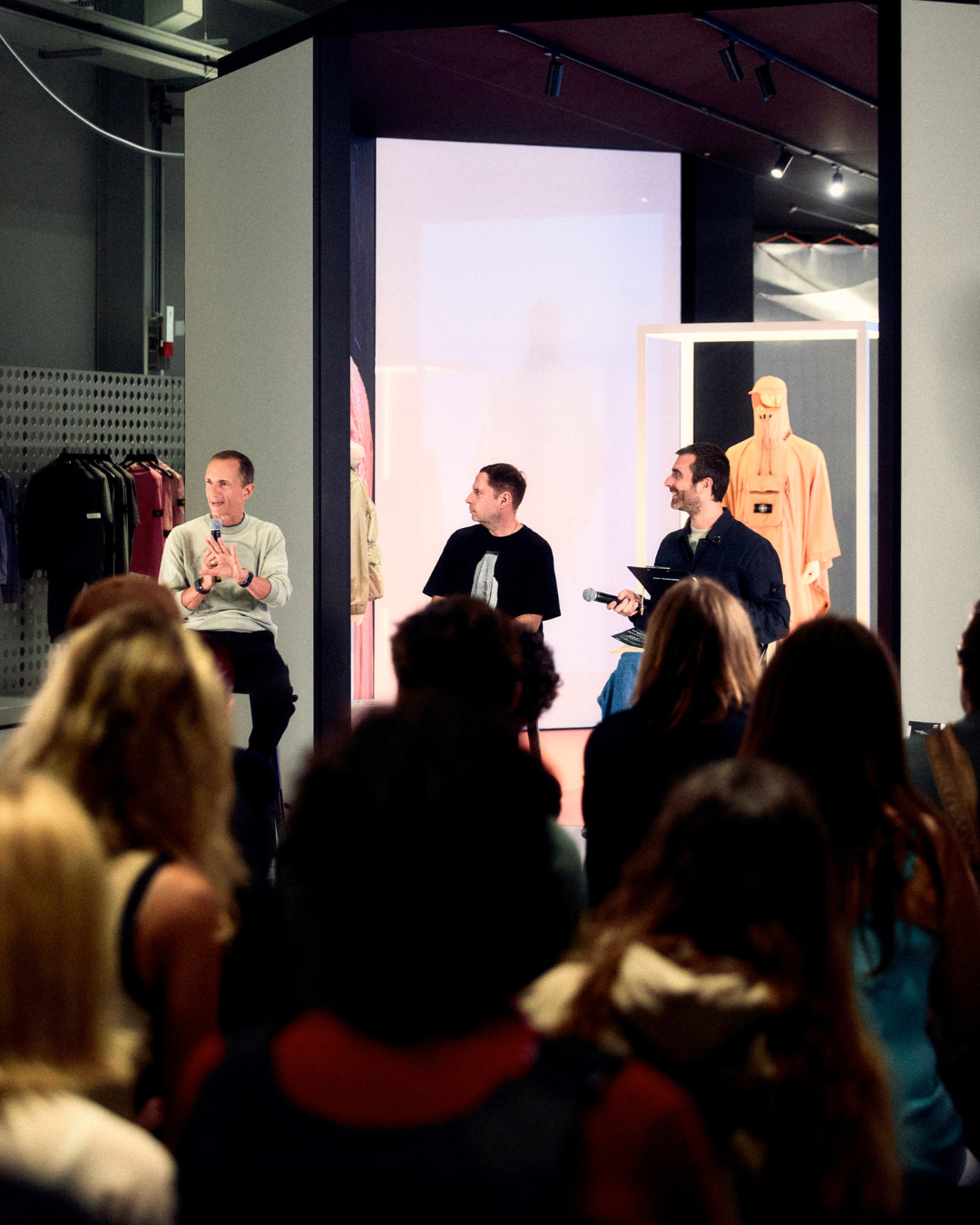
Many brands are also introducing “hero” products into their collections, meaning items that – on their own – can potentially improve the perception of the entire line. COS, for example, launched a nappa leather and shearling jacket priced at over one thousand euros in 2025, also taking part in New York Fashion Week, while H&M chose to develop capsule collections by collaborating with external designers. Marks & Spencer has also recently focused on fine fabrics and genuine leather garments, renewing a large part of its offering, while Uniqlo has invested in the Uniqlo:C line, characterized by essential pieces of higher quality.
The economic context behind this strategy
For at least a year, inflation – that is, the index that measures the general increase in prices – has generally been considered a manageable issue: essentially, the exceptional price increases recorded between 2021 and 2023 are now much more contained. Nevertheless, the cost of living and of many products, including clothing, continues to rise. Between November 2024 and November 2025, for example, inflation in the Italian clothing and footwear sector was 1%: not insignificant when considering that the category experiencing the most marked price growth, namely food products, recorded an increase of three percentage points.
@fabricateurialist Zara chose a editorially driven move upmarket to improve its image and reposition the brand, a conversation with @saraheyfooreal #zara #stefanopilati #fastfashion original sound - Fabricateurialist
This occurs due to a series of cascading processes, influenced by the fact that market operators expect, in the medium to long term, an increasingly uncertain economic environment – due to global dynamics such as the sudden imposition of tariffs or unforeseen conflicts characterized by rapid escalation, among other factors. This is also why consumers who desire products with distinctive design, but cannot or do not want to bear the costs of the luxury sector, tend to turn to brands historically associated with fast fashion that now offer more exclusive and higher-quality lines.