


























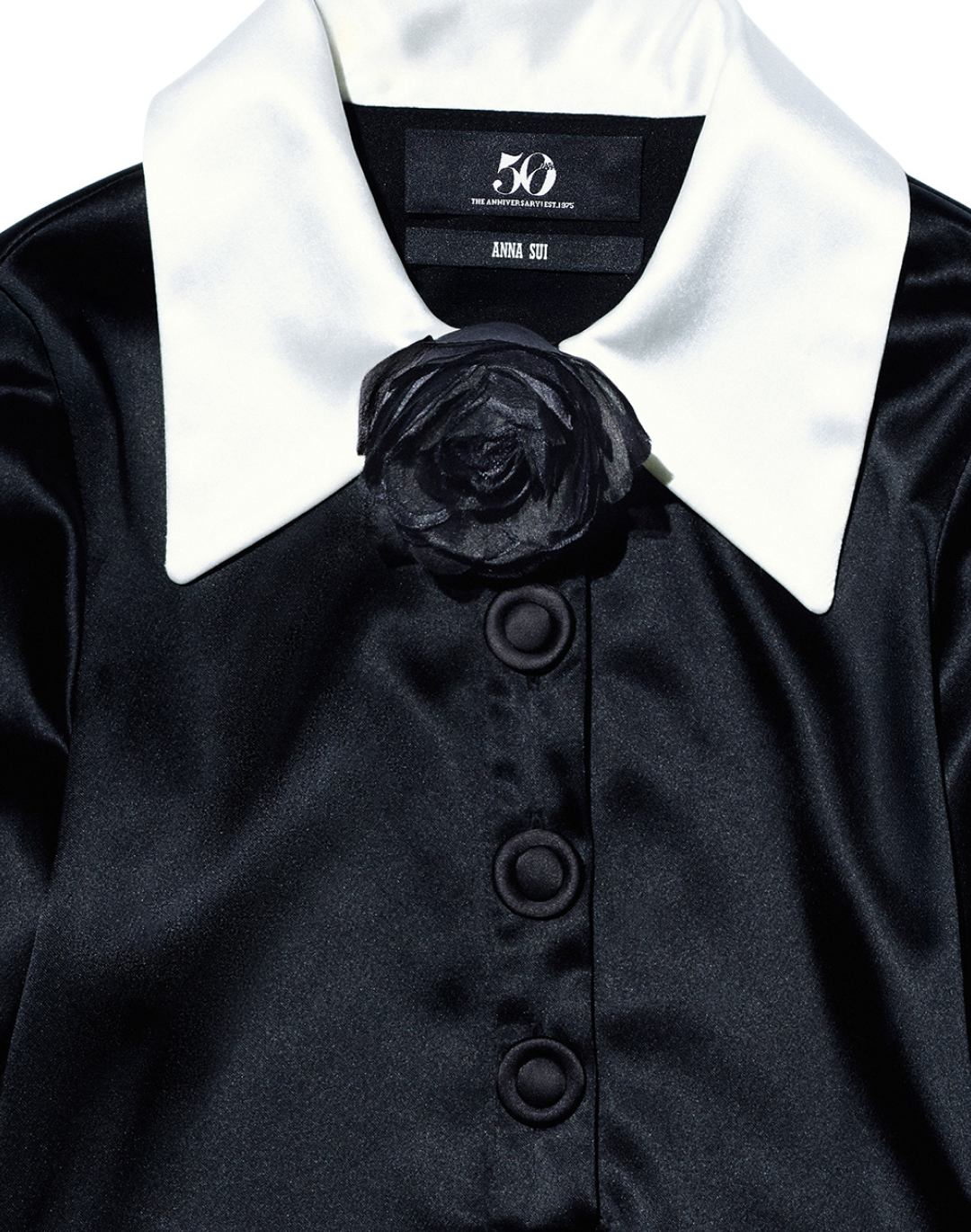
Il 50° di Zara ci mostra lo stato del sistema moda Gli Avengers della moda si riuniscono davvero per un brand fast fashion?
The reputation of Zara within the fashion system has always been fluctuating: up until fifteen years ago, it was seen as a department store capable of producing modest-quality garments at affordable prices; then, with the increase in volumes, collections, and the use of less sustainable materials, came the label of fast fashion. The flagship brand of the Inditex group was therefore progressively excluded, starting from the early 2010s, from the fashion system, instead finding a much more generalist slice of the market, less interested in who had drawn the original pattern of the trench sold for 40 euros.
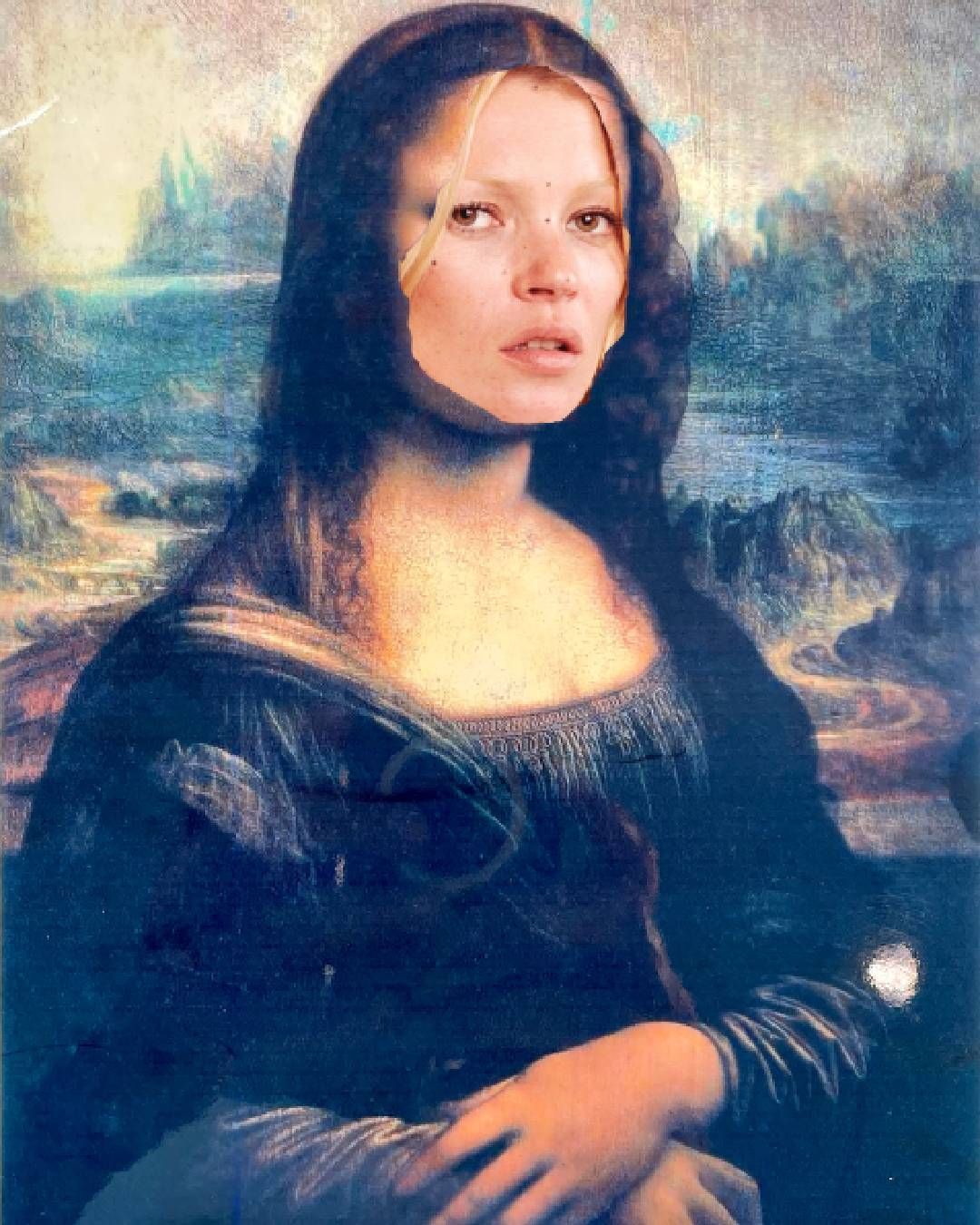
This shift in perception never sat well with Amancio Ortega, founder and owner of the group, who in recent years has focused energy and investment in an attempt to clean up Zara’s image, bringing it closer to fashion and even to luxury. From there began a proliferation of collaborations with some of the most relevant names in the industry: from former YSL creative director Stefano Pilati, to Hungarian designer Nanushka, up to supermodel and indie sleaze icon Kate Moss. And if these names already seemed controversial enough, the roster of fifty of the world’s greatest creatives called to collaborate with Zara for its fiftieth anniversary inevitably raises questions about the current state of the fashion system.
Zara’s 50th Anniversary Collection
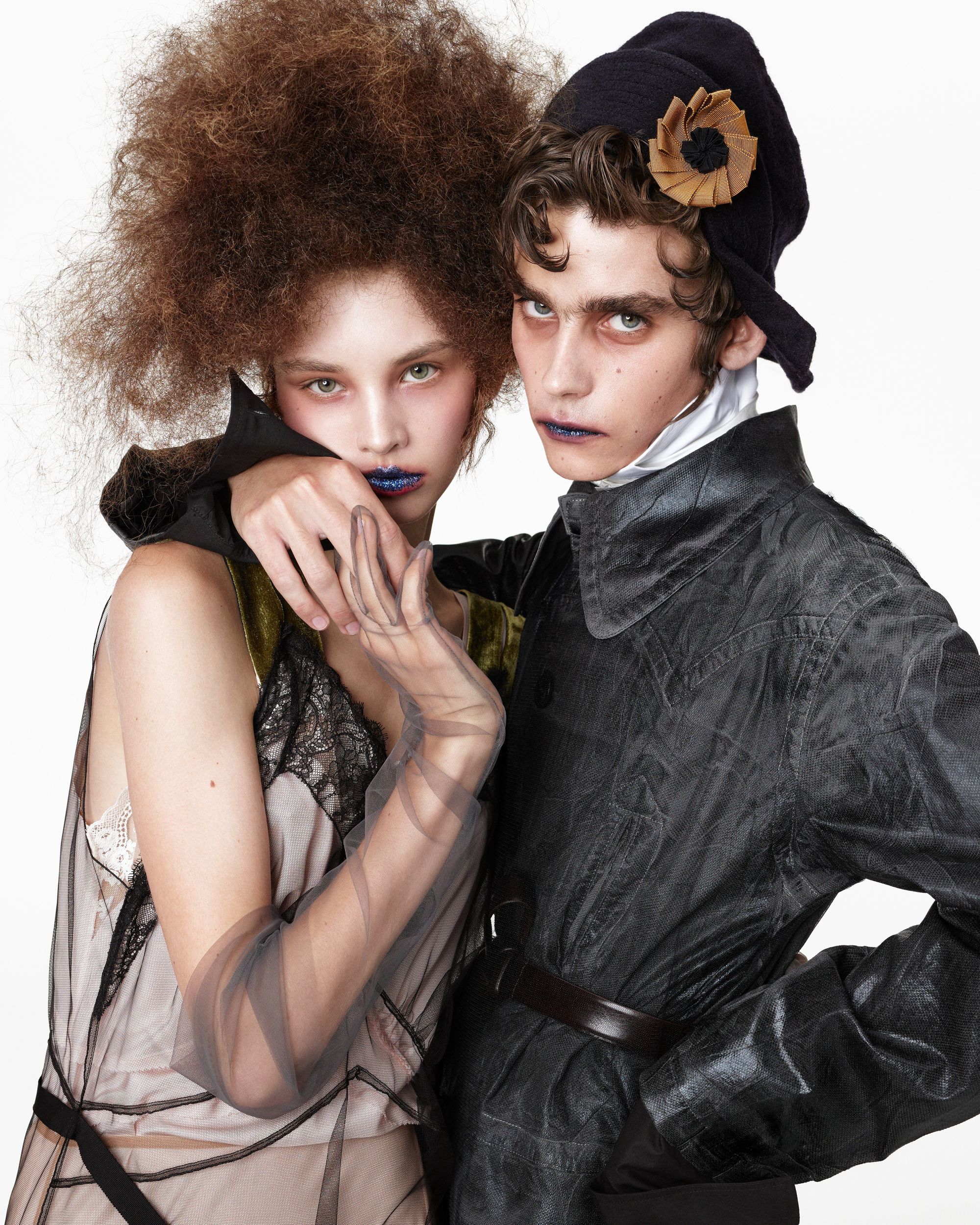
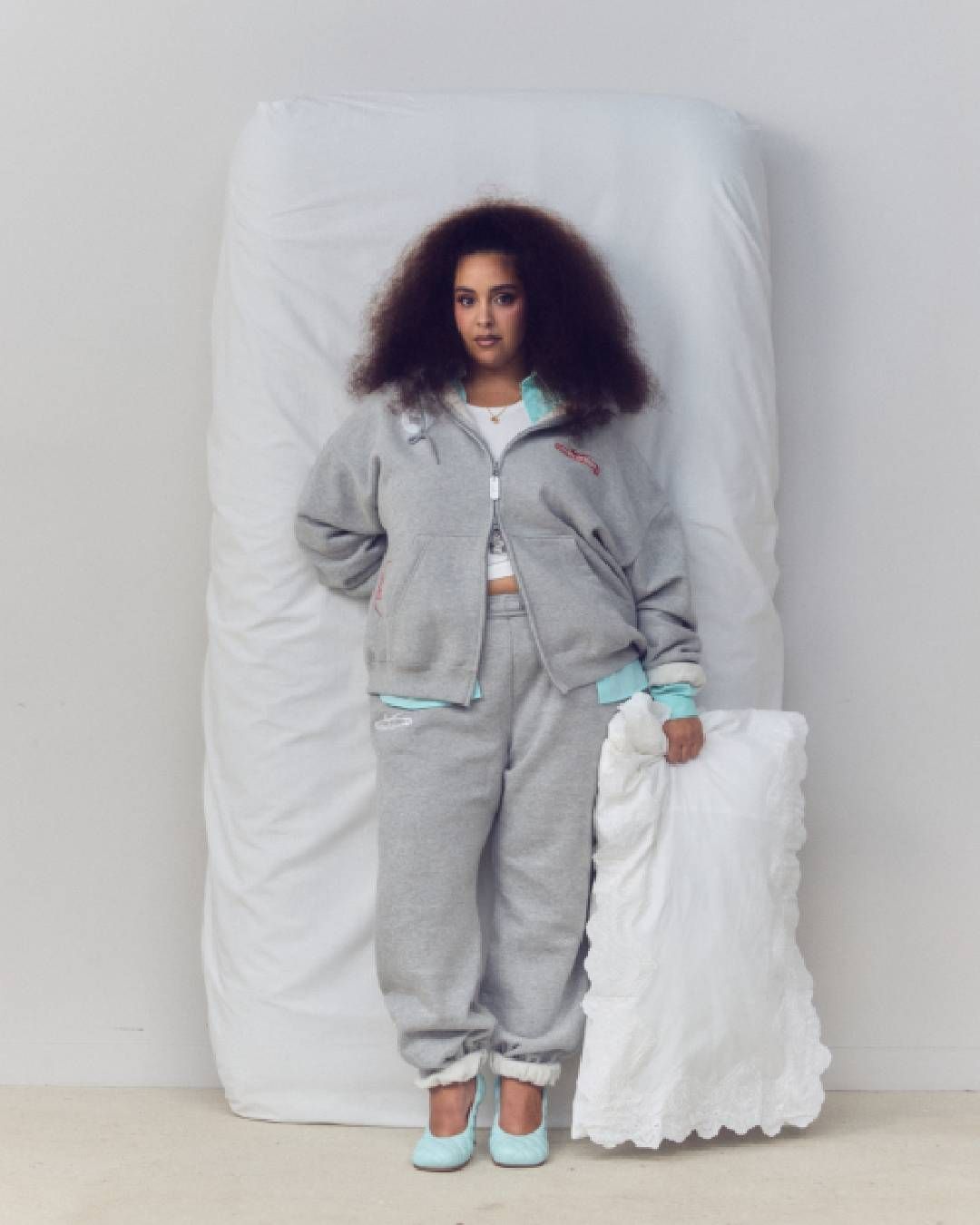
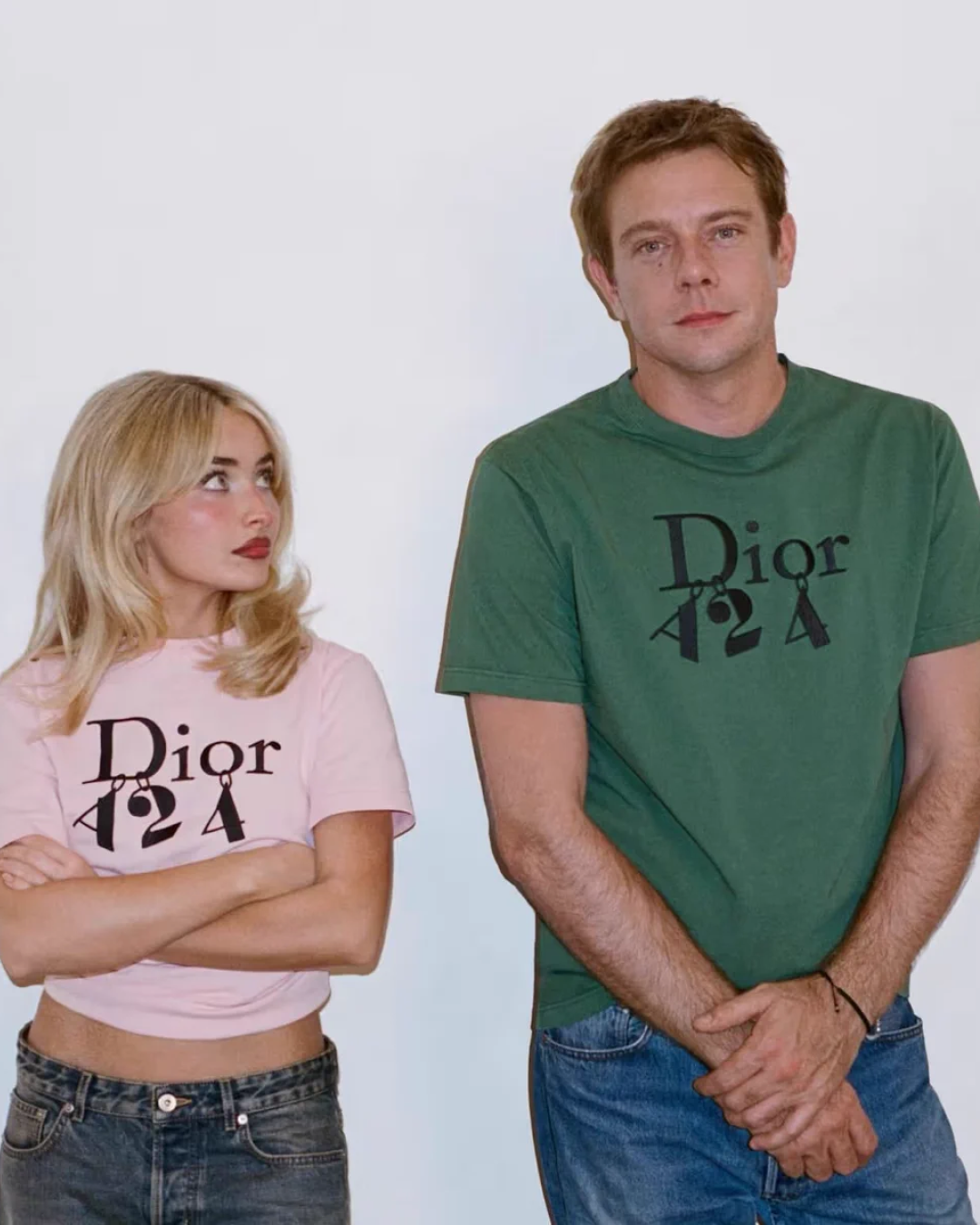
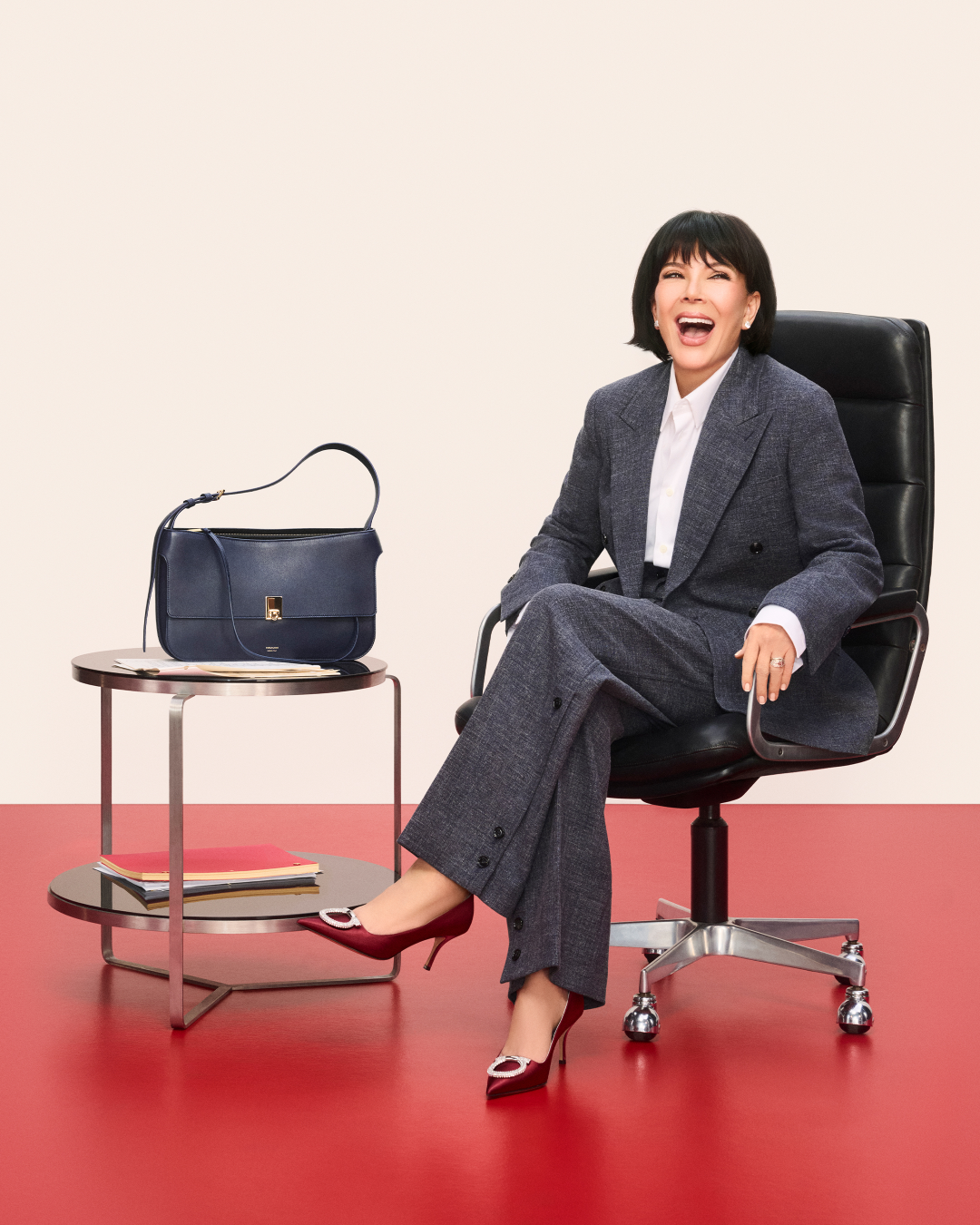
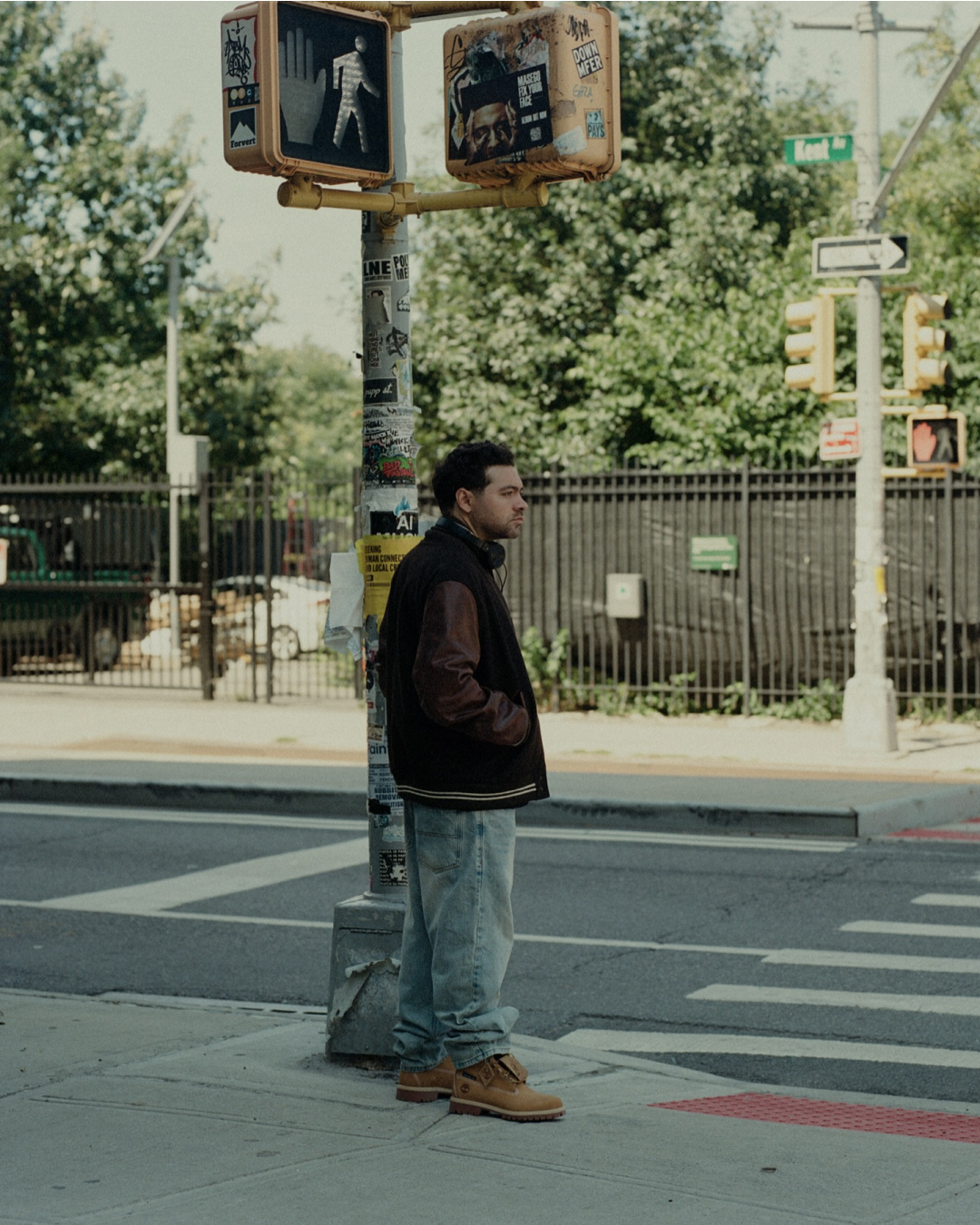
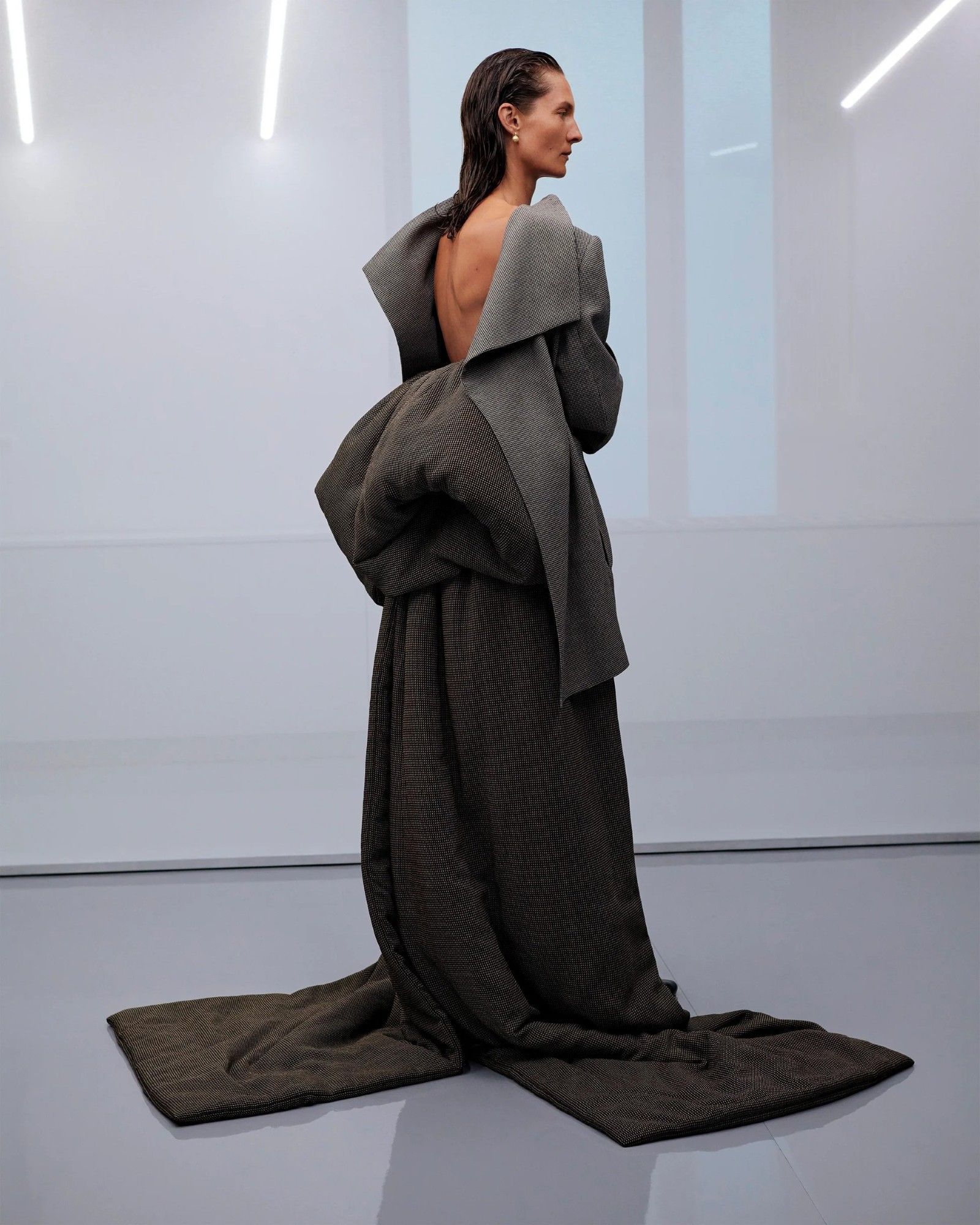
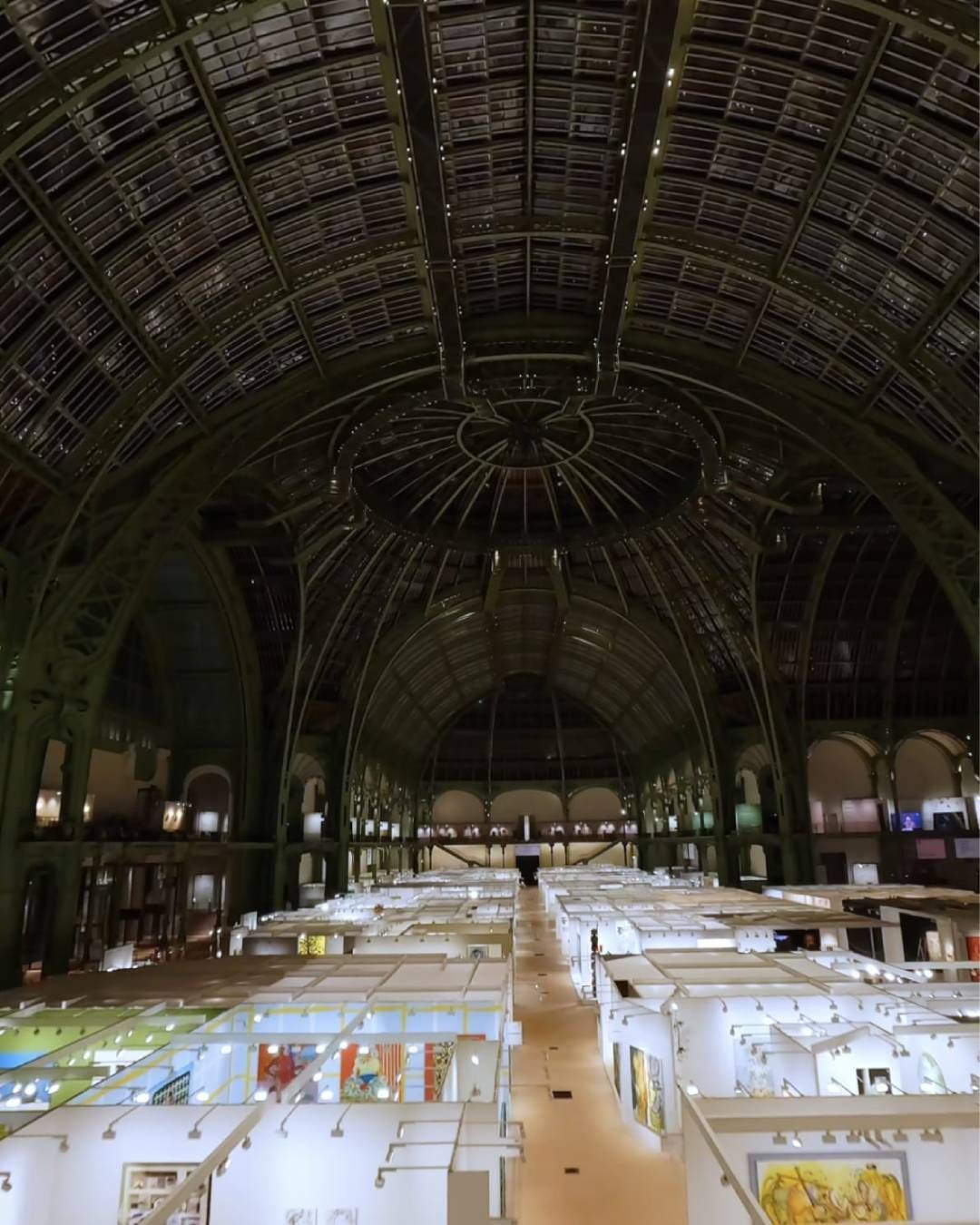
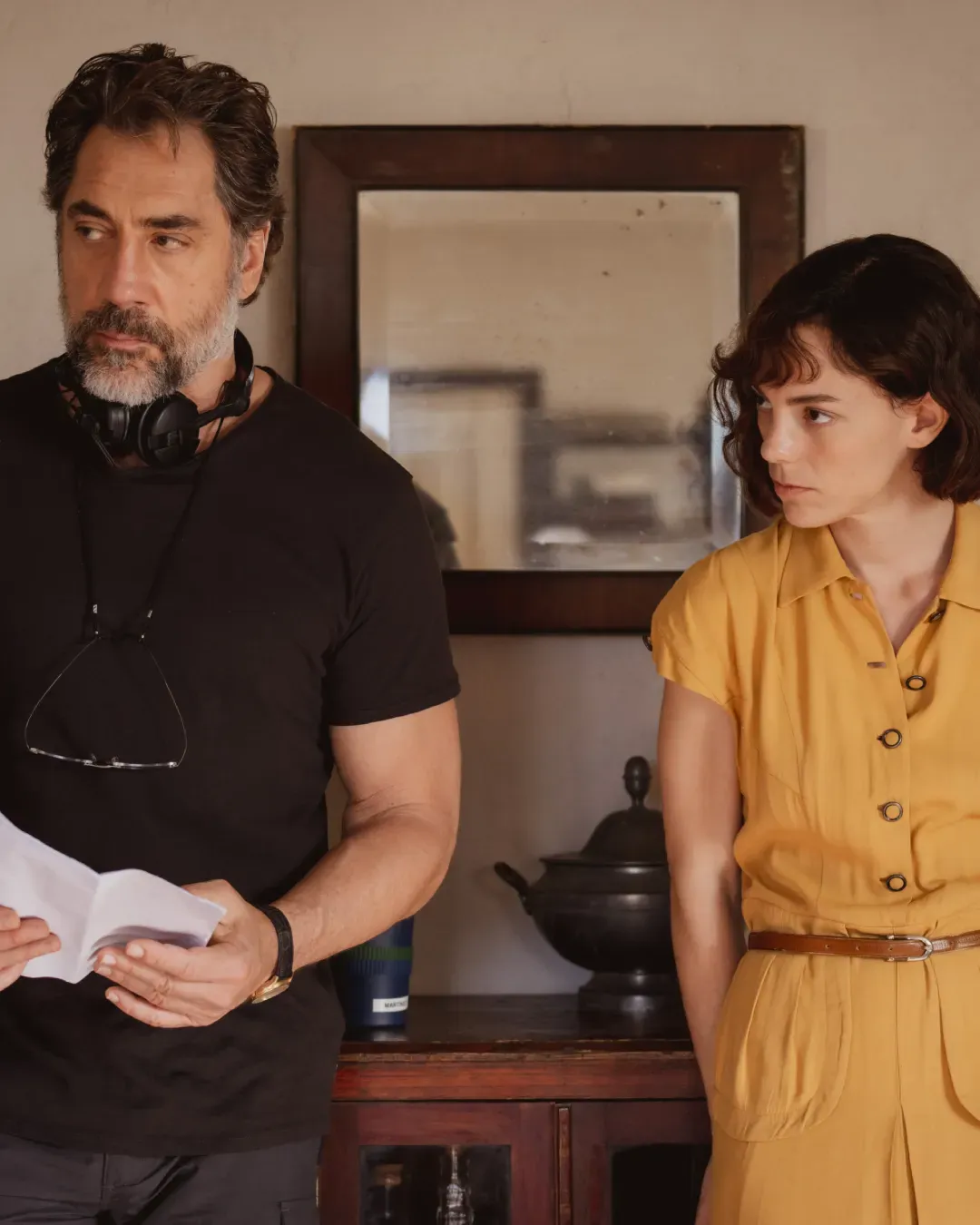
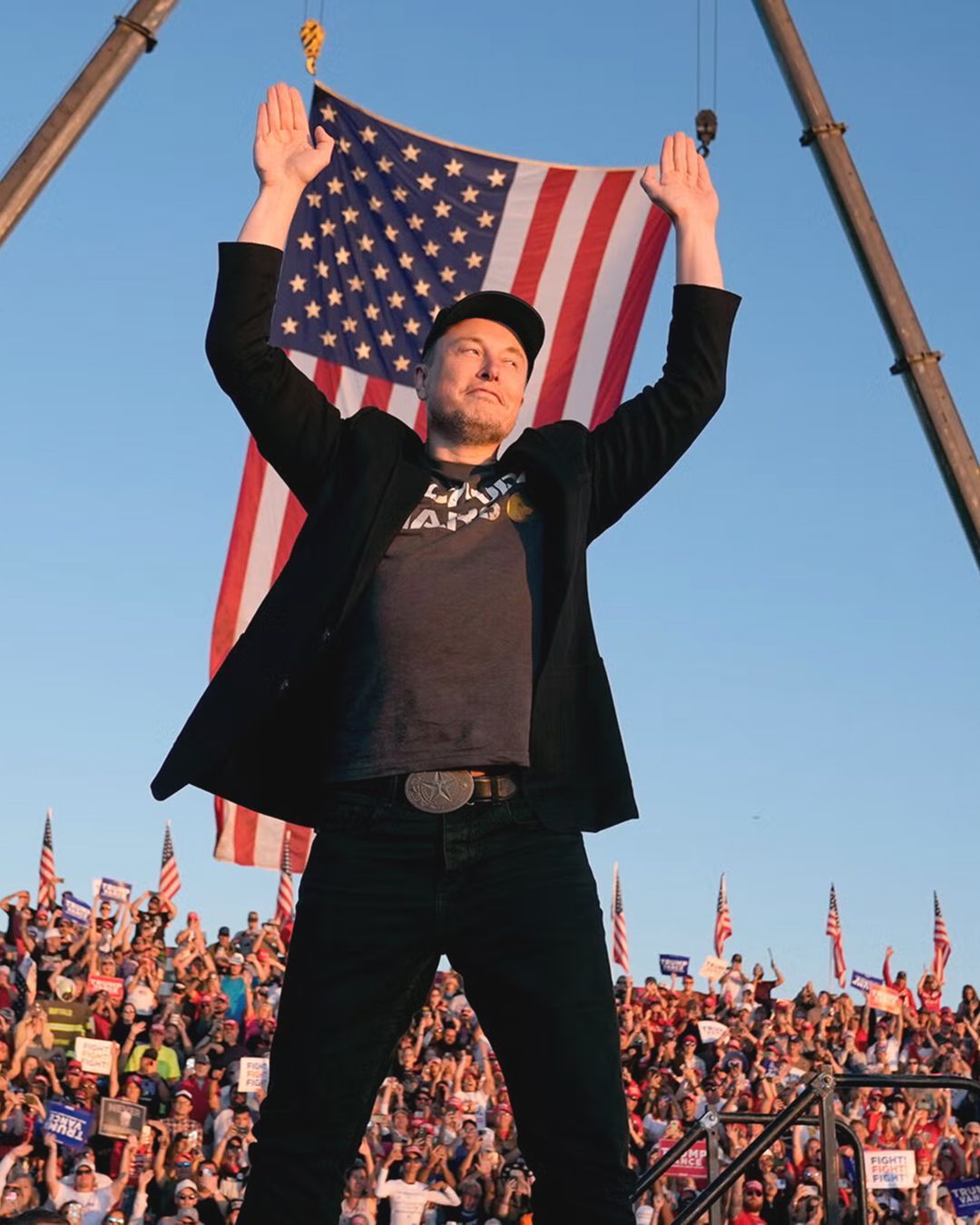
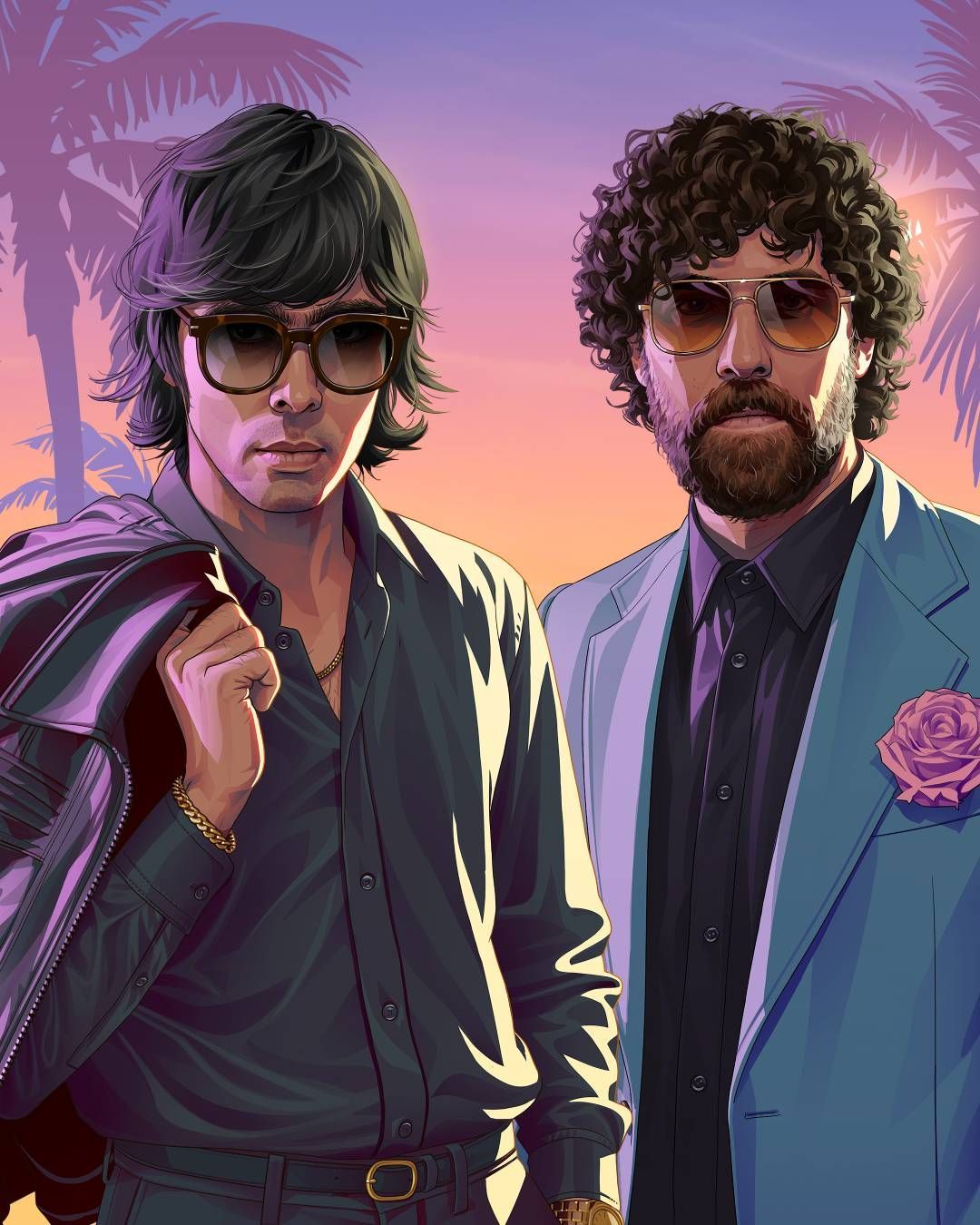
According to the official statement, Annie Leibovitz, Anna Sui, David Chipperfield, David Sims, Luca Guadagnino, Kate Moss, Marc Newson, Naomi Campbell, Nick Knight, Norman Foster, Pat McGrath, Pedro Almodóvar and Rosalía are among the names who created products ranging from jackets, bags, and chairs to a pet carrier, on the occasion of the brand’s 50th anniversary. The goal is to celebrate the founding of Zara, which took place in 1975, with an unprecedented project bringing together fifty contemporary creatives, each of whom signed a piece to be sold starting from October 6. The whole initiative will also be celebrated with a special pop-up during Paris Fashion Week, at 40 Avenue Georges V, from October 2 to 5, curated by Sarah Andelman. The space will showcase all 50 pieces in an exhibition format, enriched by a program of talks moderated by Derek Blasberg.
In short, Zara really did manage to gather the Avengers of fashion, names so unreachable that often they don’t even bother for the Maisons anymore. How is it possible that Luca Guadagnino sits front row for Jonathan Anderson’s debut at Dior and, shortly after, collaborates with one of the most iconic fast fashion brands to design a sweater? Do we really live in a world where Pierpaolo Piccioli, at the helm of one of the greatest Haute Couture maisons, designs a fuchsia surfboard for Zara?
Collaborations Between Creatives and Fast Fashion
Just a few weeks ago, Uniqlo declared it did not want to be associated with the concept of fast fashion, while aiming to become one of the largest manufacturers in the world. The Japanese giant has also understood how to play the collaboration card with high fashion: from its recurring line with J.W. Anderson to the recent appointment of Clare Waight Keller, former creative director of Givenchy and Chloé, as CCO. Yet, when it comes to Uniqlo, the perception remains different compared to Zara. Collaborating with the Japanese brand is seen as a gesture of openness, a democratic move to bring design to a wider audience. When it is Zara knocking instead, the operation almost feels like a transaction: as if the creatives had put themselves up for sale. Perhaps because, unlike Uniqlo, the Spanish brand carries with it a long history of plagiarism accusations, with entire collections built as an archive of luxury “dupes”.
For Amancio Ortega, however, moral values matter little, and the same goes for the fifty collaborators involved. The implicit, yet evident, goal is to intimidate the big luxury groups, to finally be recognized as a true competitor, someone to be feared. After all, if Zara manages to steal the aura of exclusivity that has always belonged to luxury, what remains to differentiate it from Louis Vuitton? Certainly not quality, given the recurring scandals around production, labor exploitation, and sweatshops that have affected dozens of brands in the past year.
Zara Has Won the Battle Against Luxury
the fact zara was able to book nadia lee cohen for the barbie collection campaign OMG pic.twitter.com/jXW7o567K5
— corinne (@MIUCClAMUSE) July 17, 2023
In the end, the question to ask is not so much why Zara chose to celebrate its fiftieth anniversary with such an operation, but why the crème de la crème of creativity agreed to lend their names. Until a few years ago, there was still a line dividing luxury and fast fashion; today that barrier seems to have dissolved, with no one really interested in defending it. In a system where margins are shrinking and economic pressure increases, ethics and consistency matter less than global exposure.
It is true that these collaborations have the merit of making fashion more accessible, but one cannot ignore that they are, above all, the symptom, not the solution, of the crisis of luxury. They are an evolutionary adaptation of the market, a way to make creative design cost exactly what the public is willing to pay. Stefano Pilati, to cite the most emblematic case, remains a cult figure in fashion, but until the collection with Zara, his name meant nothing to the mainstream. Not for lack of talent, but because the clientele he had worked for so far is minuscule compared to the global apparel market, which is increasingly saturated and polarized between those who have a lot and those who have almost nothing.
In the end, Zara’s real victory is not having assembled fifty stellar names, but having proven that the symbolic barrier separating fast fashion from luxury has now collapsed. If luxury is no longer afraid to get its hands dirty, then fast fashion is no longer a parallel industry but an integral part of the system itself. And this, more than any sweater or pet carrier, is the real shock. The moment when fast fashion no longer imitates luxury, but absorbs it.
What to read next
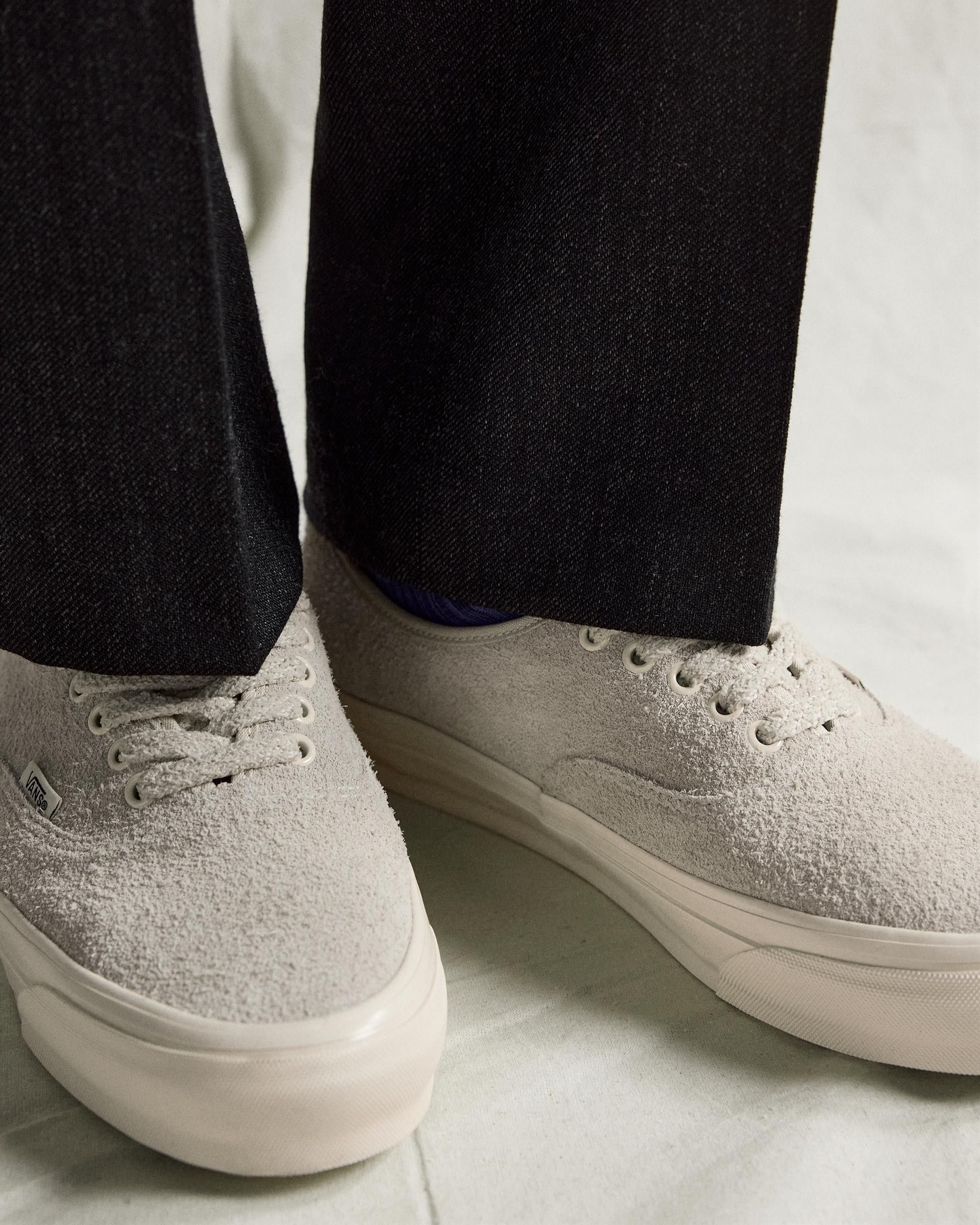
What do you mean Zara started selling Vans?
The two brands have entered into an ongoing partnership
Will the new EU regulations on unsold goods really help independent brands?
Yes, but there's a catch
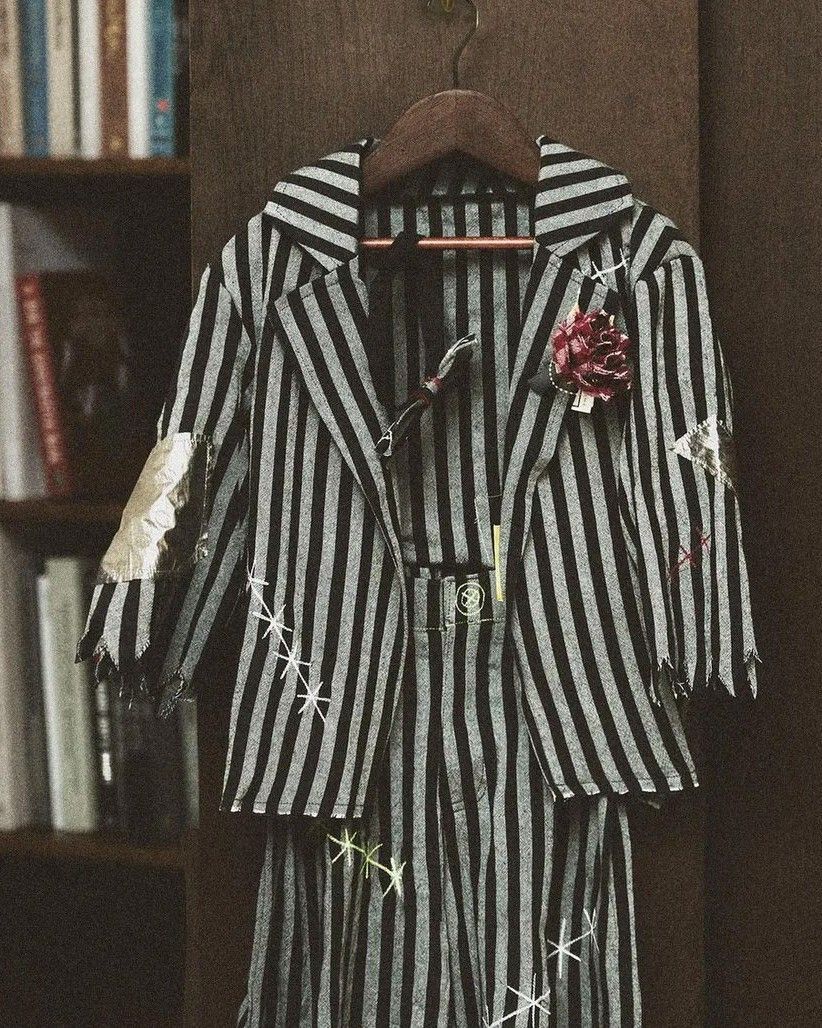
Zara had to pull a striped costume after a huge controversy
And it's not the first time it has happened