


























Why did Martine Rose have to cancel production of her latest collection? It seems to be the fault of the brand owners, the same ones who forced Coperni to cancel his show
There's something strange happening in London. Yesterday afternoon, news arrived from WWD that you practically never hear: Martine Rose has canceled the production of her FW26 collection despite the numerous orders received in the sales campaign from her 200 retailers worldwide. Something that practically never happens.
«I was forced to make the unusual decision to cancel the season's production orders», explained Rose. «It's incredibly frustrating for me and my team, especially after the successful sales season we've just concluded. However, these drastic measures are necessary to ensure the long-term success of my brand». The official statement does not connect certain points, however: the cancellation of Martine Rose's orders is connected to the cancellation of Coperni's show. Both brands are part of Tomorrow London and it is therefore reasonable to assume that their problems have a common cause. But how?
«Two clues make a proof»
I suspect Tomorrow London is the culprit here. They have stakes in both Martine Rose and Coperni, and Coperni canceled their Fall show because of its “deteriorating” partnership with Tomorrow. pic.twitter.com/YoxmXpwk2Y
— Mario Abad (@MarioAAbad) March 4, 2026
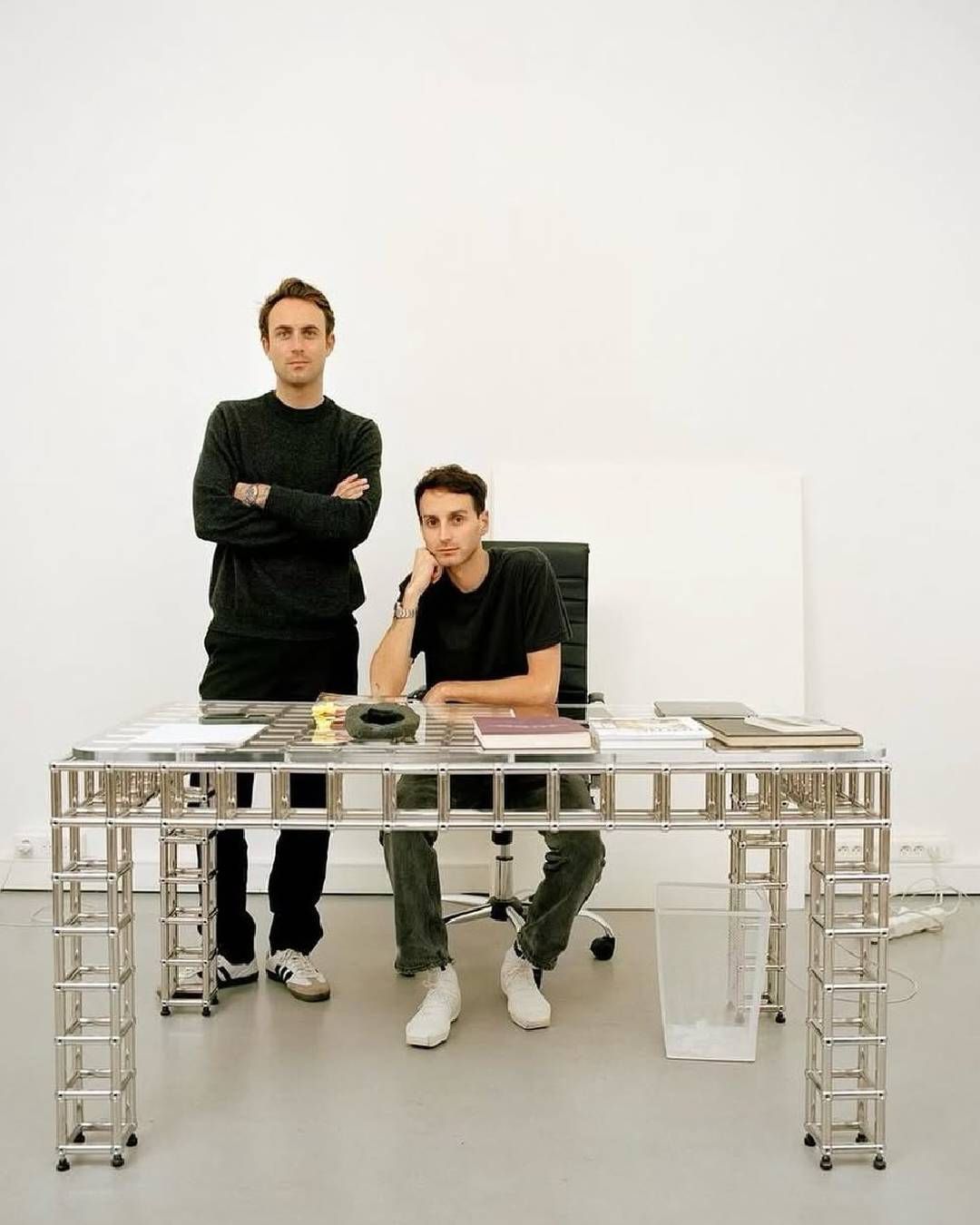
Last week, Coperni suddenly withdrew from showing at Paris Fashion Week currently underway, saying that the relationship with Tomorrow London's investors had «deteriorated significantly» and that the brand now lacks the resources necessary to sustain its development. Founders Sébastien Meyer and Arnaud Vaillant publicly attributed the cancellation to internal conflicts and some kind of disagreement with the parent company. The point is that it's not clear what the problem was.
According to some, the problem concerned the brand's sales, too low to justify a show. A supposition that makes sense in Coperni's case, but makes much less sense in Martine Rose's, who not only tends to organize shows that are not at all grandiose, but commercially also performs quite well. As the designer herself said, the sales campaign had gone well and the orders were placed.
So if we can assume that Coperni's problem was sales, we must also deduce that sales were not the only problem at the company level. Agatha Christie said: «One clue is a clue, two clues are a coincidence, but three clues make a proof». At the moment, we only have two clues, but in a recent post Antonio Padilla of Immaculate Style may have brought a third.
What is Tomorrow London's problem?
In an Instagram post published yesterday, Padilla revealed that Tomorrow quietly parted ways with Alessandra Rossi, Chief Executive Officer of Brands, after several brands had expressed an unspecified “discontent”. On the official page of the British Chamber of Commerce, next to the file related to Alessandra Rossi's exit last February 16, there is another that raises even more curiosity: the exit from the board of directors of Giancarlo Simiri, which occurred last November 24, but which is different from the others as Simiri is a co-founder and Chief Revenue Officer of Tomorrow.
The more you dig, the more you find. Not only has the Tomorrow group lost one of its founders and key figures in the last semester in a very underpublicized exit, but the turnover of its directors has been unusually rapid in the last 18 months. Alessandra Rossi, for example, had been re-appointed in April and exited after only ten months. Another management figure, Matteo Siani, resigned last April after being appointed in July 2024, while in the same April, Fiona Catherine Satchell and Timothy Paul Spillane had also been appointed. Additionally, the company should have provided its accounts in January but did not and is two months late.
Towards the end of 2025, however, Tomorrow signed important distribution contracts with Roberto Cavalli (another brand in difficulty) and Soshotsuki, namely the winner of the LVMH Prize, but also with the American brand Temily. In an interview with Vogue, CEO Stefano Martinetto had said that Tomorrow is shifting from a model based on acquisitions of emerging brands to one focused on distribution services, consulting, and operational support. Namely, a strategy with less risk started with the transfer of operations from London to Milan, New York, and Shanghai in 2022 due to Brexit, and continued in 2024.
From owners to managers?
In 2024 there had been several curious movements: the group had acquired A-Cold-Wall in February only to resell it in November. A month later, the multibrand Machine-A was also sold to a group of private investors. In September, the group had registered a “charge”, namely a kind of mortgage that a company offers on its assets to a creditor to obtain financing. The lender can claim the assets if the debt is not repaid. Many companies do this to grow, but it's true that a charge can also indicate a search for extra liquidity to manage expenses or debts. In this case, a specific guarantee had been offered on assets like the "TOMORROW" trademark and other intellectual property rights to a Luxembourg company. Putting a kind of mortgage on one's own trademark is no small thing, in fact.
The result of this change in direction, as Vogue also notes, is a distancing from the focus on British talents and on acquiring brand shares. In this sense, the co-founder Simiri's exit shortly after the announcements of the new partnerships could be read as the need for a change in managerial direction. Simiri mainly dealt with sales, partnerships with emerging brands, international expansion, and talent scouting: perhaps all elements that, from the perspective of a group that now favors entering distribution contracts and wholesale management, would perhaps have been set aside. But these are just hypotheses.
Be that as it may, Tomorrow's restructuring is creating several problems for the brands in a British economy already under pressure. According to the UK government, in fact, this January company insolvencies in the country grew by 4% due to higher taxes, energy costs, and weak demand. Tomorrow, which still depends on independent brands, may have suffered from these added costs. The concern, whatever is happening, still regards the independent English brands that had important support in Tomorrow.
Takeaways
- Martine Rose has canceled the production of the FW26 collection despite numerous orders from 200 global retailers, citing frustrating circumstances but necessary for the long-term success of the brand, without providing specific details.
- This decision is linked to Coperni's problems, another brand of Tomorrow London, which canceled its Paris show due to a deteriorated relationship with investors and lack of resources, suggesting internal conflicts and common causes at the corporate level.
- Antonio Padilla revealed the silent exit of Alessandra Rossi from Tomorrow after brand discontent, and official filings show high managerial turnover, including the departure of co-founder Giancarlo Simiri in November 2025, with delays in financial statements.
- Tomorrow registered a "charge" on assets like its own trademark in 2024, indicating possible needs for liquidity to cover debts or expenses, and sold assets like A-Cold-Wall and Machine-A, signaling instability.
- The company is shifting from equity acquisitions in emerging brands to distribution and consulting services with less risk, such as recent agreements with Roberto Cavalli, Soshiotsuki, and Temily, moving away from a focus on British talents.
- These restructurings are creating problems for independent brands in a UK economy under pressure, with corporate insolvencies increasing by 4% in January 2026 due to higher taxes, energy costs, and weak demand.
What to read next
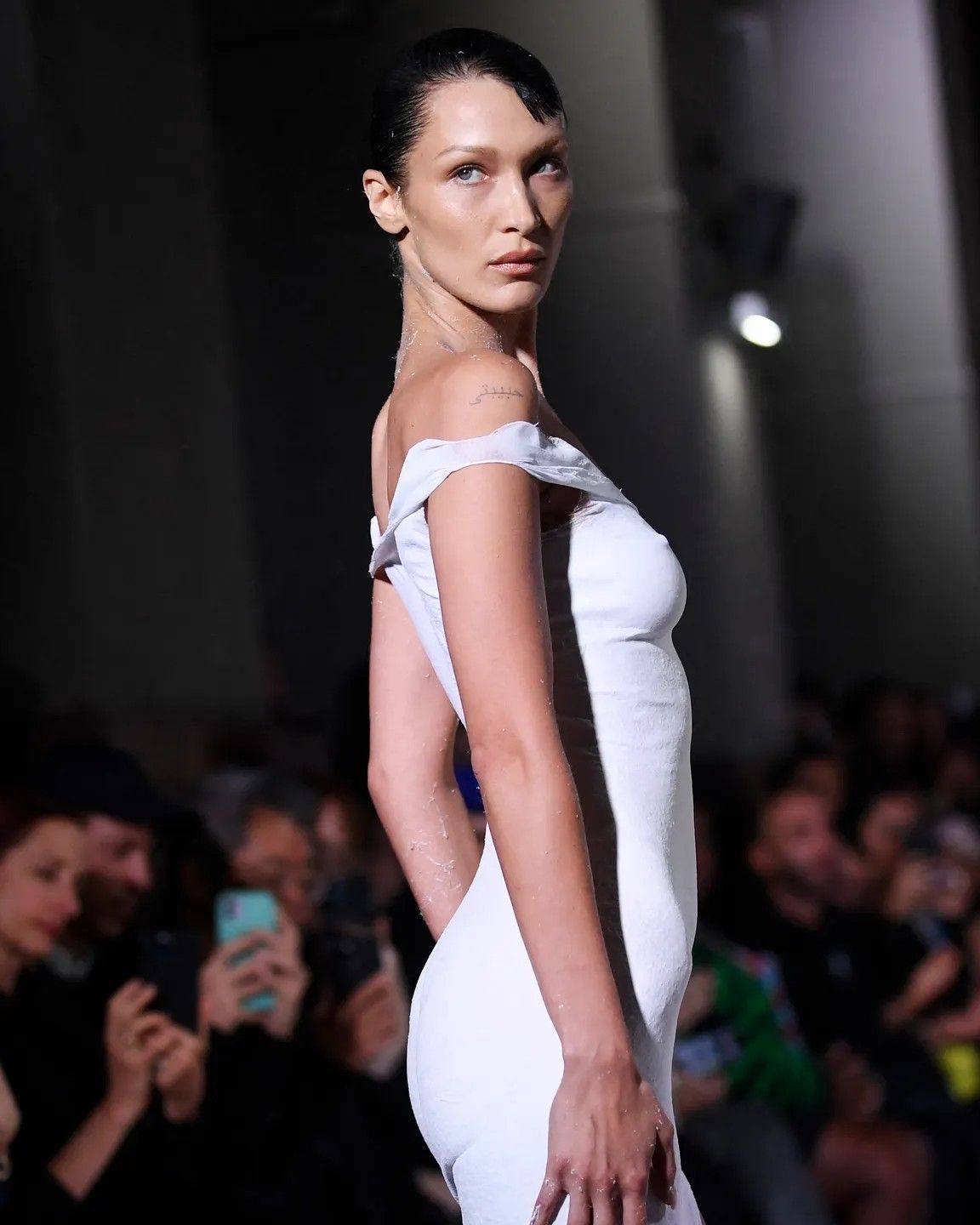
Three business lessons we can learn from the Coperni crisis
The brand could soon be acquired by one of three potential buyers, but the picture is very complex
Coperni Back on the Runways Soon?
At least, that is what a recent court ruling suggests, which could very well pull the French brand out of its forced hiatus

Are Millennials facing a pre-midlife crisis?
The inevitable shock felt by optimists in the face of a society in decline