




























Will the luxury industry survive the war in Iran? The looming energy and financial crisis appears to be growing increasingly dire
Things are not going well. The war in Iran, which has led to the blockade of major oil trade routes and the halt of exports of critical chemical elements, has already caused severe fuel shortages in Southeast Asian countries and Australia. Just yesterday, Shell’s CEO stated that the energy crisis could reach Europe as early as next month. And while these are bad news for ordinary people, for the luxury sector they could represent far more existential threats.
After more than a year of sales crisis, fueled by rising energy costs, increasing prices, and the progressive disappearance of the middle class, the entire luxury world was beginning to see a timid recovery. Those hopes, however, are now at risk due to the escalation of the conflict in the Middle East, which has now entered its fourth week.
More than a direct impact on sales, the real catastrophe could come in the form of sharply rising energy prices (if not outright electricity rationing), disruptions in supply chains, and obviously a financial crisis that is already threatening the AI industry and could originate from the United States - one that would make the 2008 stock market implosion look like a walk in the park. The most dramatic effects, at least, have not yet manifested in their full severity. So how exactly could this war put the luxury industry at risk?
The Middle East will never be the same
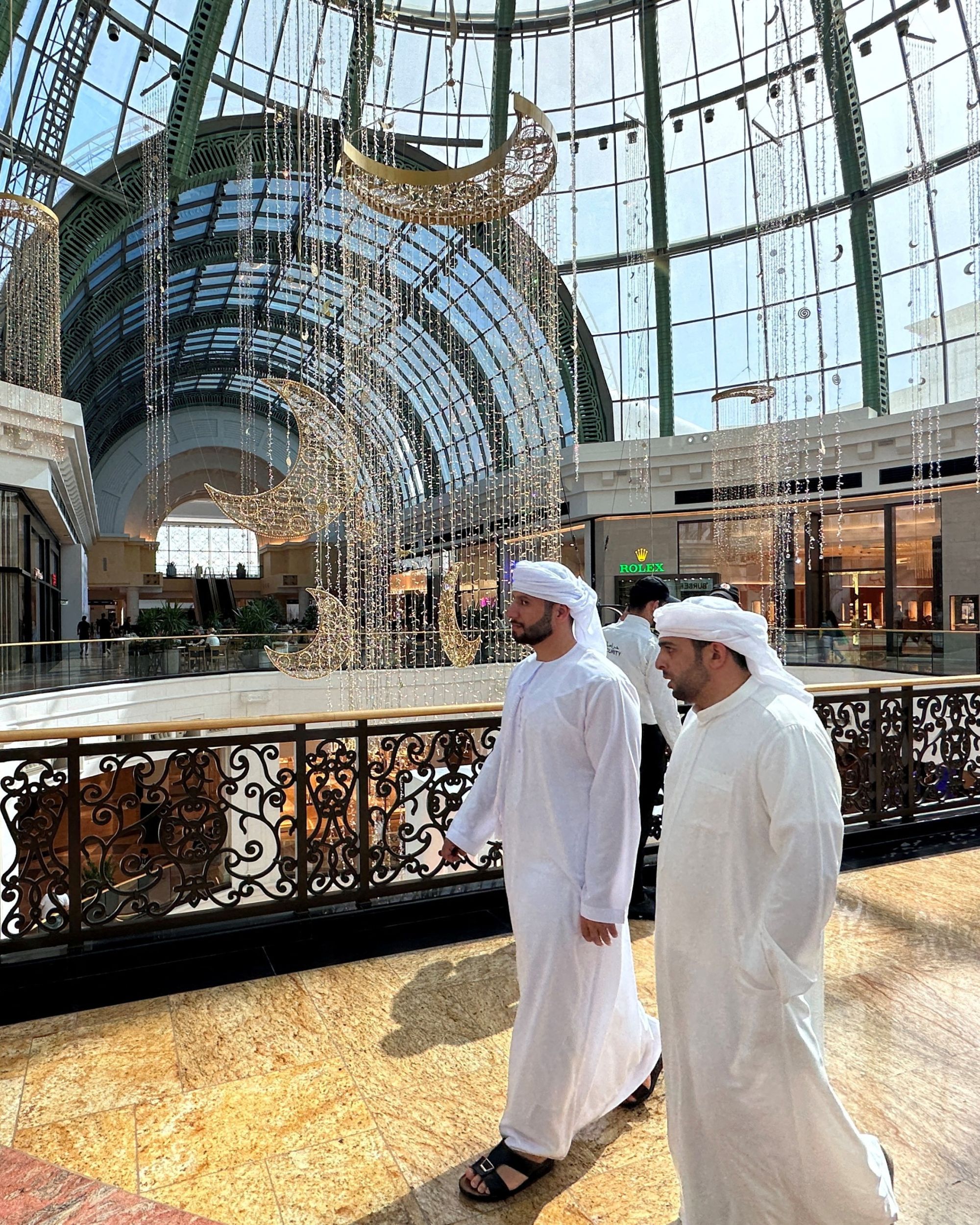
@lepeeva Dubai mall right now. Silence finally
Cricket Sound - Sound Effects
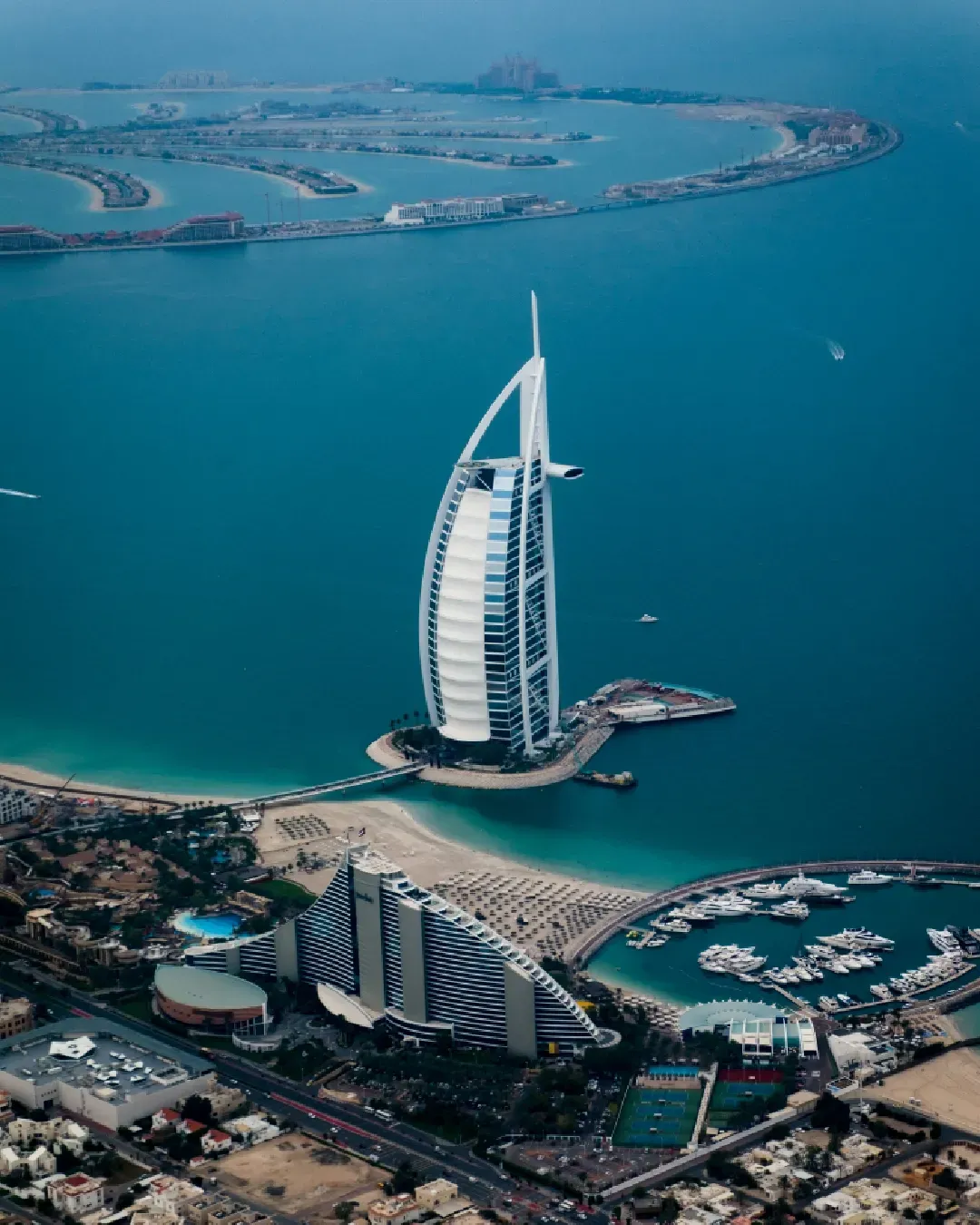
Even on a psychological level, the blow inflicted on the role that the Middle East and the Gulf states played in the luxury sector has been extremely severe. The missiles that rained down on Dubai have marked the end of the myth of a tax haven built on easy wealth and cosmopolitan hedonism. But beyond the symbolic level, the commercial implications are far from light.
For years, the region has represented one of the few safe harbors for luxury, contributing, according to Forbes, between 5 and 10% of global luxury spending - a volume similar to Japan’s but smaller than that of Europe, the United States, or China. Organic revenue growth, as reported by BoF, had reached approximately 7% last year, outperforming every other geographic area even amid the crisis and turning Dubai and Abu Dhabi into key retail hubs.
That prosperity has been wiped out by missiles and drones. On March 2, the flagship stores of Louis Vuitton, Hermès, Gucci, Cartier, and many others shut down across Dubai, Kuwait, and Bahrain. Forbes also reports that foot traffic at Dubai Mall, which previously averaged around 250,000 daily visitors, has fallen to about 190,000. Expatriates and tourists have left the area, stores have remained largely closed, and even the anticipated Ramadan sales have evaporated. Until the situation stabilizes, that ecosystem of ultra-wealthy individuals will no longer have a safe haven in the Gulf cities.
The impact on financial markets
Investors’ reaction to the conflict was immediate. According to Forbes, following the store closures in the region, shares of Richemont, Kering, LVMH, Hermès, and Burberry dropped between 4% and 5.5%. The STOXX Europe Luxury 10 index lost nearly 4% at market open, which turned into an overall 20% decline by the fourth week. Prospects are becoming increasingly dramatic as the conflict drags on: if it lasts beyond the next two to four weeks, the global economy could face a genuine recession.
Since approximately 20% of the world’s oil and a significant share of liquefied natural gas pass through the Strait of Hormuz, energy prices have already risen rapidly. And according to Larry Fink, CEO of BlackRock, if the Iranian threat in the Gulf persists even after the conflict ends, we could all have to live for years with oil priced between $100 and $150 per barrel. It is a very bleak outlook. According to the WTO, if energy prices remain high throughout the year, global growth in 2026 could shrink by about 0.3%. Europe risks an approximate 1% contraction in GDP, with the possibility of a technical recession in Germany and Italy by the end of the year. In the United States, Goldman Sachs has raised the probability of a recession in the next year to 30%.
For many analysts, if the Strait of Hormuz is not reopened or a truce is not reached by mid-April, the risk of energy shortages in Asia (India, Japan, and South Korea import a large portion of that oil) and of runaway inflation will increase significantly. We are not yet facing a full-blown financial crisis, but if the looming energy crisis is not resolved, the consequences will not be pleasant for anyone.
People don’t shop when they’re afraid
the entire luxury market (watches, cars, anything you've seen on instagram over the past years) is about to crash
— TM (@TMtheOG) March 25, 2026
At a material level, the problem now is the clientele. Amid fears of inflation, collapsing stock markets everywhere, and a widespread sense of uncertainty, even the wealthiest clients are hesitating to spend while their portfolios are in the red, as explained by Jing Daily. Another serious blow, in addition to the drop in tourism, is the closure of the luxury duty-free channel, which was particularly important in the Middle East. In the pages of BoF, Claudia D’Arpizio of Bain & Company compared this fear to that which followed September 11.
The issue is that, since the damage upstream involves refineries and oil facilities that will require years to repair, and given that the Gulf countries are now considerably less secure, the future consequences of this crisis should be measured in years rather than months. Overall, the atmosphere could also infect the recovery of spending in the United States and China. This could make the burden unsustainable for many brands, which must now prepare for a significant reckoning: the geography of power, money, and luxury is being rewritten in these very hours and may never return to what it once was.