
























The luxury sector has lost 100 billion dollars on the stock market The war has hit the luxury market
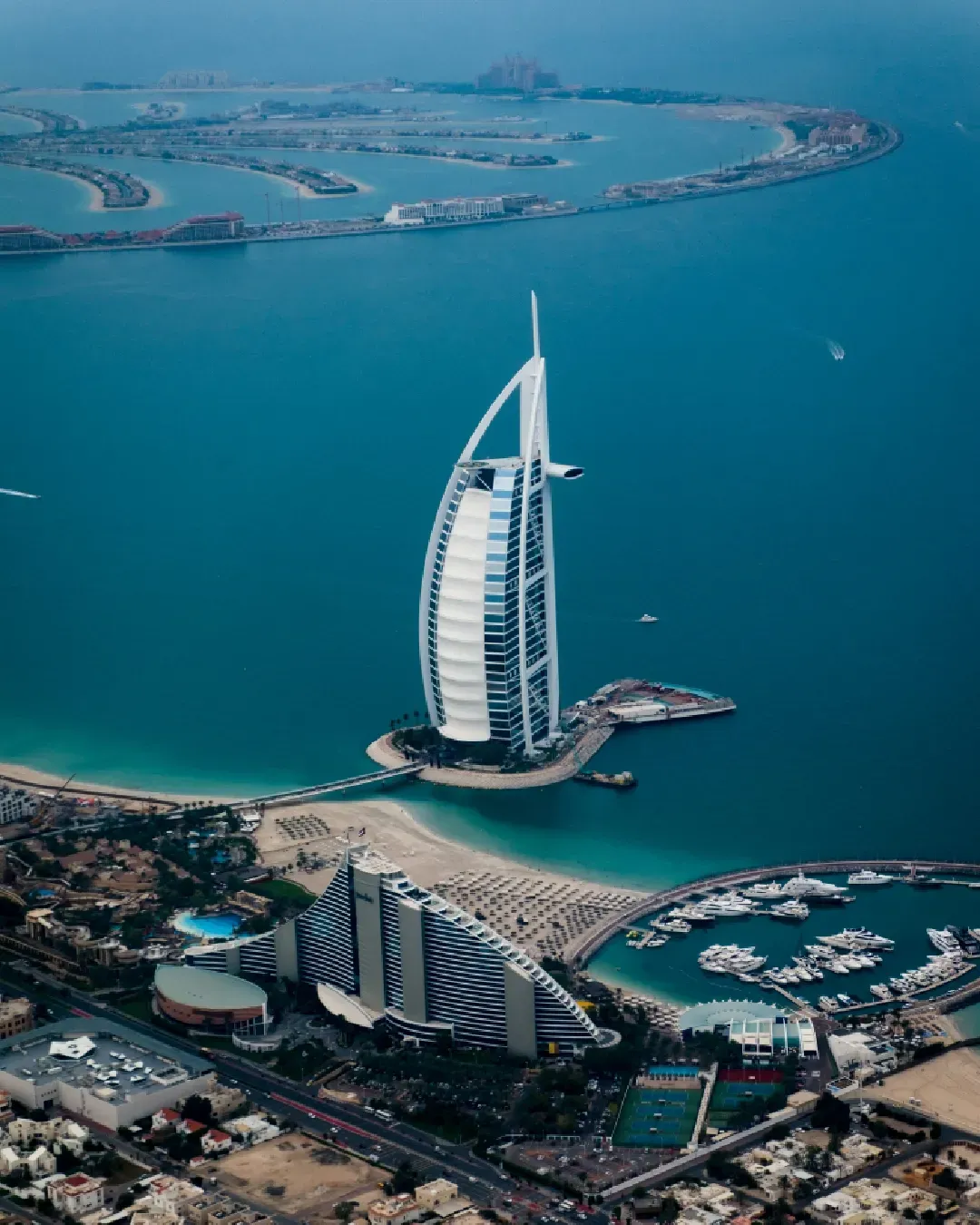
The luxury crisis appears increasingly dramatic, with the sudden decline in tourism in the United Arab Emirates having heavy repercussions on the sales of major brands operating in the region with physical and digital retail spaces. Even though, after more than forty days of war between the USA, Israel, and Iran, a truce has been established in recent days—also extended to the Lebanese front, it will be difficult for companies in the luxury sector to recover the $100 billion in market value lost over the past month.
MF Fashion writes that in Dubai, stores are trying to stay open at all costs to avoid alarmism and reassure consumers, but customers have already pulled back, with local clients accounting for not even 40% of usual sales. Some maisons are trying to mitigate the issue by working directly with their top clients, but the situation remains very complex, even in light of a slight stock market rebound that occurred shortly after the truce began. The only hope for the Arab region, the publication explains, is revenge spending (a surge in purchasing following periods of severe crisis, as seen post-Covid-19) in the post-war period.
A difficult moment for Dubai’s tax haven
A taxi driver in Dubai describes how the area used to be difficult to enter because of heavy traffic. Now it's empty. The change is strange and gloomy, he says. pic.twitter.com/rtcogFB4ly
— (@RealChImran) April 7, 2026
What seems to be weakening the Arab market the most is the inconsistency between the reputation that the city of Dubai has always maintained, home to the largest luxury shopping centers—and the current sense of danger and uncertainty dominating the country. The conflict in the Middle East is not only putting at risk energy resources and international shipments, but also Dubai’s own reputation, long considered the capital of luxury, high-spending tourism, and tax-free living. In a city that has long contributed to an average of 5–10% of global luxury spending, as well as 80% of the UAE’s growth, fear is taking over, slowing not only shopping but the entire economy of the country and those who have invested in it for years.
The brands that have lost the most value due to the war
With an overall 20% loss on the stock market, totaling $100 billion, the luxury sector finds itself under pressure, especially in Europe. Since the beginning of the crisis, reports MF Fashion, LVMH has lost 16% of its market value, while Ferrari has lost around 15%. The latter has even announced it will temporarily suspend deliveries in the Middle East. Among the brands at risk are also Bentley and Maserati, which have halted shipments to the region due to logistical complications.
What are the alternative cities to Dubai?
@isobellorna_ Monaco during tennis week feels like the 90’s This > coachella any day #monaco #montecarlo #tennis #luxury original sound - Uncyphill
Expats leaving Dubai seem to be increasingly moving toward alternatives such as Monte Carlo, Barcelona, and Milan. Here, the population of millionaires continues to grow, also driven by tax incentives such as the Golden Visa offered by the Lombard capital, attracting new residents as well as a growing number of high-spending tourists. These three cities could effectively become secondary destinations to Dubai, drawing away a significant portion of luxury tourism spending, which until recently, according to Morgan Stanley, accounted for 60% of the luxury spending across the entire UAE region.
What to read next
These are the secondhand handbags that are worth the most in 2026
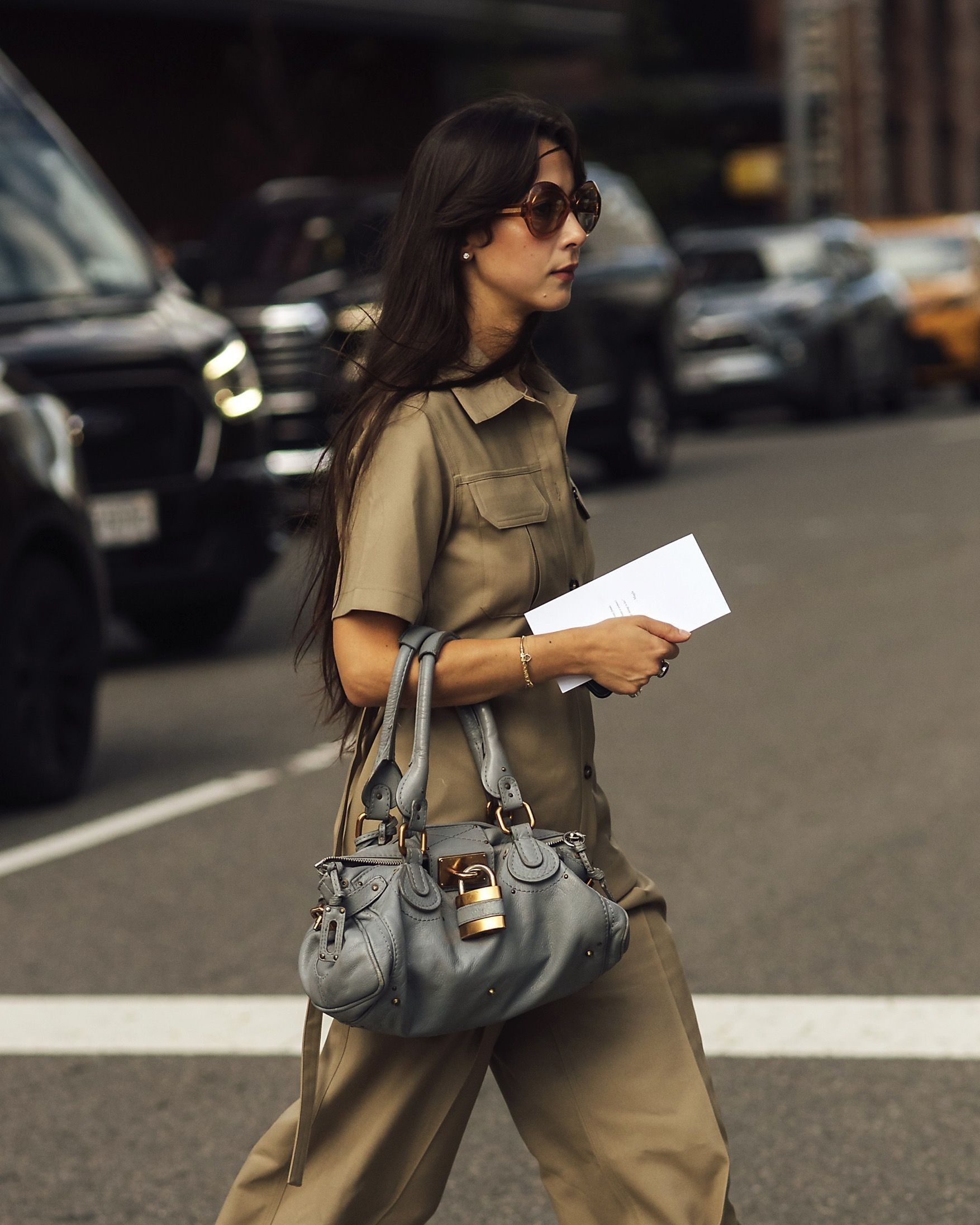
Searches for the Chloé Paddington have risen by 610%, but the real star of the secondhand market is Chanel
LVMH's fashion division keeps getting worse
Third-quarter results showed a -5% decline driven by the Chinese market
Prada Group revenues continue to grow at double-digit pace
The company closed the first half of 2026 with an 11% increase in turnover