






























Will Japan save the luxury sector from the crisis again this year? It would seem so, but the situation in the Middle East remains a cause for concern
Since last year, the luxury sector in Japan has been experiencing a curiously vibrant moment in an otherwise highly challenging global scenario. As reported by MF Fashion, after the peak recorded in 2024 and a stable 2025 despite the sector’s crisis, the value of the Japanese market has reached €31 billion. According to Bain & Company estimates, the market is projected to grow by between 2% and 3% by the end of 2026.
In the same publication, MF Fashion, in an interview with Mario Vattani, Italy’s Commissioner General for Expo Osaka 2025, noted that Made in Italy enjoys a strong position in the country. This is reflected in bilateral trade worth approximately €13 billion overall. Of this amount, roughly one third concerns fashion. Italy exports just under €9 billion to Japan and imports around €4 billion, resulting in a positive trade balance of nearly €5 billion. 30% of Italian exports to Japan consist of fashion and accessories, supplemented by jewellery and luxury goods.
Historically, Japan has always been a major luxury consumer—so much so that in financial reports broken down by geographic area, the country always has its own dedicated line, on par with China, while the rest of the continent is grouped under Asia-Pacific. But what explains this resilience?
Tourists and Domestic Demand
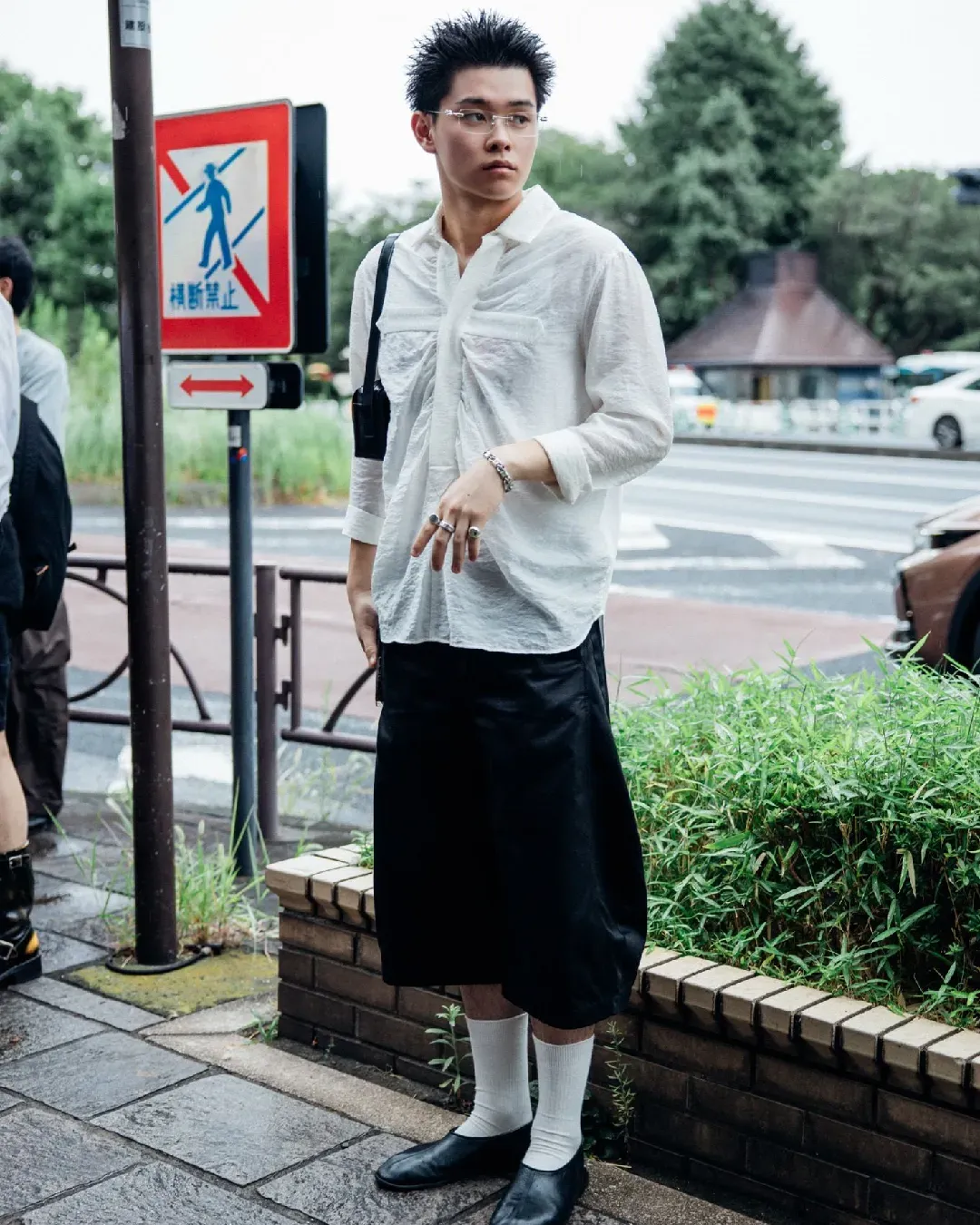
@andrewpolo_ best 1 day shopping itinerary in tokyo! can’t go wrong in these neighborhoods (nakameguro, daikanyama, ebisu) #mensfashion #wheretoshop #japantrip #outfitideas - nokdu
Just as in the past two years, the engine of this growth is the weakness of the yen, which offers favourable exchange rates and has turned Tokyo and Osaka into highly popular destinations for luxury shopping, especially for Chinese citizens who have redirected a significant portion of their spending there. According to Yano Research, as cited by MF Fashion, international visitors grew by 47.1% compared to 2025, and their shopping alone accounts for about one third of luxury sales. The other two thirds are driven by strong domestic demand.
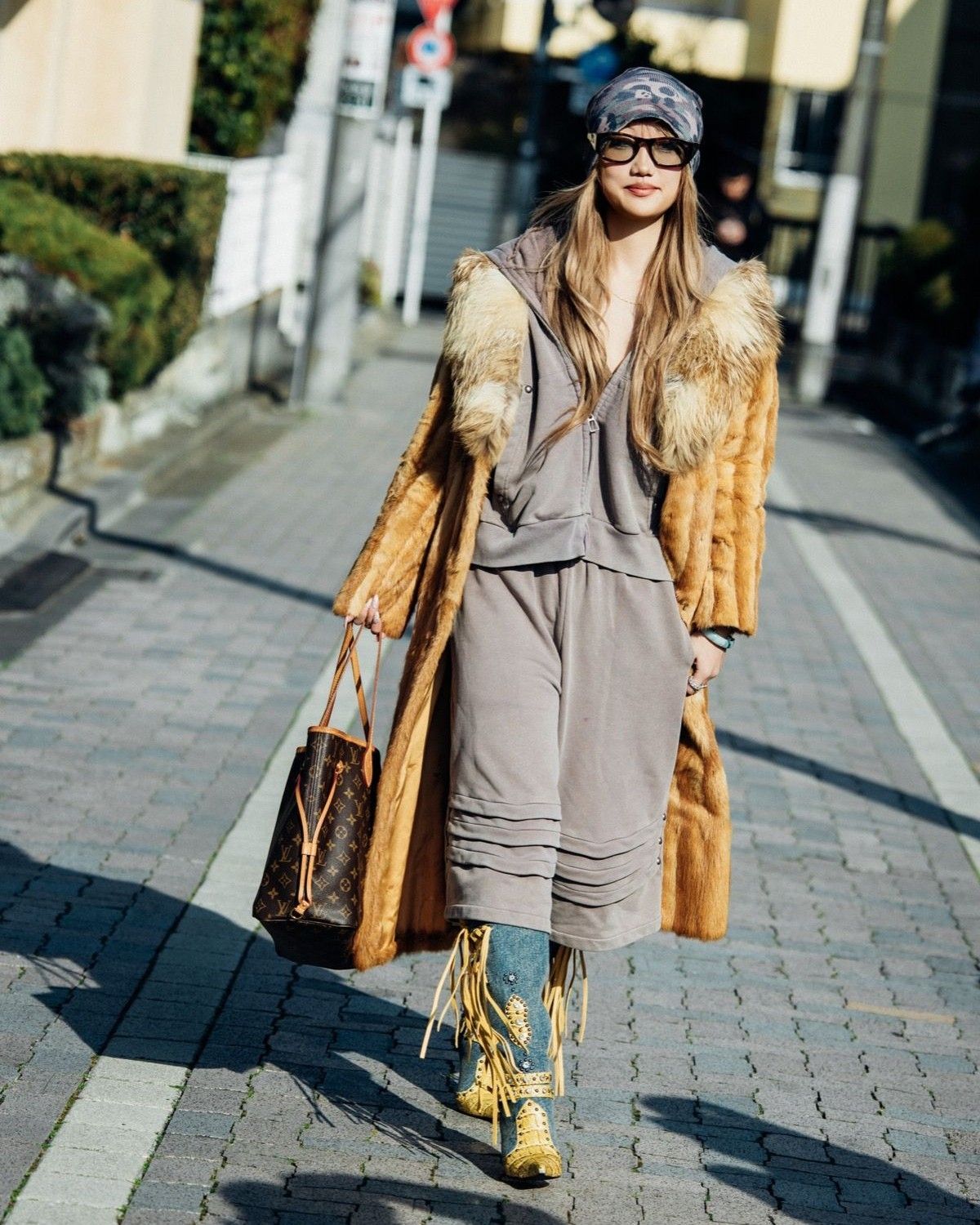
Historically, as mentioned, Japanese consumers appreciate and seek out luxury. This is why the local vintage culture is so developed and why so many Western celebrities stock up on bags and archive pieces during their trips to Japan. The strong denim culture has also led the Arnault family’s investment company to invest in Kapital in recent years, for example. In addition, the national gift-giving culture constantly creates opportunities to purchase all kinds of luxury goods.
Another important factor highlighted in the report is the fashion distribution system in the country, with several world-famous shopping districts (think Ginza or Harajuku) that concentrate both classic international luxury stores and local brands in various positioning segments, along with the luxury vintage market. This creates highly favourable ecosystems for spending. The report also mentions a generational shift in the country’s customer base, noting that young Japanese consumers are less aspirational than their parents. To understand the mindset of this demographic, it is useful to refer to another study published a few years ago by Ca’ Foscari University of Venice.
Japanese Gen Z and Luxury
The western audience's anticipation for The Devil Wears Prada 2 is already at an all time high, going to Asia to promote it is genius, South Korea, Japan & Honk Kong are some of the most profitable markets for luxury fashion brands.
— Melania RC (@Melaniiarc) March 29, 2026
In the thesis Italian luxury fashion brands from the perspective of Japanese Gen Z: a Japanese market analysis, Grazia Lazzara interviewed 76 Japanese university students aged 19 to 25 and showed that the relationship of young Japanese people with luxury remains ambivalent. Only 39% are familiar with Italian luxury brands (Gucci, Fendi and Dolce&Gabbana are the most mentioned), while 61% are completely unaware of them. In general, MF Fashion also noted that, according to a Mark & Spark analysis, the most famous brands in Japan are still the most classic ones: Louis Vuitton, Gucci, Chanel, Hermès and Prada. Only 8% of respondents consider the brand itself relevant when purchasing, while the vast majority prioritise fit (89%), design (68%) and durability.
This does not mean the brands themselves are not appreciated: respondents said they would like to wear certain outfits from brands such as Bottega Veneta, Gucci or Fendi and would consider buying them once they have greater purchasing power. The overall conclusion is that Japanese Gen Z perceives luxury more as an object of personal value than as an aspirational status symbol. This is confirmed by one of the most representative entry-level brands for Gen Z: Coach.
Discussing the brand’s arrival in the country, The Japan Times spoke with Nick Pournader, CEO of the international management consultancy P&C Global. “Gen Z does not want to buy a brand for its own sake; they want to connect with a story, an experience and values they identify with,” he said. Another interesting point he mentioned is that overall 79% of local customers shop in physical stores, which therefore need to be Instagrammable but also engaging. Emmanuel Ruelland, President and CEO of Coach’s North Asia division, added that the majority of transactions still take place in stores and that young customers are generally cautious: “We notice a strong need for reassurance. They want to avoid making mistakes.”