






































How should we prepare for the impending energy crisis? A guide with top tips for times of rationing
The ongoing conflict in the Middle East is causing an energy crisis that many analysts consider potentially unprecedented. If the situation continues over time, it is not unlikely that measures of consumption rationing could become necessary in Europe. The closure of the Strait of Hormuz, one of whose sides is under Iranian control, has interrupted the transit of oil and gas from the Gulf countries, which are among the world's main fossil fuel producers. Additionally, attacks on their energy infrastructure have caused damage to facilities and reduced part of the region's production capacity, with repercussions on the sector expected to be felt for a long time.
The International Energy Agency (IEA), for this reason, has recently prepared and released a document with a series of recommendations to adopt in case the crisis continues and worsens—a scenario that, according to many analysts, is far from unlikely: both the United States and Iran consider themselves in a position of strength and, for now, neither country seems willing to make concessions to the other.
Guidelines from the International Energy Agency
Global oil markets are facing a historic supply disruption amid the war in the Middle East, pushing up prices for consumers.
— International Energy Agency (@IEA) March 20, 2026
Our new report sets out 10 immediate demand-side options to help governments, businesses & households ease the economic impacts https://t.co/1XZIgeA2BG pic.twitter.com/vwcrjRUmvK
Among the main measures suggested by the IEA to avoid depleting national energy reserves is the government-mandated reduction of the period during which heating can be used during the upcoming winter. This solution has already been tested in several European countries, including Italy, between 2022 and 2023, when EU states had to cope without much of the gas supply from Russia following the invasion of Ukraine.
Another suggestion to reduce a country's energy demand is to limit—through both government measures and private initiatives—mobility, while making essential travel more efficient. For example, several Asian countries, to which about 80% of the energy resources passing through the Strait of Hormuz were headed, have already introduced a four-day workweek for public employees; in the private sector, the use of smart working is being promoted more decisively.
Have we partly experienced this before?
Some of the IEA's recommendations had already been implemented in European countries a few years ago during the last energy crisis. For example, in the winter between 2022 and 2023, the Municipality of Milan decided that every Friday lights and heating in municipal offices would remain off, while employees worked from home.
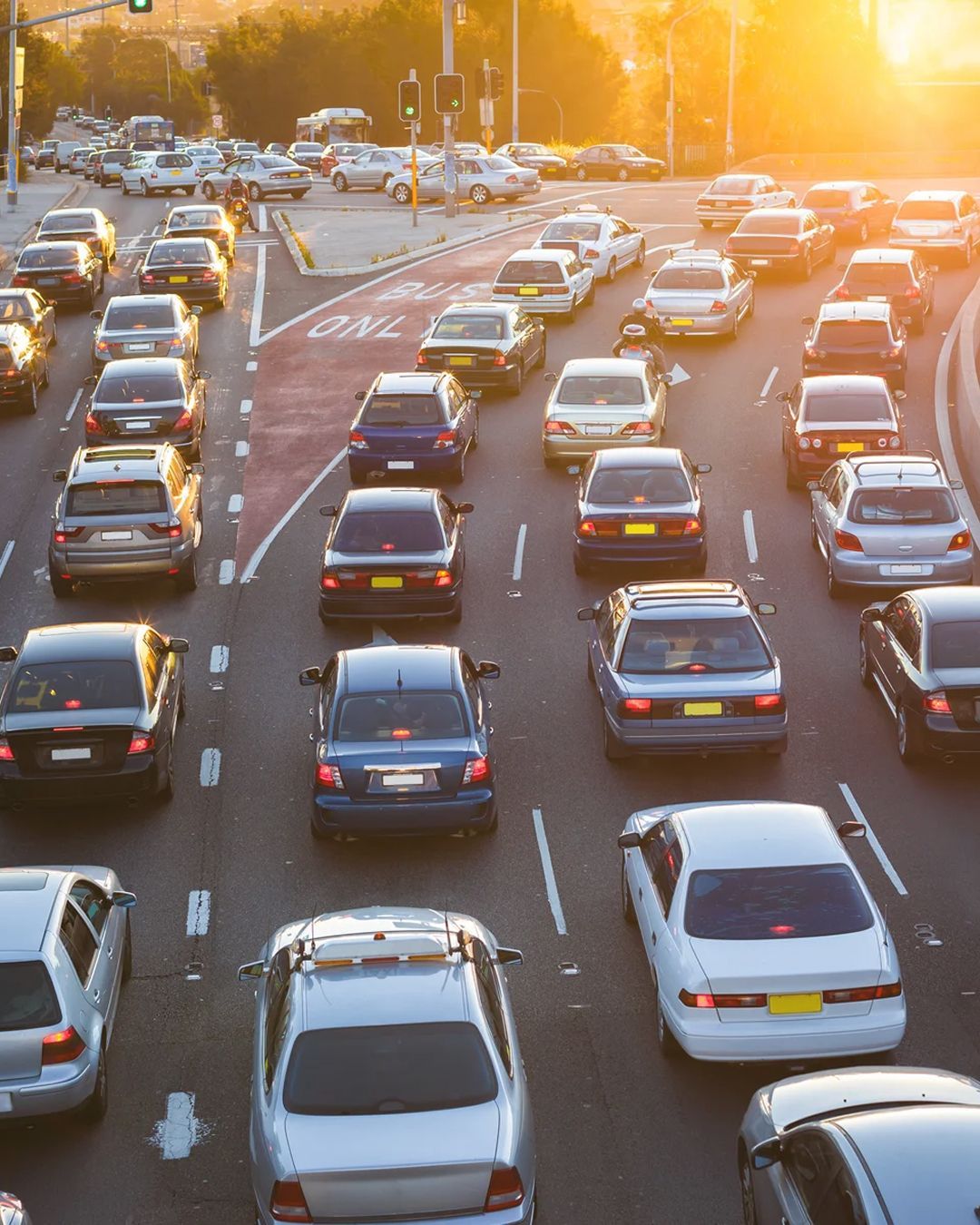
The most significant impact in terms of energy savings, however, would come from limiting the use of private cars. Automobiles, in fact, are responsible for the largest share of energy consumption among vehicles in the West. For this reason, the IEA also suggests encouraging carpooling, that is, sharing car trips with others to reduce the number of vehicles on the road.
Finally, the IEA recommends that individual national governments adopt measures to restrict car circulation, for example through an alternating license plate system, in which only vehicles with even or odd numbers can circulate on predetermined days. The International Energy Agency also advises private individuals to reduce air travel as much as possible, given its high fuel consumption.