






































The war in Iran is a problem for tech companies too Especially those that have invested in building large data centers in the Middle East, now increasingly at risk
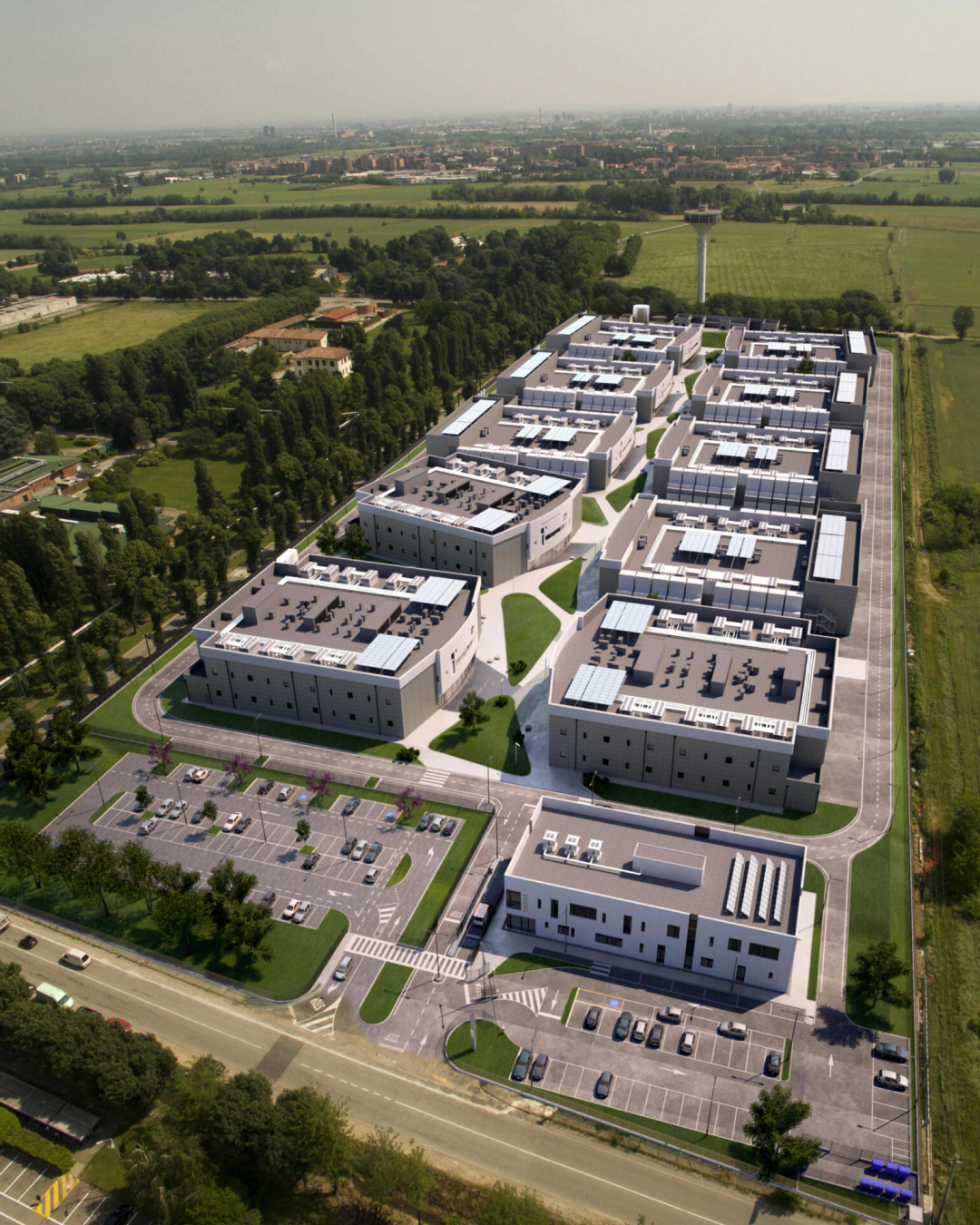
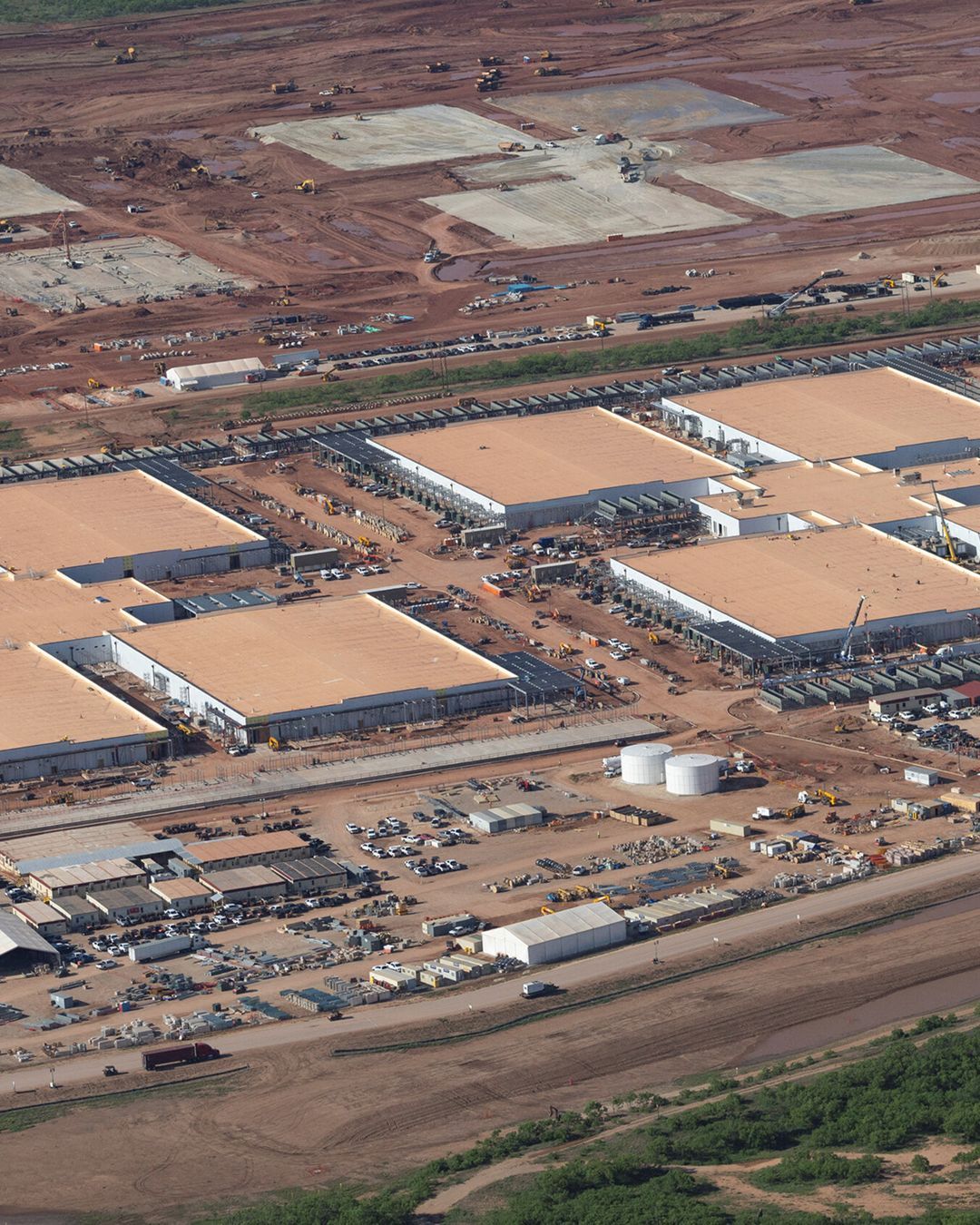
From the outside, data centers look like ordinary industrial warehouses. Inside, however, they house vast numbers of servers — broadly speaking, interconnected computers — that store and process enormous amounts of information, upon which millions of people rely every day for the digital services they use.
Today there are just over 11,000 data centers worldwide, the majority of which are located in the United States. The race to build large data centers — essential to the development of artificial intelligence systems — is drawing in many other countries, including those bordering the Persian Gulf, where more than 100 data centers are currently in operation. The perception of stability and prosperity that these states have built up in recent years, however, has been seriously undermined by the conflict in Iran: the brutality with which the regime operates poses a risk to the entire region, where a growing number of economies have staked their future on the provision of technology services, as well as tourism.
Saudi Arabia and the United Arab Emirates, for example, were on the verge of becoming major hubs for the AI sector, attracting significant capital from large tech companies such as Amazon and Microsoft, partly thanks to the competitive advantage of low energy costs. However, the escalation of the conflict in the Middle East and the closure of the Strait of Hormuz (a critical artery for oil and natural gas traffic) have rapidly reshuffled the deck — developments that could significantly slow down, or even scale back, the region's ambitions in the field of artificial intelligence.
Iranian attacks on data centers
@dwnews Iran’s Revolutionary Guard says it struck AWS sites to disrupt what it claims are US military and intelligence-linked operations hosted there. For the first time, data centers have become targets of a military drone strike. What is really behind the attacks? #dwdigital original sound - DW News
In response to the military offensives launched by Washington and Tel Aviv, Tehran moved early to target the Western digital infrastructure operating in the region: three Amazon-owned data centers located in the United Arab Emirates and Bahrain were struck, causing significant disruptions across a wide range of online services — from banking to communications. The Pasdaran — also known as the Revolutionary Guards, Iran's primary military force — subsequently issued a statement designating the Middle Eastern offices of some of the world's largest technology companies as legitimate targets of the regime, among them Meta, Nvidia, Oracle, and Tesla, accused on spurious grounds of collaborating with the United States military.
The conflict in Iran has laid bare just how critical data centers truly are — particularly given their military significance — and how potentially vulnerable. The core problem is that commercial services and national security applications coexist within the same facilities, making them easy targets in the event of drone or missile strikes.
The debate over how to make data centers more secure
The war in Iran has pushed the technology sector to search for concrete solutions to make its data centers more secure. One of the most widely discussed ideas is to move away from large, centralized data centers in favor of a network of smaller, distributed facilities: if one were struck, the others would ensure service continuity — unlike what happens today. Such a system would be more resilient, but also more expensive to operate.
Others have proposed a clear separation between civilian and military infrastructure. In this context, the concept of "digital embassies" is gaining traction — networks of servers that store a country's data while maintaining its jurisdiction over them, even when physically located abroad. Estonia was the first to move in this direction, transferring its data to Luxembourg — a country regarded as highly secure and increasingly active in the AI sector. The Principality of Monaco has since followed suit.
A third approach to making data centers conflict-proof involves the construction of bunkers or similar structures in which to house data processing facilities. Solutions of this kind can help reduce risk, but would struggle on their own to meet the storage volumes that the artificial intelligence sector demands.