





























In times of uncertainty, the ‘panic industry’ continues to grow From the 2012 prophecy to the billionaires’ bunkers
More than ten years ago, the bizarre idea took hold that the world was supposed to end on December 21, 2012, a date that coincided with the conclusion of a time cycle in the calendar of the Mayan civilization, an ancient population of Central America. This interpretation did not stem from historical sources, but had spread בעיקר through books and environments linked to New Age culture, later further amplified by certain media outlets, often unreliable documentaries, and the circulation of video essays on YouTube.
Despite the lack of scientific basis, at the time several outlets, including some authoritative ones, reported that a small number of people had taken the prediction quite seriously. In various countries, there were those who had stockpiled water and food supplies, as well as electric generators and everything necessary to face the presumed and imminent collapse of civilization.
Should we be more prepared for the arrival of possible emergencies?
@emaonthemove Is it a common practice here? #sweden #livinginsweden #warmanual #safety #fyp Queen of Disaster - ella
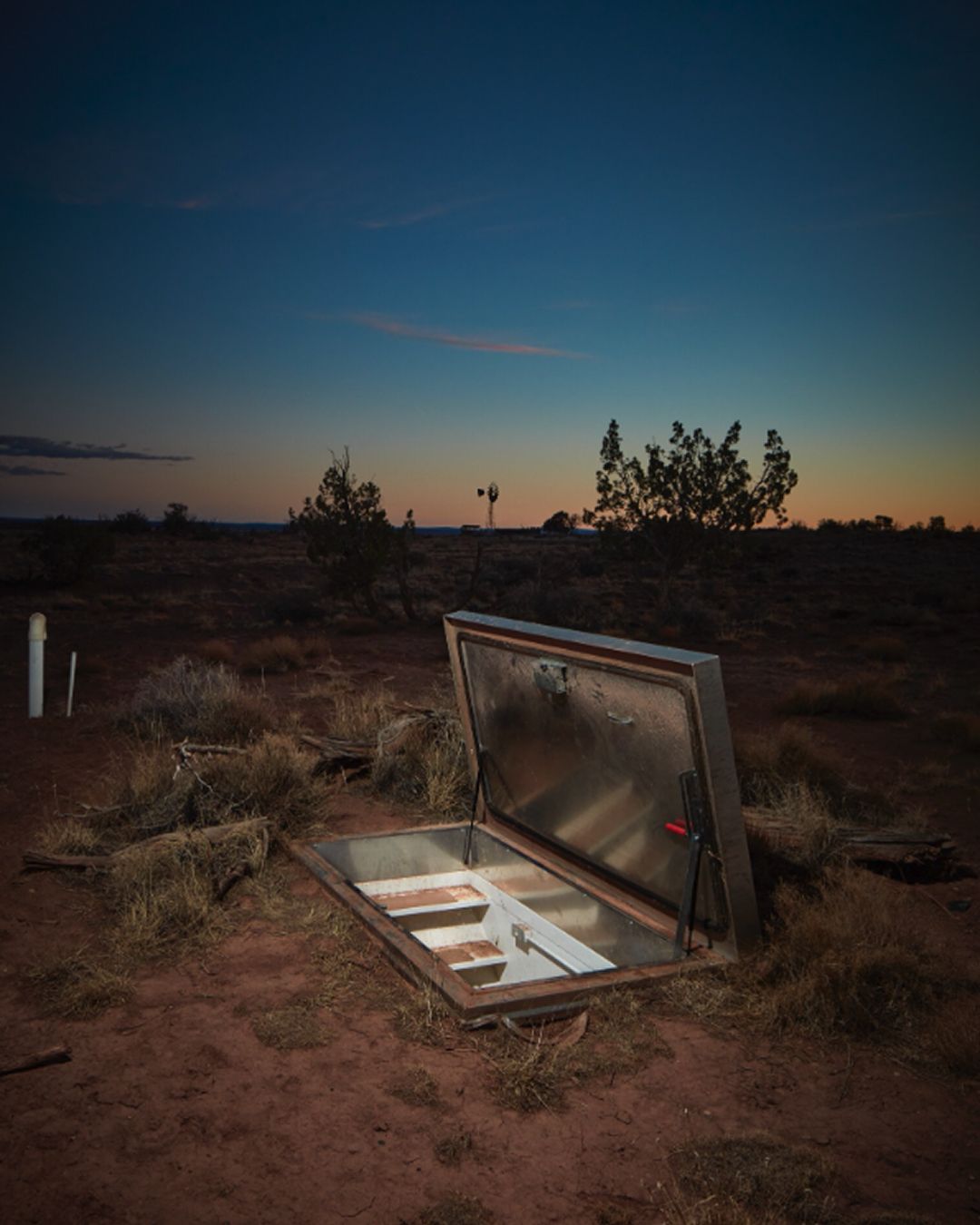
After 2012, some of the people who had invested in safety shelters continued to use them as emergency facilities, often justifying their usefulness with the growing number of extreme weather events - especially in the United States, where cyclones are relatively frequent and intense. In any case, the idea of preparing for a potential collapse of society is not considered so strange in certain parts of the world. In the U.S., for example, especially in various rural areas, there is a fairly thriving market linked to survival kits, training courses, and private shelters.
In this context, the term prepper is used to refer to those who prepare for the possible arrival of catastrophic scenarios. The New Yorker already a few years ago tried to better frame these people: they are often enthusiasts of outdoor activities or weapons, coming from the American hinterland, and sometimes close to conspiracy-minded environments or political currents linked to the far right.
It remains a fact that, in 2024, Norway, Sweden, and Finland revised and distributed nationwide booklets containing guidelines and recommendations for citizens in case of war or various types of emergencies. These are updates of an edition already prepared during World War II, revised during the Cold War and later in 2018, after the annexation of Crimea by Russia. The most recent edition, however, has twice as many pages as the previous one. Inside the booklet there are practical tips on how to seek shelter or move away from danger zones, what foods to keep at home as supplies, or how to react in case of aerial bombings.
Those who invest in safety bunkers
It remains a fact that, for some time now, the construction of safety shelters is no longer just a prerogative of heads of state. Max Levchin, one of the founders of PayPal, previously argued that about half of those who accumulated great wealth thanks to the new economy had invested in an emergency plan, designed to protect themselves in case of wars or revolutions. Among them would be personalities such as Jack Ma, founder of Alibaba, Mark Zuckerberg or financier William Foley, but also figures from the entertainment world such as Post Malone or director James Cameron.
In this context, there are also those who have chosen to invest directly in the business of building bunkers for billionaires. The New York Times in 2017 produced a video feature on this emerging market, even managing to speak with a buyer of an underground shelter, who did not hide the fact that they perceive the current time as one of the most dangerous and uncertain ages in history. The U.S. newspaper last year then published another similar article, titled The boom of the Panic Industry.
Looking closely, potential clients of luxury bunkers represent, in a certain sense, a new generation of preppers, whose fear, however, also and above all concerns the possibility of social unrest against their own economic privileges.