






































Groceries shopping is becoming more and more expensive So much so that the Union of Bakers of Milan has requested government intervention to contain the problem
The temporary truce in the conflict in Middle East, following the two-week ceasefire agreed between Iran and United States, does not imply a rapid resolution of the energy crisis. Even under the most favorable scenario, experts argue that it will take months before conditions similar to those prior to the war are reached: the effects on oil and natural gas prices will, in practice, continue for a long time, with all the consequences that entails.
During the hostilities, Iran deliberately targeted extraction facilities, transport infrastructure, and storage systems for oil and gas in several Gulf countries, which are among the world’s main producers of fossil fuels. These attacks caused partial or total disruptions to production in the region, pushing energy prices upward and generating a domino effect on the costs of numerous other goods and products worldwide.
The rise in energy prices and the food sector
Following the announcement of the ceasefire, oil and gas prices recorded a rapid decline, but without returning to pre-conflict levels. In this context, ISTAT – the institution that in Italy is responsible for collecting and analyzing the main economic and social data – released initial estimates on consumer price trends that take into account the effects of the crisis in Middle East: according to the institute, in the country prices for consumers increased by 0.5% compared to the previous month and by 1.7% year-on-year. ISTAT also notes that the acceleration of inflation in Italy – rising from 1.5% to 1.7% between February and March – is largely due to increases recorded in the food sector, as well as rises in the energy sector.
This is clearly illustrated by the case of the Union of Bakers of Milan, which recently issued a statement calling for immediate intervention by the governing majority to protect workers in the sector from rising electricity and fuel costs. «Starting from the next energy bills, increases of over 30% are expected» – said the vice president of the Union of Bakers of Milan. «If things continue like this, we seriously risk seeing an increase in consumer prices for basic necessities such as bread».
The rising cost of groceries tends to exceed that of other goods because food products are inherently more price-volatile. Their availability, in fact, can be easily compromised by unpredictable events, such as conflicts. In recent years, for example, the cost of wheat has surged following the war in Ukraine, one of the world’s major exporters.
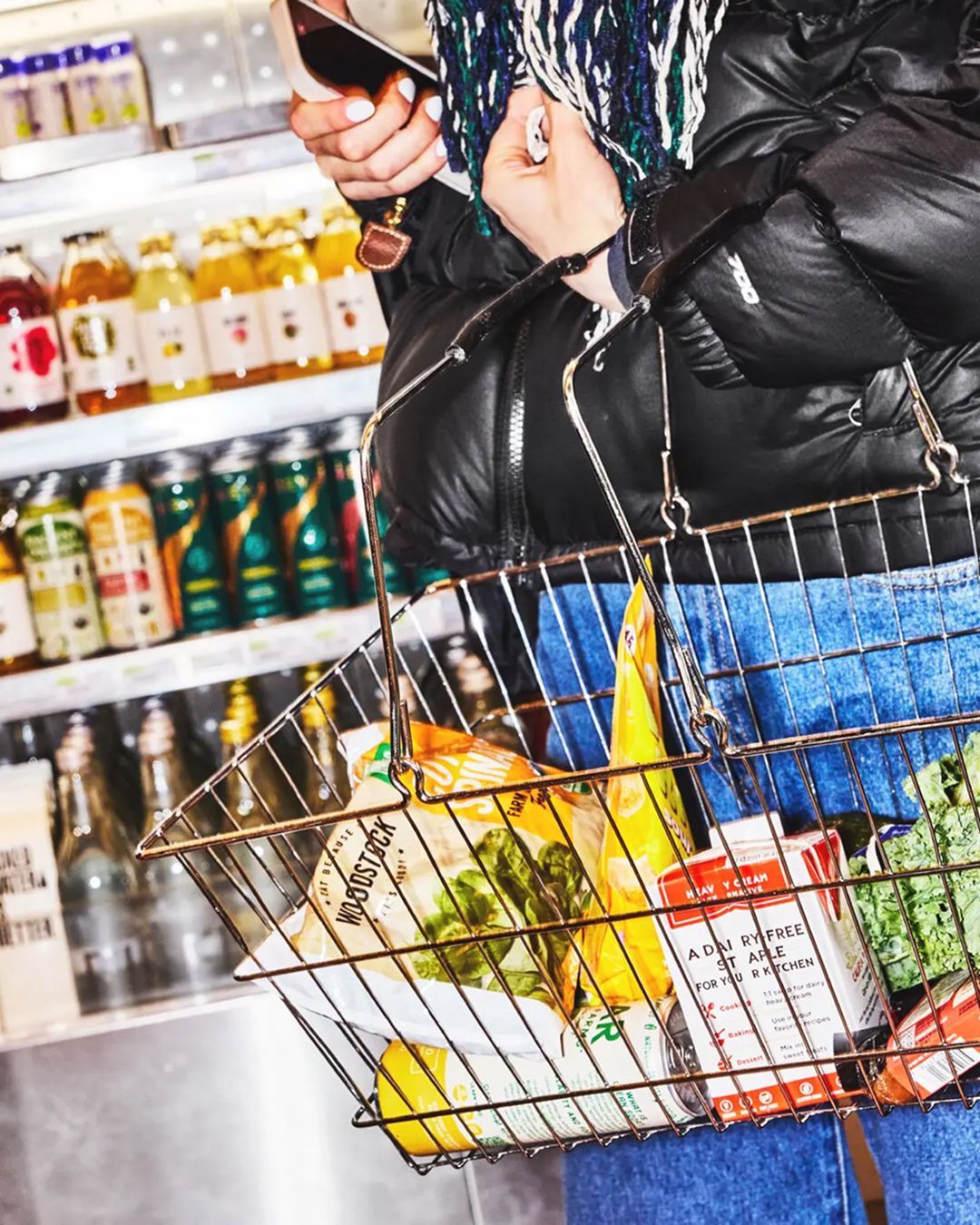
In many supermarkets, retail prices are higher because, as trade associations point out, retailers have also faced increased costs for supply chains and are therefore partly forced to pass these increases on to the final price.
Beyond the food sector, and obviously the energy sector, price increases caused by the conflict in the Middle East have also been observed in other areas, such as clothing and footwear, where growth compared to the previous month was even higher than average – over 19 percentage points.
The situation in the EU
@skynews The war in Iran is going to make food and drink shopping for people in the UK more expensive, according to the body that represents Britain's food producers. Sky's Paul Kelso explains. #SkyNews #Iran #foodprice #weeklyshop
original sound - Sky News
In March, the Italian government issued a decree-law to contain fuel costs, introducing a temporary reduction in excise duties, i.e. fixed taxes applied to prices. The measure was largely funded through cuts to resources allocated, in varying amounts, to all ministries, for a total of 527.4 million euros.
The measure, initially scheduled to last until April 7, was later extended until May 1, with an additional allocation of several hundred million euros. The ministries most affected by the cuts were the Ministry of Economy and Finance (127.5 million), the Ministry of Infrastructure and Transport (96.5 million), and the Ministry of Health (86 million).
More broadly, across European countries inflation has recorded a significant acceleration, rising on average from 1.9% in February to 2.5% in March. The increase in prices was particularly marked in France, Germany, and Spain – where, in all cases, inflation rose by 0.8% in just one month.
What to read next
Dubai is trying everything to revive tourism
The city is incentivizing vacations by offering free dinners and hotel stays

Even the snack industry is being affected by the Iran war
How the energy crisis is impacting many everyday goods and consumer products
The war in Iran is a problem for tech companies too
Especially those that have invested in building large data centers in the Middle East, now increasingly at risk