




































Mass culture is dead, and we do not feel so well either Extracted from "Edicola Italiana", the first free press by nss edicola
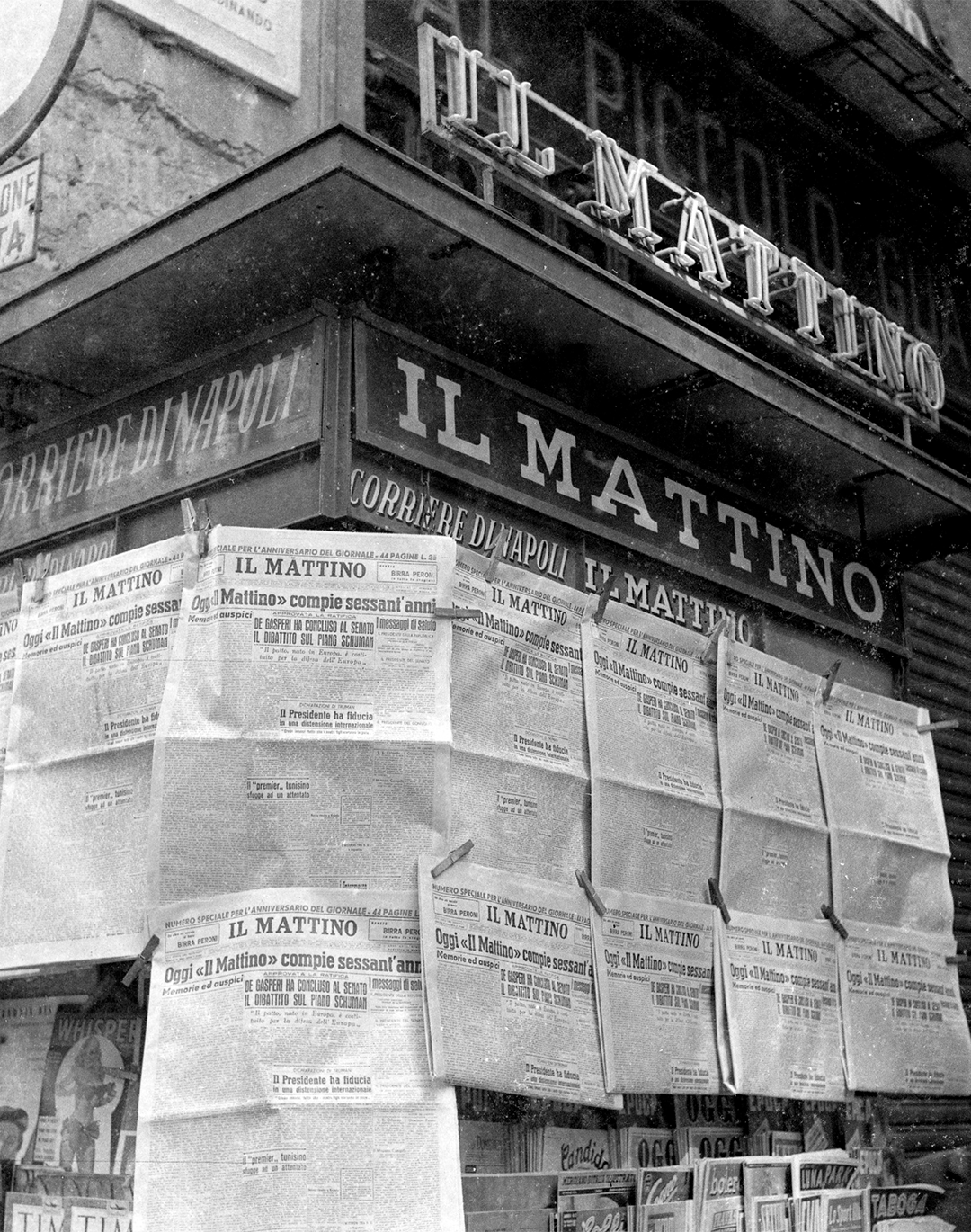
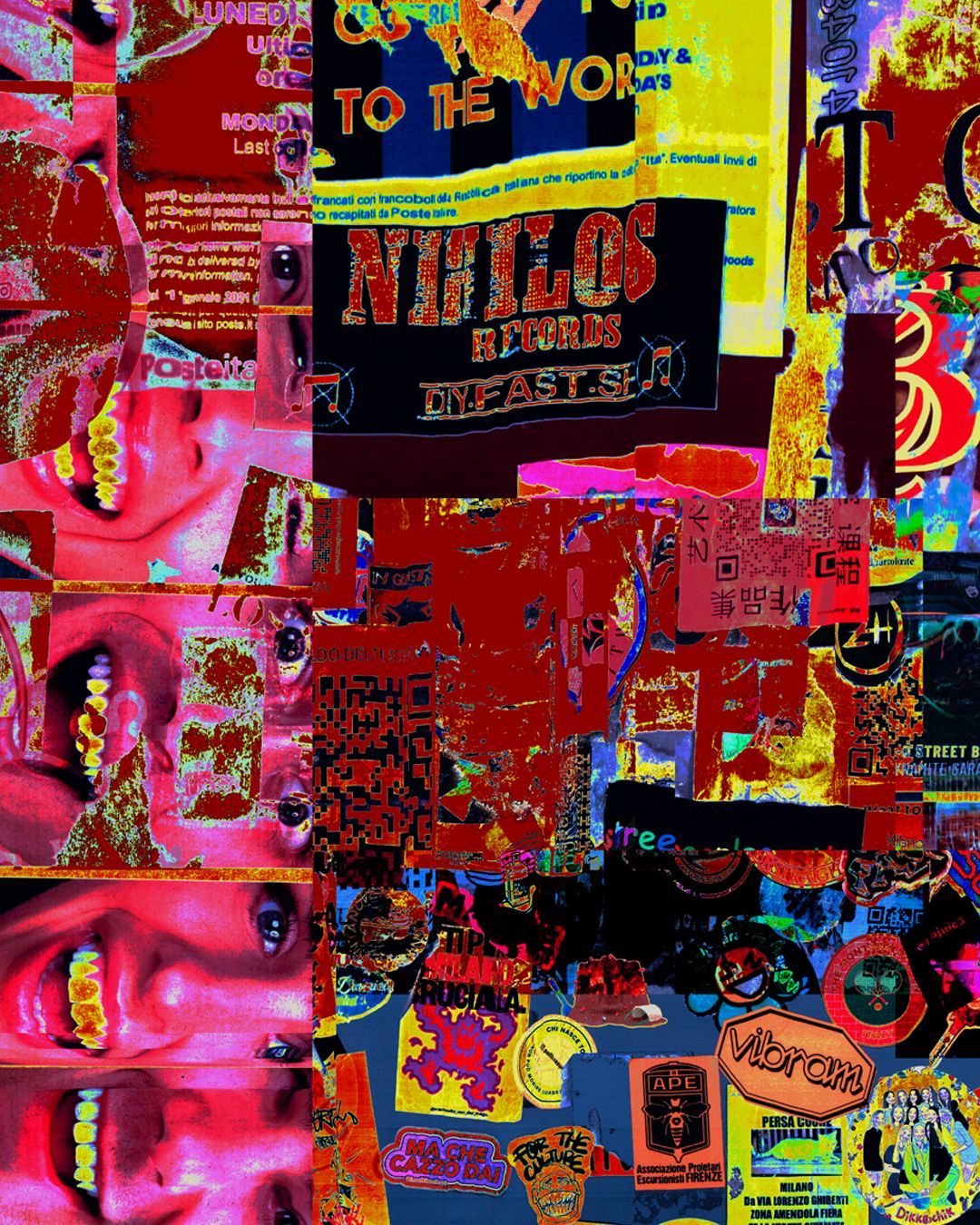
Pulp. Before it was “Tarantinized” in 1994 with Pulp Fiction, the word referred to the cheap, low-quality paper used to print popular magazines and books in the United States from the late nineteenth century onward. The paper was made from untreated wood pulp, which made it thick, rough, and yellowish. Over the decades, and from country to country, the quality of popular publishing improved, but the material conditions that sustained it did not change: low production costs and large print runs that made economies of scale possible. On poor paper were printed inexpensive classics meant to educate the masses, newspapers that helped shape democratic public opinion, and also the trashy novels and comic books that would themselves become classics. To read the full article, download the PDF.