


























Is "The Devil Wears Prada 2" a parody of Jeff Bezos and his wife? Since the film’s release in cinemas, more and more people have noticed the parallels
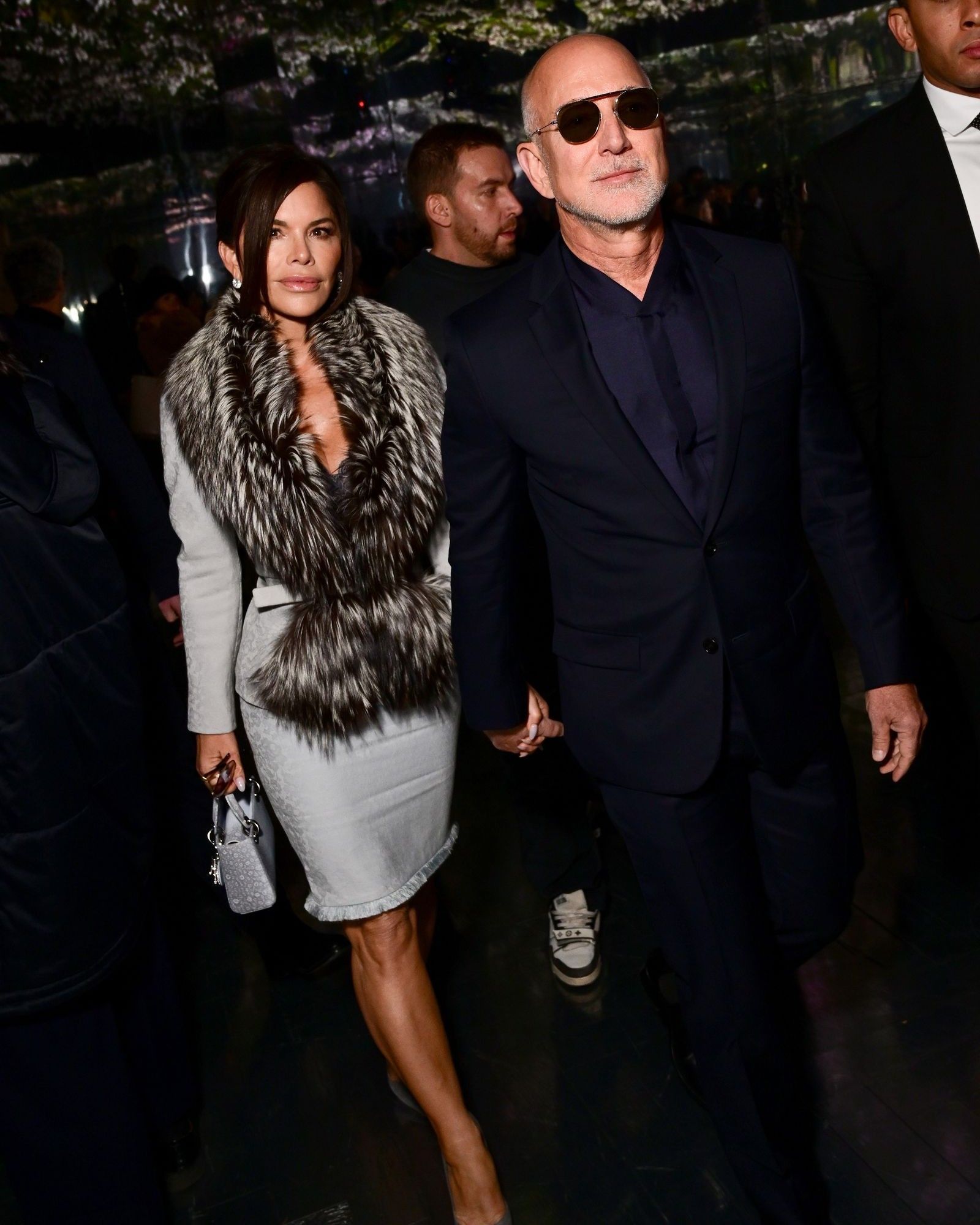
The release of The Devil Wears Prada 2 arrived at an almost symbolic moment, namely just days before the Met Gala 2026, which will not only be the last one held under Anna Wintour’s reign as Queen of Vogue, but also the first to be sponsored by the billionaire couple Jeff Bezos and Lauren Sanchez who, in the last year, have done everything possible to establish themselves in the most elitist circles of fashion.
A involvement that has sparked protests and raised curiosity about the celebrities who will not be present this year, perhaps due to lack of invitation or perhaps to diplomatically distance themselves from this year’s sponsors: the list includes Mayor Mamdani, Zendaya (although Law Roach will be there alone) and Meryl Streep herself, whose absence this year has raised many questions even though the actress has always refused to attend the Met Gala both as a guest and as co-chair.
But what adds potential fuel to the fire is an element many have noticed while watching the film: the plot of The Devil Wears Prada 2 and some of the characters, specifically the billionaires who want to buy Runway, strangely seem like a parody of Jeff Bezos and Lauren Sanchez. But is it true?
“The Devil Wears Prada 2” is a troll of the Bezos-Sanchez couple?
@andrewfreund Is “The Devil Wears Prada 2“ trolling Jeff Bezos, and all billionaires? What are your thoughts? #devilwearsprada #devilwearsprada2 #jeffbezos #laurensanchez #billionaire original sound - Andrew Freund
The Devil Wears Prada 2 takes on the task, with its story, of photographing today’s fashion world: the big brands that keep publishing on a leash thanks to their advertising insertions; fashion transformed into entertainment and a financial asset, the dominance of influencers and, in short, the crisis of the old magazines of the past overwhelmed by the rise of new digital media with all their corollaries in terms of AI, decline in attention, cancel culture and so on.
The film itself is very “meta” since it talks about this process while representing a new iteration of it: just think of the thousands of branded capsules and the thousands of cameos by real designers who, in the first film, with the exception of Valentino Garavani and Giancarlo Giammetti, had wanted neither to appear nor to provide their clothes. But beyond this aspect, the film’s plot includes the character of Benji Barnes, a tech billionaire obsessed with longevity, who intends to buy the magazine Runway as a gift for his new girlfriend Emily, a former assistant of Miranda who has now become a Dior manager.
In the film, the character of Barnes, played by Justin Theroux, is not only recently divorced like Bezos and has an ex-wife, Sasha, who instead prefers to devote her billions to more “ethical” causes. Here too it is exactly like Bezos. The character (who is also a parody of Elon Musk) has undergone a physical transformation when he became rich, talks about sending rockets into space and about a new world based on AI, enthusiastically accepting to destroy the past in the name of the future. It is impossible not to notice the parallelism between these figures, especially since rumors about a possible purchase of Vogue by the Bezos couple are still circulating despite the denials.
But is it really so?
I wish I could be a part of the catering staff at The Met tomorrow just to see how people are around Jeff Bezos and Lauren Sanchez after the release of The Devil Wears Prada 2. I can't imagine worse timing for that film to come out LMAO
— Whackeen (@Readerbell_) May 3, 2026
As expected, Emily Blunt’s representatives have denied that her character was based on Lauren Sanchez, just as Meryl Streep’s representatives did not comment much on the actress’s absence from the Met Gala, justifying it as a matter of personal preference. Interviewed by Variety about the similarity, the screenwriter of both films Brosh McKenna said: «We already had a script and were making the movie when the rumors [of Bezos considering an acquisition of Conde Nast] started happening. It wasn’t inspired by anything. But, we did say, “Whoa,” when it happened.».
But according to another Variety article, Brosh McKenna reportedly wrote the screenplay after interviewing several real Condé Nast employees, including those from Vogue, and according to the magazine’s sources, the “parody” of Jeff Bezos and Lauren Sanchez was actually inspired by those employees’ fear of seeing the historic magazines bought by Silicon Valley billionaires just as had happened with the Washington Post, which Jeff Bezos had acquired in 2013 and then “ruined” recently with mass layoffs and a strong erosion of its editorial independence.
In short, we are faced with a case in which all the creatives involved cannot openly admit that the parody truly exists, but in which the timing of events and the plot parallels cannot escape anyone who is informed about the publishing world. At most, it can be said that the film frames the real problem as the neoliberal nihilism of tech oligarchs who want to buy everything and dismantle it to increase their profit margins, without even remotely considering the humanistic values of beauty and human creativity and so on, sacrificing everything on the altar of efficiency.
Or, as the screenwriter herself said: «There’s a difference between ones who own it because they want to make money from it, and the ones who own it because they want to burnish their reputation or have some cachet or go to parties with movie stars. For those people. these publications can be deleted at any time. They buy august institutions with no intention of maintaining them».