
Words and things Extracted from "Edicola Italiana", the first free press by nss edicola
Newsstands no longer exist, for most people. For children, however, newsstands still do. No one feels for these places, now absent from our habits, the magnetic attraction that children do. They are not nostalgic, retro-obsessed, or paper fetishists like us. Yet they stop in front of the surprise bags of Frozen or Stitch, in front of the Peppa Pig magazines wrapped in plastic with a fake toy phone as a free gift. They are three- or four-year-olds who plant themselves there and throw tantrums because their mother refuses to buy them the Minnie magazine that comes with a plush Minnie ears headband. Poor-quality materials, fluorescent colors, objects you cannot find anywhere else. Not long ago, I bought a jar of slime at a newsstand in the Pasteur metro station. At the bottom of the jar, immersed in the sticky fuchsia substance, there was a small plastic butterfly with speckled wings, blue, black, and yellow. There was objectively no reason for that product to be on sale.
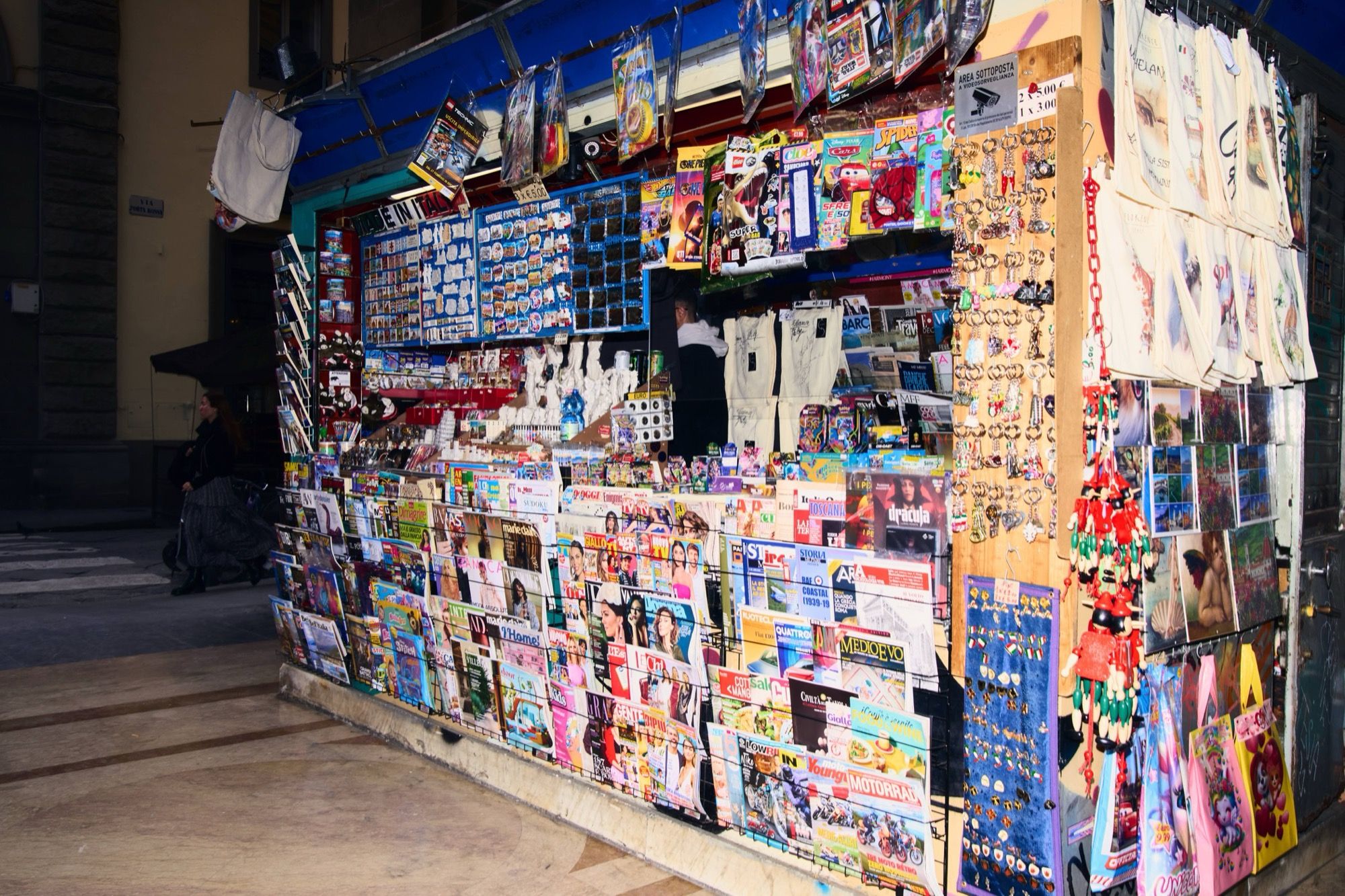
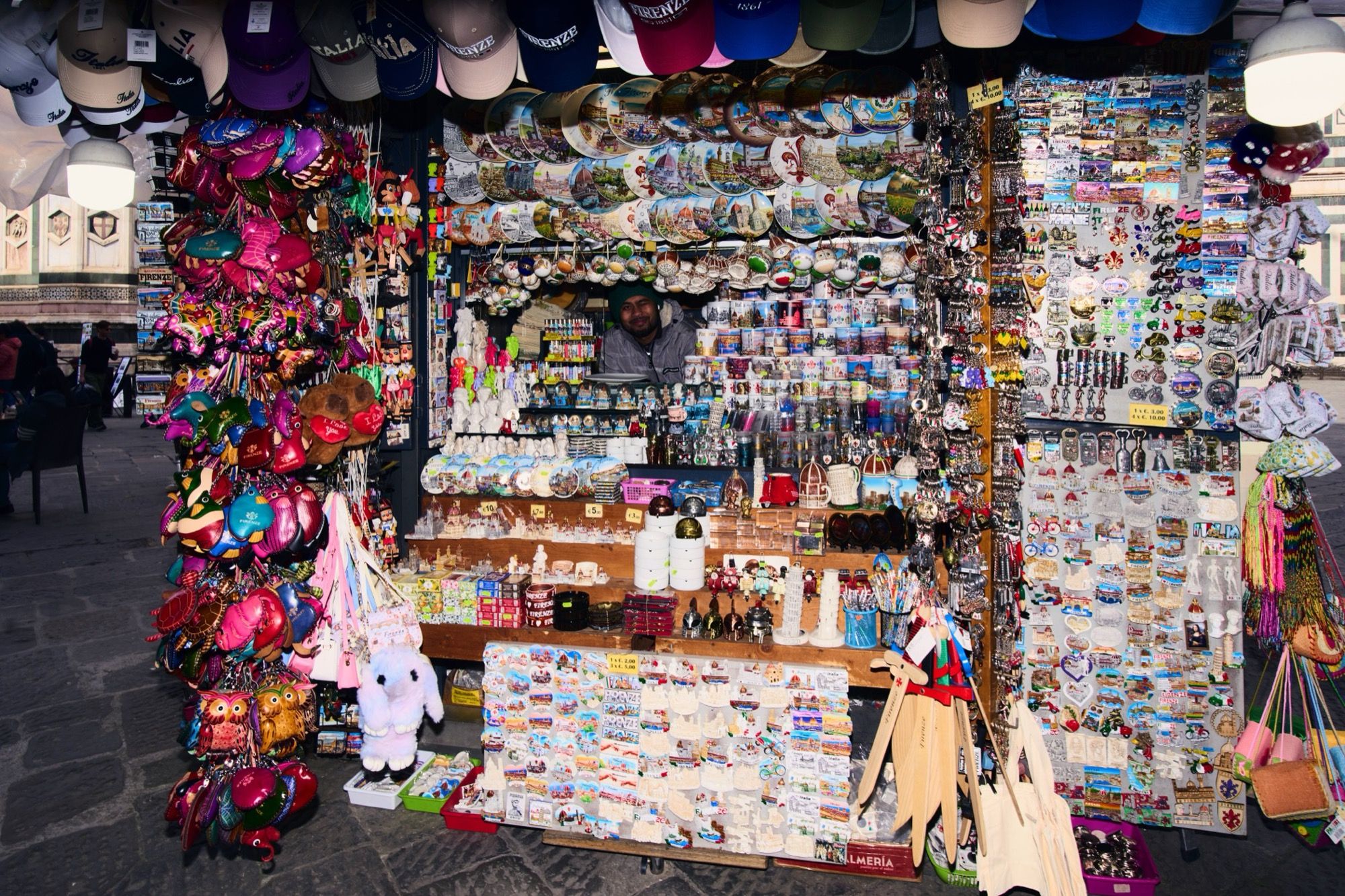
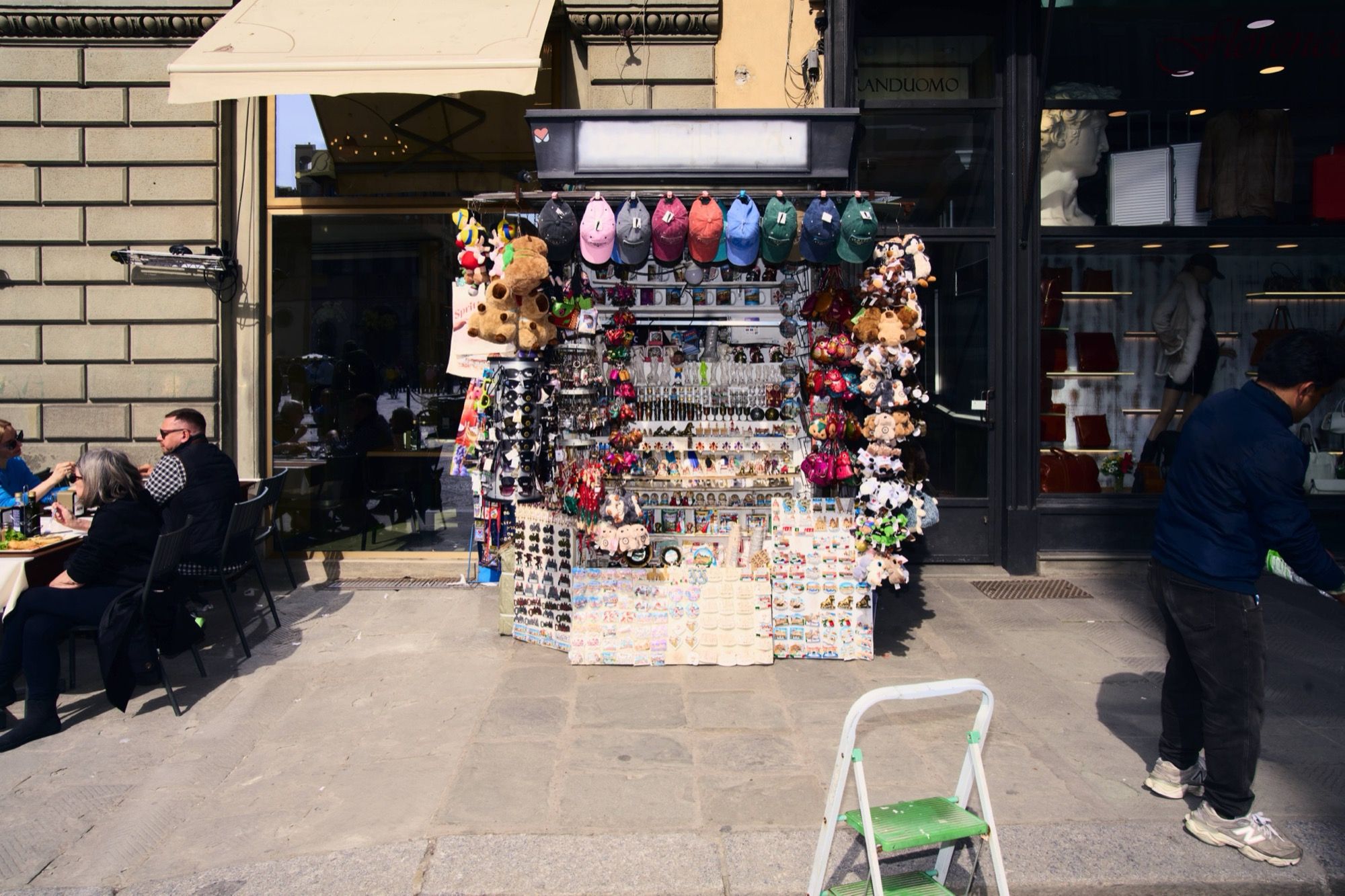
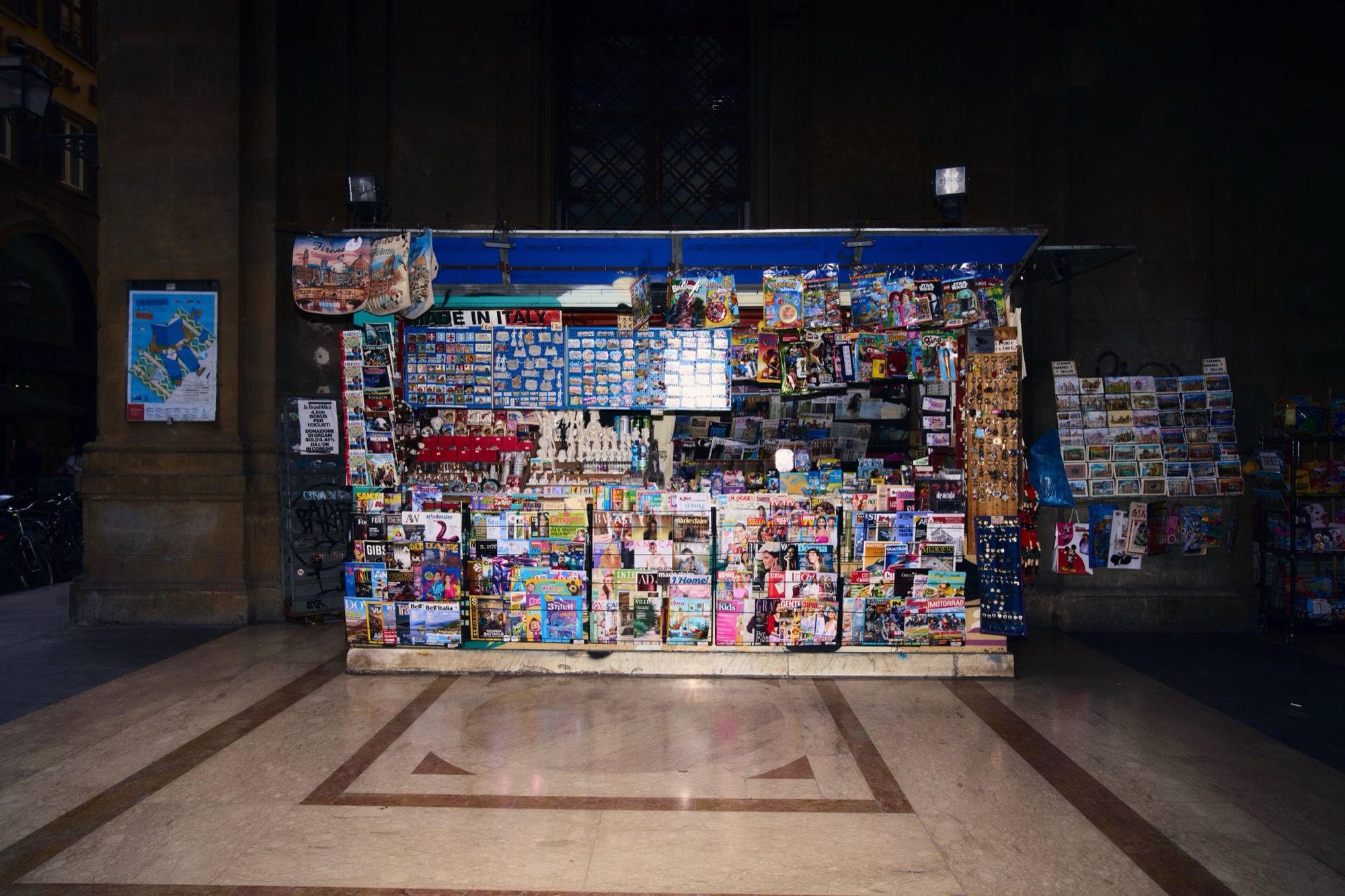
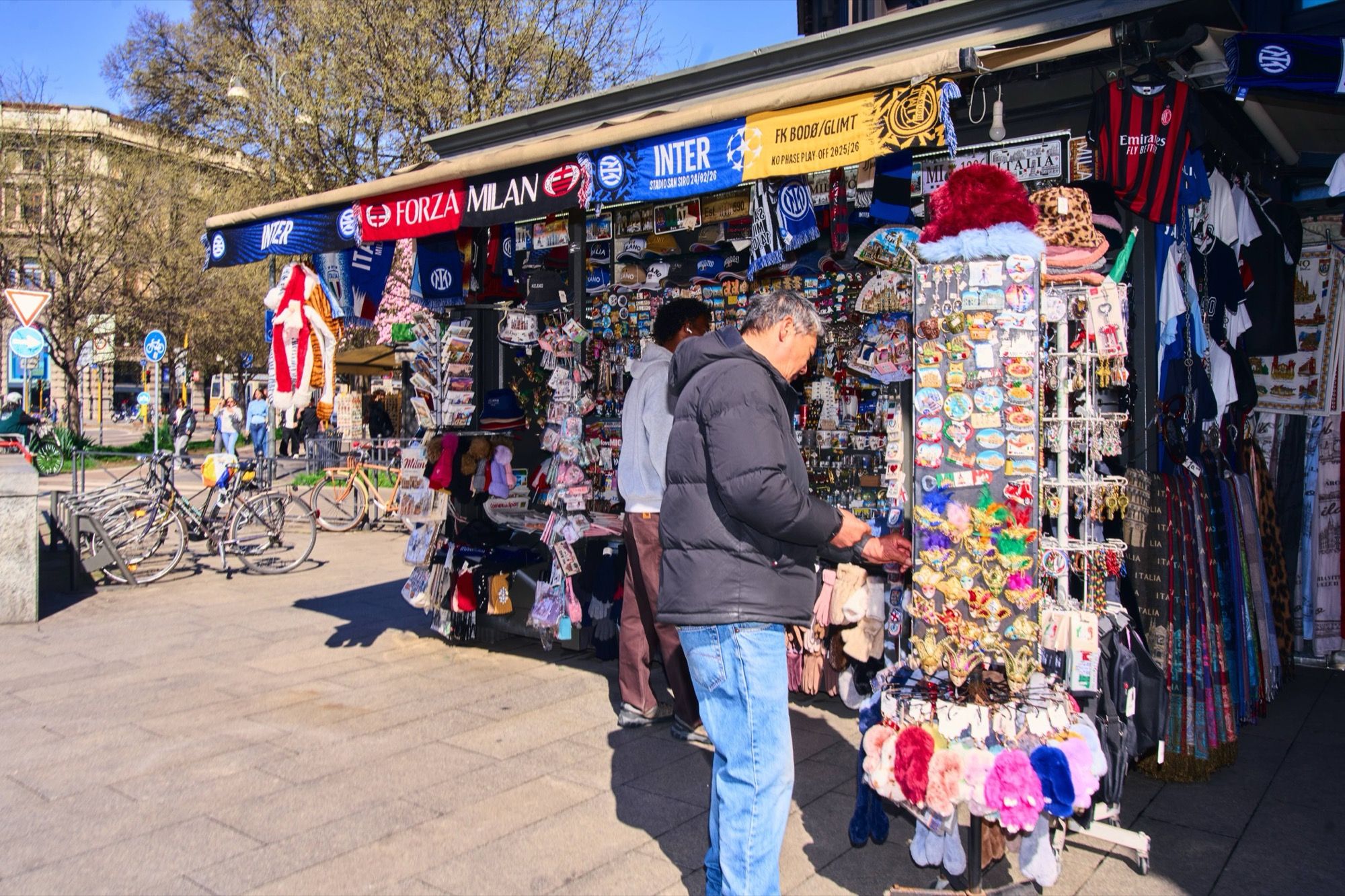
At home, I have a book by the late Martin Parr made entirely of food photographs. Abundant and colorful food. Working-class food. Disgusting food. Real food, which is also the title of the book: Real Food. Fried eggs, sausages, cream cakes, cucumbers, sliced ham, fruit in syrup. None of these dishes make you hungry, yet all seem to tell stories of real life, Real. Even in newsstands, until not too long ago, before newspapers began shutting down and shelves emptied out, you could find the same abundance and visual accumulation of a buffet at a holiday resort. Within that chaos there was quality too, of course, but the overall effect was not inviting or necessarily “cultural”, just like Parr’s photographed food is fascinating and tells stories but does not make you want to eat.
Long before the newsstand became an object of this kind of cultural archaeology, when I was still a child, I remember a moment when magazines began to fill up with “free gifts”. A sample of moisturizer, a thong, a bracelet, sun visors, an inflatable pillow. The great editorial infantilization. It was already the moment, probably the late 1980s, when headlines alone were no longer enough. Headlines existed even before newsstands, because there were newsboys, the figures we have seen in old films shouting headlines in the streets to sell papers, the earliest known form of clickbait. I am no historian of newsstands, but that overflow of gadgets may well have started with children’s publishing.
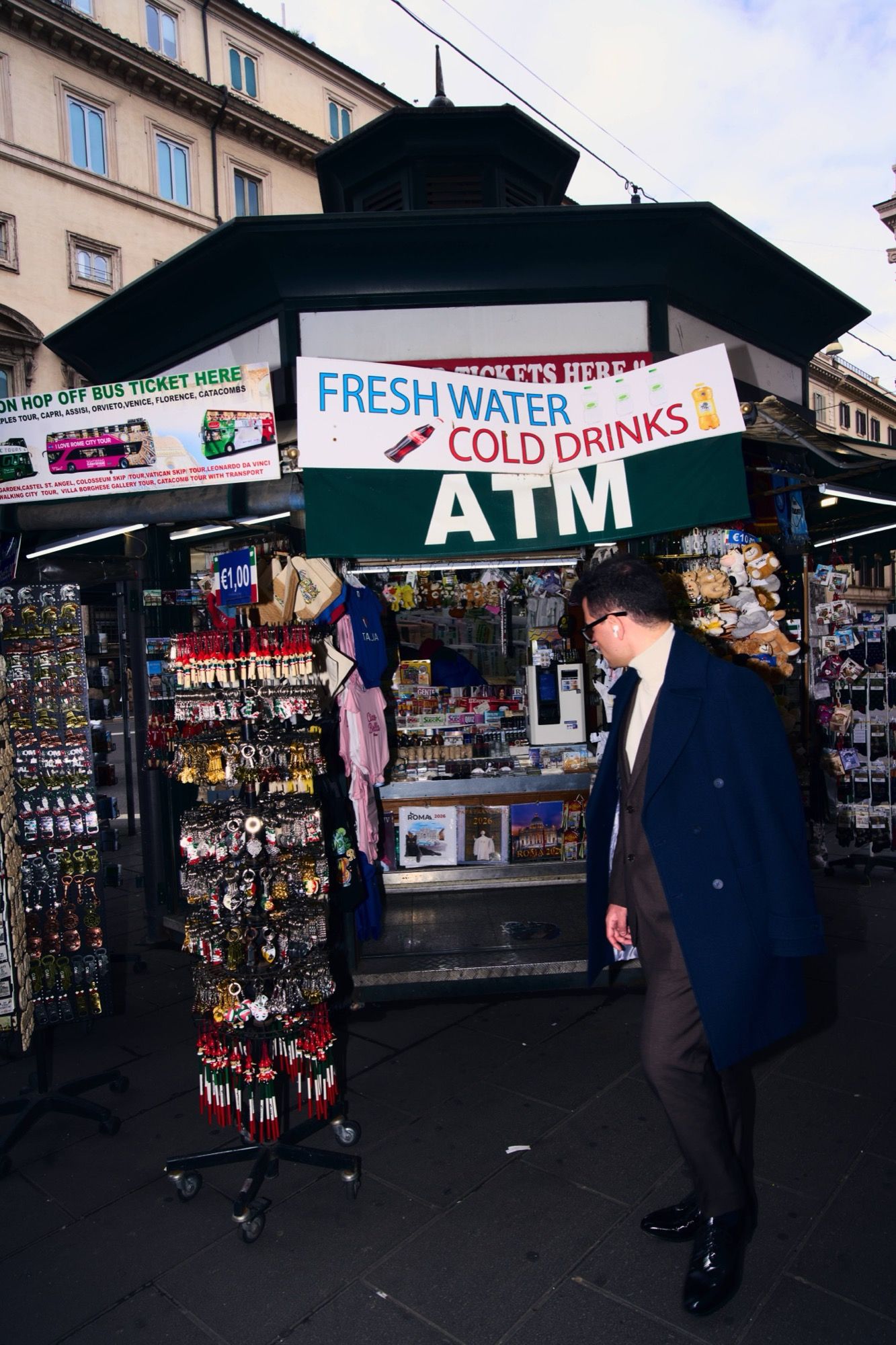
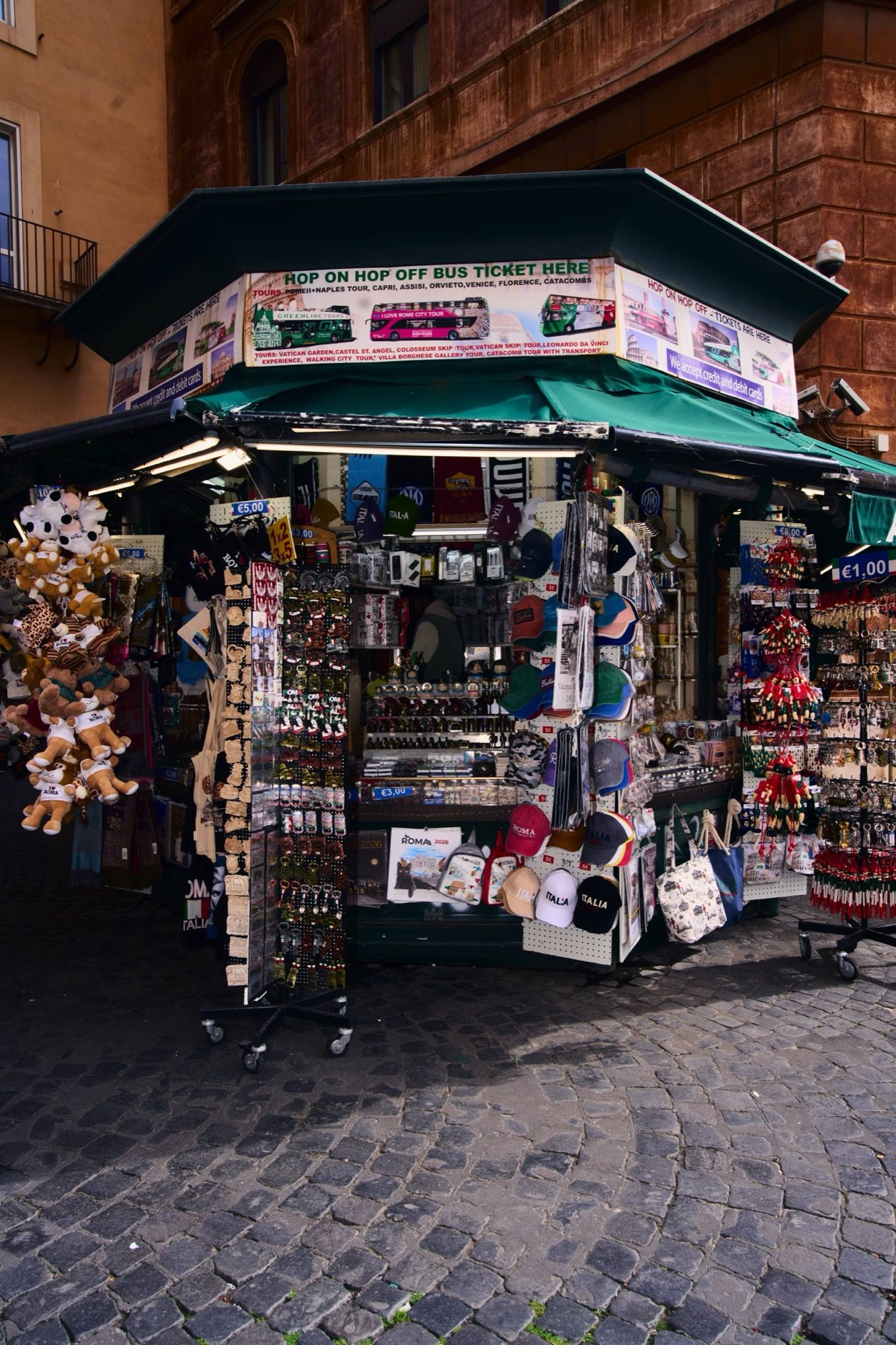
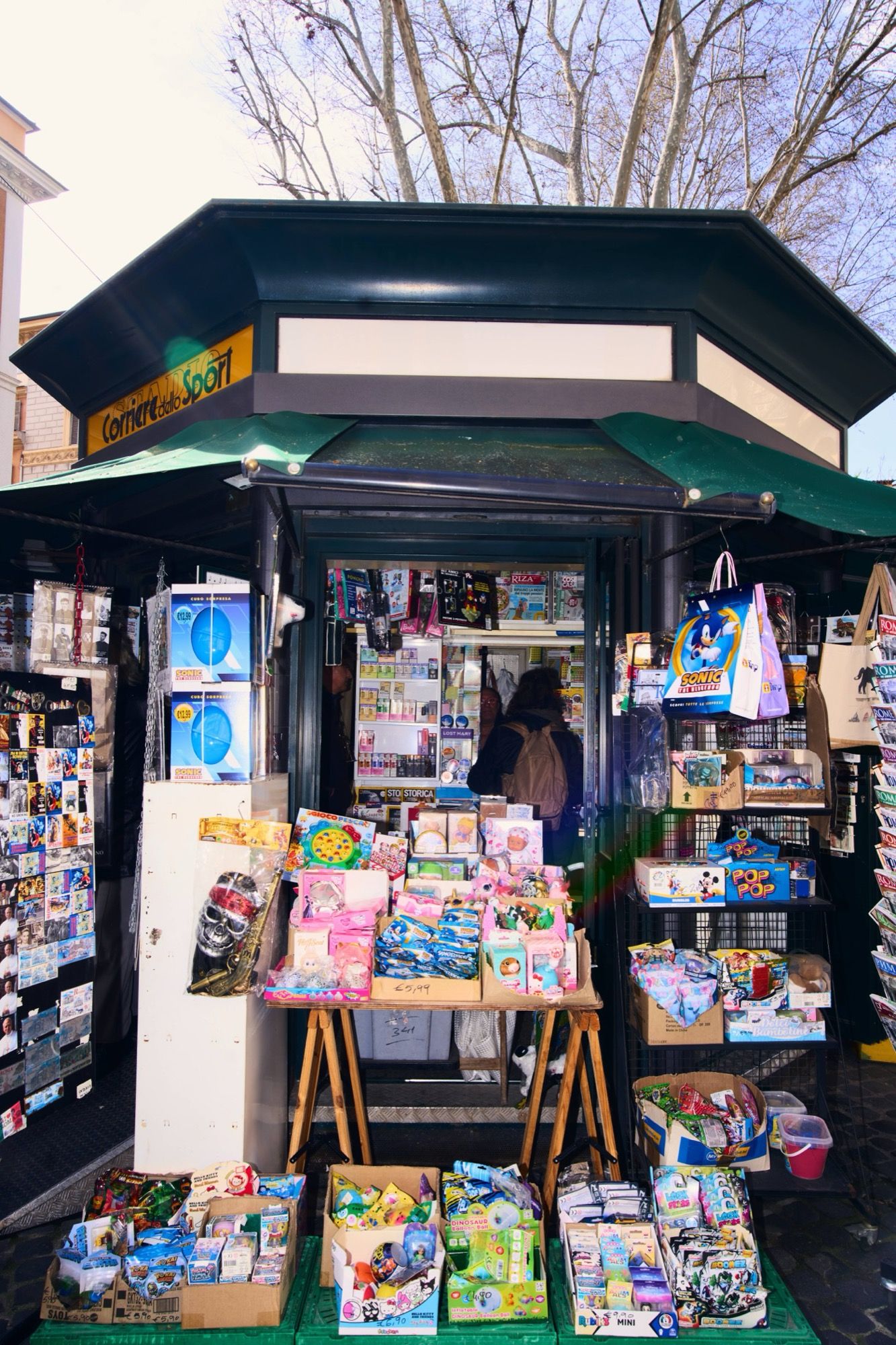
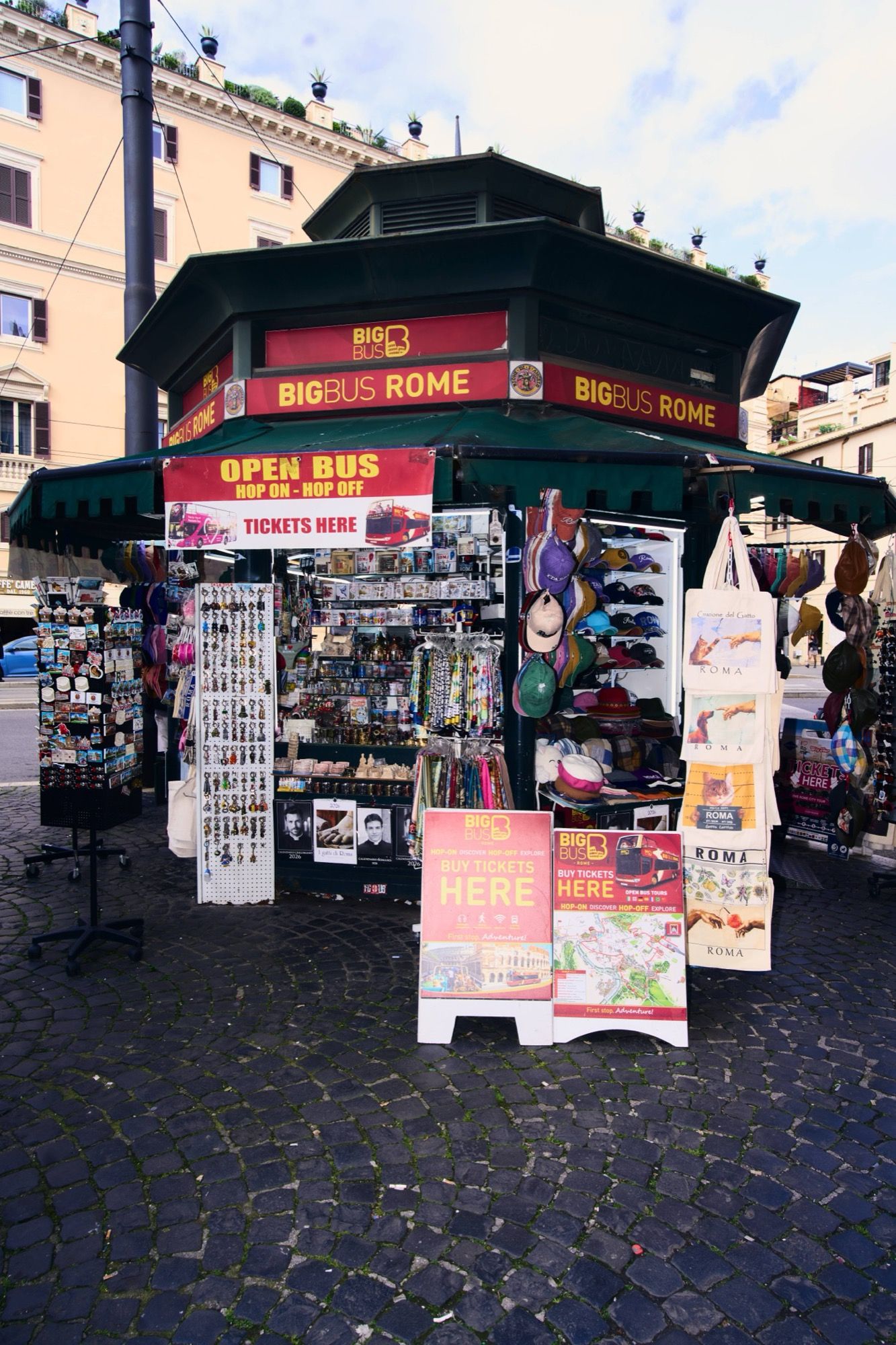
I vividly remembered a magazine called Più (Editoriale Domus), a publication for children and teenagers from the early ’80s, which came with a gadget in every issue. I searched for traces of it online without much hope and, incredibly, I found them: a fully scanned issue from summer ’83, with a Masters of the Universe comic, a photo story, games and quizzes of all kinds, a profile of Sandro Giacobbe, and the gadget “let’s have fun with Splash,” a sort of water gun with a balloon reservoir, which the editors recommended not using on teachers. I do not know if anything came before it, perhaps the legendary Cioè, but in my memory it is the first example of a magazine with a gadget, followed by more “adult” interpretations, such as women’s or fashion magazines with sunglasses and tanning creams, especially in their summer editions, up to the moment when the gadget became a true cultural status symbol with the VHS tapes attached to L’Unità, great Italian and international films to collect, a brilliant idea by Walter Veltroni that would shape for years both the aesthetic of newsstands and the reason people went there to buy something. It was the moment when the newsstand turned into what today is a streaming platform. Newspapers were still sold, of course, but they were no longer the most “interesting” thing compared to VHS, DVDs, CDs. In fact, the “gadget” eventually detached itself from its role as an attachment. It was no longer even necessary to buy the newspaper or magazine. People went to the newsstand to buy films.
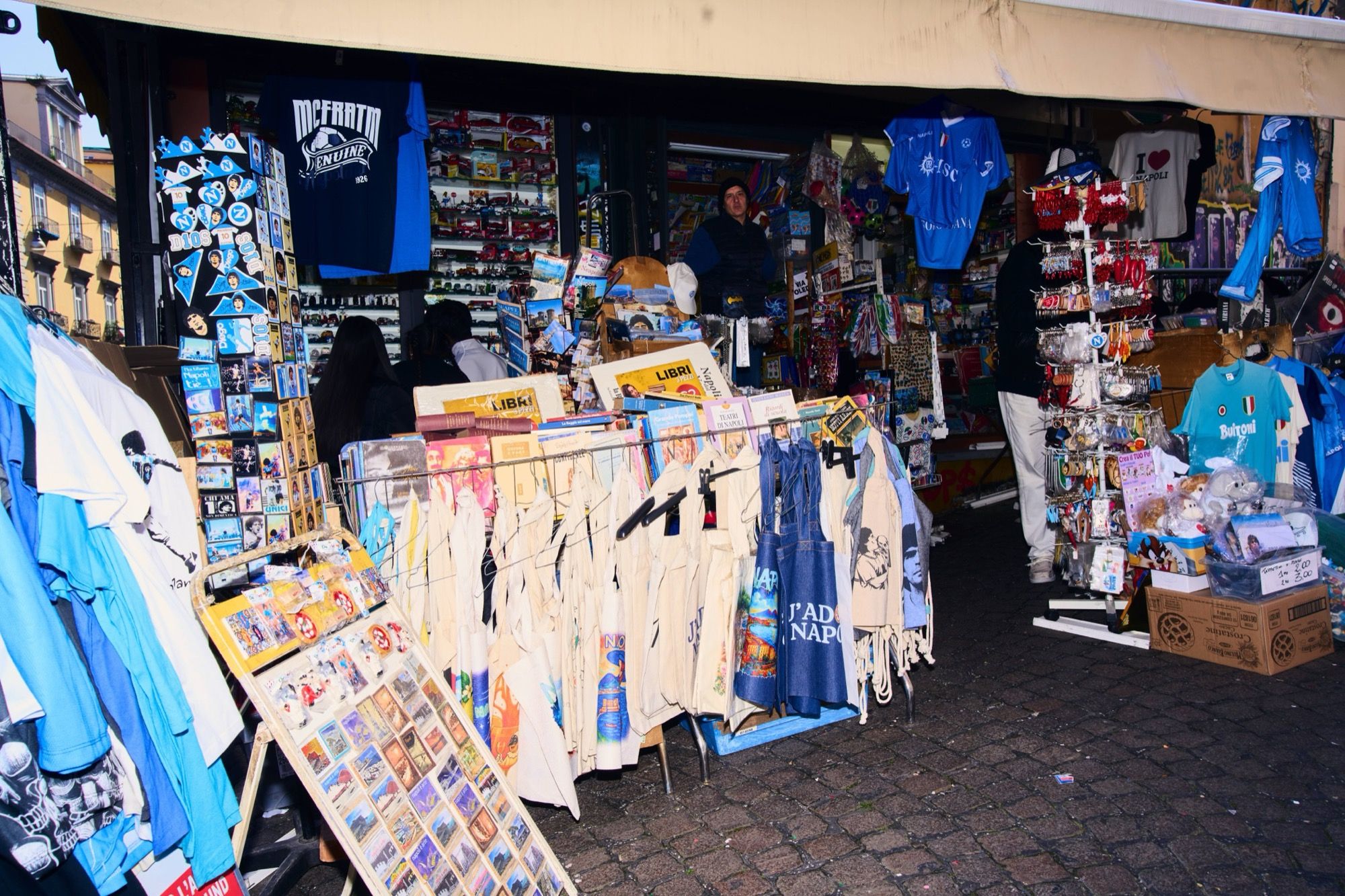
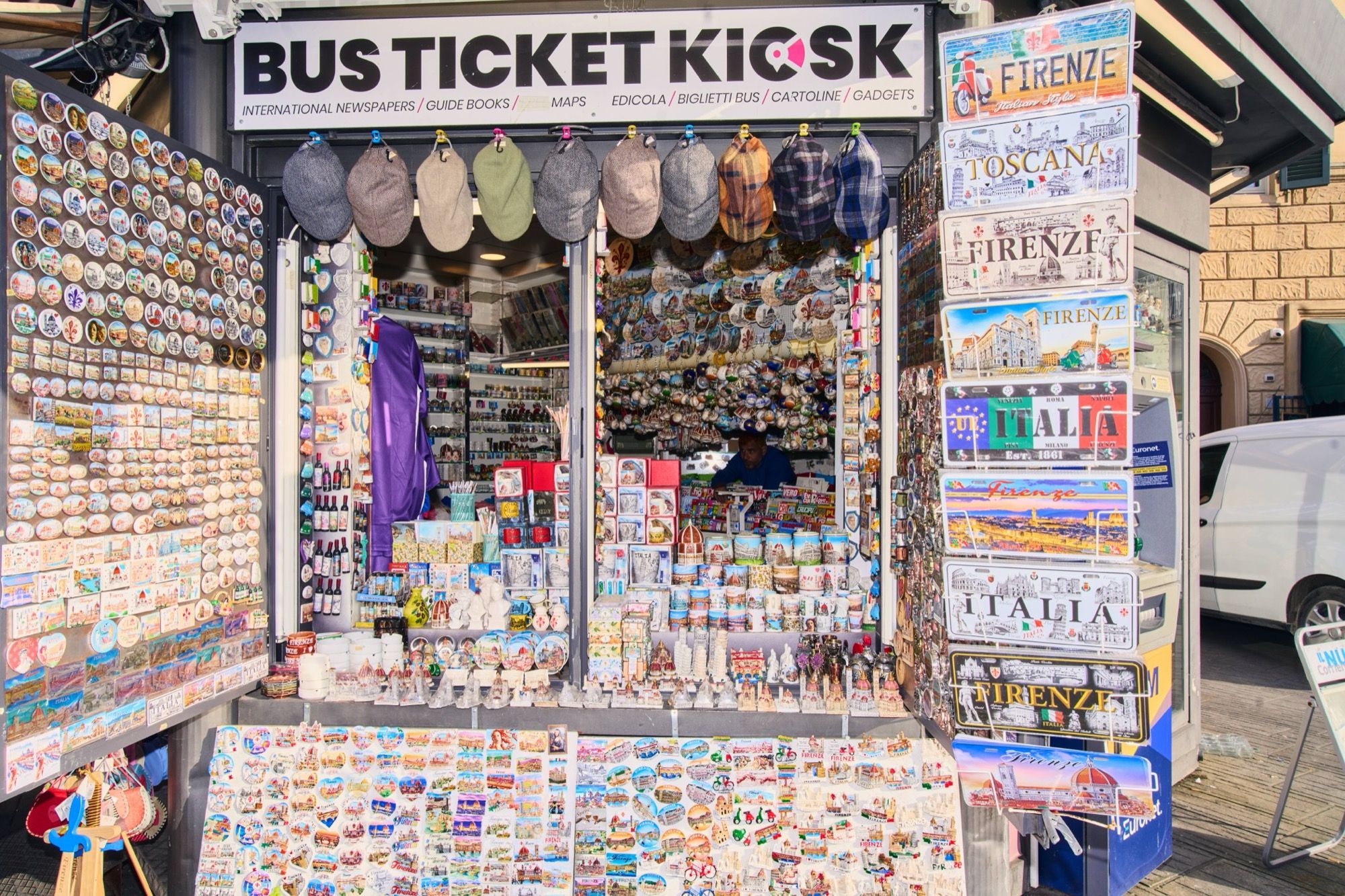
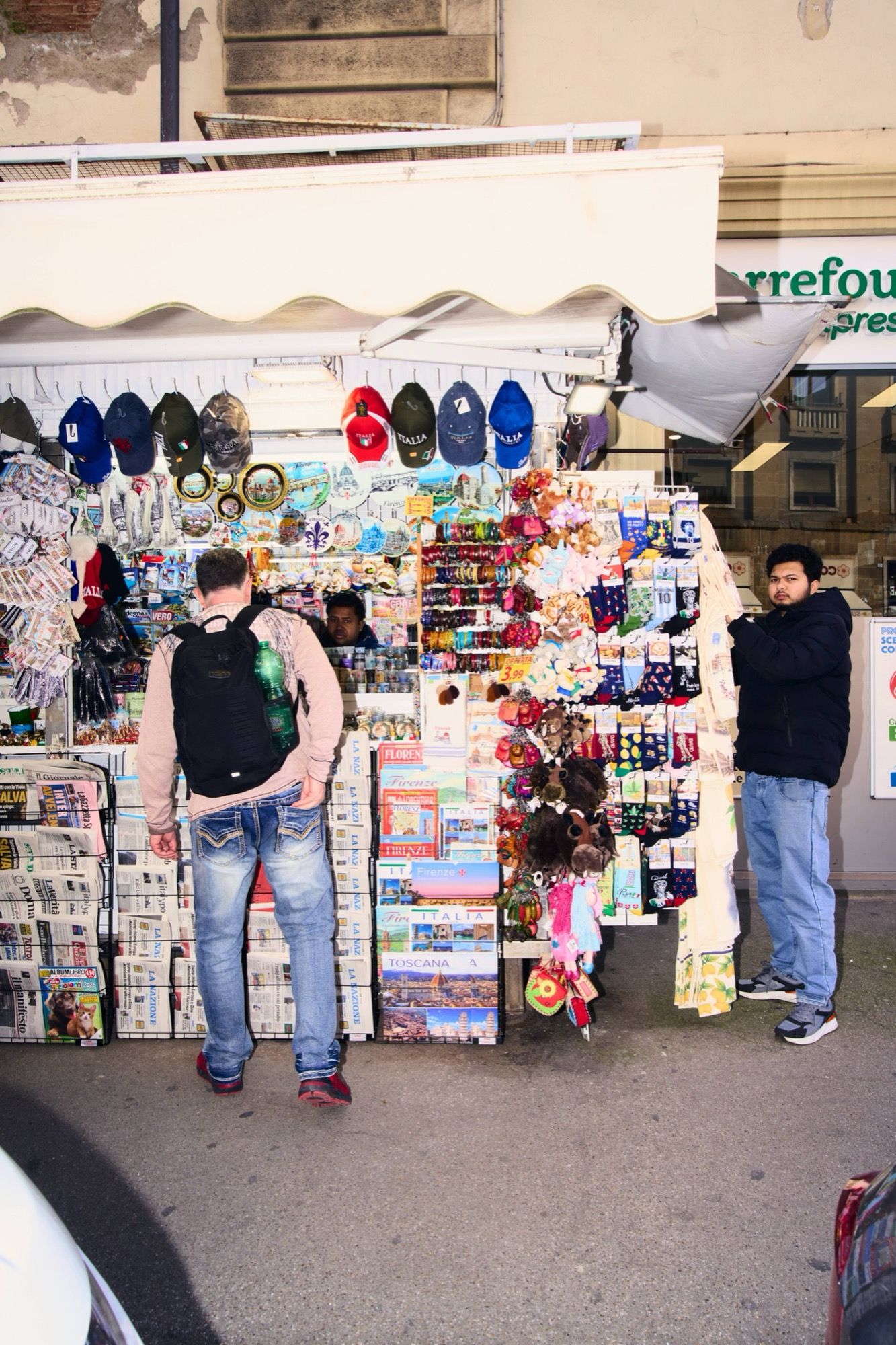
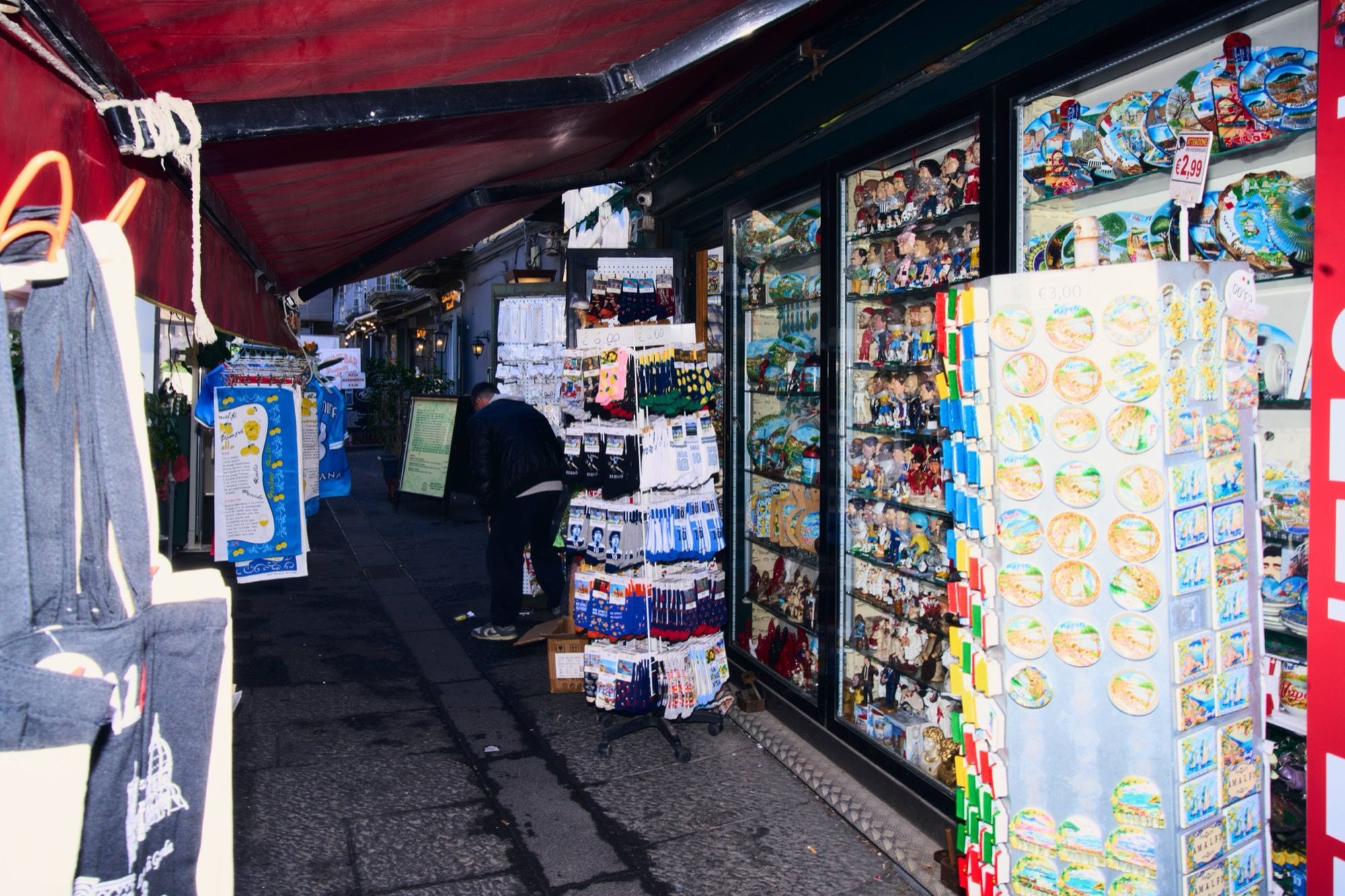
All of this, as we know all too well, was later wiped out by the arrival of the internet, which gradually erased every function of the newsstand, both original and acquired, including one that is perhaps unspoken and forgotten but far from insignificant: the commercialization and democratization of pornography. Another source of visual accumulation, along with bizarre architectural inventions, with added structures and improvised secret rooms equipped with curtains to ensure privacy for consumers. Far beyond the famous scene of Woody Allen trying to go unnoticed by buying ten magazines to hide a porn one inside, only for the newsvendor to ruin everything by shouting to a colleague “Hey Joe, remember how much Orgasmo costs?”. That scene perfectly captures the yin and yang of the newsstand, a place of knowledge but also of unspoken desires, of beauty and incomprehensible ugliness. And while everything disappears, starting with newspapers, now reduced to a faint flame, the gadgets, those useless plastic objects destined for recycling shortly after purchase, remain.