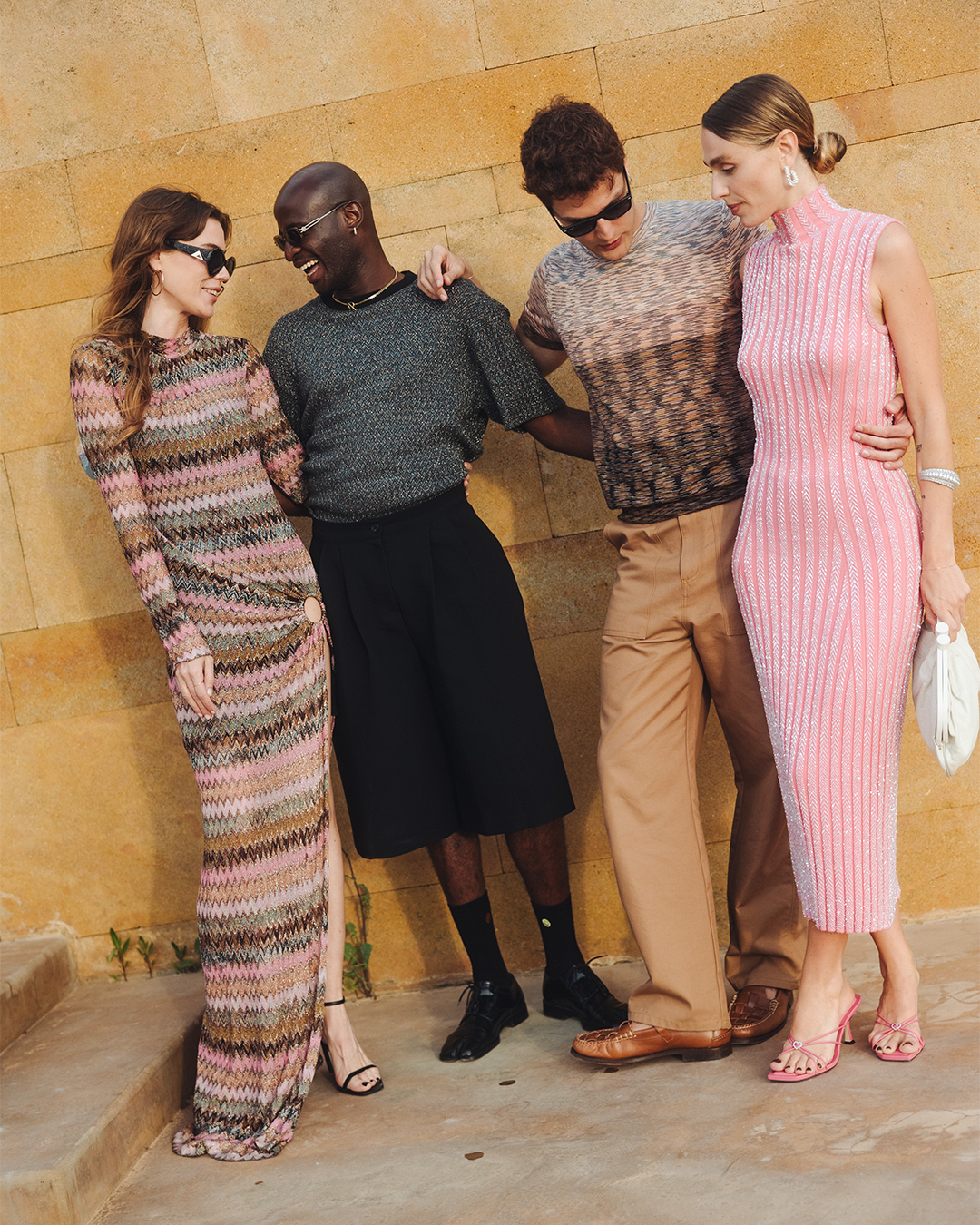




























Missoni will no longer belong to the founding family, but will remain Italian The Italian Strategic Fund has confirmed the acquisition
After several rumors that circulated last year, which speculated about a possible takeover of Missoni by Authentic Brands Group, a confirmation has arrived in the past few hours that changes the perspective of the deal. The brand founded by Ottavio and Rosita Missoni will not end up under the control of a U.S. group and will instead remain, at least for now, anchored to Europe and Italy, with an acquisition linked to the Fondo Strategico Italiano.
The fund had already acquired 41.2% of the brand in 2018, investing around €70 million and effectively becoming the main external shareholder of the maison. However, in the final months of 2025 several reports emerged suggesting that the investment company was considering an exit from the capital, opening the door to new potential buyers. Among the most frequently mentioned names was that of the conglomerate led by Jamie Salter, which in recent years has built a vast portfolio of middle-market brands, from Guess to Champion and even Forever 21, and which seemed eager to finally enter the luxury market (with a rumored acquisition of Marc Jacobs).
Missoni remains Italian (and a little German)
Reality, as often happens in the fashion system, turned out to be more complex than the rumors suggested. According to WWD, a new European player has entered the picture: Katjes International, a German group mainly known in the consumer goods sector and listed on the Frankfurt Stock Exchange, has signed an agreement to acquire approximately 27% of Missoni through its subsidiary Katjes Quiet Luxury.
Katjes has also secured a call option on the shares held by the Fondo Strategico Italiano, a clause that could allow it to become the majority shareholder of the brand in the future. The closing of the deal is expected in the second quarter of the year, pending approval from the relevant antitrust authorities. In the meantime, the company’s governance will not experience immediate changes. Livio Proli, a longtime executive from the Giorgio Armani universe who has been leading Missoni since 2020, will remain chief executive officer, while Barnaba Ravà, co-founder of FSI, will retain the role of chairman. The same goes for Alberto Caliri, the creative director who joined in 2024.
What is the Fondo Strategico Italiano?
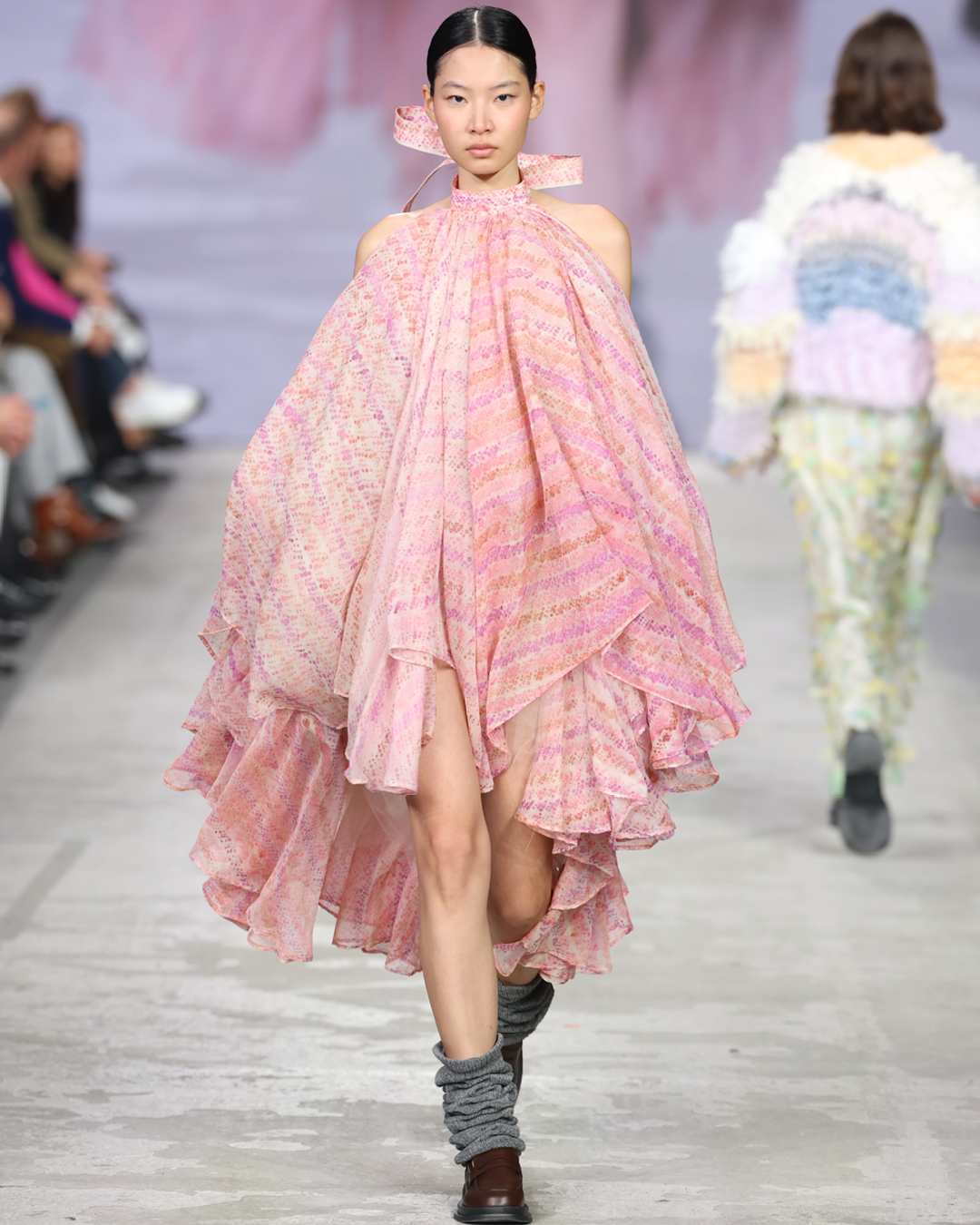
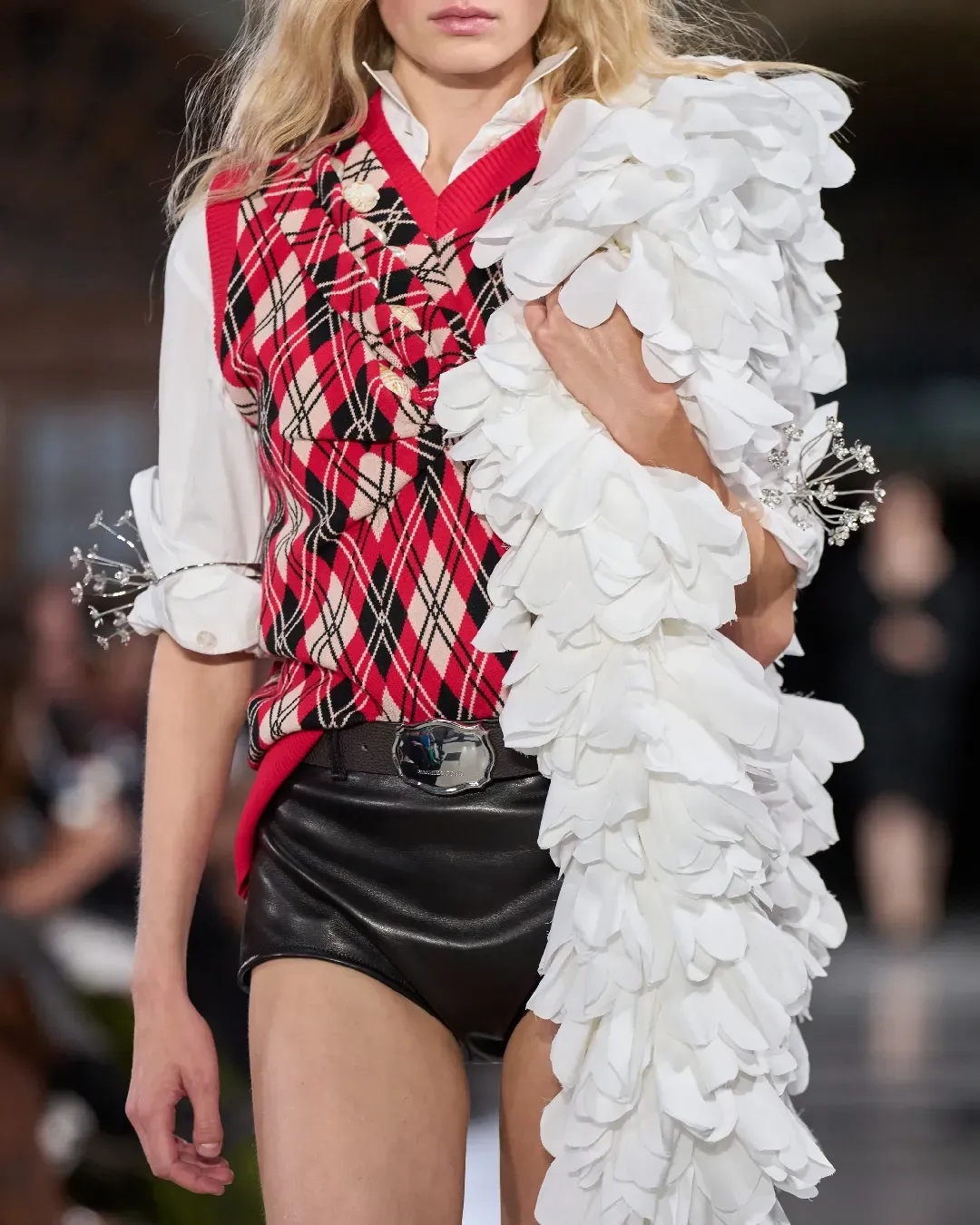
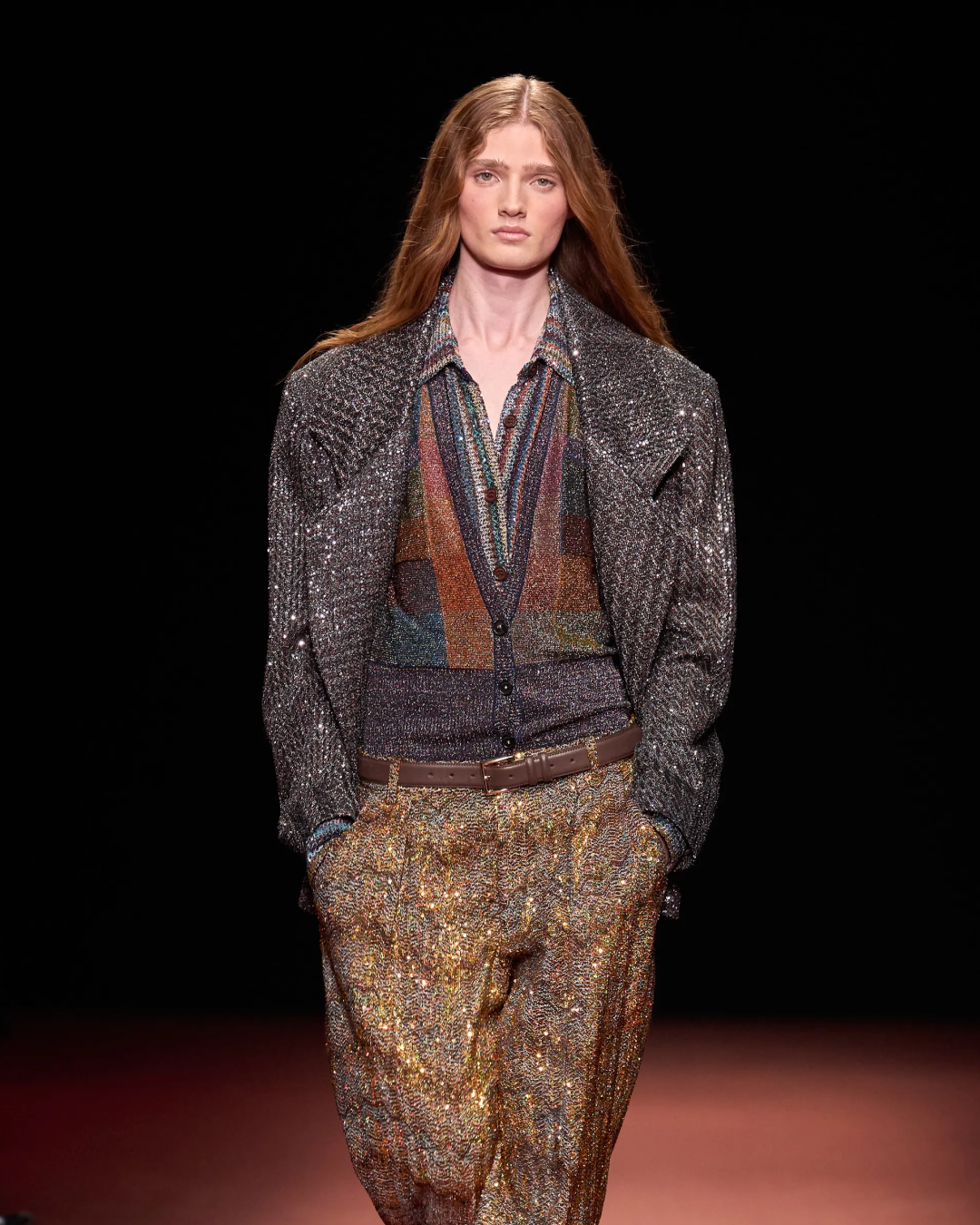
Missoni aw26 pic.twitter.com/UcJrY20seE
— linda (@itgirlbackup) February 25, 2026
To understand the deal, it is necessary to take a step back and look at the importance of this domestic acquisition. The Fondo Strategico Italiano (FSI) is an investment company specialized in supporting Italian companies considered strategic, with the aim of accompanying their growth without distorting their industrial identity. Founded in 2011 within Cassa Depositi e Prestiti, the fund was designed to support the national entrepreneurial ecosystem in key sectors such as fashion, food, technology and advanced manufacturing. Unlike many traditional financial funds, FSI’s approach is not that of a short-term speculative acquisition, but rather that of an industrial partner that supports companies through growth, internationalization and consolidation strategies, as seen in the case of Dolce & Gabbana Beauty.
Missoni’s growth over the past year
For Missoni, this new phase arrives at a relatively positive moment from a commercial standpoint. According to estimates cited by WWD, the latest collections designed by Caliri have contributed to a sales increase of around 30%, with revenues hovering around €130 million and an expected EBITDA of about €20 million. The result is therefore a rather rare compromise in today’s fashion landscape. Missoni will no longer be controlled by the founding family, but at the same time it avoids ending up under the umbrella of one of the major global conglomerates. It will remain a European brand, with governance that still gravitates around Italy for now, even if a new German presence is likely to weigh increasingly in the coming years. Could it be that Made in Italy is finally making a comeback?
What to read next
Brands too have discovered third places
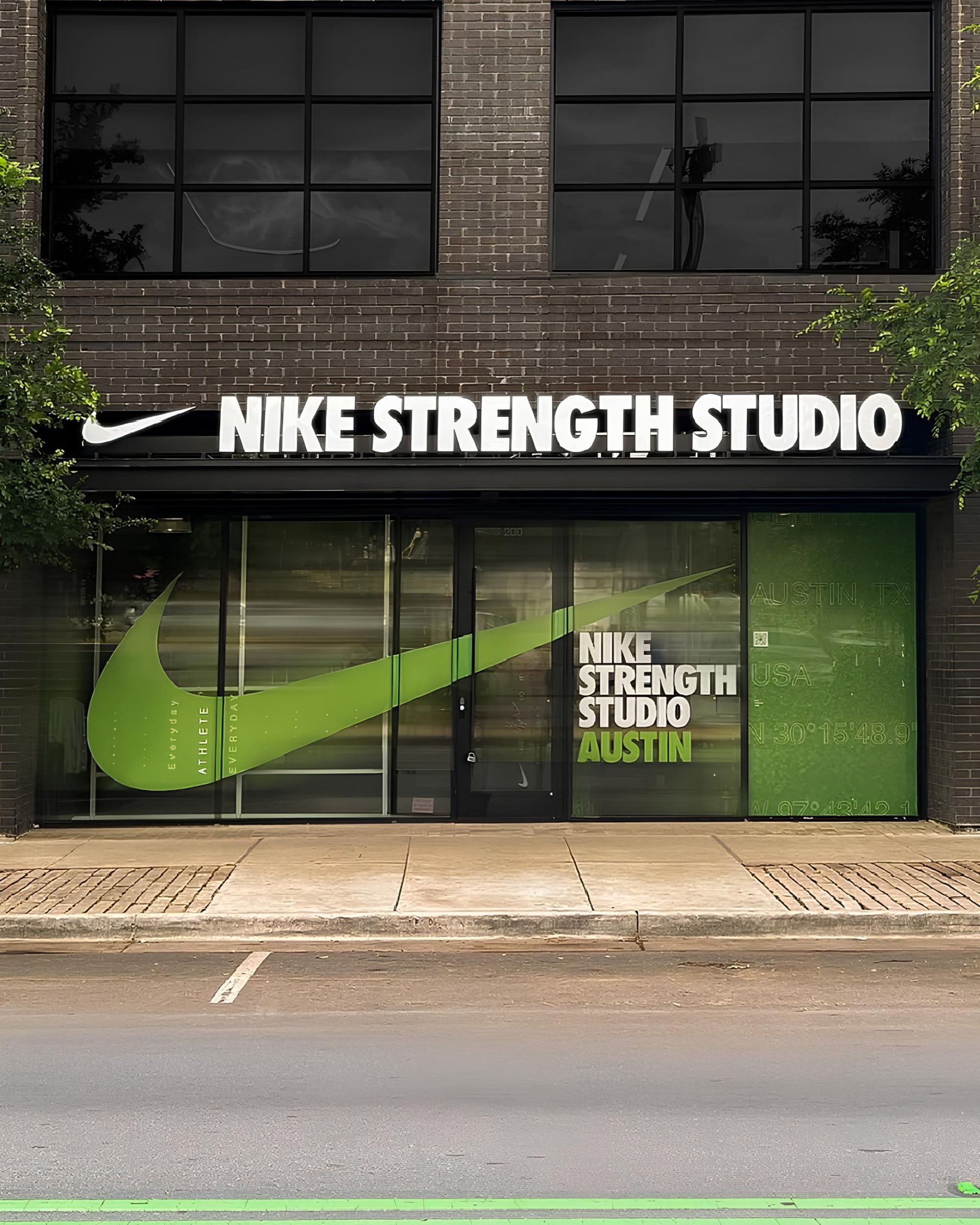
Fashion has learnt to meet the consumer outside the store

Filippo Grazioli leaves Missoni
The new creative director will be, well, the old creative director