







































How the global economy will change with the war in Iran A further rise in energy prices is expected
The Saudi state-owned oil company Saudi Aramco has announced the closure of the Ras Tanura Refinery, located on the eastern coast of Saudi Arabia overlooking the Persian Gulf. The decision was made after the Saudi army intercepted two drones coming from Iran which, according to authorities, were headed toward the facility. The Ras Tanura refinery, with a capacity of more than half a million barrels of oil per day, is one of the largest and most strategically important in the Middle East. Qatar also reported that two Iranian drones struck some of the country’s energy facilities, demonstrating the Iranian military’s willingness to target not only military objectives but also essential infrastructure in Gulf countries, in order to destabilize the entire region and potentially widen the conflict.
Fears that the war in Iran could disrupt energy flows from the Middle East have already pushed oil and gas prices upward. In the early hours of Monday, when markets reopened after the weekend, the price of oil rose by as much as 13 percent before partially easing. Brent Crude, the benchmark price for European markets, reached 82.3 dollars per barrel—the highest level since January 2025—before falling back to around 78 dollars. Other energy indices also recorded similar fluctuations.
Understanding the importance of the Strait of Hormuz
The ongoing war is not only being fought on the territories of Iran, the countries bordering the Persian Gulf, and Israel, but also in the surrounding stretches of sea. In particular, one of the main factors behind the rise in oil prices is the – so far only partial – blockage of the Strait of Hormuz, the passage that connects the Persian Gulf to the Arabian Sea and separates the Arabian Peninsula from Iran, which controls one of its shores.
European gas prices now up 50%! https://t.co/2YK0KaXbp8
— Douglas Macgregor (@DougAMacgregor) March 2, 2026
The Strait of Hormuz has enormous commercial importance, not only for the Middle East: about one fifth of the oil traded globally passes through it, along with large quantities of natural gas. Over the weekend Iran attempted to hinder ships passing through the strait. There has not yet been a formal blockade of navigation, but maritime traffic has been almost completely halted for days. In addition, at least three vessels have been attacked and one person has died. Many ships stopped after the United States Navy itself warned that it could not guarantee the safety of naval traffic in the region, despite its presence in the area.
How markets are reacting to the war in Iran
An emblematic case for understanding how the effects of the war in Iran could spread globally concerns Maersk, one of the largest maritime shipping companies in the world, which has decided to suspend naval traffic also in the Suez Canal in Egypt and in the Bab el-Mandeb Strait, between Yemen and Djibouti, diverting routes toward the Cape of Good Hope in South Africa. However, this choice significantly lengthens travel times—and costs—for ships connecting Asia and Europe, and vice versa.
Ships crossing the Bab el-Mandeb Strait, in fact, risk being attacked by the Houthis, the armed group that controls part of Yemen and is allied with the Iranian regime. In the past, Iran and the radical organizations it supports—which also include Hamas and Hezbollah—have already exploited control of certain strategic maritime passages to deliberately target ships from countries considered hostile.
Disrupting oil traffic forces exporting countries to seek alternative routes—longer and more expensive—or to reduce exports. Among those that would be most affected is Saudi Arabia, an ally of the United States and Iran’s traditional regional rival. For this reason, until now the Gulf countries had maintained a relatively cautious position toward the Iranian regime: however, a total interruption of oil traffic would put pressure on their economies, contributing to their own intervention against Iran in response to the unjustified attacks already received.
@bloombergbusiness #Oil surged the most in four years as #traders gauged the impact of the effective closure of the Strait of #Hormuz triggered by US-Israeli strikes against #Iran. Ruth Carson explains the implications of the war for oil and global #markets original sound - Bloomberg Business
The repercussions of the war in Iran will further affect sectors that rely most heavily on energy, with broader consequences for the global economy; analysts in the United States recall that every time the price of crude rises by 10 dollars, it is reasonable to expect an average increase in inflation of 0.2 percent—with significant consequences for US monetary policy, and by extension European policy. In this context, the main stock market indices—commonly used as an indicator of the general state of markets—are declining. Bank stocks are particularly penalized, demonstrating that investors do not rule out the arrival of an economic crisis.
The price of liquefied natural gas (LNG) has already increased by nearly 50 percent. In countries such as Italy, a sustained rise in LNG prices risks translating into higher utility bills for households and businesses. However, this is a significant problem for many European countries that, since the start of the war in Ukraine, have replaced part of their pipeline supplies with LNG imported by sea. Among the main suppliers is Qatar, the world’s second-largest LNG exporter after the United States: alone it accounts for about one fifth of the global trade in liquefied natural gas; however, its exports depend almost entirely on maritime transport, passing through the Strait of Hormuz.
What to read next
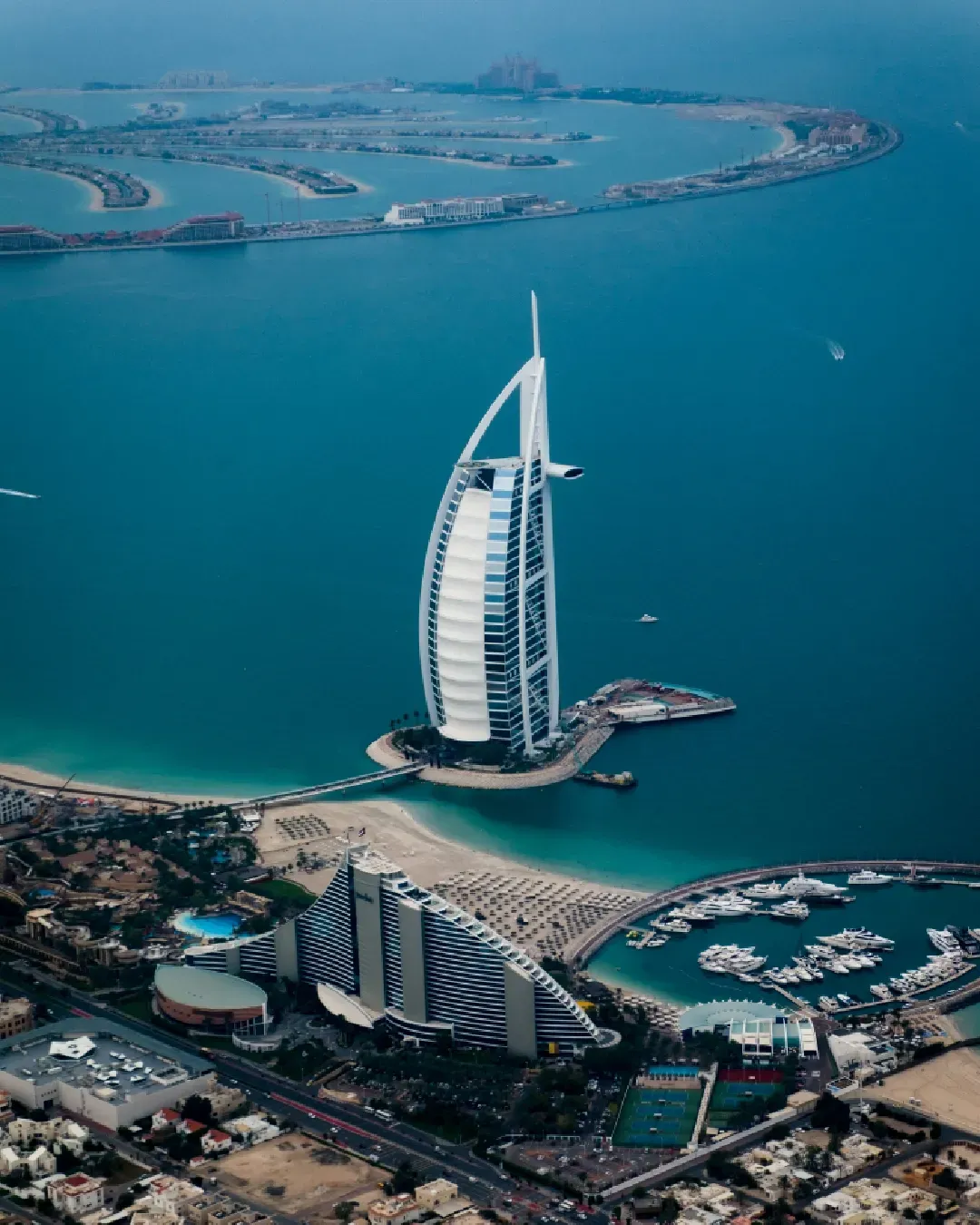
Dubai is trying everything to revive tourism
The city is incentivizing vacations by offering free dinners and hotel stays

Even the snack industry is being affected by the Iran war
How the energy crisis is impacting many everyday goods and consumer products
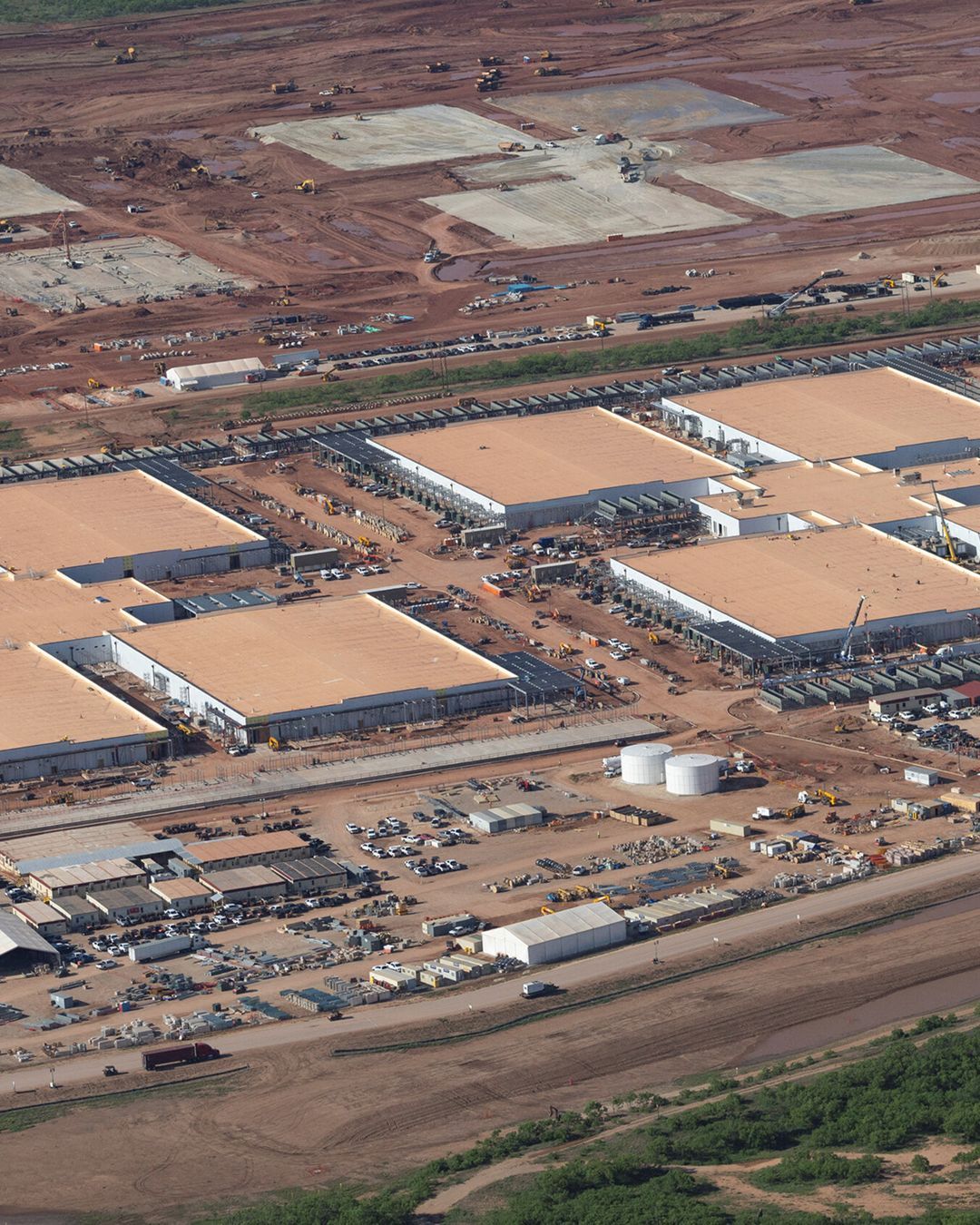
The war in Iran is a problem for tech companies too
Especially those that have invested in building large data centers in the Middle East, now increasingly at risk