.gif 2000w)





























Are Shein and Temu elevating our perception of “normal” fast fashion? The spread of ultra-cheap Chinese brands makes Zara, Uniqlo, and H&M seem almost luxurious
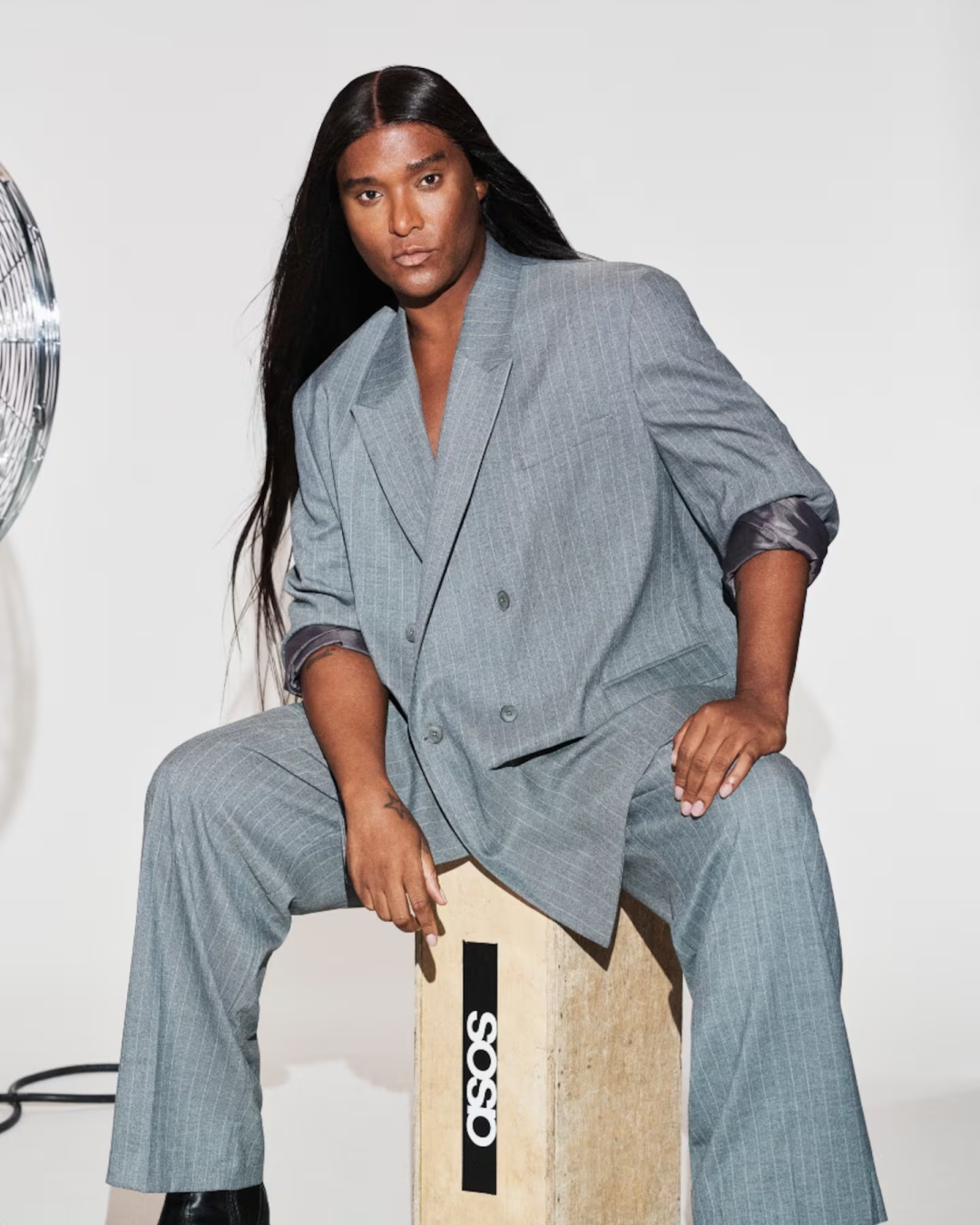
In recent weeks, several fashion insiders have appreciated (and in many cases actually purchased) the new Zara collaboration with Aaron Levine. On paper, Levine is the designer behind the revamp of Abercrombie & Fitch, but unofficially he is a cult figure, a true maître à habiller, who has also recently launched his own brand. His collaboration with Zara, hugely successful, has been the definitive demonstration of how the perception of what just a few years ago we called fast fashion has completely changed. This year alone, in fact, we have seen these collaborations become the norm, with new capsules signed almost every month or two and one already upcoming with Soshi Otsuki, the next guest designer at Pitti Uomo. But why?
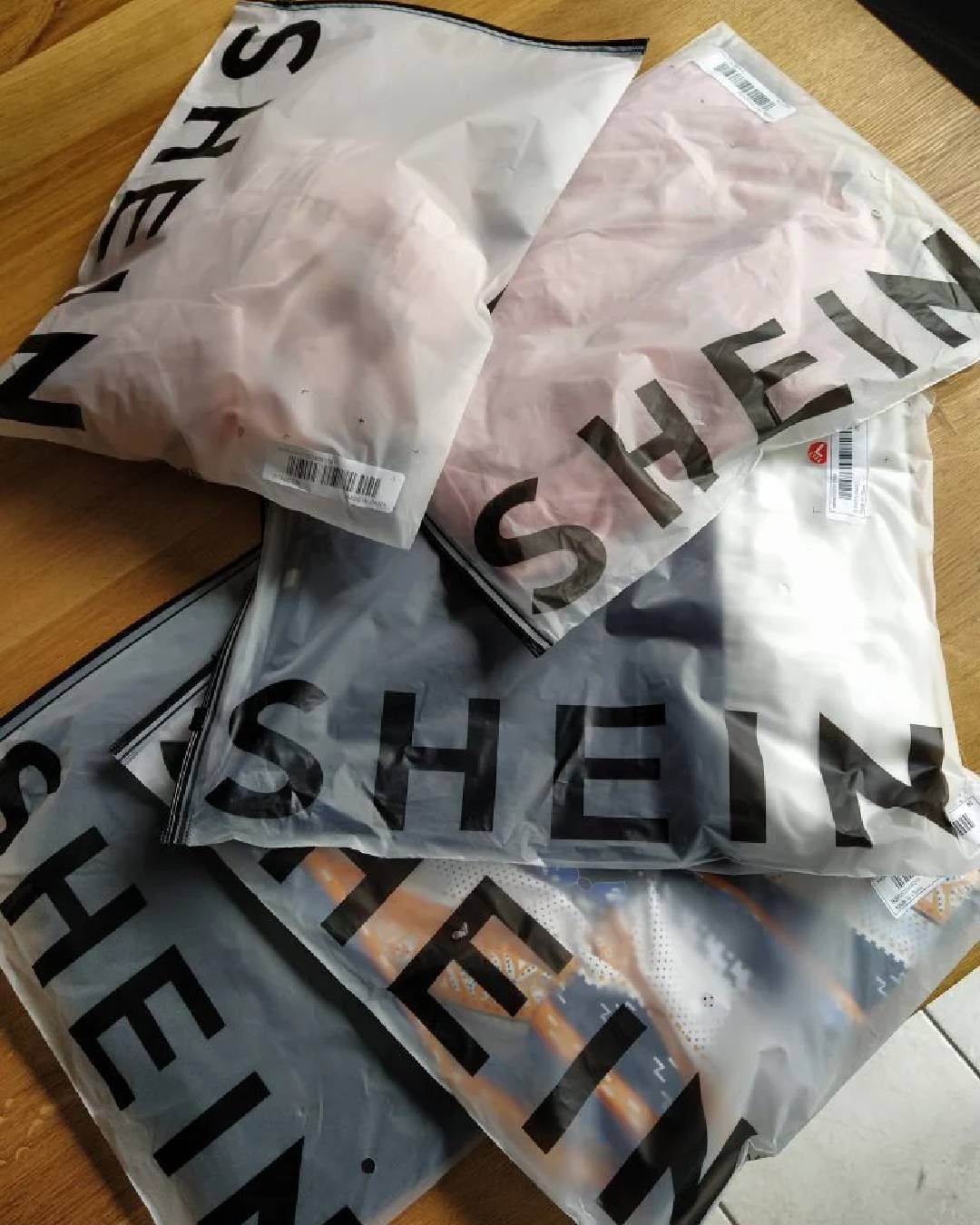
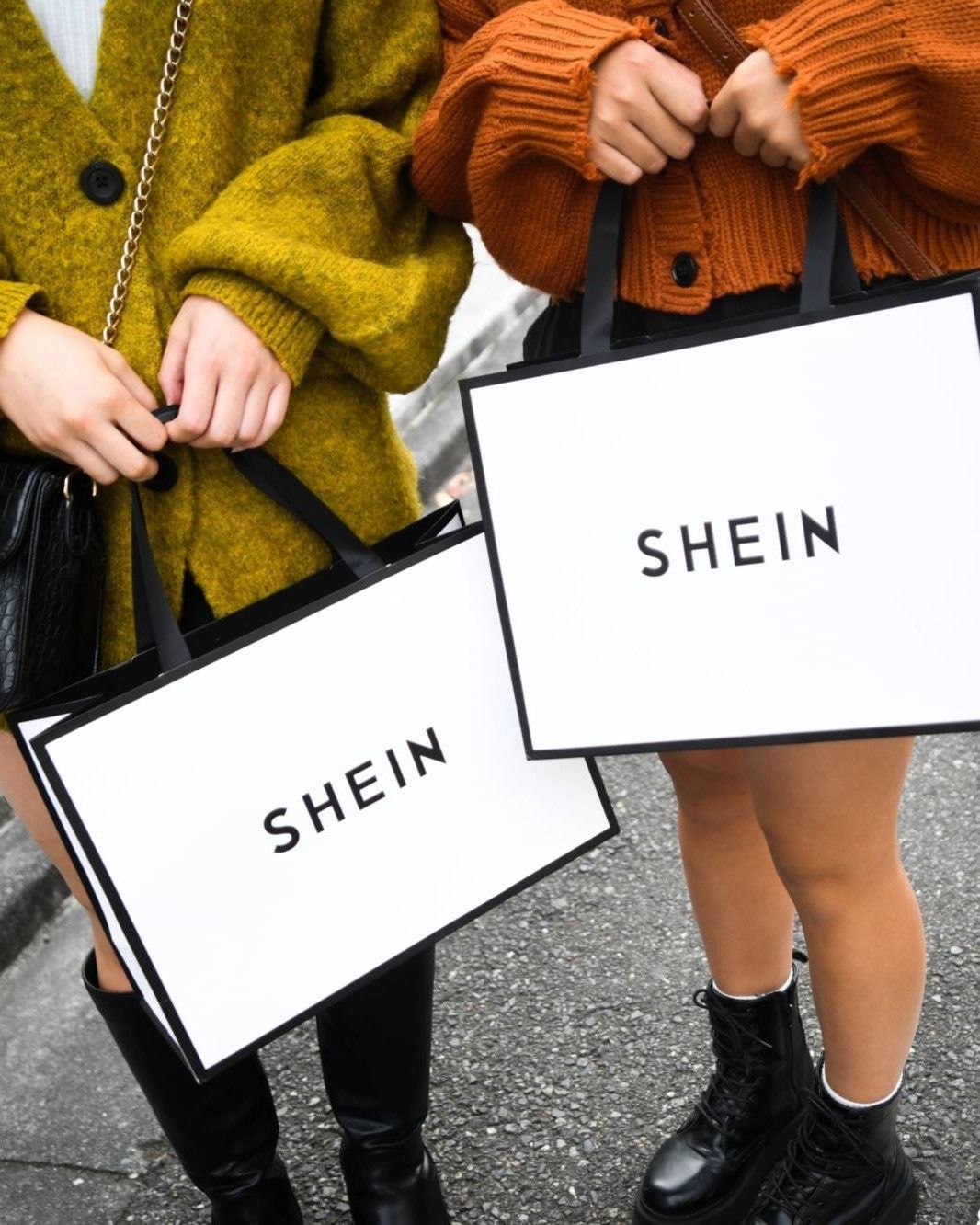
One of the possible causes of this shift in perception, aside from the repositioning strategies coming from fast fashion itself, is the spread of ultra-fast fashion symbolized by the boom of Shein and Temu. Compared to those terrible polyester garments full of strange chemicals and priced at just a few euros, even the clothes from Zara, H&M and the like seem high quality, while COS almost looks like luxury. And looking at the enormous reputational and economic growth recorded by giants like Zara or Uniqlo, one wonders if ultra-fast fashion isn’t actually doing good to classic fast fashion.
A tide that lifts all boats
The enormous success achieved by ultra-fast fashion brands, which flood the market with thousands of items per day at rock-bottom prices with production cycles of just 7-10 days, has strangely brought a lot of prosperity to traditional fast fashion from Zara, Uniqlo, COS and H&M, pushing them toward greater innovation, work on perceived quality and sustainability initiatives. Just today, for example, Inditex's stock reached its all-time high with a market capitalization of 174 billion euros, the highest in Spanish fashion.
The tide of affordable fashion really lifts all boats: according to its own reports, Inditex recorded sales growth of 6.2% at constant currency to 28.2 billion euros in the first 9 months of the fiscal year, and just between August and October profits were 1.83 billion; while Fast Retailing (Uniqlo's parent company) closed the fiscal year with revenues +9.6% to 3.4005 trillion yen. The H&M Group, on the other hand, remained stable after some wobbling and today is essentially neither growing nor in crisis, although reports speak of positive progress.
Behind these results there is certainly the push for repositioning of fast fashion itself, but what has played a truly fundamental role is the increase in costs of clothing in general, which has made brands like Zara and Uniqlo extremely appealing options for the middle segment of the mass market that looks at style and quality beyond savings at all costs.
From fast fashion to fast premium?
As early as March, Forbes said that brands like Zara, COS or Arket were on track to be considered «mid-tier luxury». The term gets the idea across but isn’t thrilling, given that in very few cases the quality of these brands, although superior to Shein’s, could be defined as excellent. We could, however, define the new category as “fast premium” to reflect the shift of old fast fashion into a more “respectable” market position than in the past: Zara and Uniqlo have democratized cashmere for the masses, H&M has even managed to collaborate with the uncompromising Stella McCartney while Arket’s blankets have ended up among the casual home decor options even for the most demanding design lovers.
Beyond all the marketing efforts, whose results are so to speak only narrative and psychological and therefore intangible, this competitive pressure exerted on old fast fashion has acted as a catalyst for innovation. Zara, for example, has invested in automated logistics and AI to reduce production times to 10-14 days, leading third-quarter sales to rise to 9.8 billion euros. Inditex itself has introduced experiential stores and enhanced e-commerce while Uniqlo has expanded AI personalization, multiplied collaborations and established almost a hegemony in the field of basics.
Sure, according to a Backlinko study, Shein owns practically 18% of the fast fashion market while Bloomberg states that half of all fast fashion in the United States comes from the Chinese giant. But this market volume represents more quantity than quality since Shein’s actual profit margins are on average between 3% and 5% compared to 15-16% for Inditex and 12.7% for Fast Retailing, i.e., Uniqlo. This makes the latter two not only more financially stable, but also able to implement a series of improvements to their services (and here we include store design, material upgrades and so on) that have turned all these brands into “fast premium”.
Gen Z will decide who wins
"One of the contradictions we talk about often in Digital Native: Gen Z’s simultaneous love for the environment and penchant for fast fashion. People do like to buy sustainably—but not quite as much as they like a good deal.
— Gustavo da Cunha Pimenta (Gus) (@gustavocpimenta) April 3, 2024
(...)
SHEIN’s trajectory has been stunning: the… pic.twitter.com/Na1wdsN8yv
A series of articles from Business Insider and the NY Times throughout the year have described a growing fatigue among Gen Z toward Shein, the incessant flow of novelties and the transformation of the internet and social media from playground to shopping mall. And this without even mentioning the de-influencing movement. According to a study promoted by the New York brand Jovani last October, for example, 65% of Gen Z would like more quality in their shopping even though fast fashion remains the only option due to prices.
A more in-depth study by Michael Brito shows that 64% of surveyed Gen Z are willing to pay a premium of up to 10% for more sustainable and higher-quality products. The rebranding efforts and implementation of sustainable policies promoted by Zara, Uniqlo and H&M – which have all launched resale programs for used garments and the use of recycled materials precisely to differentiate themselves from Shein and Temu – could indeed represent an attempt to capture that 65% of Gen Z who want greater quality but also more accessible prices.
The shift in perception, however, is happening. Brands like COS, Massimo Dutti, Weekday or Uniqlo already represent, even for the most informed consumers, addresses where one can shop guilt-free with a perception of higher quality. Arket, Zara, & Other Stories and H&M are still approaching this status while all the “minor” brands of the big groups, like Bershka or Pull&Bear, remain youthful options but benefit both from physical retail presence in the territory and from the sustainable policies implemented by their parent companies (the segment is practically divided in two between Inditex and H&M).
And with the new tax on extra-EU parcels announced last week, designed precisely to counter the shipments of Temu and Shein, similar to the famous cancellation of the de minimis exemption in America, the competitive dominance of ultra-fast fashion and its rock-bottom costs could seriously falter. Who will decide what happens, however, will be the new generation of consumers who, in the coming years, will have to choose which market segment to move in and which consumption model to reward.
Takeaways
- This year, Zara launched numerous successful collaborations, including the one with Aaron Levine, which helped transform the perception of fast fashion. These partnerships have shown how brands like Zara are increasingly moving toward a "premium" positioning, with new capsule collections almost every month that combine high quality and sophisticated design, changing the face of affordable fashion.
- Ultra-fast fashion, represented by brands like Shein, has helped push traditional fast fashion toward innovation, improving quality and sustainability, and driving economic growth for brands like Zara and Uniqlo.
- The expansion of “premium” fast fashion (like Zara and Uniqlo) is reflected in improvements such as the use of higher-quality materials, AI customization, and the adoption of technologies like automated logistics.
- Despite Shein's dominance in the market, traditional brands like Zara and H&M are trying to attract Gen Z, which prefers higher quality and sustainability but still seeks affordable prices.
- The future of fast fashion will depend on the choices of Gen Z, who, with their growing focus on quality and sustainability, could steer the market toward more responsible and conscious business models.