




























Zara's new store in Barcelona looks like a fashion house Inditex's “upmarket” strategy is working
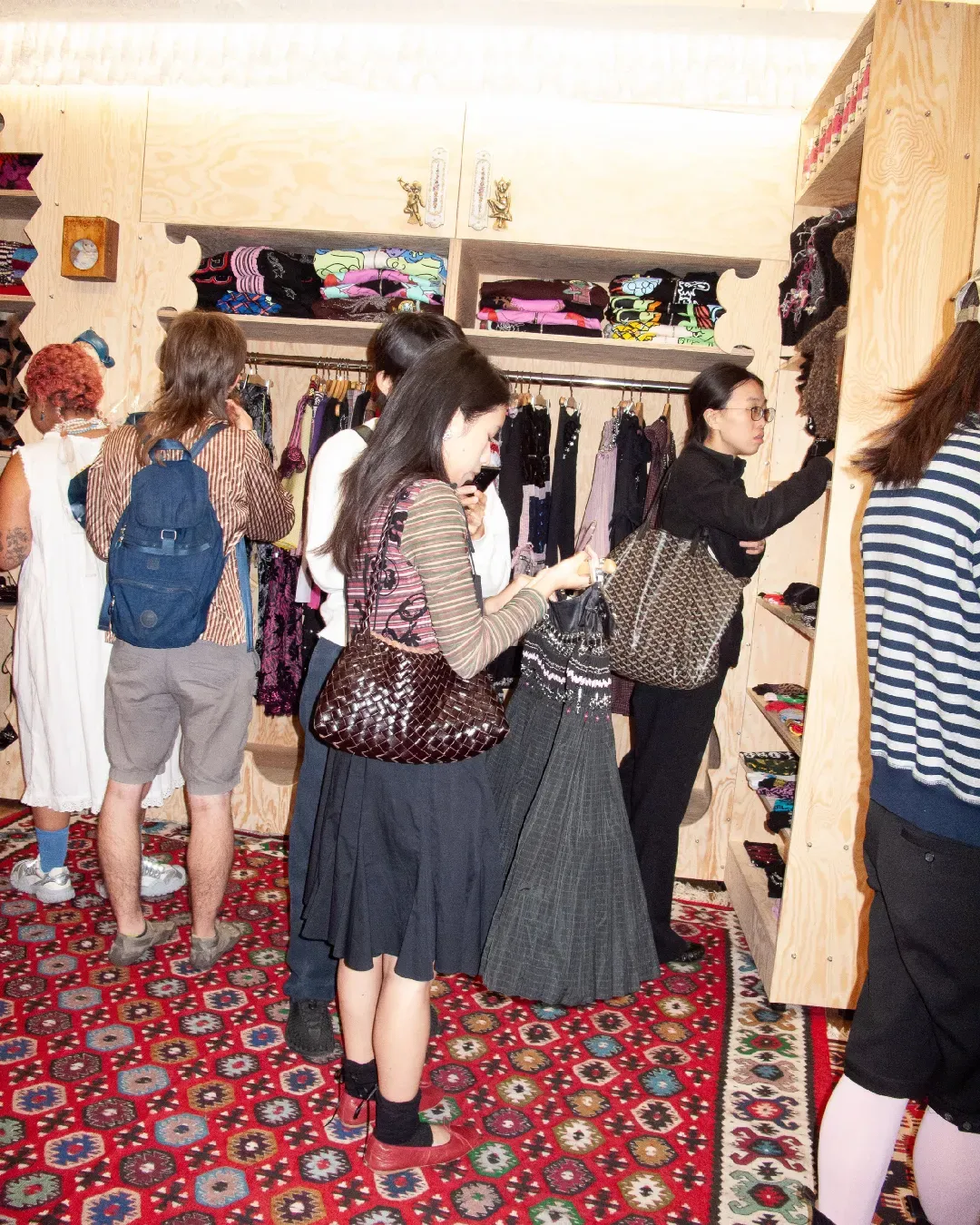
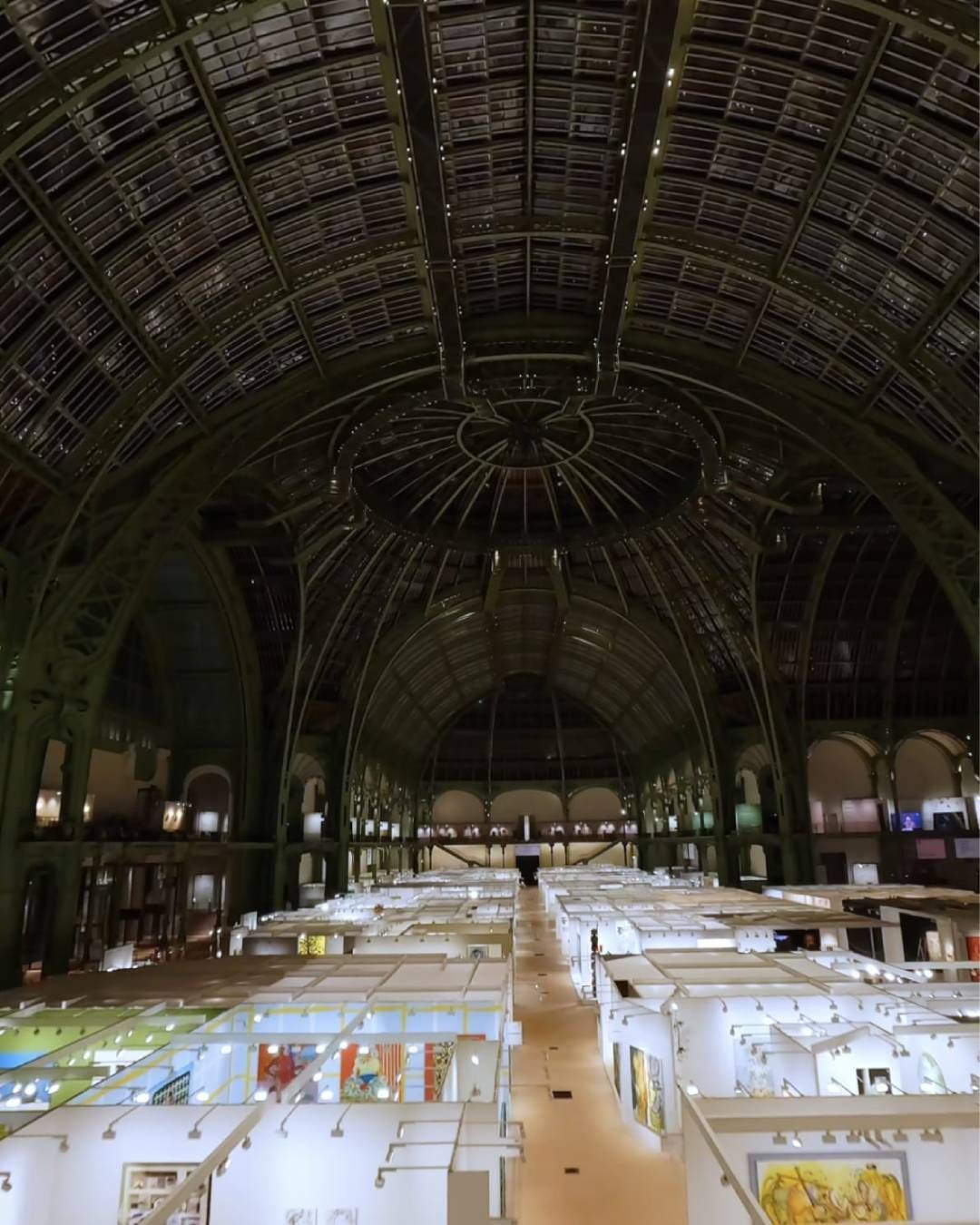
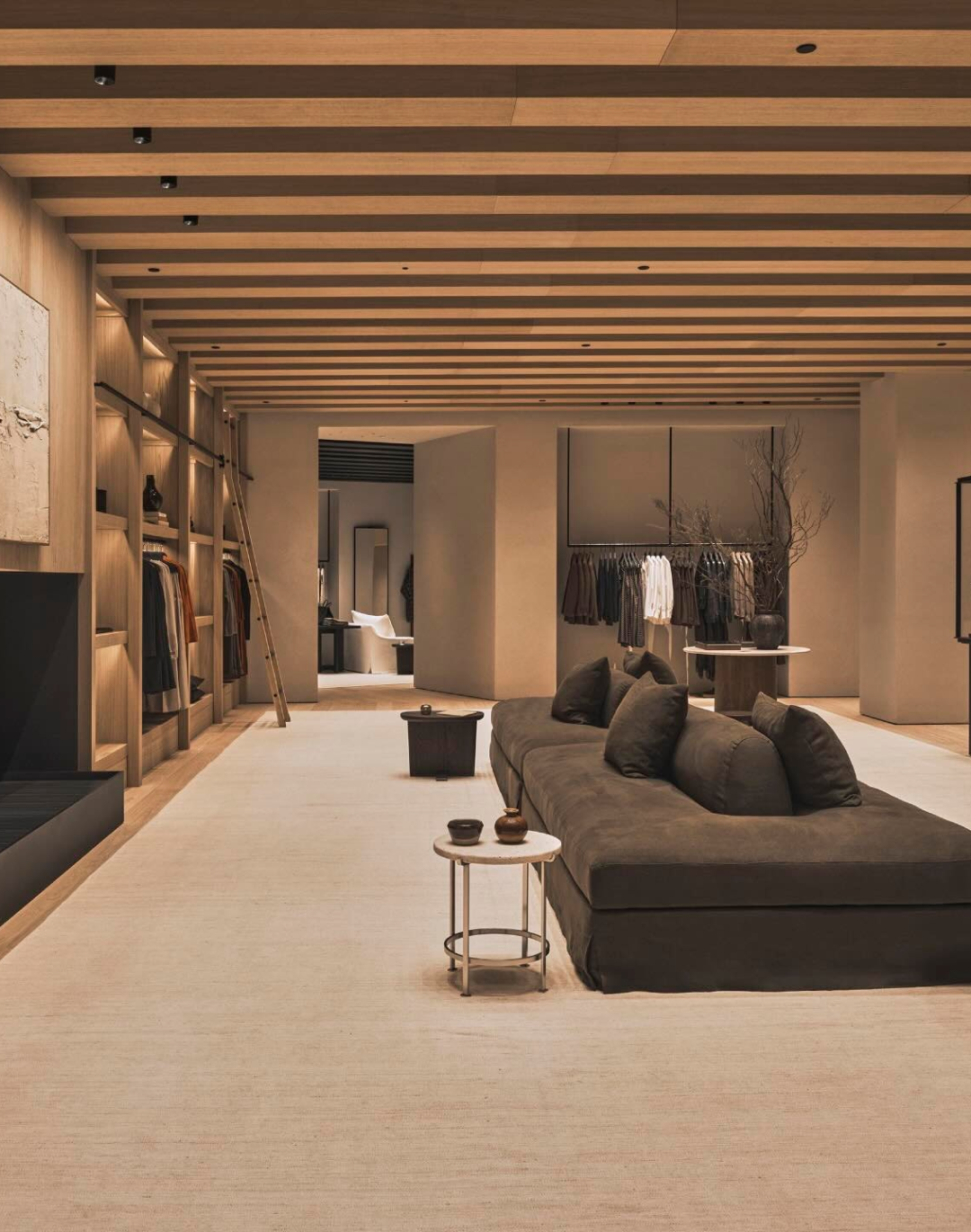
Without context, the new store (which at this point could almost be called a flagship) by Zara in Barcelona could easily pass for a high-end Maison. The product display is reduced to the essentials, the lifestyle component occupies an entire section, and the interior design curated by Belgian architect Vincent Van Duysen shows a level of precision that even some major luxury brands occasionally lack.
Zara’s new store in Barcelona
As stated by Inditex’s flagship brand, the idea behind the project is to create an environment that functions more like a domestic gathering space than a traditional retail store. Each area has been designed to “invite the visitor to pause, observe and move slowly, through a sequence of spaces that combine sensoriality with architectural precision.” The result is a store meant to be felt as much as seen, a place where the familiarity of the cozy coexists with the elegance of a boutique.
The interiors, spanning over 1,000 square meters, unfold through a series of rooms reminiscent of domestic spaces and lounge areas, with furnishings designed specifically for the concept. The central zone, envisioned as a large living room, is defined by a bookshelf running along the wall and framing a monumental sofa, while open shelving, tactile surfaces and essential vitrines introduce a more intimate and controlled dimension, with many elements sourced from the Zara Home Plus collection designed by Van Duysen himself.
All the ways Zara is beating luxury
the Ludovic de Saint Sernin x Zara campaign is so cunt
— bry (@brianantonii) November 12, 2025
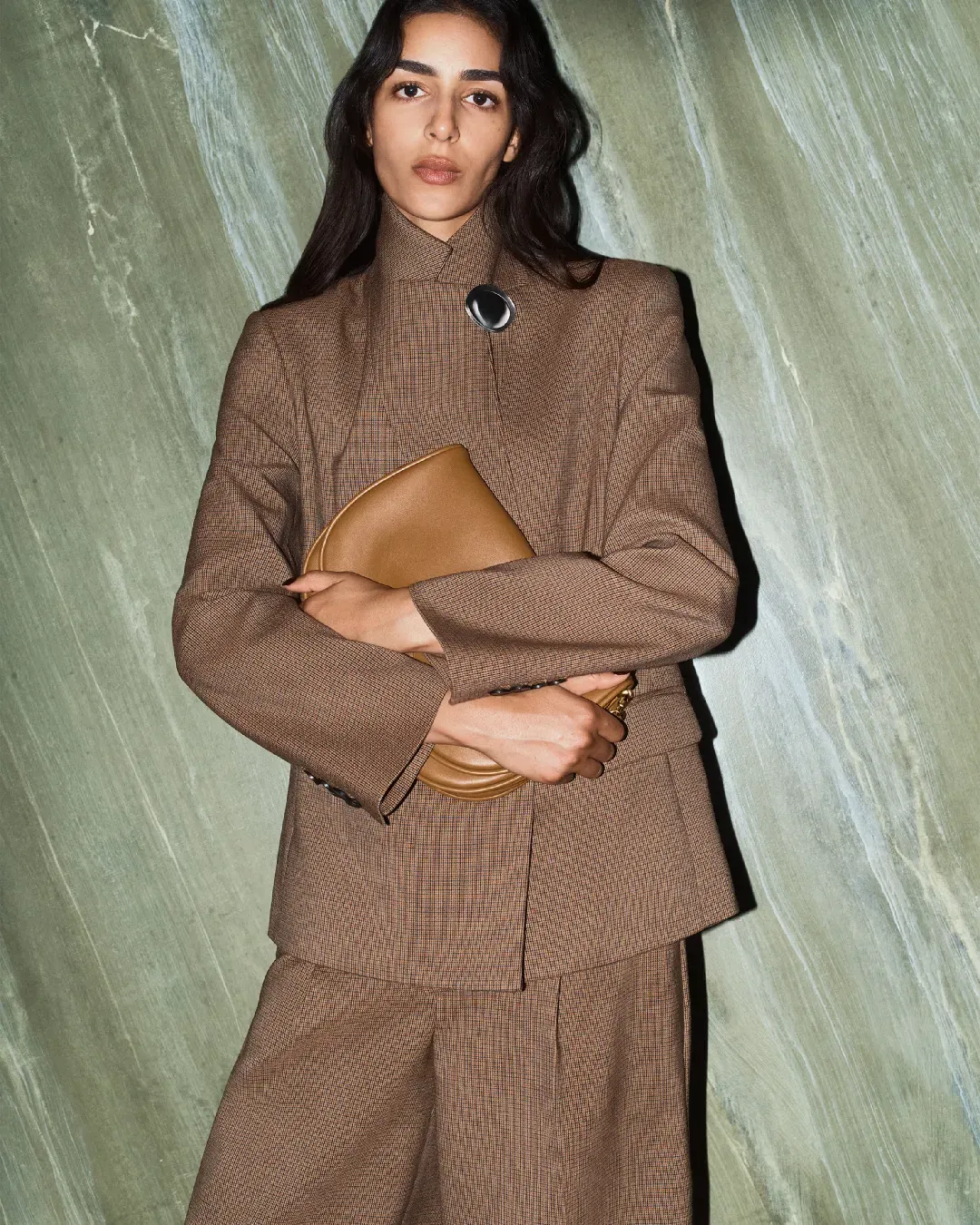
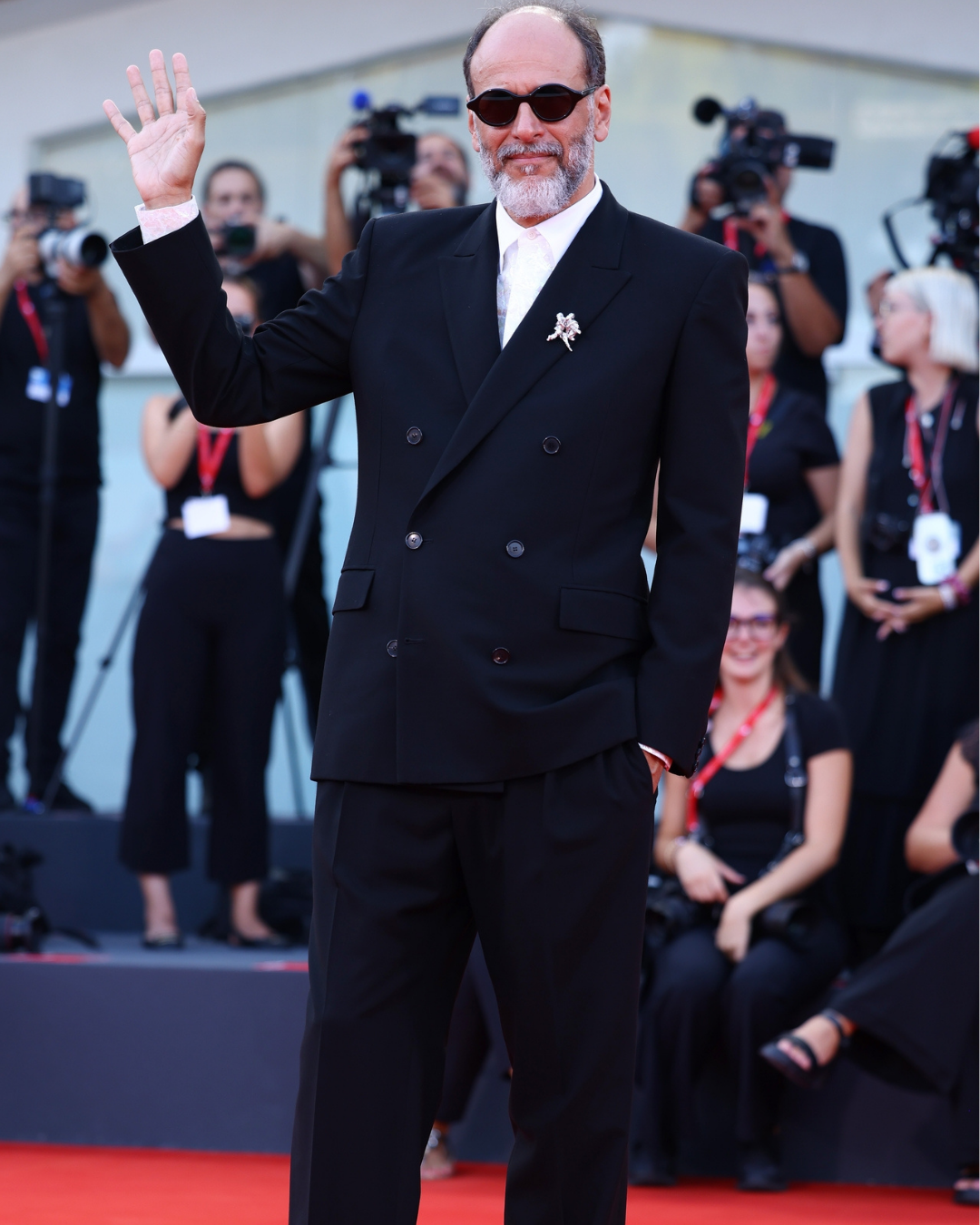
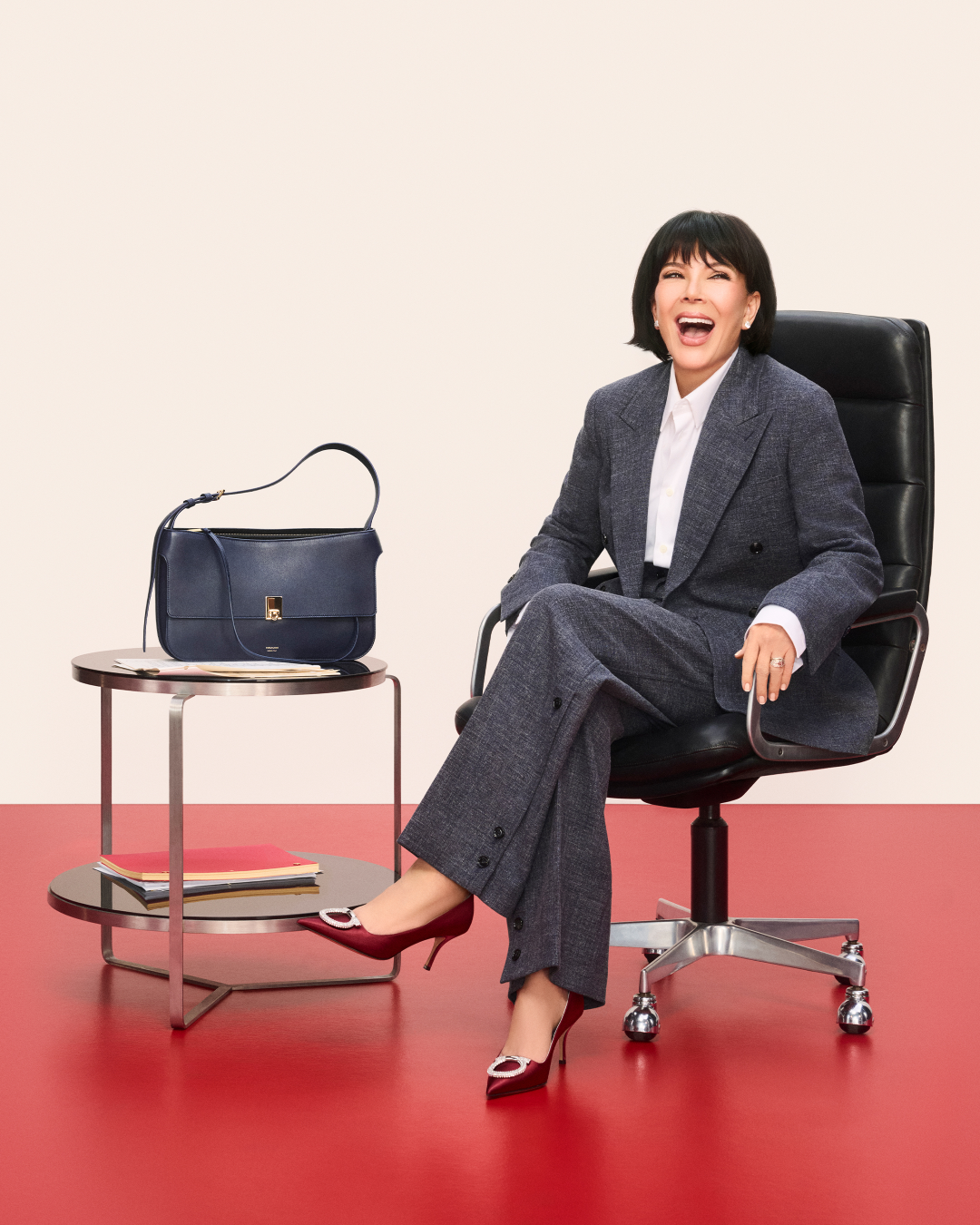
Considering everything Zara has put forward over the past few months, it is clear that the brand is not simply trying to raise the bar but to outpace every competitor — both in luxury and in fast fashion. The celebration organized for the brand’s fiftieth anniversary, also covered by Business of Fashion, confirmed how determined Zara is to step into a territory that until recently seemed reserved for major Maisons: spectacular locations, fashion-week-level guest lists and a positioning increasingly aligned with the idea of a true fashion player rather than an industrial retailer.
The context plays in its favor. While Shein and Temu drain the younger and budget-conscious audience — splitting the fast fashion segment by pushing prices downward — luxury continues to escalate its pricing strategy through what BoF defines as “greedflation”, a dynamic that is even distancing part of its natural customer base. In between lies a gap: a space where more curated products, more polished stores and more targeted collaborations can function as a bridge between two worlds struggling with their own identities. It is precisely there that Zara is actively thriving.
And paradoxically, even as sales slow down and the industry faces a period of global stagnation, this shift represents the only real margin of power left. Mostly because Zara is winning not by becoming more similar to luxury, but because luxury has started to resemble Zara a little more.
What to read next
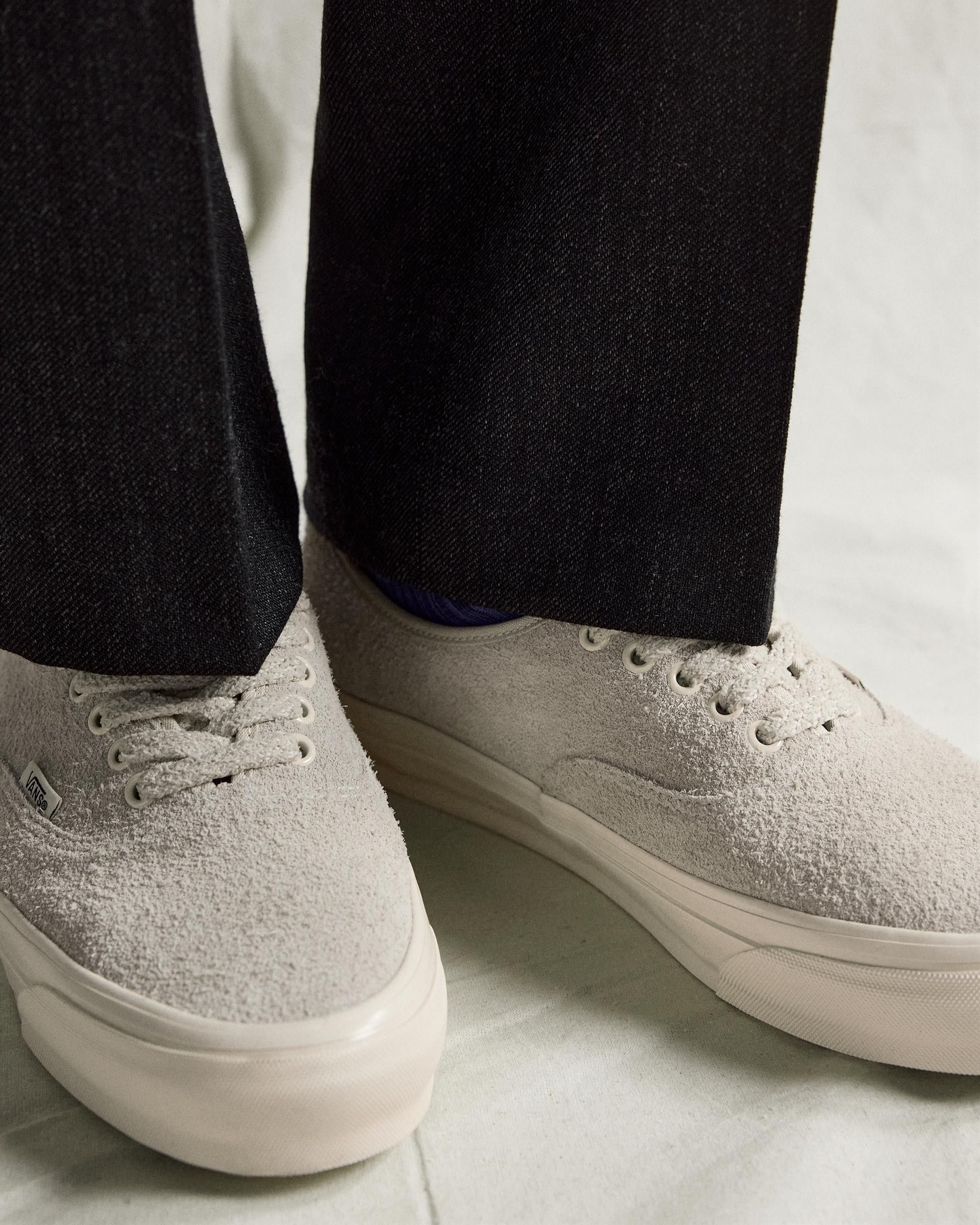
What do you mean Zara started selling Vans?
The two brands have entered into an ongoing partnership
Zara had to pull a striped costume after a huge controversy
And it's not the first time it has happened
The first Re{form} Zara collection signed by John Galliano has finally arrived
And it's as beautiful as we expected