



























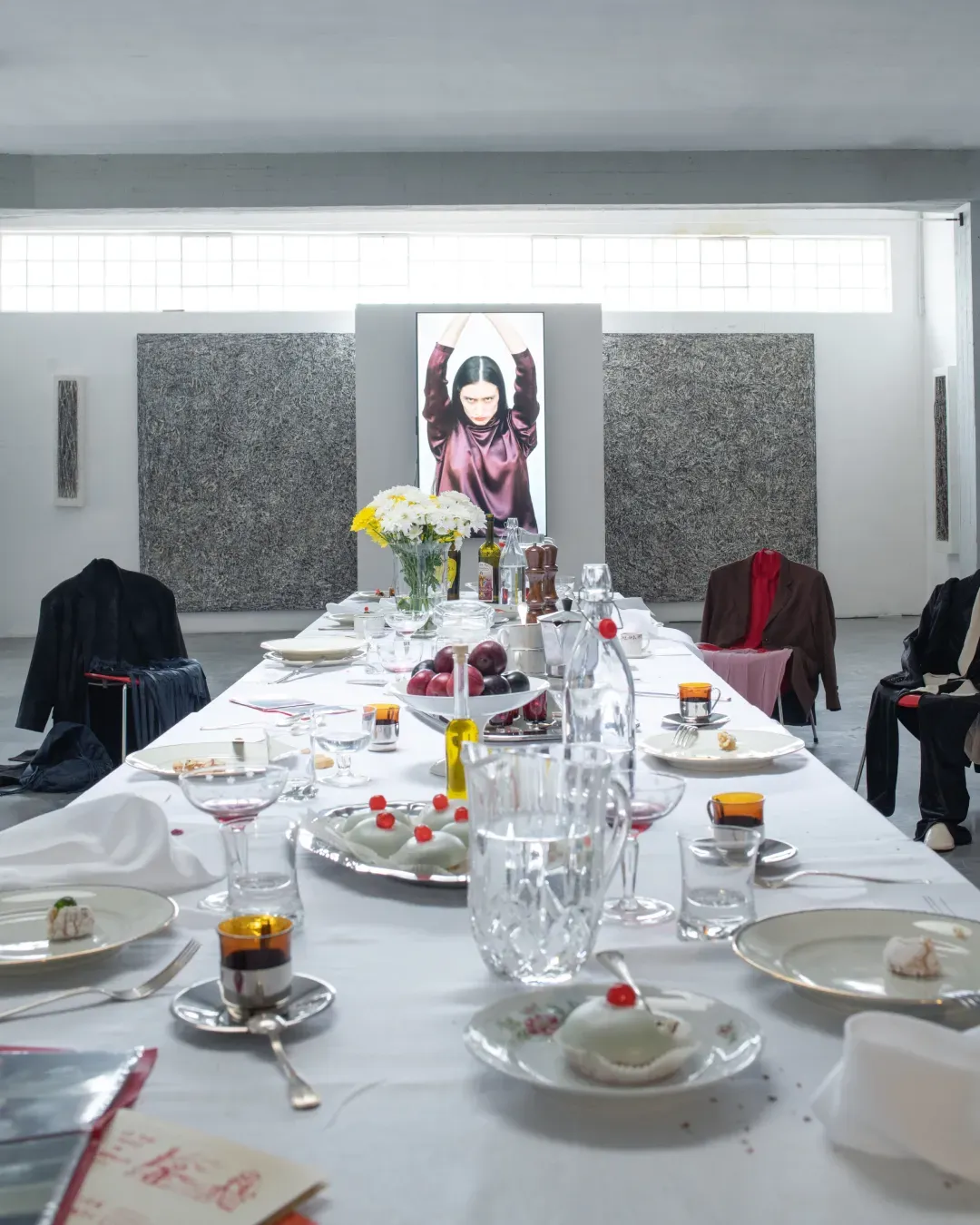
Saelf presents "Nessuna forma basta" A collection that traces the history of the brand's founder and creative director
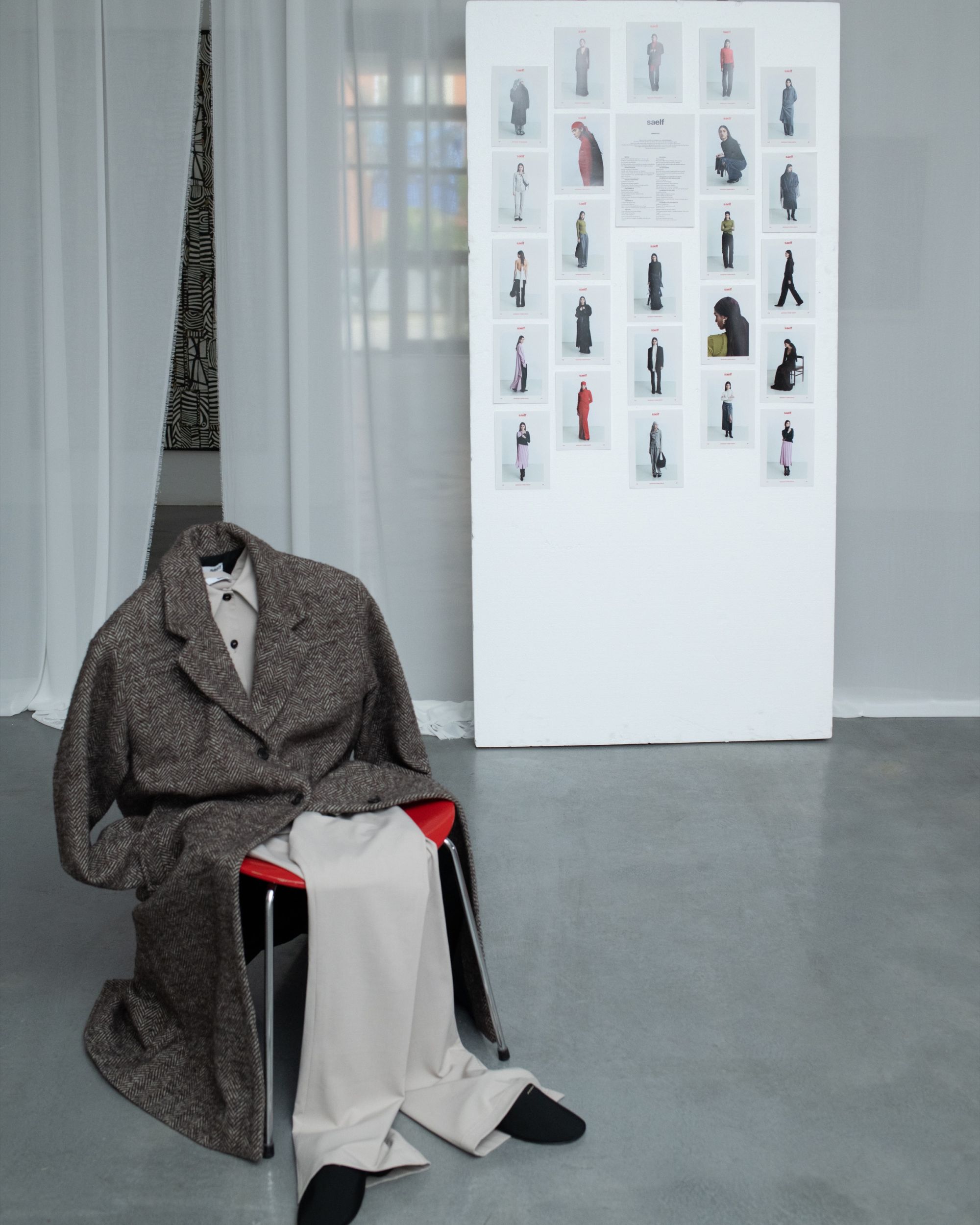
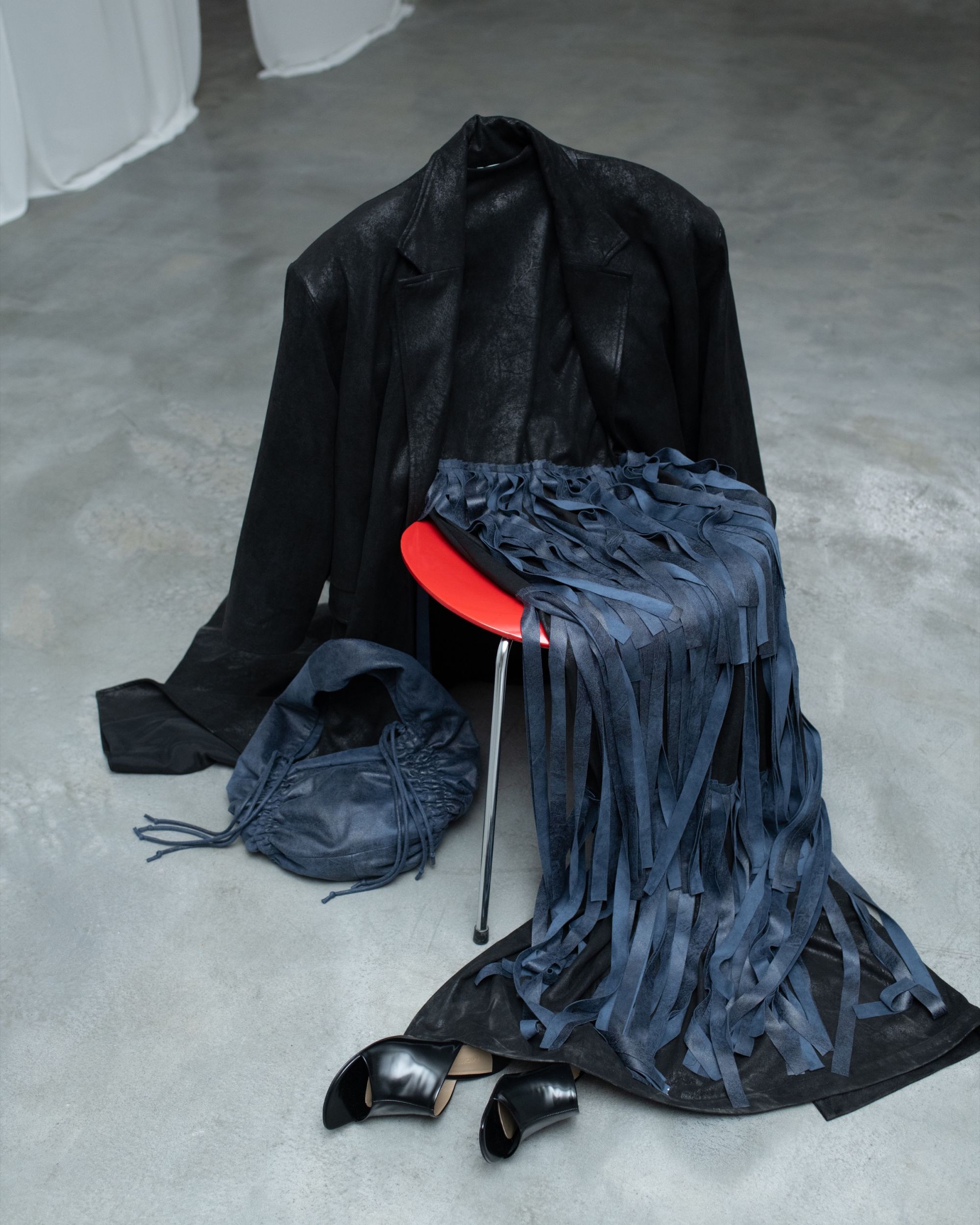
Saelf presents Nessuna forma basta A collection that traces the history of the brand's founder and creative director | Image 606868
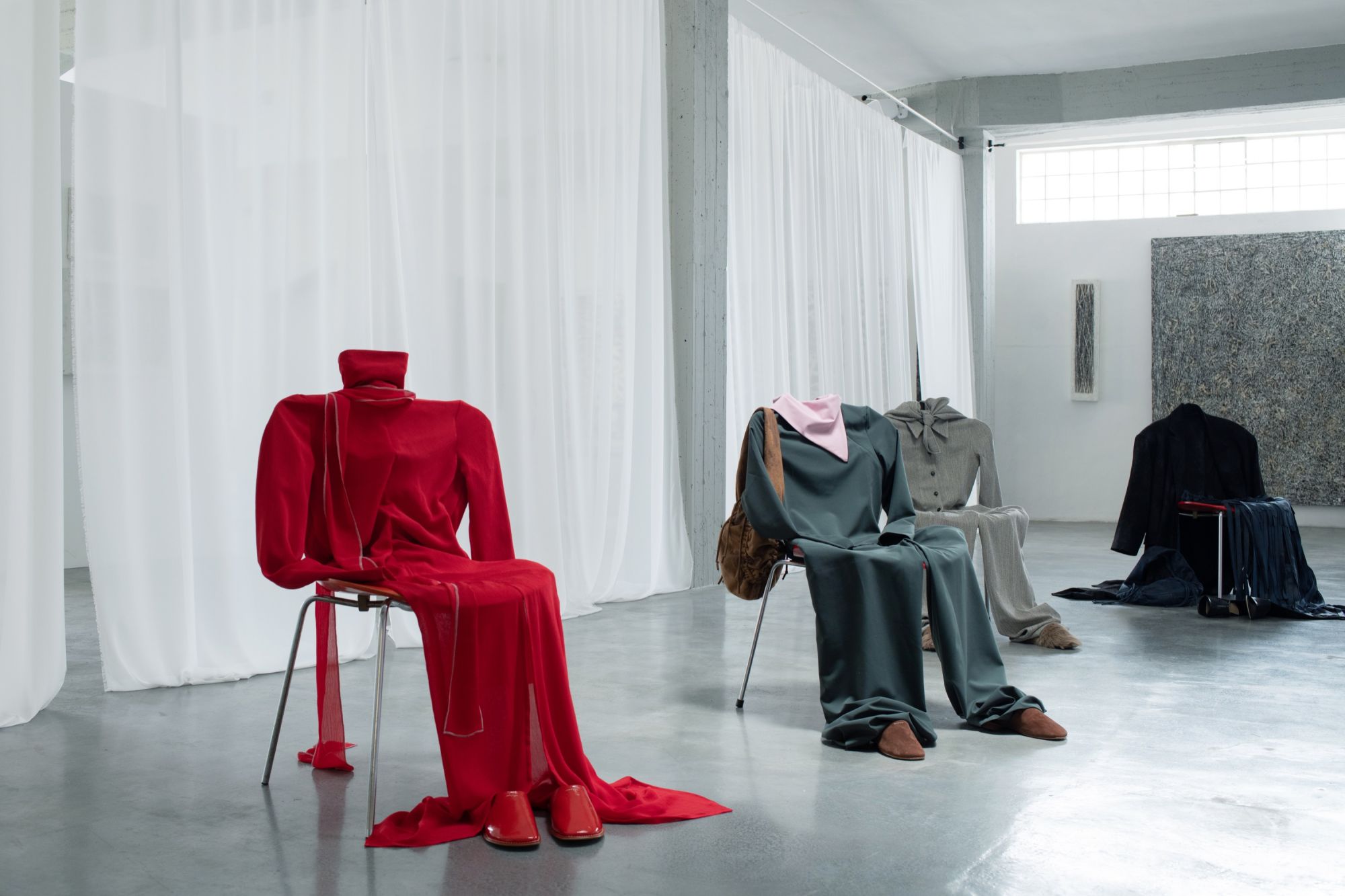
Saelf presents Nessuna forma basta A collection that traces the history of the brand's founder and creative director | Image 606869
Saelf presents Nessuna forma basta A collection that traces the history of the brand's founder and creative director | Image 606870
Saelf presents Nessuna forma basta A collection that traces the history of the brand's founder and creative director | Image 606871
Saelf presents Nessuna forma basta A collection that traces the history of the brand's founder and creative director | Image 606872
Saelf presents Nessuna forma basta A collection that traces the history of the brand's founder and creative director | Image 606873
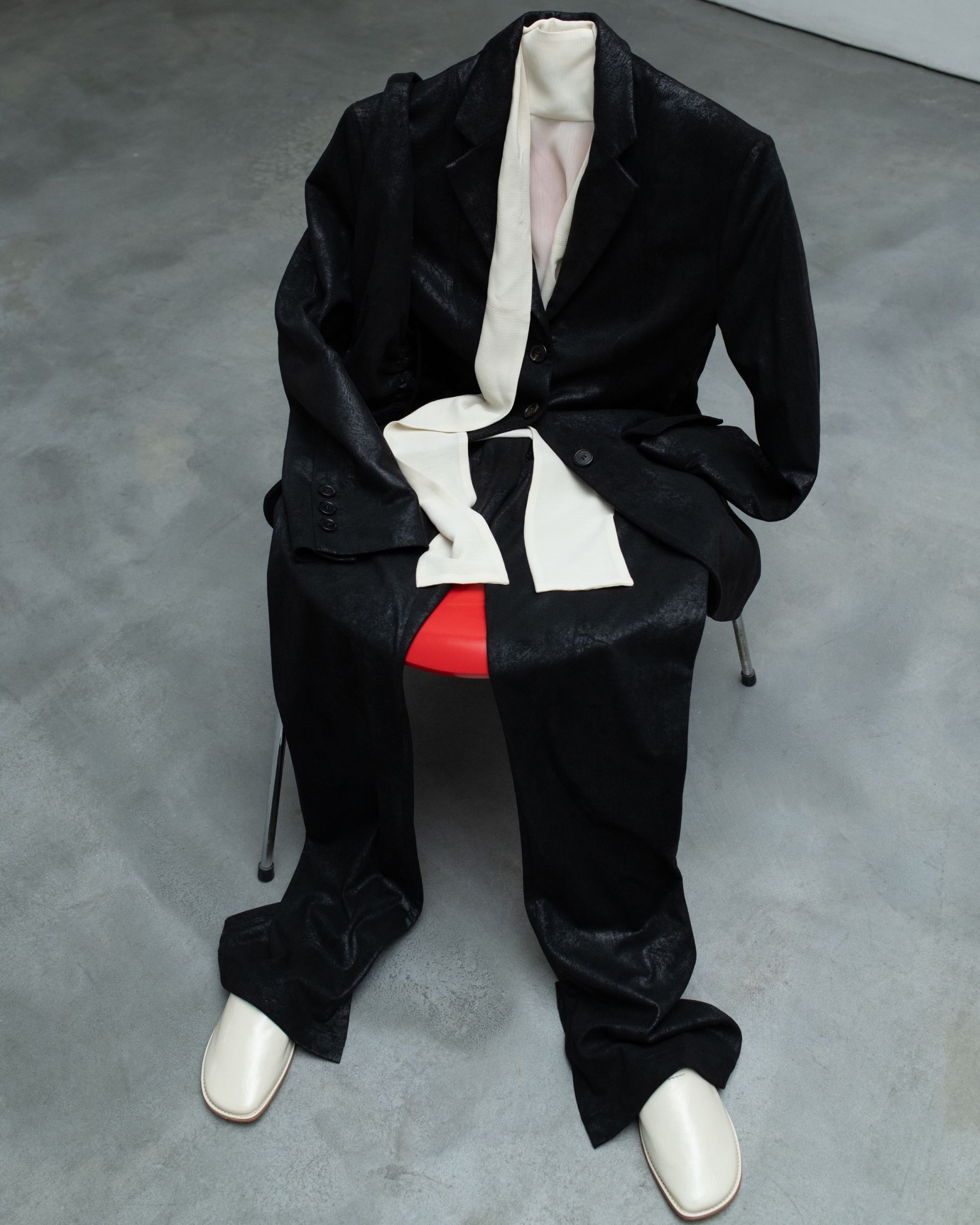
Saelf presents Nessuna forma basta A collection that traces the history of the brand's founder and creative director | Image 606874
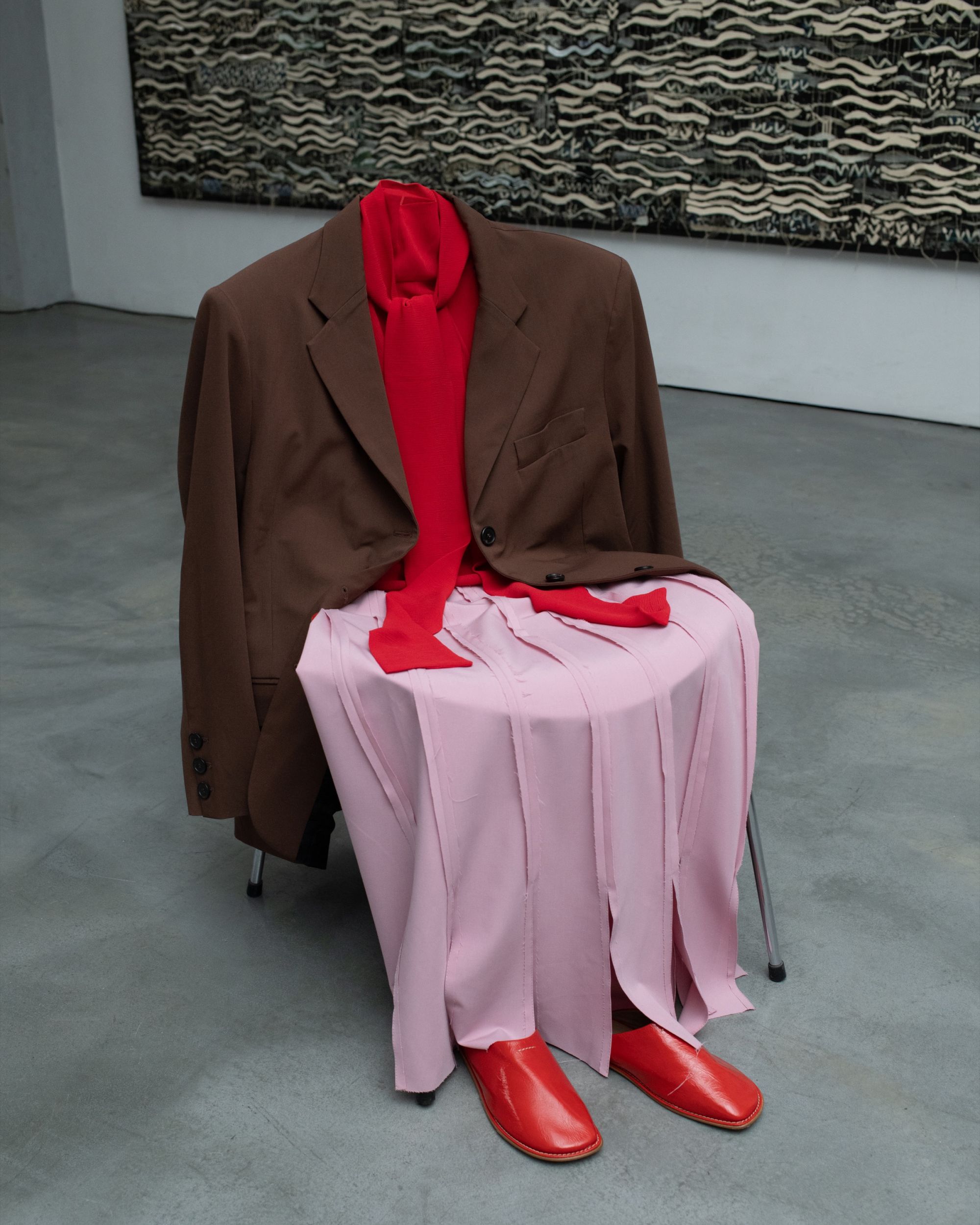
Saelf presents Nessuna forma basta A collection that traces the history of the brand's founder and creative director | Image 606875
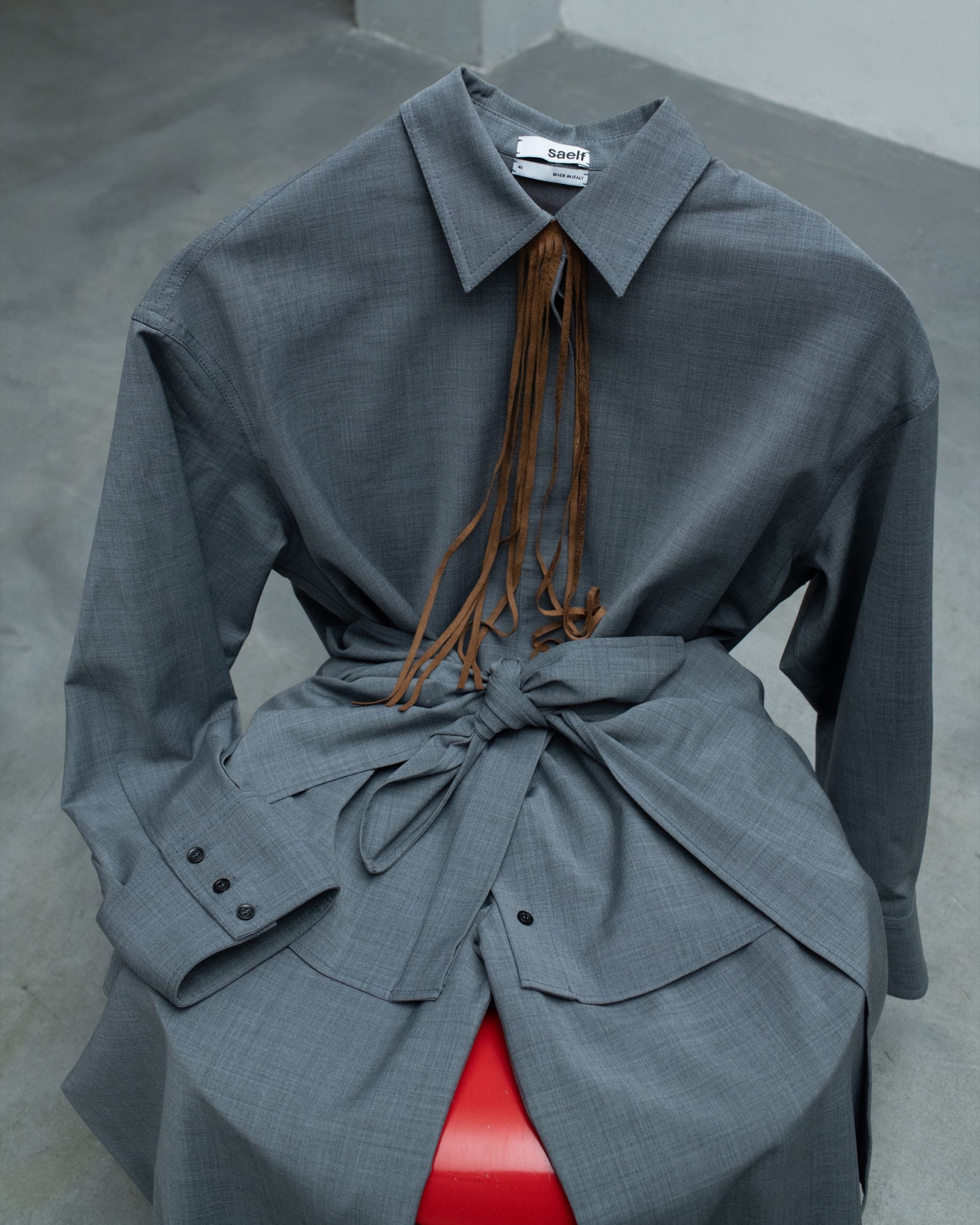
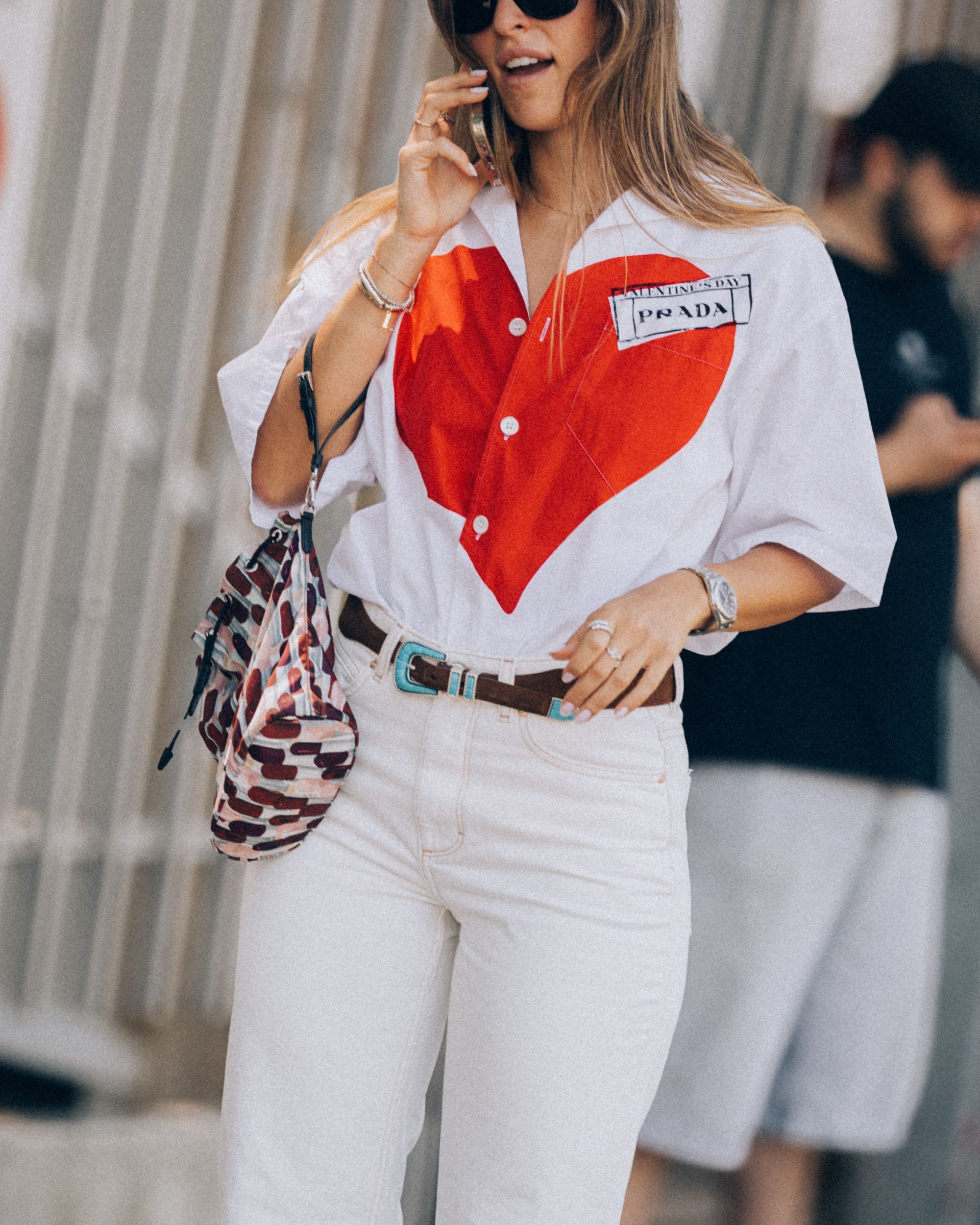
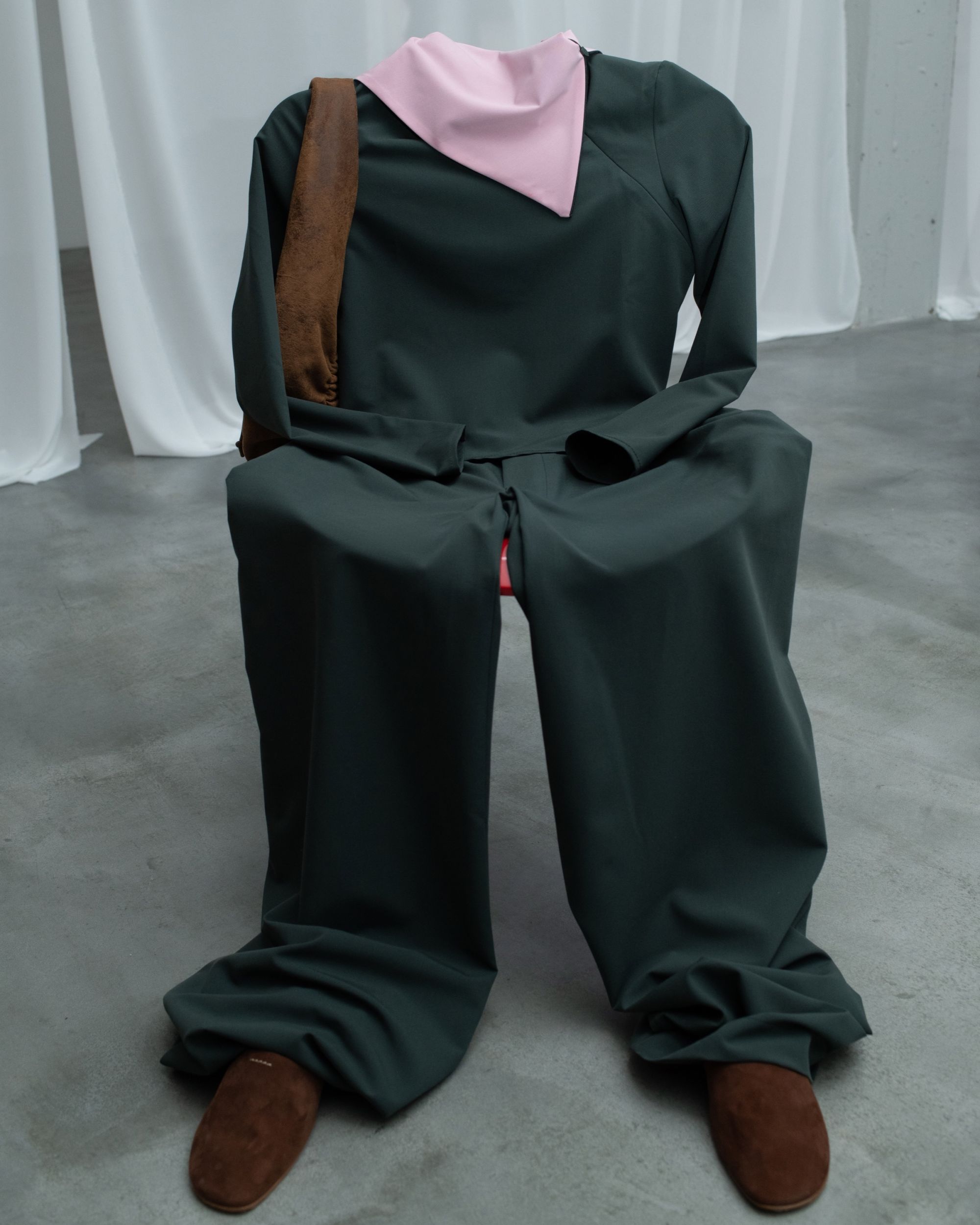
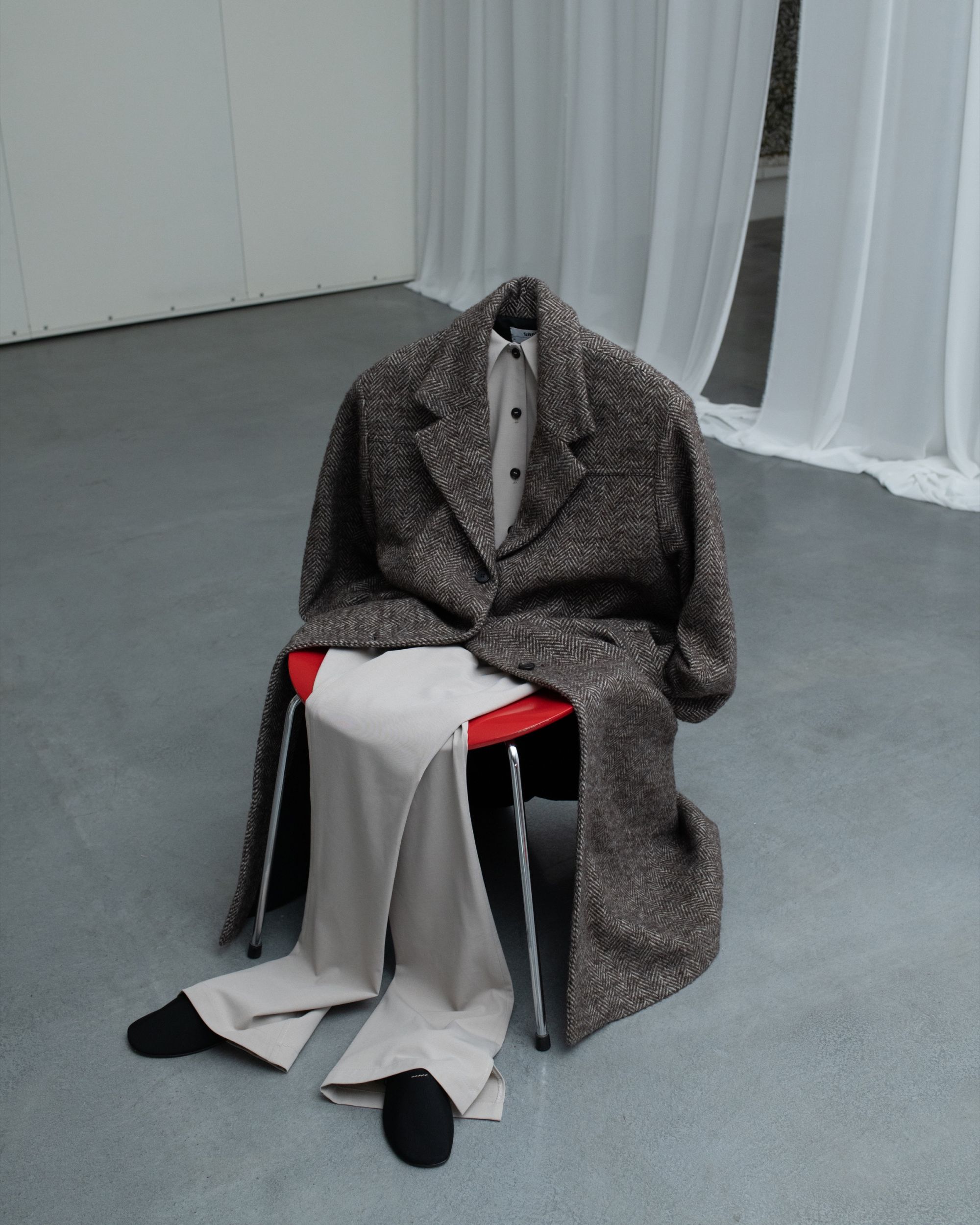
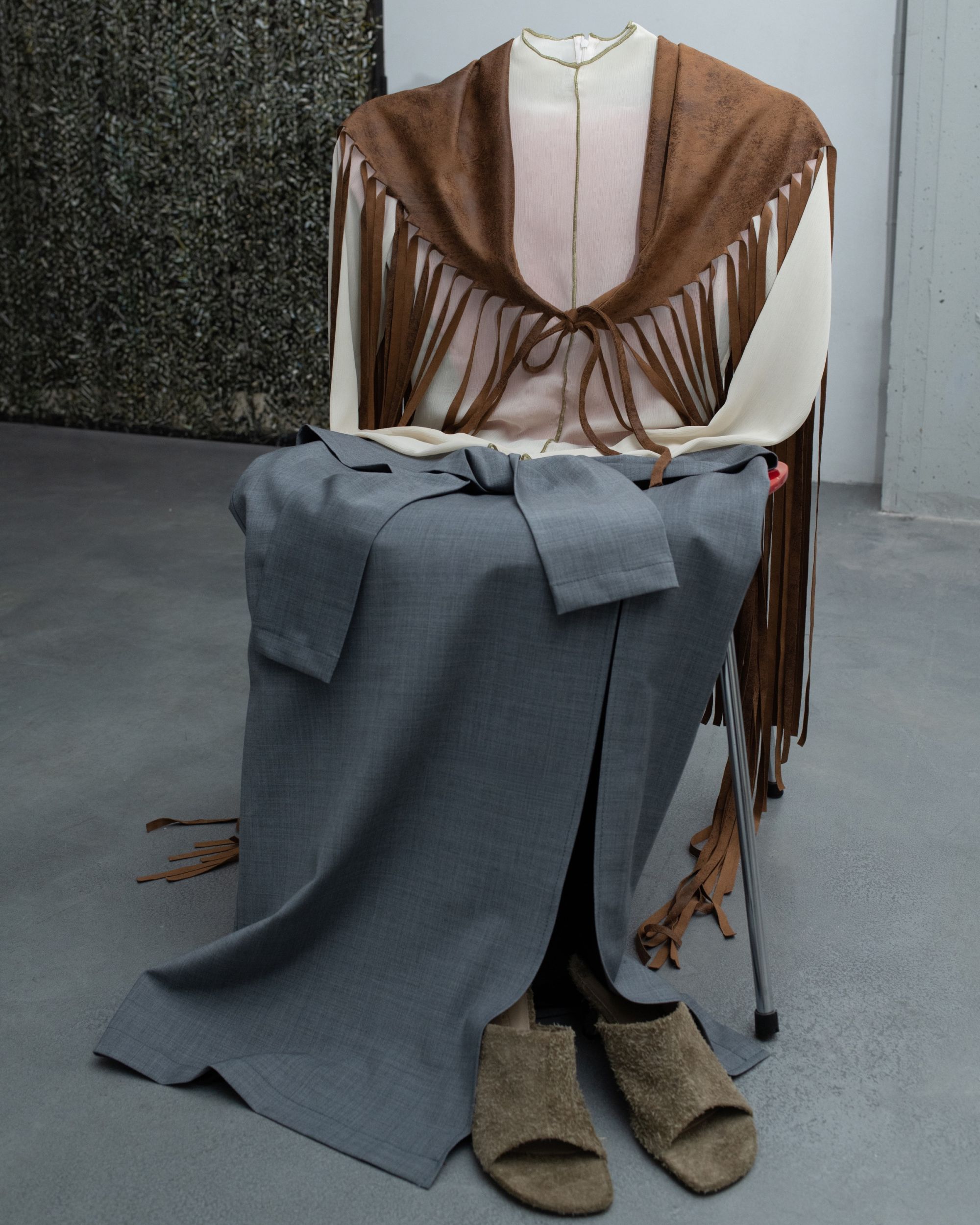
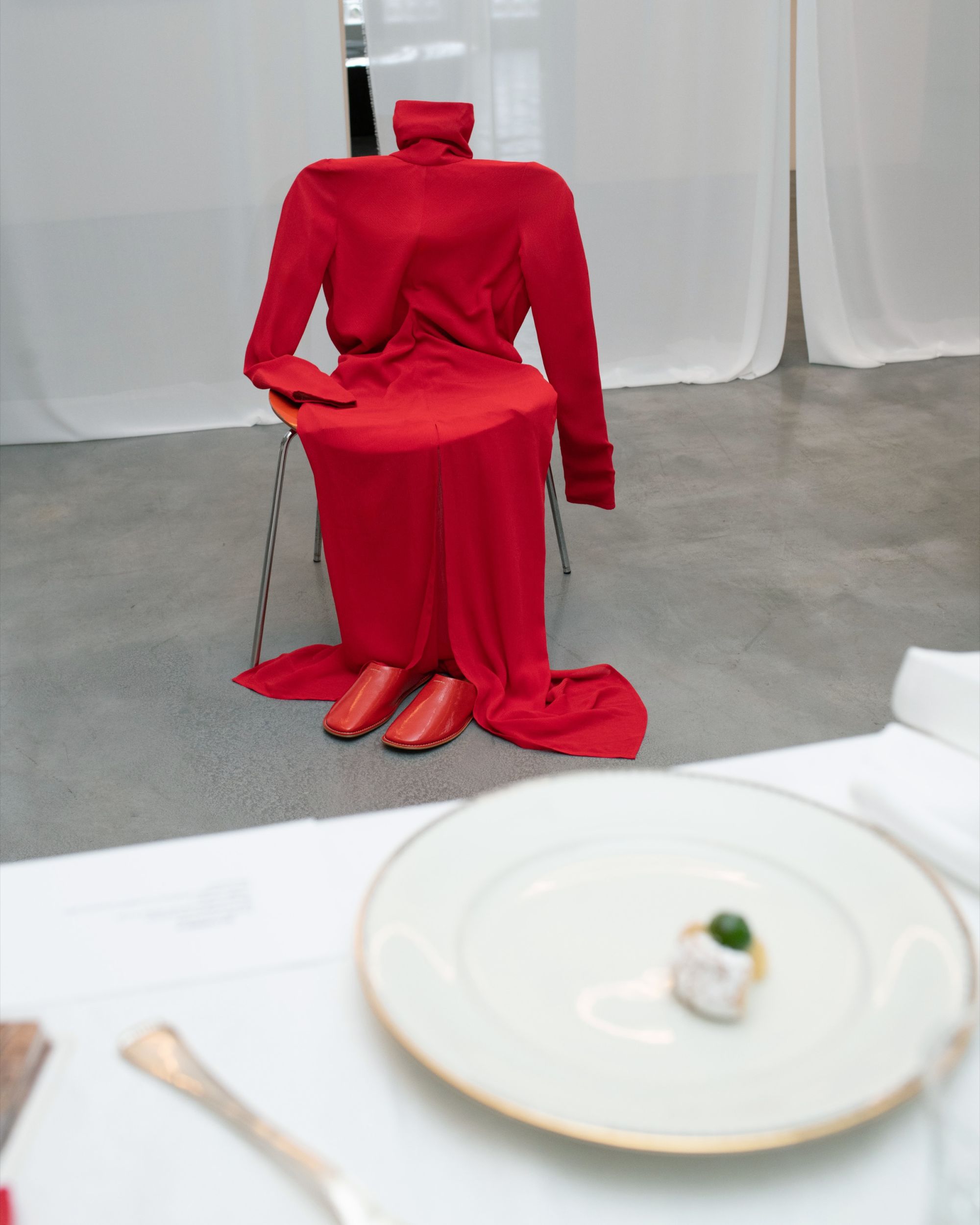
Through memories, archival photographs, spiritual rituals and small everyday gestures, the new collection recalls the designer’s Sicilian roots. Within this imagery, iconic elements of her domestic memory emerge, from aprons to knitted shawls, including the abitino, a small piece of red fabric sewn inside garments as an amulet against the evil eye. These references, rich in symbolic value, are reworked through a process of deconstruction and layering, bringing them into the contemporary, while the color palette recalls the landscapes and materials of Spitaleri’s Sicily.

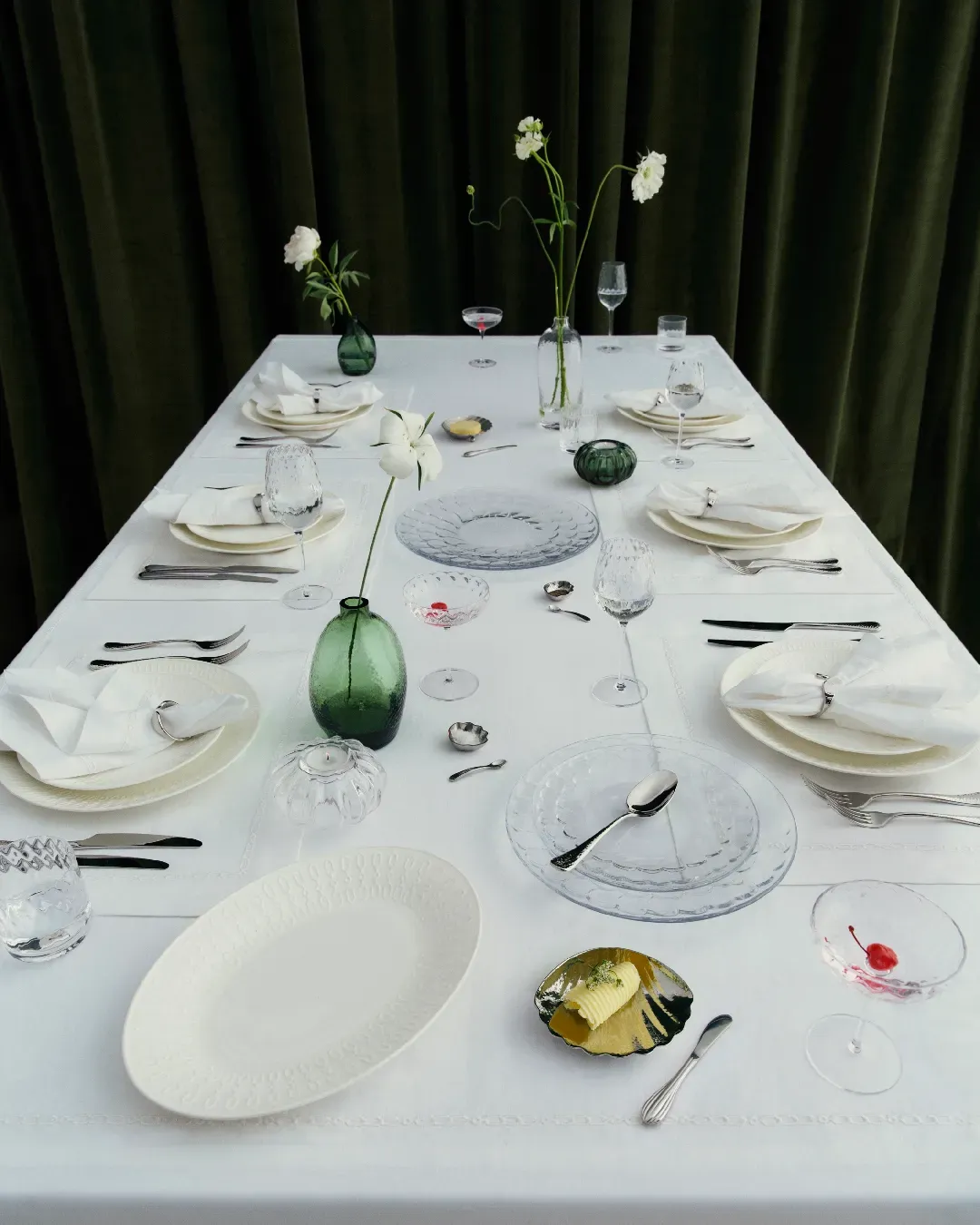
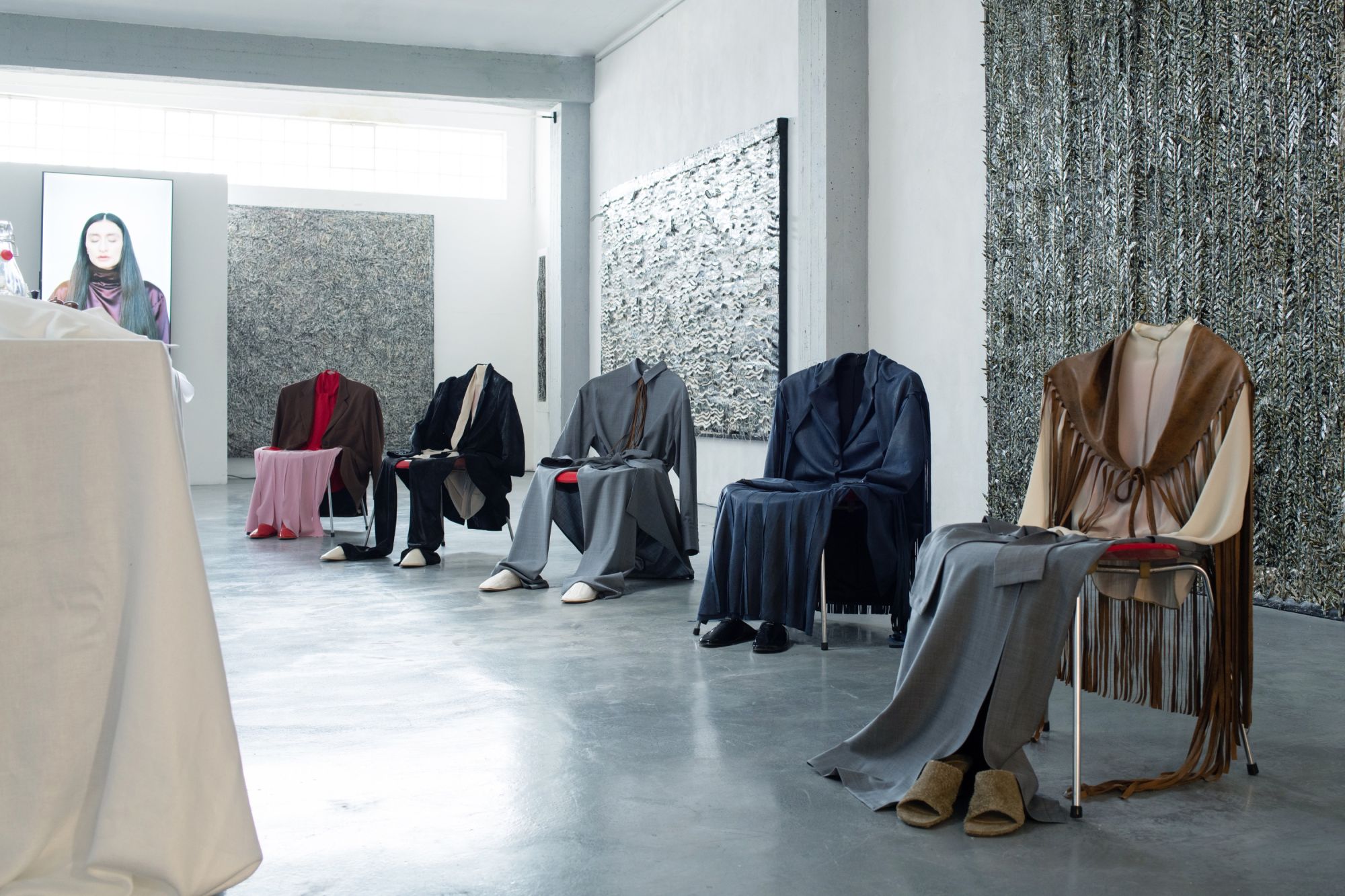
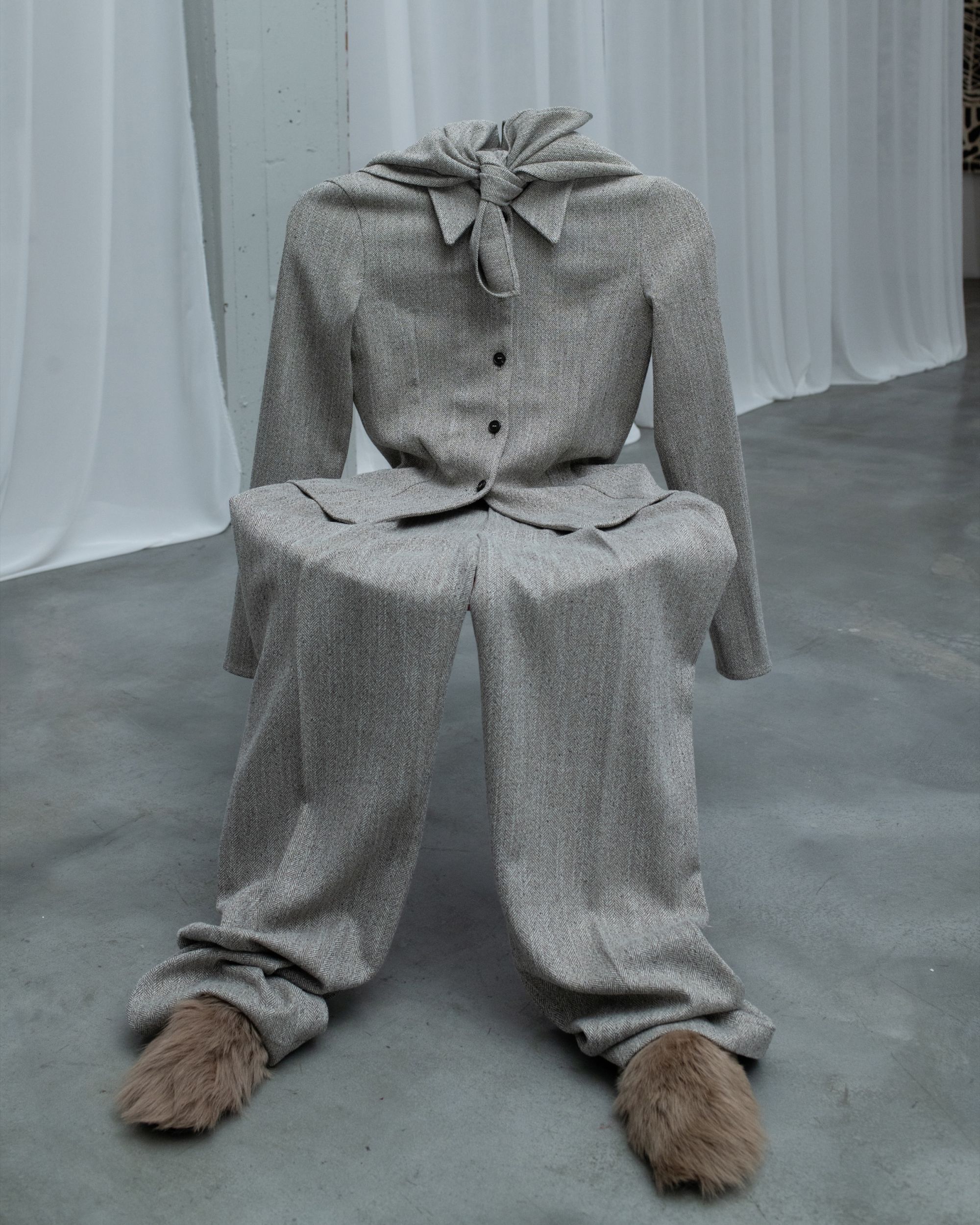
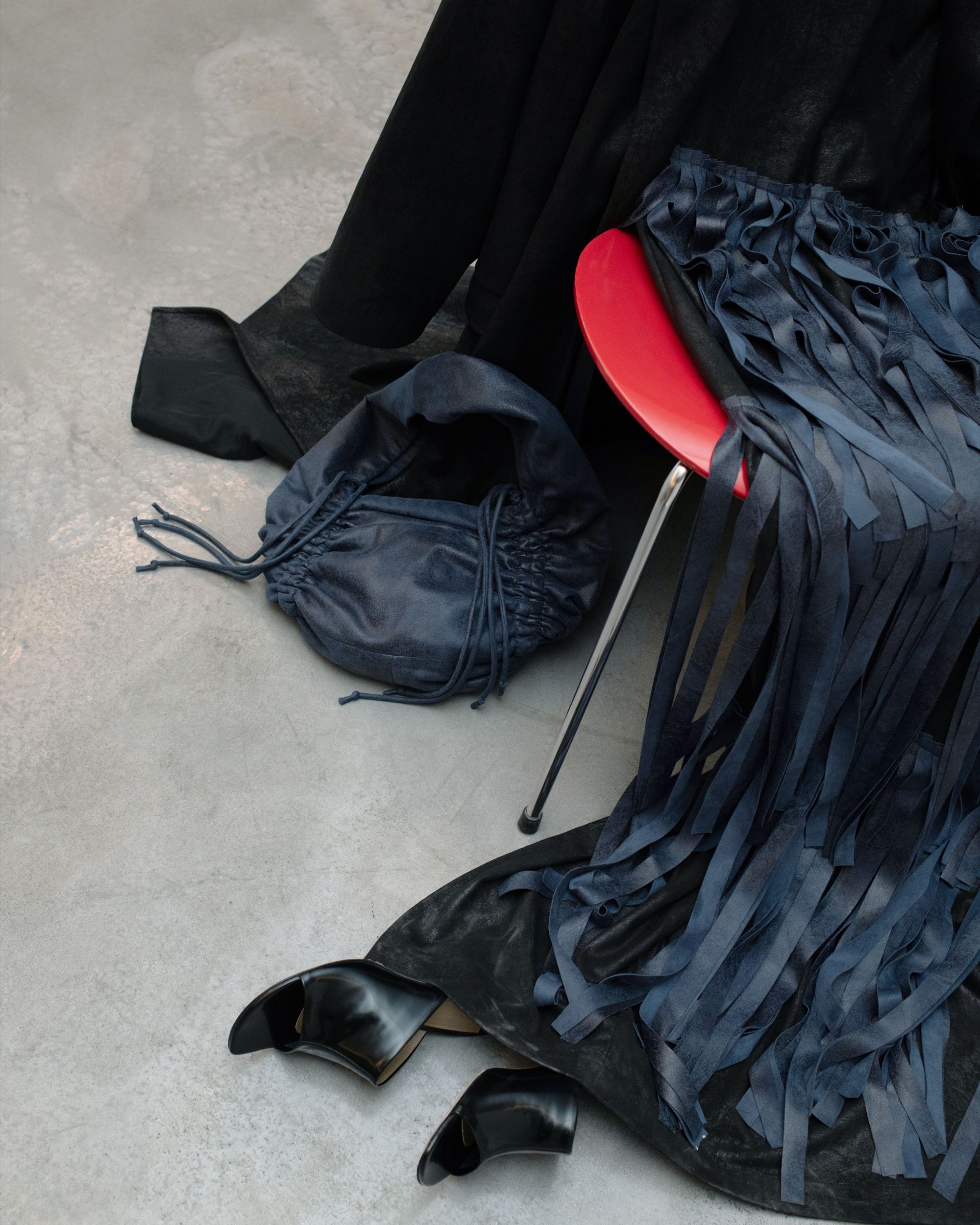
At the center of the spaces of Fondazione Sozzani, a table was placed and set as if after the end of a family lunch. Ten women, all belonging to the same family, each identified by a small plaque describing their habits and distinctive traits, were represented around the table through the garments of the collection, like symbolic presences still seated at the table. The mise en place curated by Le Mat Studio expanded the visual narrative by combining archival objects from the studio with elements of Sicilian tradition and Spitaleri’s personal memories, including family photographs, Sicilian playing cards and a plate containing water and oil that alluded to the ritual used to ward off the evil eye.

Saelf presents Nessuna forma basta A collection that traces the history of the brand's founder and creative director | Image 606948
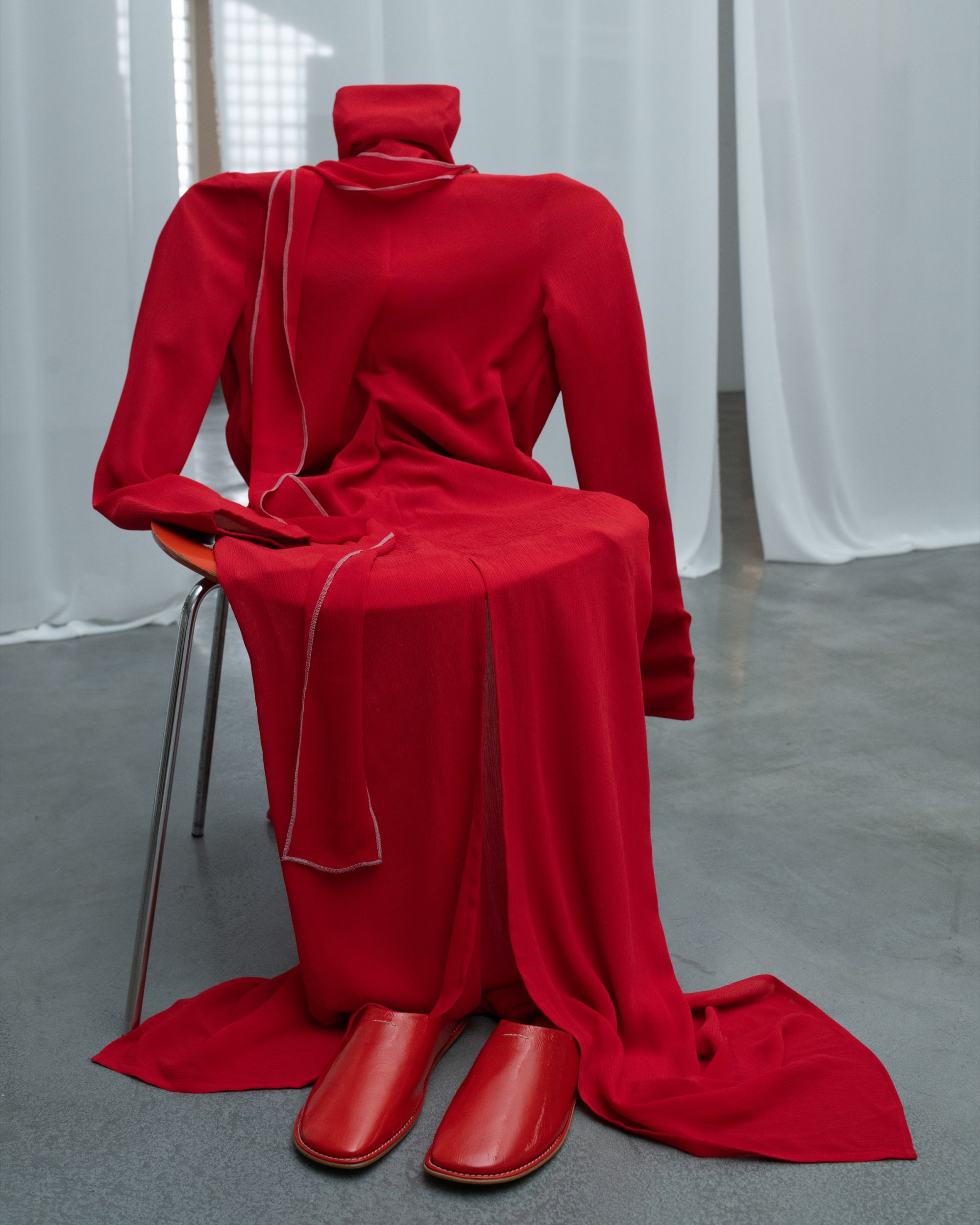
Saelf presents Nessuna forma basta A collection that traces the history of the brand's founder and creative director | Image 606878
Saelf presents Nessuna forma basta A collection that traces the history of the brand's founder and creative director | Image 606879
Saelf presents Nessuna forma basta A collection that traces the history of the brand's founder and creative director | Image 606881
Saelf presents Nessuna forma basta A collection that traces the history of the brand's founder and creative director | Image 606889
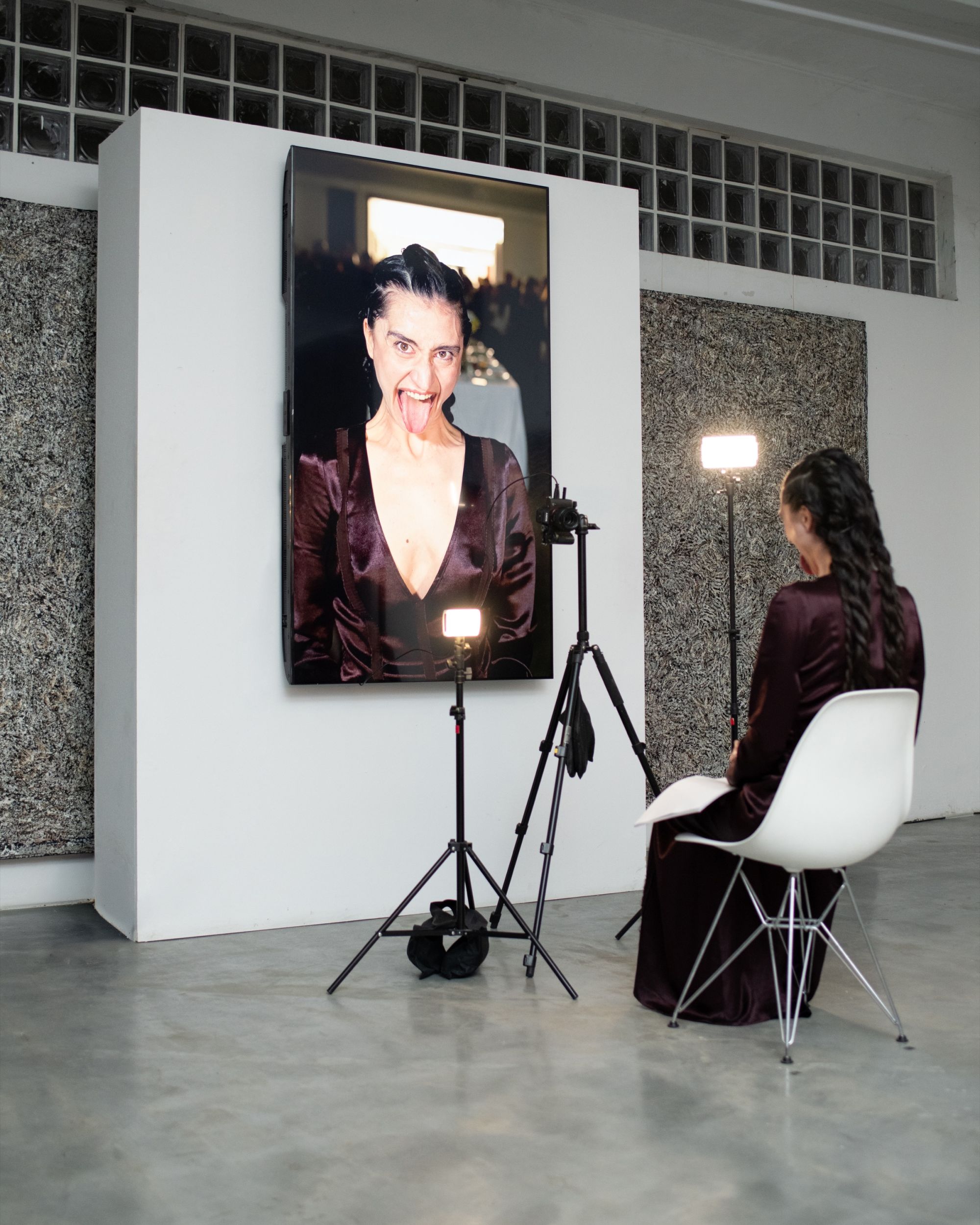
Accompanying the installation, the performance Medusa by the artist Giuditta Vettese introduced a reflection on the power of the gaze and on rituals connected to affascinu, also aimed at warding off the evil eye. Through an intense exploration of facial expression and the use of video as a visual support, Vettese embodies the figure of the Gorgon in its many historical representations: seductress, feared figure, ambiguous and androgynous presence. The performance was conceived as «a gaze upon the gaze», in order to overturn power dynamics and restore to femininity a transformative force.