
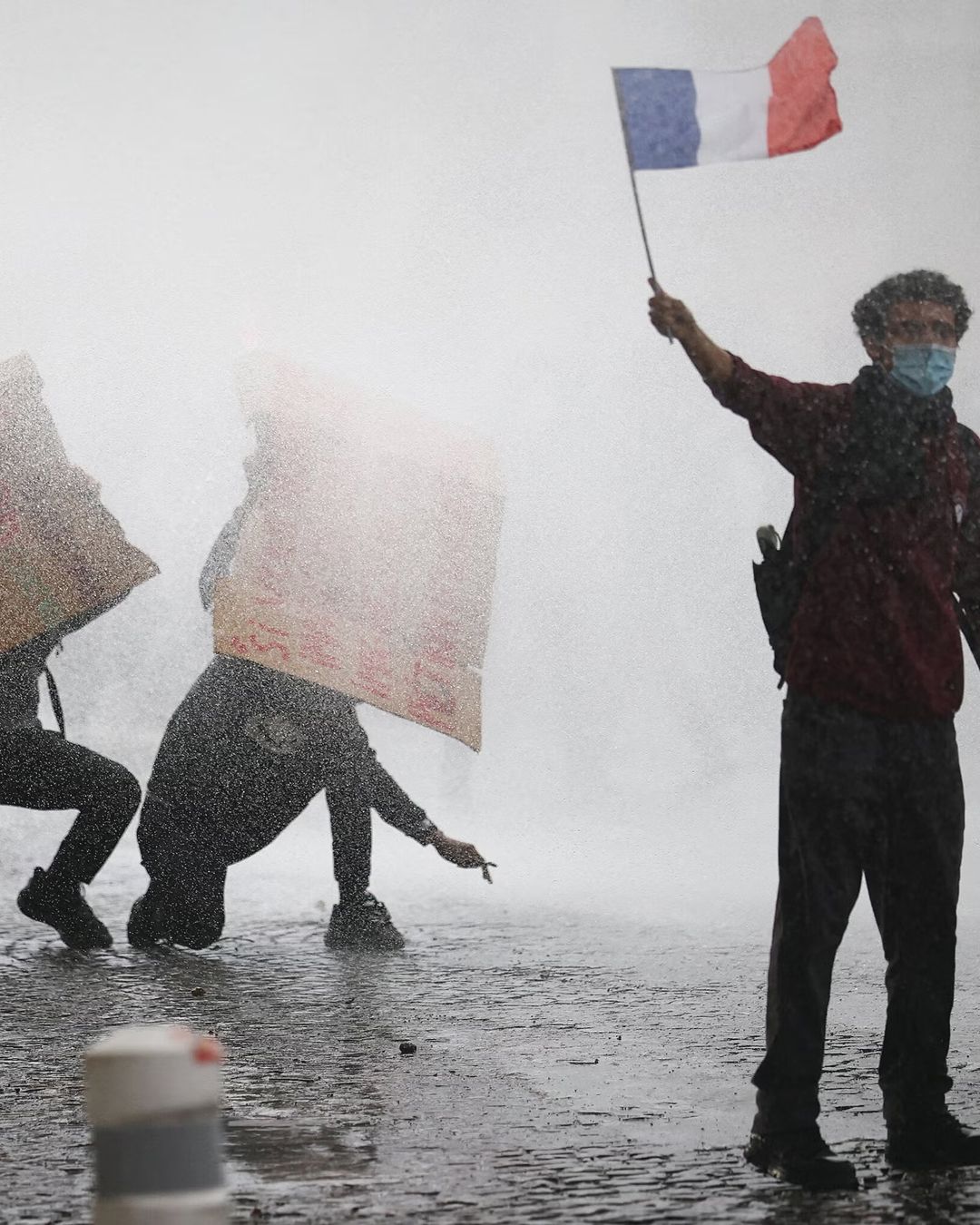










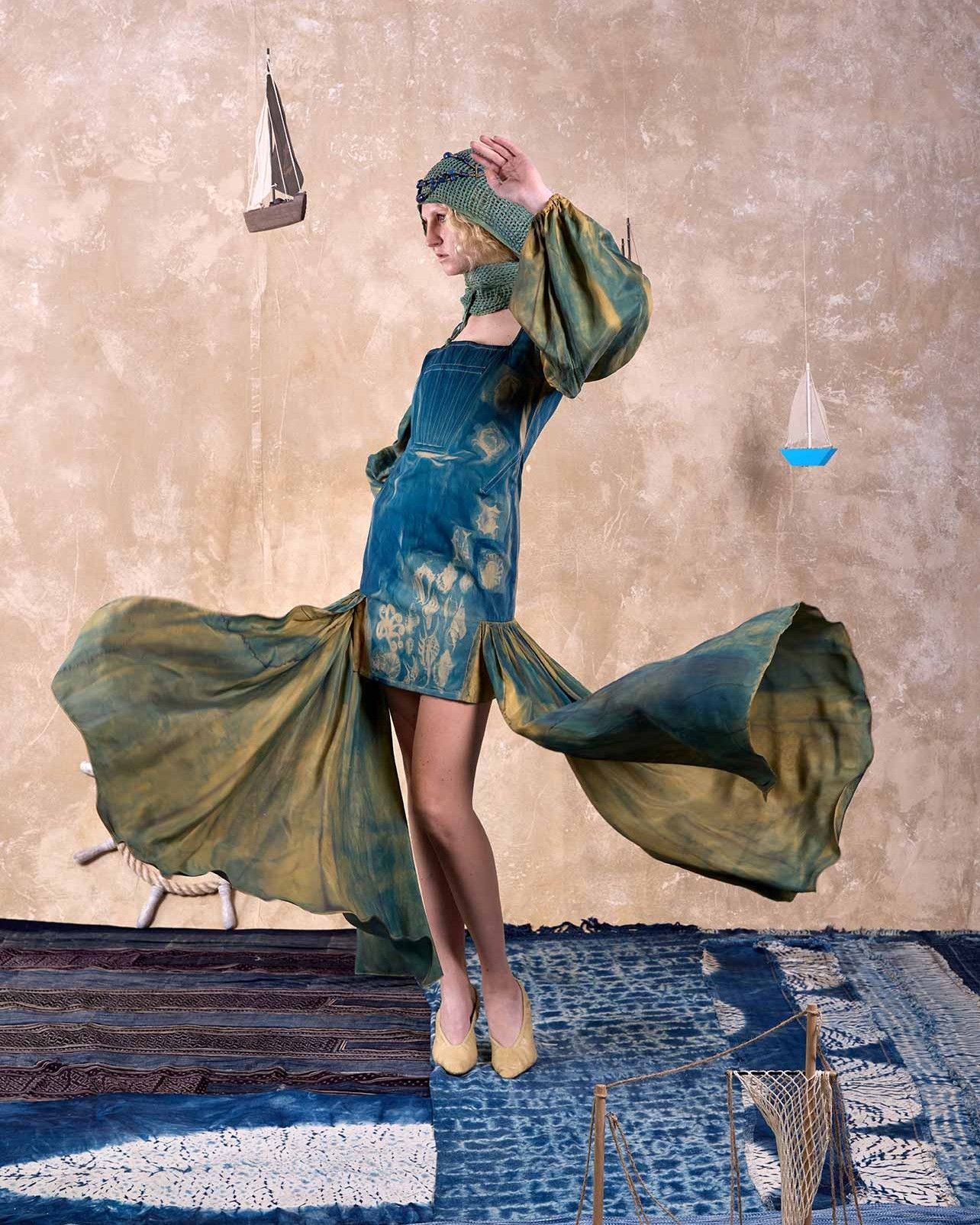










What is a creative director for? The creative crisis of fashion houses amid fear, markets at risk, and lost identity
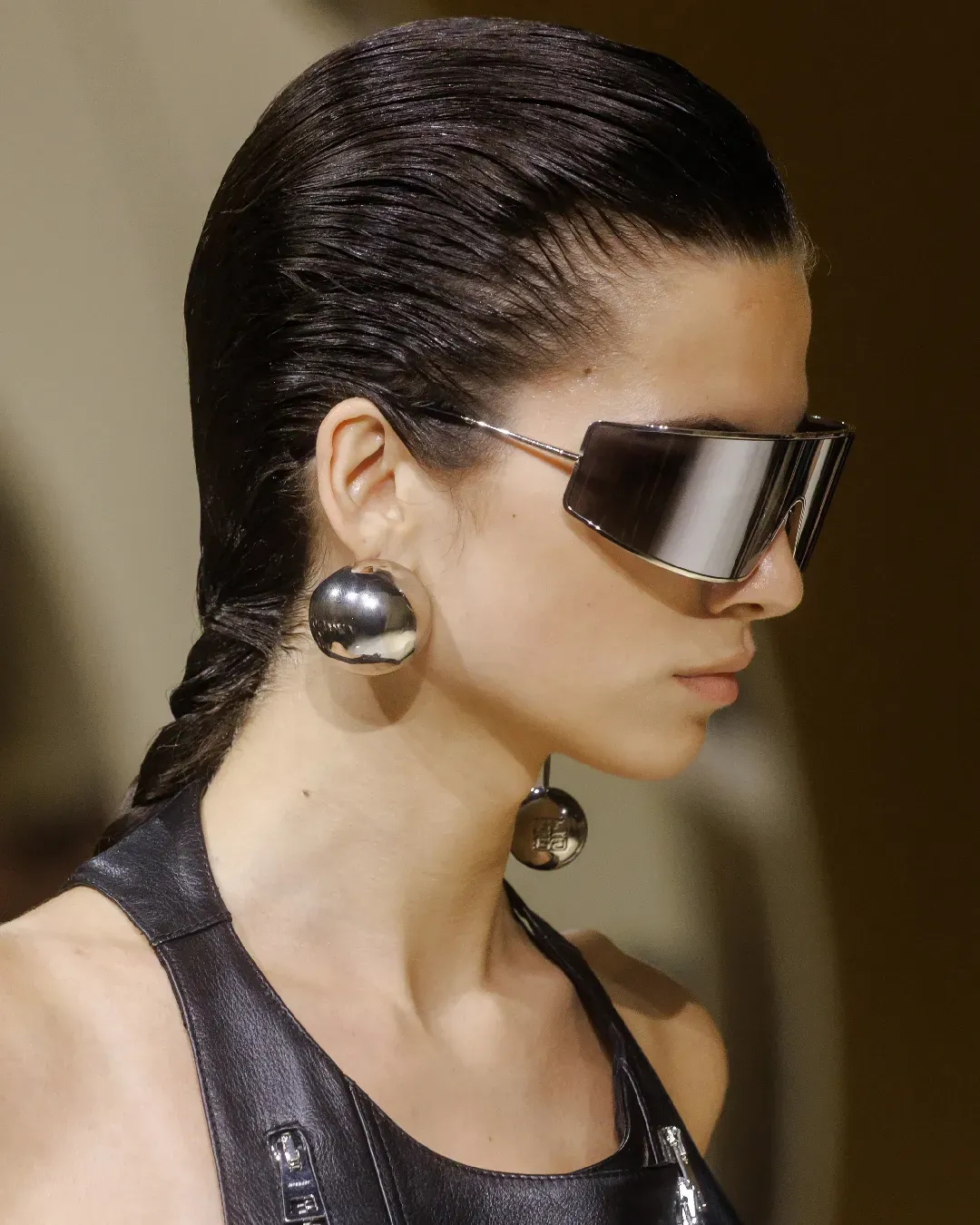
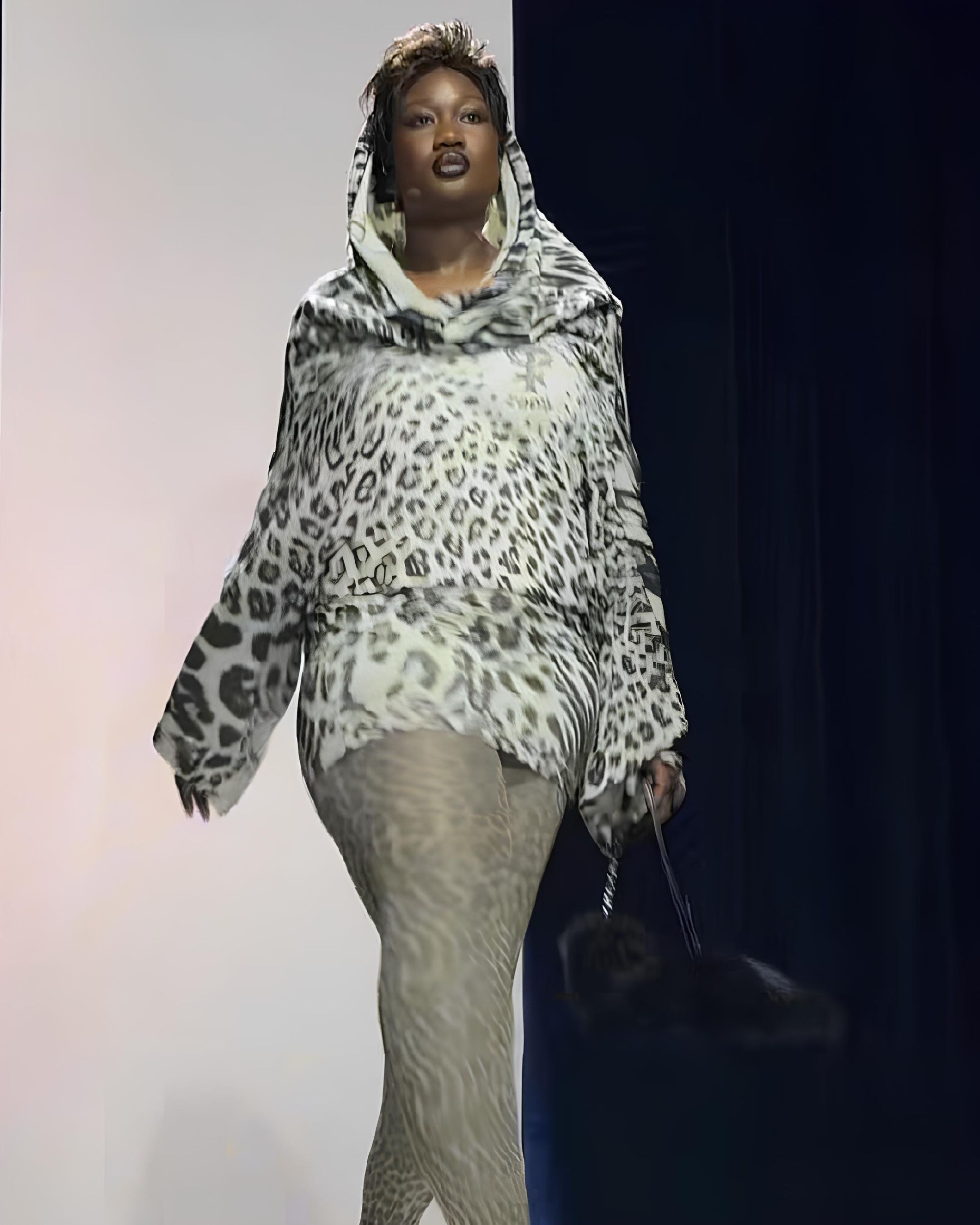
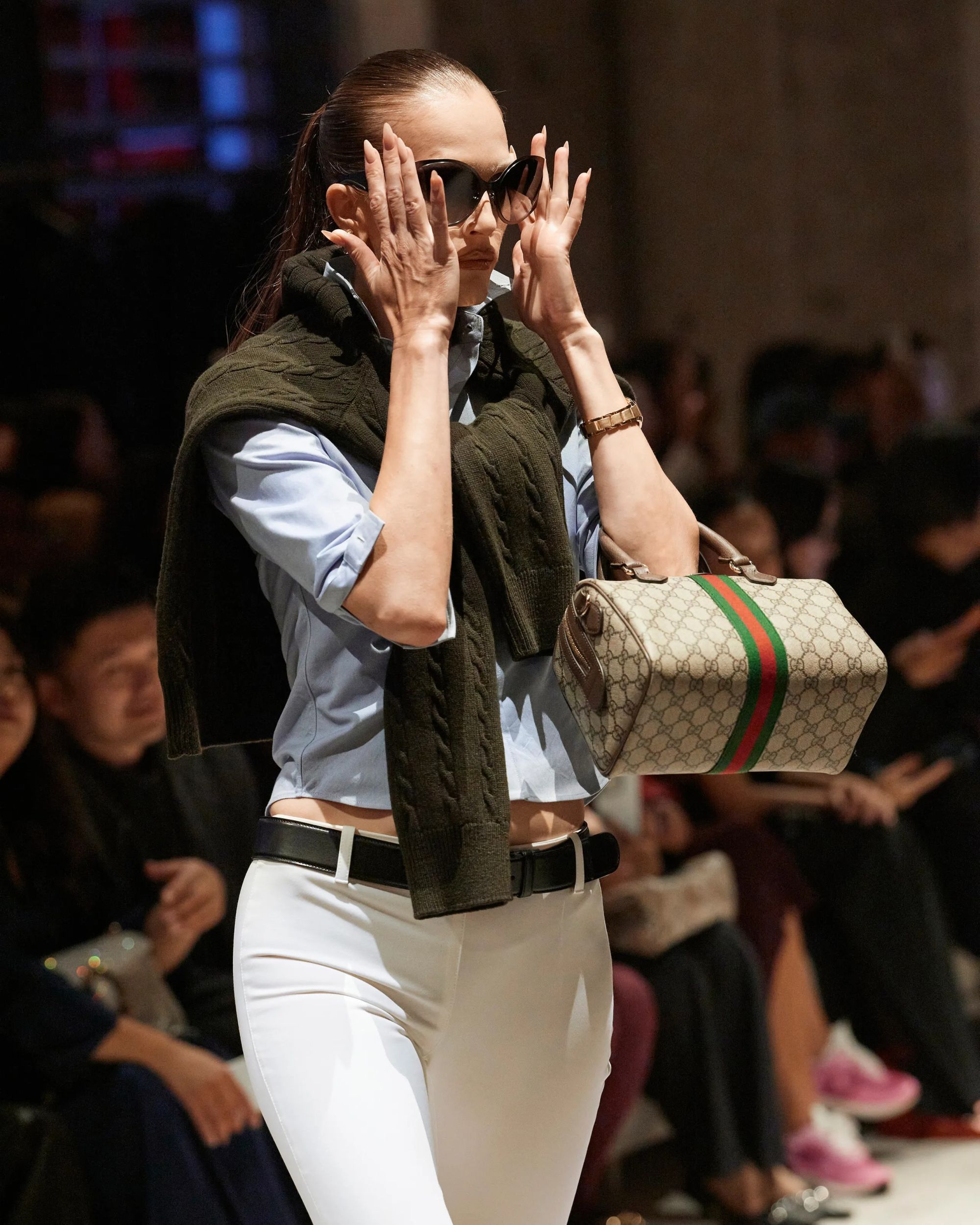
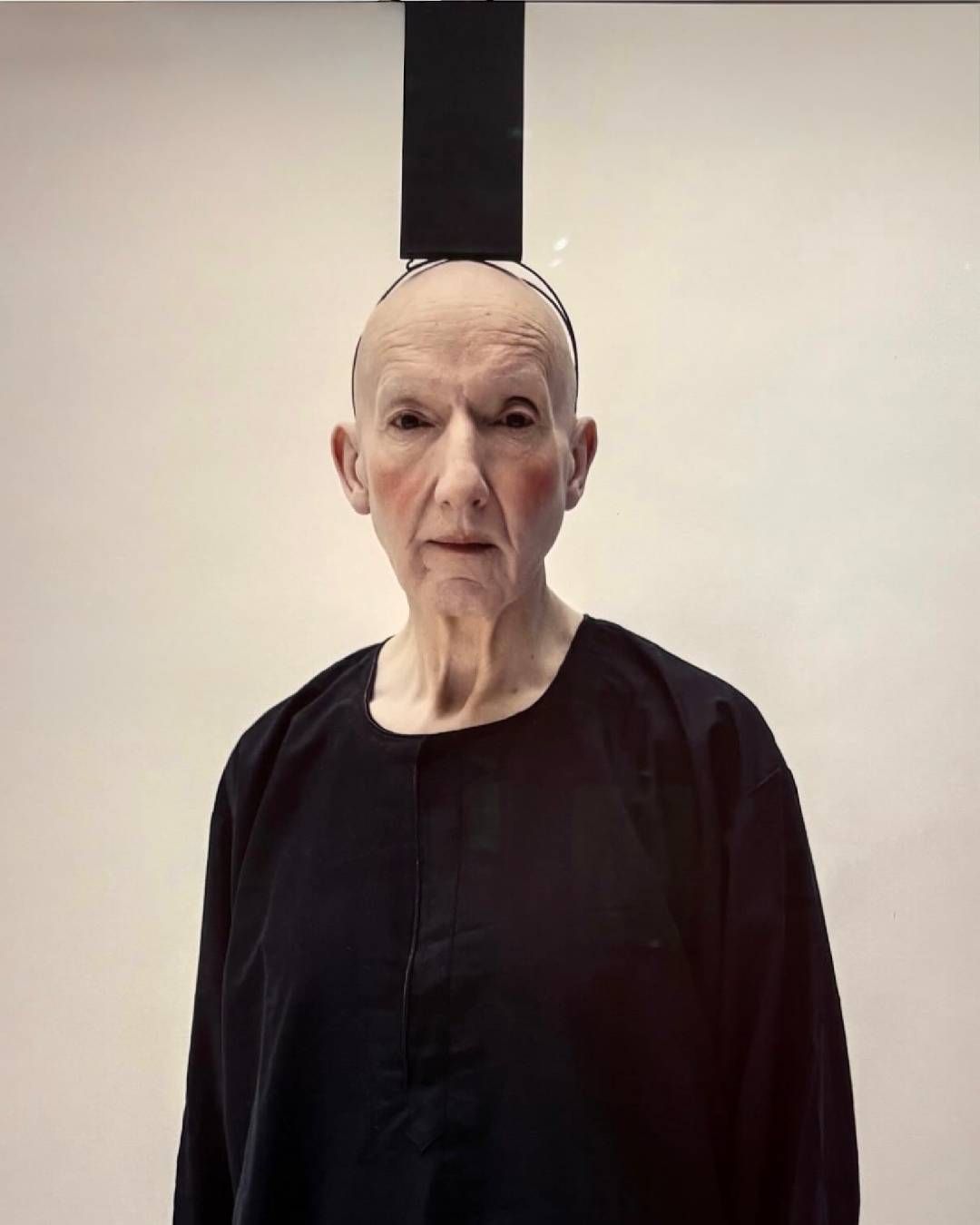
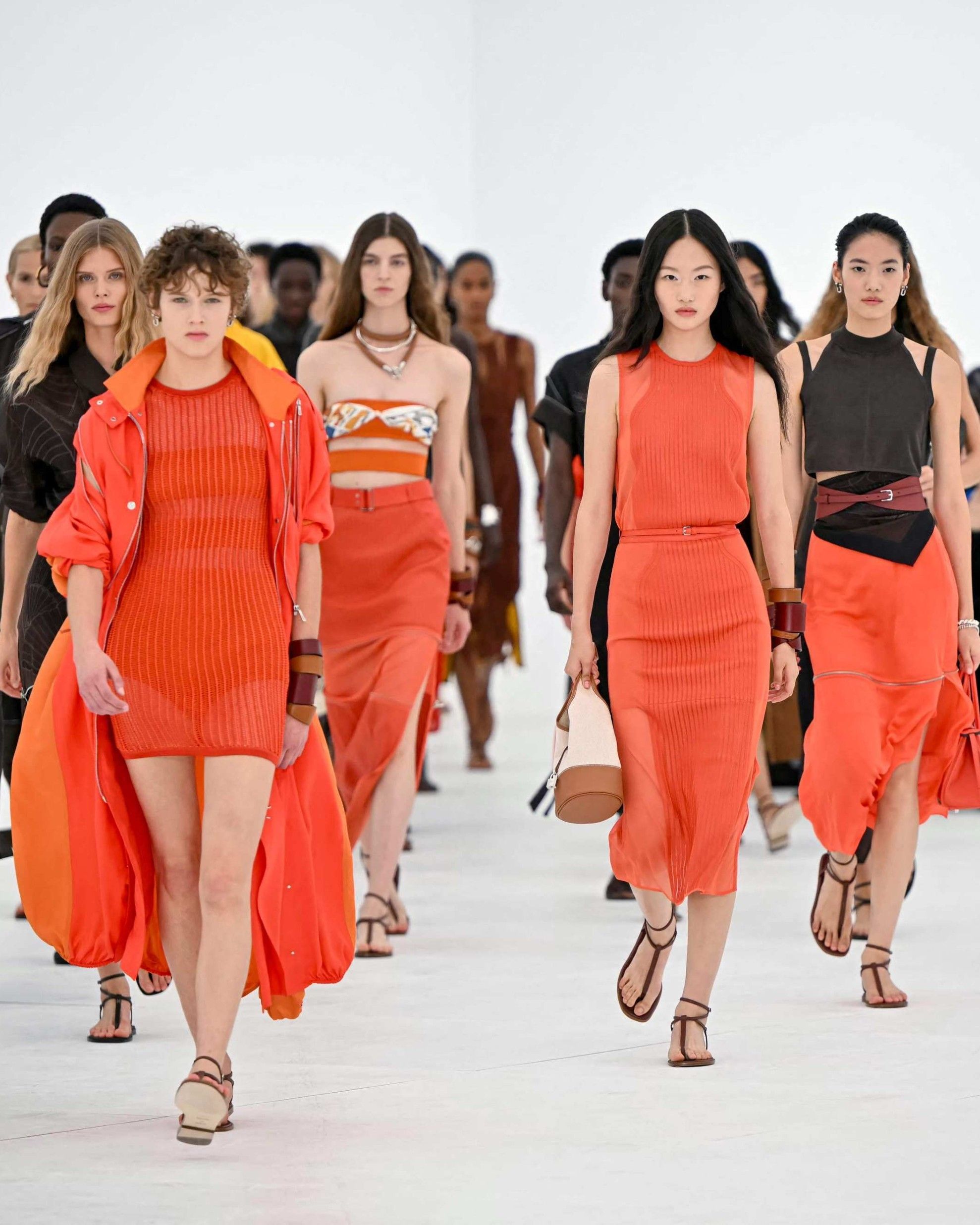
What struck most about this past Milan Fashion Week was sadness. A black suit reaching mid-calf is all that Maria Grazia Chiuri’s new Fendi left us; Kate Moss in the Gucci G-string, designed by Tom Ford in 1997, is the only novelty Demna brought to the Maison for his first show in Milan.
Against the backdrop of escalating conflicts in the Middle East, all-black outfits, somber atmospheres, and a halo of nostalgia transformed the shows from marvelous spectacles into dramatic performances. While the aesthetic gloom of luxury reflects the low expectations of contemporary society - trapped in a poignant, repetitive cycle seeking comfort in the grandeur of the past - it simultaneously deprives the fashion industry of its most important value: creativity.
Of course, it is difficult to dream in a broken world, yet the attempts by fashion houses and creative directors to bring current events to the runway seem driven less by a desire to comment on them than by the aim of exploiting them to keep selling. After all, luxury has, in this war, a single, sad concern: the shrinking of active markets in cities like Dubai, Riyadh, and Doha. And if fashion can only bring to the runway what it experiences firsthand, then today all luxury can convey is the fear of being forgotten.
What to read next
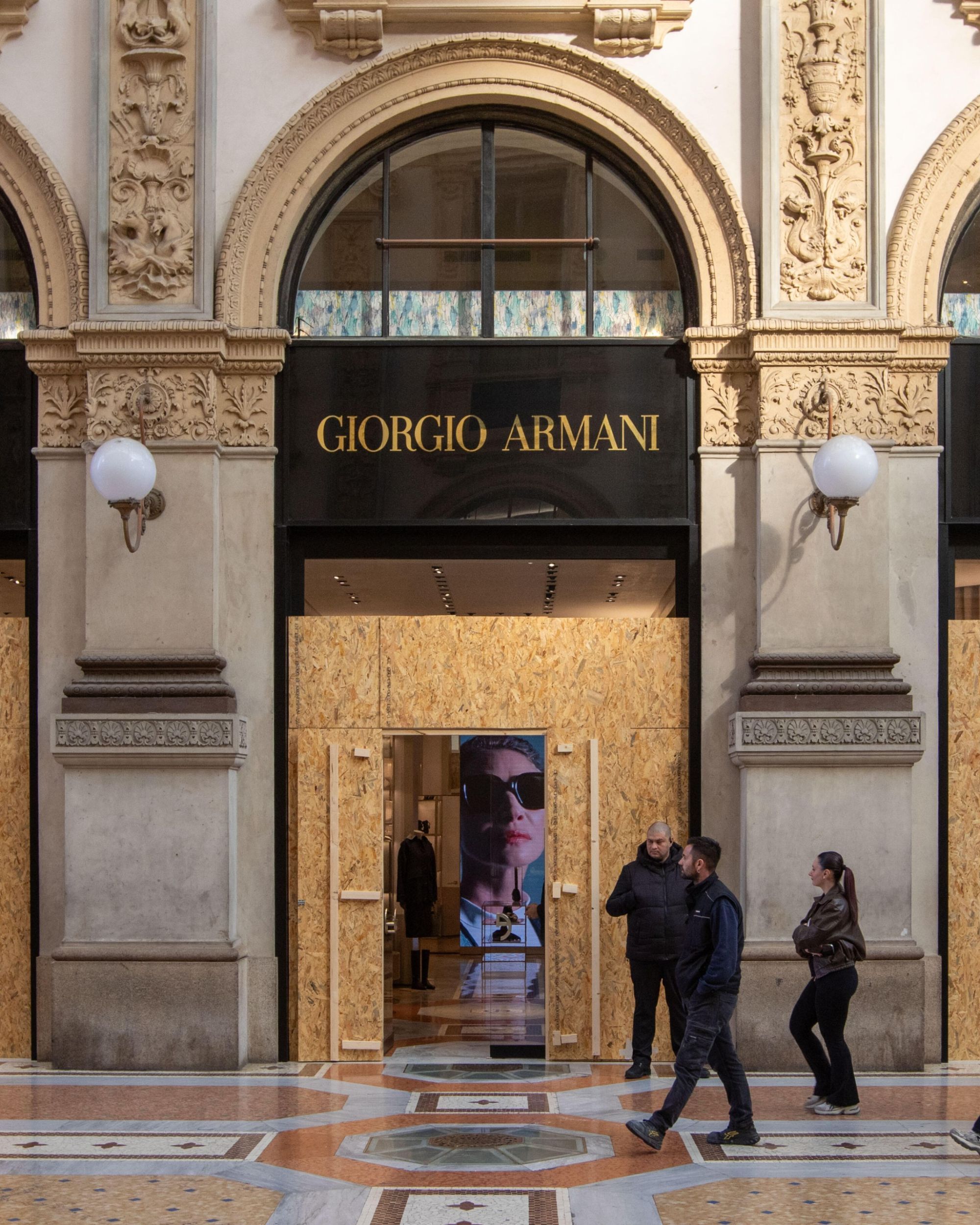
How much did the Milan protests cost local shops?
With Via Montenapoleone on lockdown and sales lost, some estimates put "damages" at 4 million euros
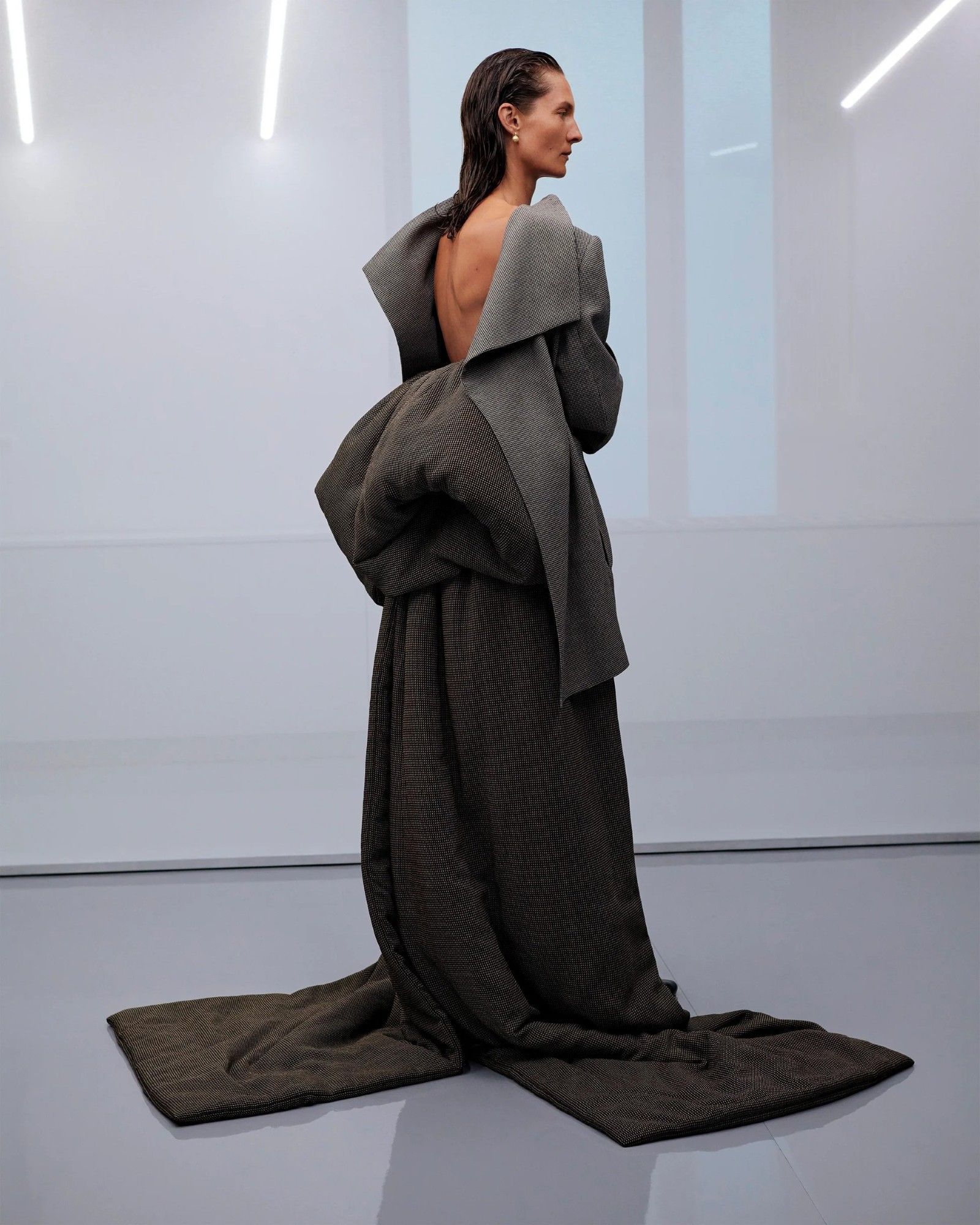
Now Phoebe Philo Wants You to Dress Avant-Garde
With Collection F, the designer plays with silhouettes in an entirely new way

Calvin Klein has opened a Denim Kiosk in Piazza Castello in Milan
Here is what went down at the opening event