




















Pitti Immagine has a new CEO and he's a tech entrepreneur Why are more and more fashion executives coming from other industries?
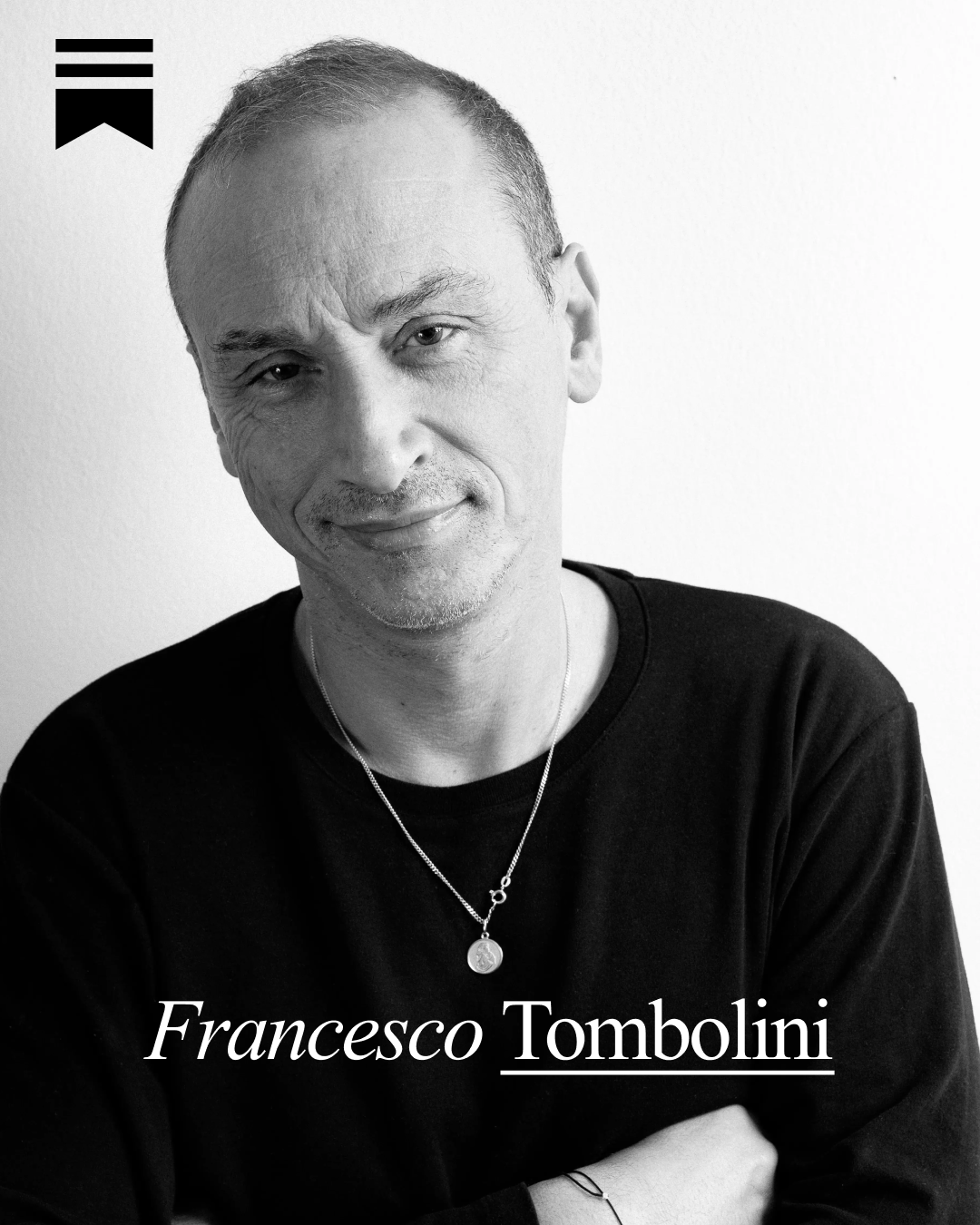
There has been a changing of the guard within the walls of the Fortezza da Basso, one of those moments that don’t just mark an ending but open up an entirely new phase. After 31 years at the helm of Pitti Immagine, Raffaello Napoleone is stepping down as CEO, handing over the role to Ivano Cauli. A transition that, at least on paper, maintains a sense of continuity, given that Napoleone will remain on the board as delegate for international and institutional relations. But the real shift lies in Cauli’s profile, as the new CEO does not come from the fashion world, but from consulting and tech.
Pitti looks to the United States and new business models
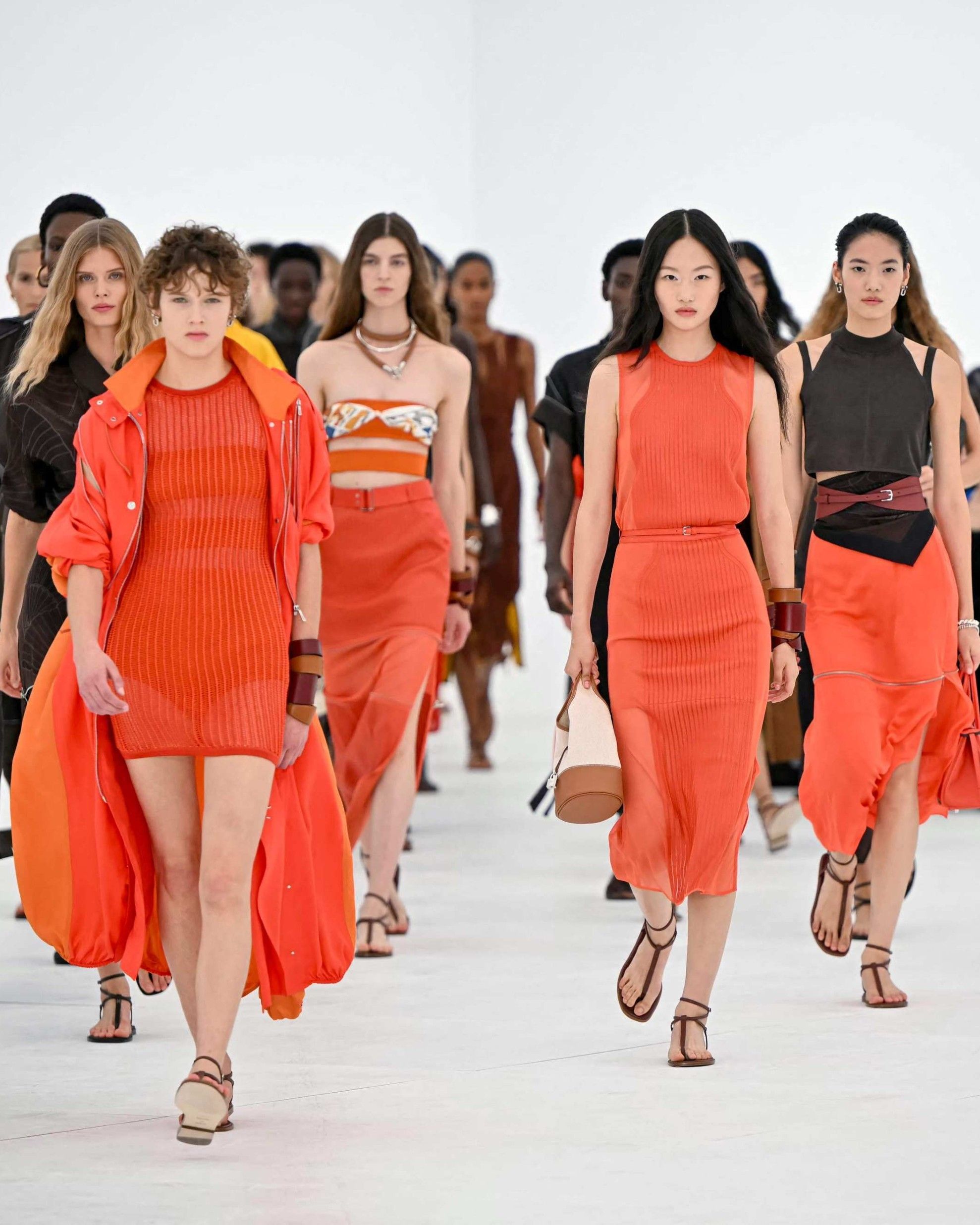
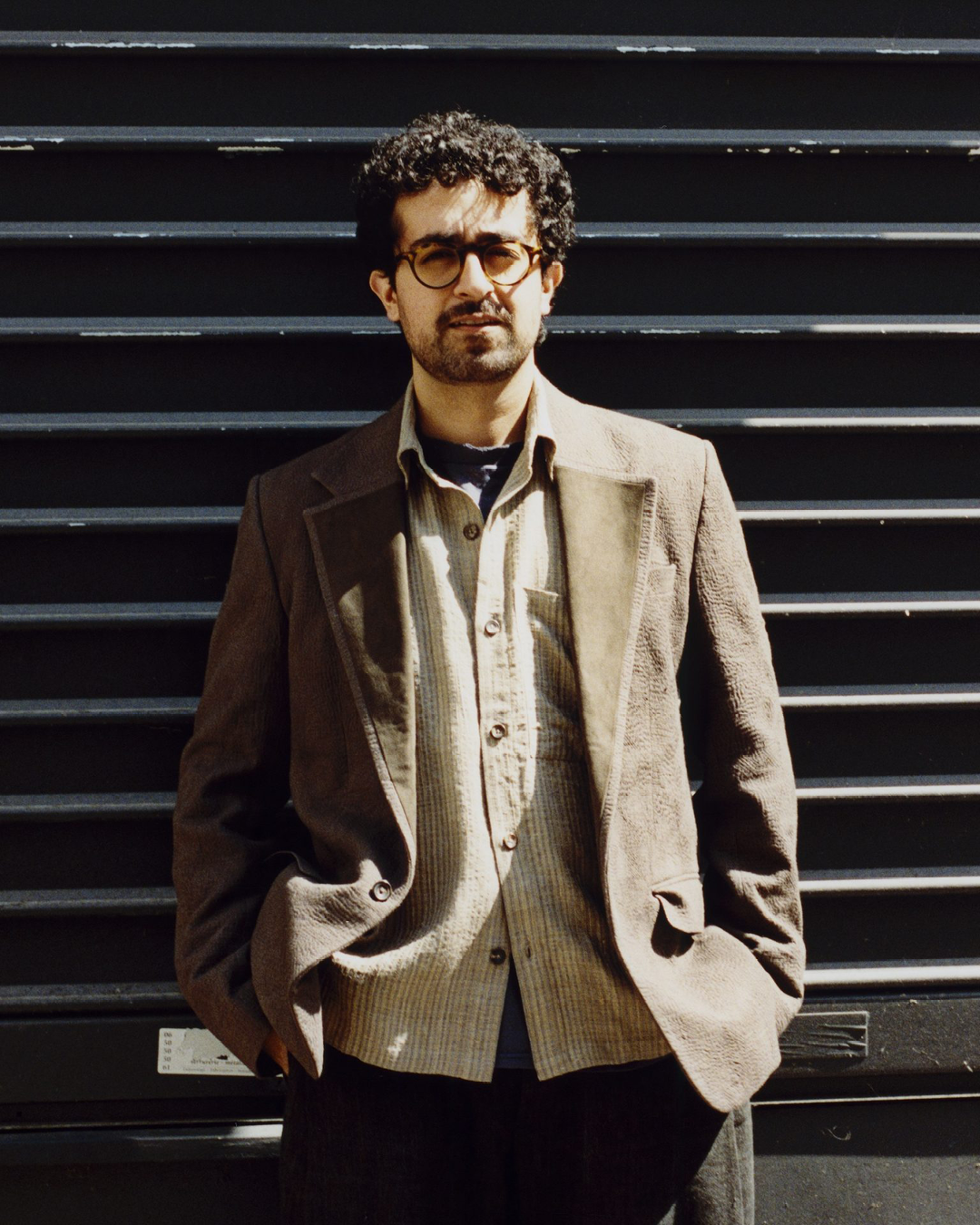
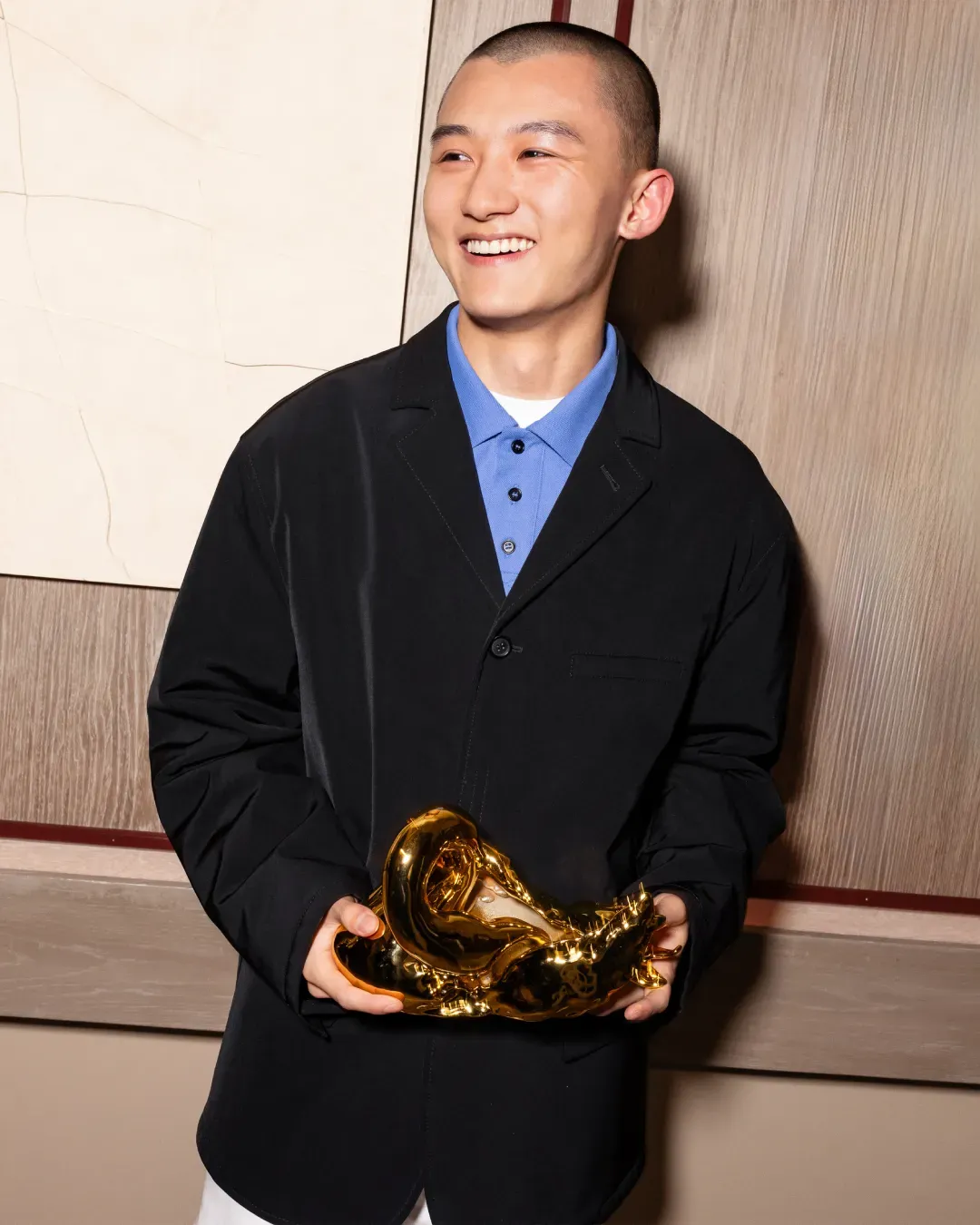
As highlighted by WWD, Cauli’s appointment fits into a broader phase of strategic rethinking, one that is increasingly focused on international markets, with the United States leading the way. In recent years, the Italian trade fair system has had to deal with an increasingly globalized audience, where the value of an event like Pitti is no longer measured solely by physical attendance, but by its ability to build connections, content, and communities beyond the days of the fair itself. This is also reflected in the growing presence of international guests as guest designers (this June featuring Simone Rocha and DSM Kei Ninomiya).
This is where Cauli’s profile becomes relevant to the transition: his experience across start-ups, innovation, and consulting, from Sapient to Openmind and later Accenture, aligns with a transformation affecting the entire sector. In recent years, Pitti has already started moving in this direction, expanding beyond its traditional fairs with parallel projects ranging from food to tech, including editorial and cultural events. A diversification that, as also noted by MF Fashion, aims to strengthen the group’s presence in areas not strictly related to fashion, opening up to new audiences and new business models.
More and more fashion CEOs come from outside the industry (and it’s no coincidence)
Cauli’s case is not an isolated one. On the contrary, more and more CEOs in the fashion system are coming from entirely different sectors, often defined by high performance, strong public exposure, and advanced data and operations management. In short, environments that are far more driven by numbers than aesthetics. The most evident example is Luca de Meo, who moved from the automotive industry to lead Kering, but he is not alone: Leena Nair (CEO of Chanel) comes from Unilever, while Ilaria Resta, now at the top of Audemars Piguet, built her career at Procter & Gamble before entering luxury watchmaking.
This is not a coincidence, but a clear shift in paradigm. Between creative directors increasingly treated as interchangeable assets—despite often becoming more important than the brands themselves—declining sales, and geopolitical factors that continue to negatively impact the sector, it is almost natural that fashion today is looking not so much for a “competent” CEO, but for someone skilled in crisis management. At a time when the system is less about product and more about a cultural platform, media ecosystem, and technological infrastructure, the CEO is no longer just an interpreter of taste, but a mediator between different worlds. And perhaps that is exactly why Pitti, which has always been at the center of these dynamics, has chosen to rely on someone who, when it comes to fashion, might know almost nothing at all.
What to read next
Kering Academy for Excellence, the first academic year gets underway
With a ceremony attended by Luca De Meo, CEO of Kering

If luxury wants China's money, it must invest in China
Sabato De Sarno, Kering's bet on Icicle and the new trajectory of investments