






















What does «democratic design» mean to IKEA? Interview with Patrik Gustafsson, Global Home Furnishing and Retail Design Manager at IKEA
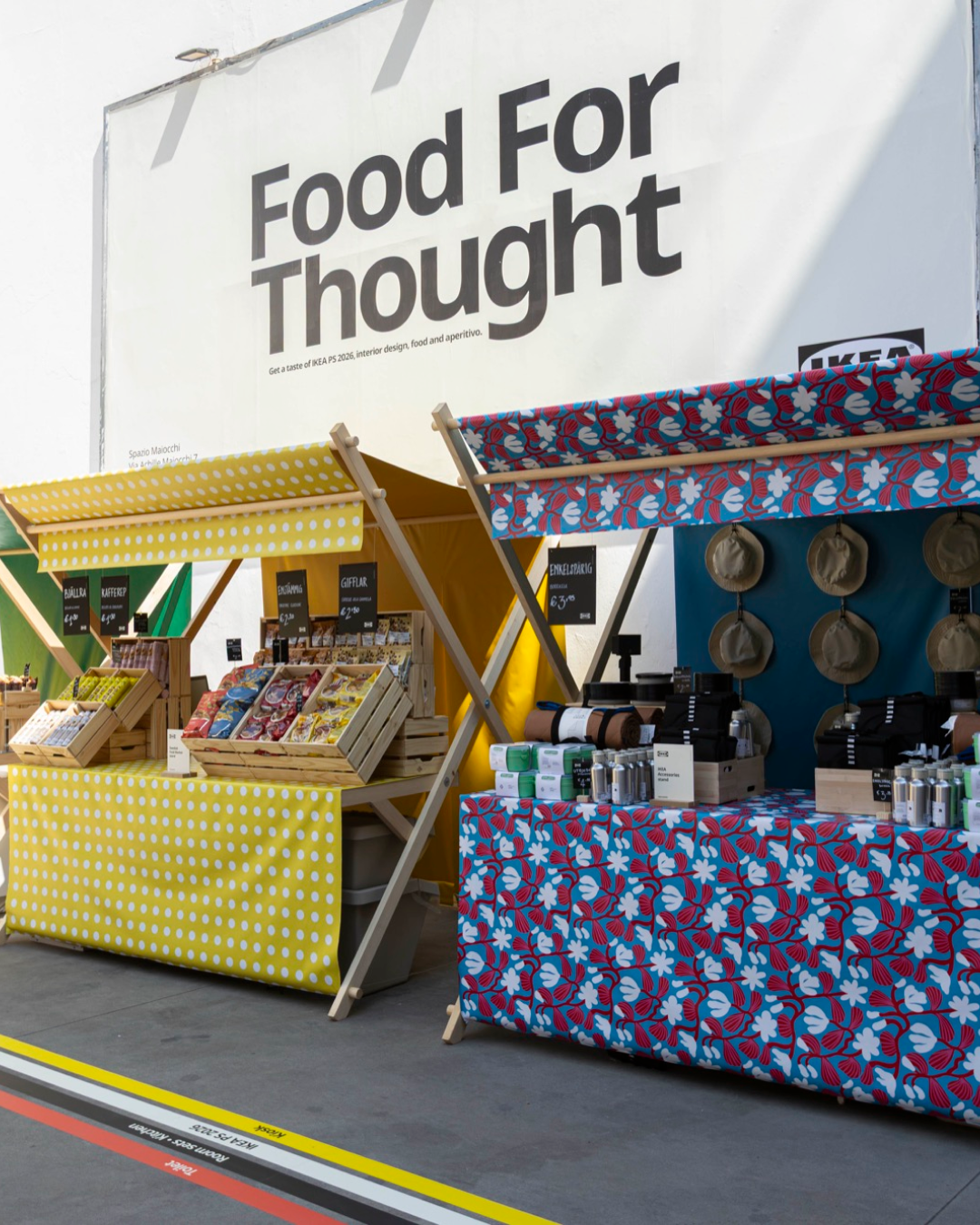
During the 2026 Milan Design Week, as installations grow increasingly spectacular and queues stretch ever longer, design seems to have long moved beyond the object to become an experience. It is precisely within this shift that IKEA positions itself, having built an increasingly recognizable presence at the Fuorisalone in recent years. With Food for Thought, IKEA returns to Milan with a project that goes beyond simply showcasing products, instead attempting to reflect how we truly inhabit domestic spaces today, starting from one of the most everyday and universal gestures, cooking, eating, and being together.
As Patrik Gustafsson, Global Home Furnishing and Retail Design Manager at IKEA, explains, the starting point is not so much the object as it is behavior. The installation stems from a reflection that has become increasingly central to the brand, focusing on rituals related to food and conviviality, understood as a key to interpreting how homes evolve and, consequently, how design evolves with them.
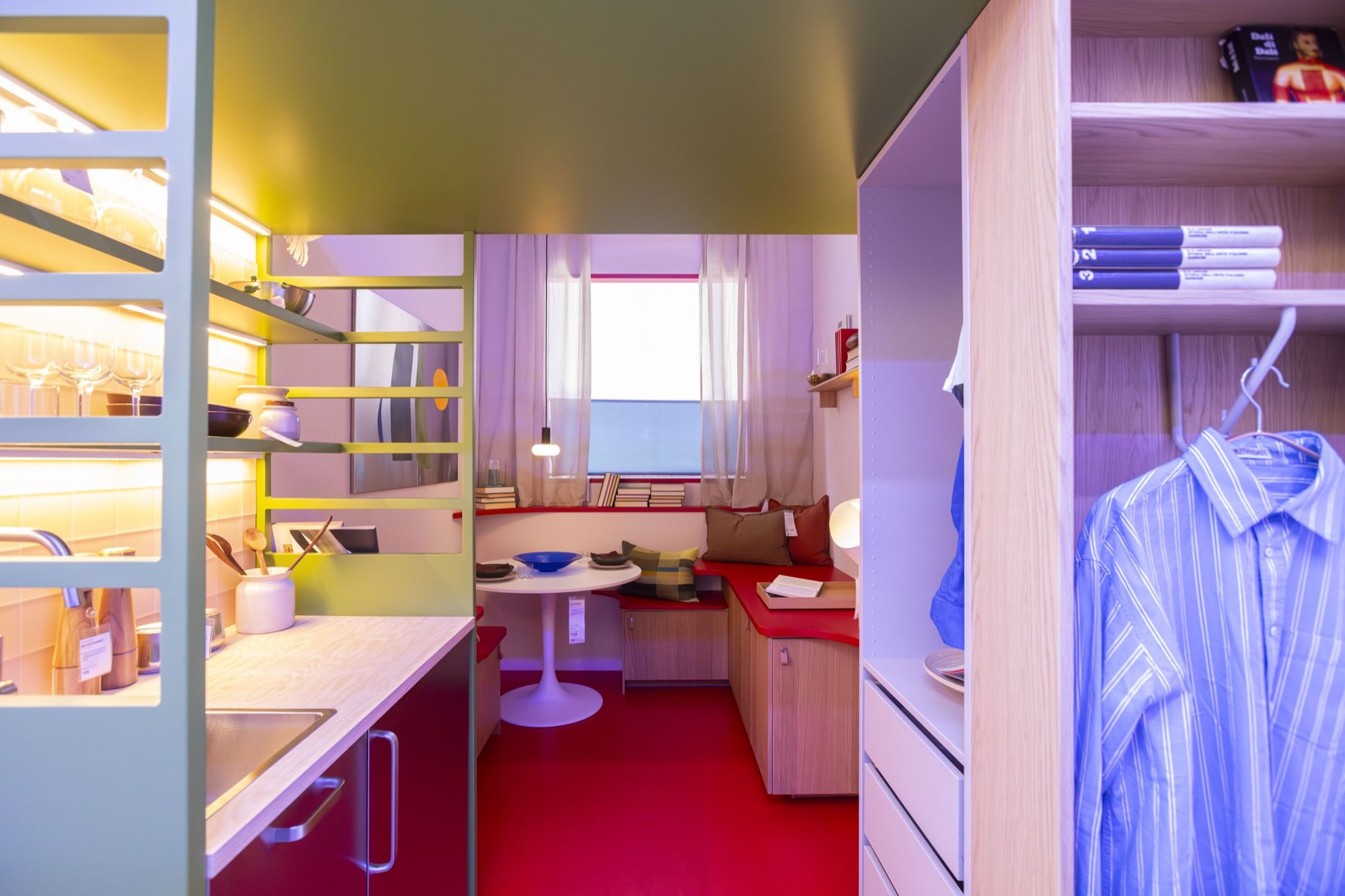
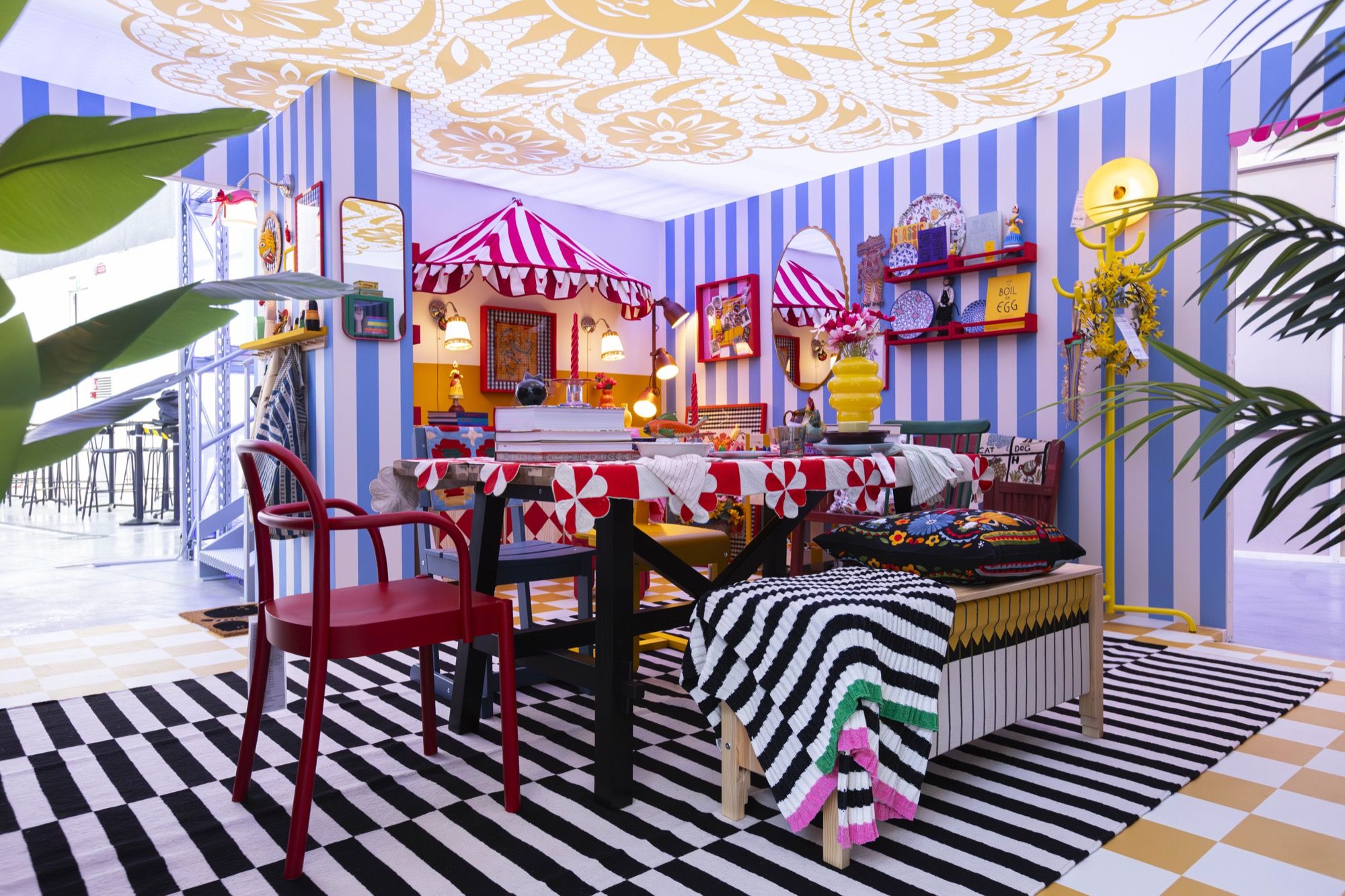
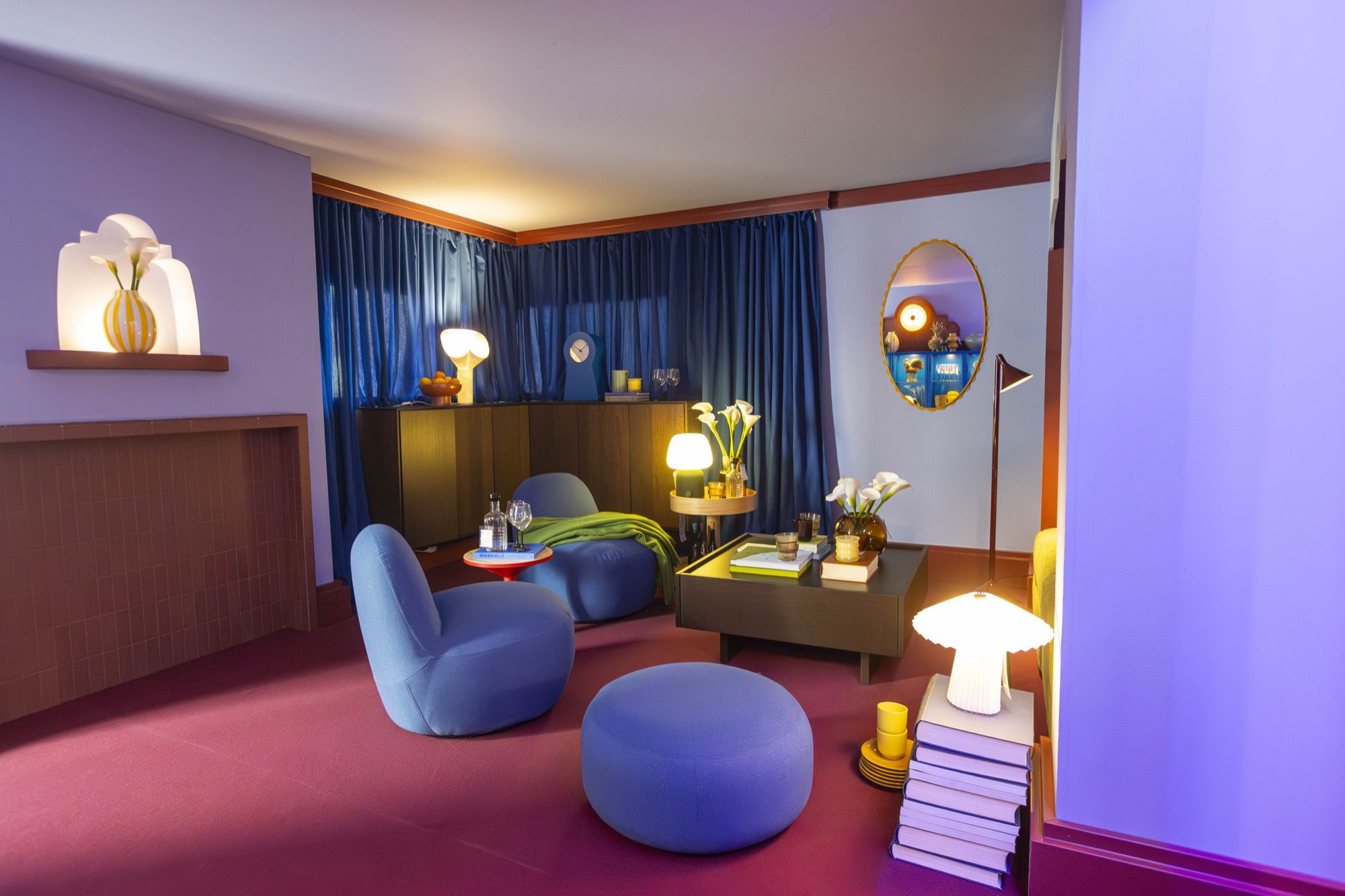
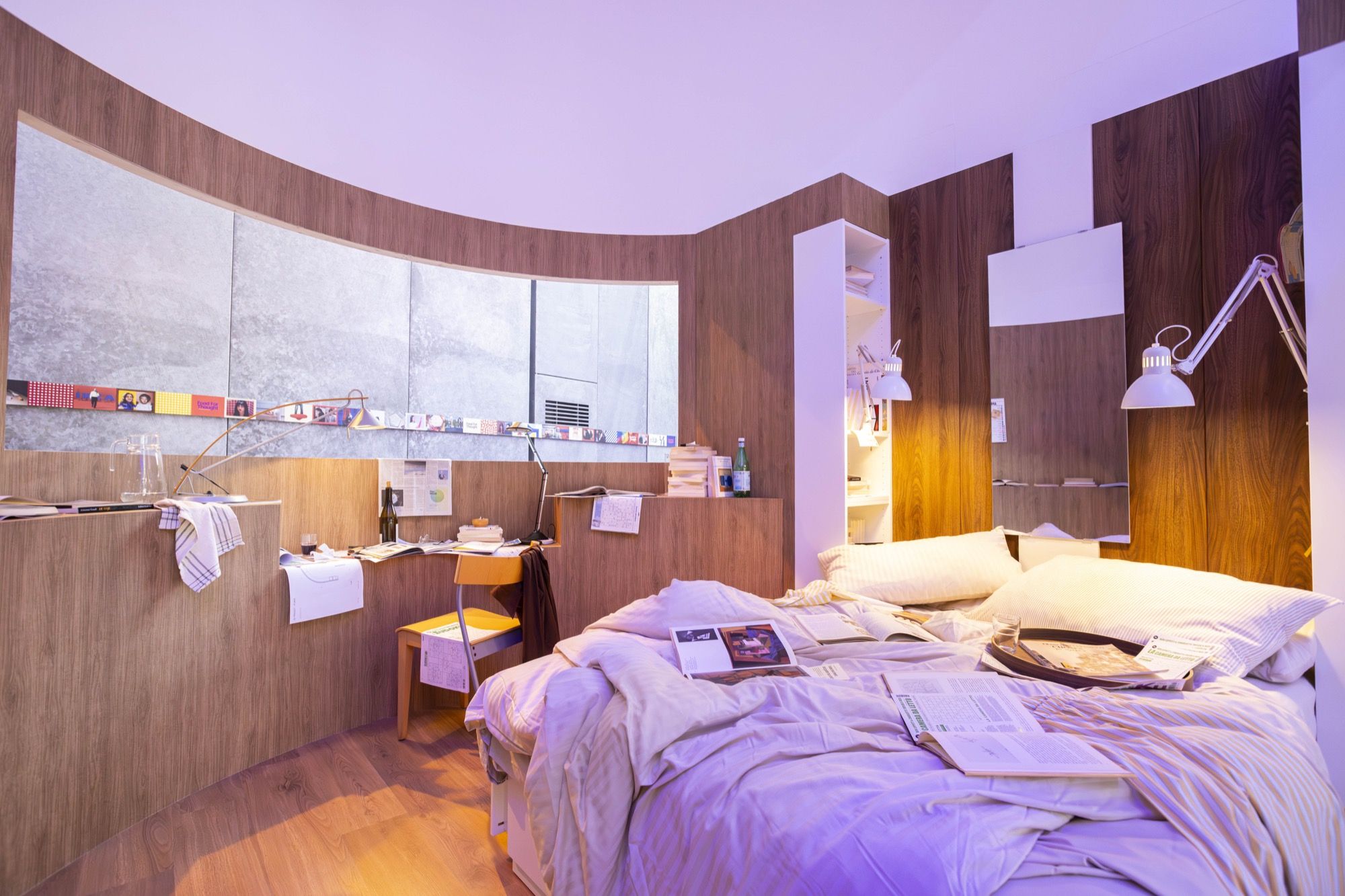
Milano Design Week has gradually become less about design and more about experience, something IKEA has been doing particularly well in recent years. How did this year’s concept, Food for Thought, come to life?
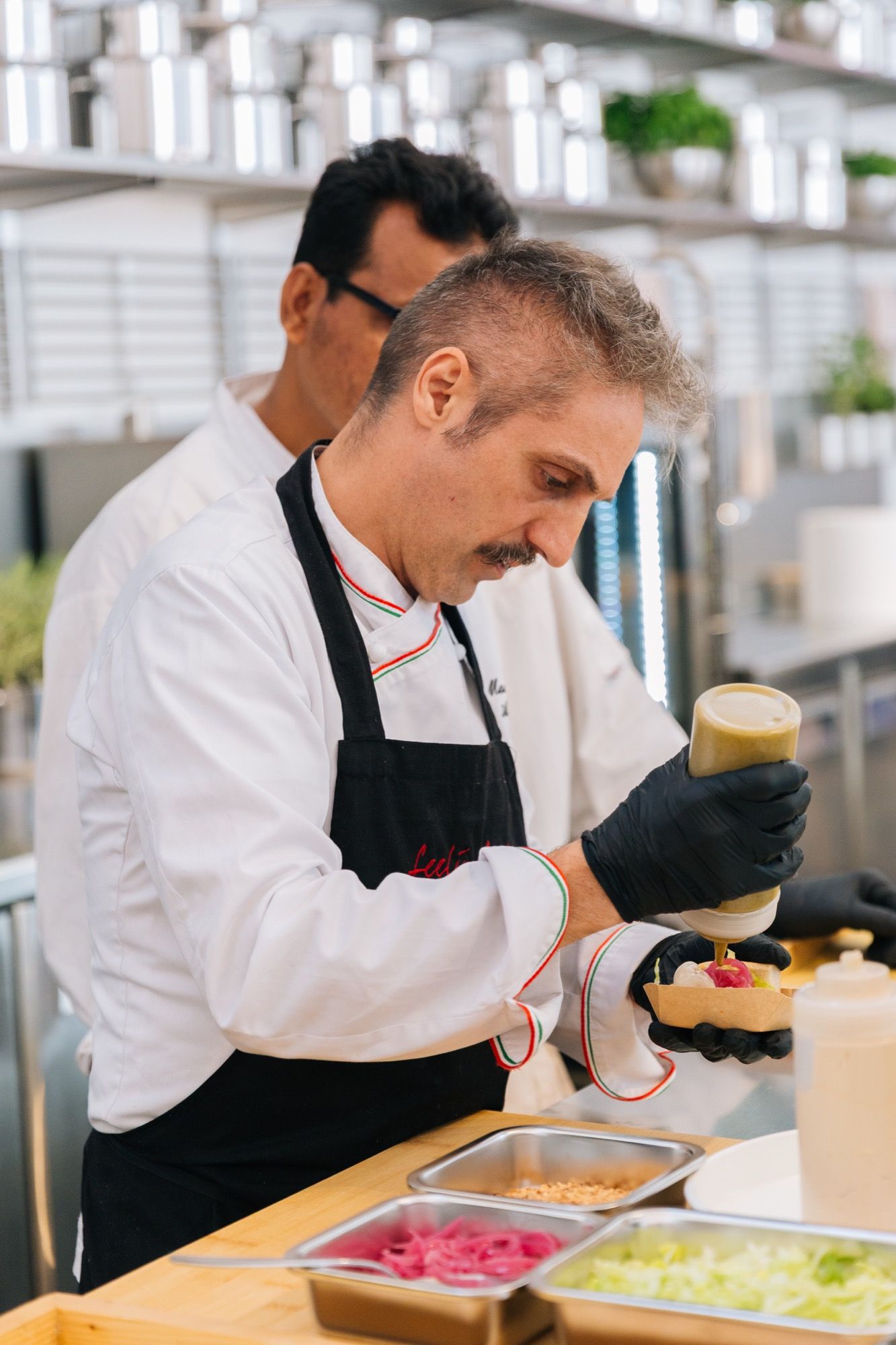
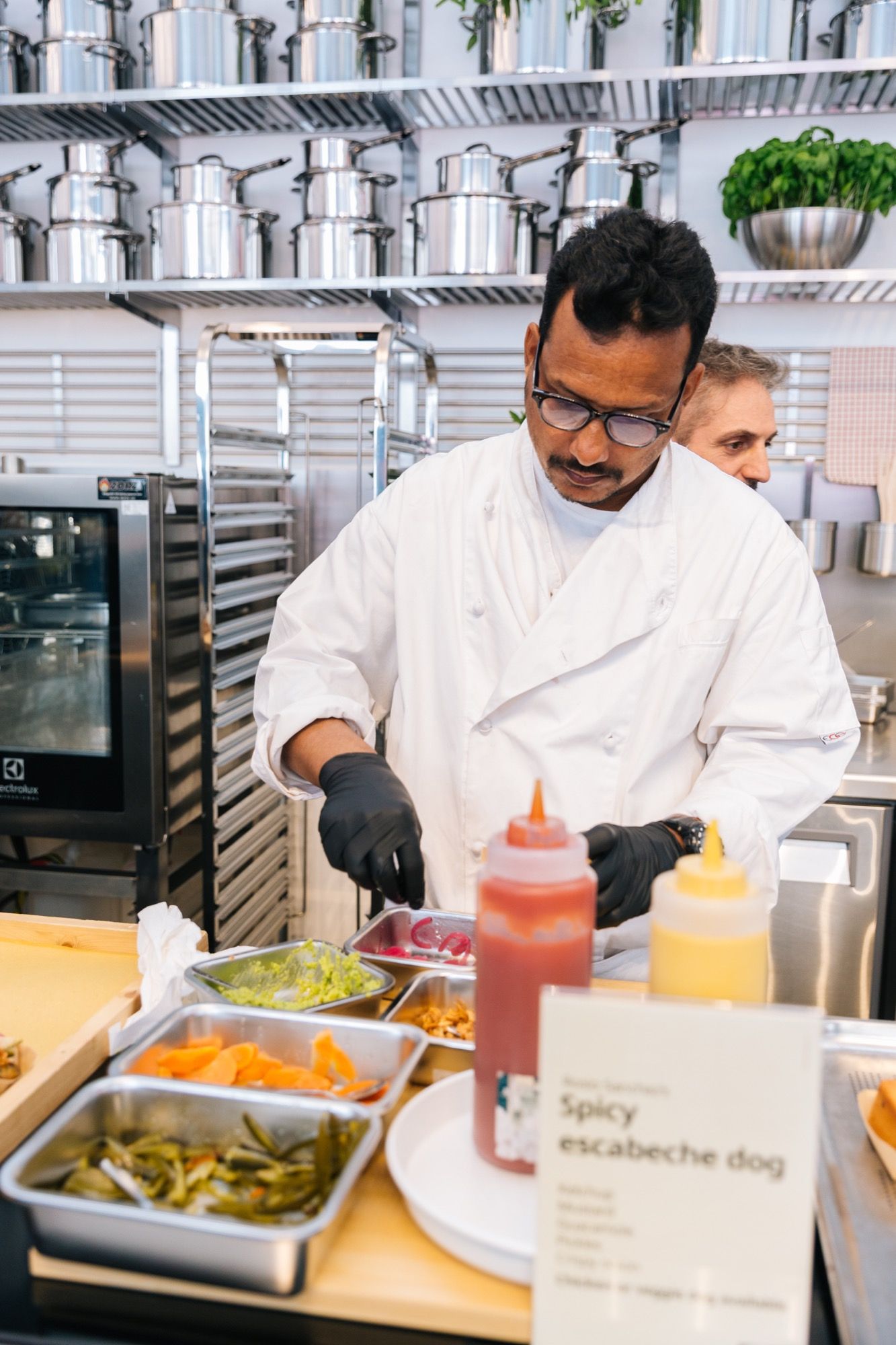
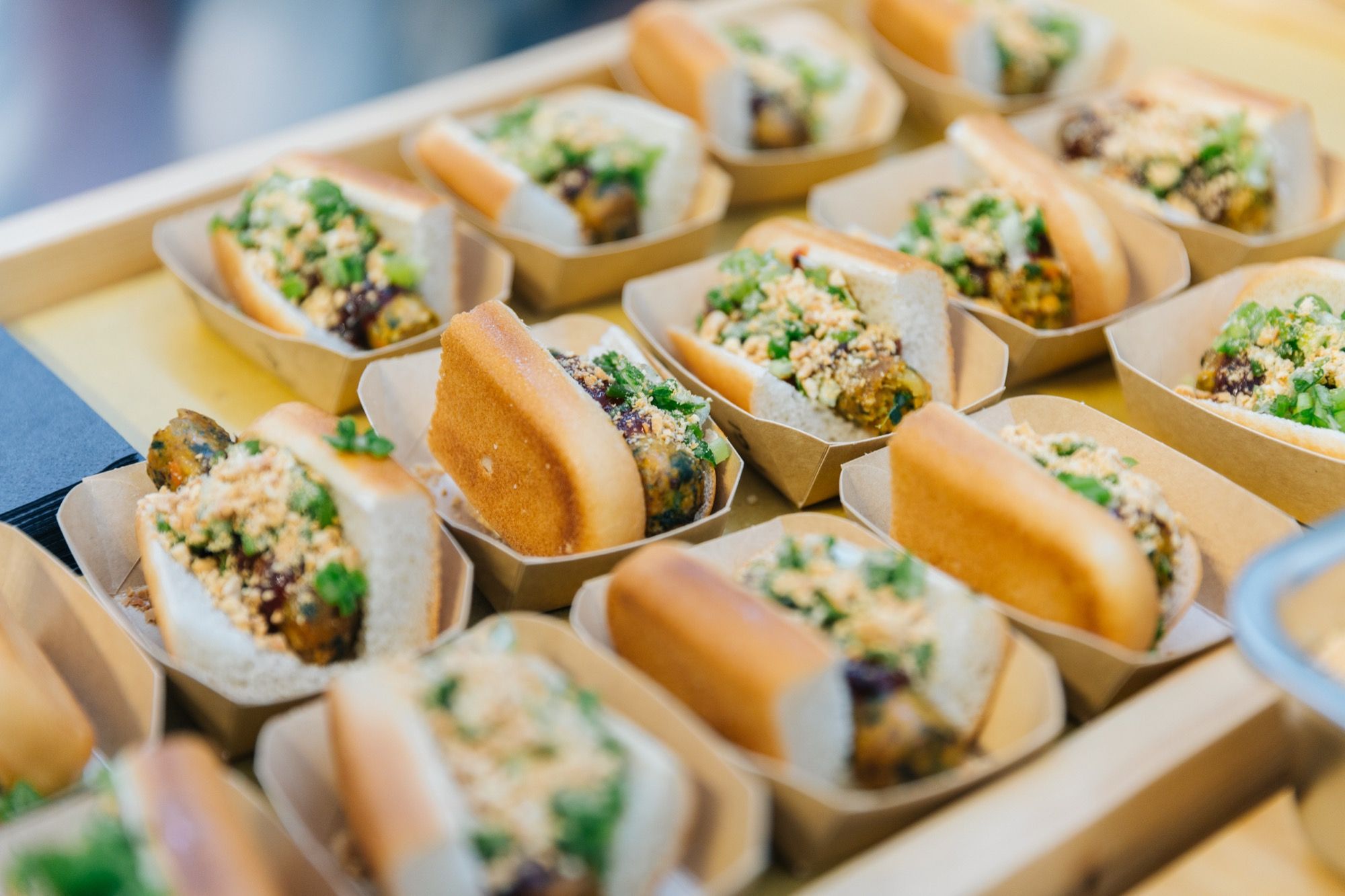
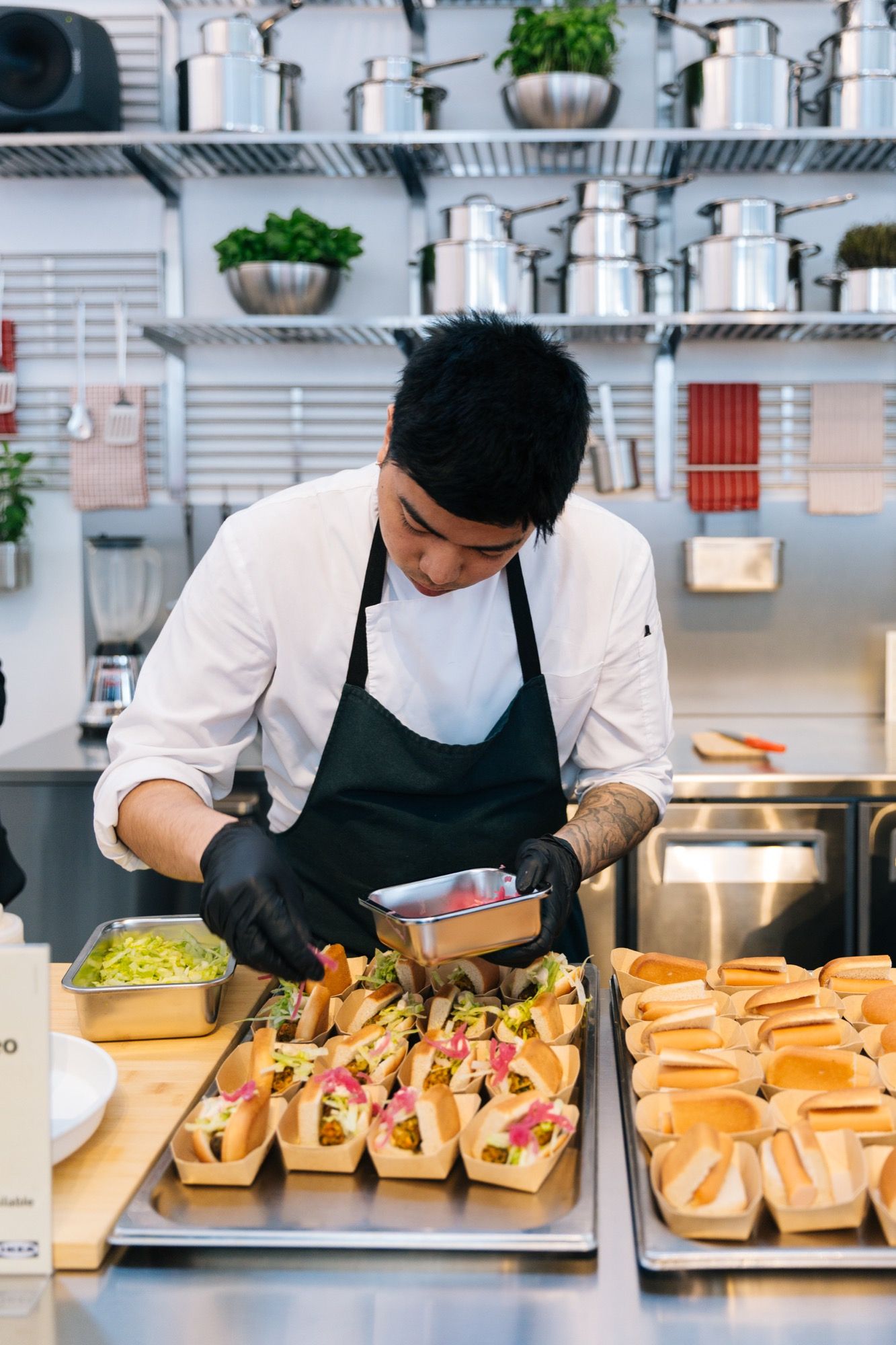
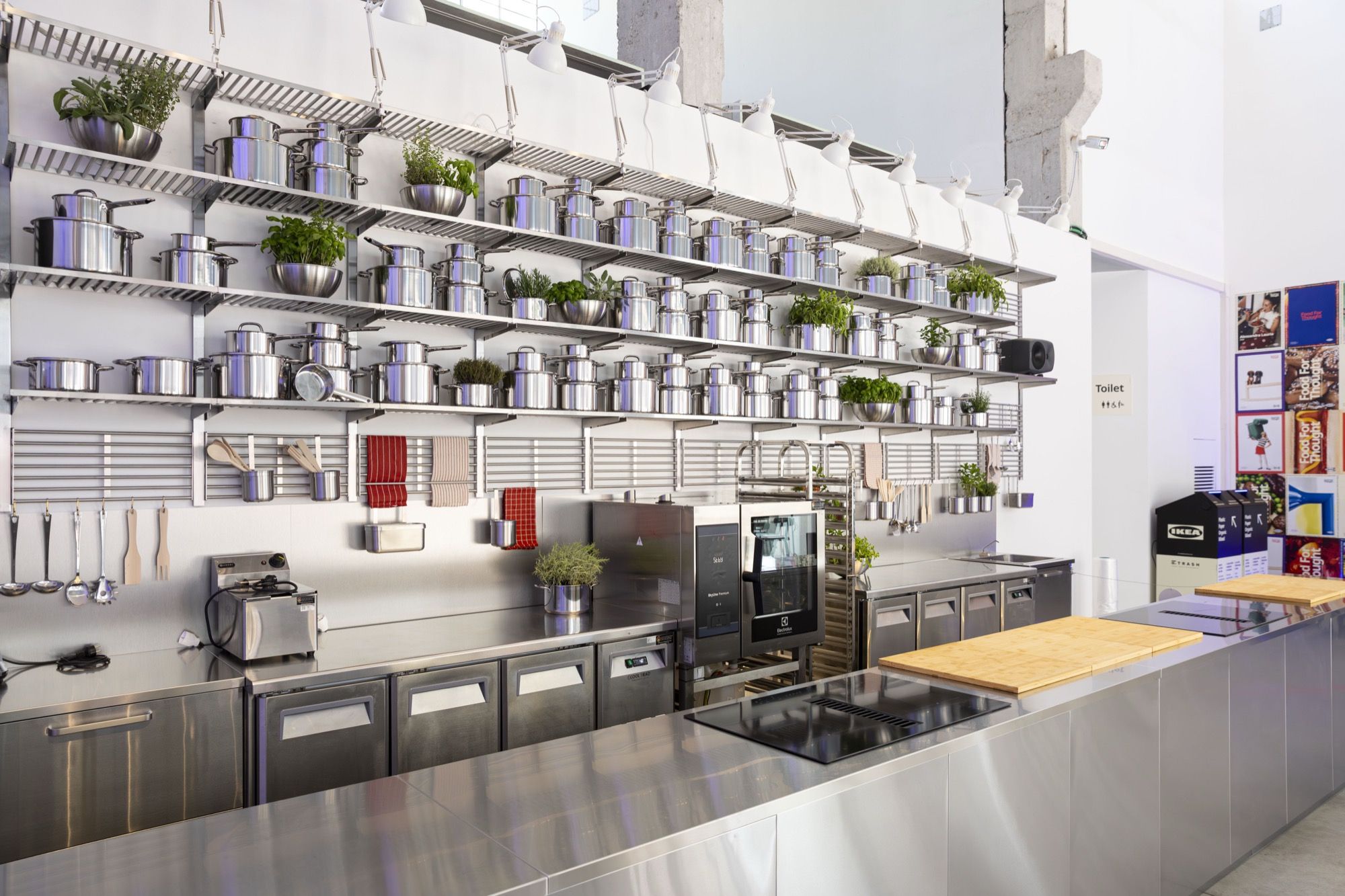
It really starts from a growing focus we have on food, cooking and eating. With Food for Thought, we wanted to explore that idea while also bringing in new perspectives through collaborations with chefs and interior designers. It’s about looking at how we live today, but also asking what we need to learn and how we need to evolve to stay relevant in the future.
The experience is, of course, a big part of it. We’ve put a lot of effort into the food aspect, but also into creating something playful. At the same time, coming from home furnishing and interior design, I’m particularly proud of how we’ve brought together very different disciplines to look at the home from a new angle.
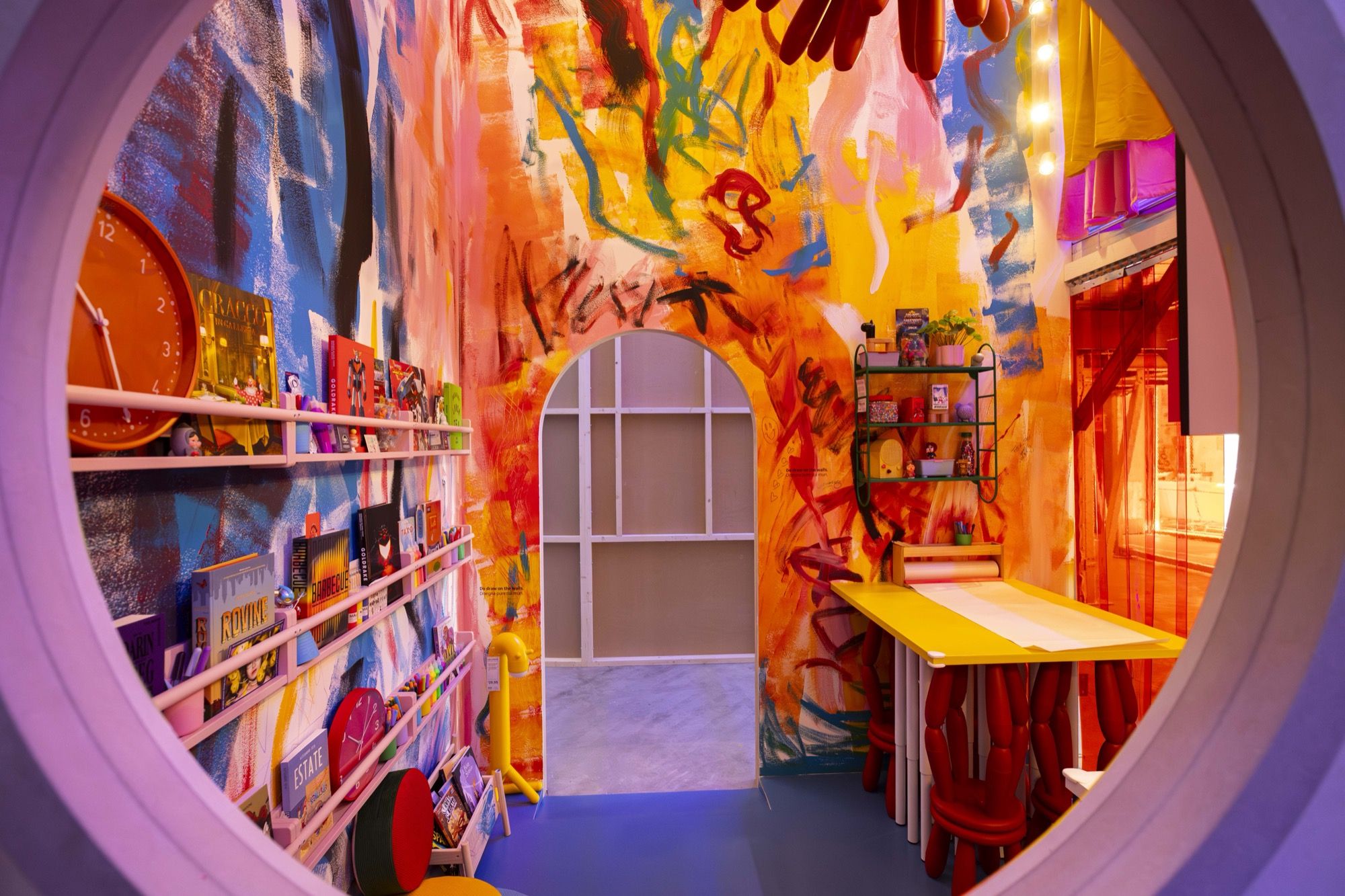
For me, what makes it special are also the emotional connections. There’s a room where visitors are invited to write on the walls, and that immediately reminded me of my childhood, when I was allowed to draw on mine. That kind of interaction creates a very personal connection to the space.
This is a hybrid installation, not just something to observe but something to experience, combining food, design and social interaction. How important is it today for IKEA to design not just objects, but meaningful elements for everyday life?
Meaning comes through what we call democratic design. That’s where all the effort goes into creating products that are truly valuable for people. Some pieces will stand out on their own, but many of our products are part of a bigger system, helping you build your home in a way that works for you.
What makes IKEA quite unique is that we design the full solution. We can think about everything, from how a wardrobe is organised to how lighting, beds and furniture come together in a room. That’s where meaning is created, in how everything functions as a whole.
At the same time, playfulness is something we really want to embrace more and more. You see it in our product ranges, but also in how we design retail experiences. We are exploring ways to make spaces more interactive, even introducing elements inspired by gamification. The idea is to create engagement and make the experience of home furnishing more dynamic.
Milan Design Week is often described as one of the most democratic moments in the city because it’s open to the public, yet it’s also becoming less accessible due to queues and overcrowding. Where does IKEA stand on democratic design within Design Week today?
For us, it has always been important to choose venues that are open and inviting. Of course, there are always limitations in terms of how many people you can host, but accessibility remains a key criterion. If we think about our vision, to create a better everyday life for the many people, that has to guide everything we do, even here in Milan. We want to be as inclusive as possible and stay true to that idea of reaching the many, not just a few.
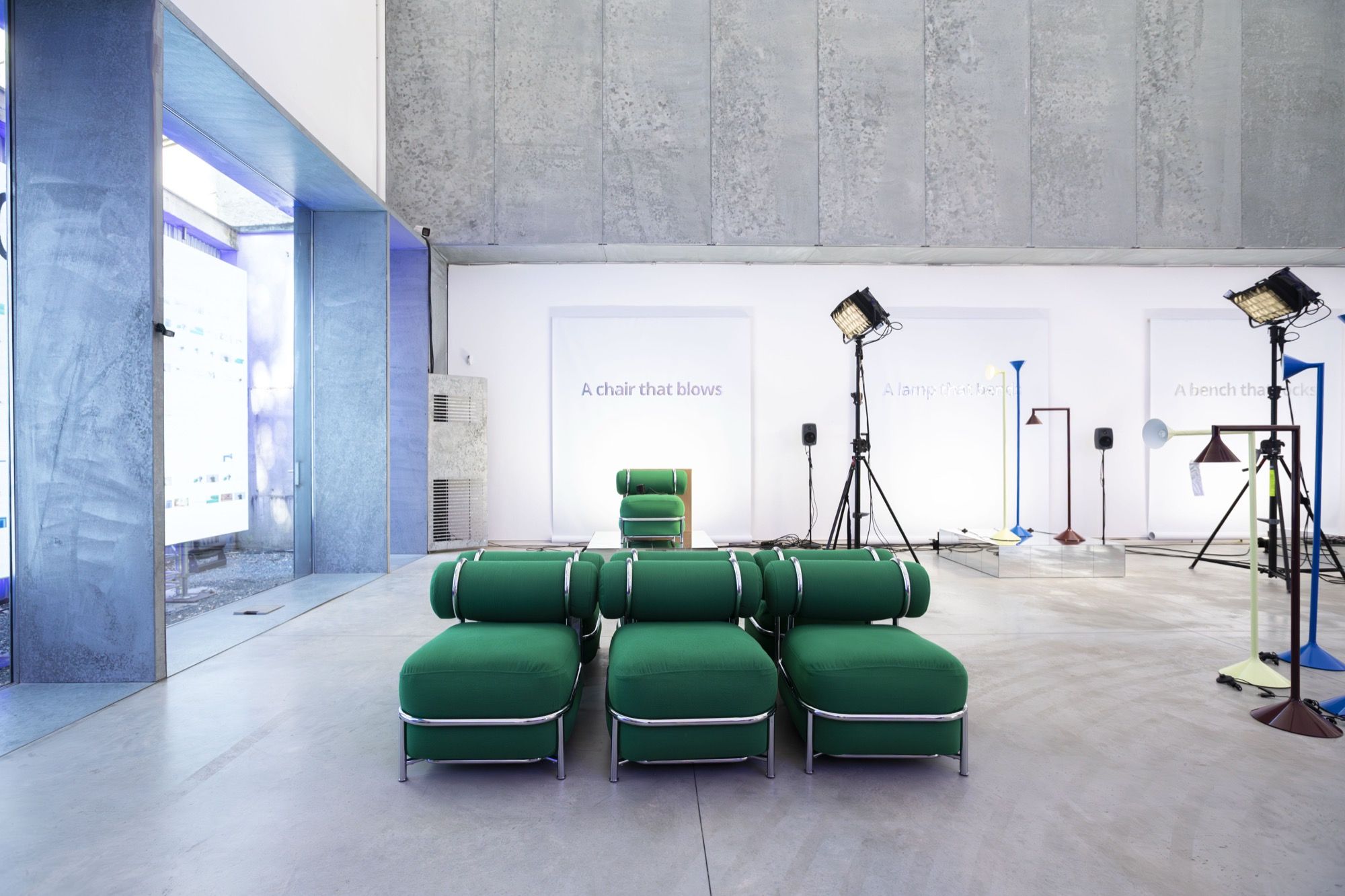
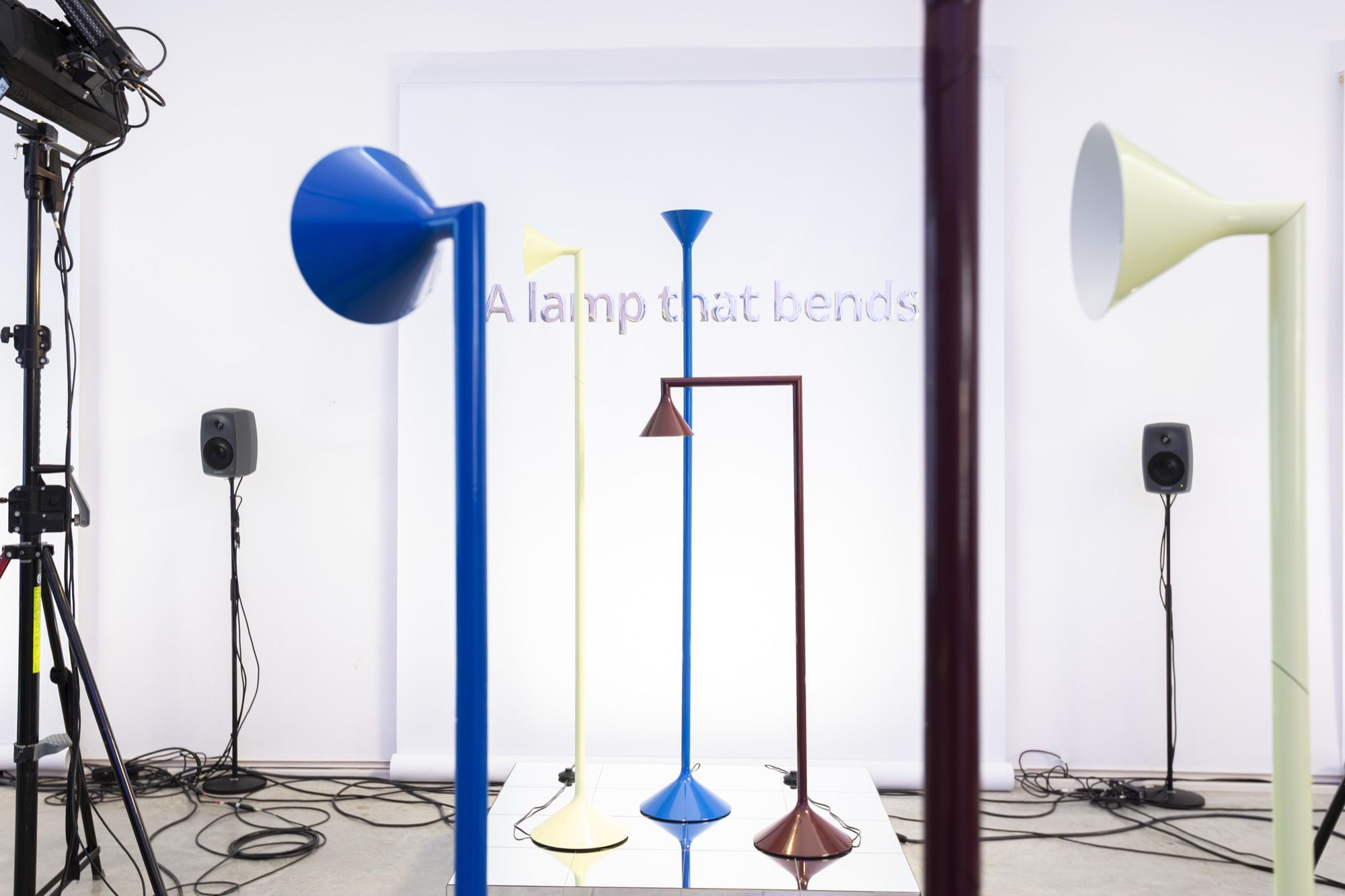
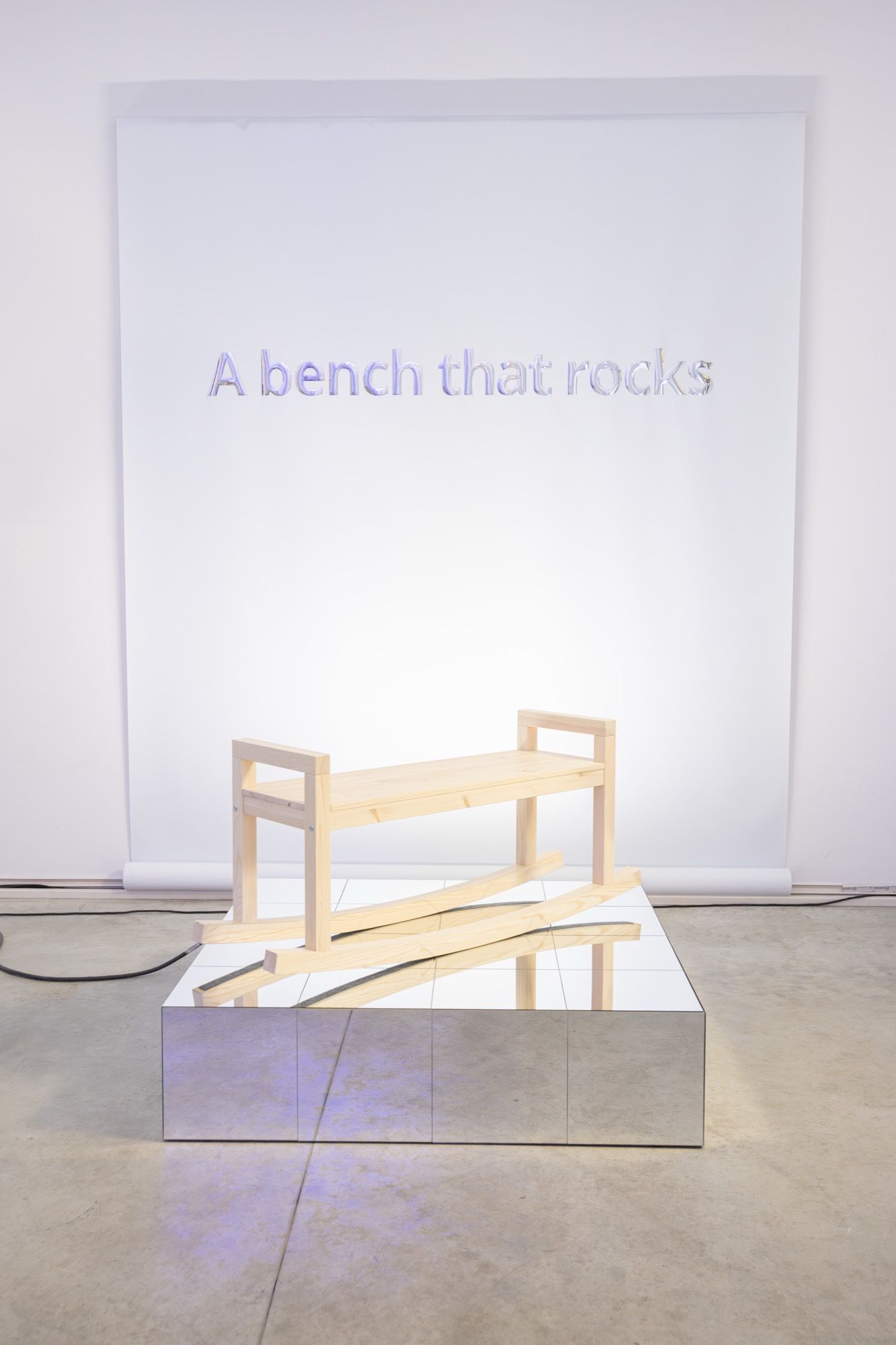
Is this your first time at Spazio Maiocchi?
Yes, it is. We’ve been present at Milano Design Week for several years now, usually in the Tortona district, so this is our first time in Porta Venezia. It’s nice to change context and explore different areas of the city, while still keeping the same intention of being open and accessible to everyone.
This is the 10th edition of IKEA PS, and it feels more playful than previous ones. Why is this collection particularly relevant today?
I think it’s very much about the moment we’re living in. There are many uncertainties and challenges in the world, and bringing playfulness into design feels more important than ever. That’s something we explore with IKEA PS, but also across other parts of our work, not only in product design but in the overall experience. It’s about staying true to who we are while responding to what people need today. And right now, I believe that sense of playfulness and lightness has real value.
What to read next
adidas Originals opens a new store in Rome on Via del Babuino
Here's what went down at the opening event
Miu Miu's commercial boom is coming to a halt
The rest of the Prada Group, however, is holding up well
5 Style Lessons We Can Learn from Jeff Goldblum
How to put together a look inspired by the iconic actor