




















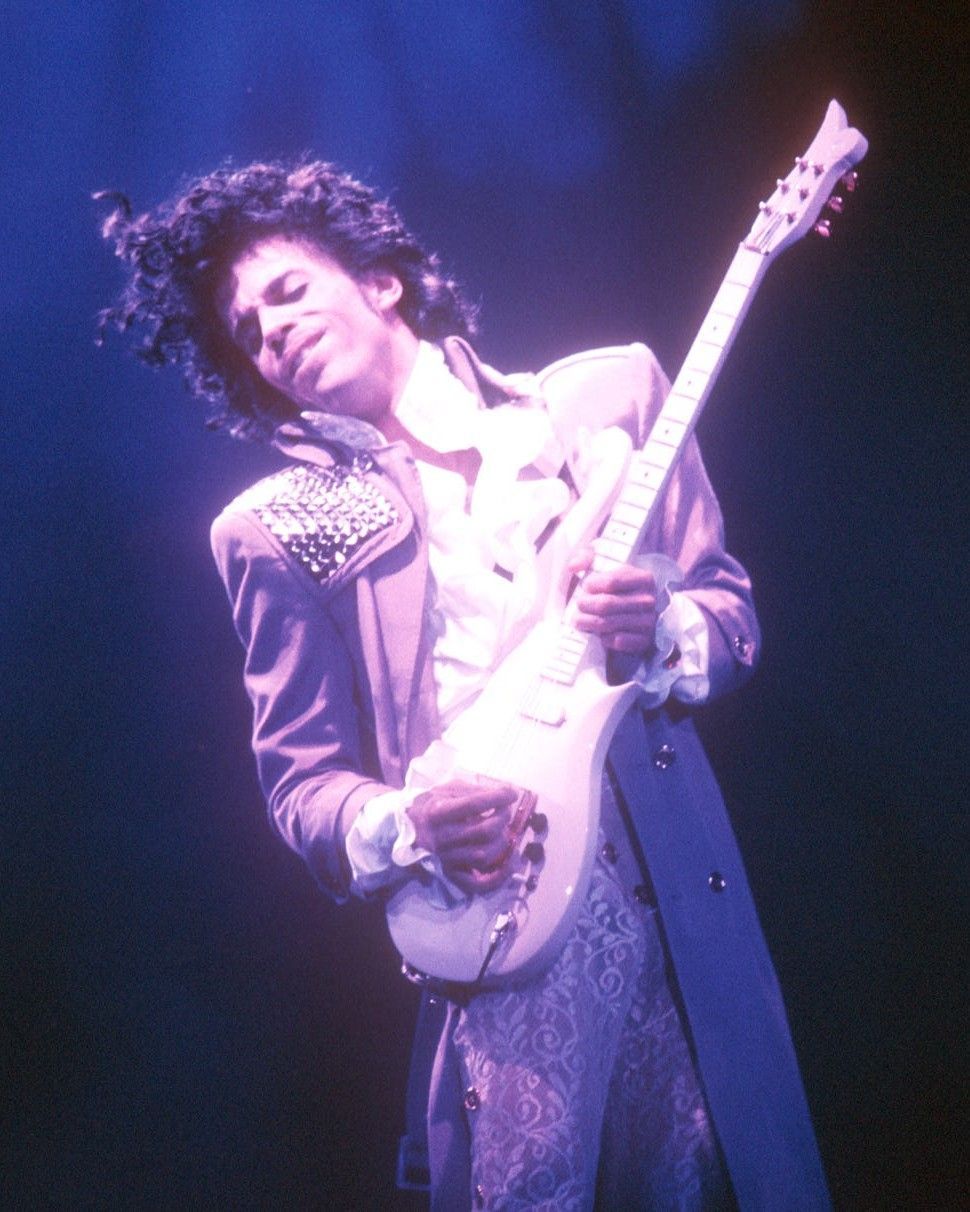
Prince taught us that everyone needs a touch of purple Just a touch
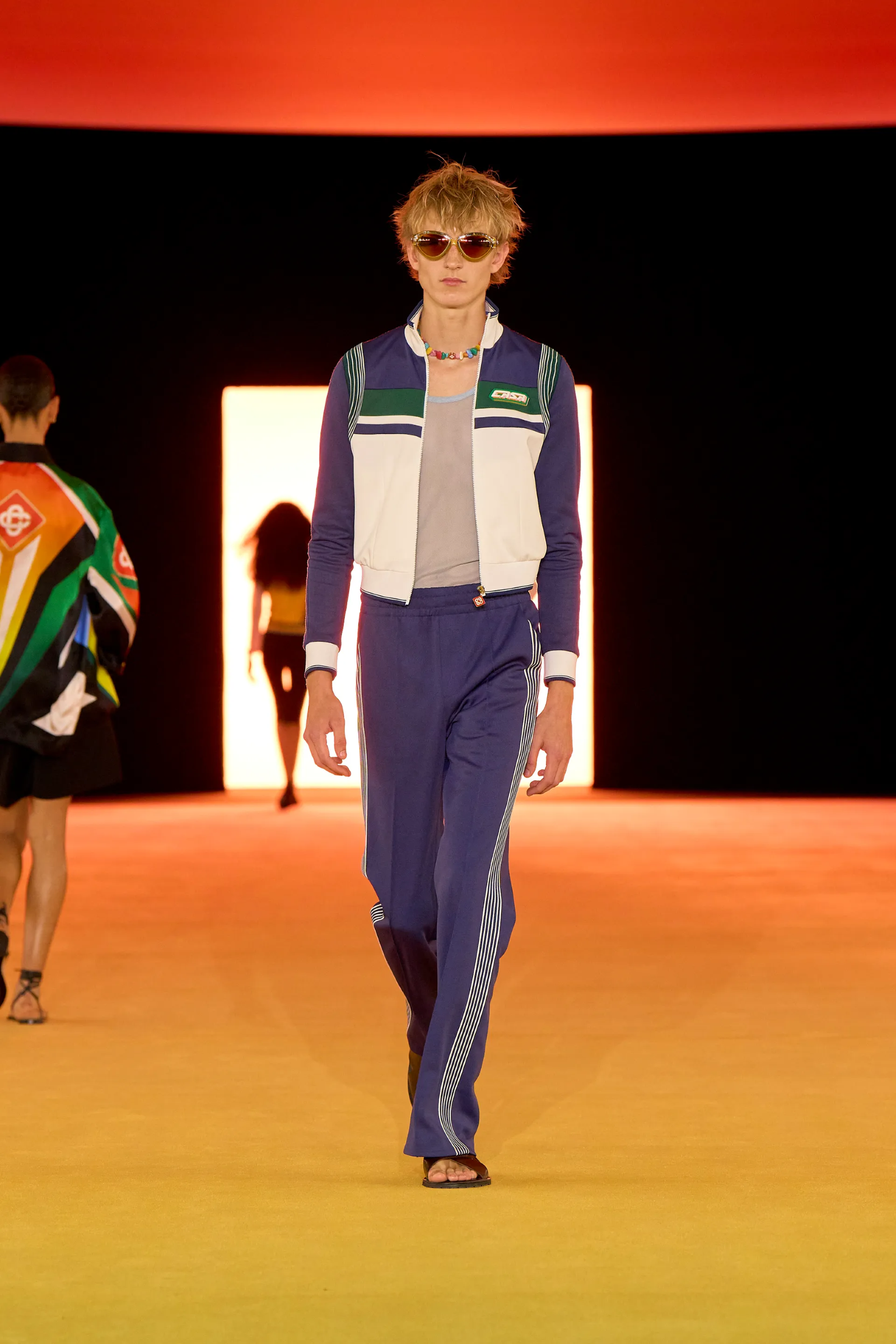
Casablanca SS24
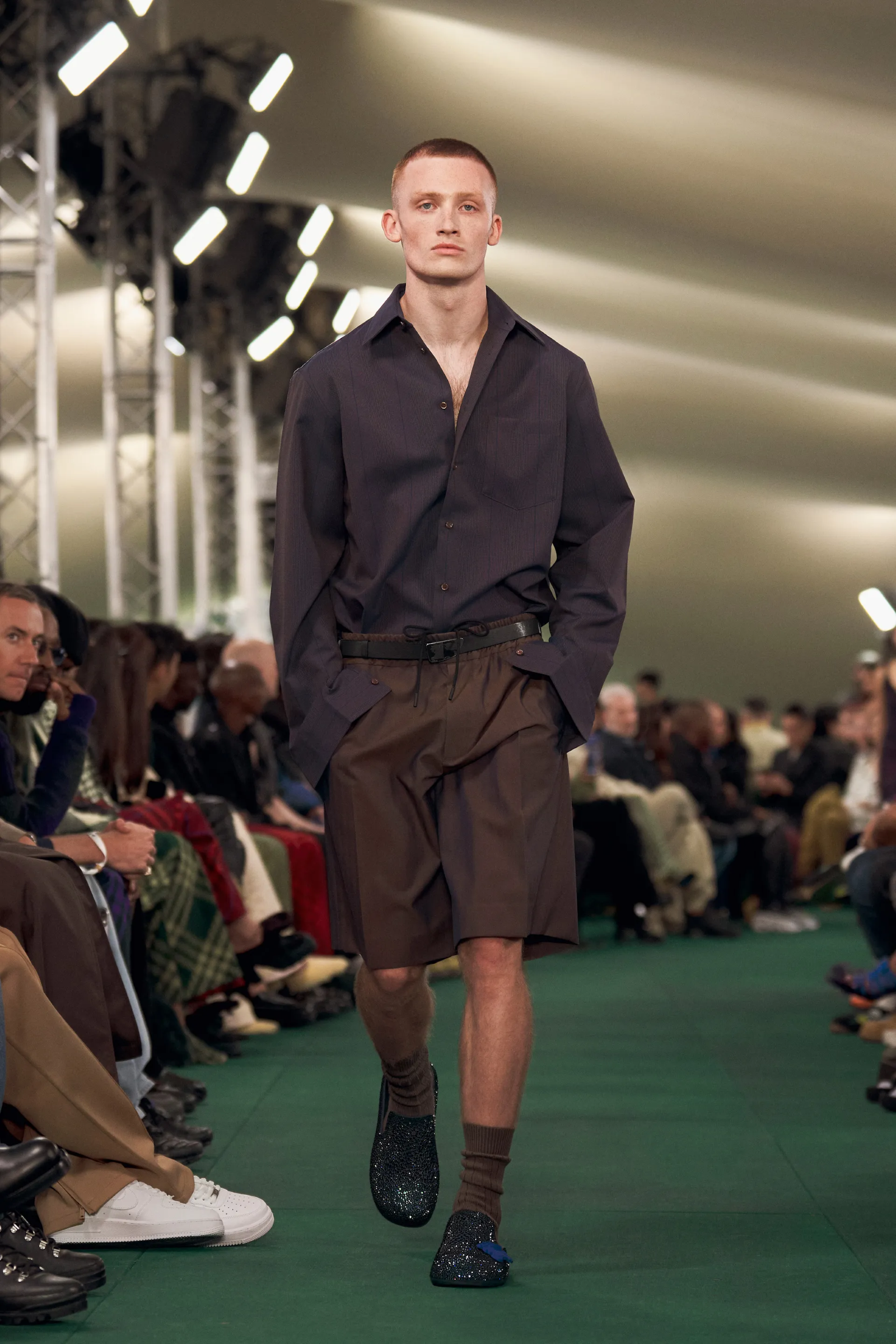
Burberry SS24
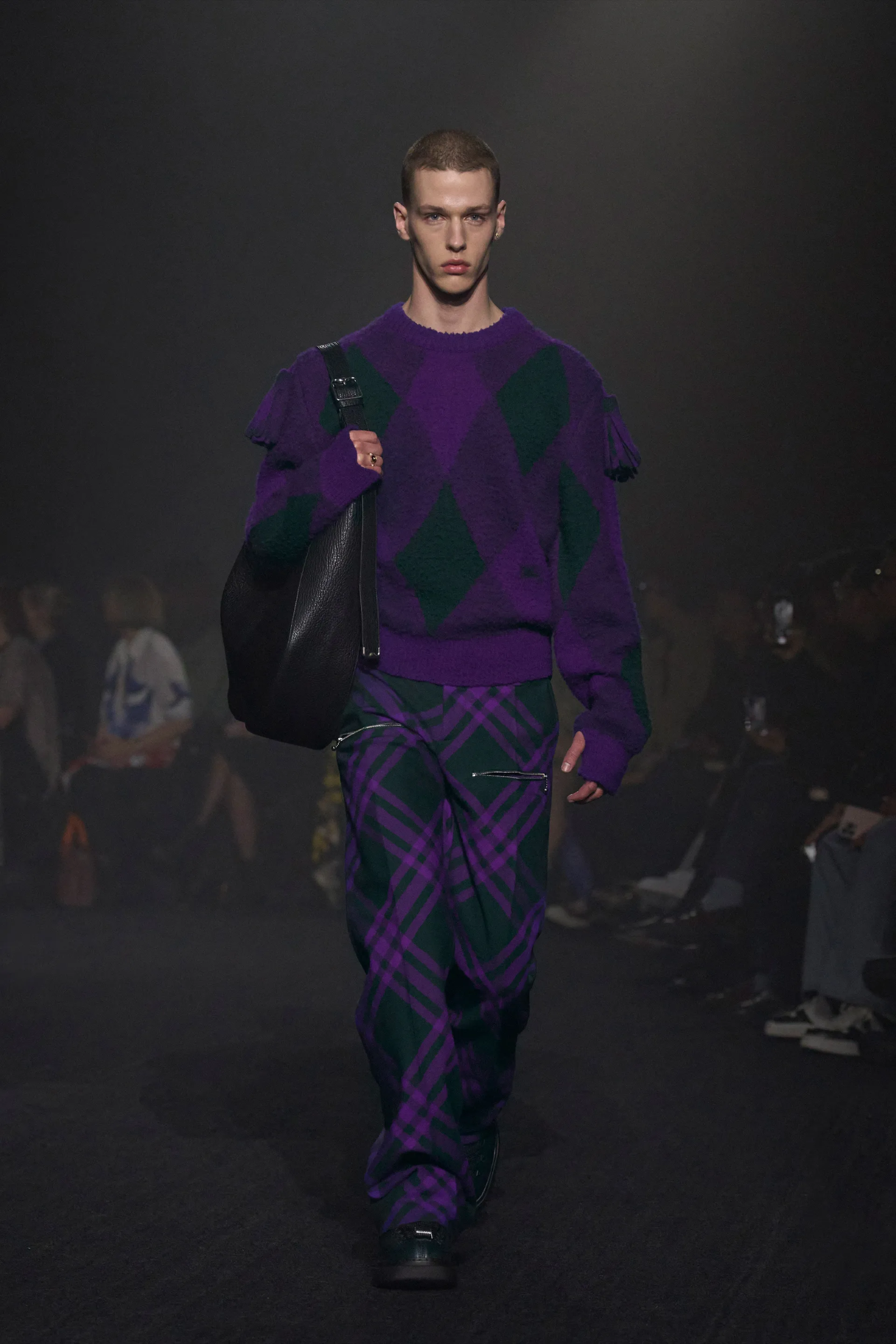
Burberry FW23
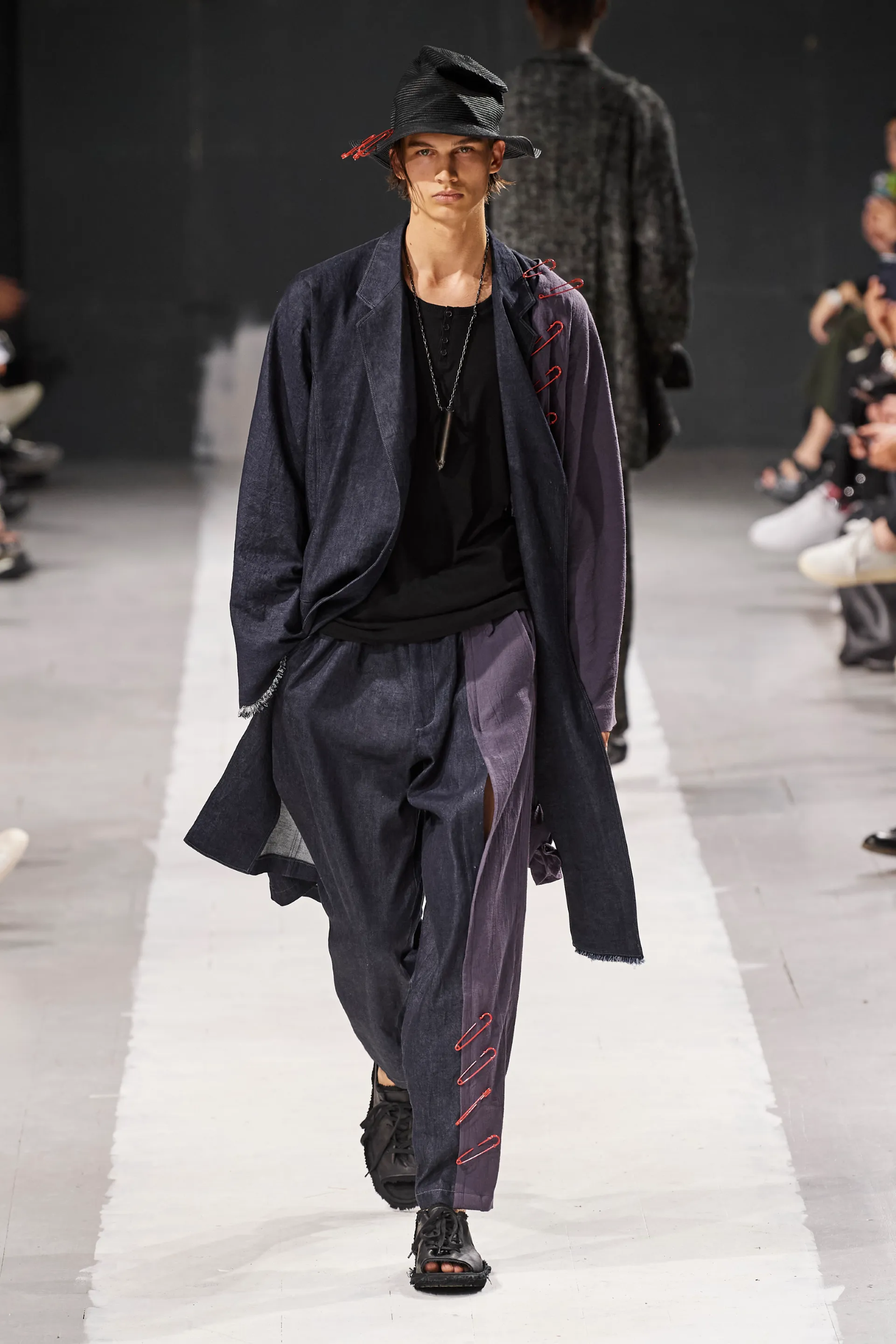
Yohji Yamamoto SS24
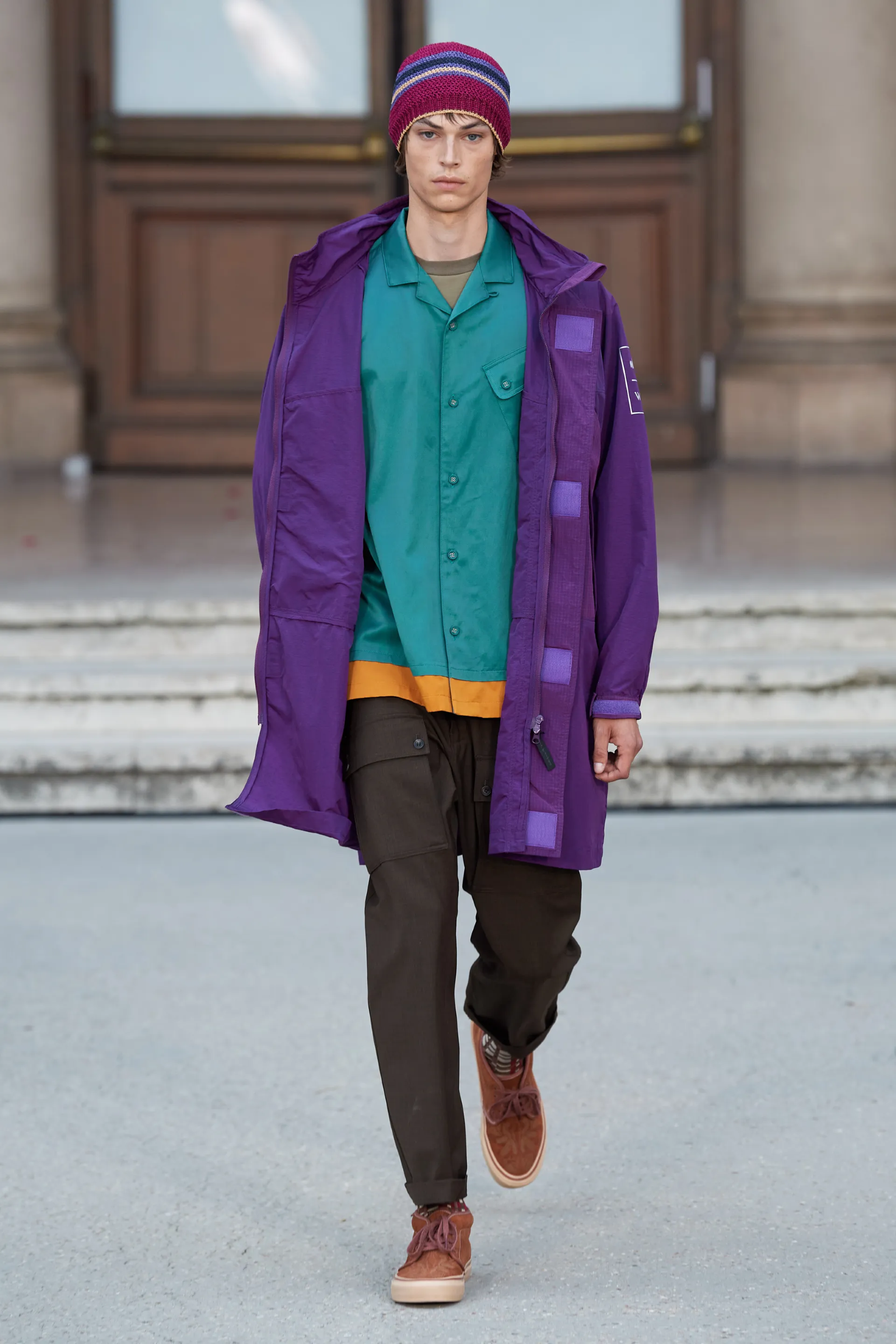
White Mountaineering SS24
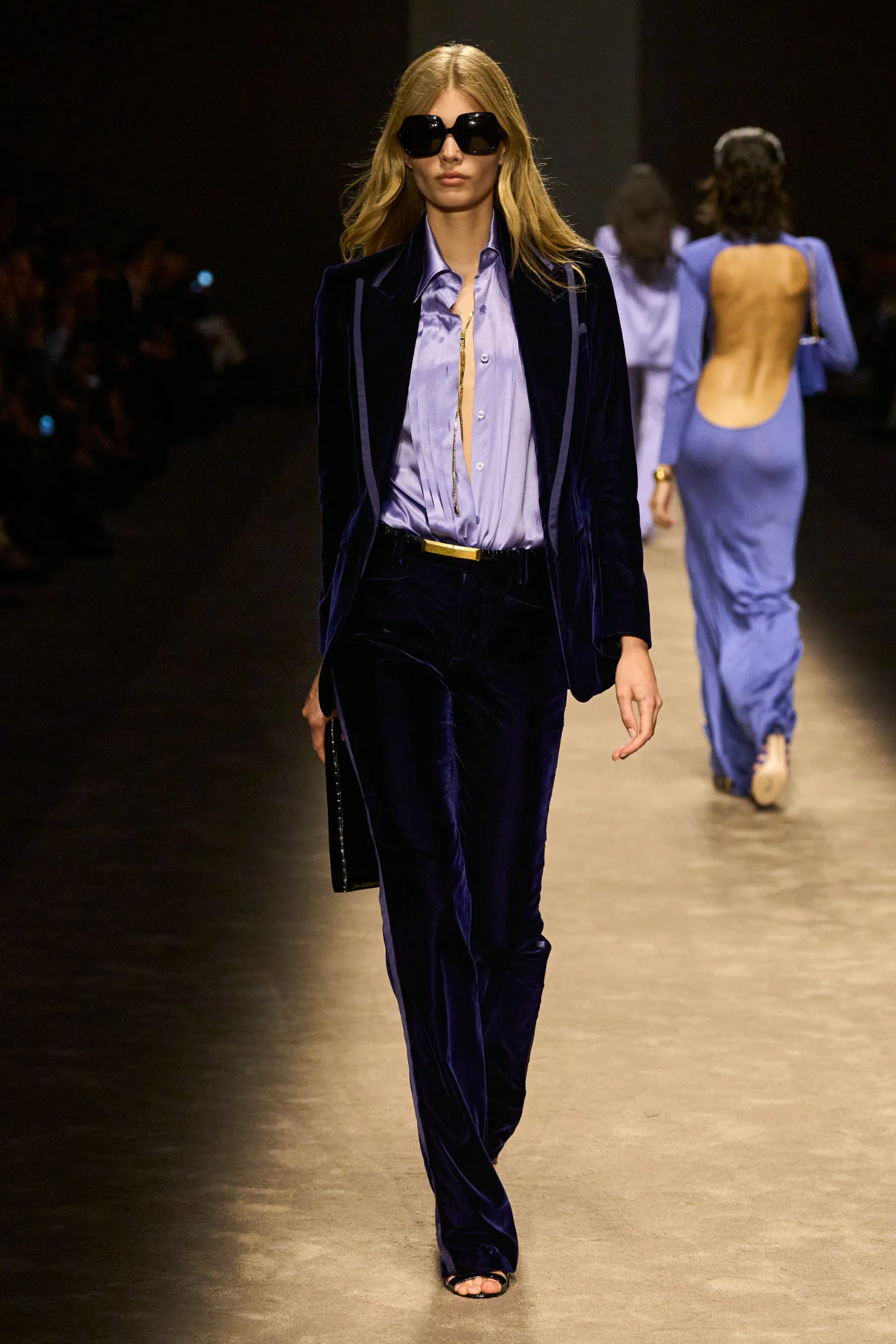
Tom Ford SS24
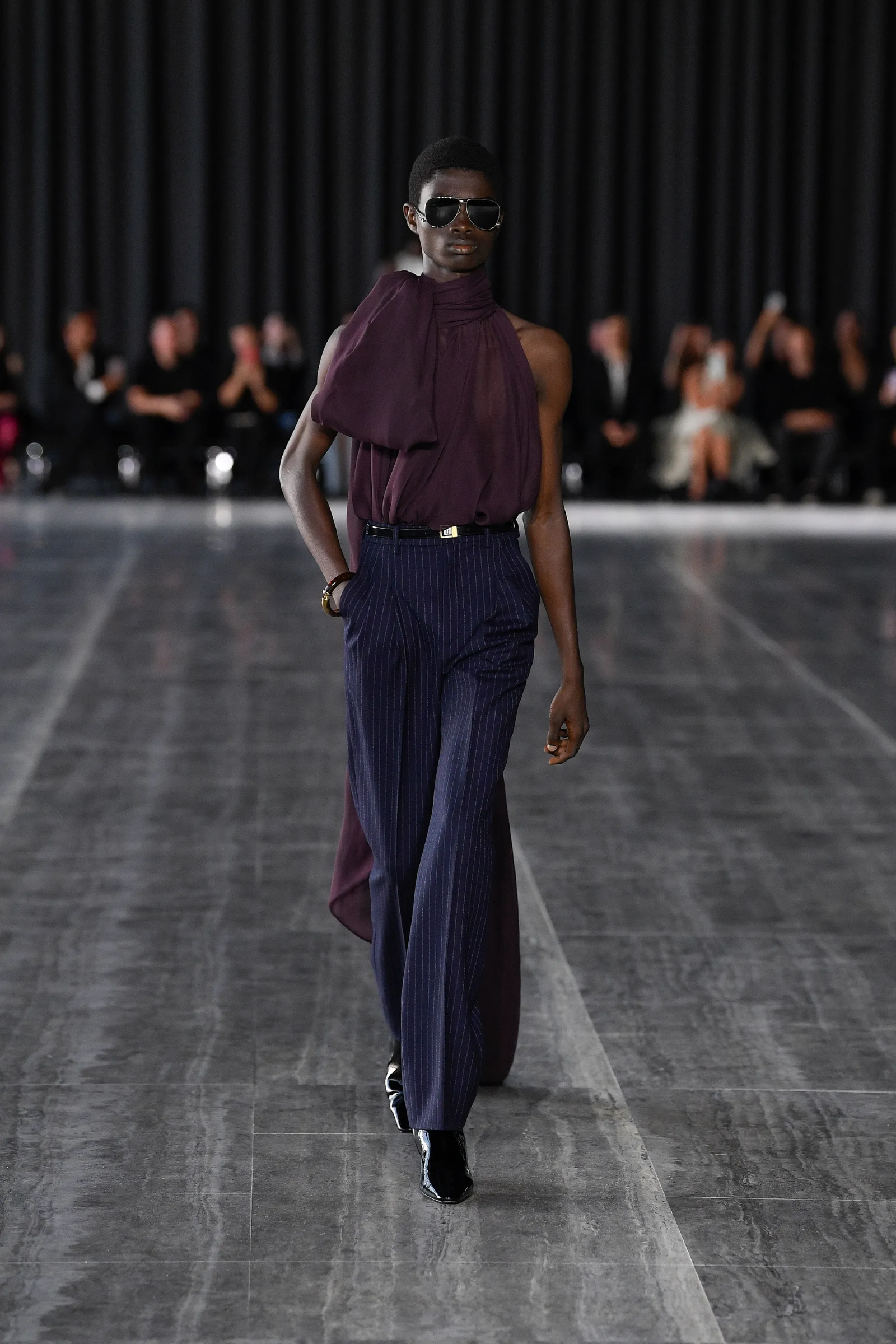
Saint Laurent SS24
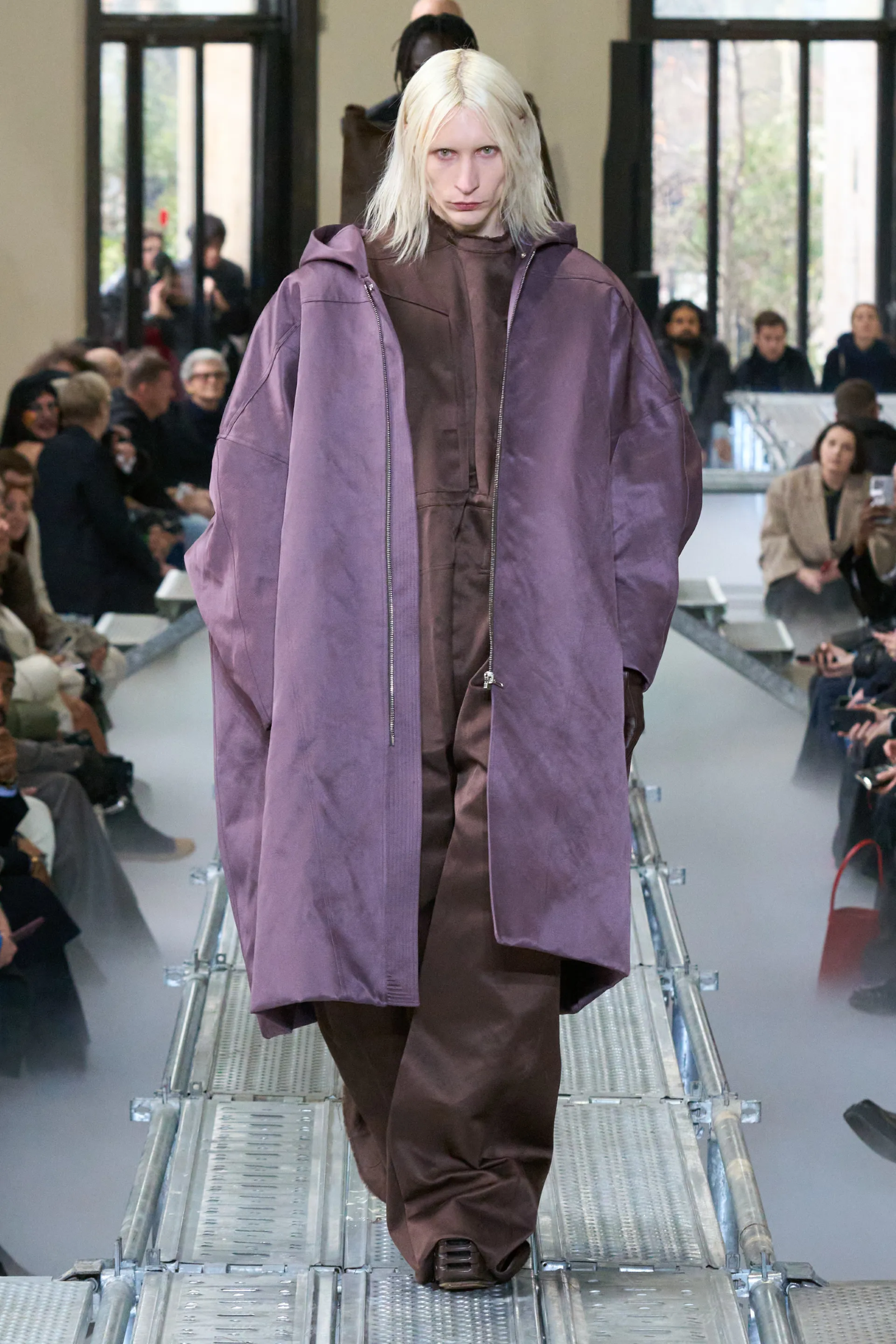
Rick Owens FW23
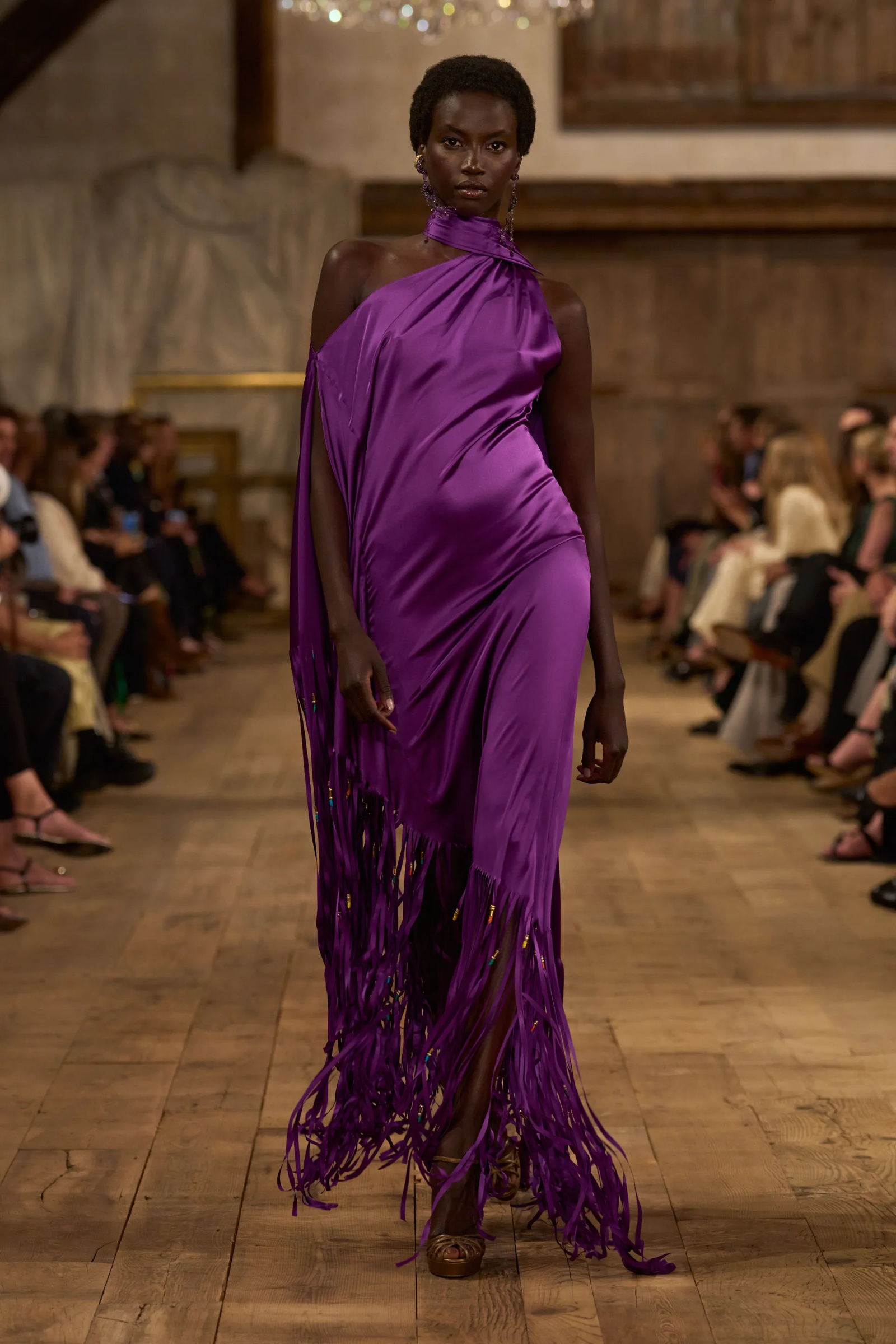
Ralph Lauren SS24
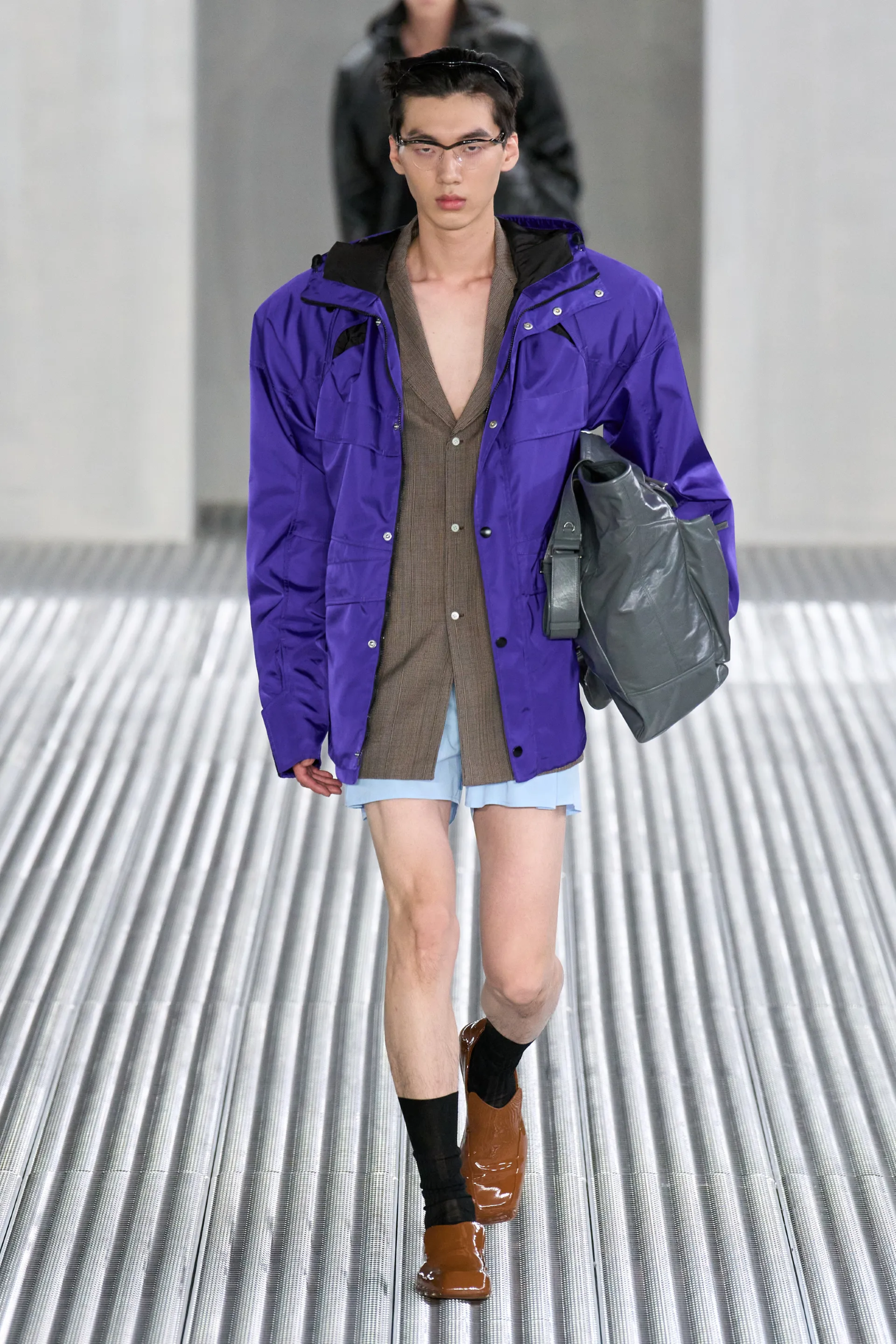
Prada SS24
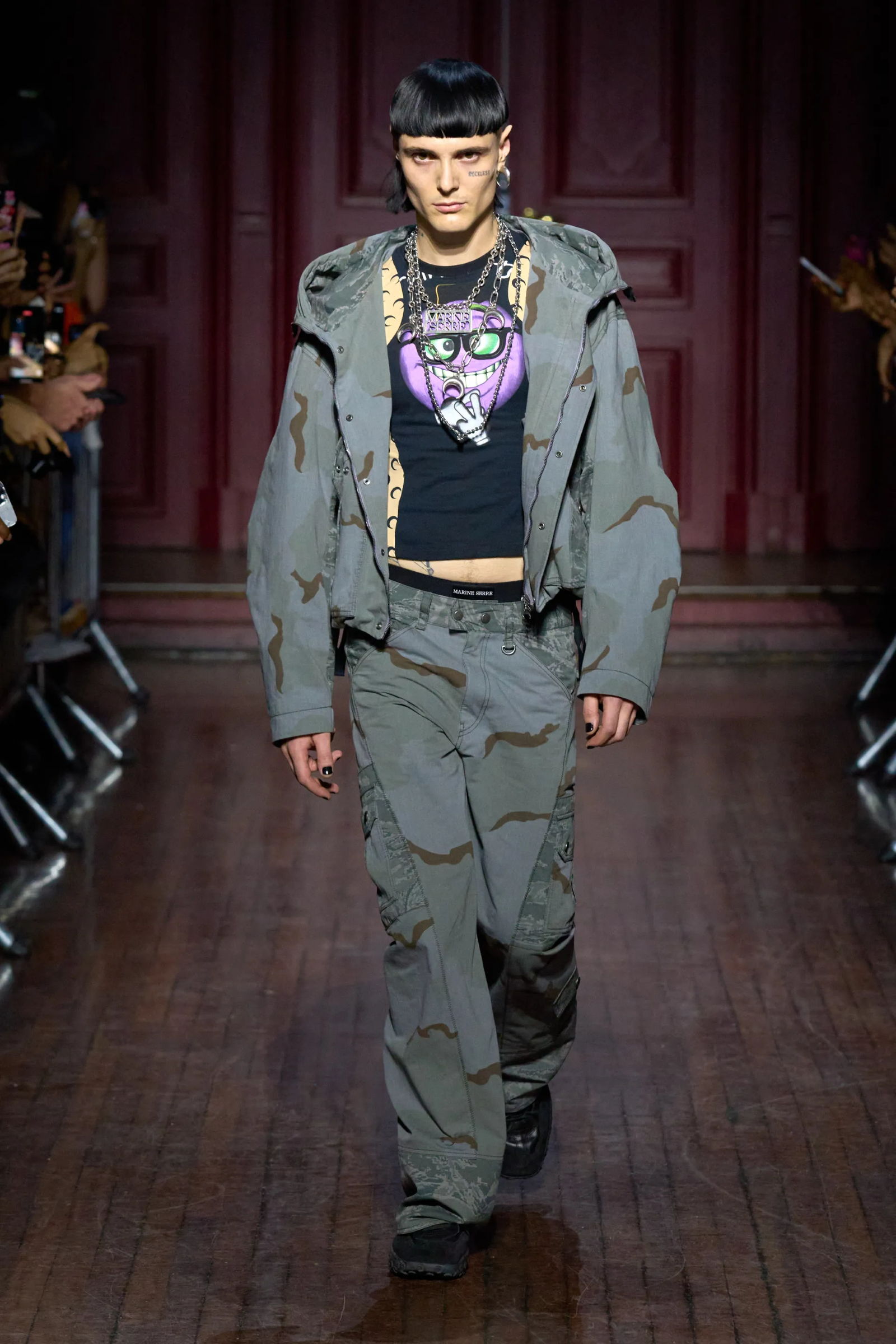
Marine Serre SS24
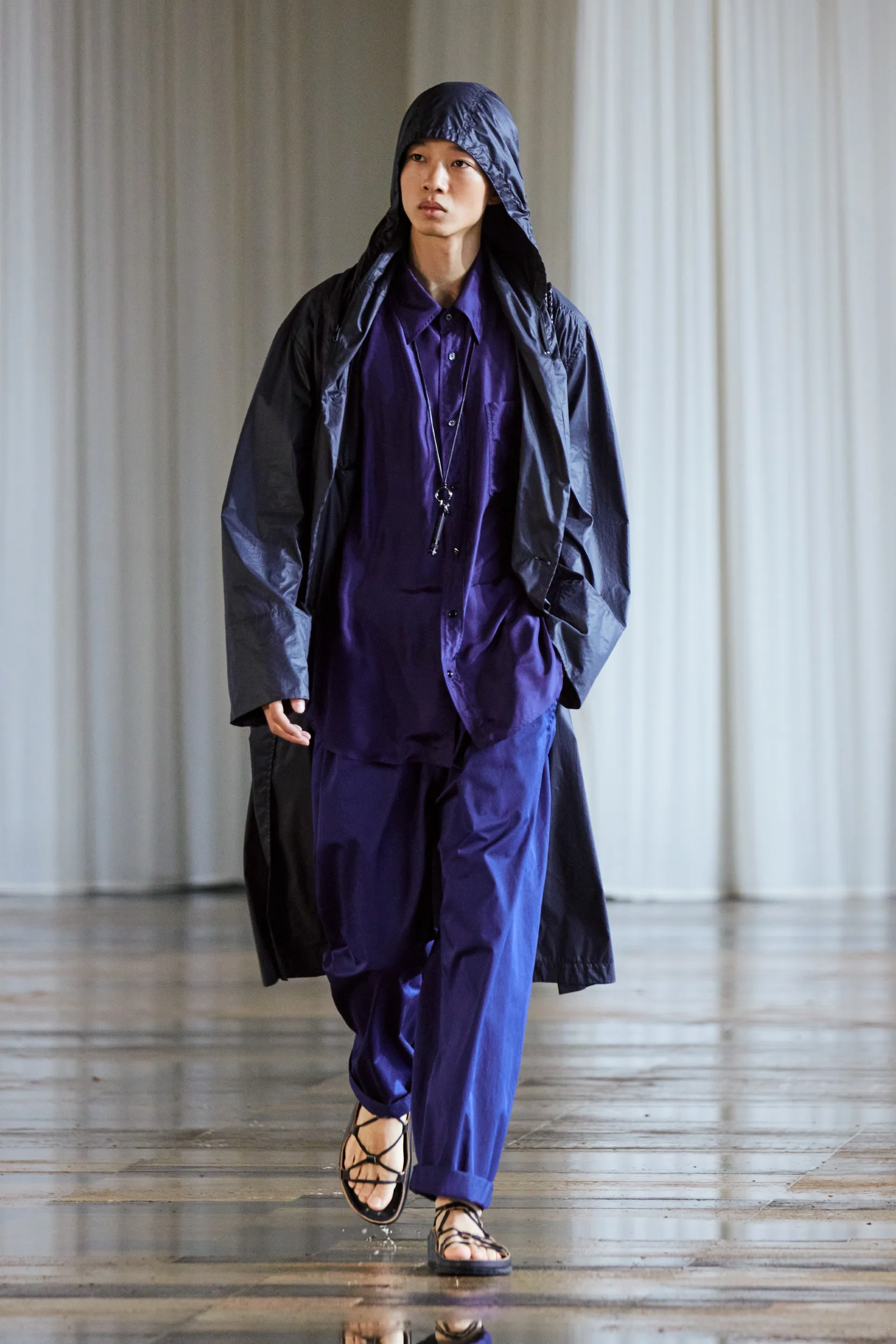
Lemaire SS24
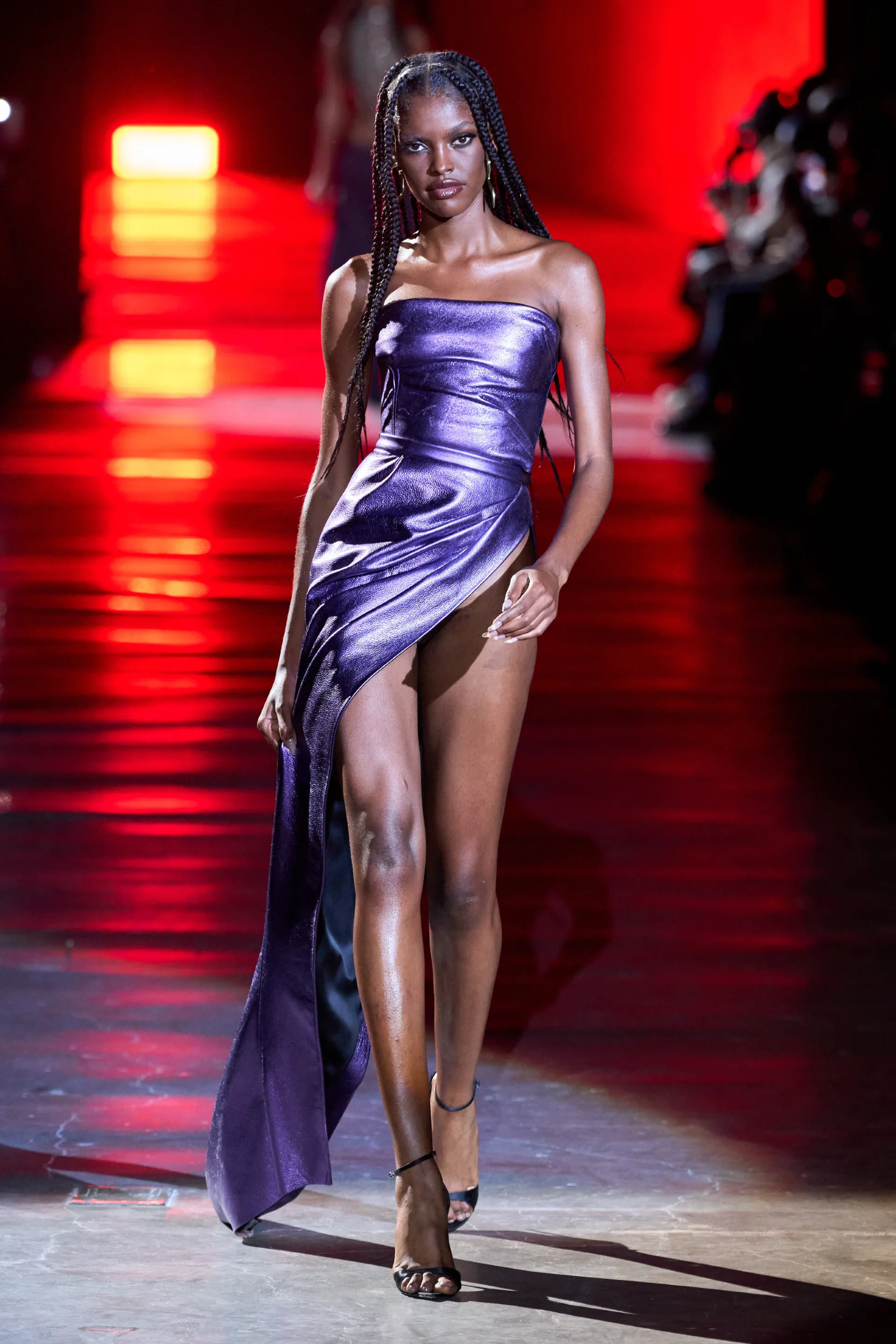
Laquan Smoth SS24
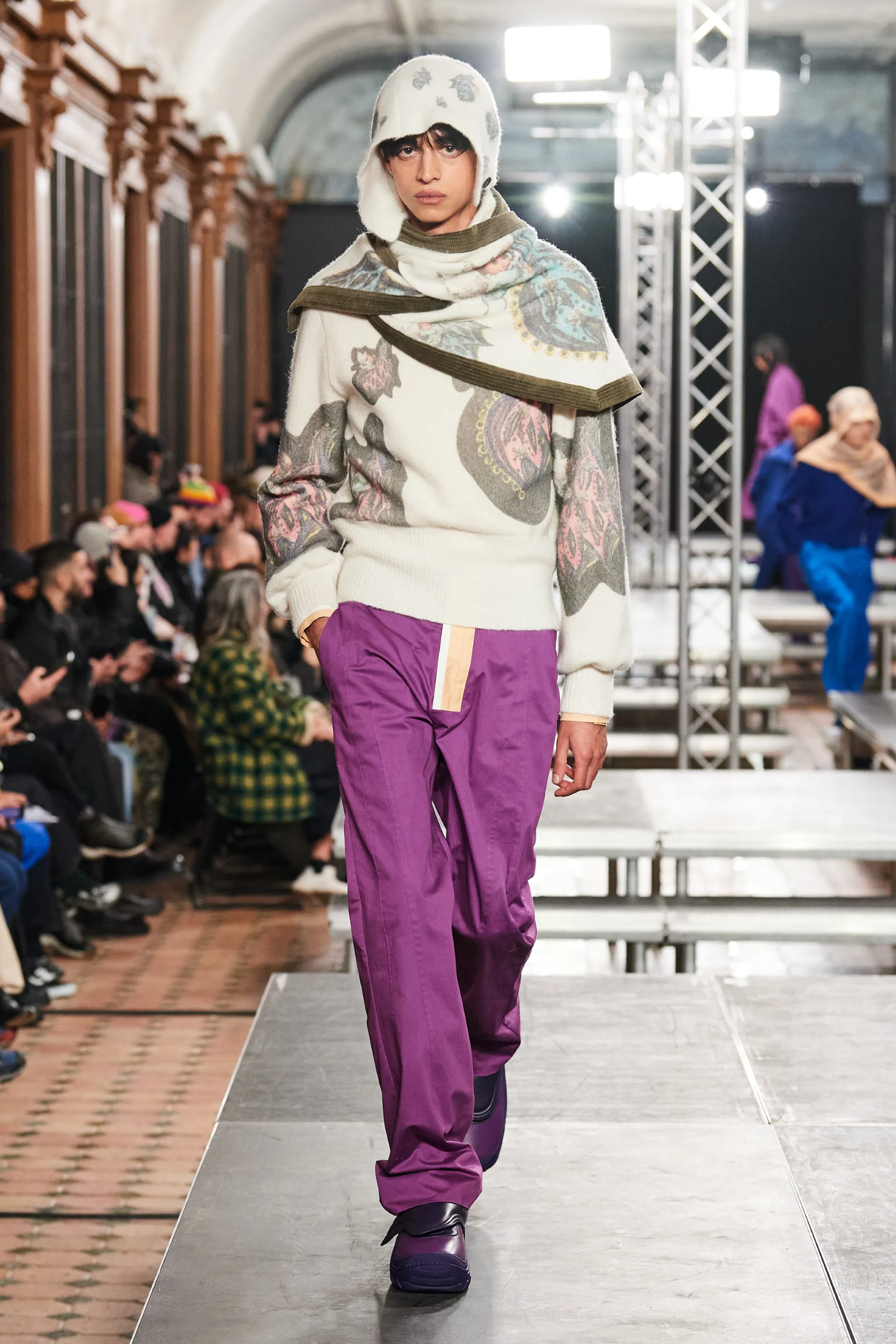
Kiko Kostadinov FW23
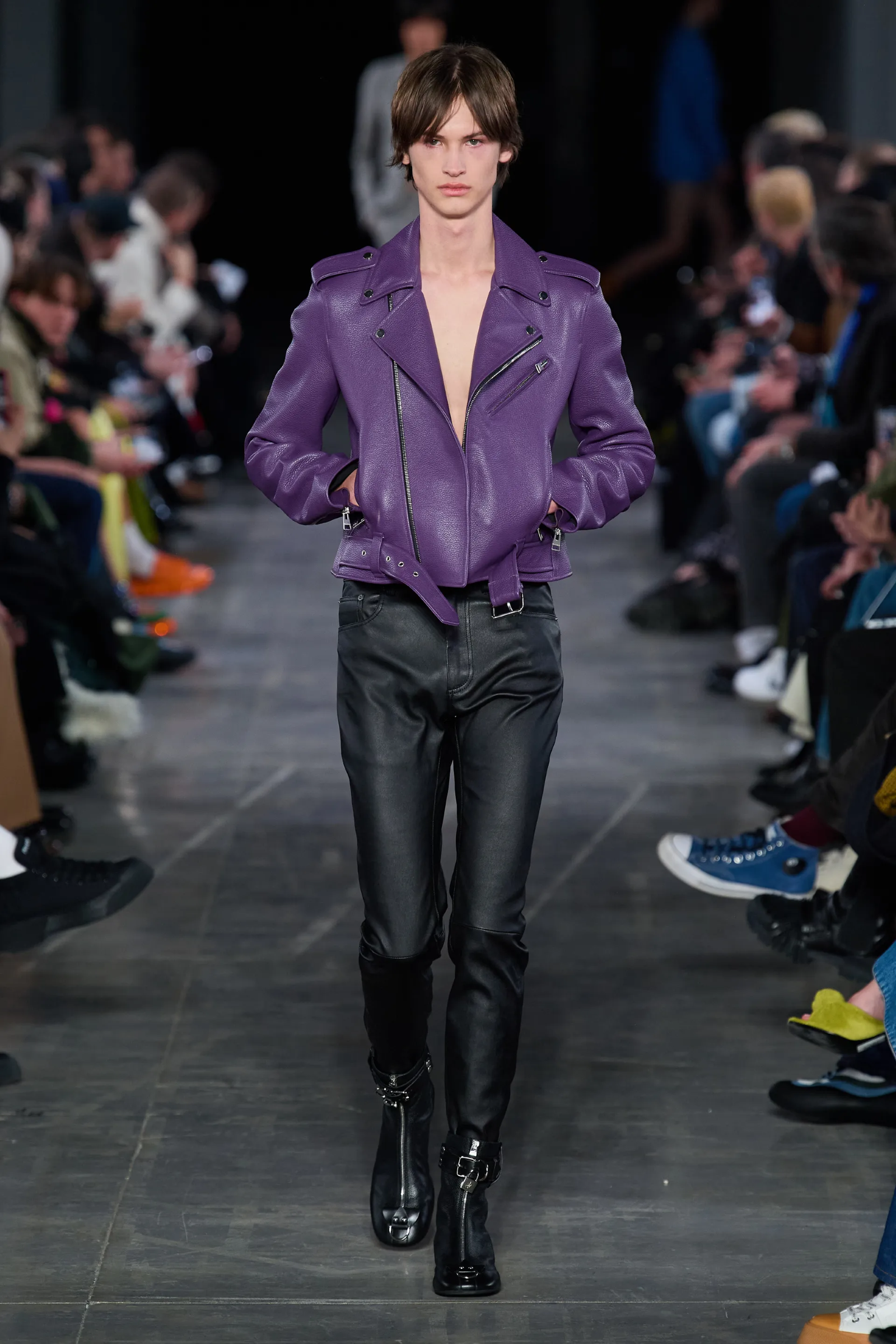
JW Anderson FW23
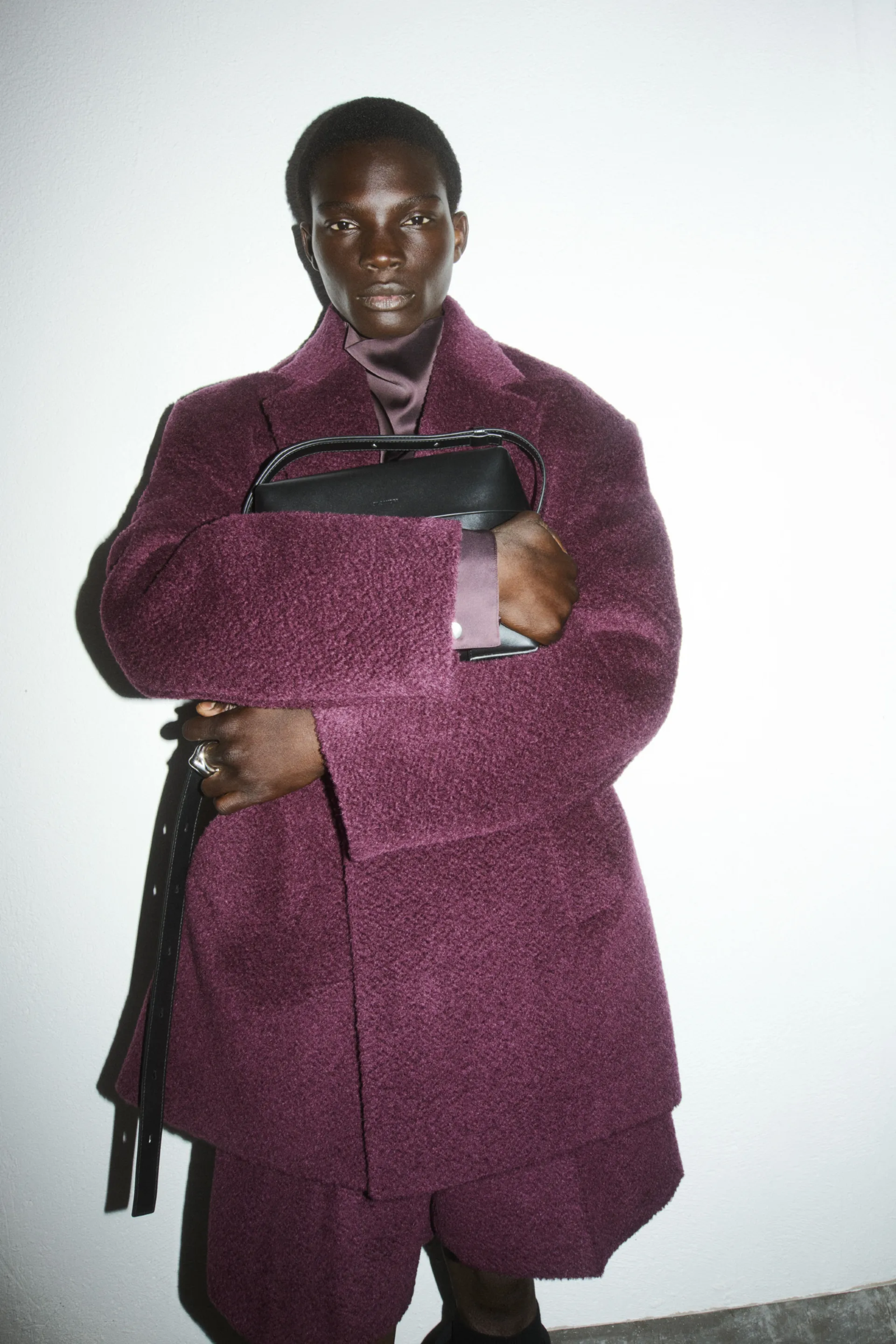
Jil Sander Resort 2024
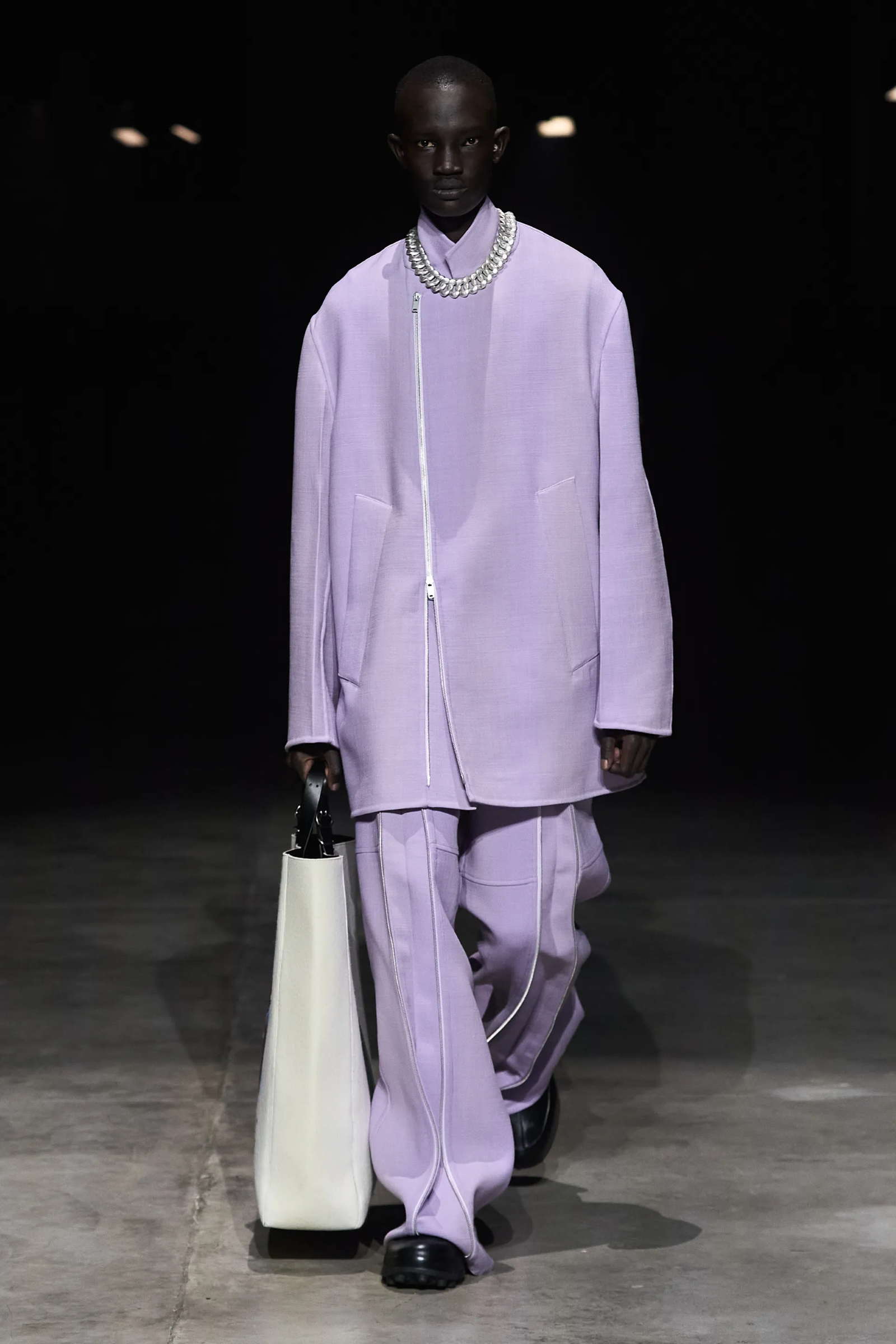
Jil Sander FW23
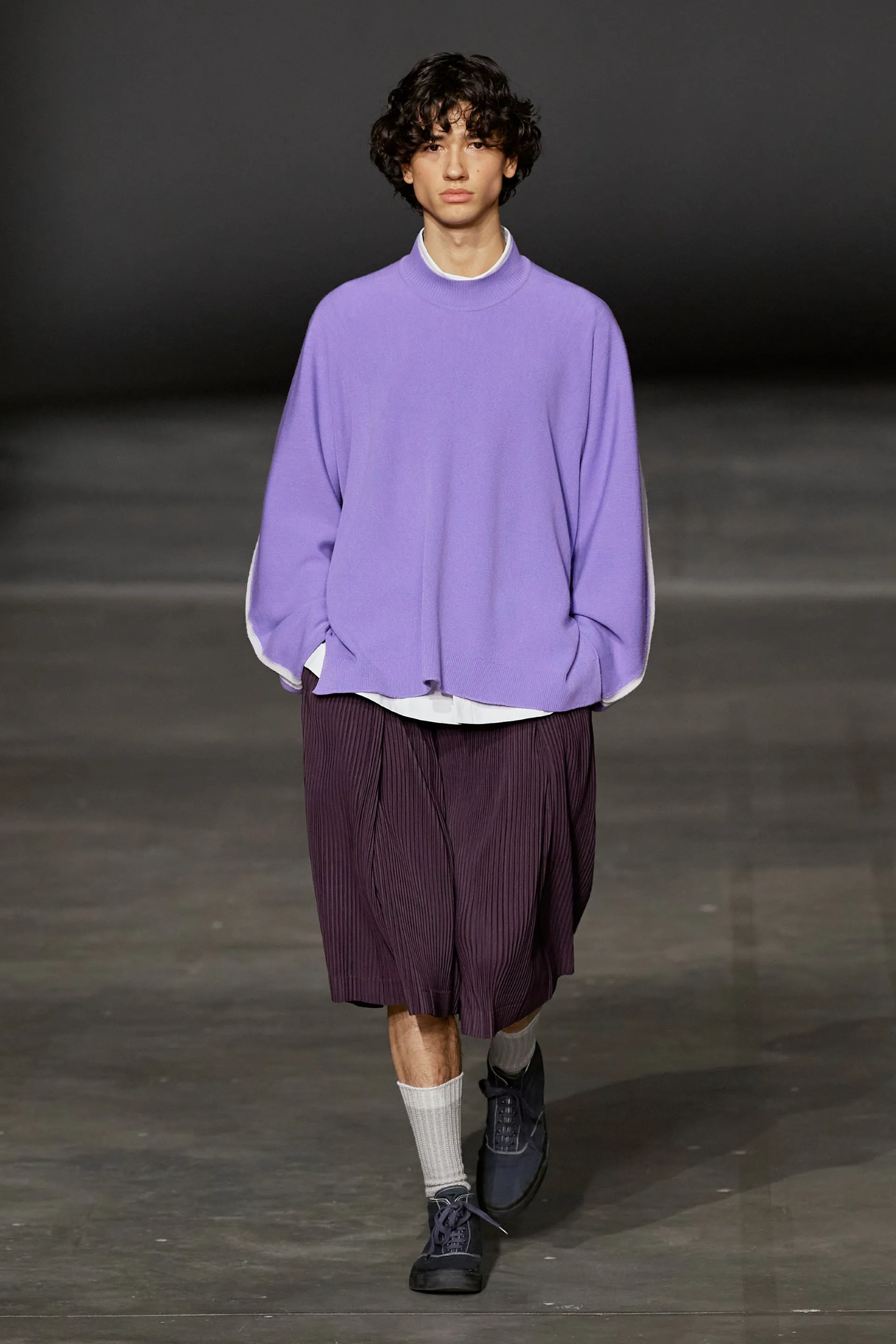
Homme Plissè Issey Miyake FW23
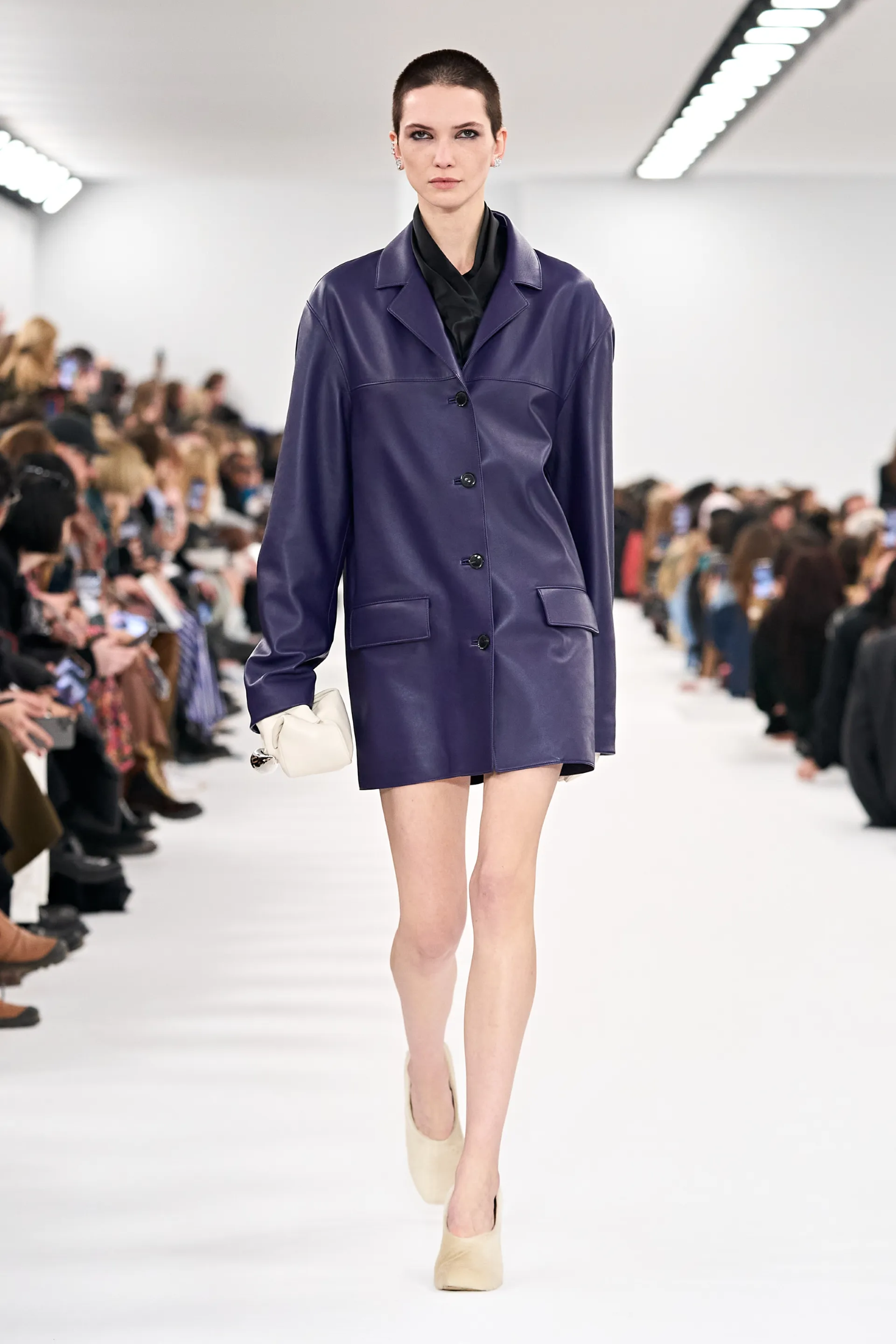
Givenchy FW23
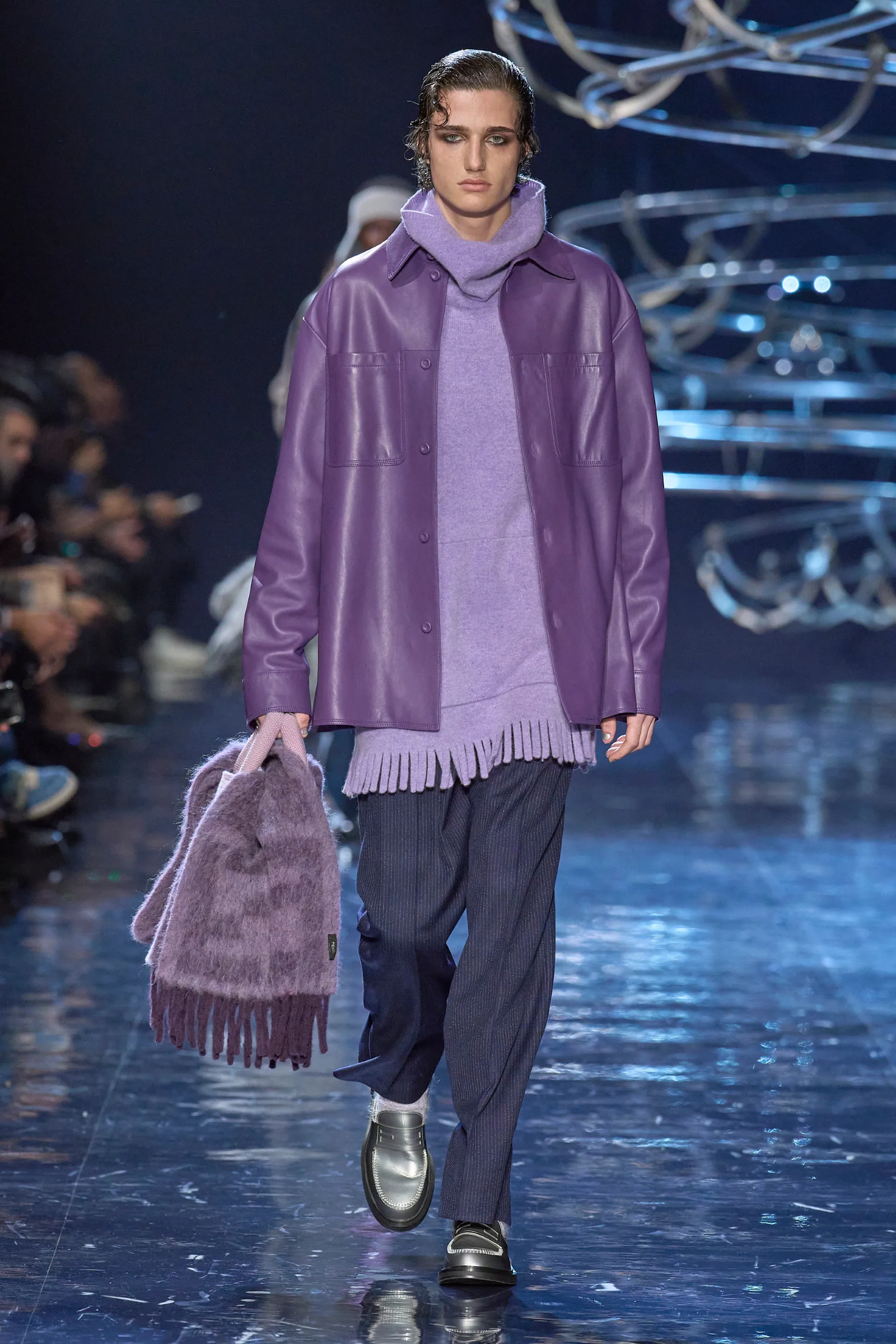
Fendi FW23
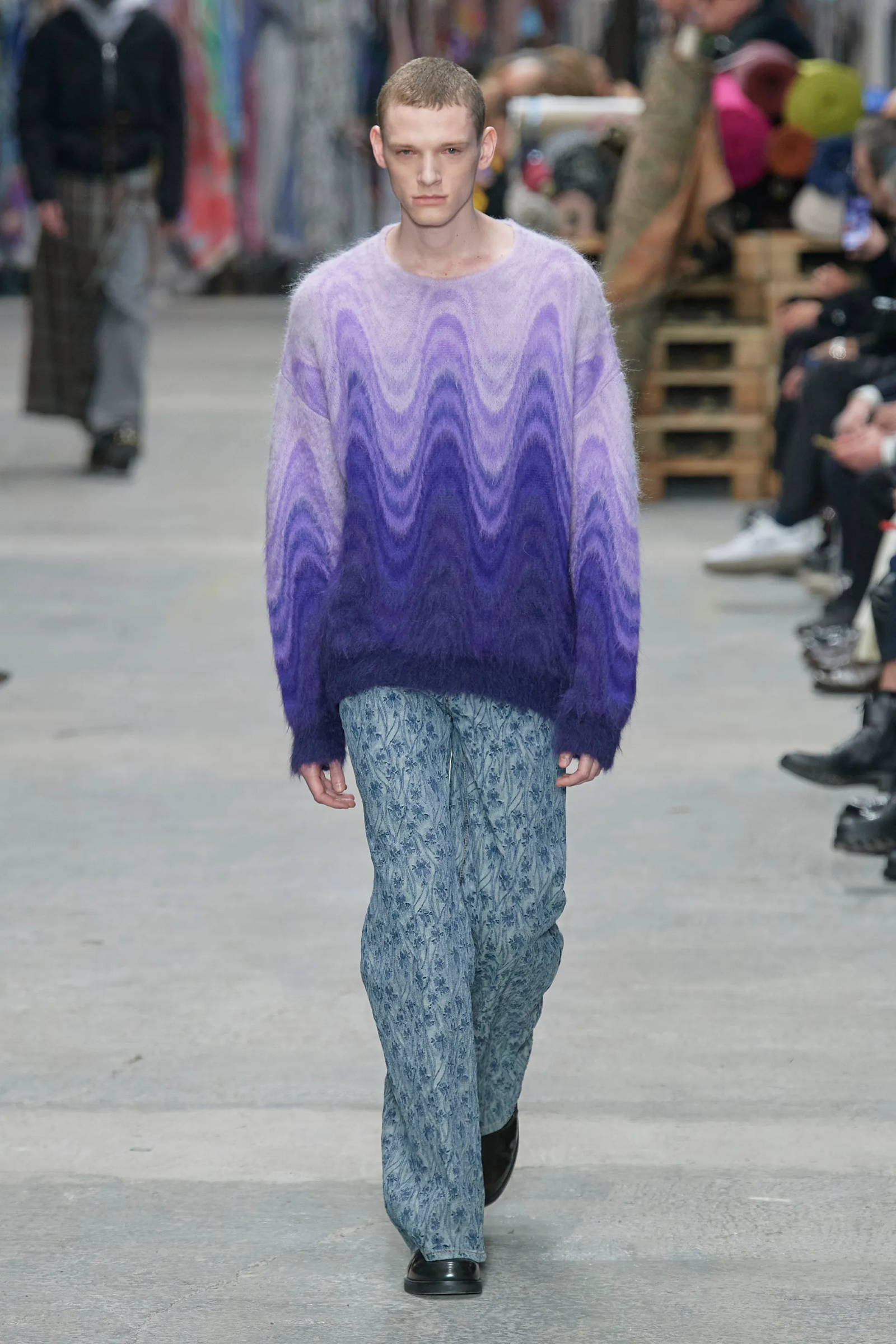
Etro FW23
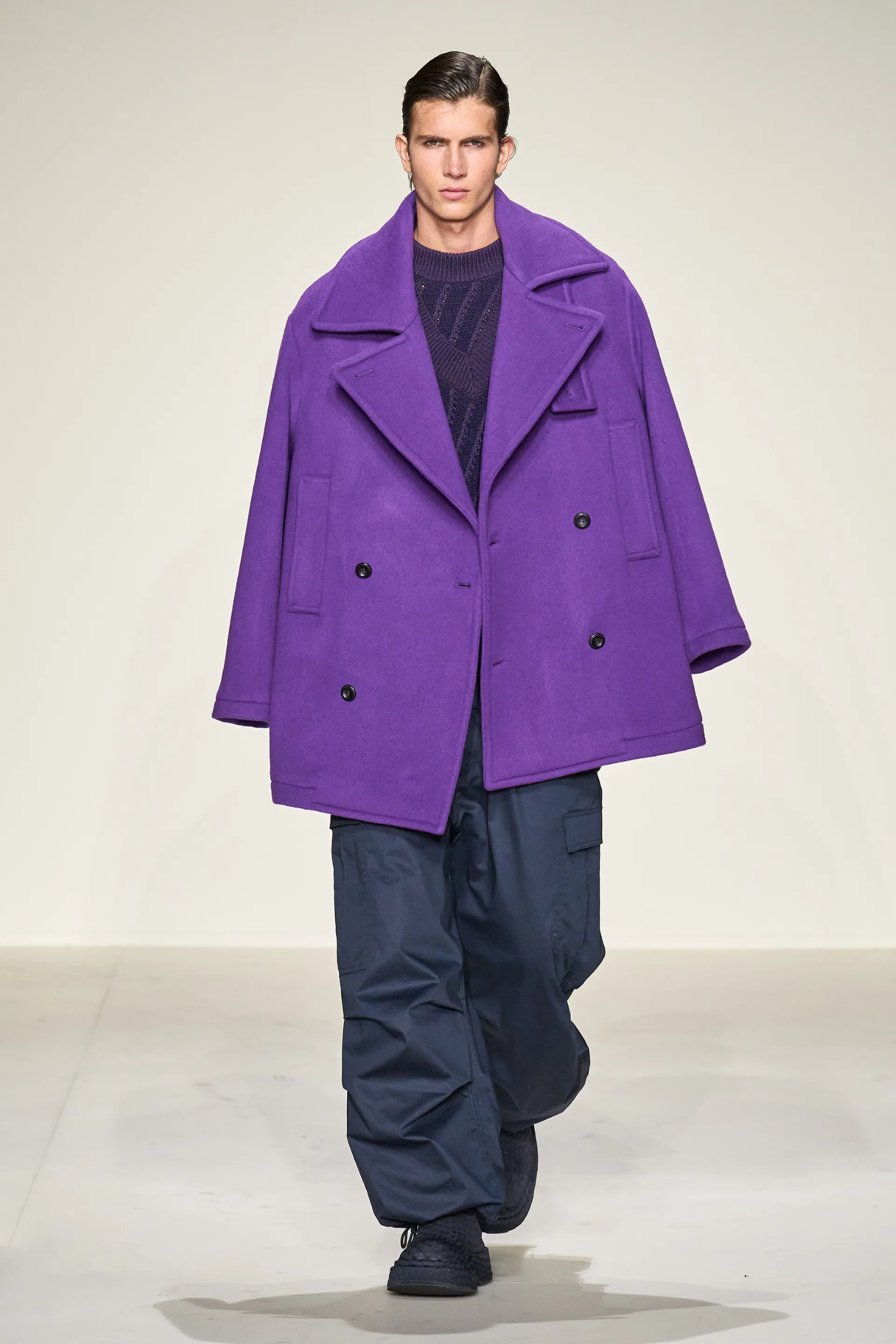
Emporio Armani FW23
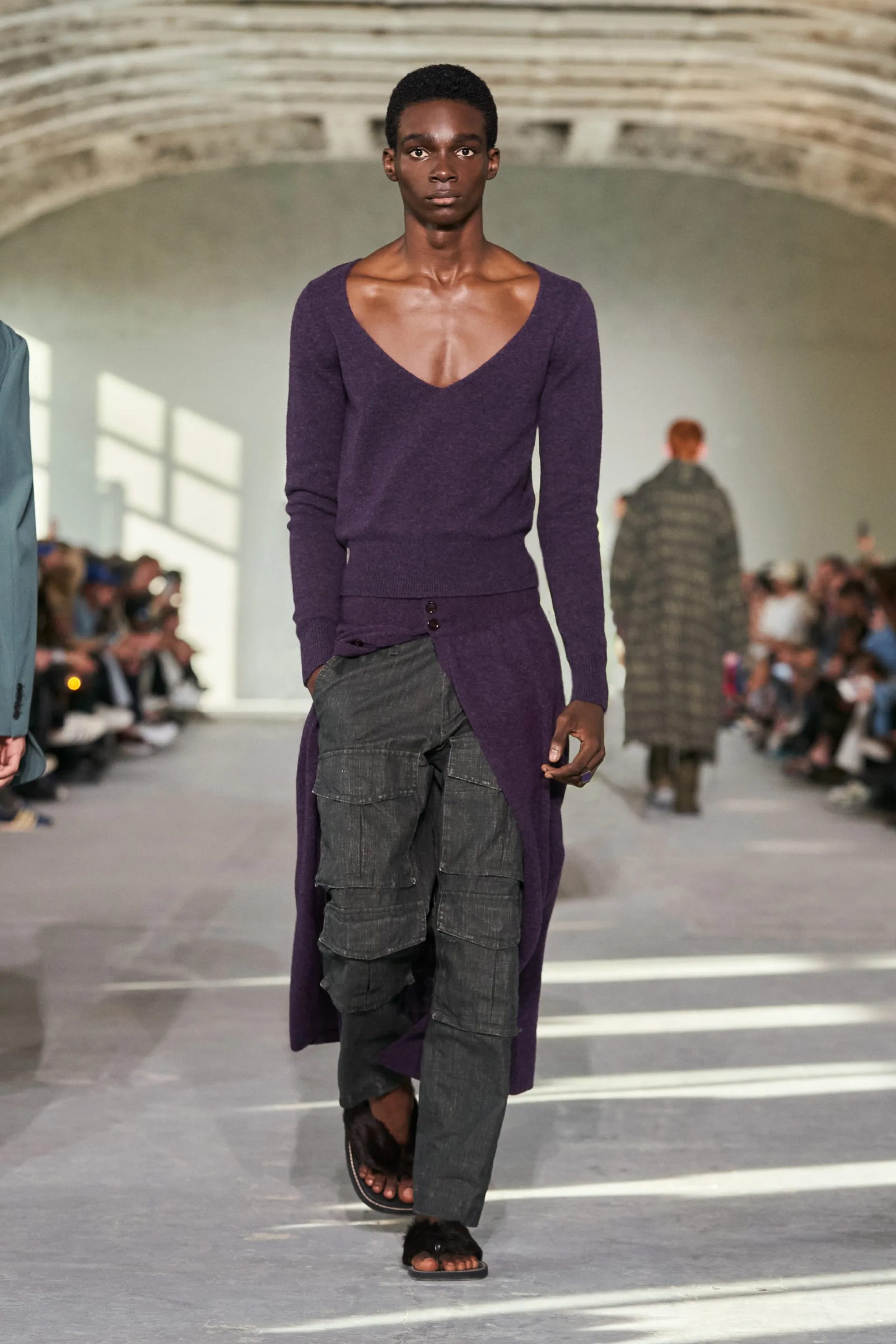
Dries Van Noten SS24
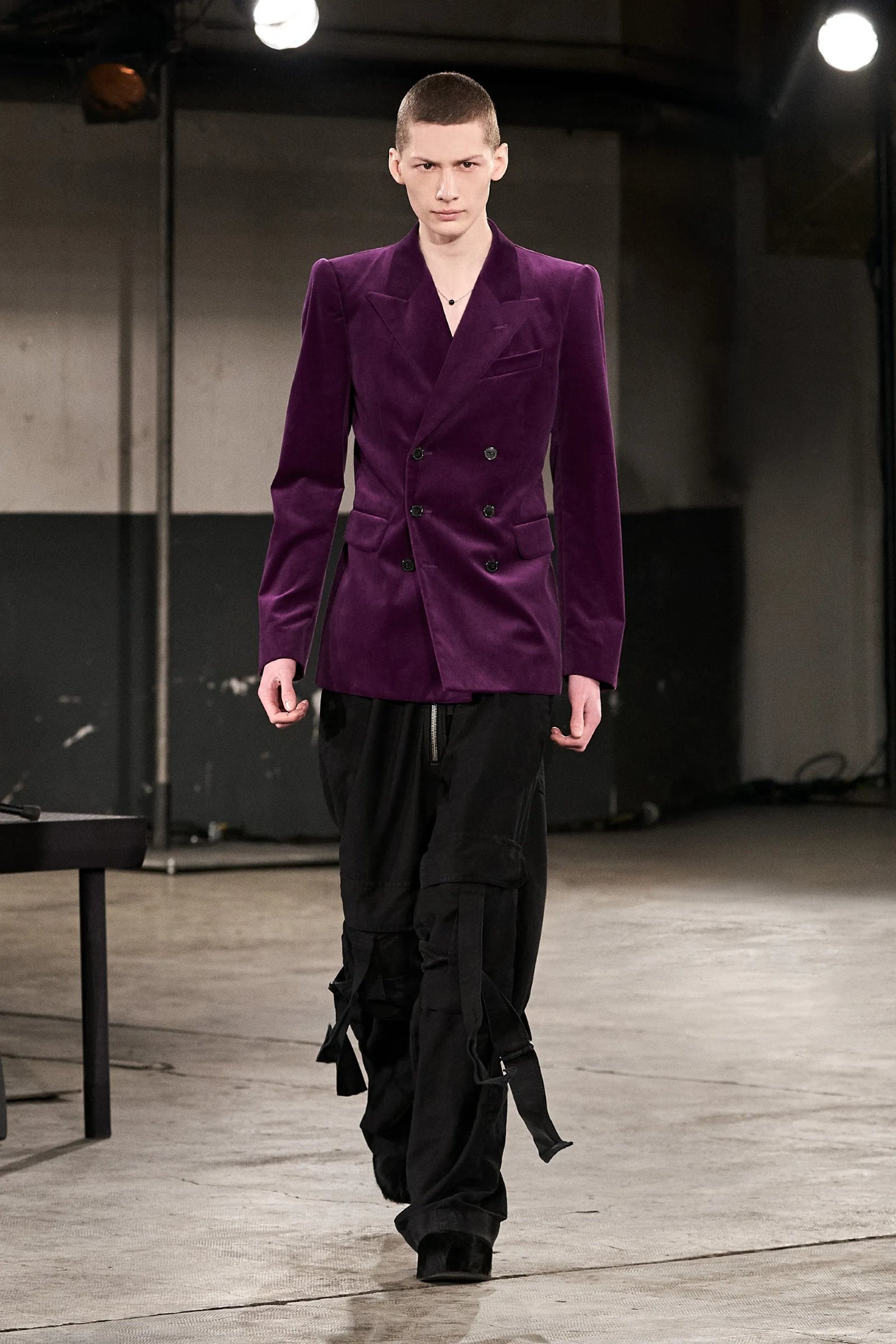
Dries Van Noten FW23
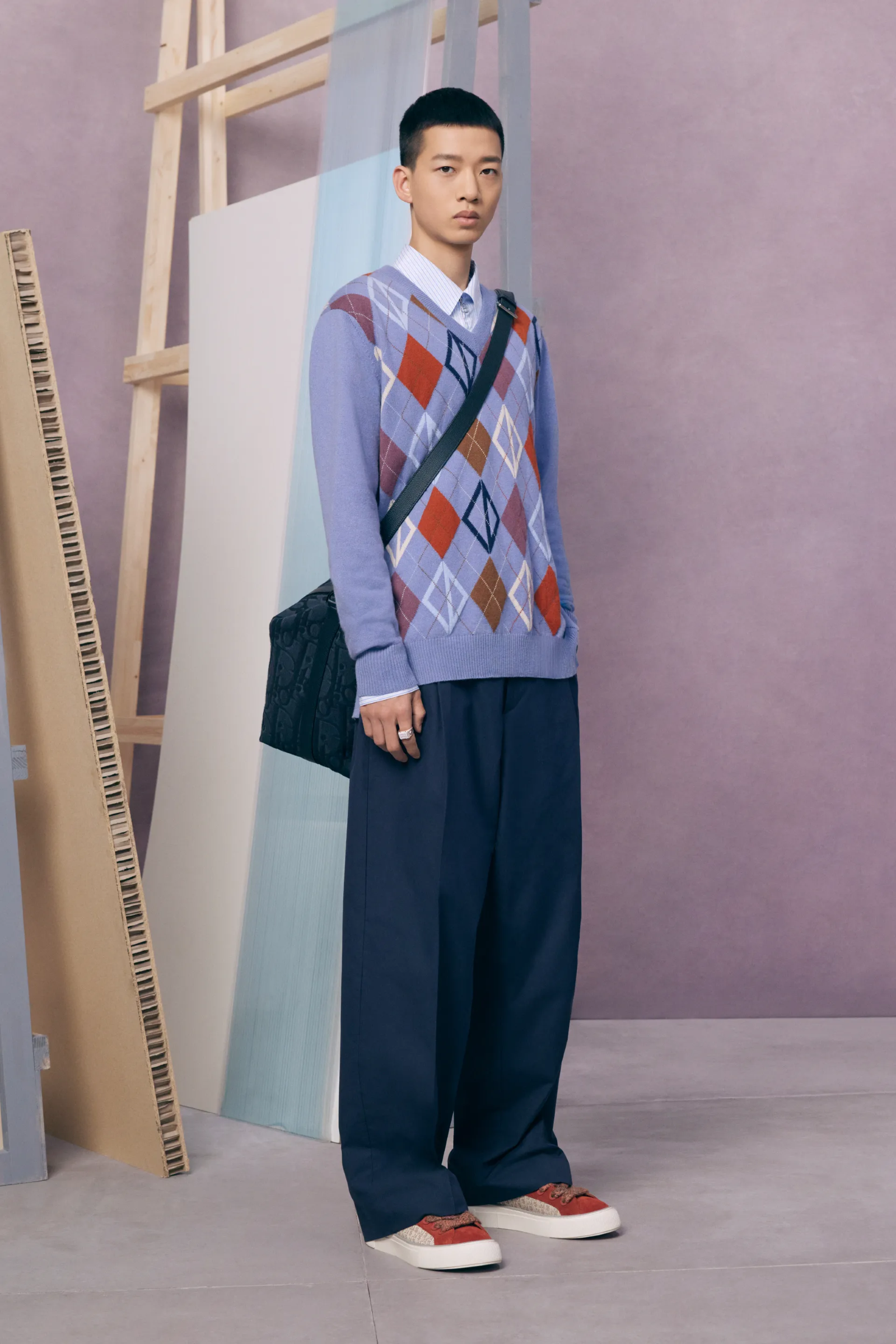
Dior Homme Resort 2024
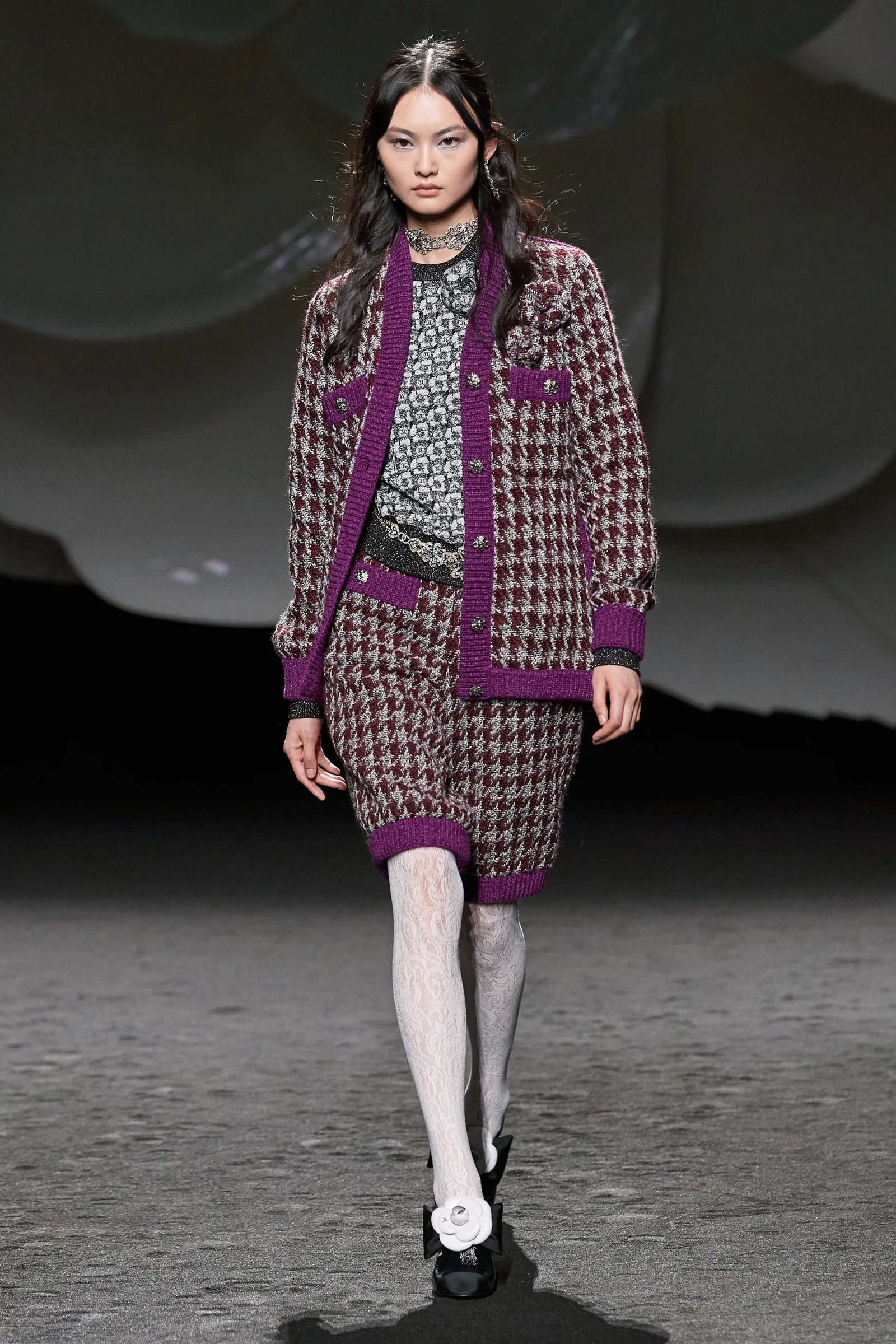
Chanel FW23
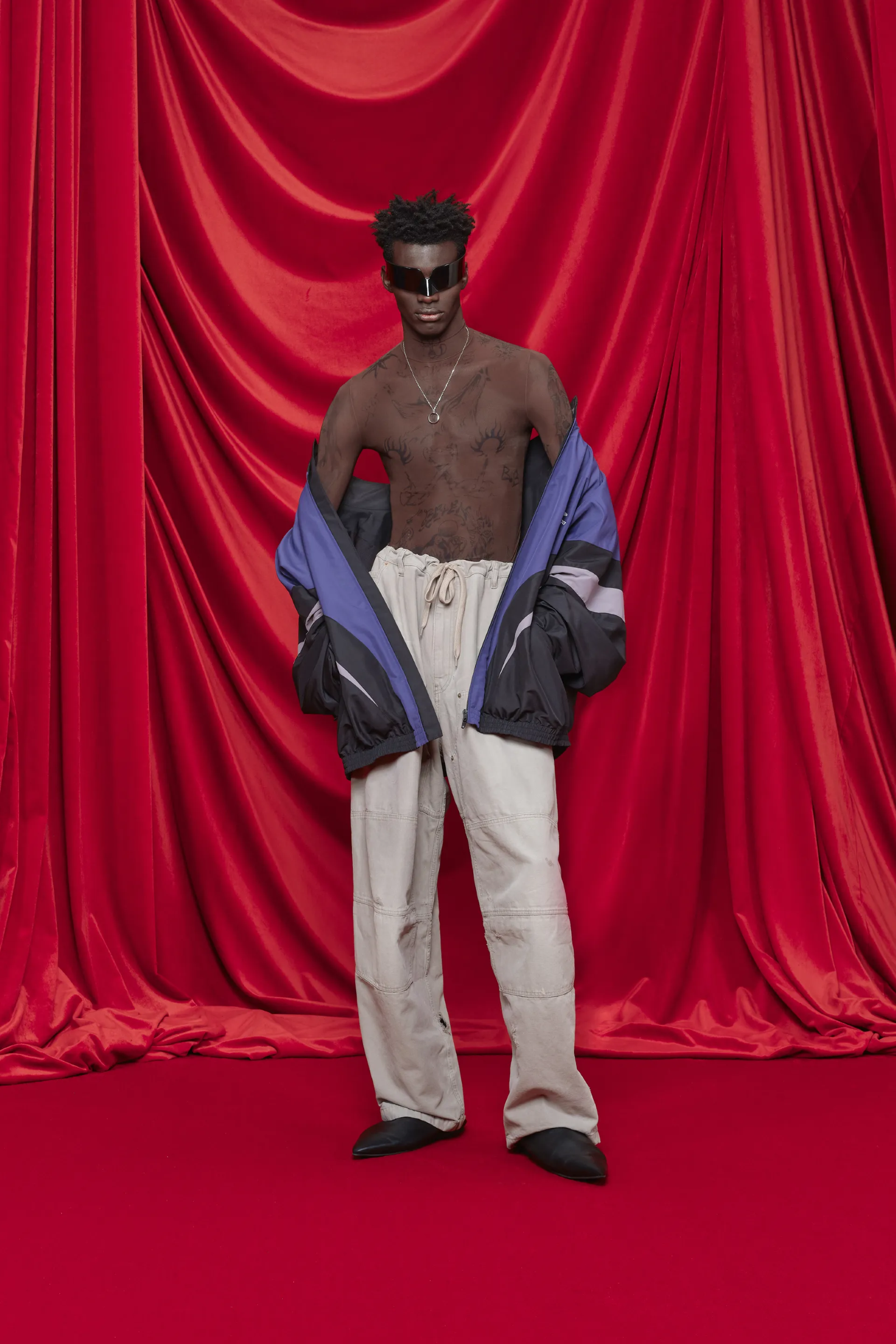
Balenciaga SS24
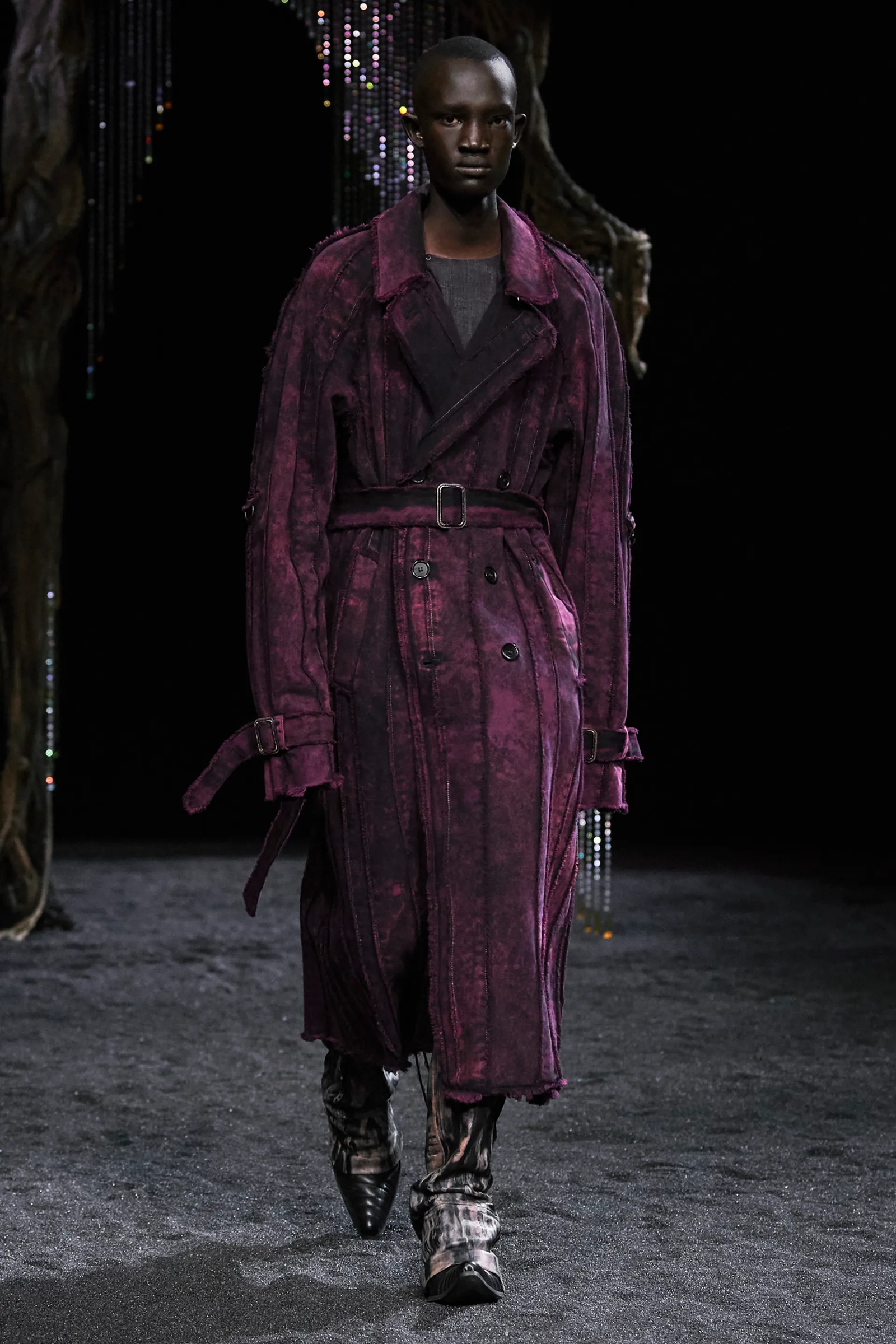
Acne Studios FW23
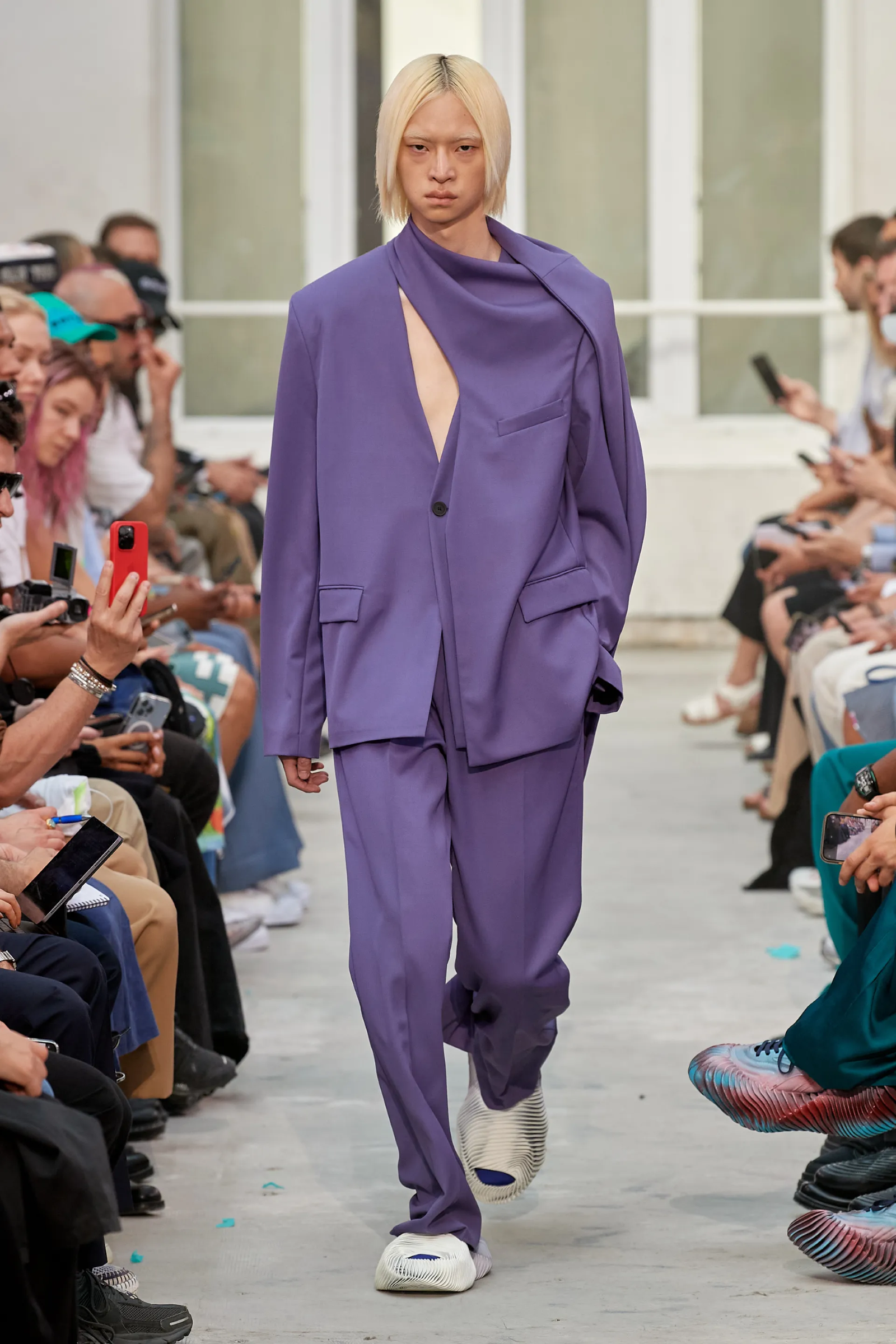
Botter SS24
In June 1984, one of the most influential albums in music history was released: Purple Rain by :contentReference[oaicite:0]{index=0}. Beyond its obvious musical merits and its impact on pop culture, Prince also had an aesthetic contribution, namely making the color purple popular and socially accepted in menswear. At the time of the album’s release and for many years afterward, purple was one of the colors most frequently used by the artist, in its somewhat mystical, if not overtly esoteric connotations. It also came to represent the sense of androgyny that Prince consistently embraced.
In recent years, however, purple has made a strong comeback on the runways, especially between 2023 and 2024. Although the color has appeared in numerous collections over the years, it had not become a major trend since 2007, the year following the Grammy Awards where Kanye West showed up in a lavender tuxedo to accept his award. That same period, at least in Italy, saw truzzi and emo subcultures begin incorporating purple, pink, fuchsia, and red details into their outfits. Purple emerged from that era somewhat battered, remaining flashy and slightly cheap-looking for a long time—until this year, at least.
Prada SS24
Ralph Lauren SS24
Rick Owens FW23
Saint Laurent SS24
Tom Ford SS24
White Mountaineering SS24
Yohji Yamamoto SS24
Burberry FW23
Burberry SS24
Casablanca SS24
Marine Serre SS24
Lemaire SS24
Laquan Smoth SS24
Jil Sander Resort 2024
Before the colour experts show up in the newsroom with torches and pitchforks, let's make it clear that this year's catwalk showed many different shades of purple: from indigo to lavender, passing through aubergine, plum, amethyst and lilac or, for those who don't care about the pantone codes of the world, from the lightest and most impalpable purples to the darkest ones. But it was impossible not to notice how, around the FW23 and SS24 collections, purple details began to animate looks in neutral colours, each declined according to the brand.
And so at Prada we saw a purple jacket and bag; big coats in the same colour at Emporio Armani, Fendi, Givenchy, Rick Owens and Acne Studios; knitwear and jackets at Dior, Burberry, Dries Van Noten, Chanel and so on. In all these cases, purple has been declined in three ways: the first was to make it the outermost layer of a layering that includes grey or black lower layers; the second was to make purple a brightening detail in achromatic outfits; the third was to take lilac or lavender shades to cover entire outfits. This return of purple is, as mentioned earlier, a corollary of the broader achromatic trend (precisely office greys, blacks and whites, pastels) which sees many outfits turn into neutral backgrounds and needs flashes of colour to liven them up, make them more dynamic or, trivially, create more interesting contrasts.
JW Anderson FW23
Kiko Kostadinov FW23
Jil Sander FW23
Homme Plissè Issey Miyake FW23
Givenchy FW23
Fendi FW23
Etro FW23
Dior Homme Resort 2024
Dries Van Noten FW23
Dries Van Noten SS24
Emporio Armani FW23
Chanel FW23
Balenciaga SS24
Botter SS24
Acne Studios FW23
Now, numerous online articles trace the return to popularity of purple with its links to monarchical iconography, to its nature as the 'colour of royalty'. And although historically the association exists, we could not call it a real cause. The issue perhaps lies in the versatility of purple. As we know, fashion feeds on novelty, which also applies to colours, as happened, in Daniel Lee's time, with Bottega Green.
Now, with the prevailing trend of quiet luxury, both designs and tonal palettes have become more minimal and so there is an urgent need to find novelty in the normality evoked by collections. And purple is not only a colour little used enough to seem like a novelty when it appears, but it is also capable of adapting to almost any shade of skin depending on the hue and can become the colour-statement of an accessory or, say, a jacket or coat capable of distinguishing an interesting achromatic outfit from a completely anonymous one.
«Black is not as good as purple» Ralph Lauren once said, pointing out how indeed the vaguely eccentric colour was able to add panache even to the universal total black uniform of fashion insiders. And another time, in 2012, the great Alber Elbaz linked the controlled eccentricity of purple to luxury spending in times of economic crisis (very similar to these in their general contours) by telling the WSJ:
«What do you wear in a bad economy? This is a very, very sensitive issue. On one hand, you say that when things are going sour — when everything is not as easy and fun as it used to be — maybe there is some element that can bring fun and joy again […]. If I were a buyer today in one of the American department stores, I would go with extremes — the most beautiful, the more expensive, the more eccentric. I would take risks. The worst thing would be to buy only the little black dress. You know why? Because everyone has it already. I would go with a purple dress, something different».
What to read next
5 trends that Trainspotting anticipated Back in 1996
There is much more to the film than the famous Helmut Lang tank top
These are the secondhand handbags that are worth the most in 2026
Searches for the Chloé Paddington have risen by 610%, but the real star of the secondhand market is Chanel
When Rei Kawakubo designed a furniture line
An experimental collection created by the designer in the 1980s for Comme des Garçons