























The beauty industry boom is an ethical issue 2025 was the year of the longevity industry, but are we sure we know the consequences?
Perhaps the real luxury is not buying. Perhaps today it is investing in well-being, health, cosmetics, or perfumery. But first of all, a clear distinction needs to be made: fashion and beauty are two very different spheres. Never more than now has clothing become decidedly less attractive. Beauty, in all its forms, is becoming increasingly important, both for brands’ end-of-year financial results and for keeping the narrative alive.
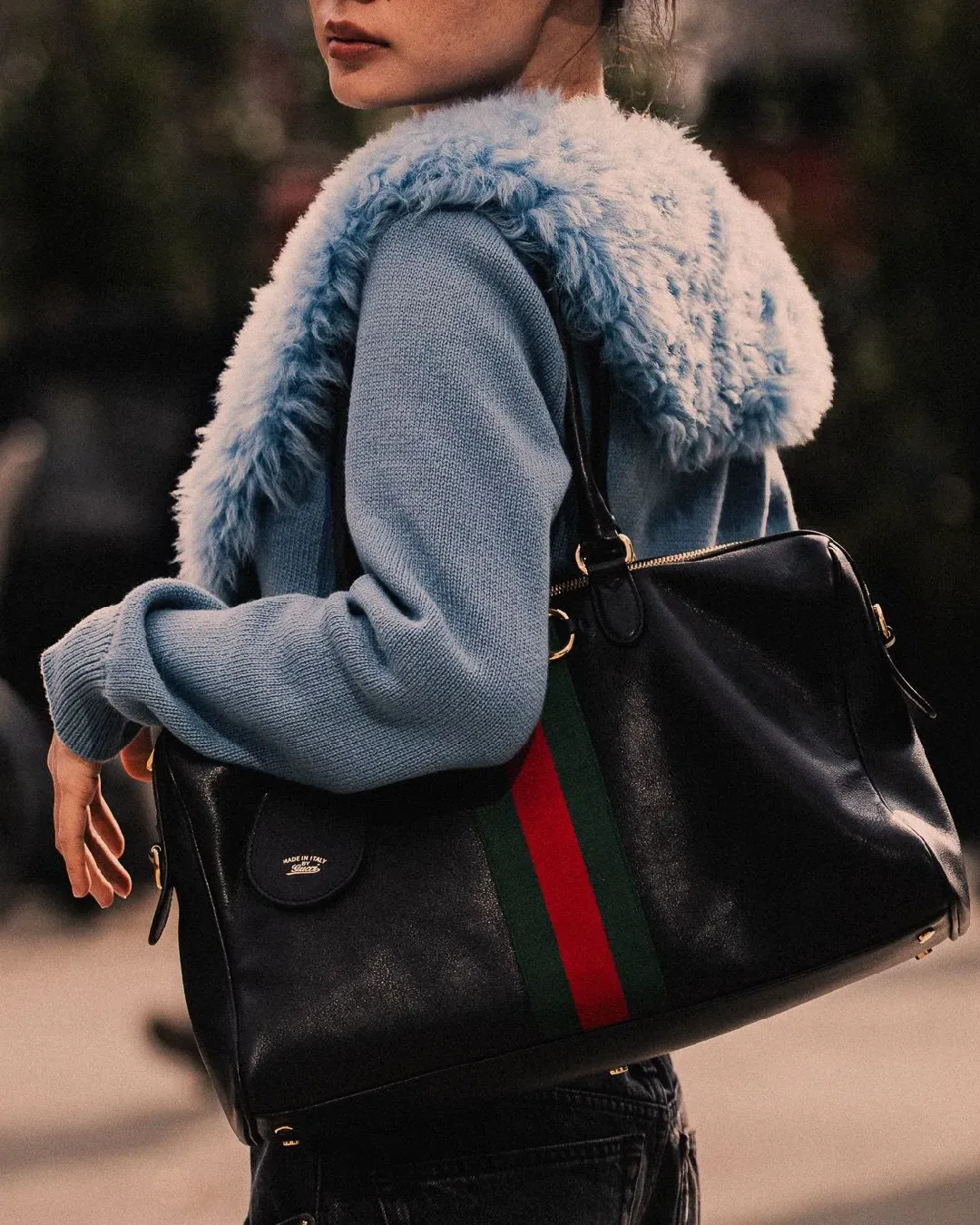
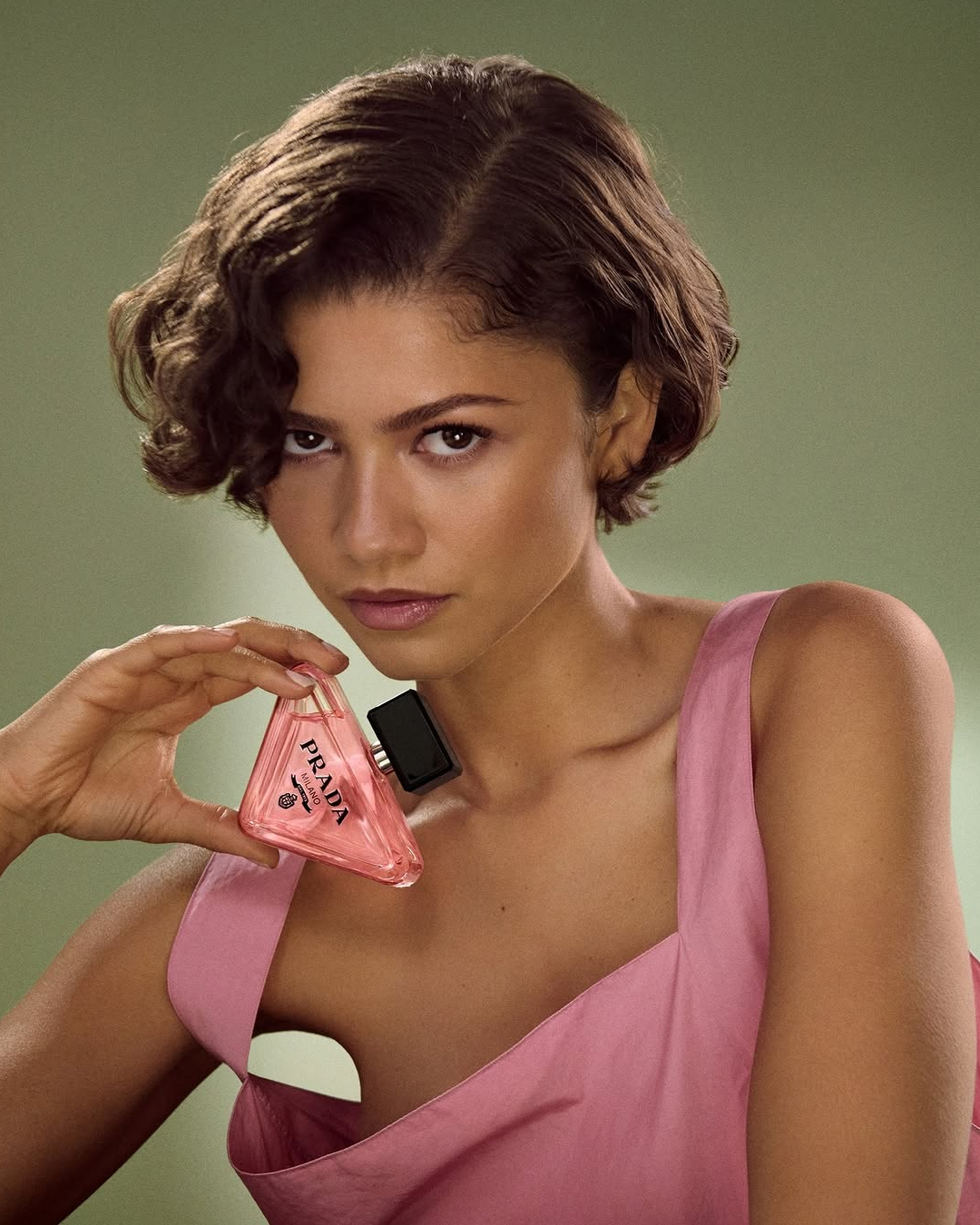
It is enough to consider, as suggested by Arabelle Sicardi, author of The House of Beauty, just released by Norton, «there is a reason why beauty advertising appears on every other page of a magazine. The average reader cannot afford a Gucci trench coat, but treating yourself to a nice lipstick? That, yes». Thus, according to the author, the issue actually concerns everyone and, above all, cuts across the politics of bodies.
All the changes in beauty in 2025
@thehauteline 1 acquisition,massive implications Kering just sold its beauty business to L'Oréal for $4.6 billion A massive move that says one thing: reinforce your core before diversifying #fashionnews #businessstrategy #luxurytiktok #beautybusiness #businesstok son original - thehauteline
In recent weeks, many developments and announcements have followed one another in the sector, signalling strong strategic and economic interests in a sphere that embraces intimate experience, often grouped under a word that has been heavily overused in recent years: care, which instead conceals—or should intersect with—important ethical principles.
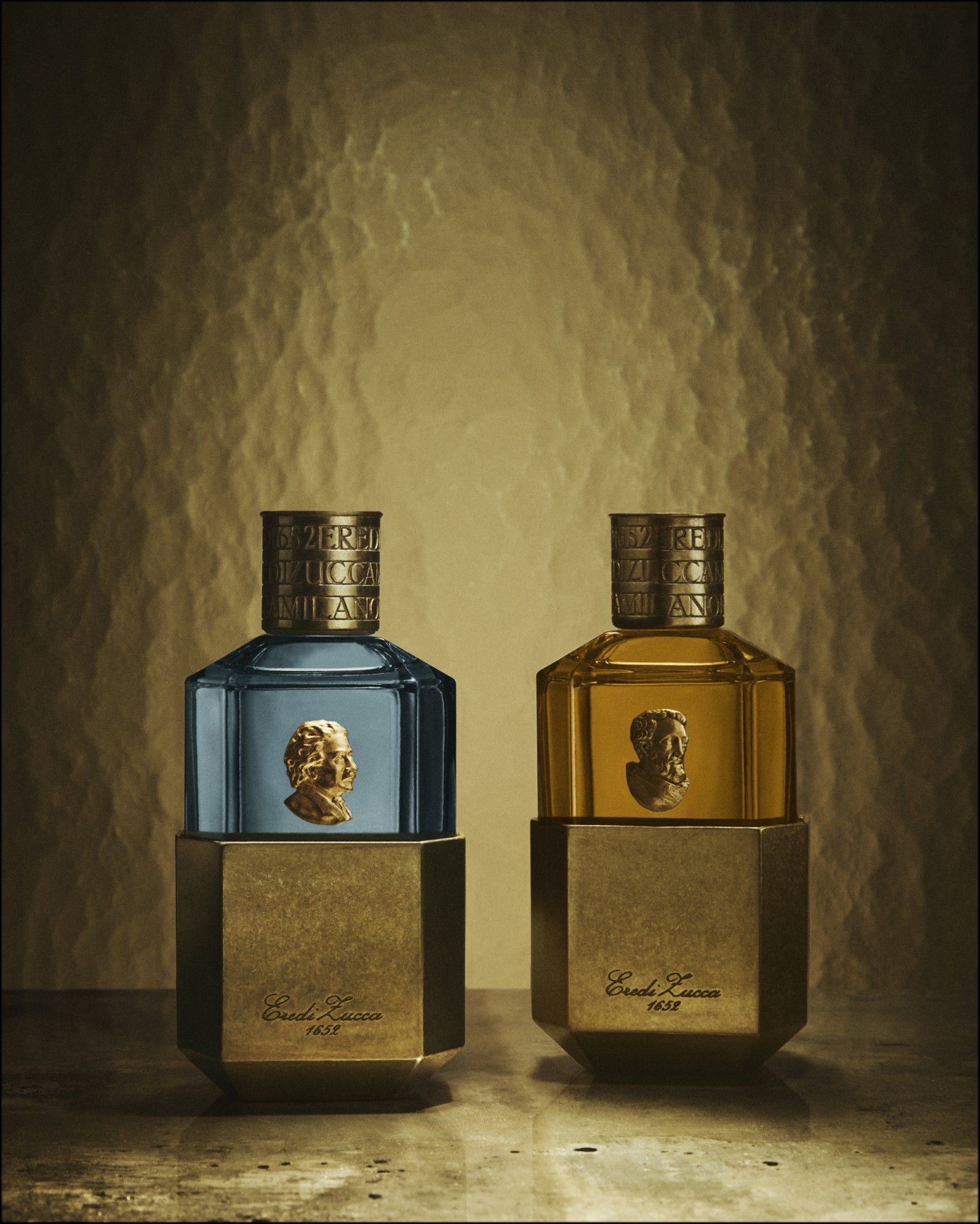
Through its new CEO, Luca De Meo, Kering announces a new agreement with L’Oréal: the luxury group will cash in around €4 billion by selling Creed and the fragrance licenses of its maisons for 50 years, while at the same time opening a joint venture dedicated to wellness and longevity. A key piece in the new leader’s strategy to reduce debt. This sphere is becoming increasingly crucial and is pushing beyond its boundaries: while brands scramble for cover on one side, on the other they embrace science-fiction-like desires.
As in the case of Renzo Rosso, who has announced investments in a luxury spa dedicated to processes and longevity research, stating to MFF: «it’s not just about aesthetics, it concerns health linked to the extension of average life expectancy». And confirming this intuition of the Venetian entrepreneur is the news, reported by Business of Fashion, that during Black Friday 2025 aesthetic clinics turned surgery and fillers into e-commerce-style promotional offers, with aggressive discounts and “buy one get one” formulas that normalize medical procedures as if they were products to add to a shopping cart.
The House of Beauty and the myth of longevity
And this is precisely why Sicardi’s work arrives at the perfect moment. On one hand, it dismantles the aspirational rhetoric surrounding beauty; on the other, it allows for clearer thinking about the paradoxes of an industry that represents one of the highest-margin segments of the luxury sector. Included in The 32 Best LGBTQ+ Books of 2025 list by Them, the book is a truly compelling work, thanks to its tone and the insider perspective of someone who fights against the very system in which they work.
If at first glance beauty and politics may seem far apart, according to the author, they are not at all. They work together with the sole goal of diverting a transparent and varied vision of bodies and beauty. It is enough to consider how body positivity already seems to have vanished, from campaigns to runways.
Sicardi explains that the concept of care, initially developed by writer Audre Lorde in 1988, defined taking care of oneself not as self-indulgence but as self-preservation. This ethos, Sicardi suggests, «has transformed over the years into the “treat yourself well” mantra, whispered in advertisements», echoing in our ears as we sit at home purchasing an expensive face mask.
Wellness capitalism
Capitalism & consumerism are one of the biggest obstacles to women's liberation because the beauty, the makeup and the plastic surgery industry exploit women's and girls' insecurities to make a profit off of them. This is feminism 101. Yall are failed at critical thinking https://t.co/FnHp5zQ4KQ
— shine (@ladymysticalwmn) April 23, 2025
In doing so, political meaning is reduced to a barcode, and the book serves as a tool to remove it. It does not aim to be a blanket attack, but instead seeks to hand back and reorganize awareness in the act of transforming and preserving the body and, more broadly, the world of wellness, not only as an object of consumption but as a true revolutionary act.
Upon closer reflection, humanity’s obsession with modifying its own body has followed us since the beginning of history. From primordial tattoos to the morning run, this obsession will not go away, but we must come to terms with the fact that it is not just a skincare routine, but an act of awareness. Also because feeling beautiful and invincible is not the only way to tell the story of a product or a service.
Takeaways
– In 2025, beauty overtakes fashion by focusing on wellbeing, accessibility and self-care.
– Wellness and longevity emerge as key strategic areas for luxury brands, blending business and storytelling.
– Body care increasingly becomes a space for cultural awareness rather than a purely aesthetic practice.