
























The history behind McQueen's Skull Scarf Now that it's coming back thanks to Sean McGirr
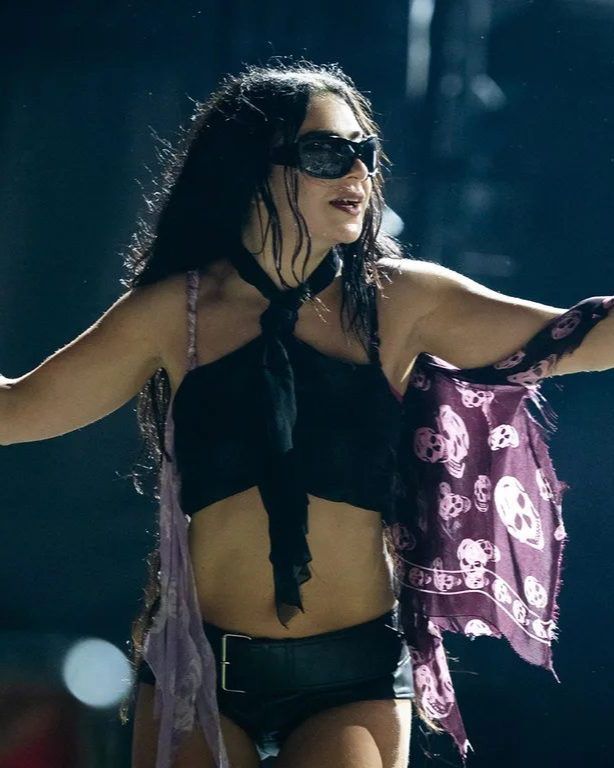
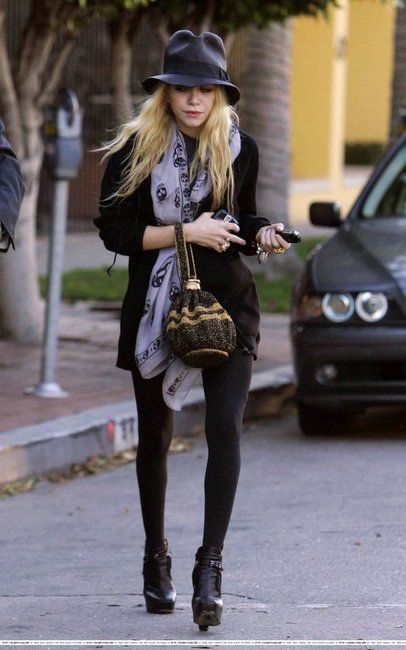
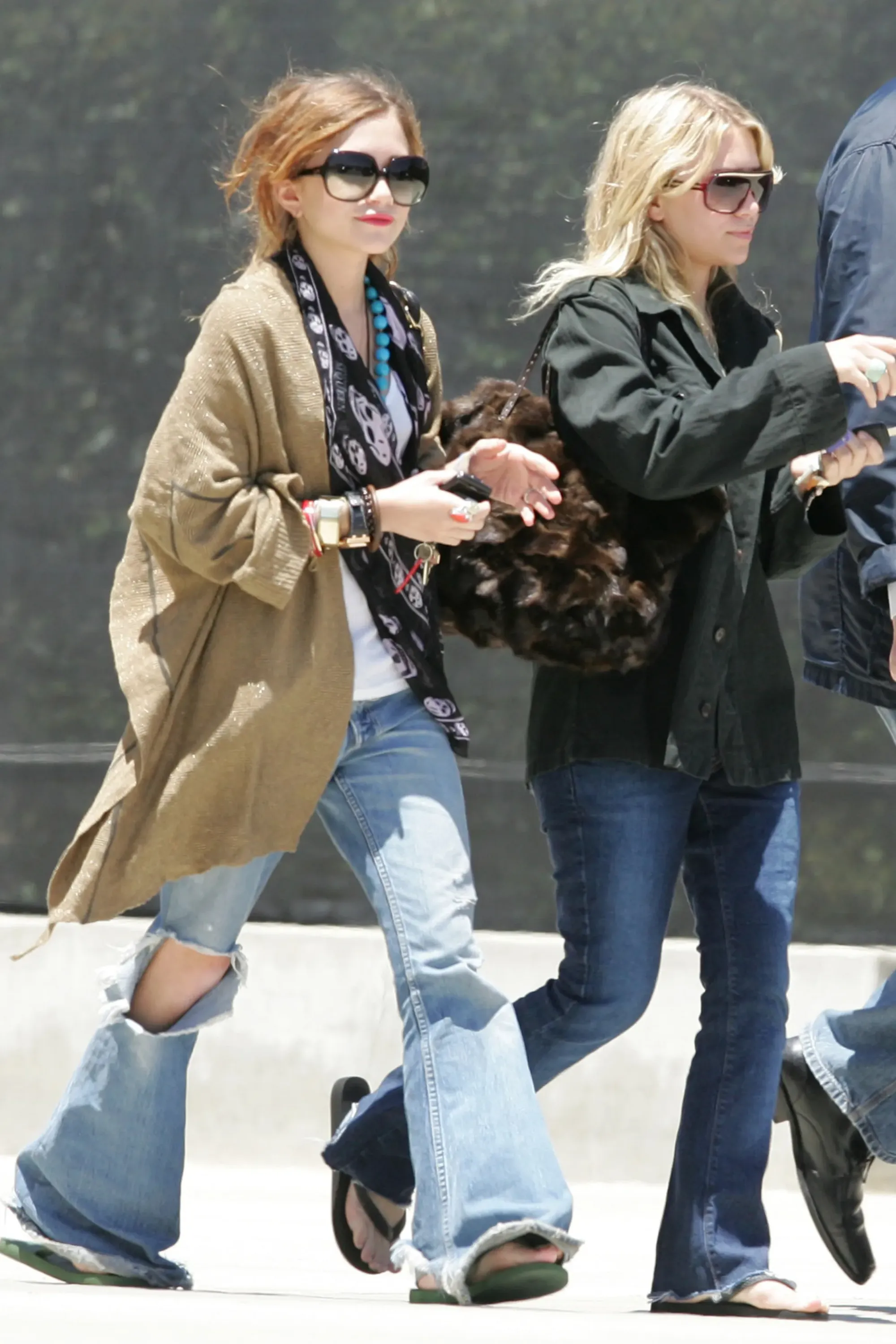
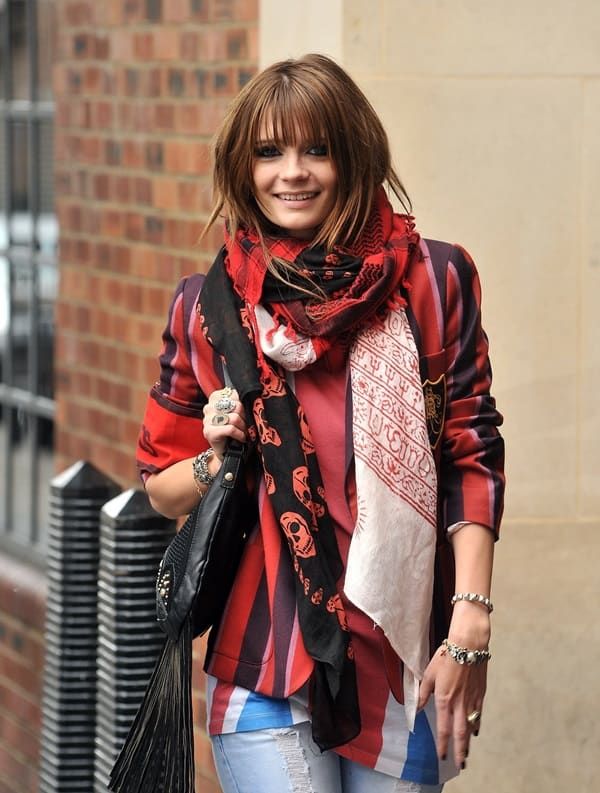

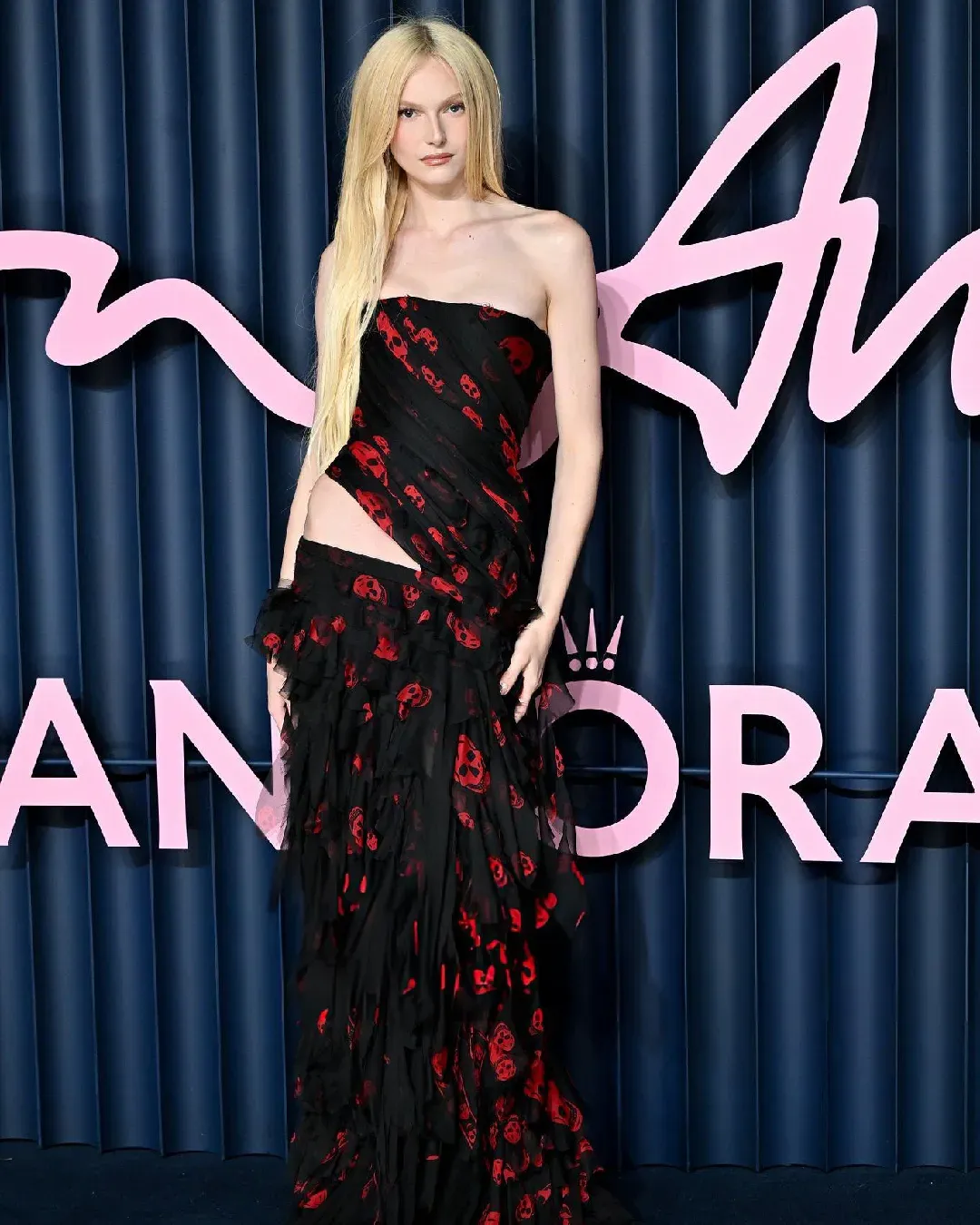
When thinking of handkerchiefs and luxury scarves, one is reminded of the refined and colorful patterns by Hermès or Gucci, famously filled with elements linked to the world of equestrianism, hunting, and high fashion. And yet, in contemporary fashion, it is a macabre pattern - partly punk, partly emo - that has returned to dominate the scene, one that has nothing to do with horses, ducks, or nature - except its dead iteration. On the red carpet of the British Fashion Awards, it-girl and top model Alex Consani appeared wearing a black voile dress completely covered in red skulls, a design by Sean McGirr for Alexander McQueen that brings back into the spotlight one of the most beloved motifs of the early 2000s, invented by the founder of the maison himself. As we will see, the history of this pattern and what it represents offer an interesting insight into the times we are living in.
Alexander McQueen, the genius behind the Skull Scarf
The creator of the Skull Scarf could only have been Alexander McQueen, the enfant terrible of British fashion, who immediately made a name for himself in the industry with extreme collections that romanticized the macabre and violence to the point of controversy - even though, as we know, all the designer wanted to do was critique society. The creation of the Skull Scarf is a story of cause and effect: after accepting the position of creative director of Givenchy in 1996, just a couple of years after his graduation in fashion design from Central Saint Martin's, the designer’s skepticism and disdain for the luxury industry only grew. He soon clashed with the executives of LVMH, Givenchy’s main investor, and eventually sold part of his own brand to competitor Kering (then Gucci Group). At this point, McQueen was under pressure from two luxury conglomerates, demanding the paradoxical task of maintaining his artistry, yet selling more.
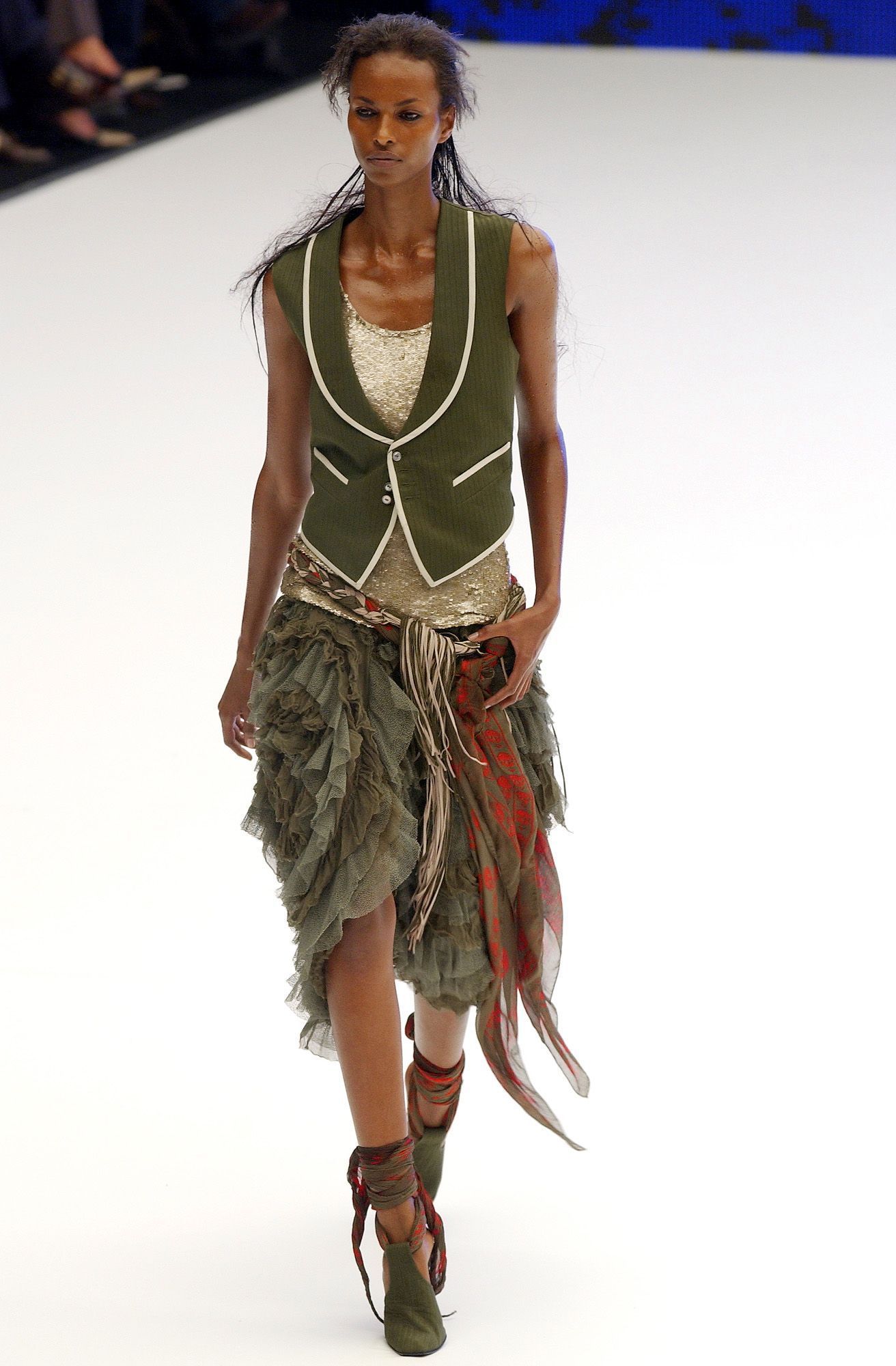
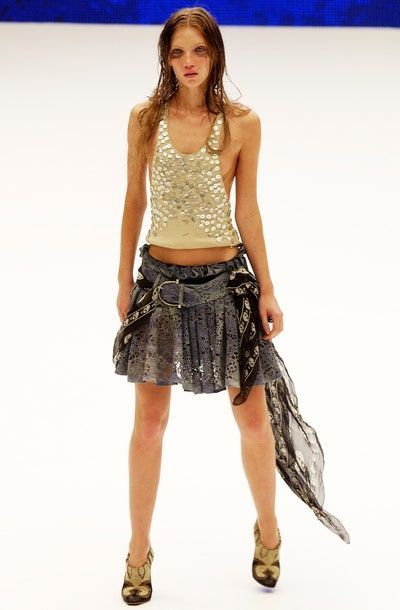
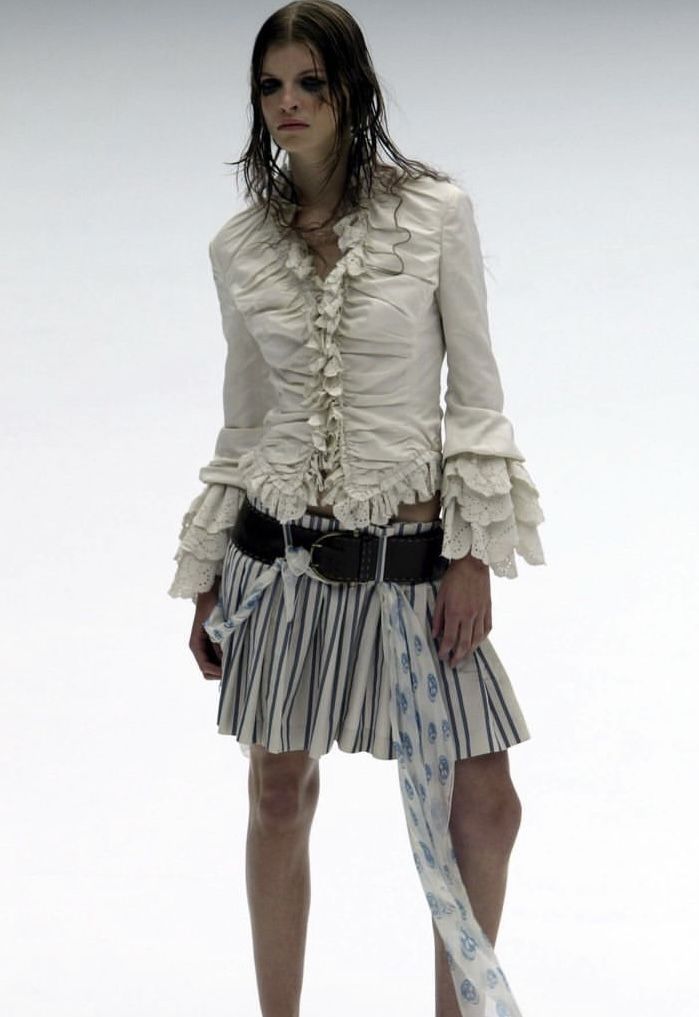
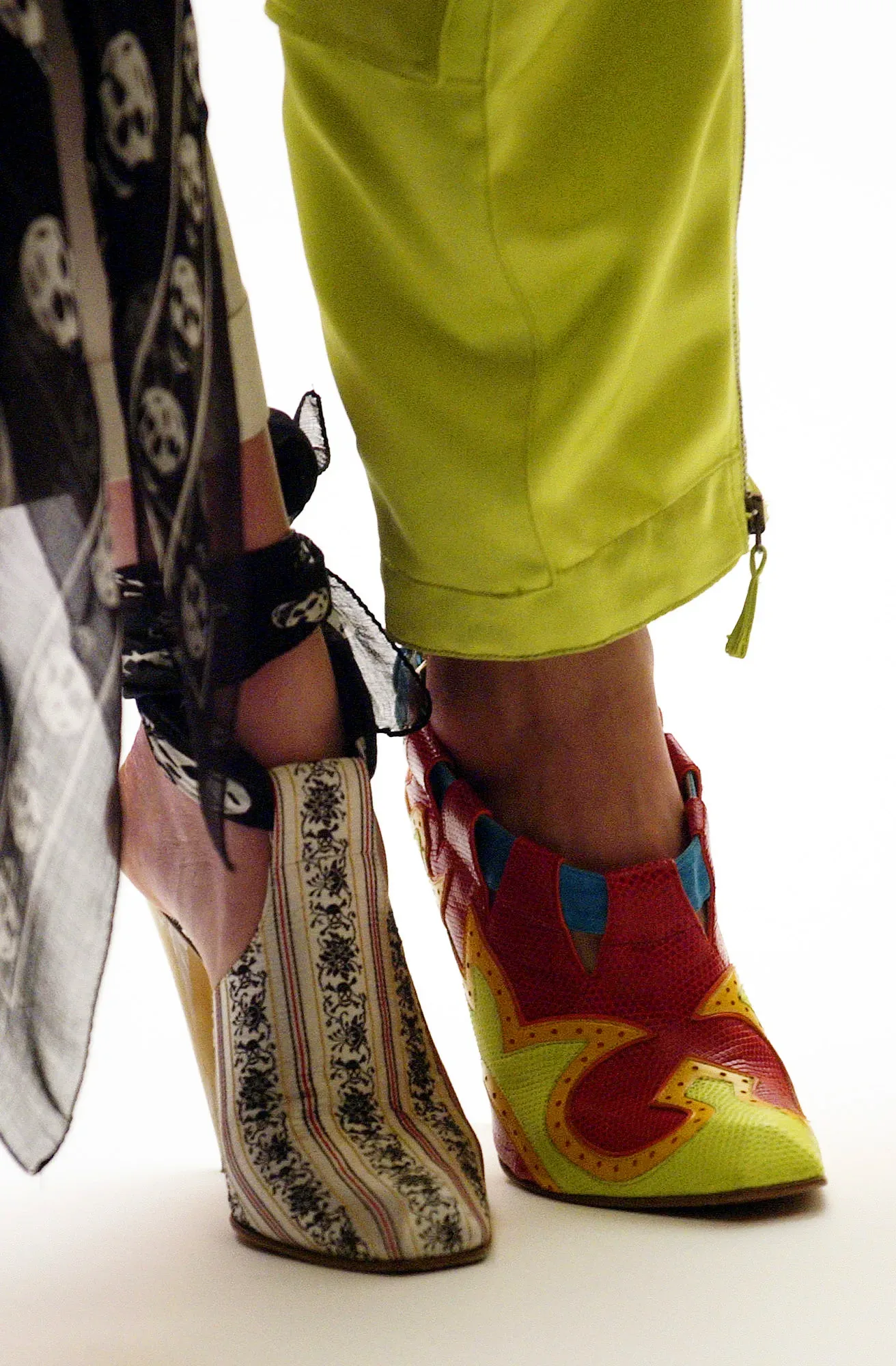
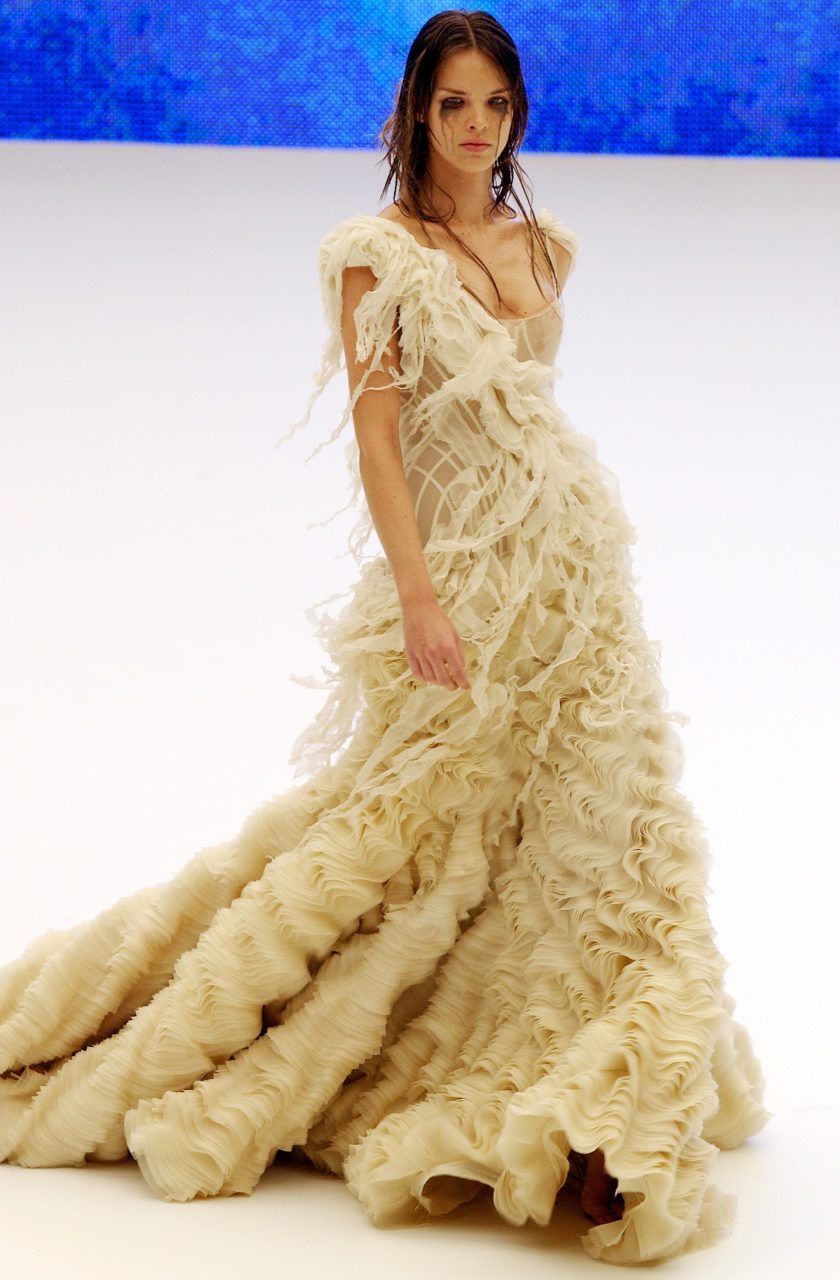
Irere, Spring Summer 2003
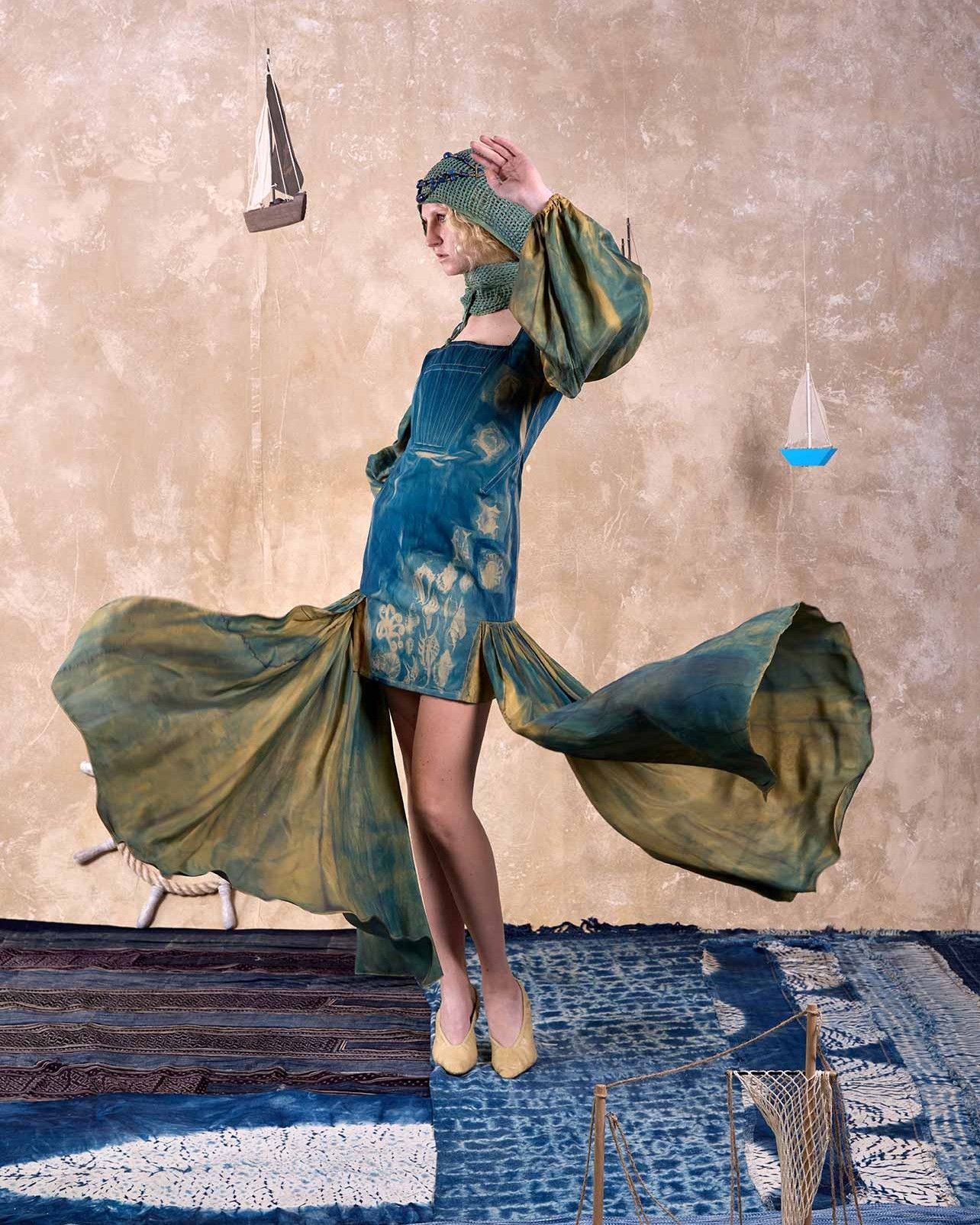
McQueen found the solution to the pressures from the major groups in the early 2000s. For SS03, titled Irere, the designer took inspiration from pirate adventures and the imagery of the Amazon rainforest. While the oyster dress - named because the hundreds of circular organza veils it was composed of evoked the image of an oyster - left the audience speechless for its technical elegance, it was the Skull Scarf that left a mark on the market, tied around the hips and handbags of dozens of models. The motif naturally drew inspiration from pirate flags, while the show’s styling - and therefore the decision to accessorize so many looks with these bandanas - was signed by Katy England, McQueen’s right-hand woman.
The 2000s it-item, from runway to street style
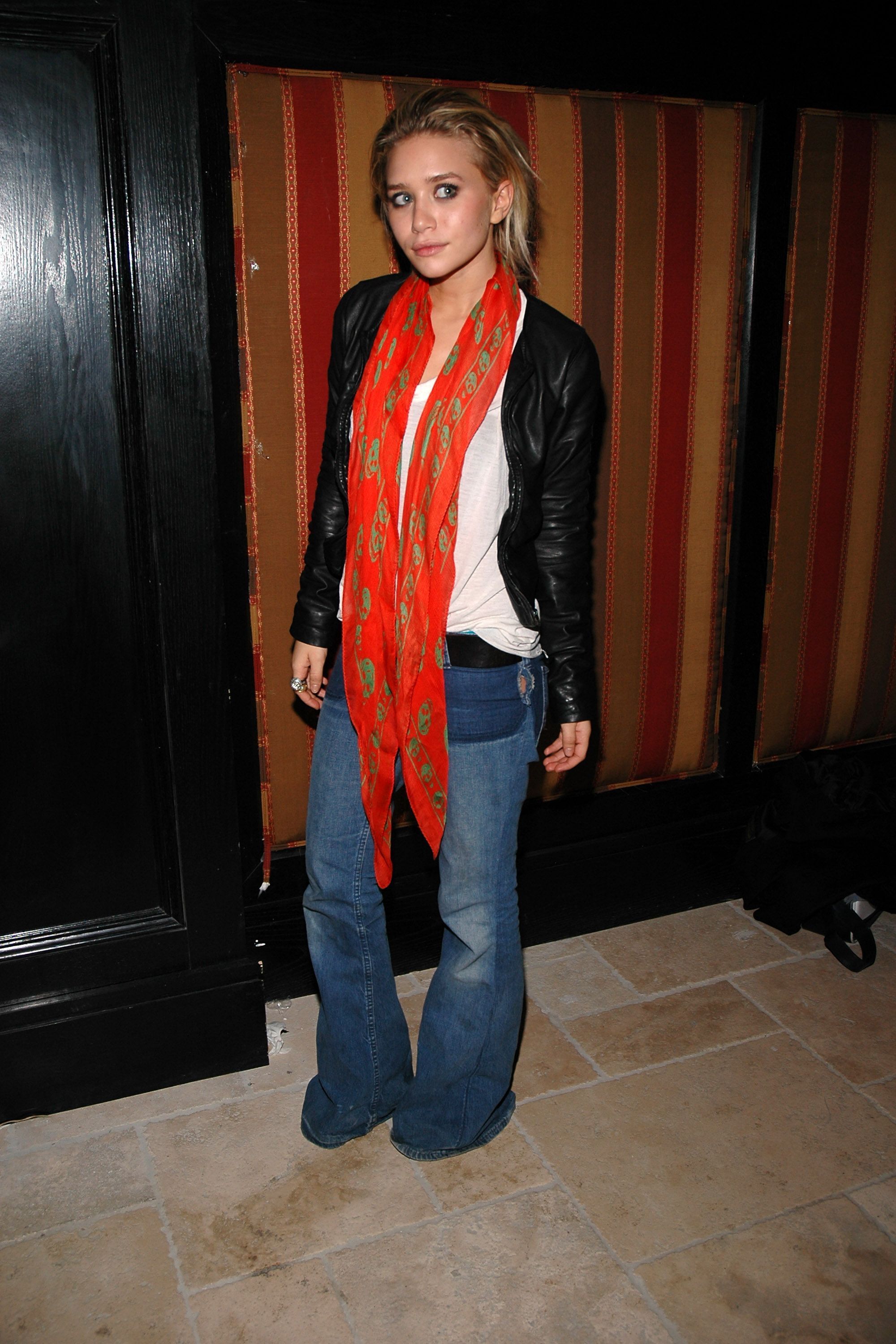
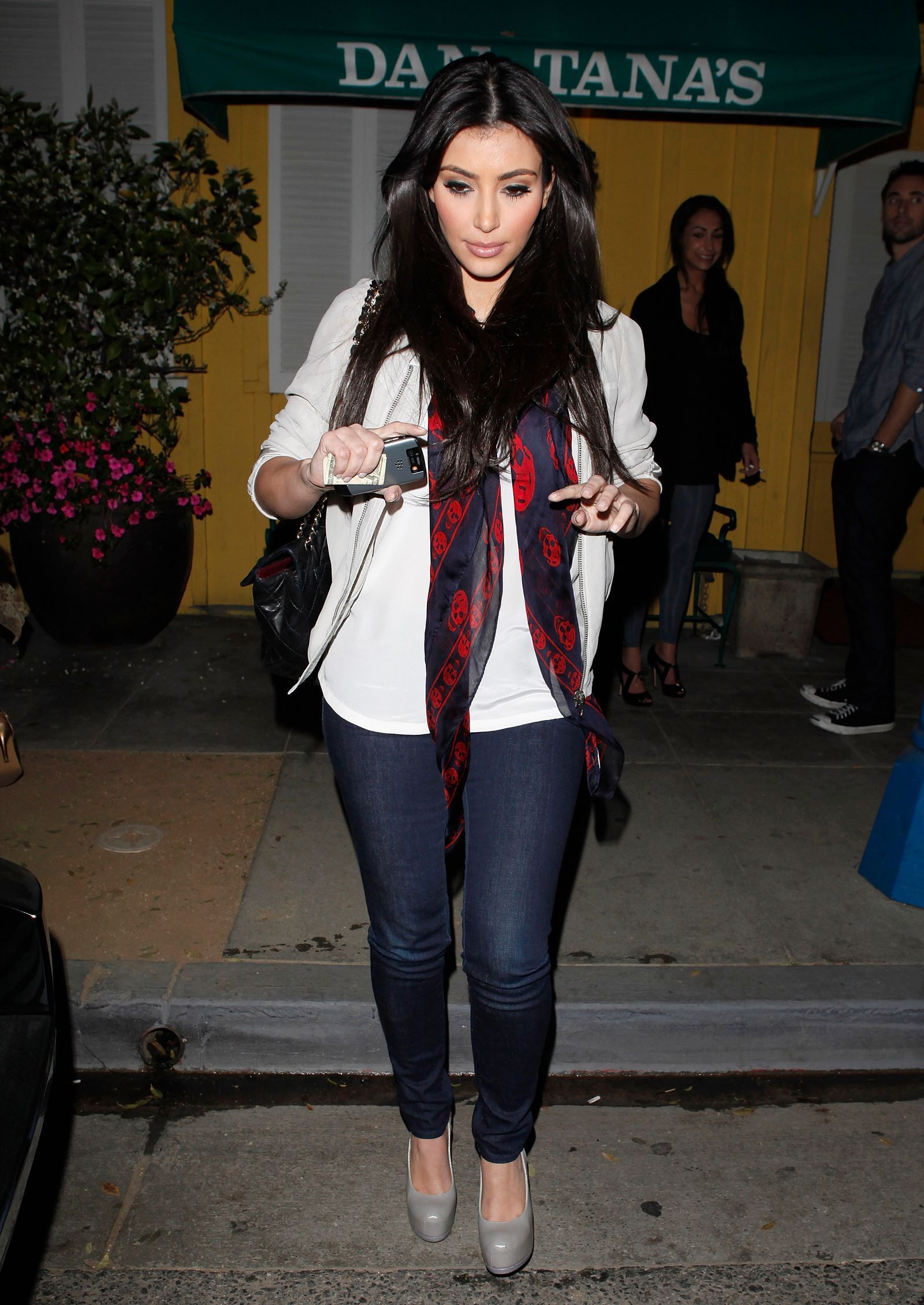
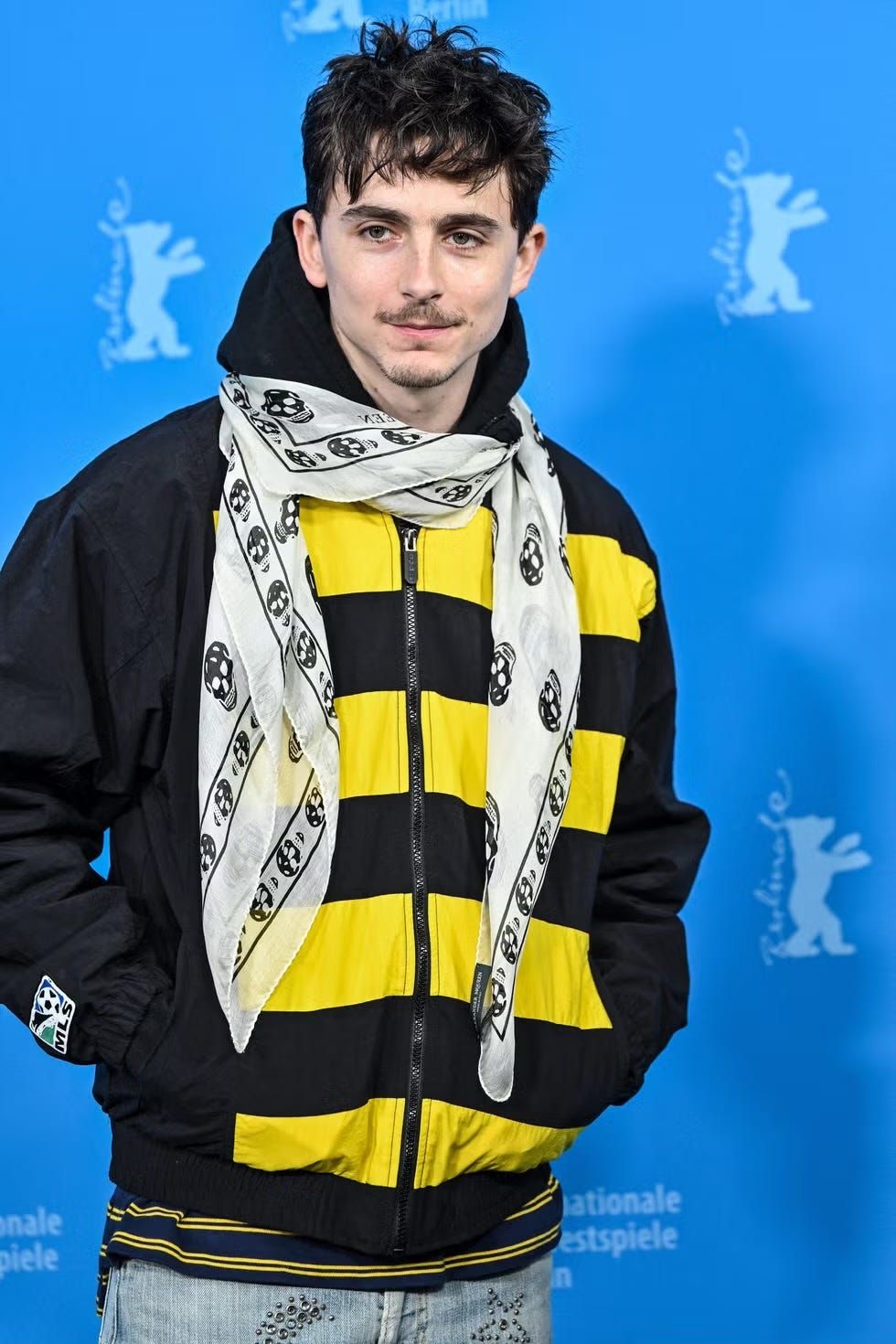
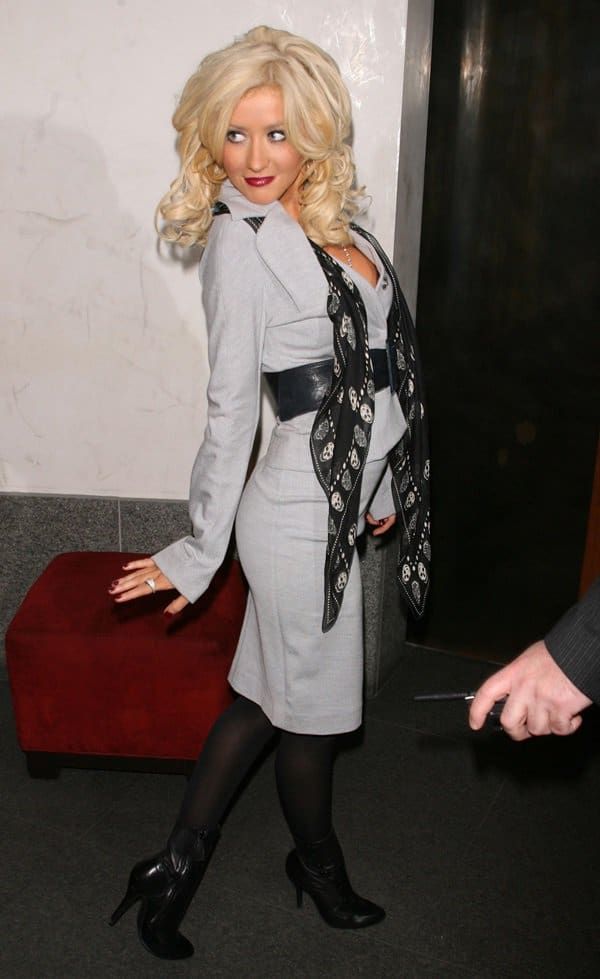
The Skull Scarf soon became one of the brand’s most successful accessories, conquering the necks of celebrities such as Nicole Richie, the Olsen Twins, Kim Kardashian, Mischa Barton, Christina Aguilera, Kanye West, Lindsay Lohan, Cher, Paris Hilton, Sienna Miller, and Pink, earning the title of it-item of the decade. The iconicity of the scarf and its aesthetic link to the pre-2008 years ultimately ensured its revival with the trends of trashcore and recessioncore, which paved the way for it. Sean McGirr, current artistic director of Alexander McQueen, smartly caught the Skull Scarf’s comeback in time, returning it to the brand before contemporary celebrities like Timothée Chalamet and Charli XCX promoted the look and pushed their fans to buy it on resale websites.
McGirr and McQueen’s new course between homage and reinvention
For FW25 and SS25 of Alexander McQueen, the first inspired by the English dandy, the second by the Banshee, McGirr brought to the runway collections strongly influenced by McQueen’s SS03. Layers upon layers of organza and sequins aside, colorful silk shirts covered in skulls and bracelets engraved with the same motif in silver brought the pattern back to the minds of a nostalgic audience longing for a time when fashion was still an artistic affair and market rules remained hidden backstage.
Last night, McGirr’s look for Alex Consani raised many eyebrows: on one hand, it paid tribute to a designer whose absence is still deeply felt; on the other hand, it was indeed a pattern taken from another designer. A detail that likely would not have bothered McQueen: in 2004, a year after the success of the Irere show, McQueen himself revisited the motif to create a dress for Kate Moss for Black, a retrospective show on the designer’s most important works. For the occasion, Moss and choreographer Michael Clark danced together on the runway, a performance they recreated years later for a 2015 tribute to McQueen.
The power of small luxuries
The success of the early 2000s Skull Scarf, as well as its contemporary revival, once again demonstrates the power that small luxuries exert on a luxury market in crisis and facing significant risks. Faced with ongoing drops in sales and increasing demands for transparency from consumers, small-sized accessories (and therefore less financially demanding) represent one of the few viable paths for brands, independent or not, to keep up with the times. Moreover, scarves and handkerchiefs are small but important objects: they can tell the aesthetic evolution of a brand through prints, leaving it to the community to carry them around, tied around the neck or, taking inspiration from Irere styling, just about anywhere.
Takeaways
- The revival of skulls on the runway and red carpet signals a return of the dark aesthetic made famous by McQueen and reflects the spirit of contemporary fashion.
- The SS03 Irere collection introduces the Skull Scarf as McQueen’s strategic response to pressure from luxury groups, transforming a pirate symbol into a fashion icon.
- The Skull Scarf quickly becomes a global it-item thanks to celebrity support, becoming an aesthetic symbol of pre-crisis fashion and fueling its recent revival.
- Sean McGirr reinterprets the Skull Scarf in the FW25 and SS25 collections as a tribute to McQueen, tapping into nostalgia.
- Consani’s look reignites the debate on internal brand references, recalling how McQueen himself reused his own icons and kept a dialogue with his archive alive.
- The enduring success of the Skull Scarf demonstrates the strategic importance of small yet iconic accessories, which allow brands to remain relevant and accessible in a struggling luxury market.
What to read next
5 trends that Trainspotting anticipated Back in 1996
There is much more to the film than the famous Helmut Lang tank top
Seán McGirr has left the creative direction of McQueen
The announcement comes from Kering, the group that owns the British Maison
The Row is now selling vintage Yohji Yamamoto and High Fashion Twitter is outraged
A long-running debate has flared up again on X