




















Which brands did Lee McQueen wear? A new auction gives us a glimpse into the personal wardrobe of the great English designer
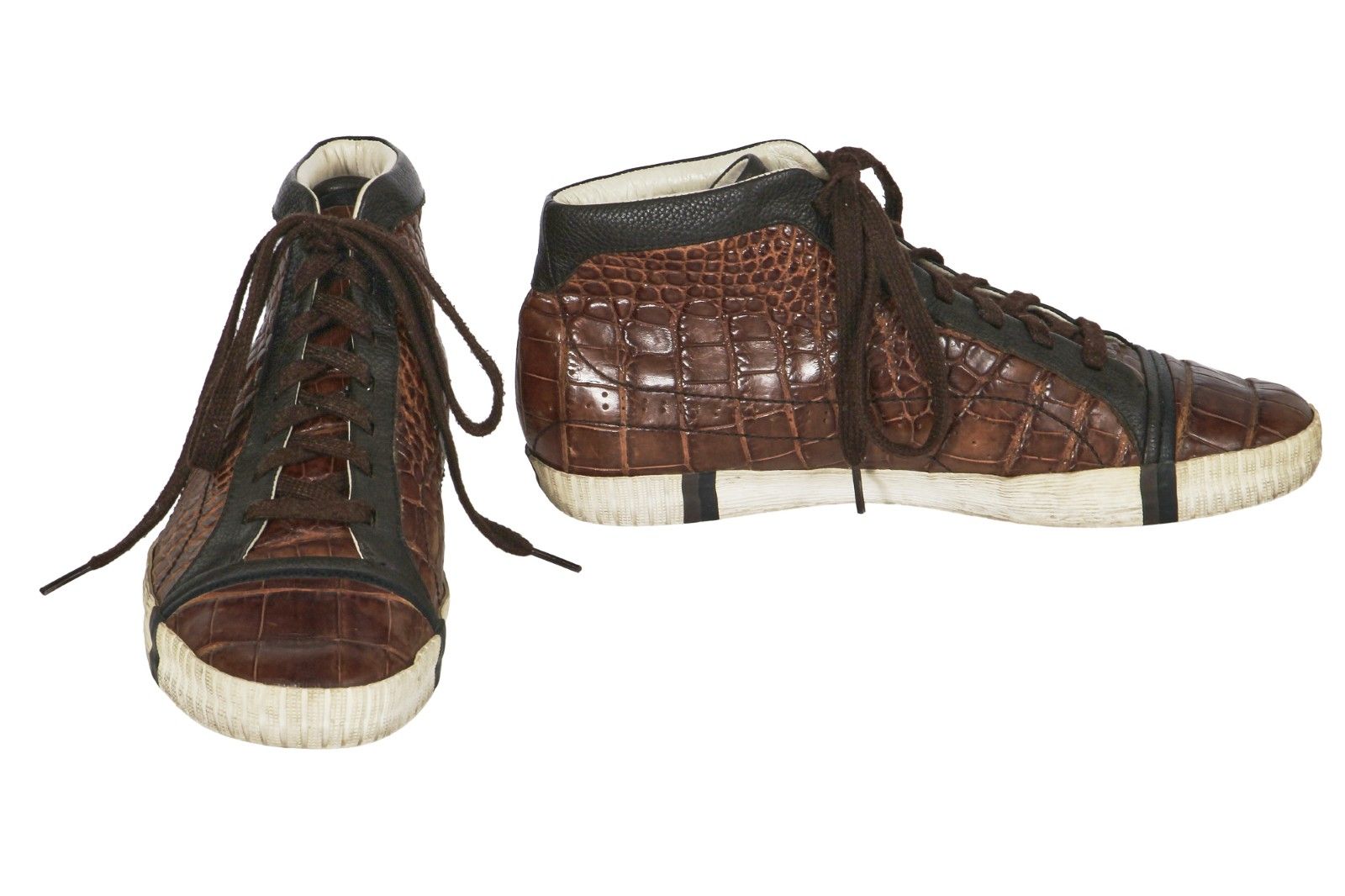
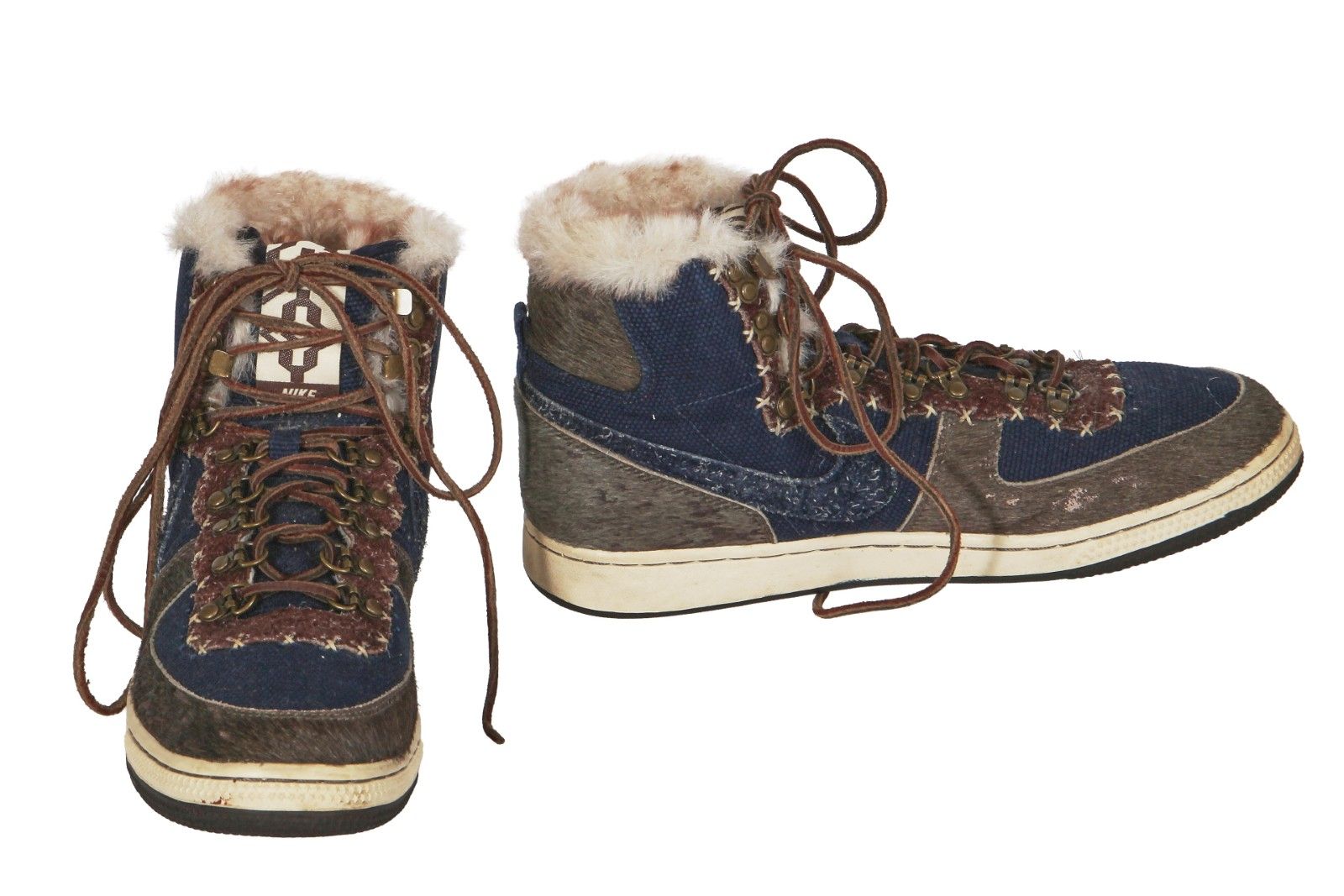
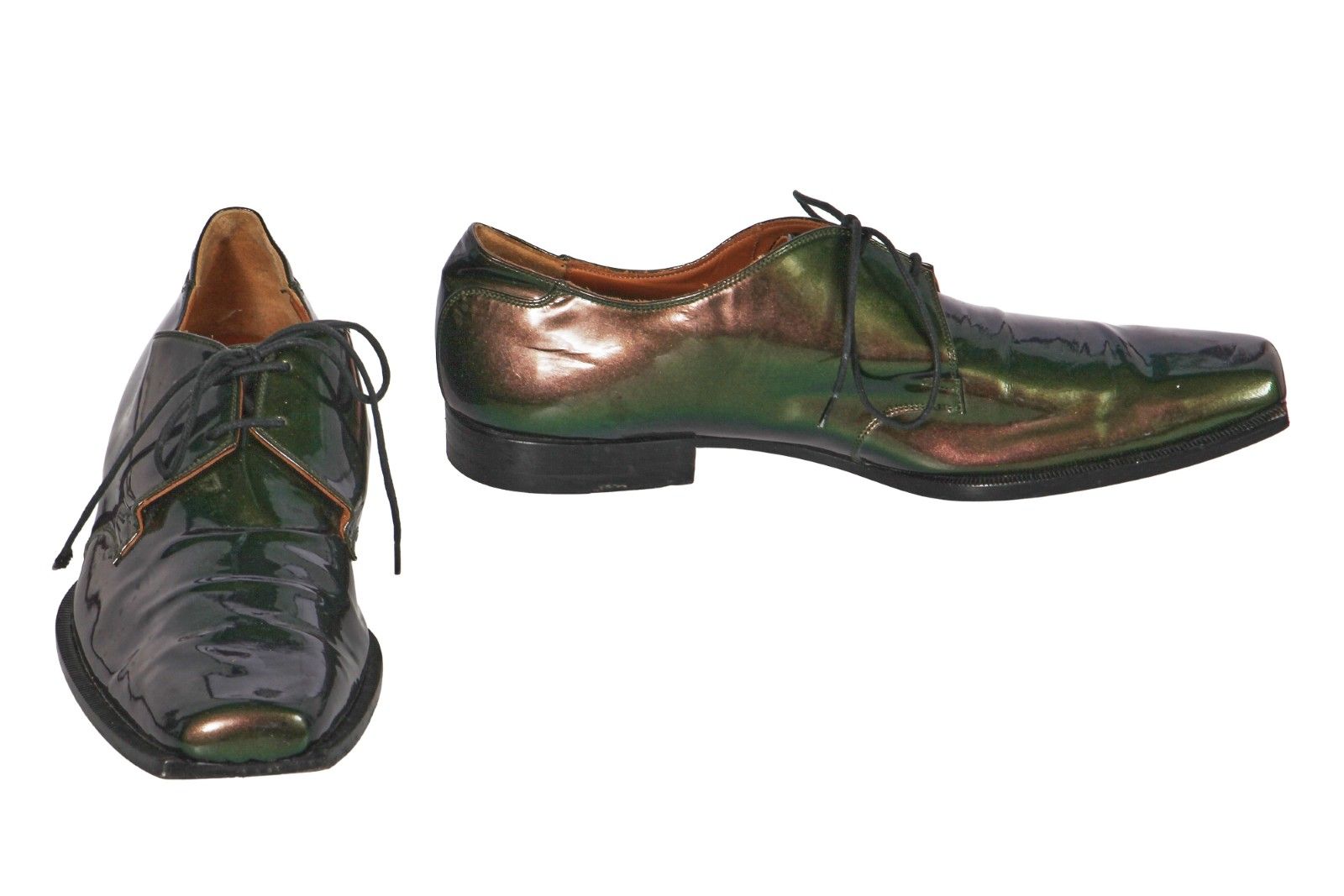
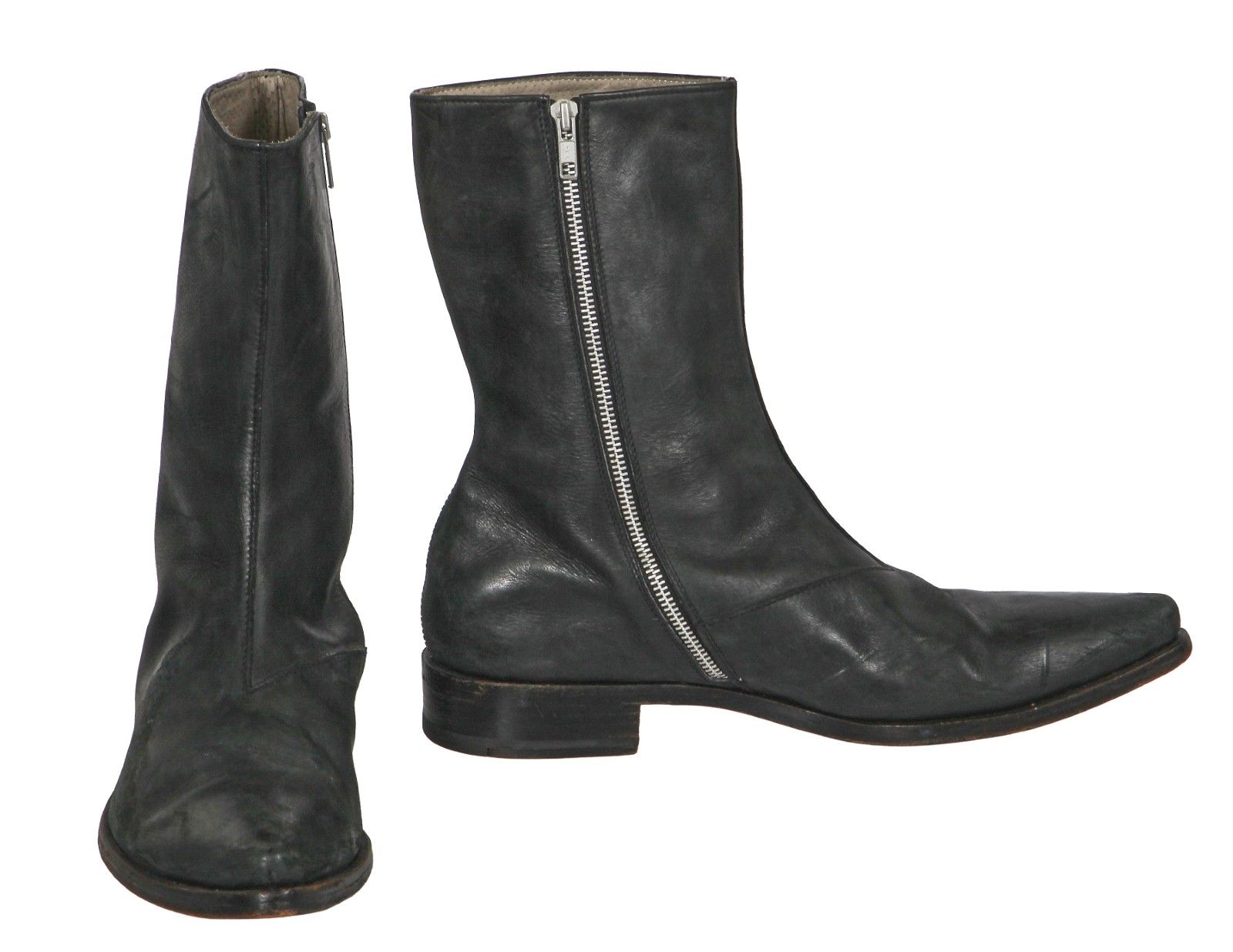
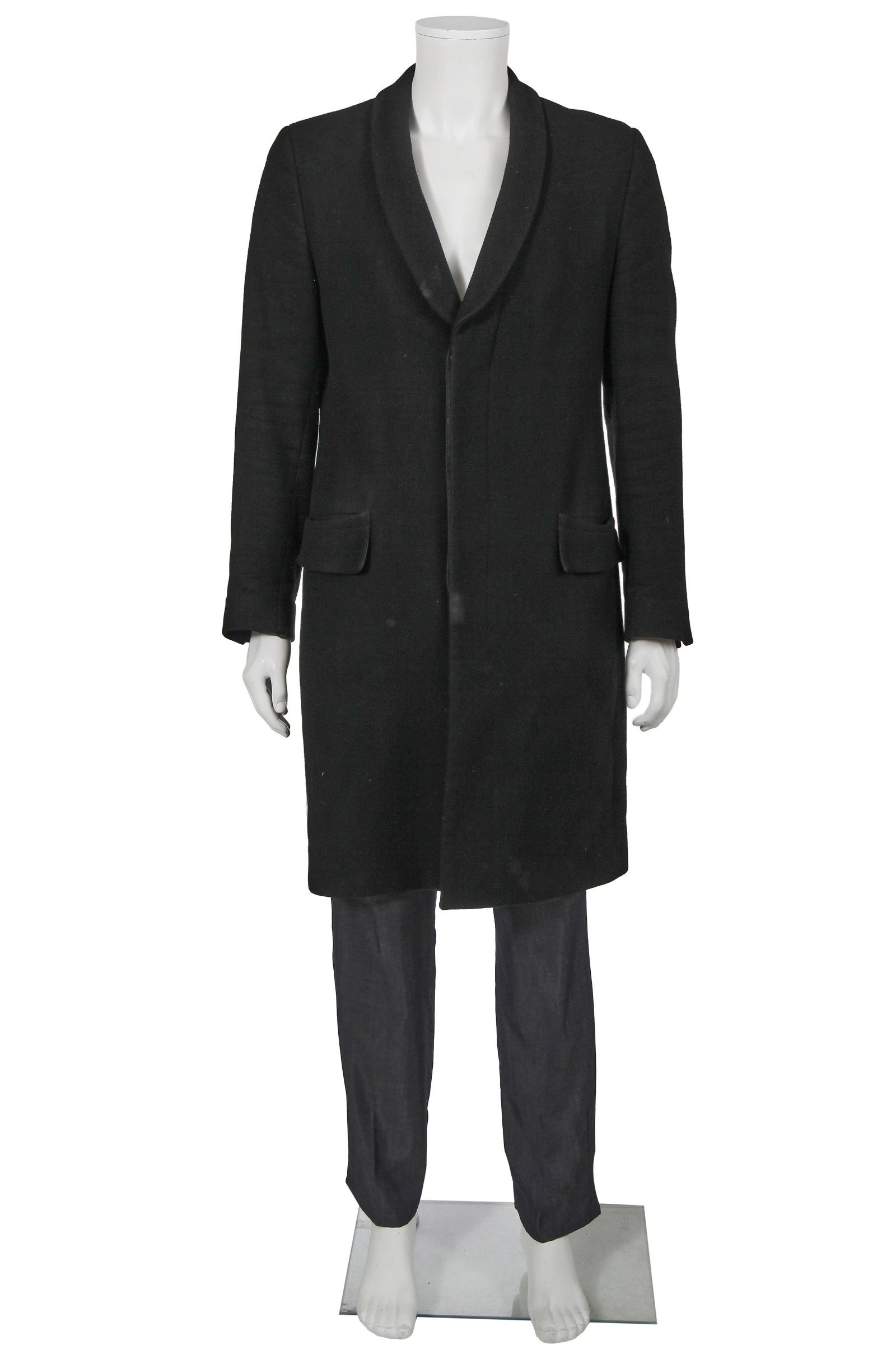
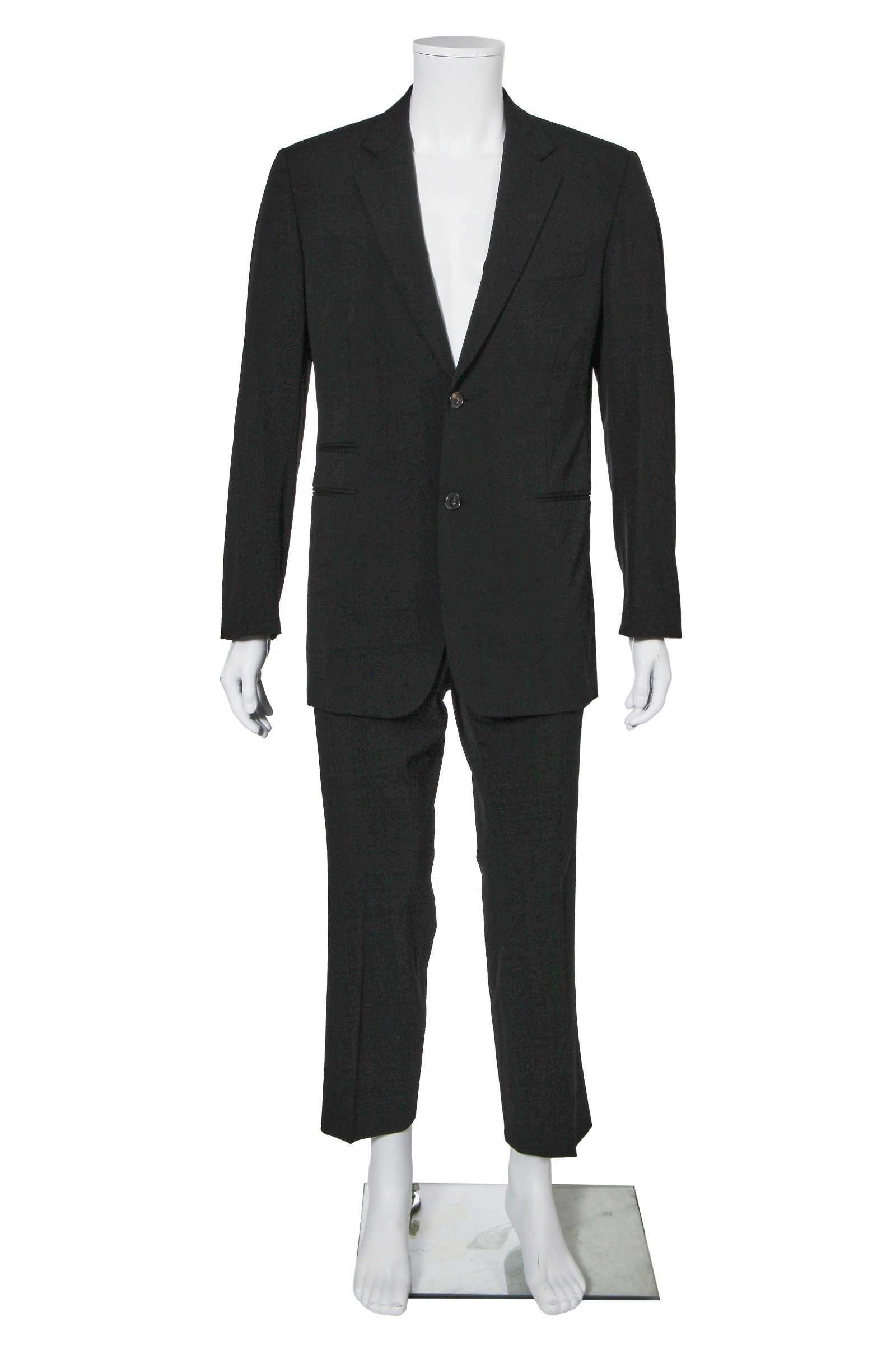
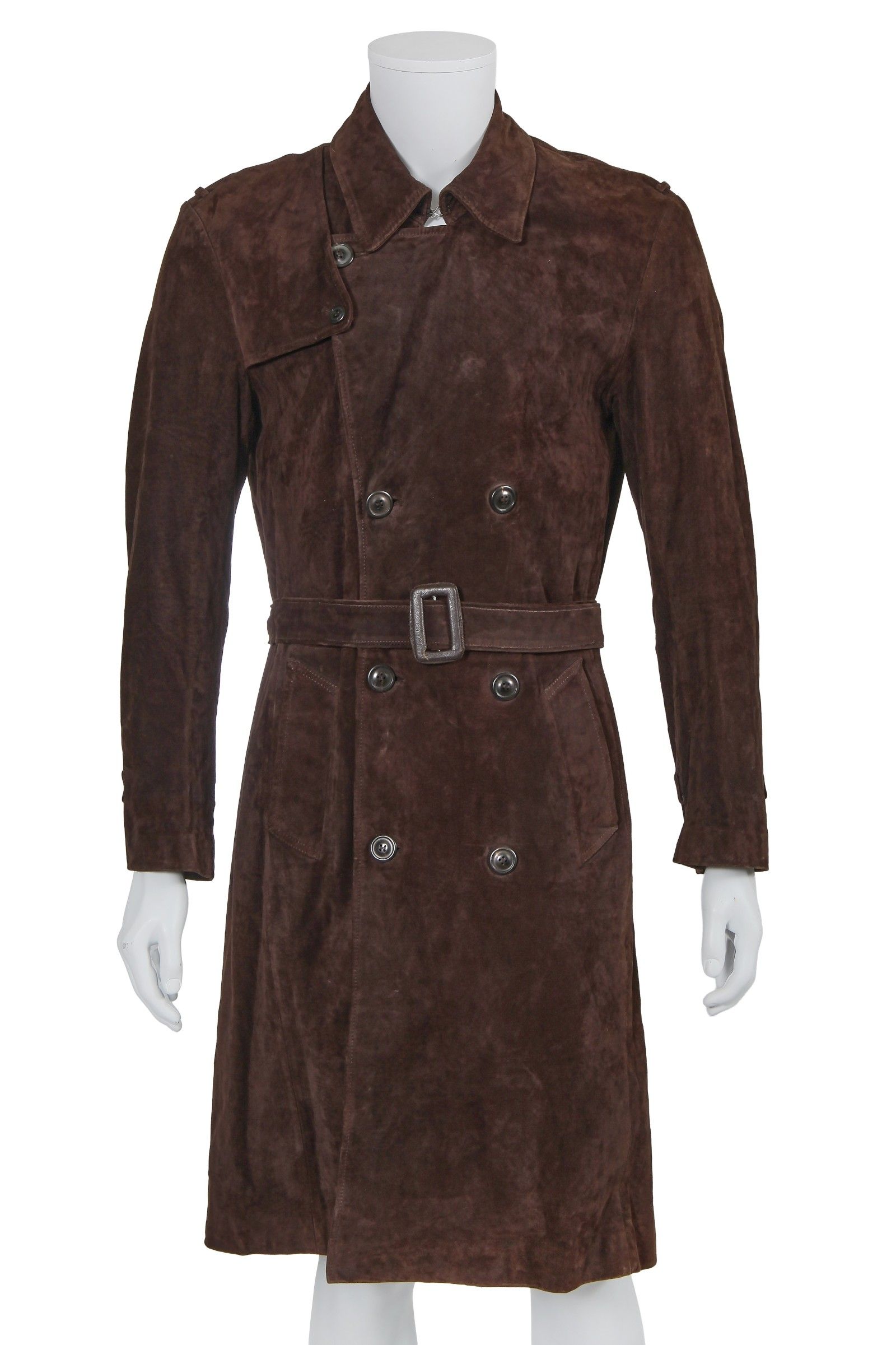
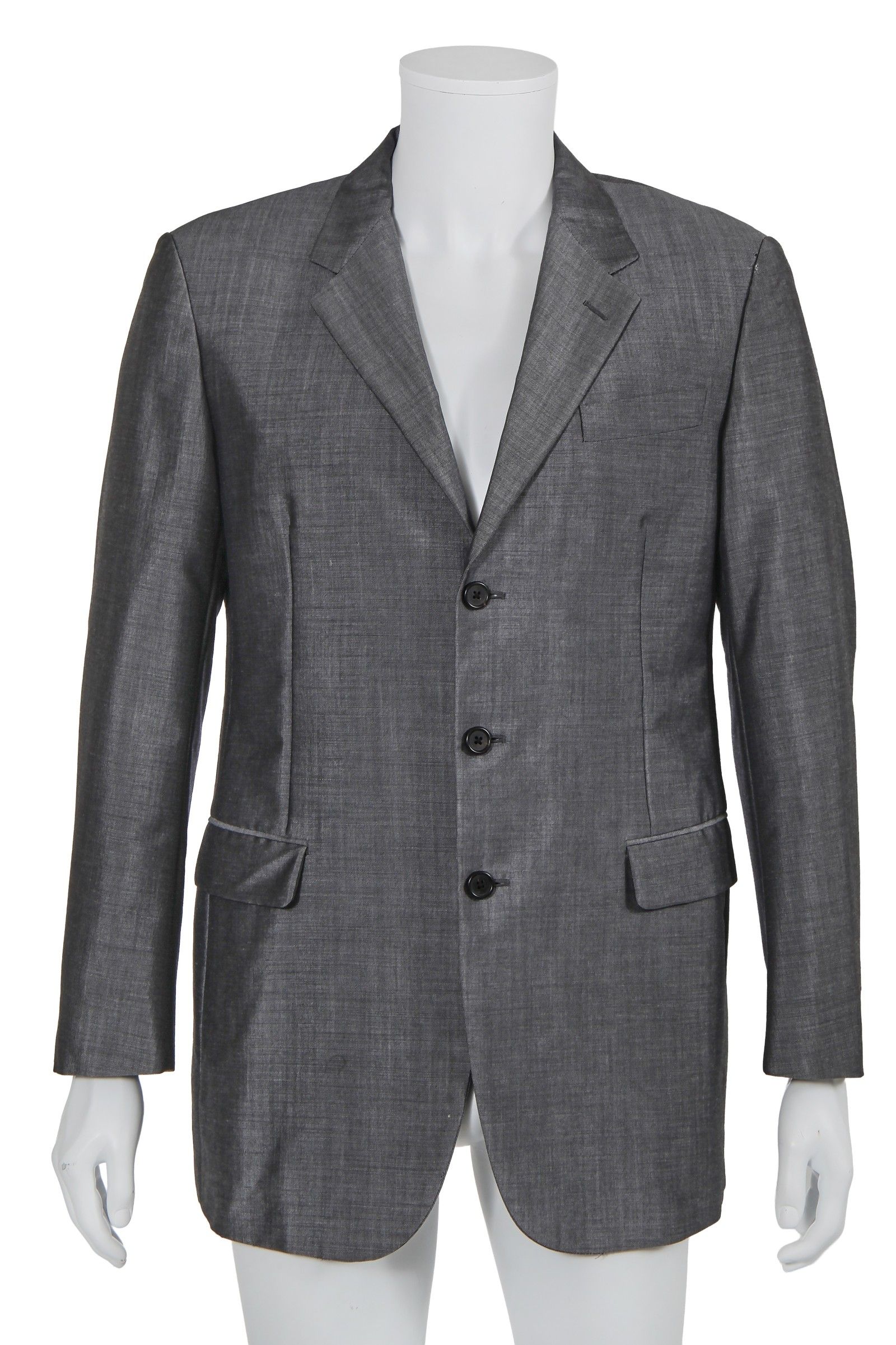
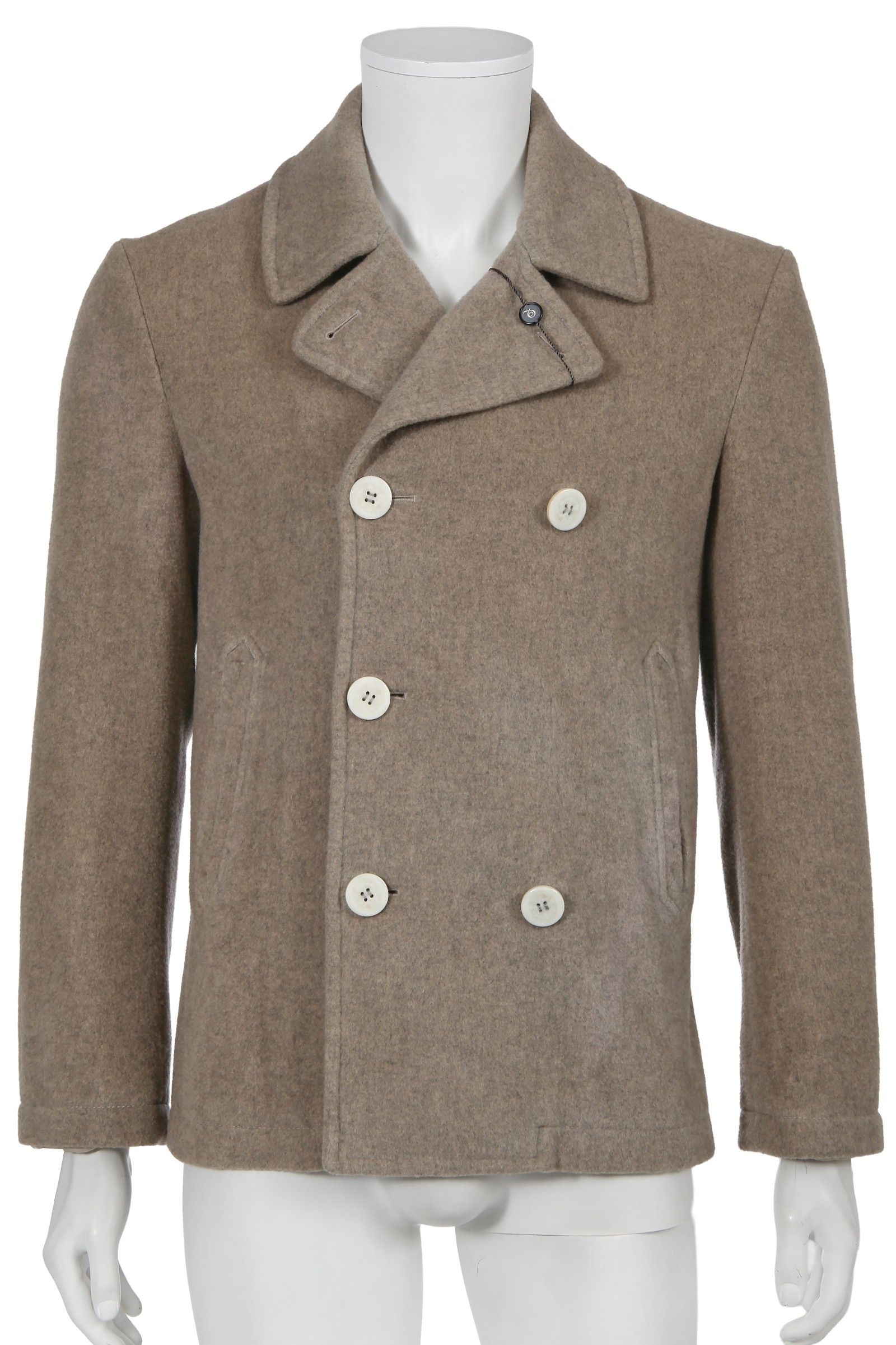
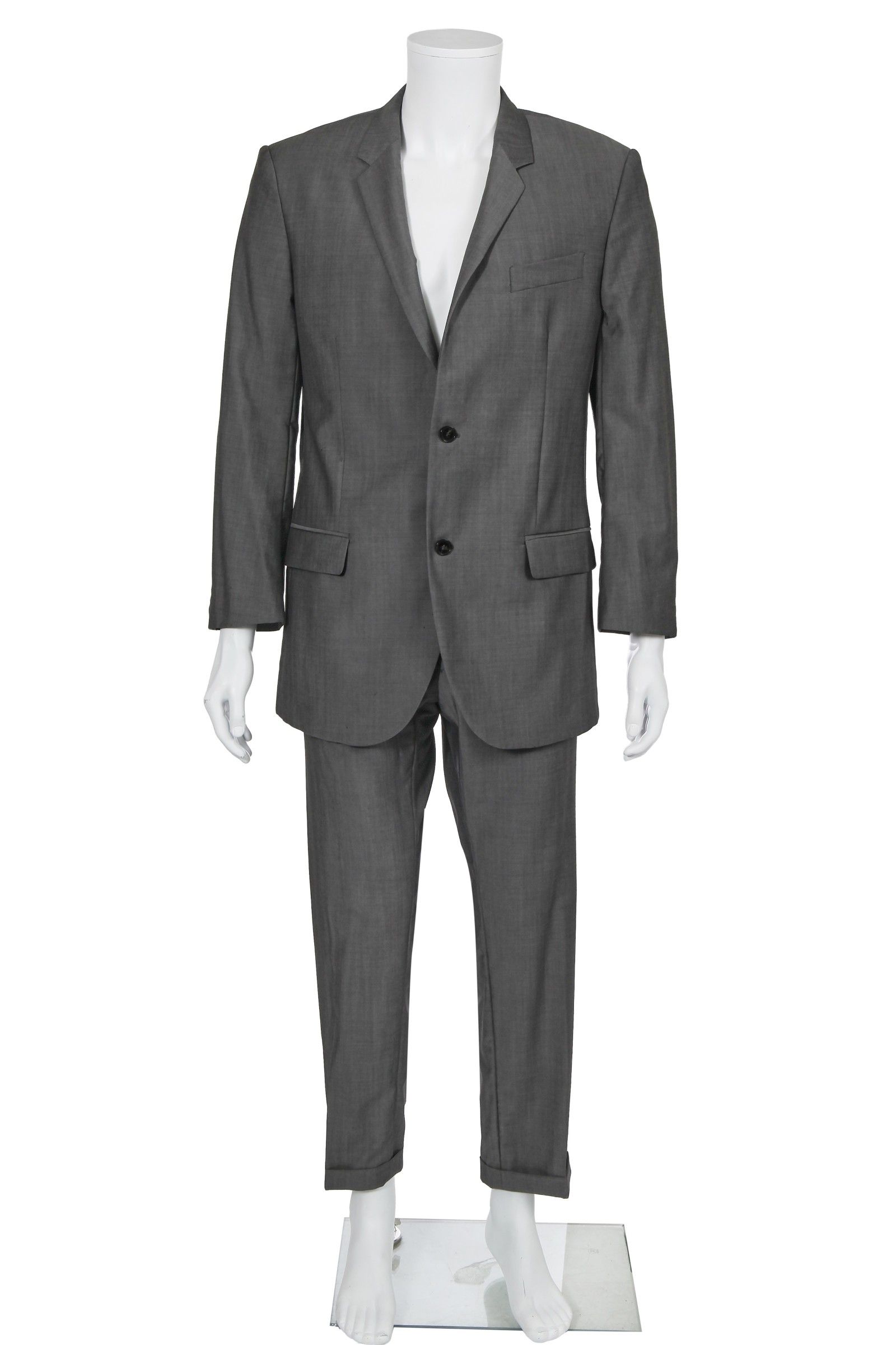
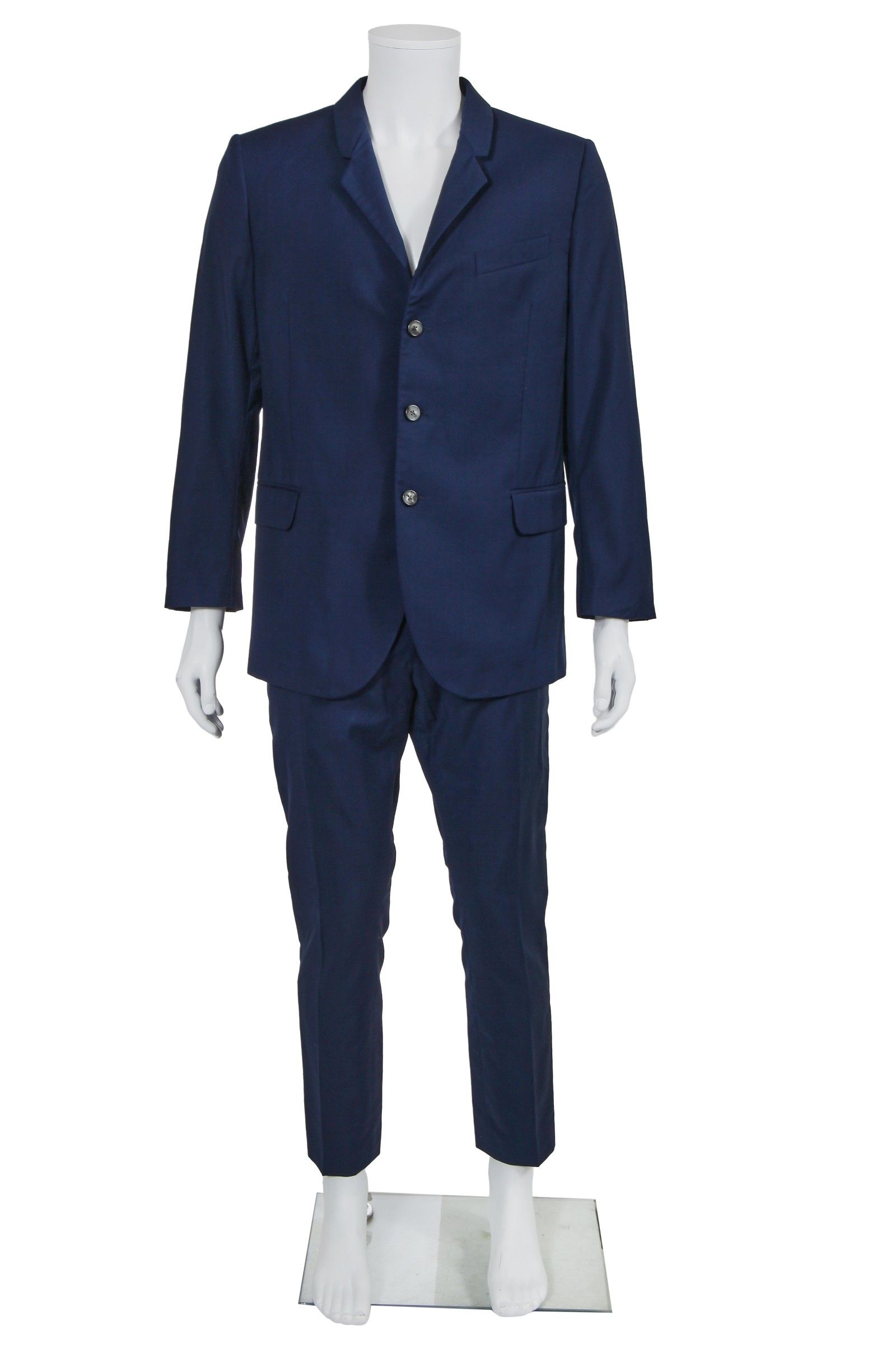
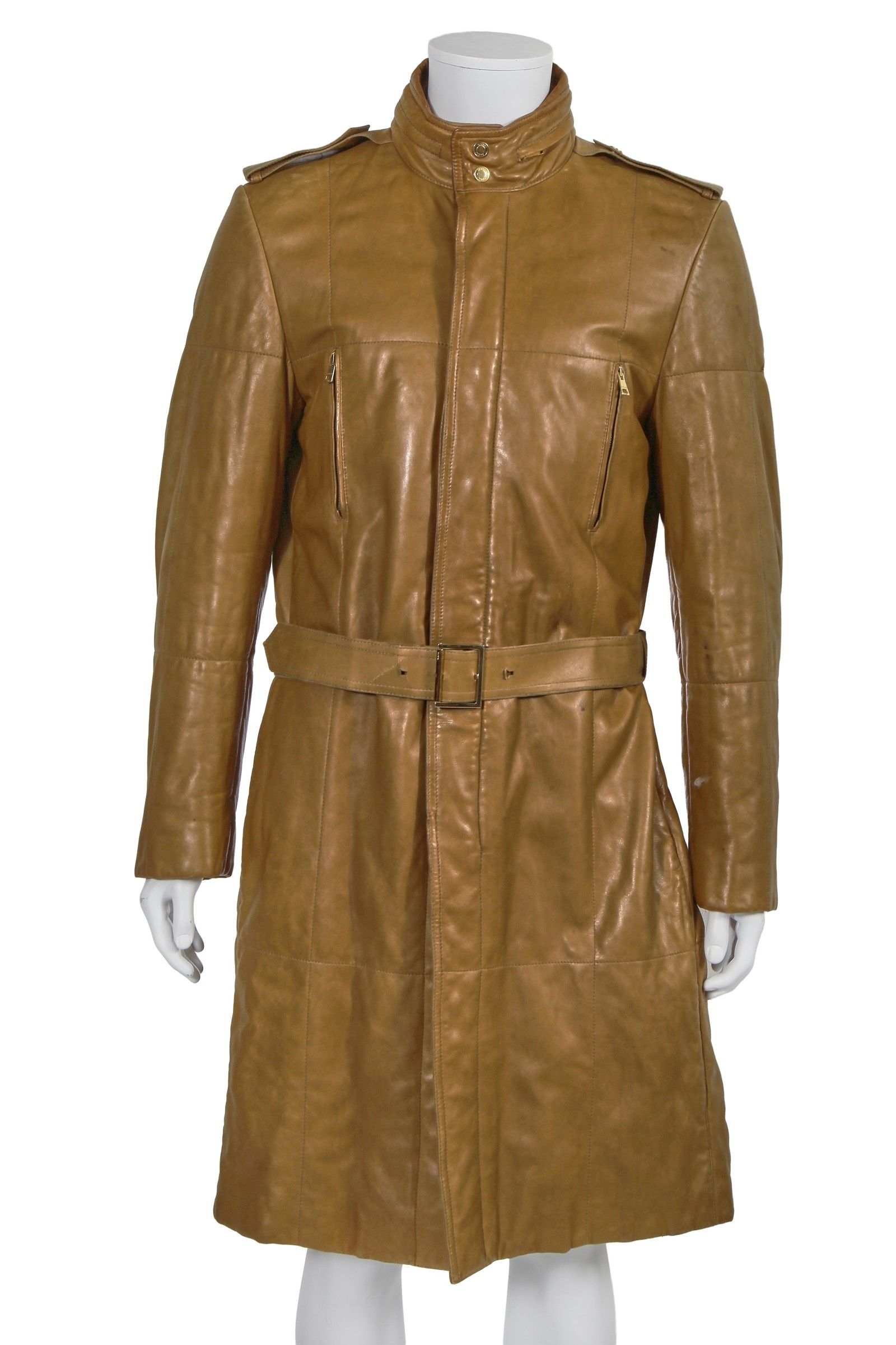
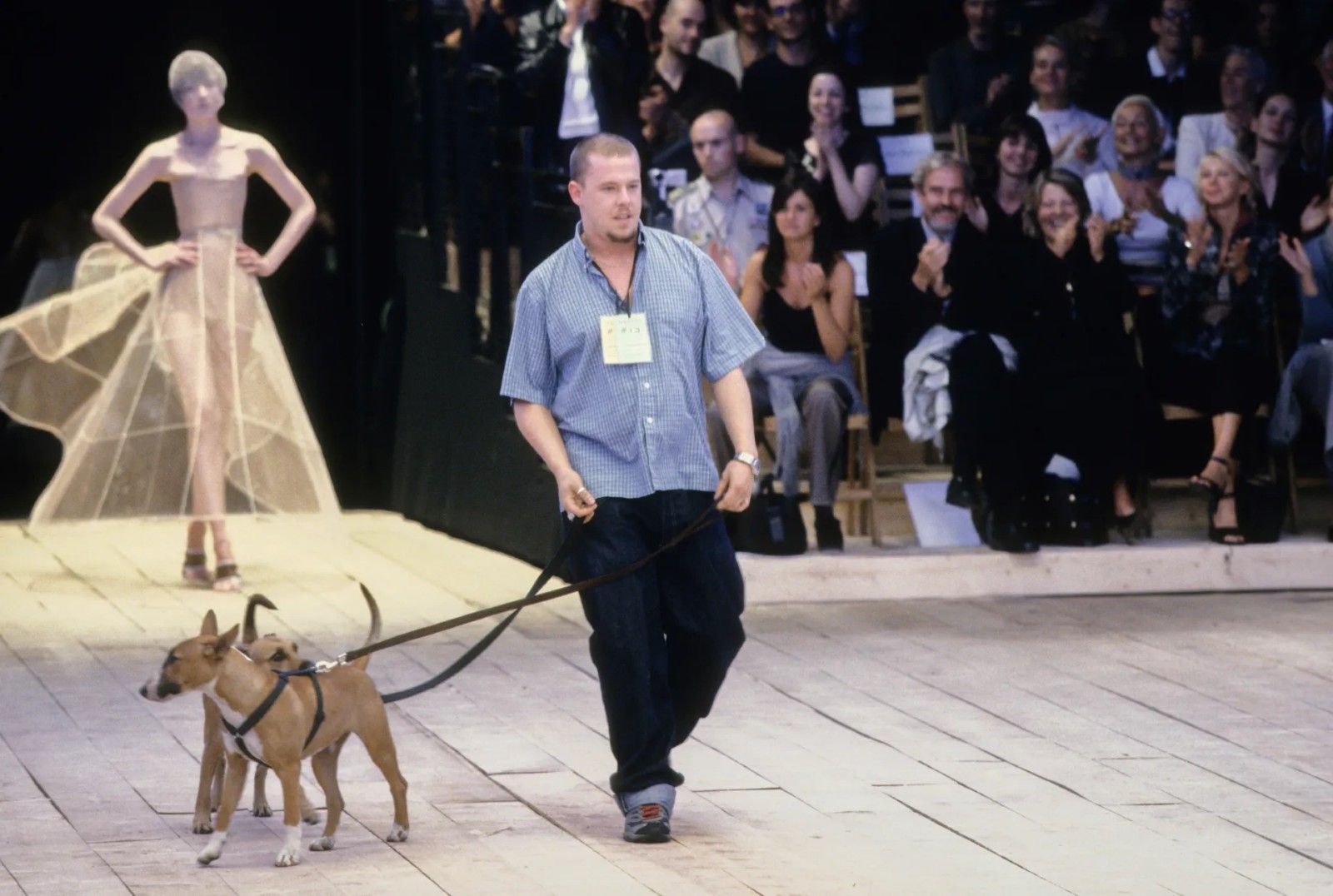
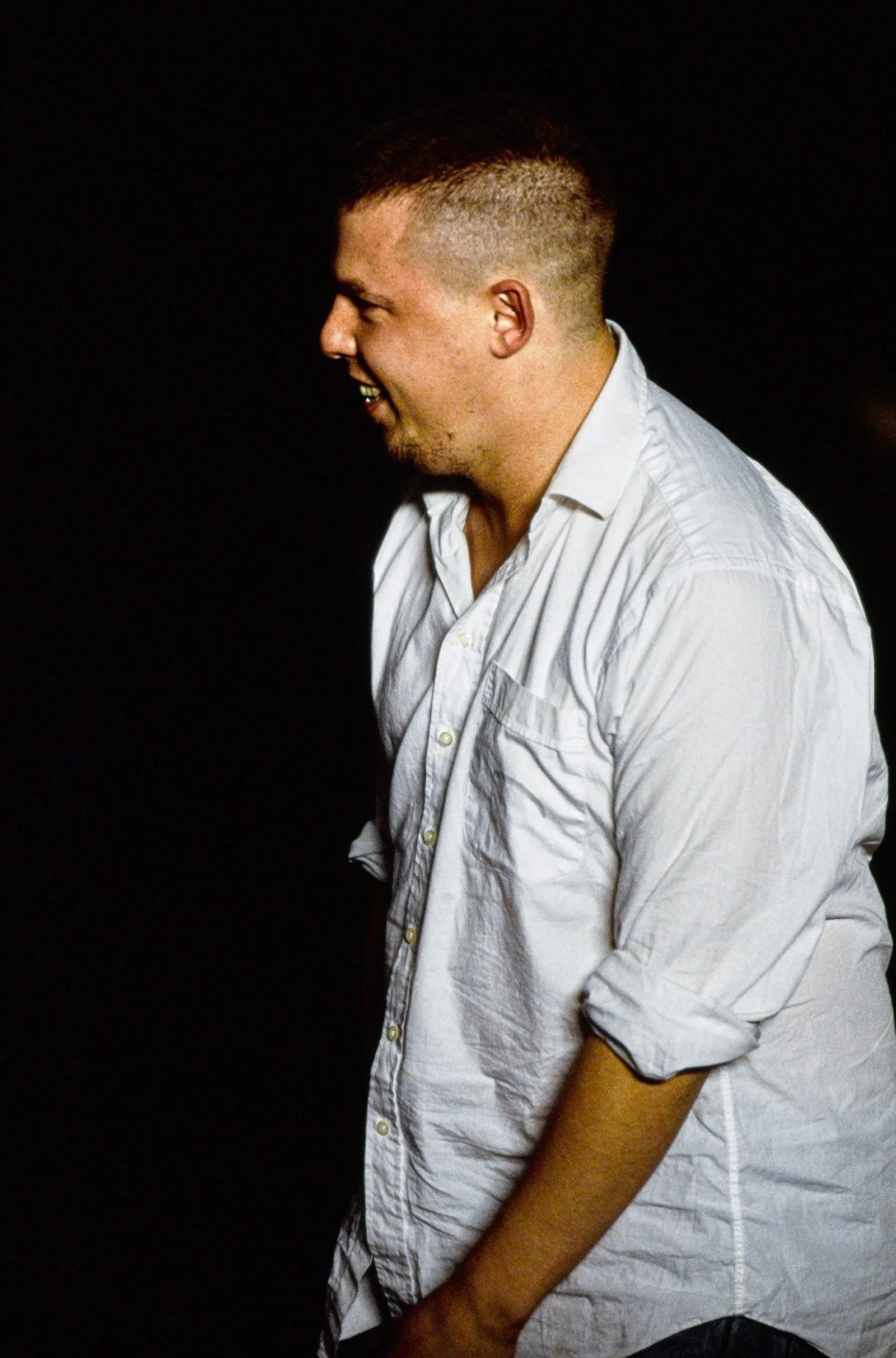
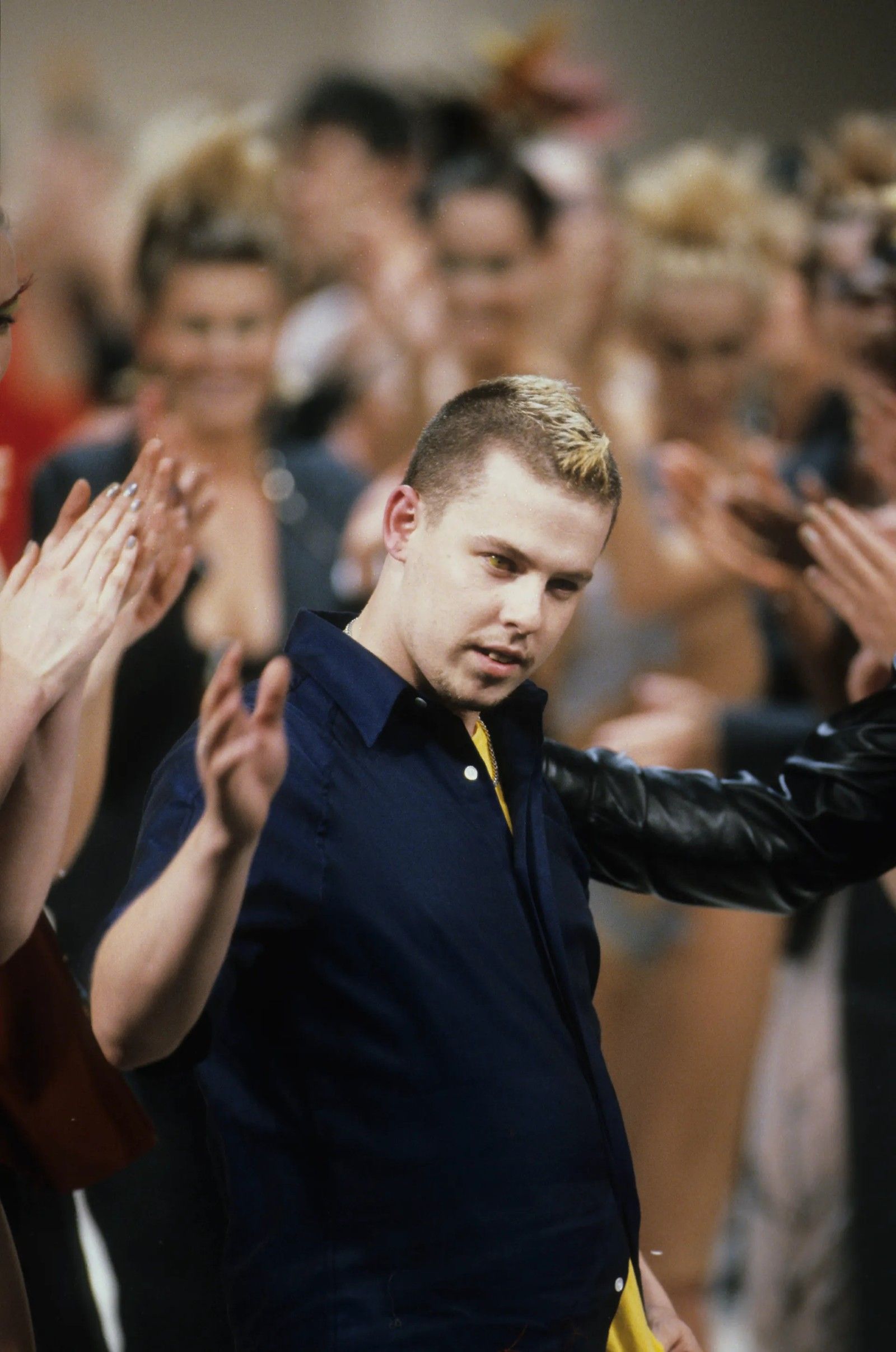
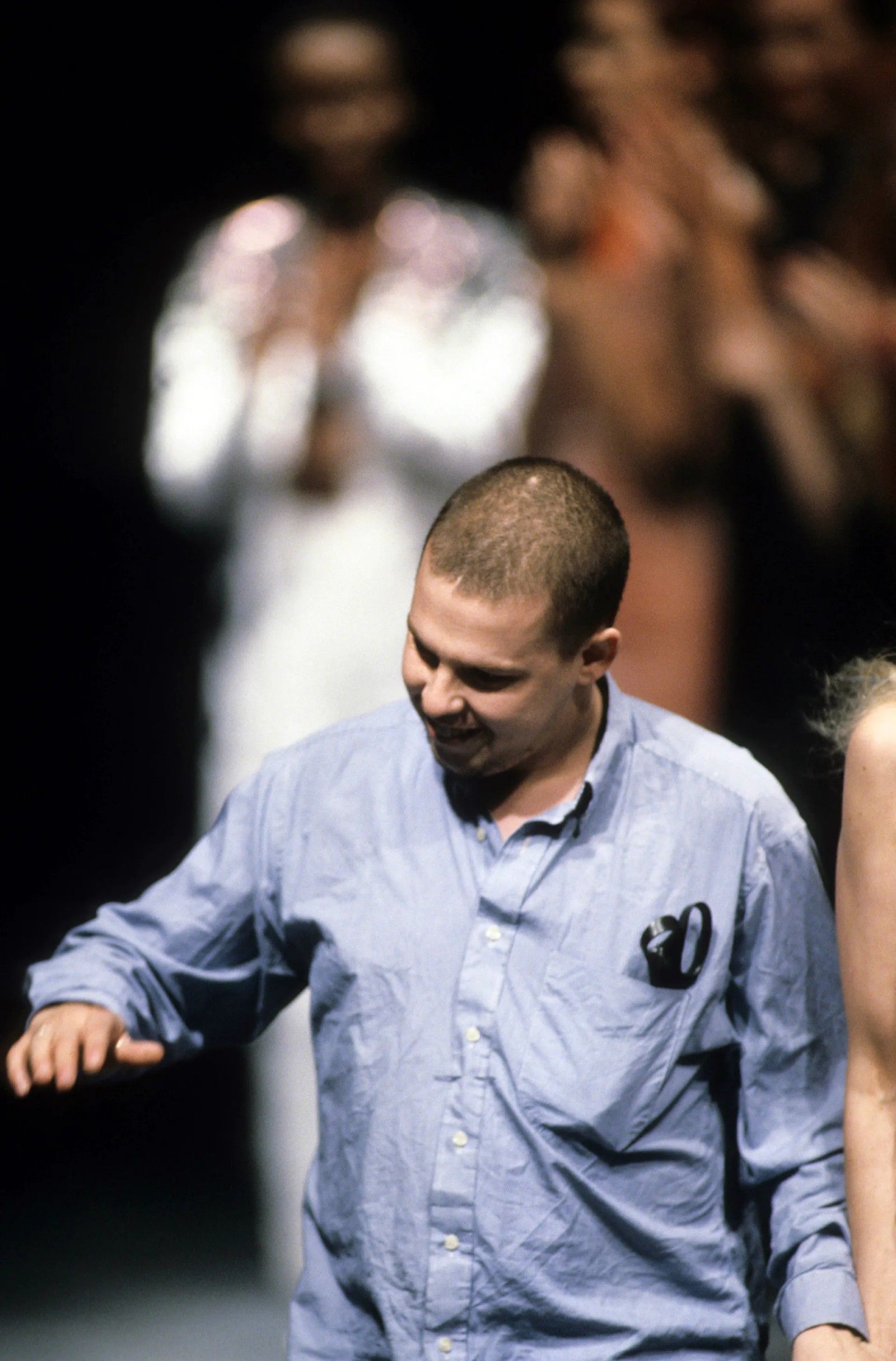
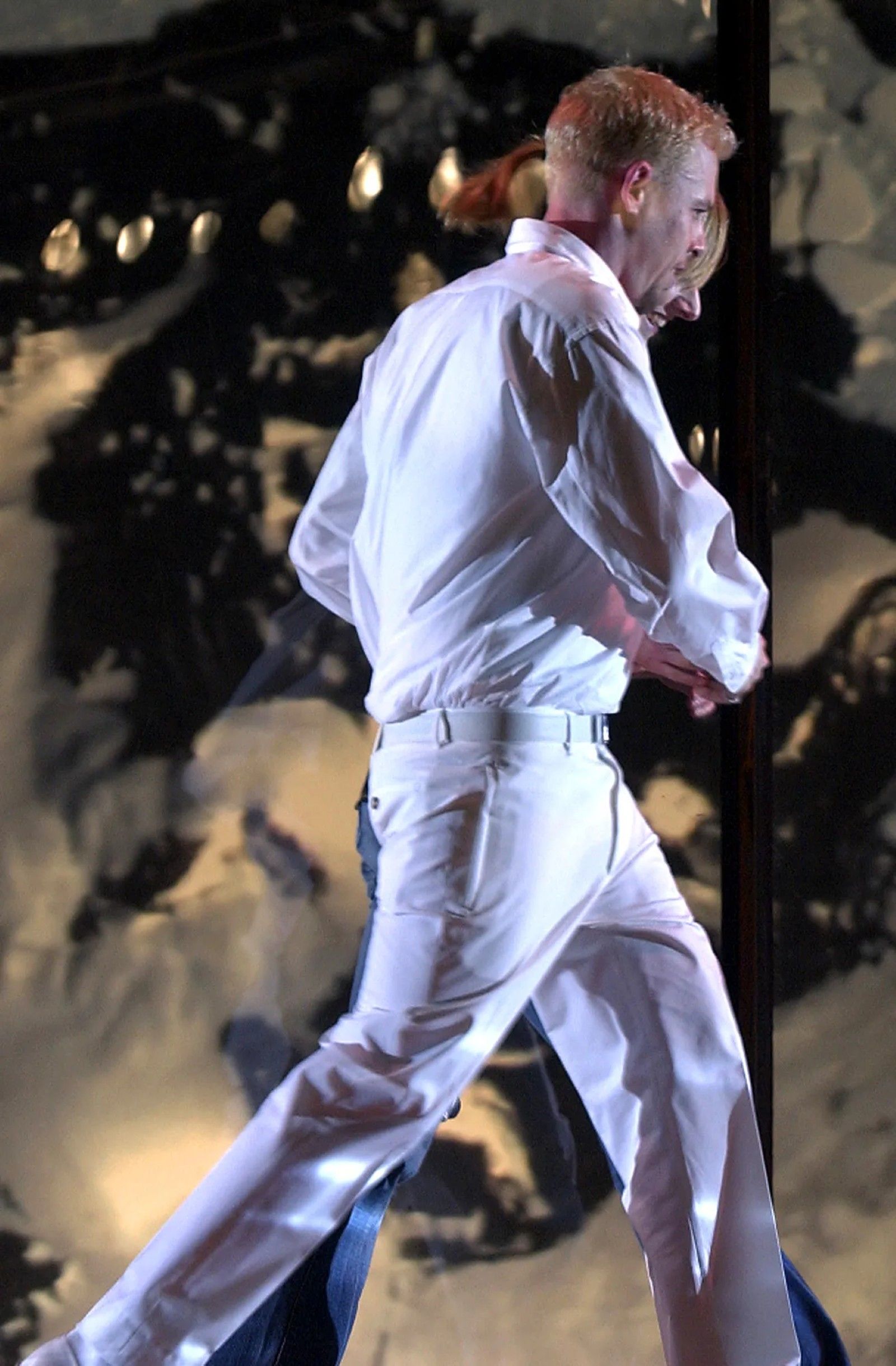
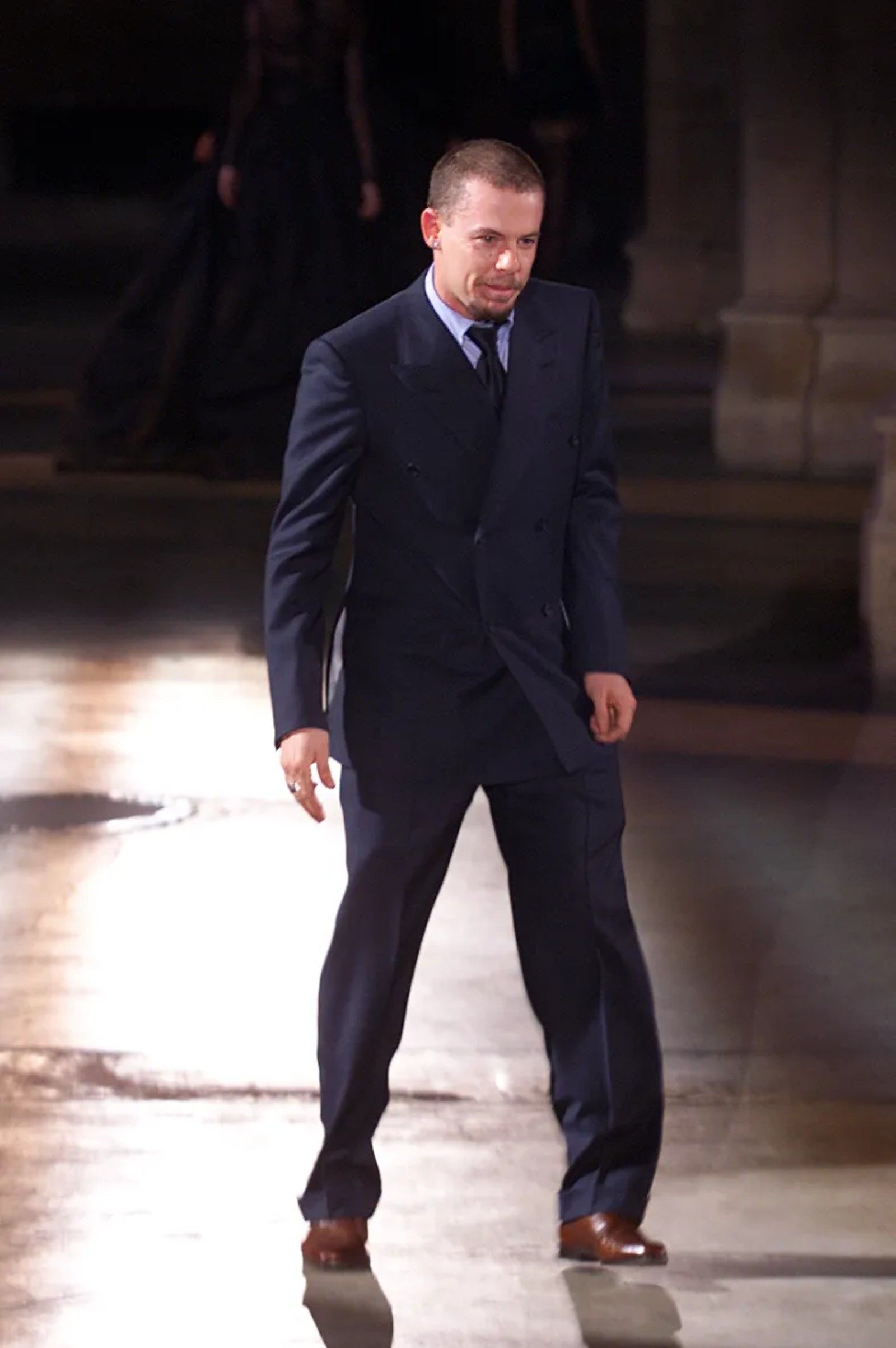
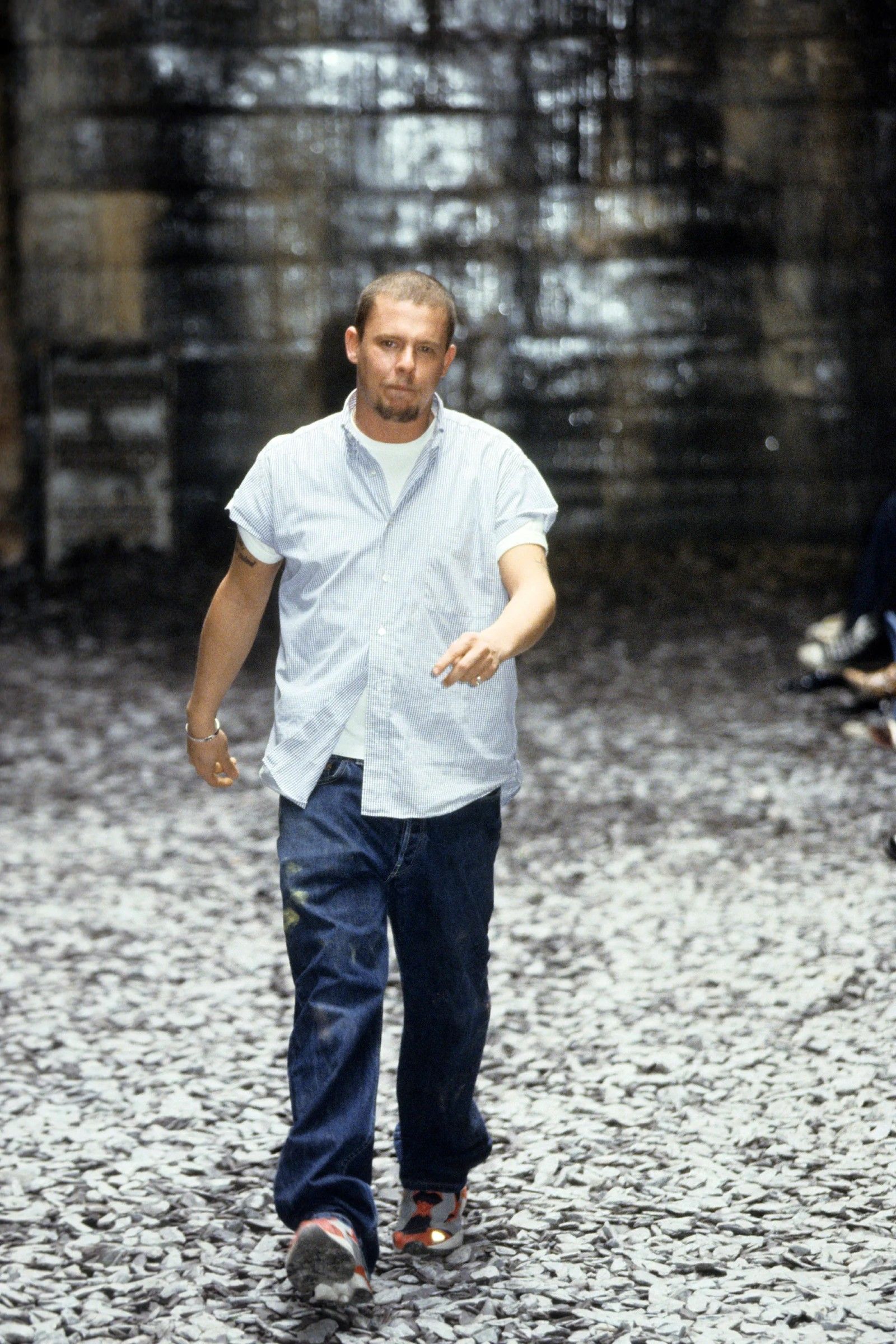
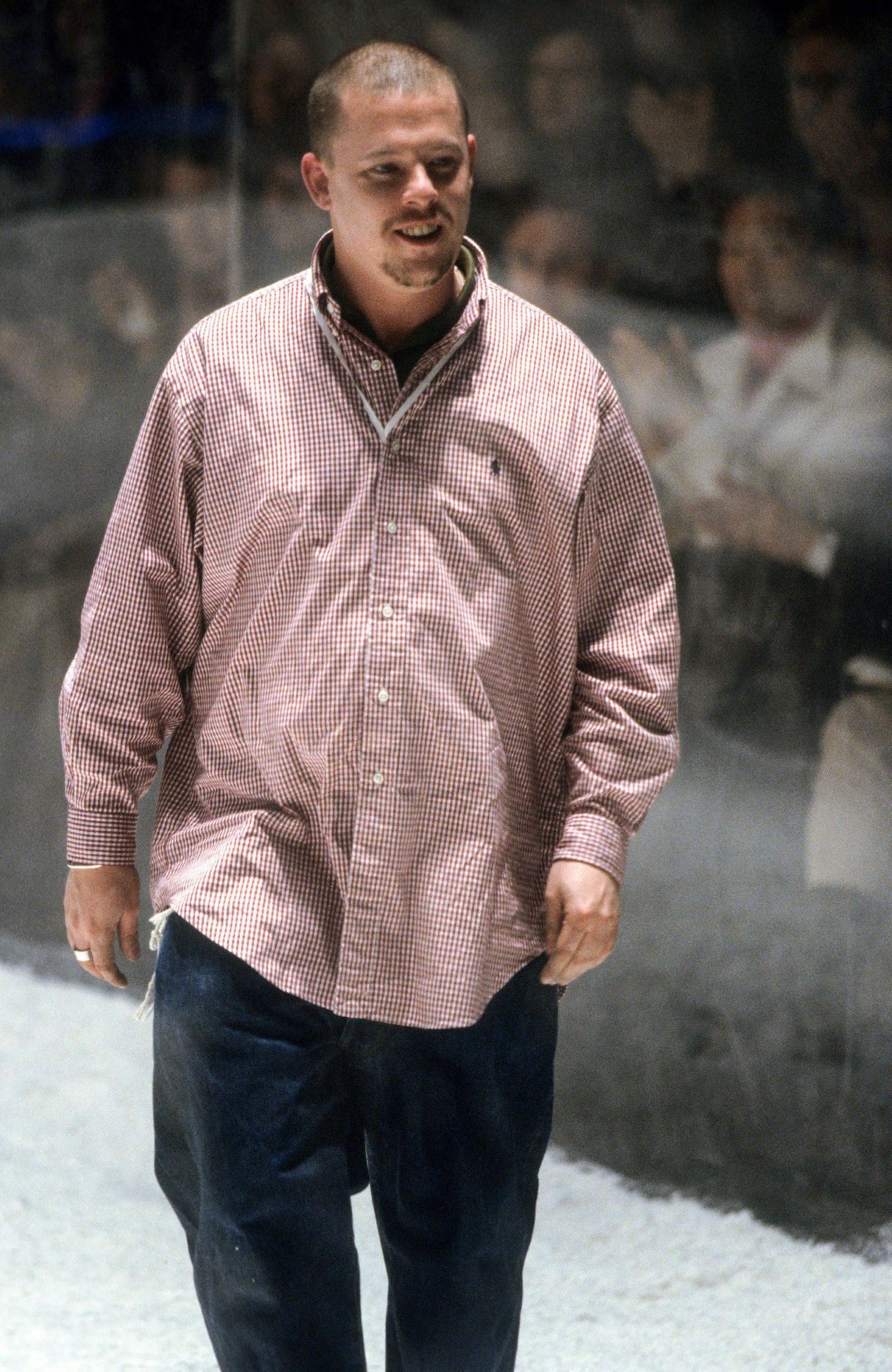
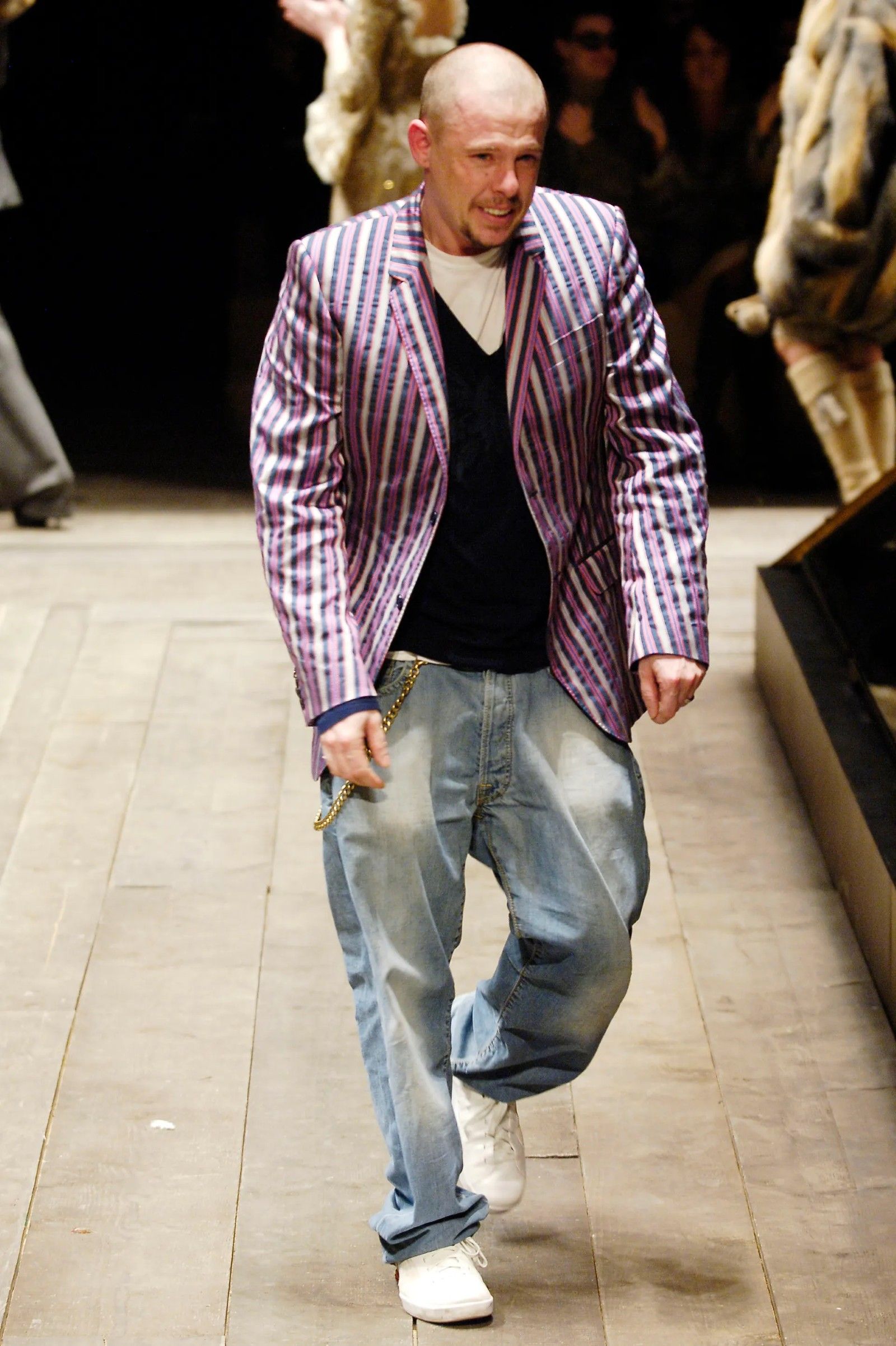
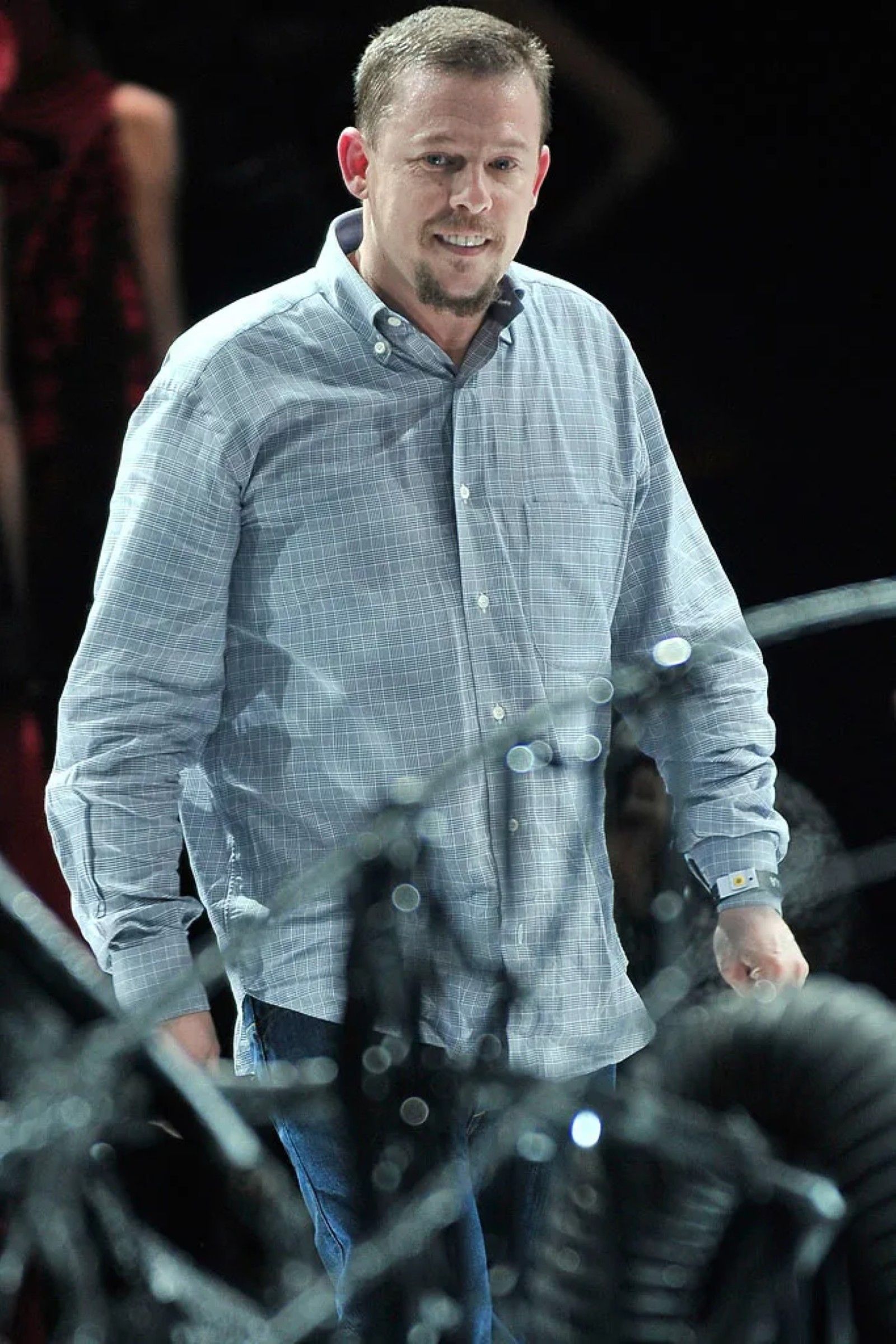
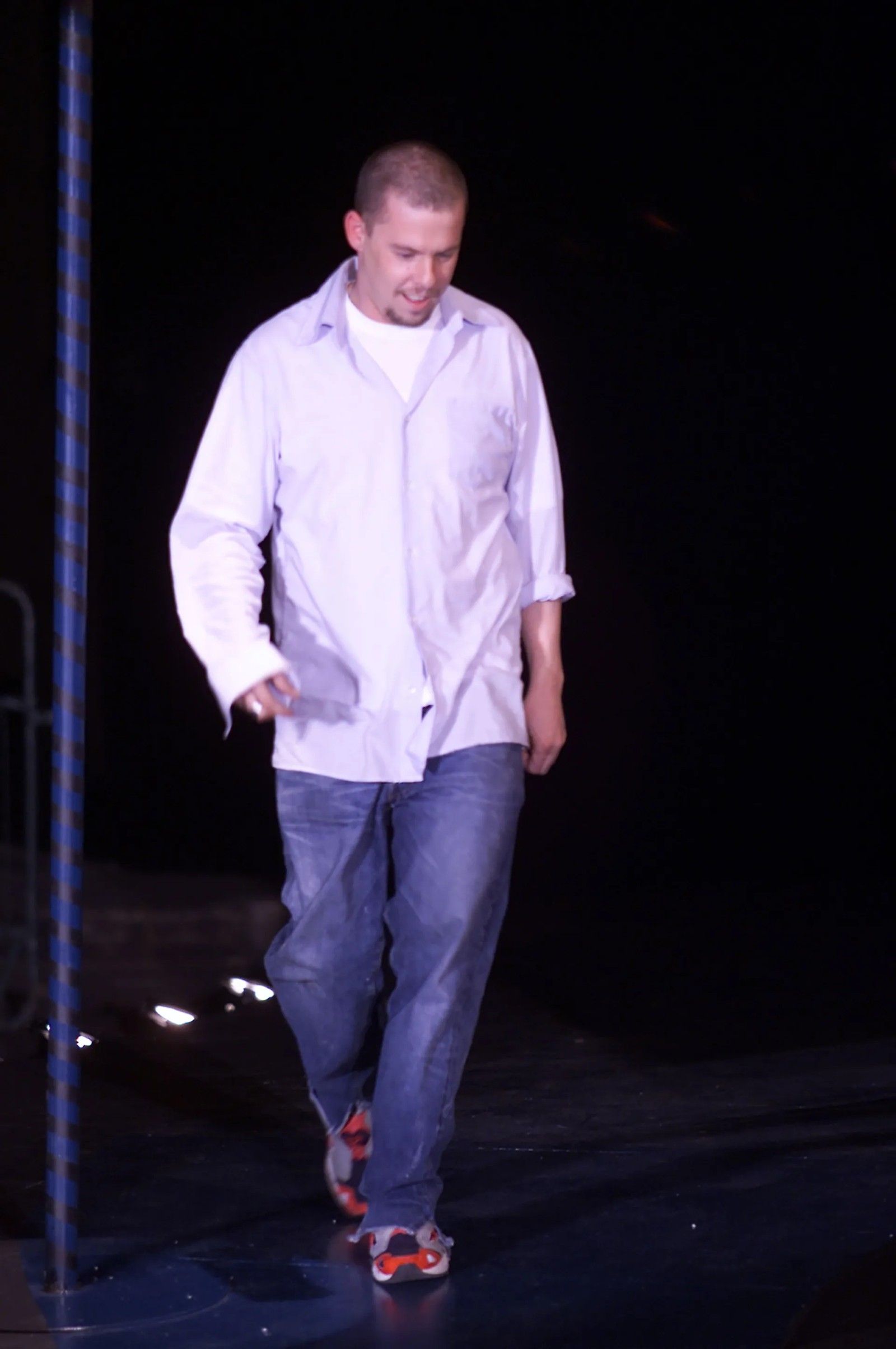
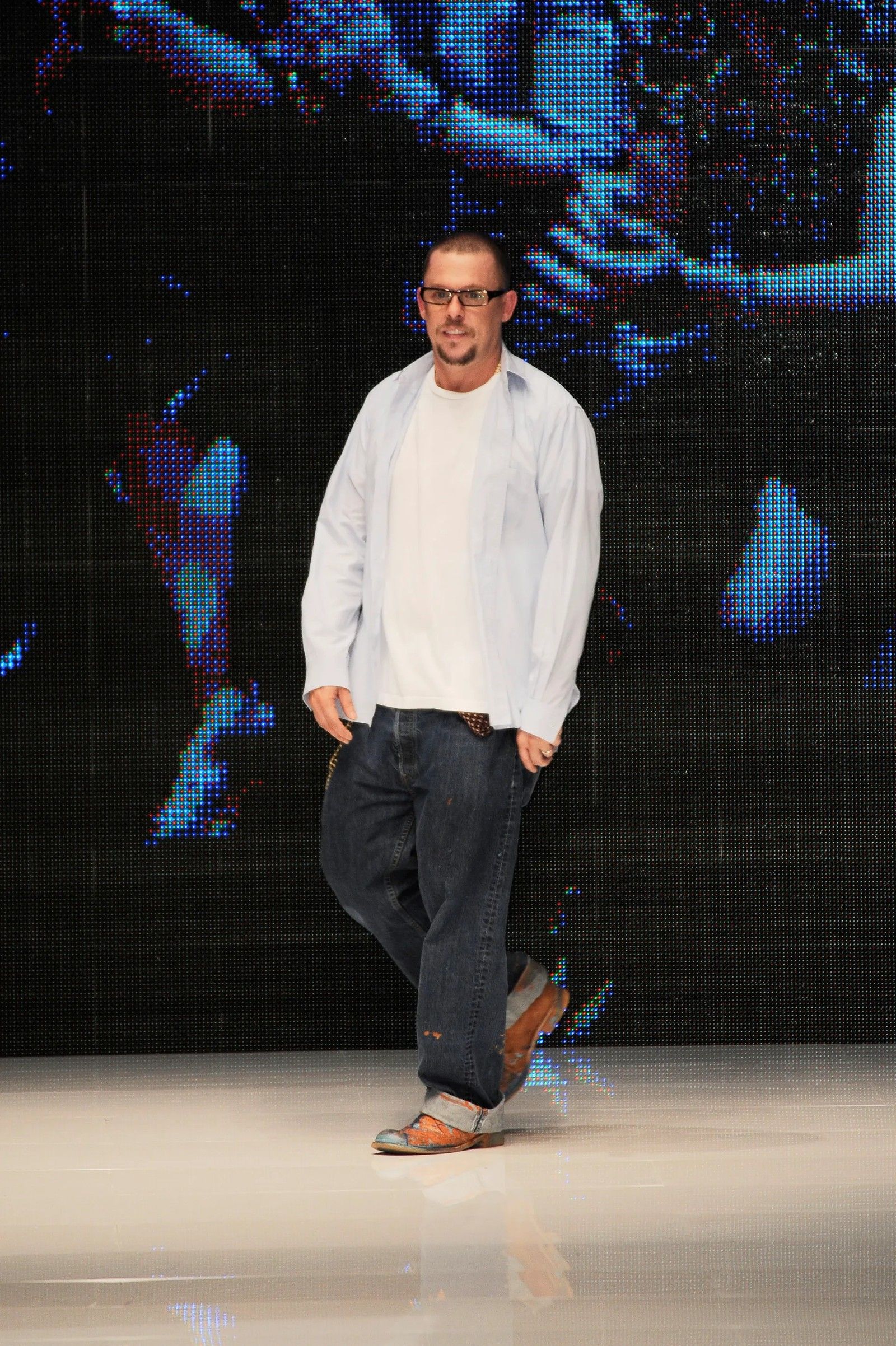
Lee McQueen is perhaps one of the most studied designers of his generation. Over the years, various biographies—more or less sincere about the circumstances of his life—have followed one another: from the most politically correct and institutional ones to those more open to discussing the darker sides of McQueen’s life. But one thing no one discusses, nor has anyone ever systematically documented, is the designer’s personal style. Yet today Kerry Taylor Auctions has announced the sale of a series of men’s archive pieces, including a selection of Lee McQueen’s personal clothing.
So what did he actually wear?
McQueen and luxury fashion
The selection presented by Kerry Taylor comes from what we might call the “second phase” of the designer’s career, the one that could be said to begin with the famous Voss show of the FW01 season. From 2000 onward, not only did McQueen’s career take off, but the brand went from being an independent name to being acquired by the Gucci Group, which would later become the Kering we know today. It was therefore a moment when McQueen had more success and more budget—also personally—which is clearly reflected in the clothes he wore.
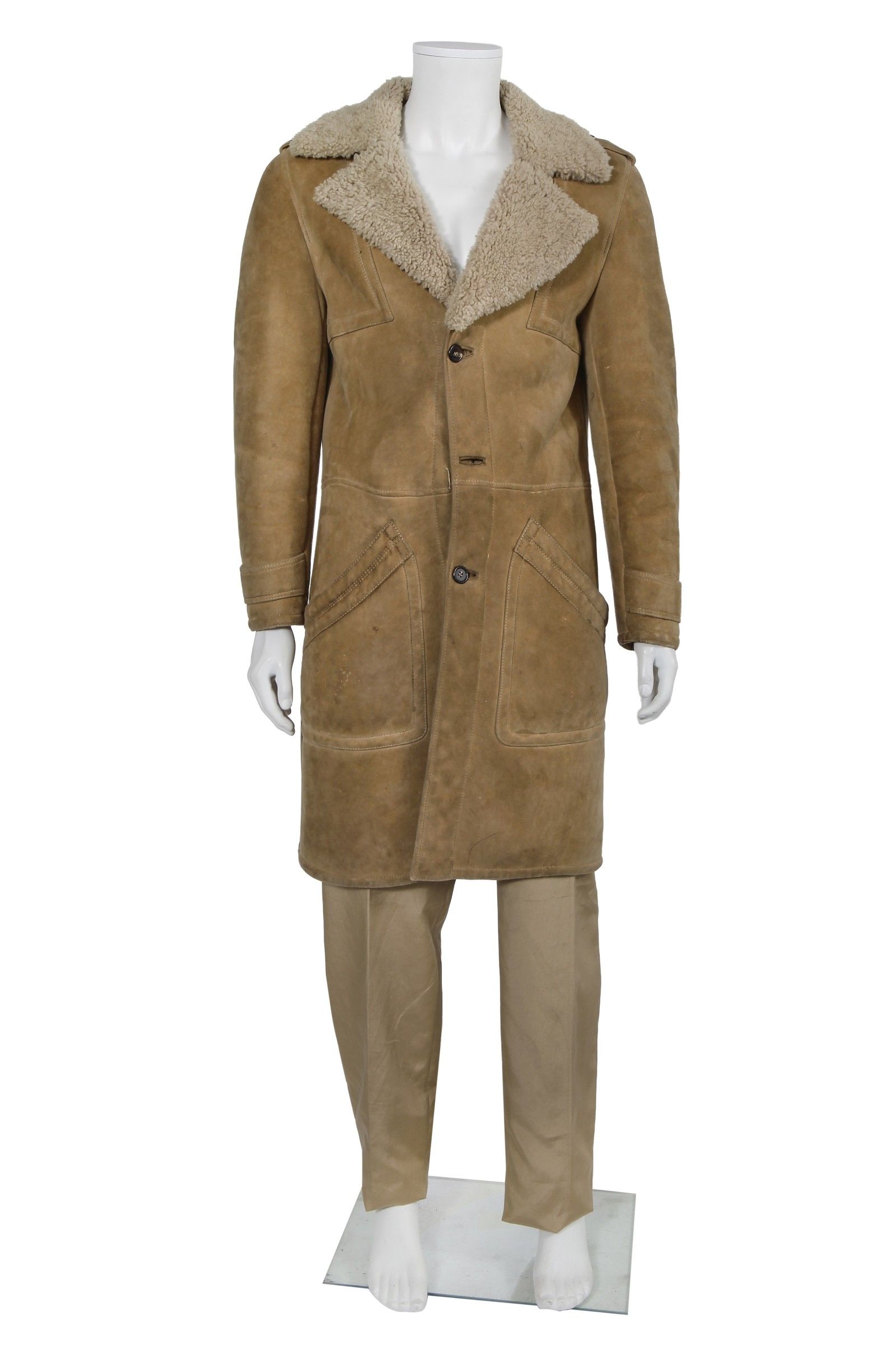
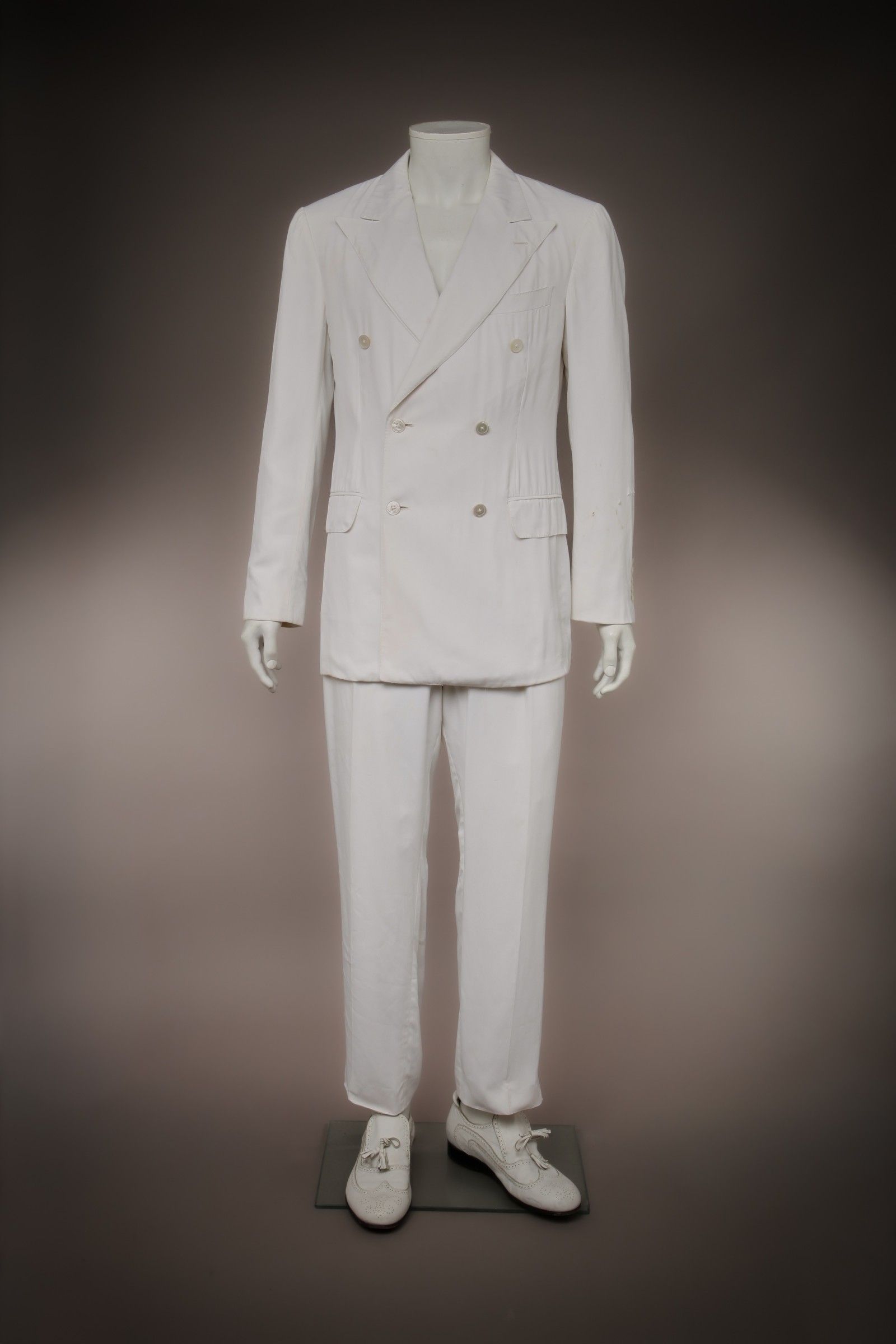
The selection opens with a white double-breasted suit in viscose from Gucci SS03 worn by the designer for the CFDA Gala in New York in 2003 and again in the finale of the FW04 Pantheon ad Lucem show. Also from Tom Ford’s Gucci (whose rigid and incisive silhouette McQueen probably loved) are two coats: one in reversed shearling and another, long and leather without a collar, from the FW01 collection.
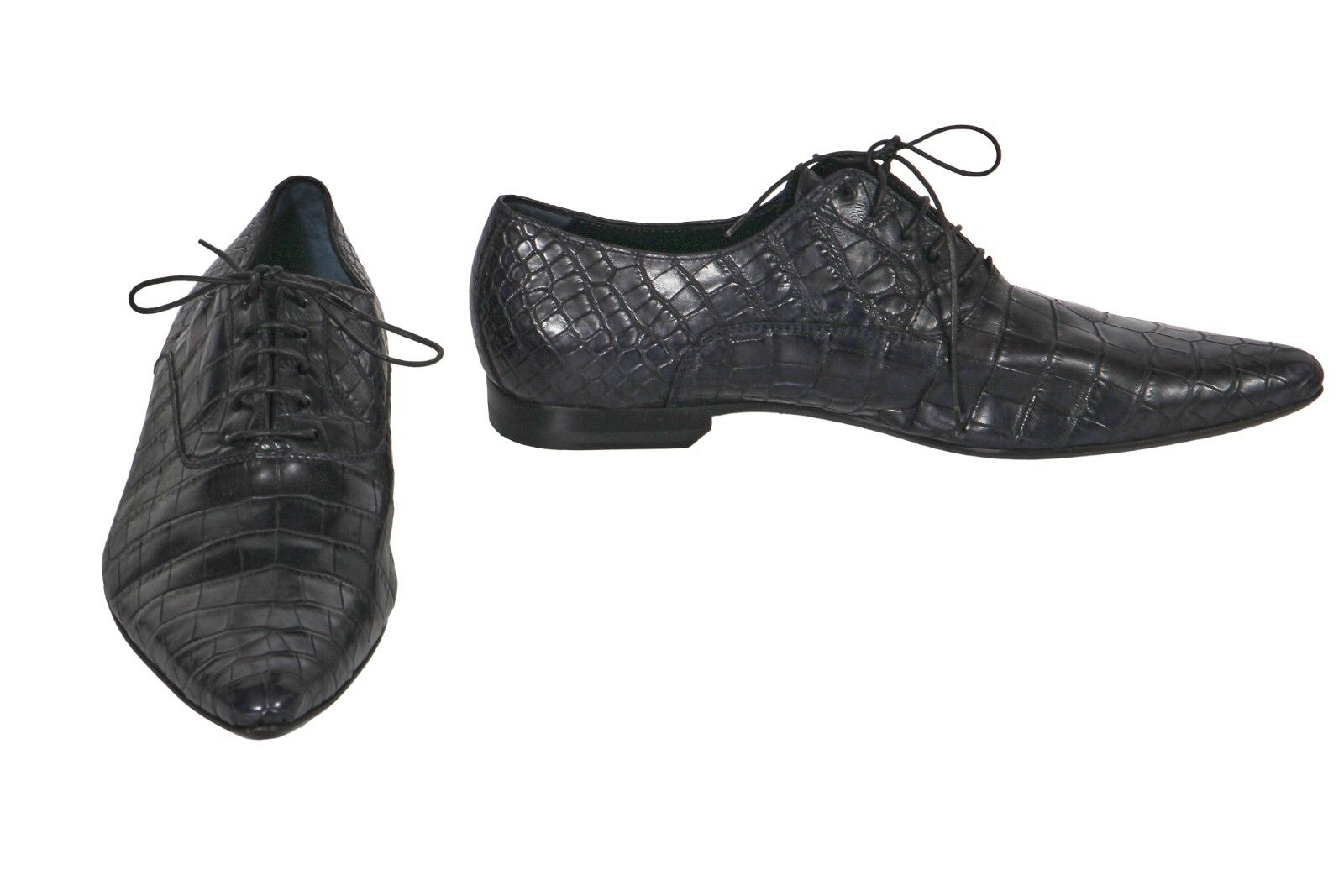
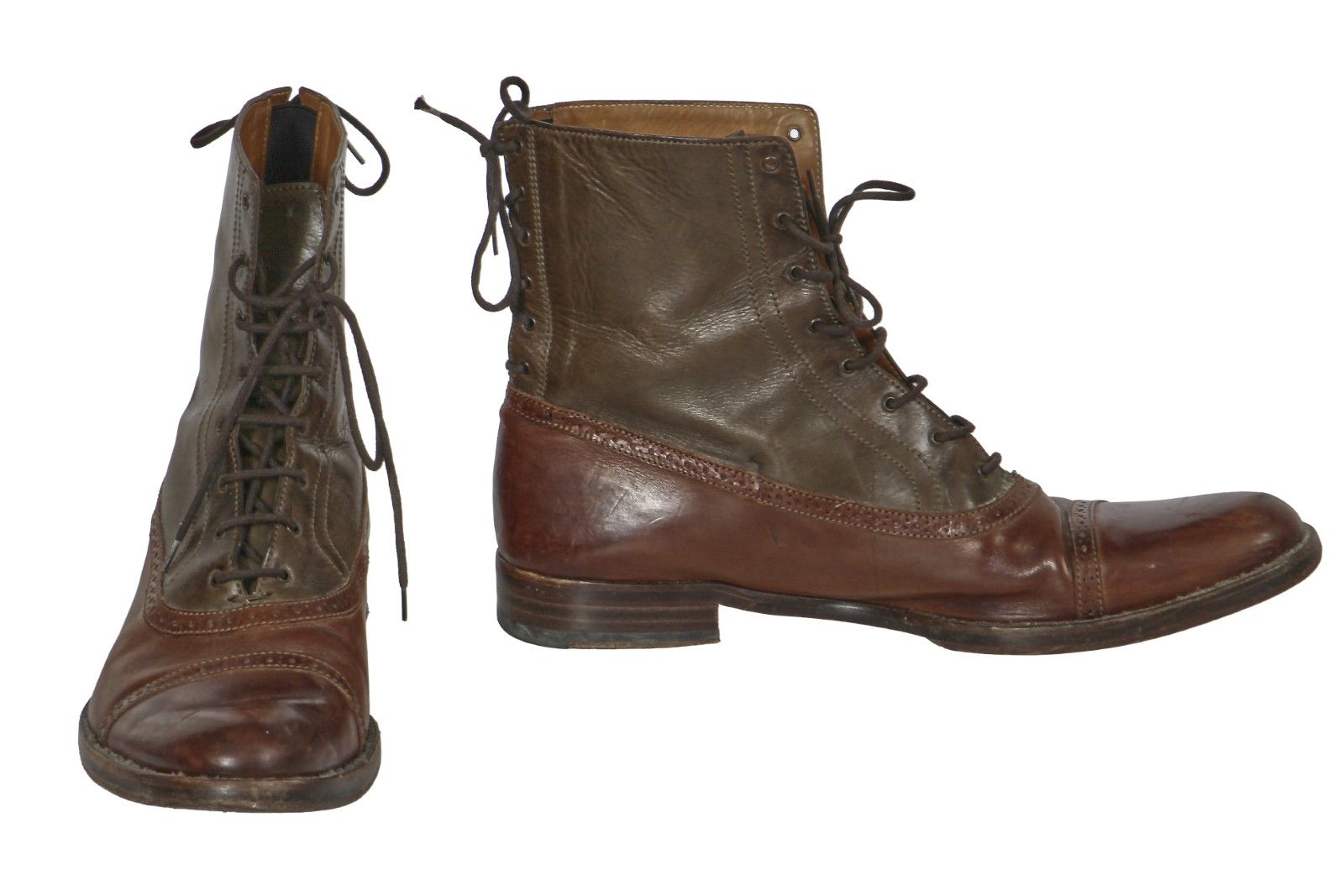
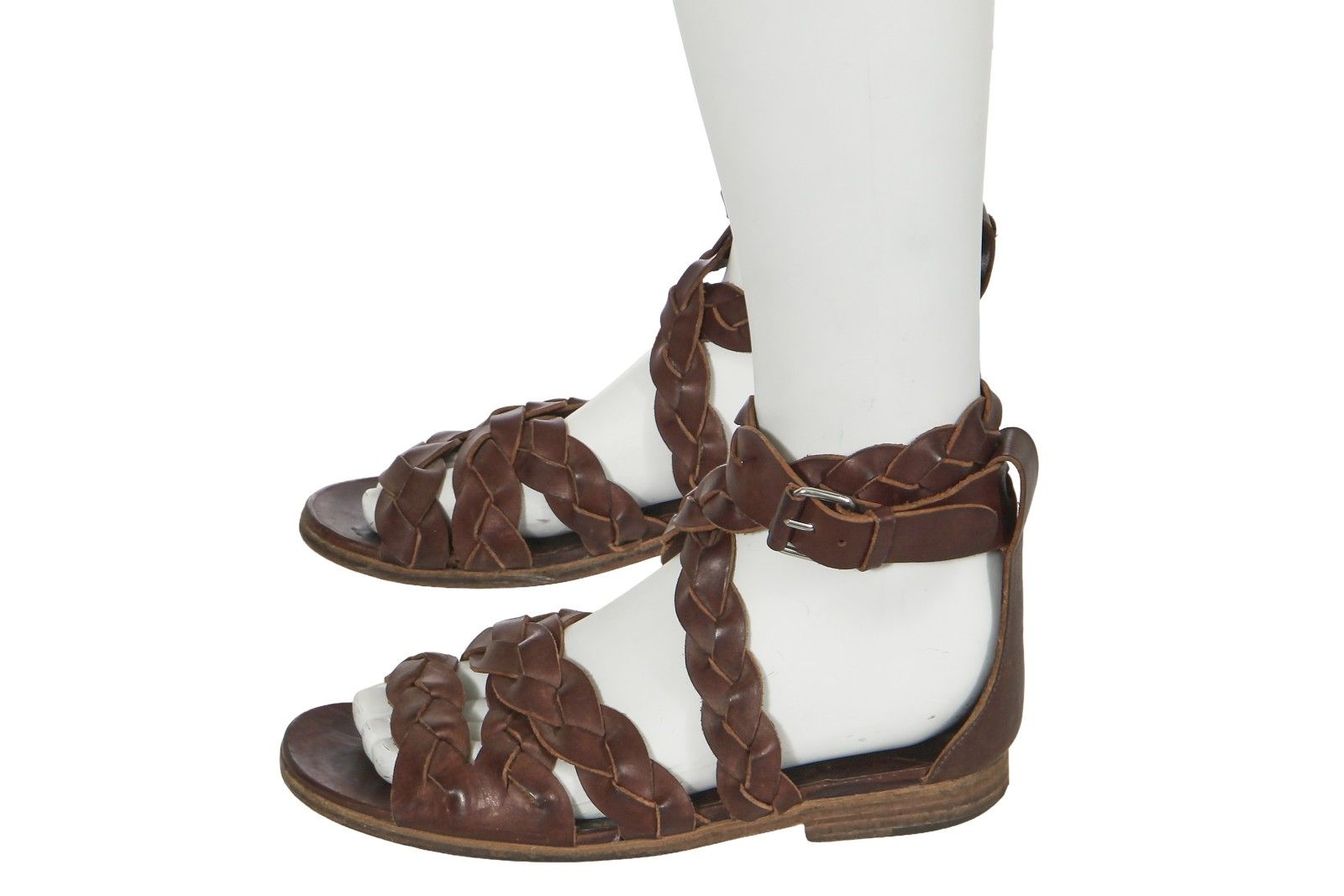
There are also several suits and shoes from McQueen’s own menswear line: a blue suit and a pair of iridescent green derbies from the SS09 collection, another grey suit from 2008, a beige caban from FW06, derbies and boots, as well as a pair of hi-top sneakers from the McQueen x Puma collaboration, also from 2008. Among the other shoes are a pair of woven leather sandals by Balenciaga under Nicolas Ghesquière, a pair of black ankle boots by Carol Christian Poell (it was to be expected that he was a connoisseur), and also a rare pair of sneakers, the Nike Terminator High Supreme QS 'Matagi' from 2009, which must have attracted the designer for their almost barbaric appearance, the X-shaped stitching, and the fur details.
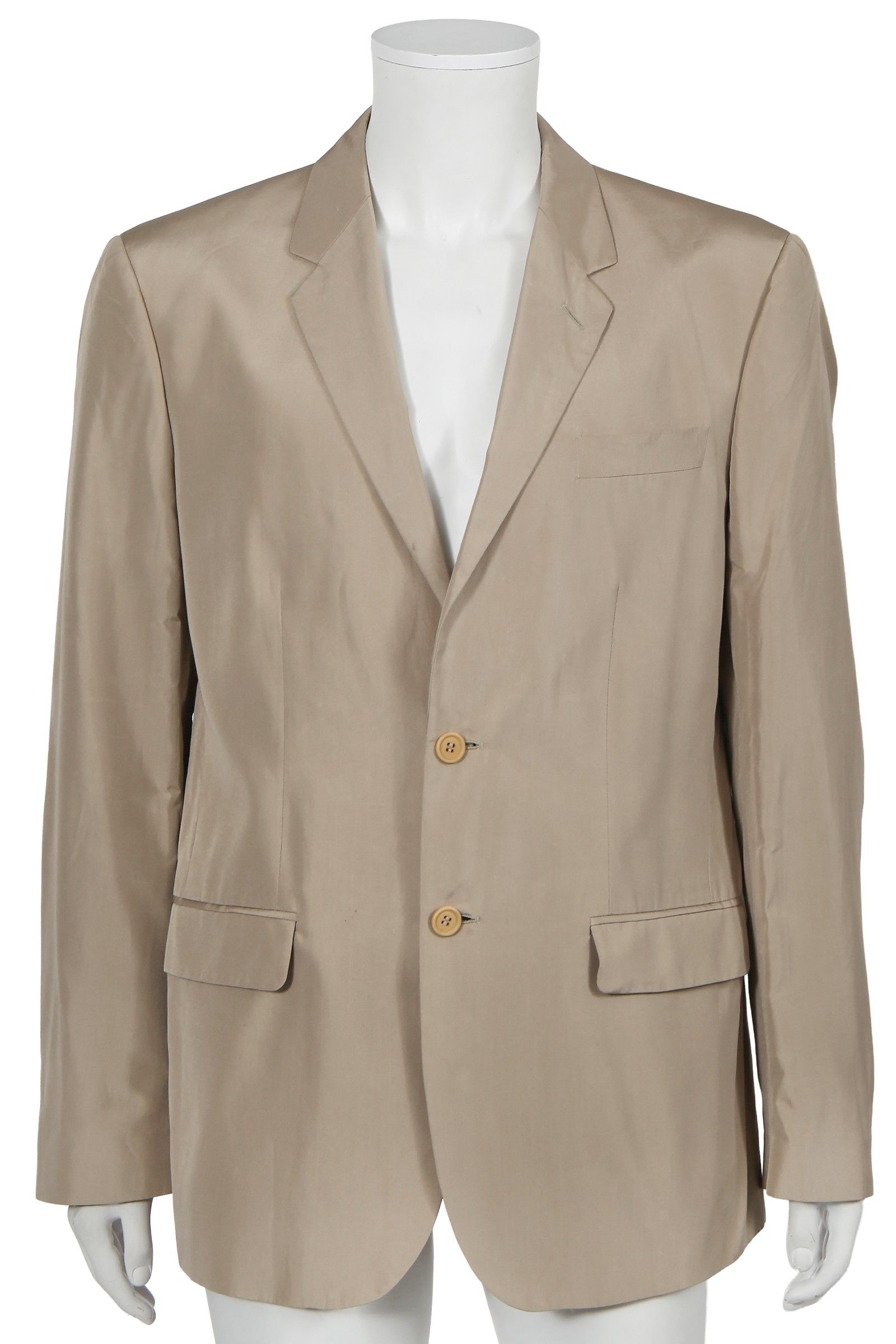
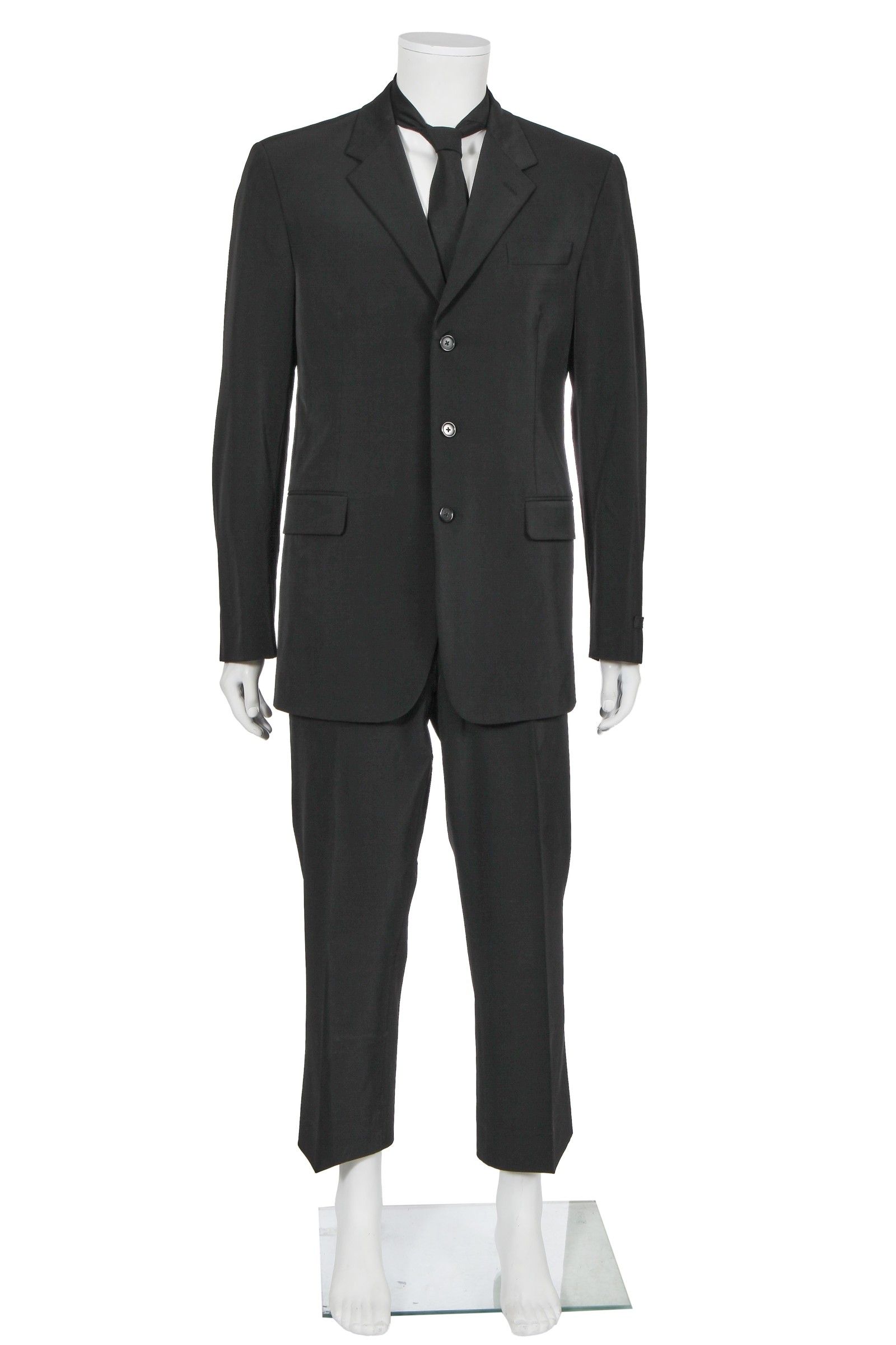
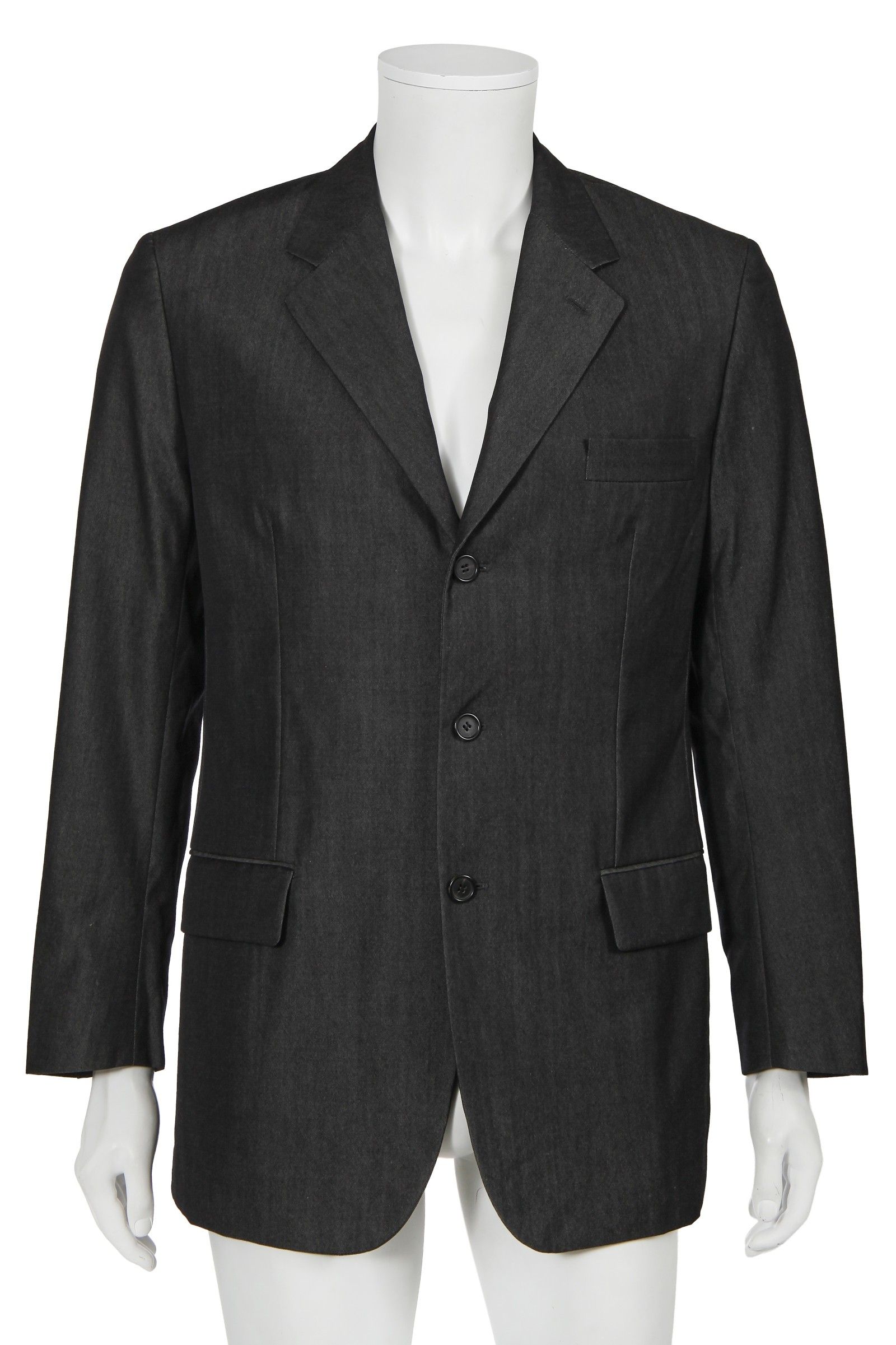
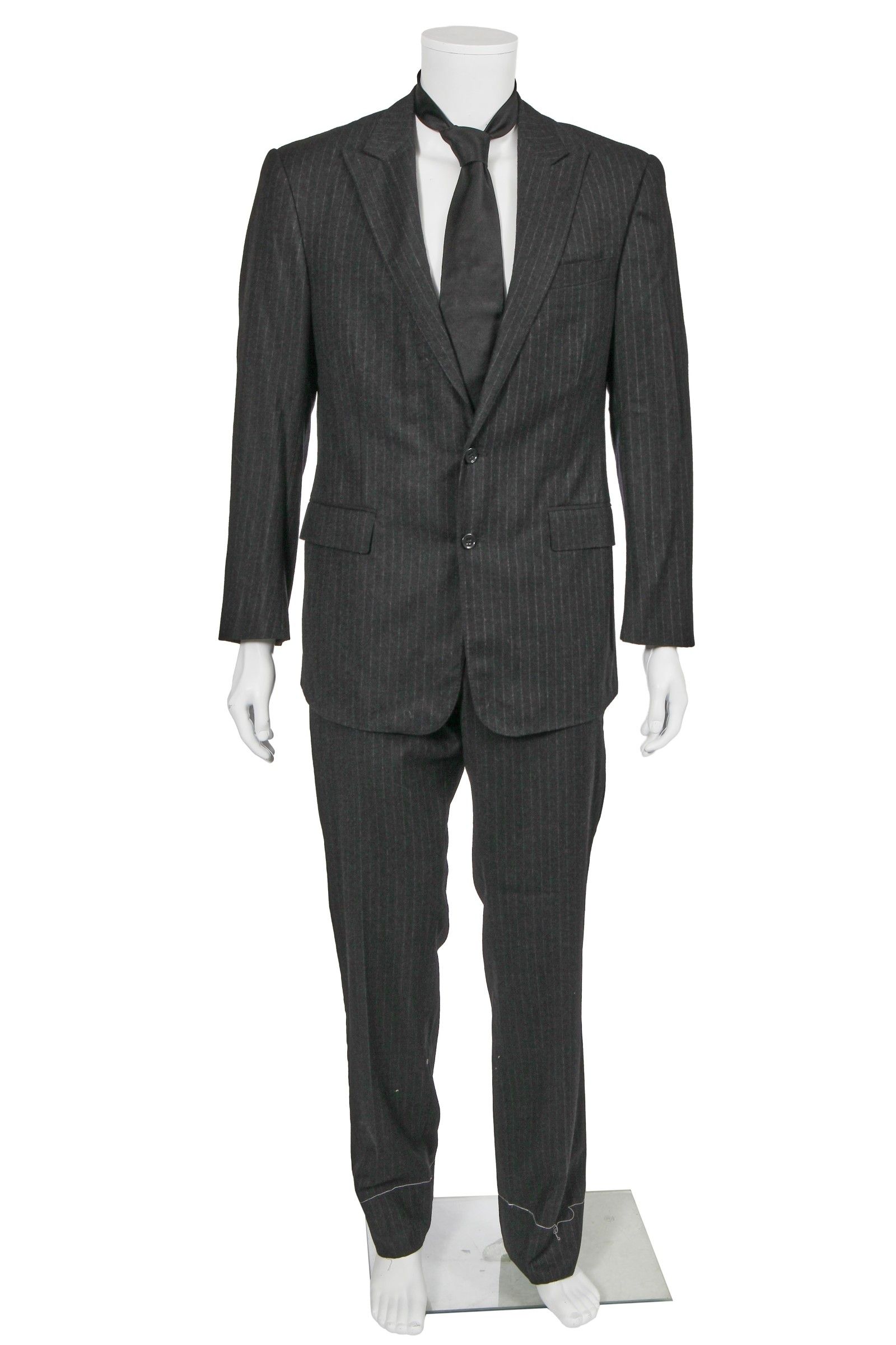
Looking at the rest of the selection, which is relatively minimalist overall, we see three pieces by Margiela: a brown suede trench, a black wool coat from FW09, and grey trousers from FW10. These are followed by two blazers and a suit by Prada, purchased between the late 1990s and 2006, a suit by Hermès, one by Ralph Lauren, and a stunning beige silk blazer by Helmut Lang which—here perhaps we are fantasizing—closely resembles the one worn by George Forsyth at the designer’s wedding in 2001.
The McQueen wardrobe we don’t see
Notably absent from the selection is Comme des Garçons, notoriously McQueen’s favorite brand. Speaking with David Bowie in 1996, he said: «My favorite designer, though, is Rei Kawakubo. She’s the only one I buy, the only clothes I buy for myself are Comme des Garçons. Last year I spent about £1,000 (I shouldn’t say this) on Comme des Garçons men’s clothes». Just the following year he would walk for Comme des Garçons during the FW97 show, while a mention in Vogue notes that he was among the guests at the brand’s SS99 show.
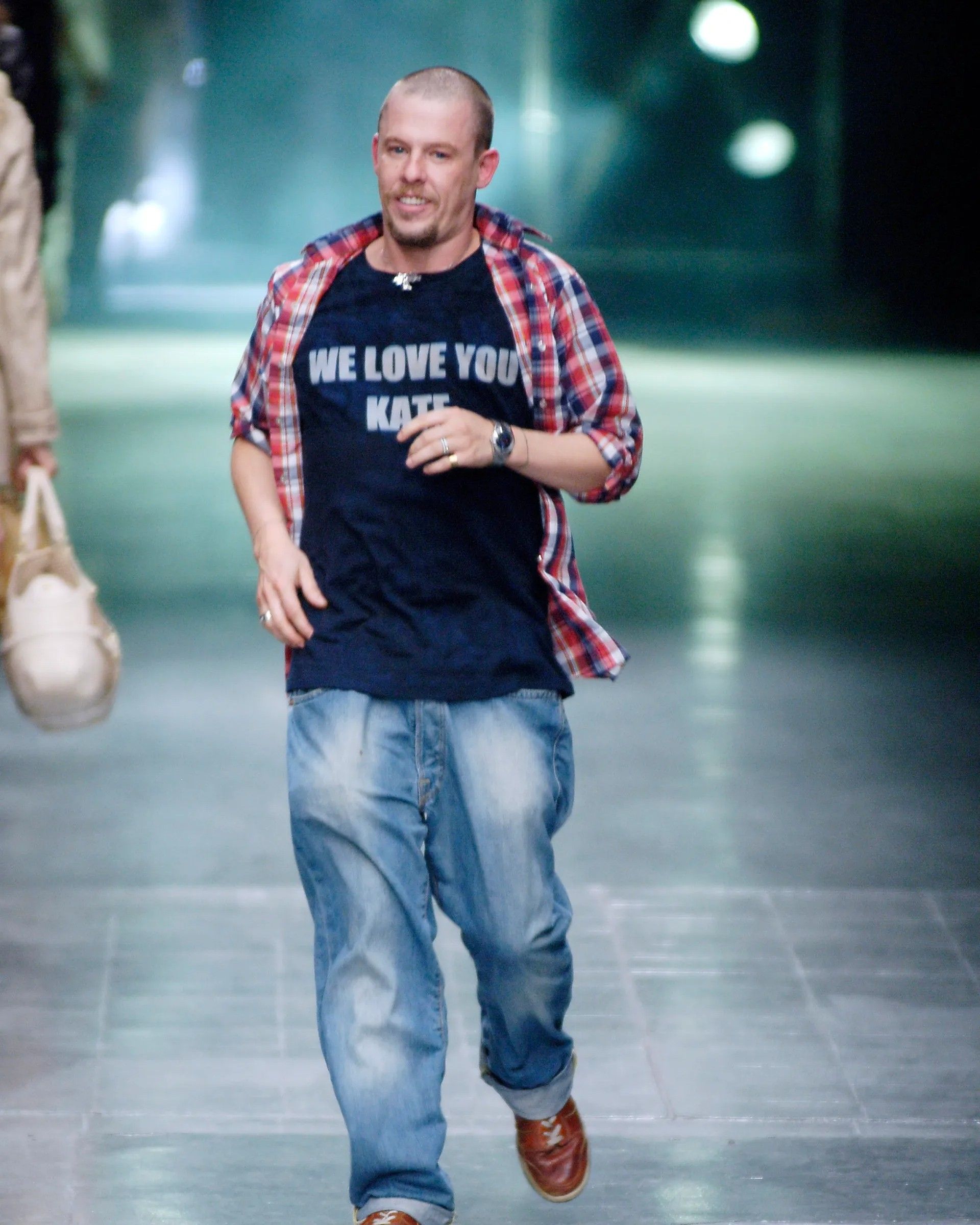
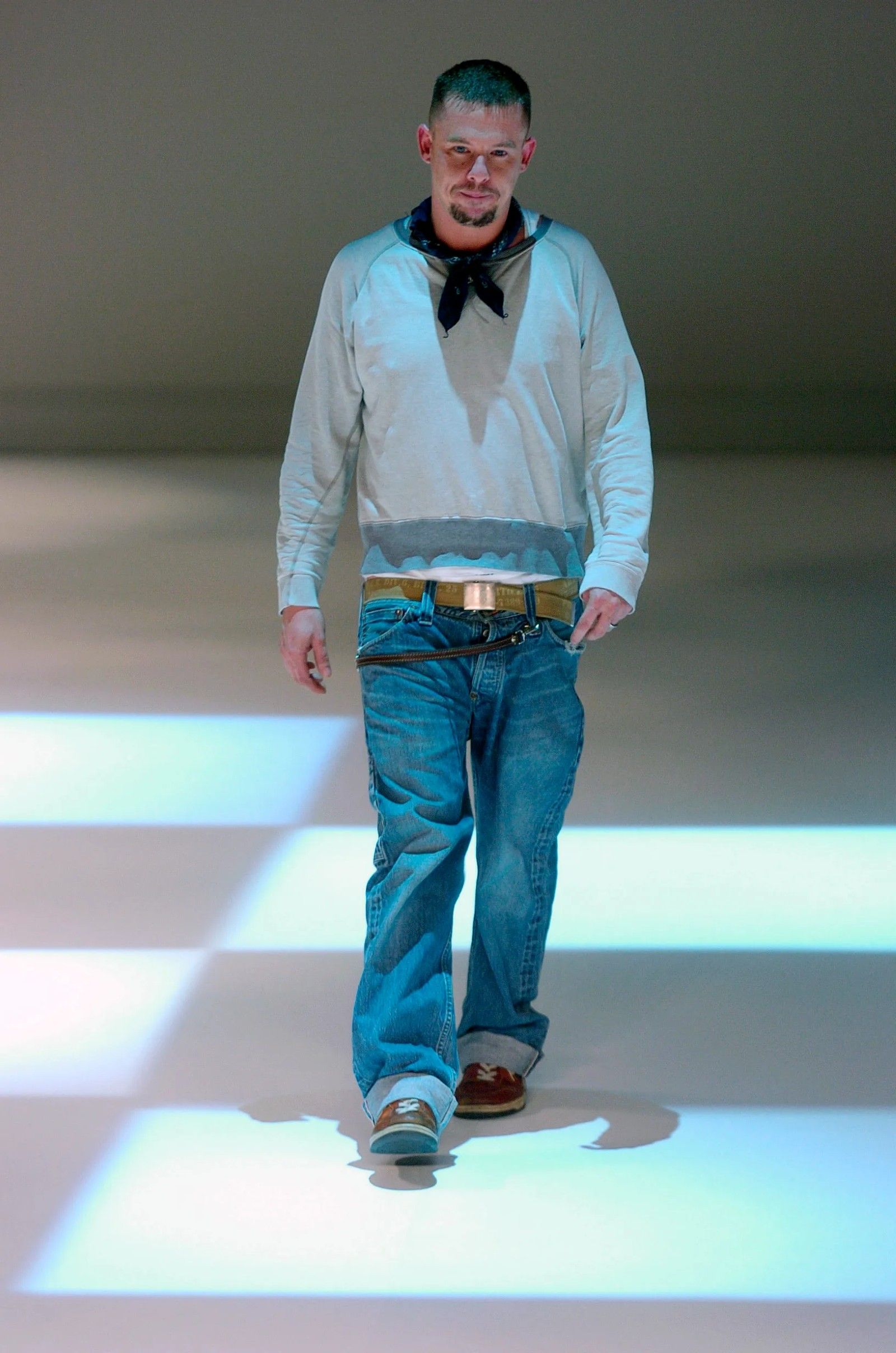
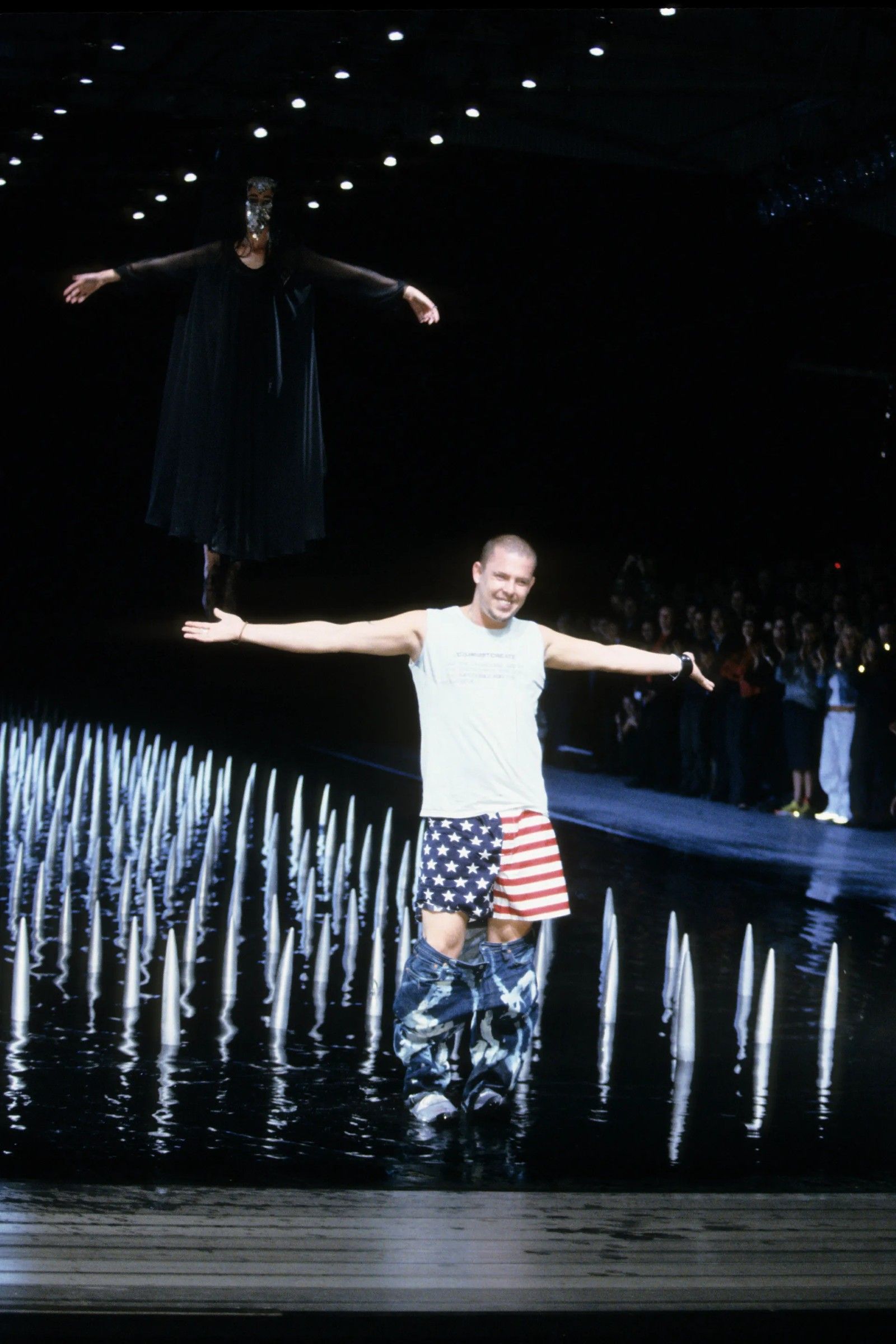
But McQueen’s personal style in the 1990s, that is, in his student phase, was far less clean and polished than what the Kerry Taylor auction selection might suggest. A late-1990s article in the Daily Telegraph, quoted by Another Magazine, described him like this: «tousle-haired, unshaven, [he was] wearing a strange conglomeration of what turned out to be a Comme des Garçons shirt and ‘Bosnian’ combat pants.» And here we get to the point: in the earliest and most incisive phases of McQueen’s career, his very disheveled style was a kind of trademark, in line with the abrasive attitude of the young Lee, suggesting a calculated rebellion against the formality of fashion. In the early stages of his career, the press loved to portray him as the son of an East End taxi driver who miraculously emerged from the underbelly of London to shock audiences, critics, and the media.
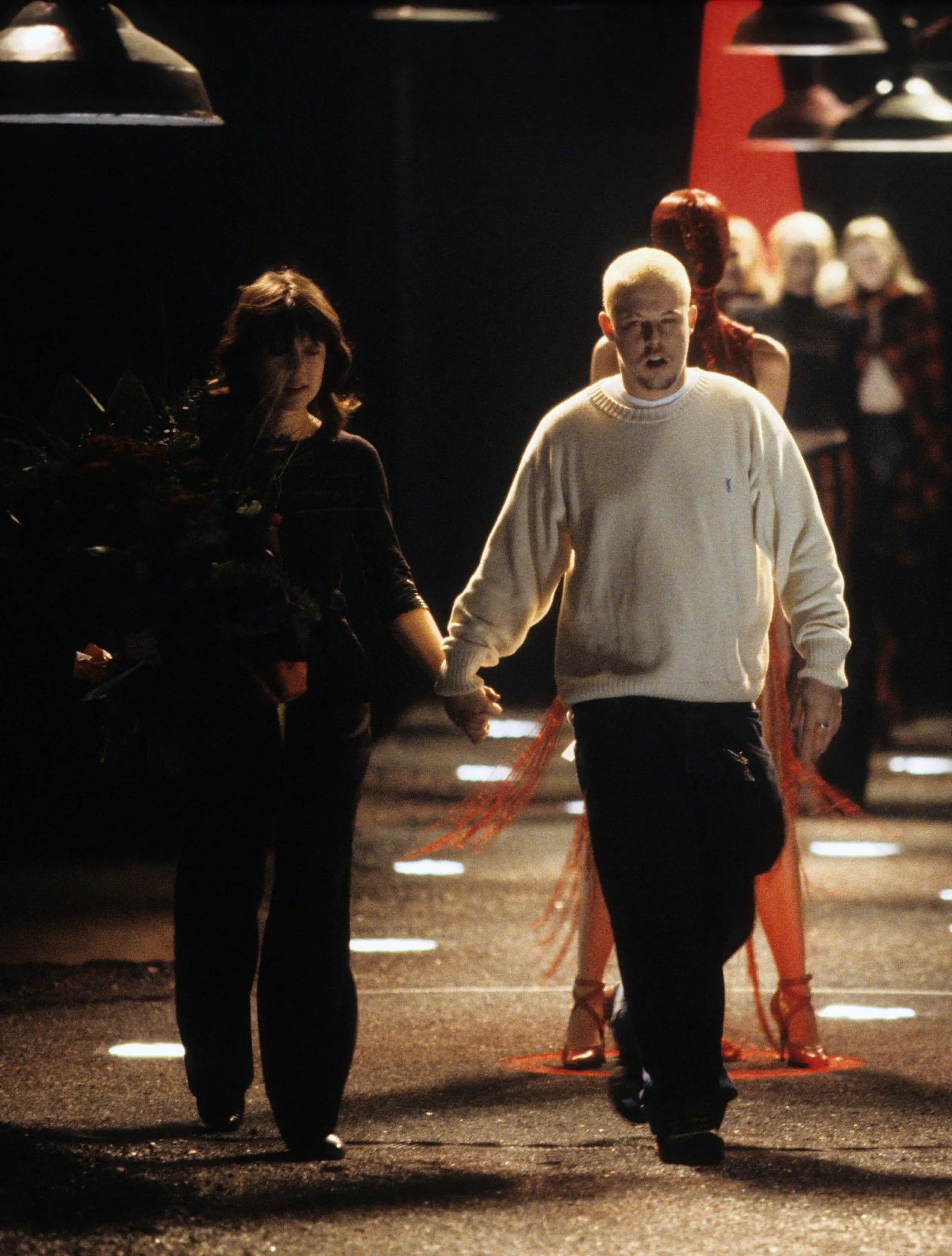
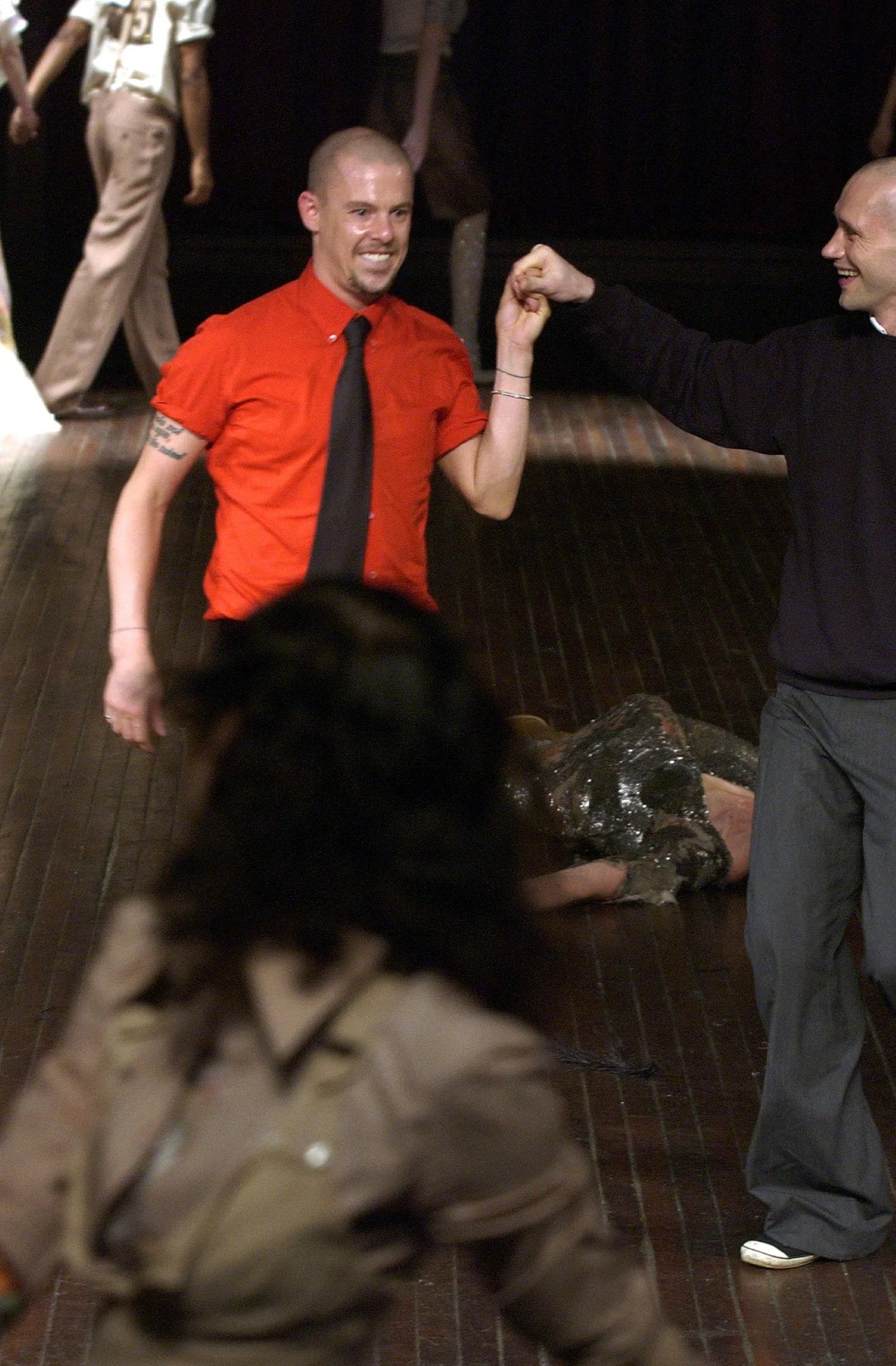
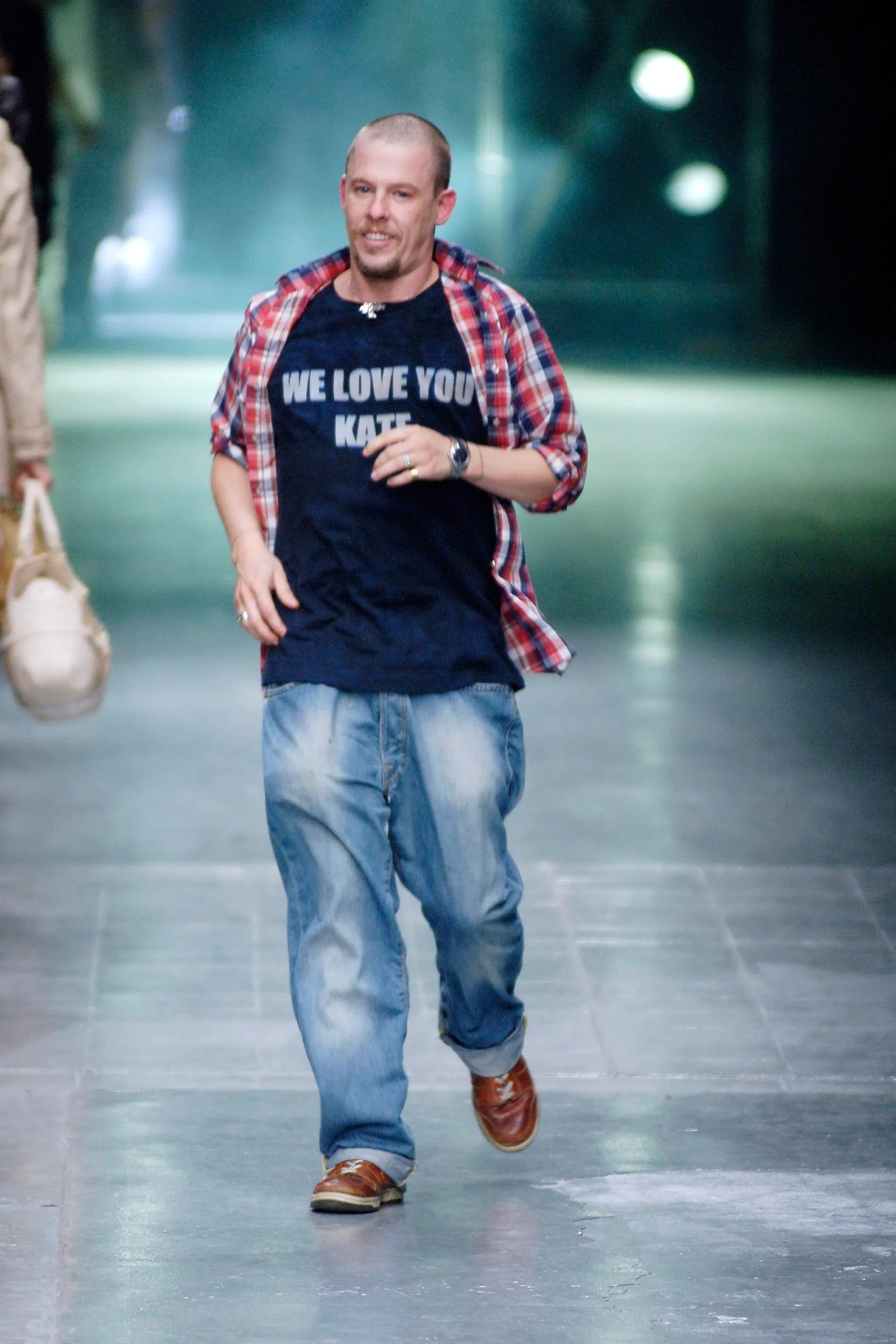
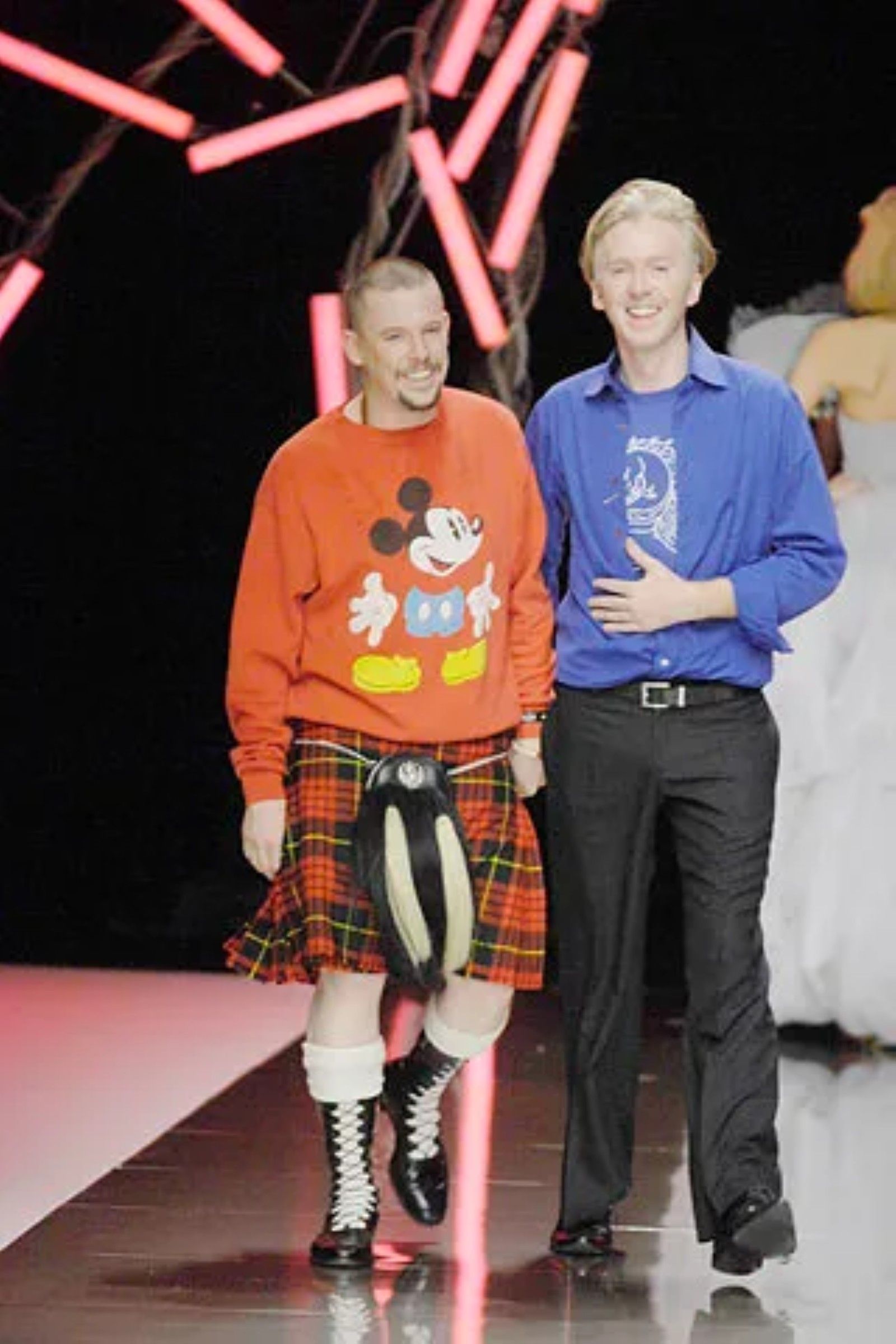
Backstage photos from the shows of that era and the designer in his free time clearly give us this image: Adidas tracksuits, Nike sneakers, jeans and sleeveless tops, worn-out plaid shirts or old T-shirts. However, there are also more formal elements, such as the Saint Laurent sweater worn for the finale of Joan or the Ralph Lauren plaid shirt seen at the finale of The Overlook, as well as the Burberry shirt that author Andrew Wilson recalls from the Givenchy days.
But the descriptions from his biographies help even more. In Gods & Kings, Dana Thomas says he wore worn-out T-shirts and jeans both during his days on Savile Row and at London Fashion Week in ’93. On his first day at CSM, he is remembered with raver bell-bottom jeans and a vintage baseball jacket. In Andrew Wilson’s Blood Beneath the Skin, however, there are more varied references.
The plaid shirt and baggy jeans are recurring in both books (he even wore one to meet Lady Diana), as are mentions of a sheepskin waistcoat that made a terrible impression on everyone. For job interviews with Koji Tatsuno and Alberta Ferretti in the 1990s, he showed up in suits and more formal outfits. By the late 1990s, he didn’t mind wearing a suit with sneakers either. Wilson notes, in fact, that from 2000 onward after his engagement and then marriage to George Forsyth, his style changed and became much less punk, coinciding with the boom in his career.
All biographers, however—and indeed Lee himself in his interviews—highlight the fact that McQueen was quite anxious about his physical appearance and that very baggy clothes served to hide his body. It was for this reason that shortly after 2000, at the beginning of the second phase of his career and after starting his relationship with Forsyth, McQueen also underwent several cosmetic surgery procedures, including liposuction and gastric bypass, radically changing his appearance. But the most interesting thing remains the exercise of trying to reconstruct the designer’s complex mindset starting from the clothes he chose, the things he loved to show, and those he wanted to hide instead. A personal style evolution that almost borders on a symbolic biography.