



















Kering will have to tighten its belt even further And the “weak” Alexander McQueen came under the scrutiny of CEO de Meo
A bit like in the case of LVMH, even the financial results for Kering's third quarter show glimmers of improvement. However, to be fair, it would be more accurate to say that the situation is "less worse" rather than better. The group's organic sales decreased by 14% in the quarter ended September 30, a decline that, although significant, exceeded analysts' expectations, which had forecasted a 16% drop. Total revenues stood at 3.42 billion euros, with a 5% reduction, and thus slightly above market projections set at 3.31 billion euros. Even the 15% organic decline, more modest than expected, marks a very slow and gradual progress for the world's second-largest luxury group.
Which brands performed best?
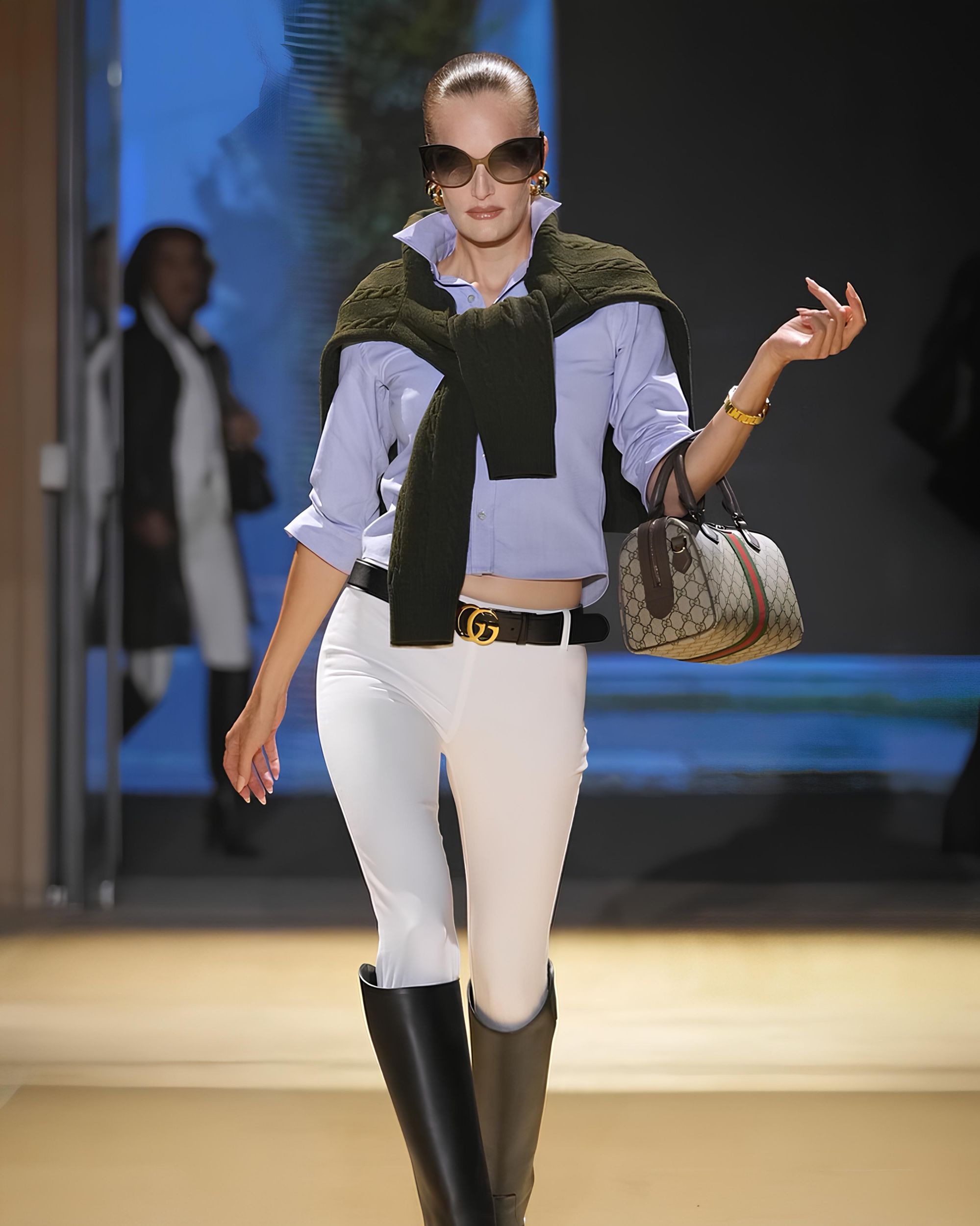
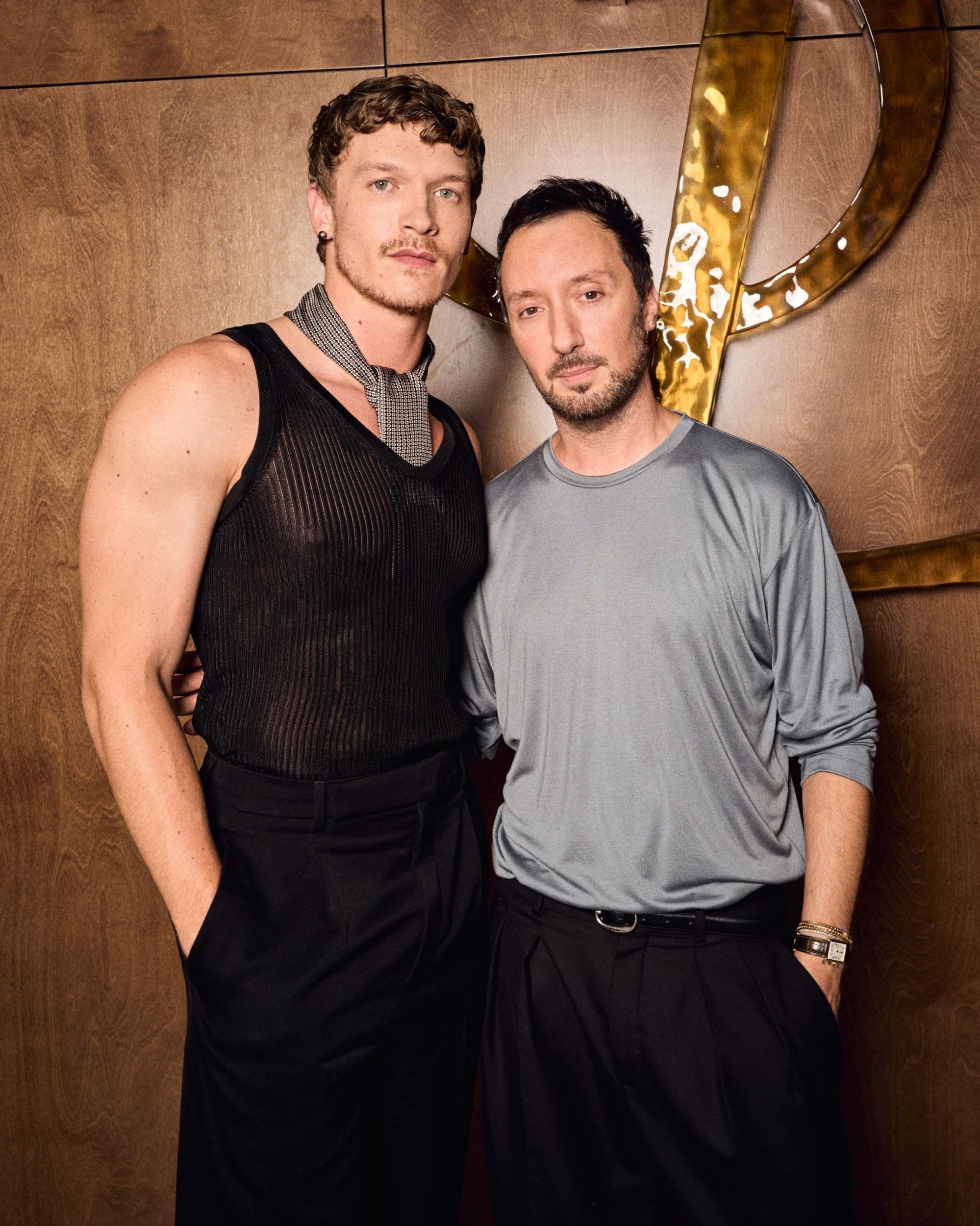
The flagship brand Gucci represented the core of this mixed dynamic, with organic sales down 14% compared to the previous quarter, when the decline had reached 25%. A sign of slight recovery, in short, as it avoided the worsening predicted by observers. In parallel, Saint Laurent recorded a 4% organic contraction, while the "other maisons" division, which includes Balenciaga, Alexander McQueen, Boucheron, and Qeelin, showed a slight 1% growth. Bottega Veneta, historically healthier, saw an increase of 3%, and the section dedicated to Kering eyewear and corporate activities closed with a 6% rise. All trends that reflect a performance which, while distant from market growth levels, indicates partial stabilization in some business lines.
De Meo's strategy continues
@barefacedmedia L’Oreal’s power continues to grow! #loreal #kering #yslbeauty #guccibeauty #creed original sound - Barefaced
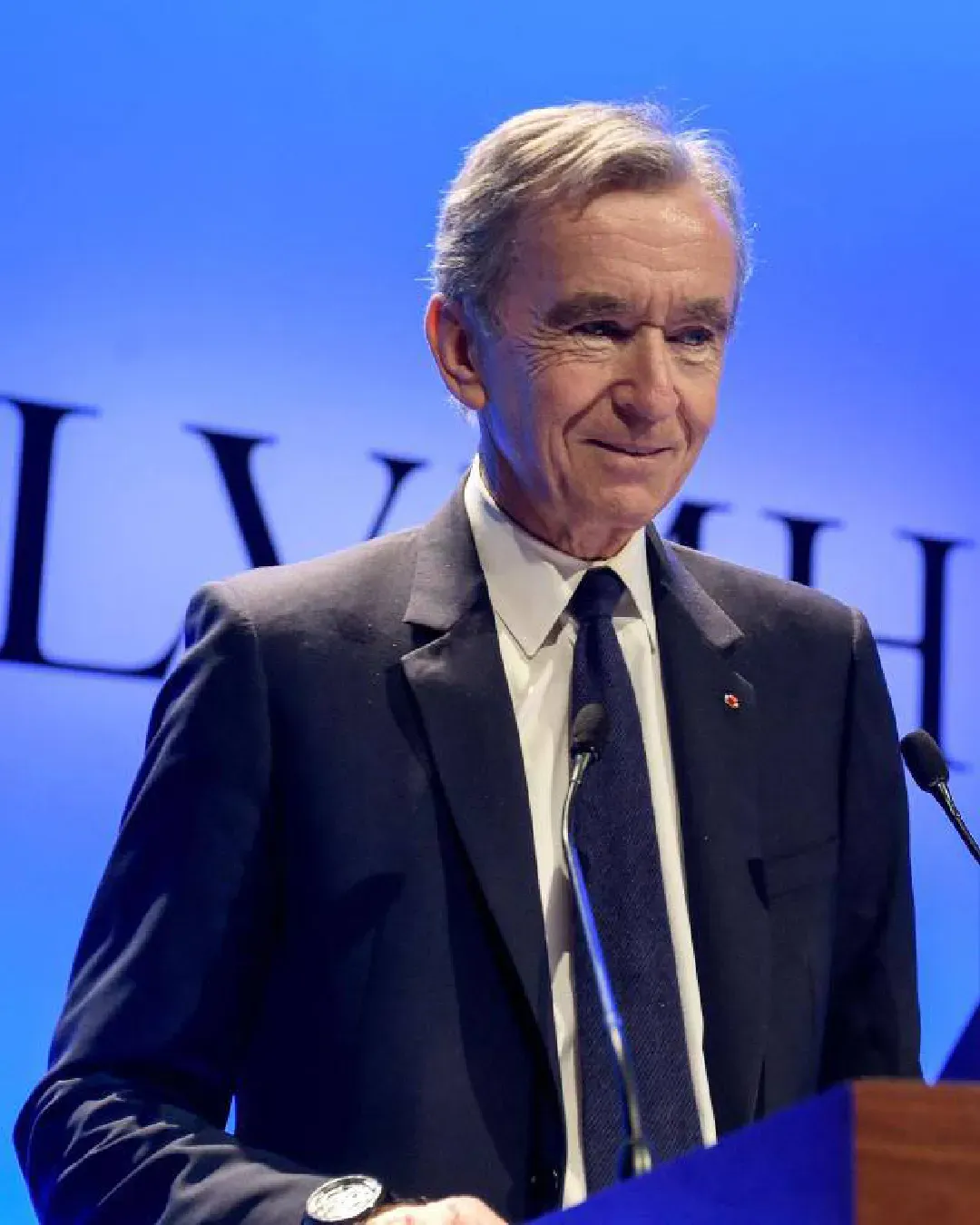
In light of these figures, the new CEO Luca de Meo, who officially took office on September 15, has renewed his determination to pursue the turnaround plan. He also stated that the third-quarter results represent a clear improvement but remain insufficient. "This situation strengthens my resolve to intervene on all aspects of the business to bring our maisons and the group back to the leadership role they deserve," he affirmed, adding that the team is working tirelessly to revitalize the French giant, as demonstrated by recent strategic decisions such as selling the beauty business to L’Oréal, postponing the agreement with Mayhoola for the acquisition of the remaining stake in Valentino, and the appointment of Francesca Bellettini as president and CEO of Gucci.
Clearly, at the moment, the sale of the beauty division to L'Oréal for 4 billion euros in cash, with the granting of licenses for fragrances and beauty products and a joint venture in the wellness sector, has been a fundamental move to optimize assets and address the serious debt problem of the group, which last June amounted to 9.5 billion euros. In fact, a more detailed plan will be presented next spring while by the end of 2025, efforts will focus on the most effective mechanisms to improve capital allocation and achieve quick and appreciable results. Among De Meo's priorities are debt reduction, cost containment, and, where necessary, the rationalization, reorganization, and repositioning of some maisons. "We must act quickly to restore investor confidence," de Meo declared in an initial speech after his appointment. And one of the first objectives will be to restructure the group's black sheep: Alexander McQueen.
What will change for Alexander McQueen?
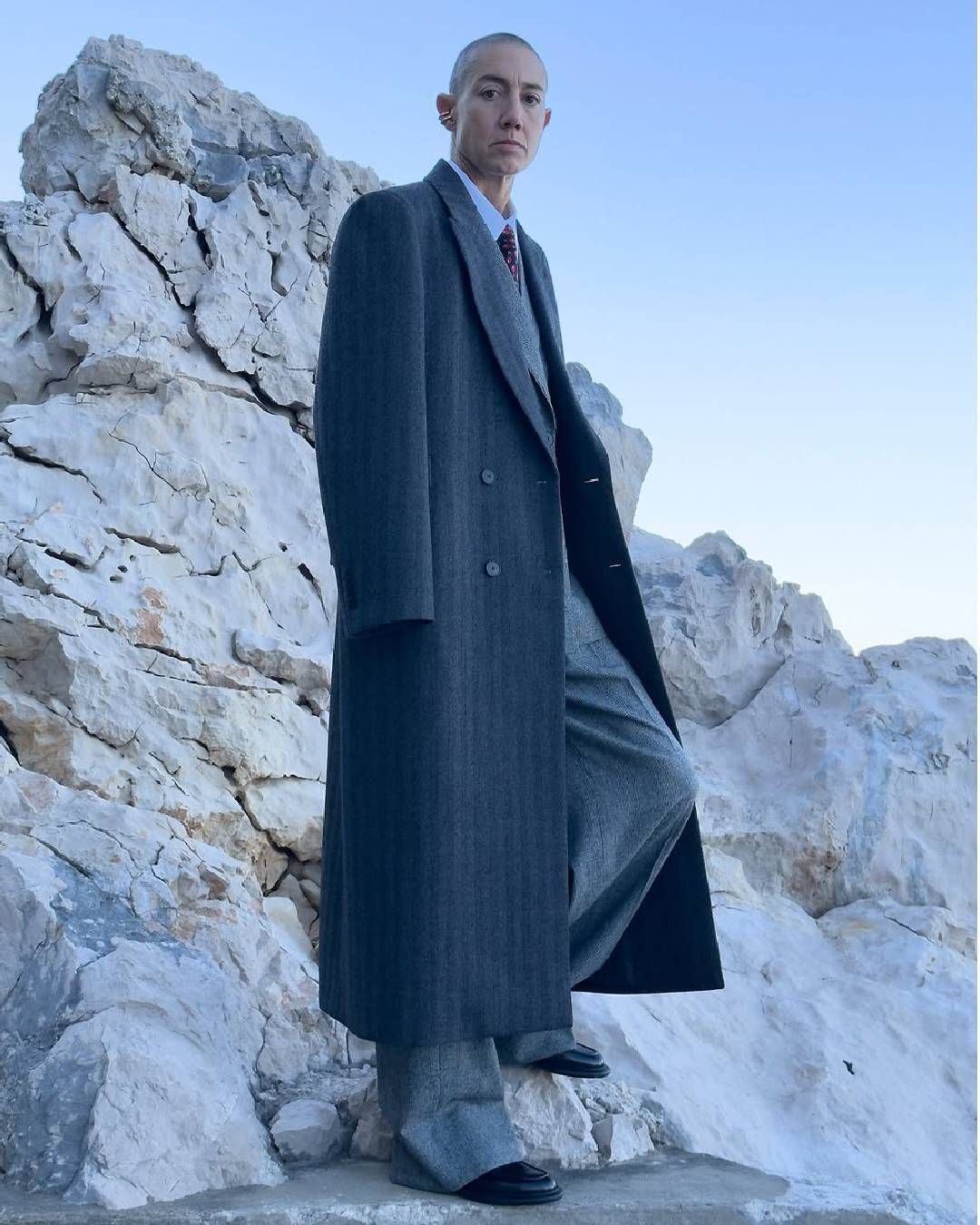
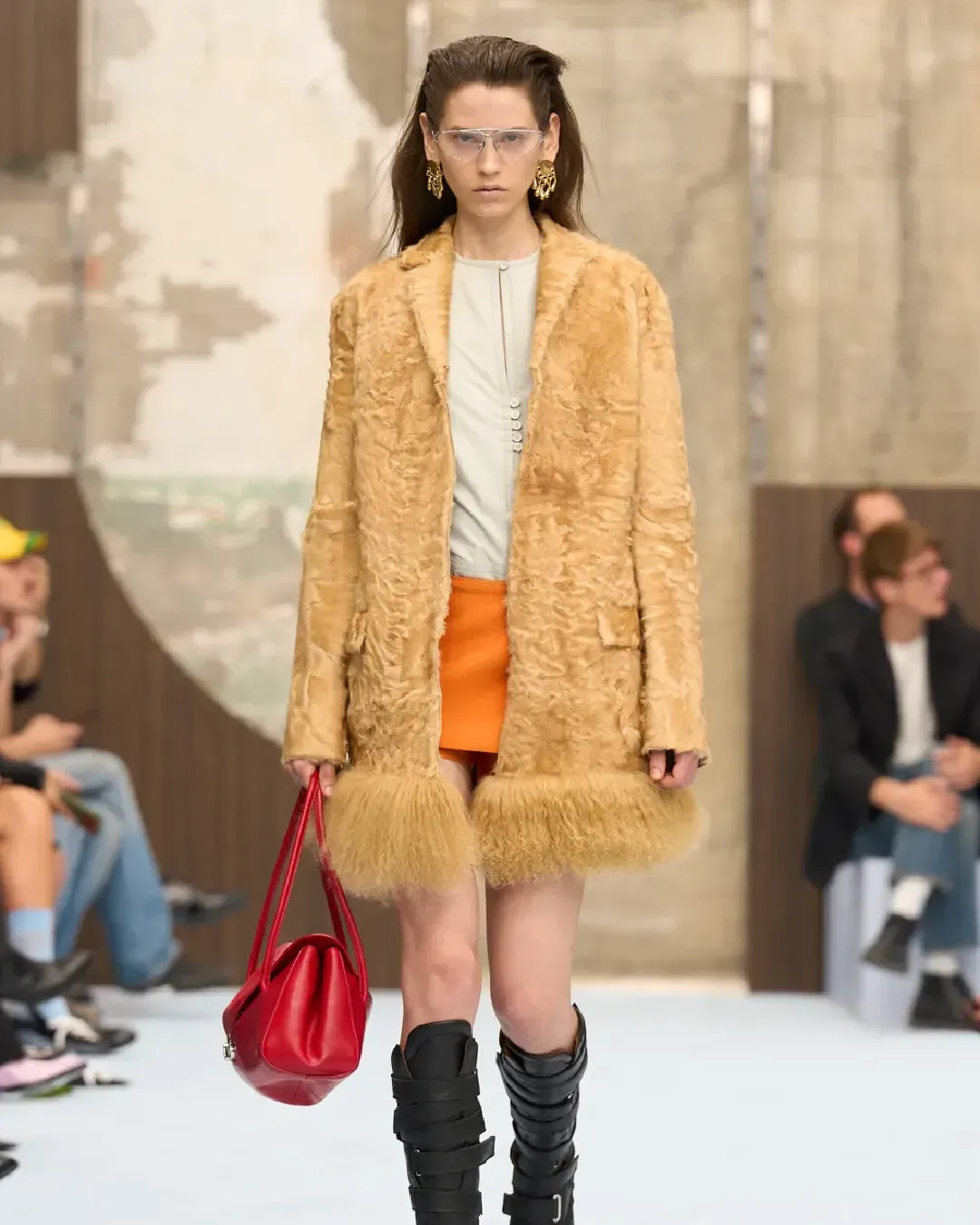
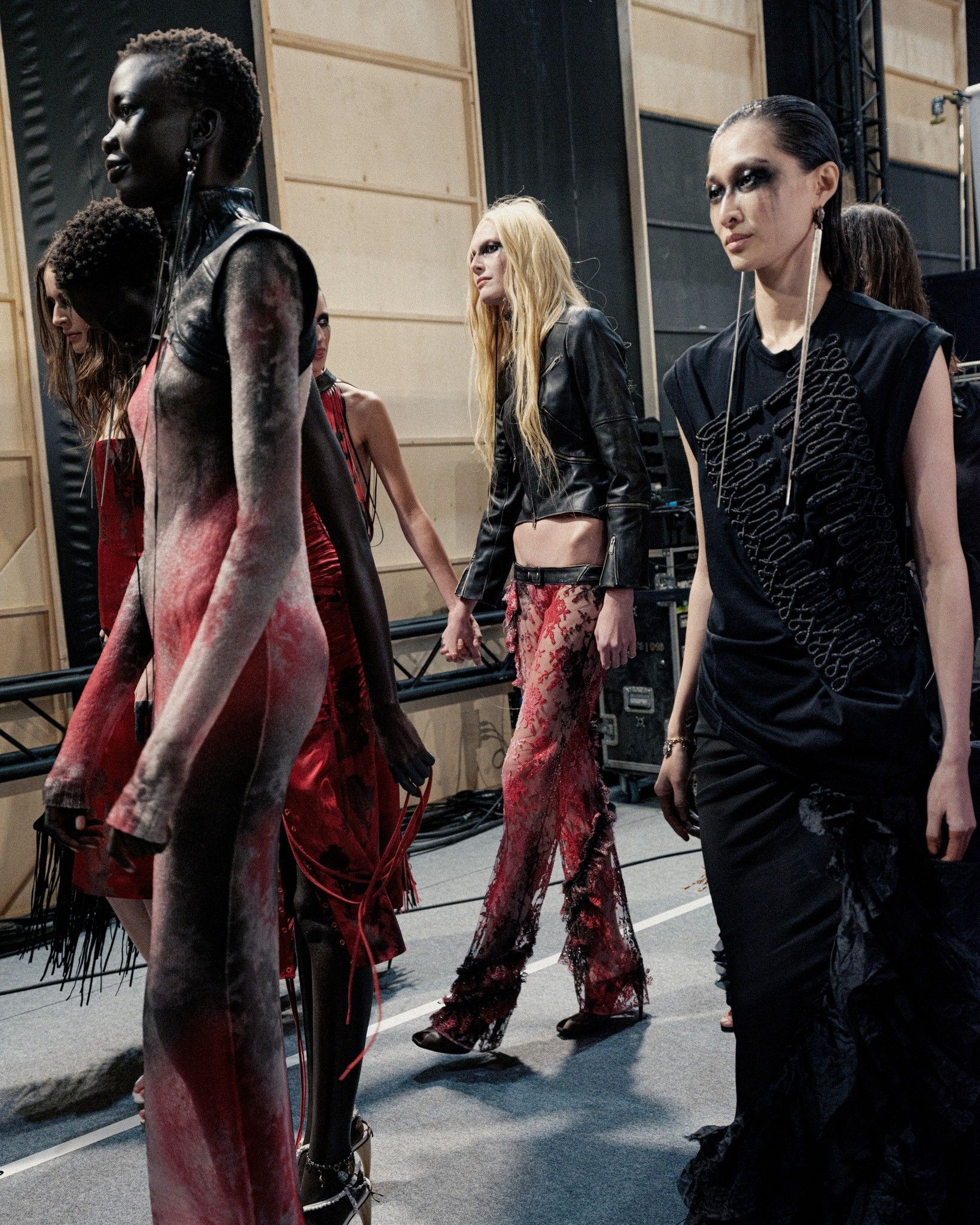
Among Kering's brands, Alexander McQueen is undoubtedly the most problematic: it is relatively small, has no it-bags or fragrance business, and neither critical nor commercial mega-success. For this reason, Kering has launched a global strategic review that could lead to the cut of 55 jobs, or one-third of the administrative staff in the London headquarters. The idea is to bring the company back to sustainable profitability within the next three years. The process is already in its preliminary phases and is sadly necessary.
If it can be good news, at least Kering has ruled out, for now, plans to sell this or other brands. Obviously, however, everything happened before de Meo's appointment, as the announcement that the group would not sell any brand dates back to July. In general, for now, the brand is safe and thus the choice to streamline its operations fits into the strategy already seen in other entities of the group, where store closures, real estate sales, and staff cuts have helped mitigate a catastrophic first half, which had seen profits fall by 46%. For McQueen, the review represents not only an operational necessity, but an opportunity to align with Kering's turnaround trajectory, in an increasingly saturated and competitive luxury landscape.