.gif 2000w)


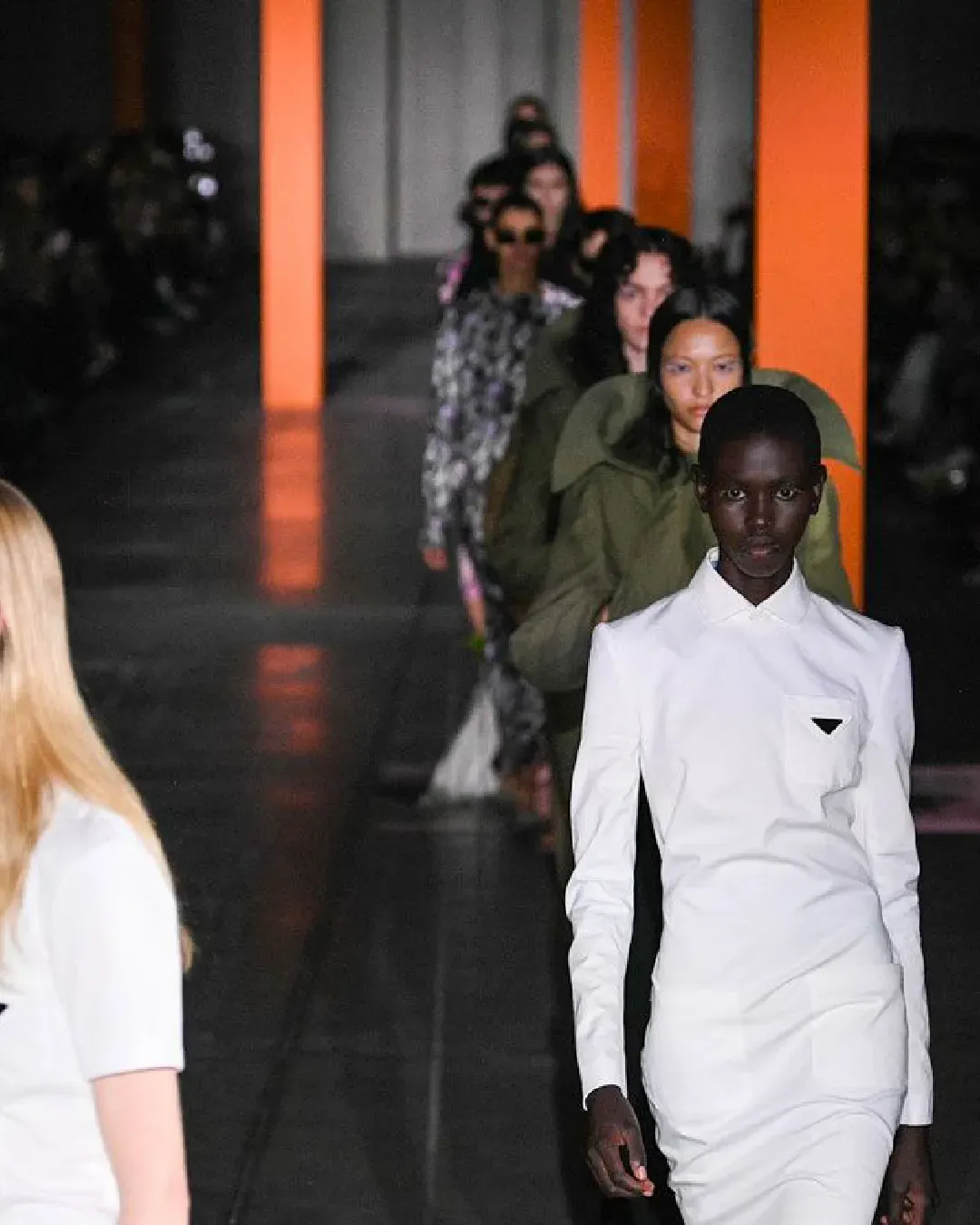
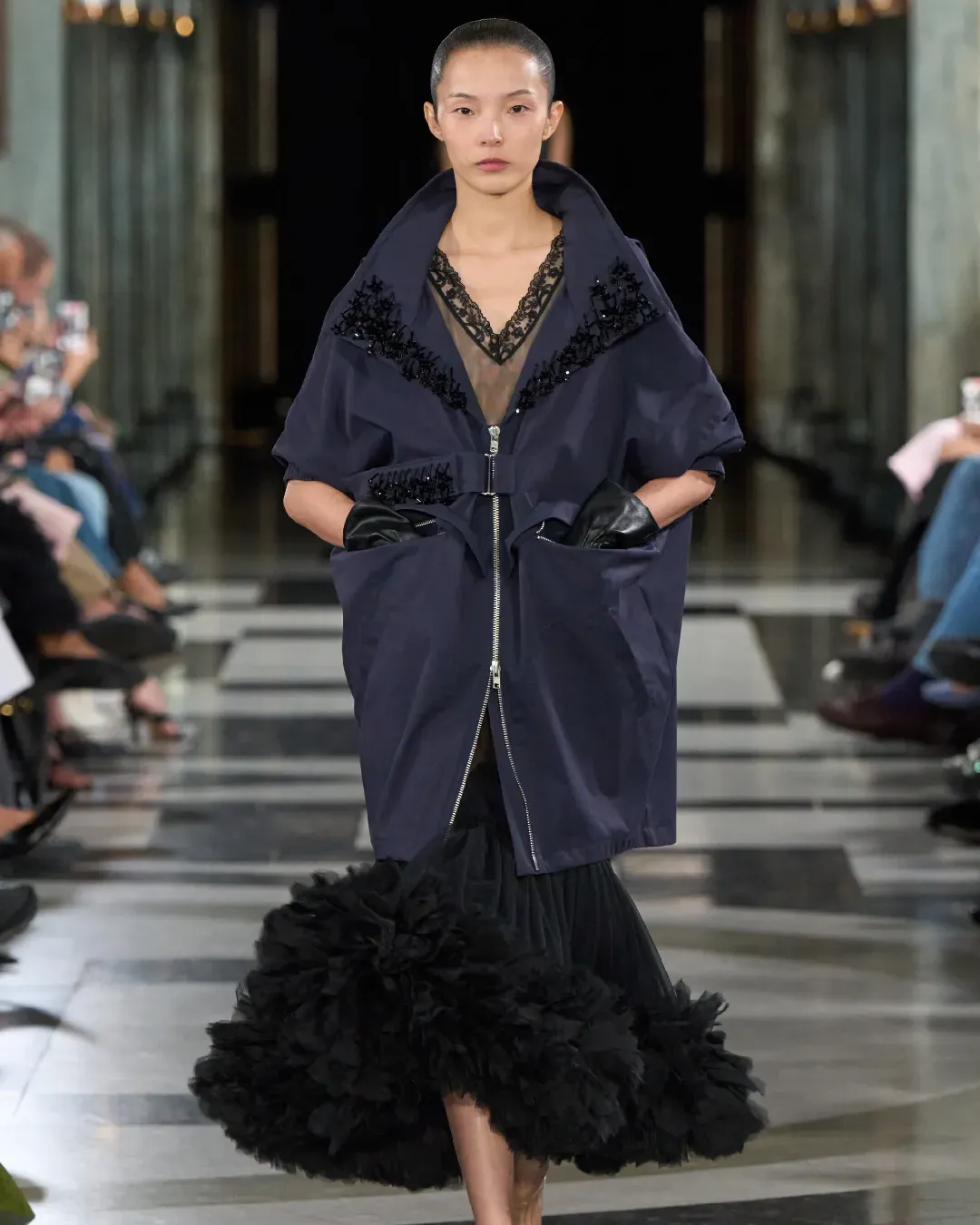
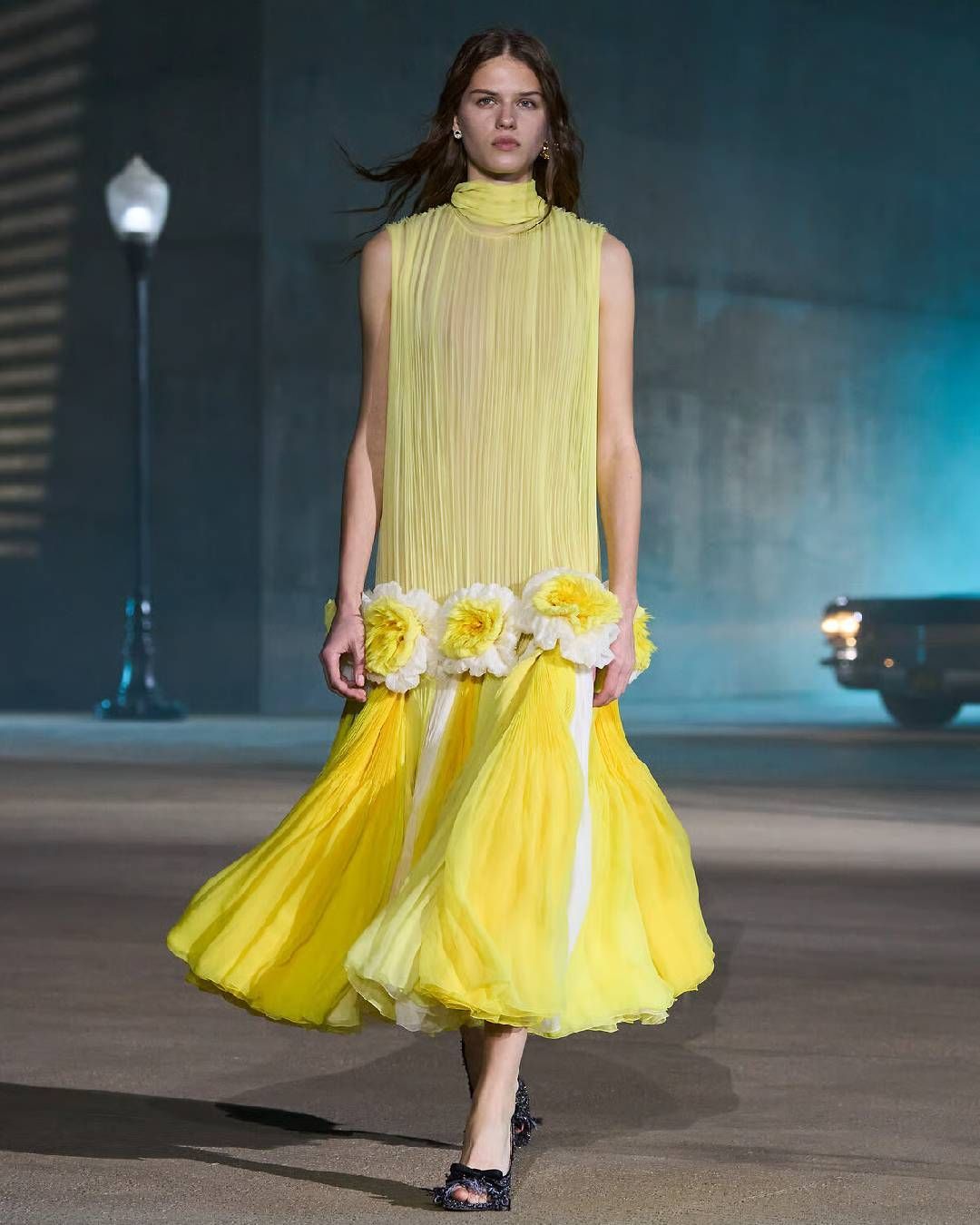























What's going on at McQueen? The company is now set to lay off more than 50 employees in Italy
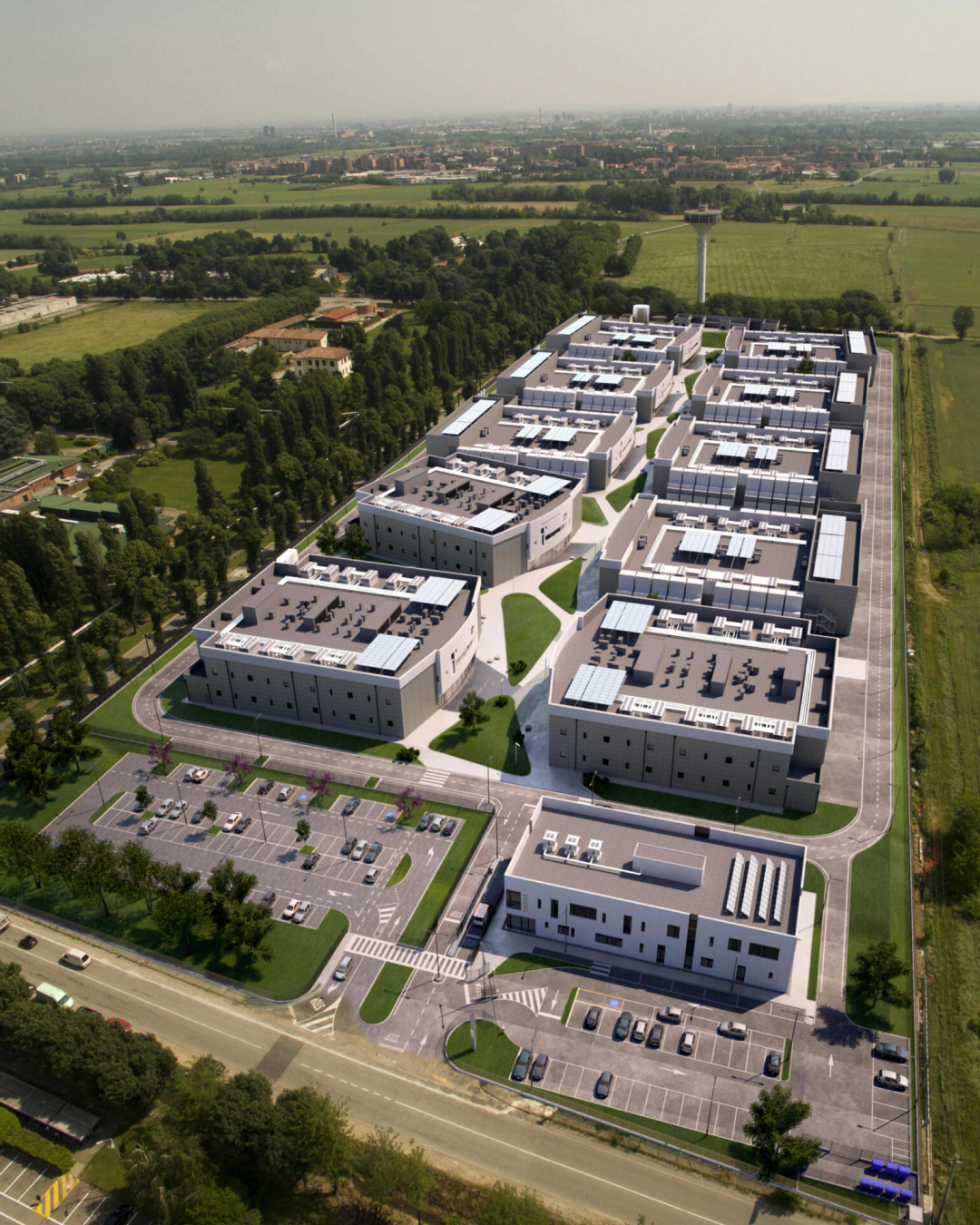
We can say that the Alexander McQueen brand is having an existence as tormented as that of its founder. The legendary brand founded by Lee McQueen in the '90s is going through a phase of profound restructuring under the new management of Luca De Meo, which has led to the initiation of collective redundancy procedures in Italy, affecting approximately 54 employees out of 181 employed in the factories of Scandicci, Novara, and Parabiago.
This move is part of a broader plan to get the brand back on its feet after years of near-hemorrhagic losses and an estimated revenue decline of around 60% in the period from 2022 to 2025. The decision has been confirmed by the company and has raised concerns among Italian trade unions, who fear for the occupational and productive future of the involved sites. But this is only the most recent chapter in a broader story centered on the brand.
What is happening?
McQueen has formally opened collective redundancy procedures in Italy, cutting nearly one third of the local workforce to reduce operating costs and realign the corporate structure. Meanwhile, in the United Kingdom, a similar process is already underway that could lead to the elimination of about 55 positions at the London headquarters, or roughly 20% of all central office staff. These cuts are just the first steps of the strategic review announced last November as part of the new plan that CEO Luca De Meo must implement. While other relatively “healthier” brands in the portfolio such as Gucci, Saint Laurent, Bottega Veneta, and Balenciaga are still awaiting the details of their plans, McQueen has been among the first to undergo emergency surgery.
The brand’s economic picture is critical: revenues have collapsed dramatically, with excessive dependence on sneakers that at one point accounted for up to 80% of turnover, a very serious figure for a brand that at the peak of its fame generated millions half from womenswear, 30% from accessories, and 20% from menswear. Over the years, the aggressive expansion to 135 directly operated stores proved disproportionate to the brand’s actual market position, generating unsustainable costs. And now McQueen accounts for about 5% of the group’s revenue, around 700 million euros, but with very heavy losses.
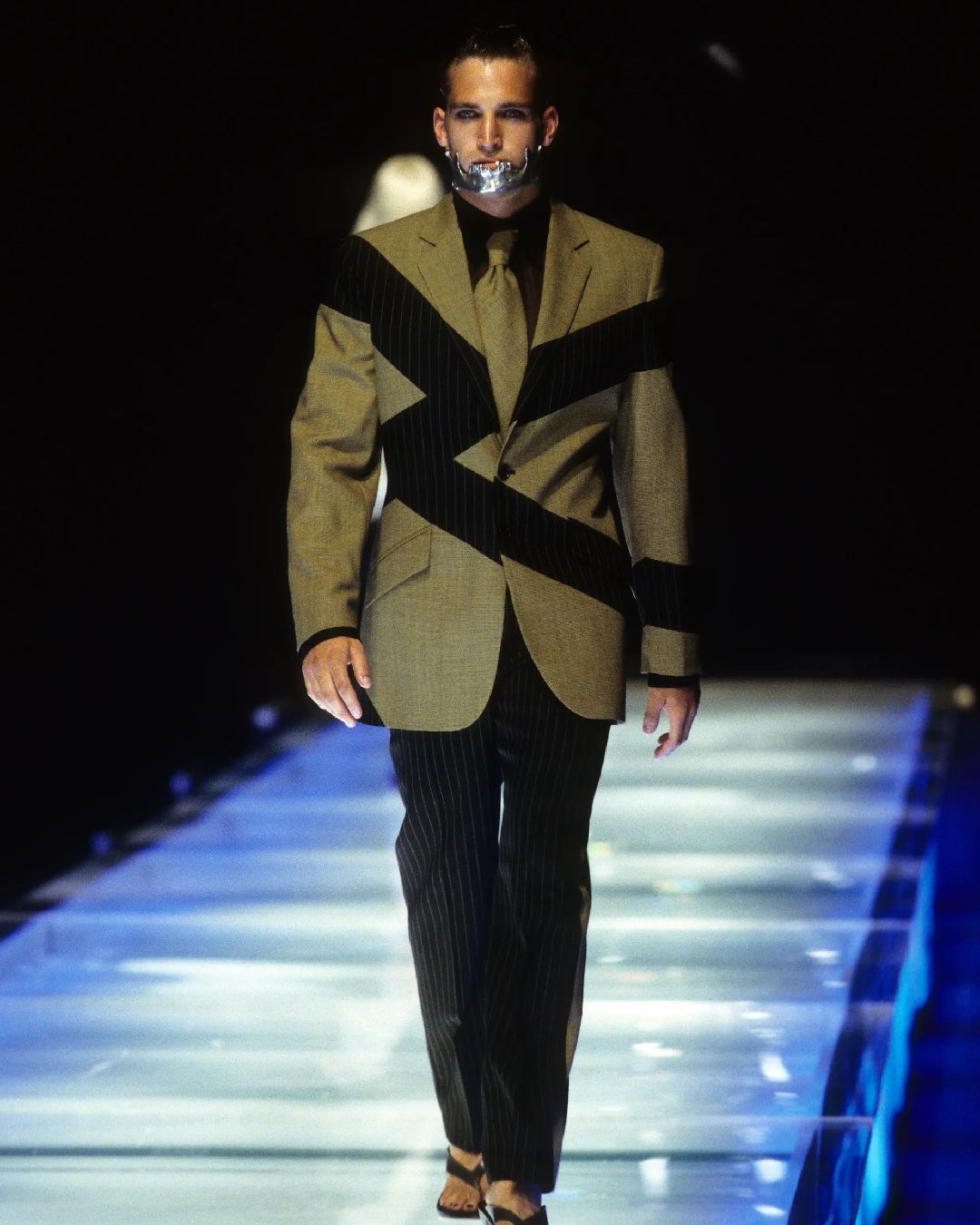
De Meo has ruled out an immediate sale of the brand simply because the situation is so critical that it would have to be sold at a bargain price. So from a business perspective, something can still be salvaged. The current priority is to return to sustainability with structural costs and sustainable investments, but the point is that the mistake of the past was to treat McQueen like a mega-global giant instead of the medium-sized brand it actually is. As initial measures, menswear has been removed from the runway shows and the shows themselves have been relatively scaled back: the latest had about ten fewer looks than previous ones.
But what will happen to McQueen now?
In the Atelier.
— McQueen (@McQueen) March 16, 2026
The making of Kylie Jenner's custom McQueen look for the Vanity Fair Oscar’s Party. pic.twitter.com/SZL9Hu6ugy
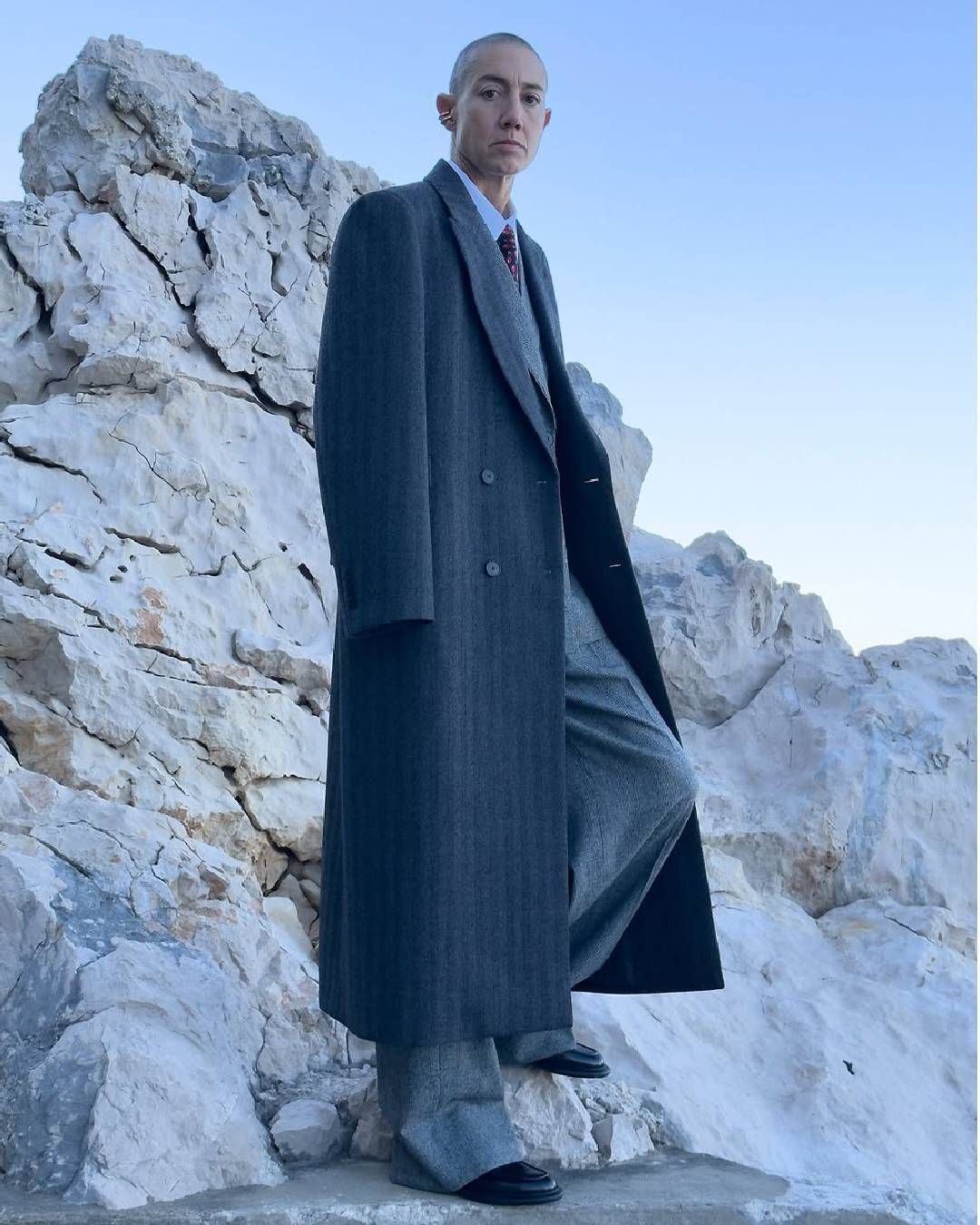
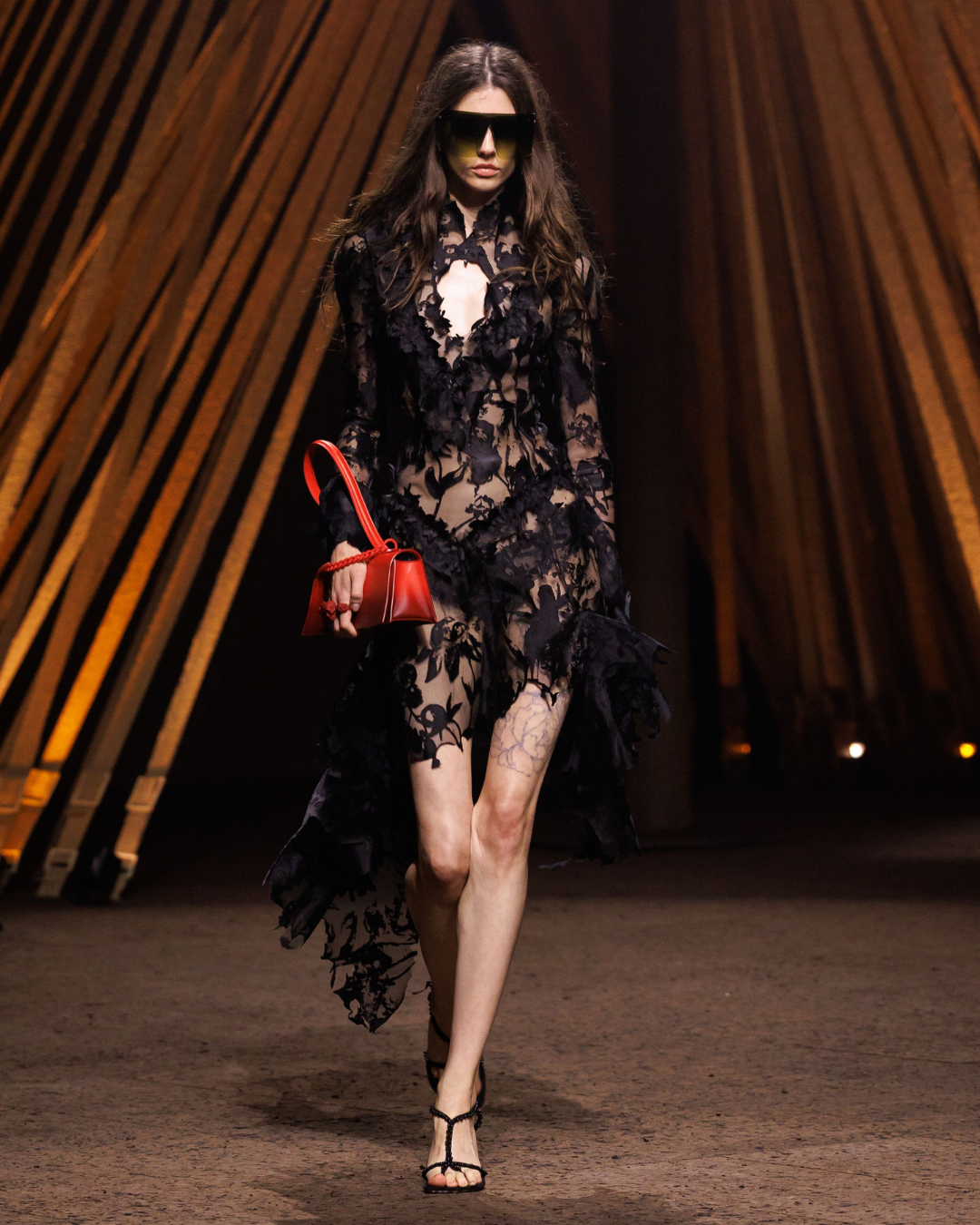
In the coming months, we will need to prepare to see all the initial measures anticipated by De Meo put into action. There will be the closure of more than half of the stores, a greater focus on historic sartorial savoir-faire, and the need to make the ready-to-wear more performant with an approach more centered on women. What seems clear to us is the intention to slowly reposition the brand, cleaning up the various commercial extensions such as sneakers and logoed t-shirts, and turning it into a more “serious” brand.
Now, the next key appointment is the Capital Markets Day on April 16, when Luca de Meo will present the detailed industrial plan for the entire group, outlining distinct territories for each brand and a strategy to relaunch growth across the whole group. For Alexander McQueen, this “shock treatment” could be sufficient to restore momentum, bringing it back to acceptable profitability and a clear positioning within Kering’s new map, but if the turnaround does not yield results in the coming years, more drastic options could emerge, although a sale currently appears unlikely.
In the meantime, dialogue with the Italian trade unions continues, with the February 5 meeting aimed at mitigating the social impact through protection mechanisms and internal mobility. The group has assured its commitment to supporting employees during the transition, but the future of the Italian production sites and the connected supply chain remains dependent on the final decisions that will emerge in April.
Takeaways
- Alexander McQueen is undergoing a radical restructuring under Luca de Meo’s leadership to reverse years of heavy losses and a 60% revenue decline, with immediate job cuts in Italy and the United Kingdom.
- The brand, which accounts for about 5% of Kering’s revenue but generates significant losses, has suffered from excessive expansion (135 stores) and extreme dependence on sneakers, which at one point represented 80% of turnover.
- The relaunch strategy focuses on closing more than half of the stores, refocusing on historic sartorial savoir-faire, and strengthening women’s ready-to-wear under the creative direction of Seán McGirr, with the goal of returning to sustainable profitability within 2–3 years.
- The Capital Markets Day on April 16, 2026, will be decisive: if the “shock treatment” succeeds, McQueen could regain a clear and distinctive positioning within Kering’s new portfolio; otherwise, more drastic scenarios cannot be ruled out, although a sale currently appears unlikely.