
































Havaianas returns to its origins with the comeback of TRADI The flip-flop that started the brand’s story
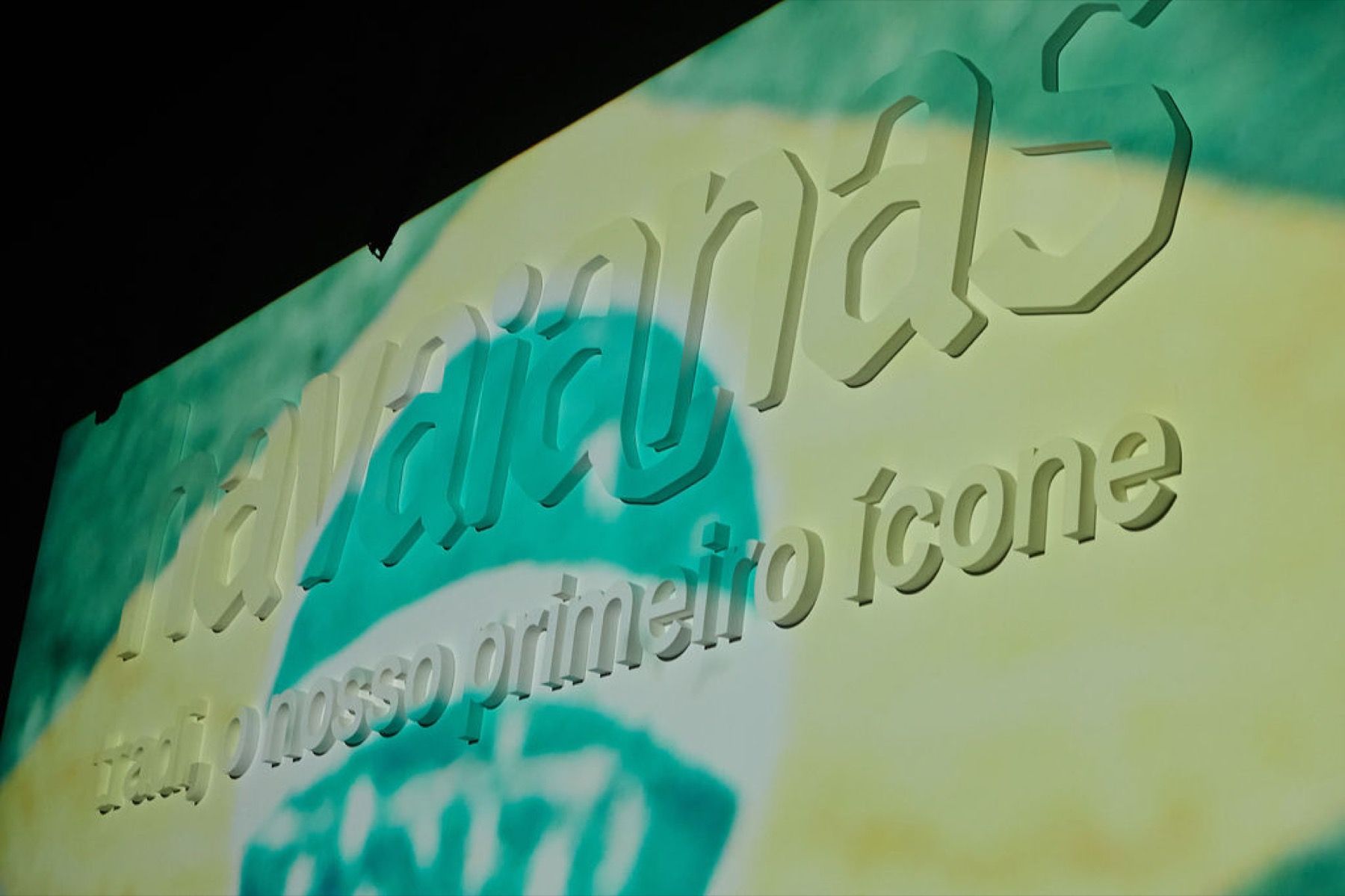
Havaianas returns to its origins and, recognizing how important it has become today to celebrate and reinterpret one’s own heritage, reminds us once again that within the brand’s DNA, tradition represents the foundation of the future. From this perspective comes the relaunch of TRADI, the original flip-flop design that in 1962 marked the beginning of the brand’s history. To introduce the launch, Havaianas organized a cultural presentation in São Paulo, placing the origins of the model in dialogue with contemporary creative voices.
In fact, for more than thirty years, TRADI was the only model produced by Havaianas. Its essential structure and instantly recognizable silhouette laid the foundations for what would become one of the most widely worn flip-flops in the world. Long before the category entered the universe of luxury and designer collaborations, TRADI embodied a democratic design philosophy deeply rooted in everyday Brazilian life.
The relaunch takes part in a broader conversation within the industry about the value of archival design and authenticity. At a time when brands are seeking to reinforce identity and continuity over time, Havaianas returns to the product that defined its visual language and cultural relevance. The simplicity of the model, from the rice-grain patterned sole to the textured footbed and the iconic straps, has over time become a distinctive signature of Havaianas and an immediately recognizable symbol of the Brazilian lifestyle.
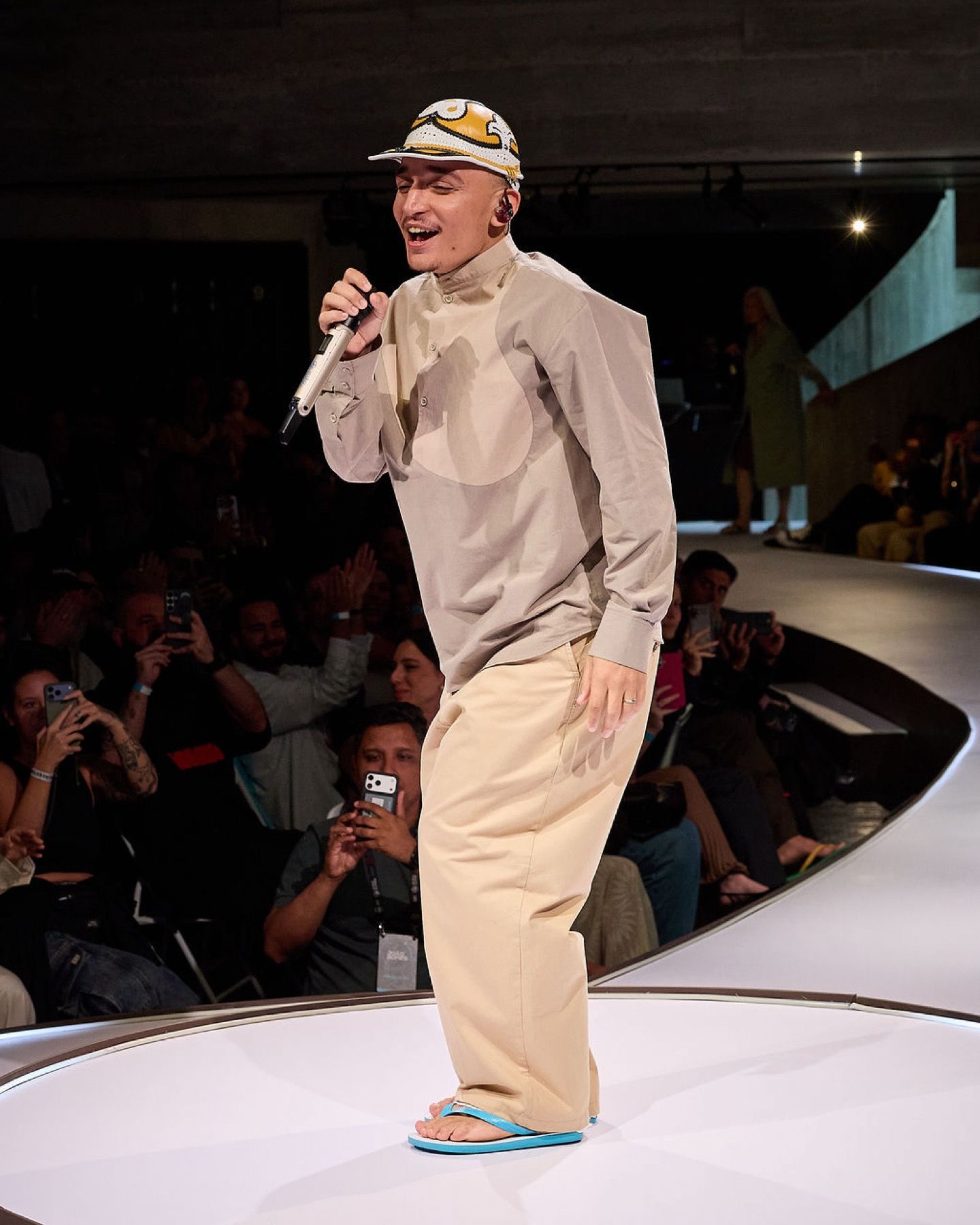

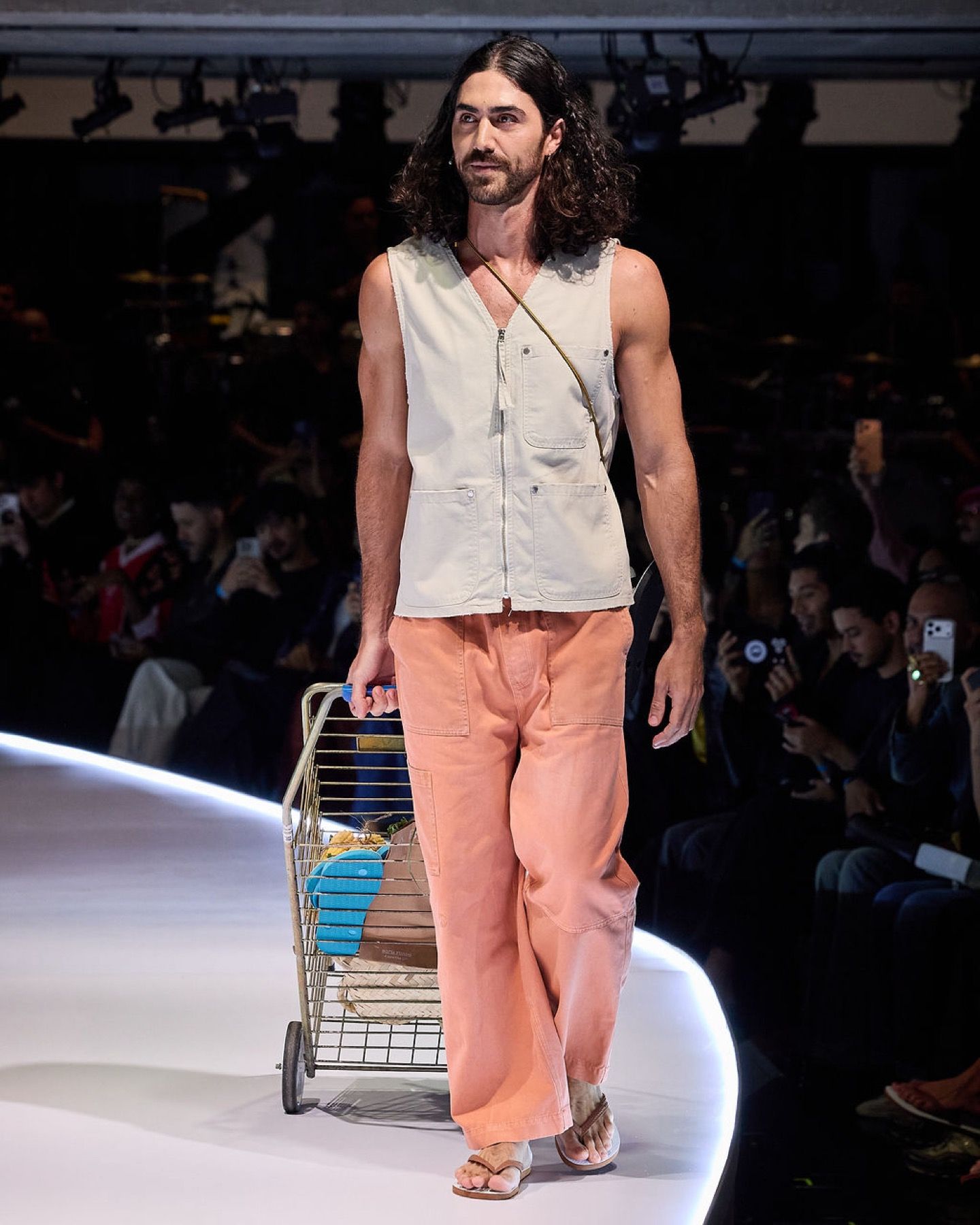
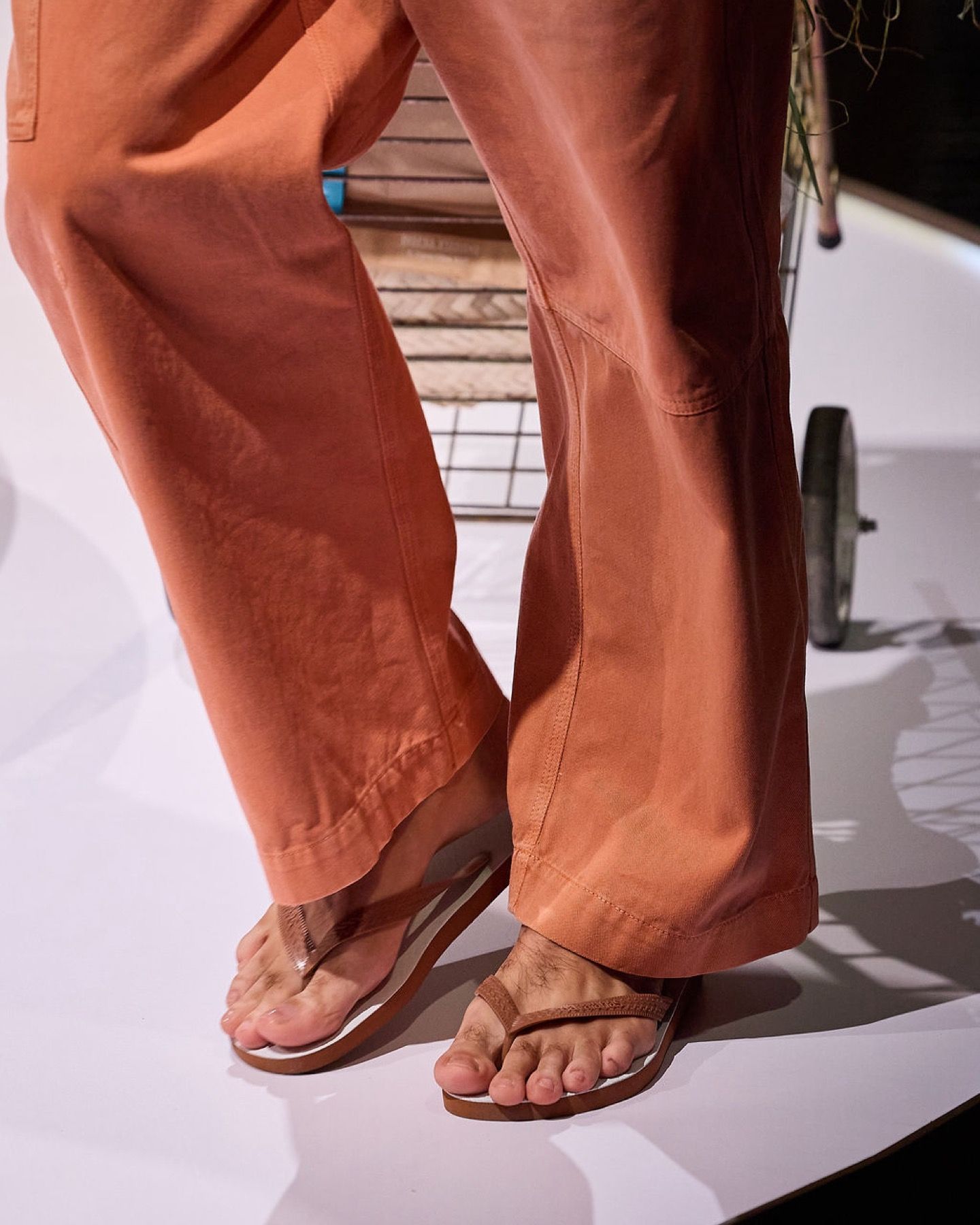
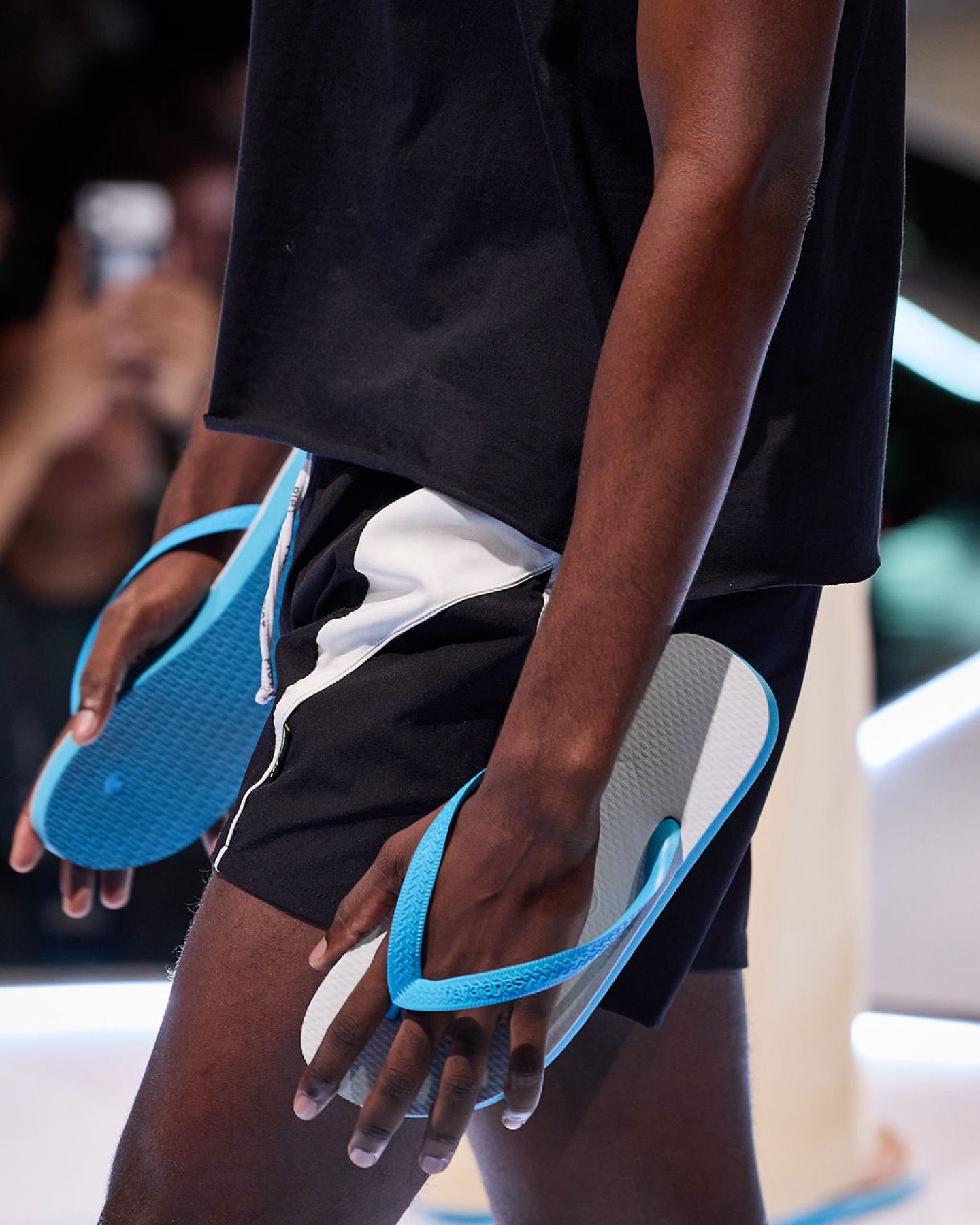
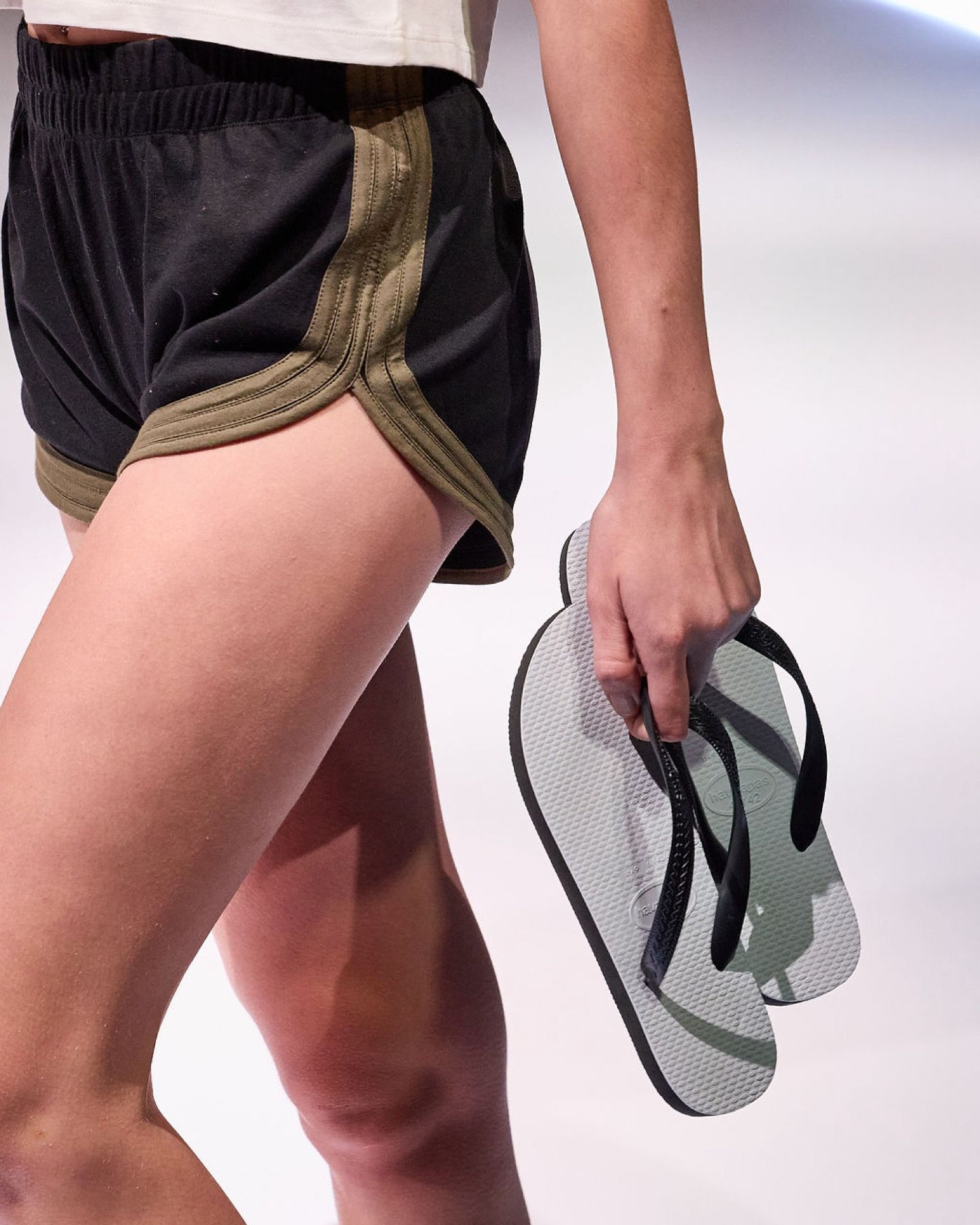
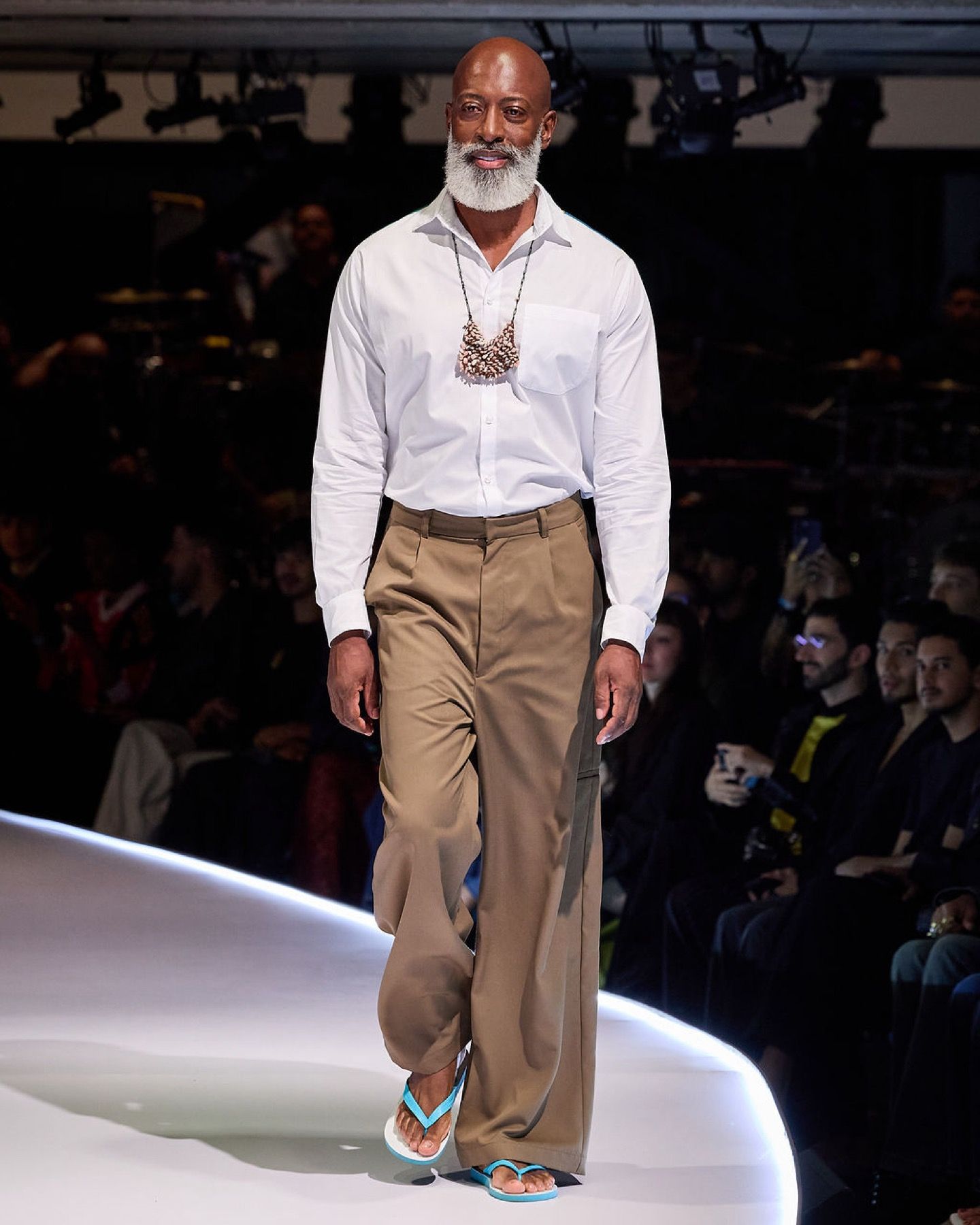
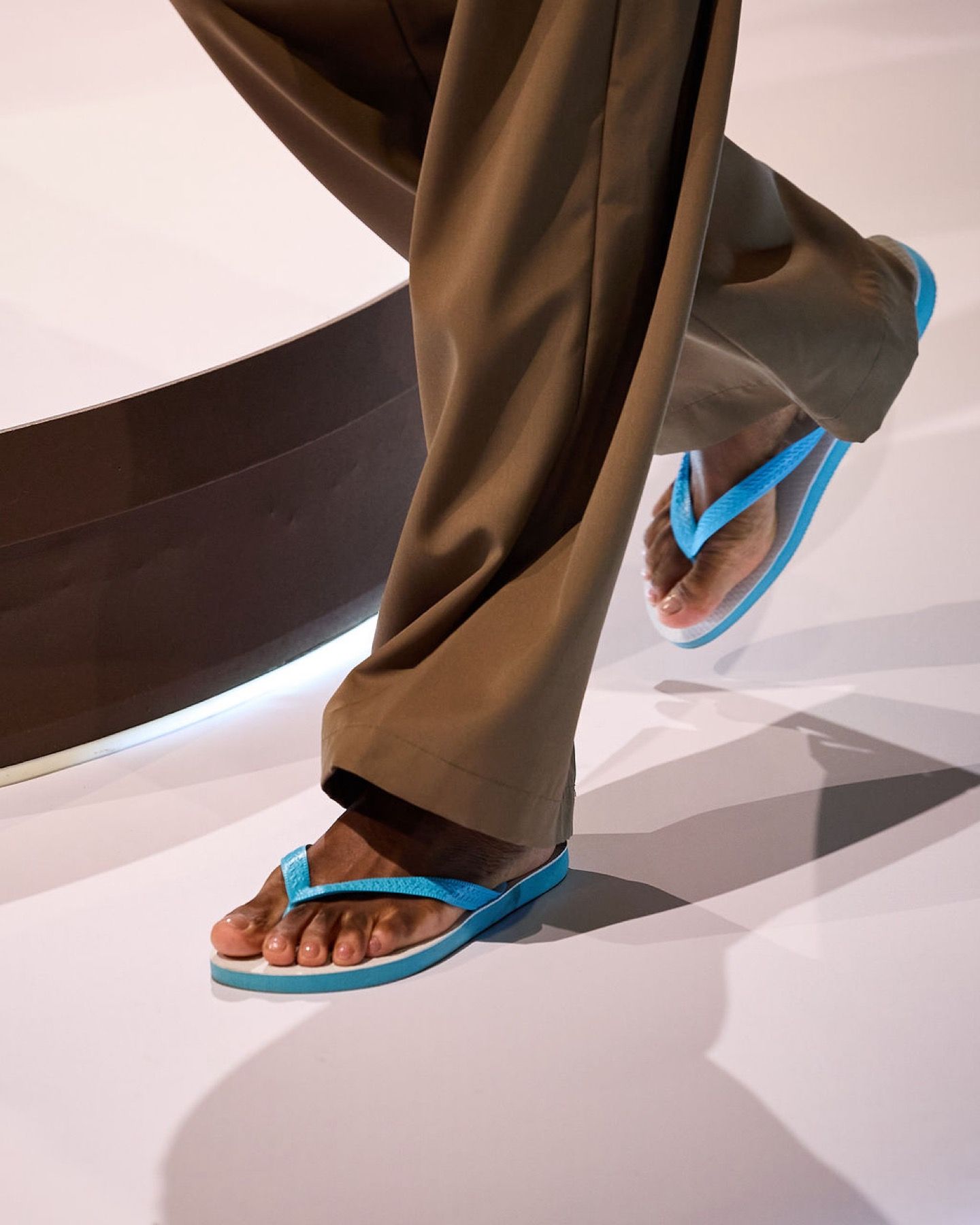
Today that same design is being reintroduced for a new generation. The return of TRADI narrates the evolution of a utilitarian product born in Brazil that over time has become a global icon, worn all over the world from beaches to city streets and even on the runway.
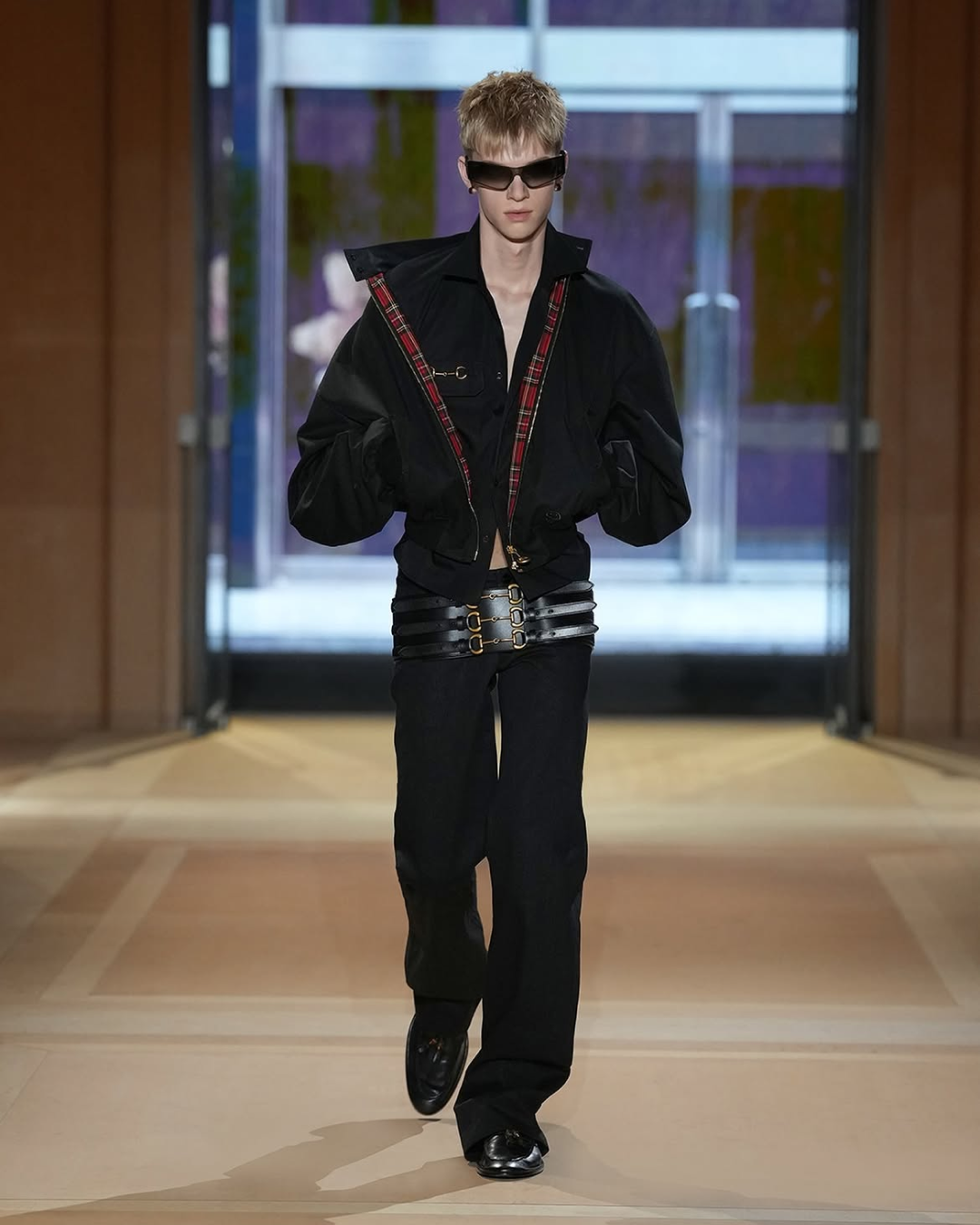
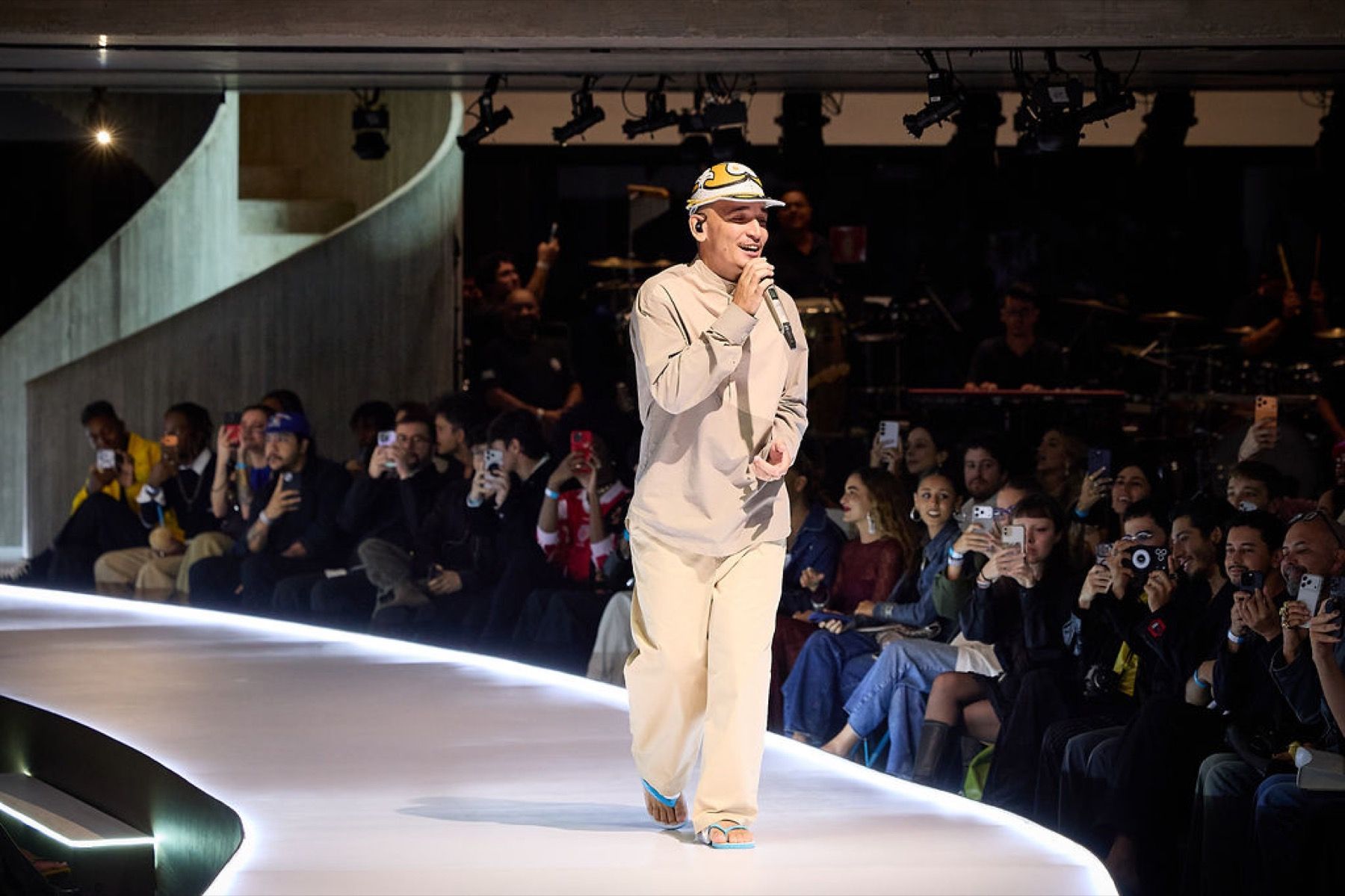
Brazilian designer Pedro Andrade, founder of the brand P. Andrade, collaborated on the creation of a runway concept exploring how the iconic 1962 flip-flop can be reinterpreted within the contemporary fashion landscape. Known for his ability to merge street culture, tailoring and Brazilian references, Andrade approached the project as a dialogue between the product’s heritage and contemporary styling.
Music represented another central element of the launch. Brazilian singer João Gomes performed live, bringing the rhythms of piseiro to the stage and reinforcing the connection between the flip-flops and the country’s everyday culture, evoking the popular and authentic imagery from which the model originally emerged. Havaianas also presented an installation inspired by Brazilian modernist architecture. The space highlighted the visual codes of the original design, including the classic Tradi Blue and Traditional Brown, the latter introduced through a limited capsule edition accompanying the relaunch.
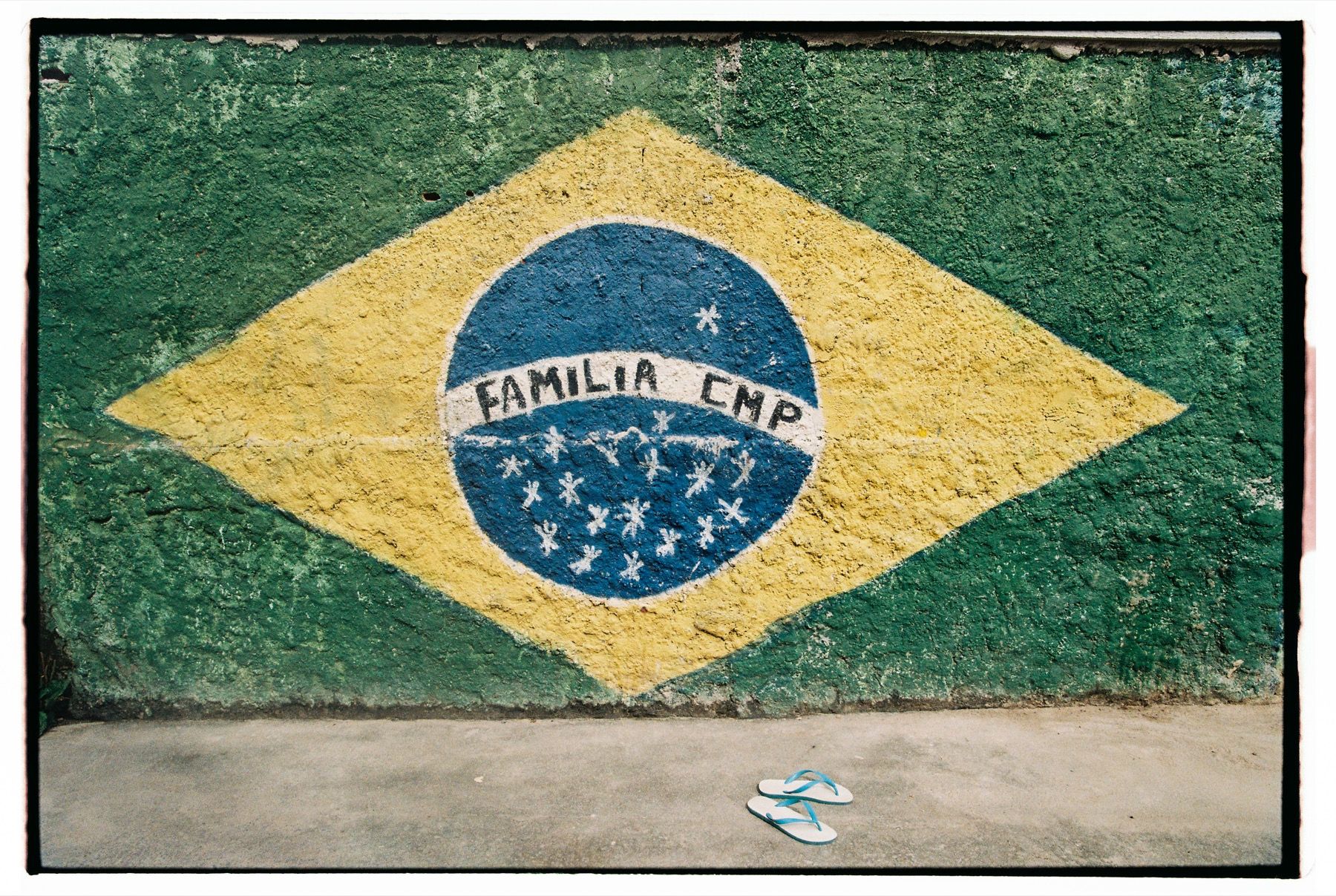
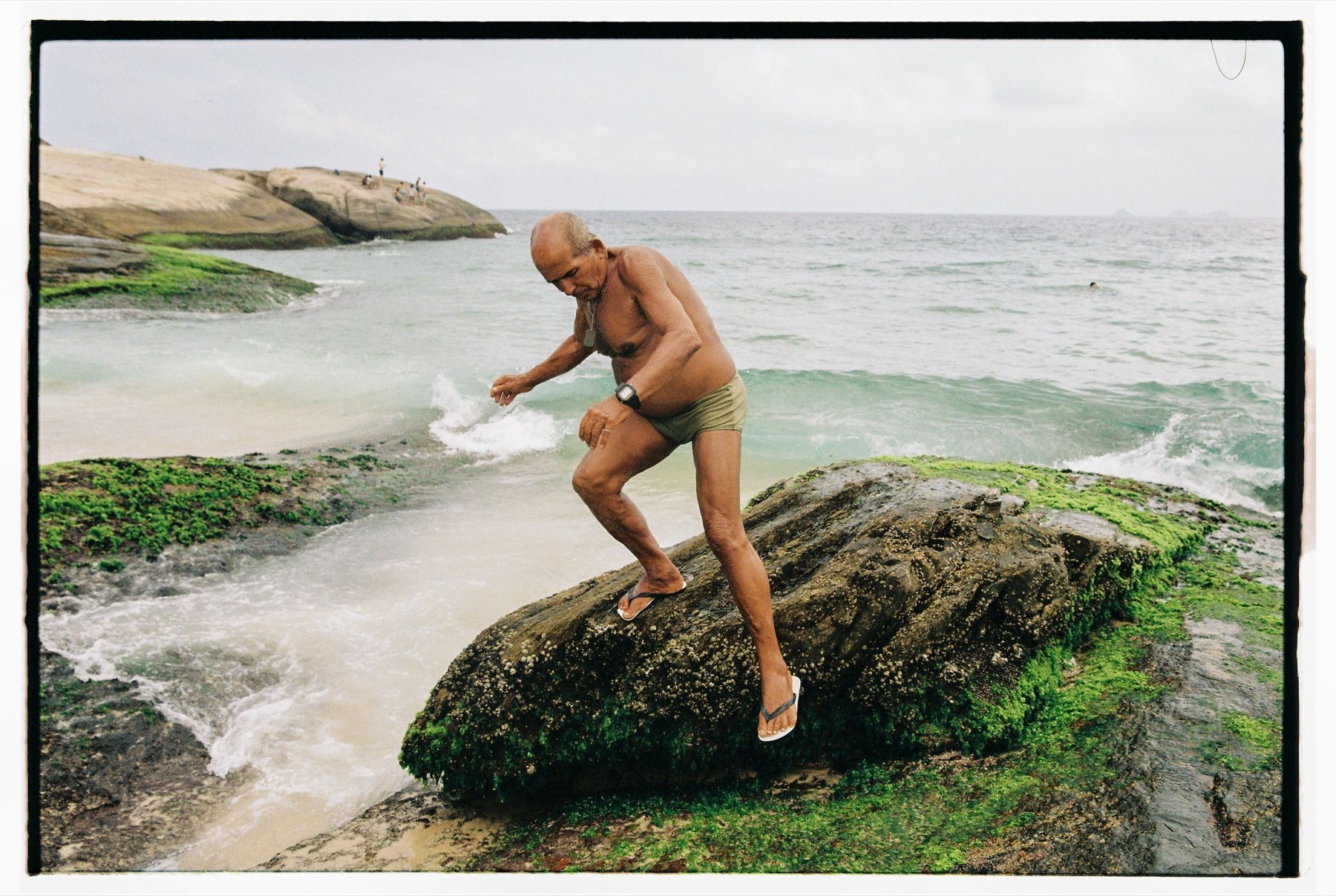

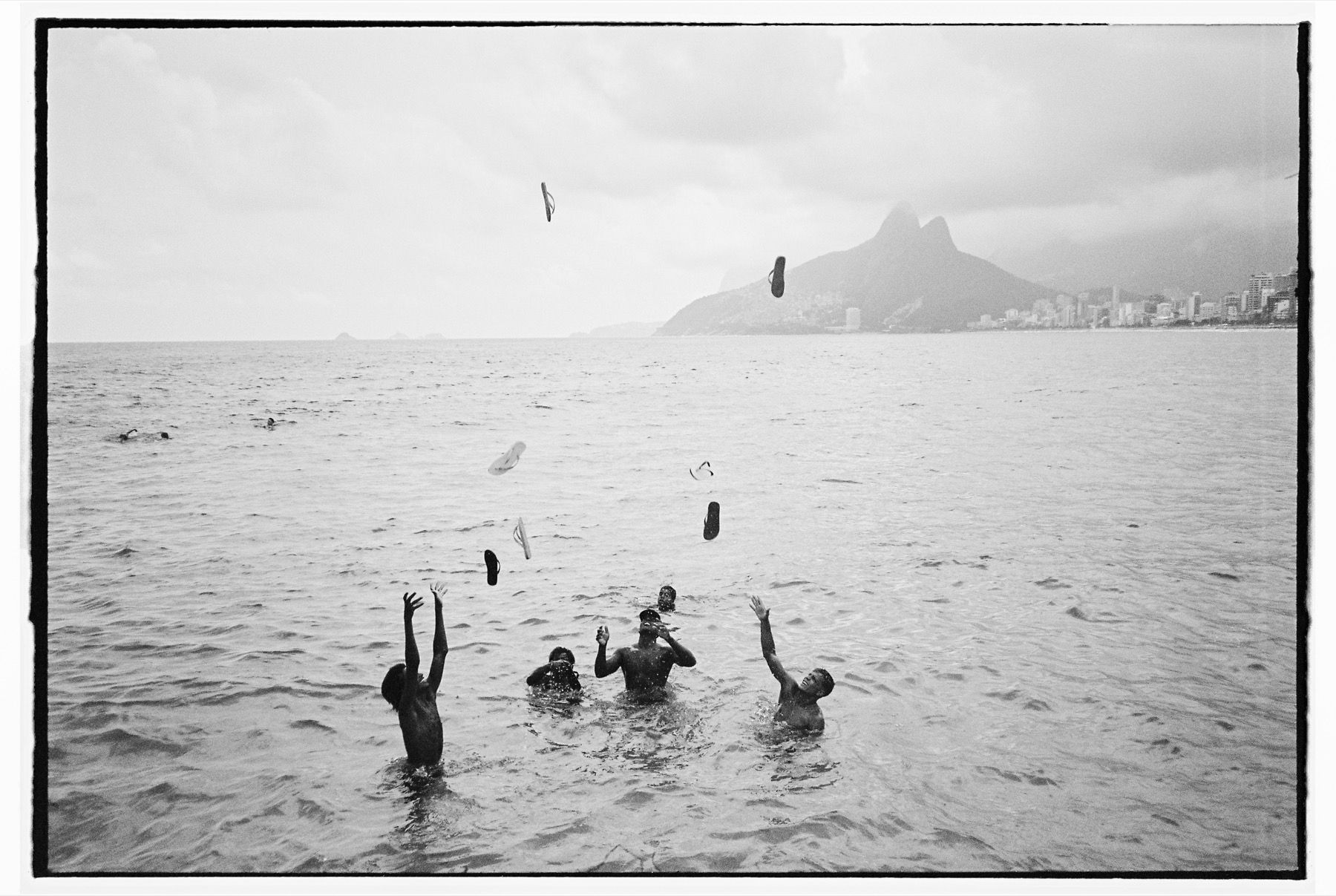
More than a simple nostalgic exercise, the return of TRADI places Havaianas within a broader movement among brands rediscovering their archives to strengthen authenticity and identity. More than sixty years after its creation, the original flip-flop remains the clearest expression of the brand’s DNA: simple, recognizable and deeply connected to Brazilian culture. With the return of TRADI, Havaianas does not simply bring back a product, it reaffirms the design that transformed a simple flip-flop into a true global cultural icon.