.gif 2000w)


























Why is Kering betting big on jewellery When fashion doesn't pay, it's time to let gold and diamonds talk
Kering, now under the leadership of CEO Luca de Meo, is going through a delicate phase: in 2025 it recorded the third consecutive year of declining sales, with the fashion and leather goods segment in severe distress. Debt has accumulated, investments have grown, and De Meo's new task now is to chart a completely new course, make the group's structure more efficient and, in short, start making money.
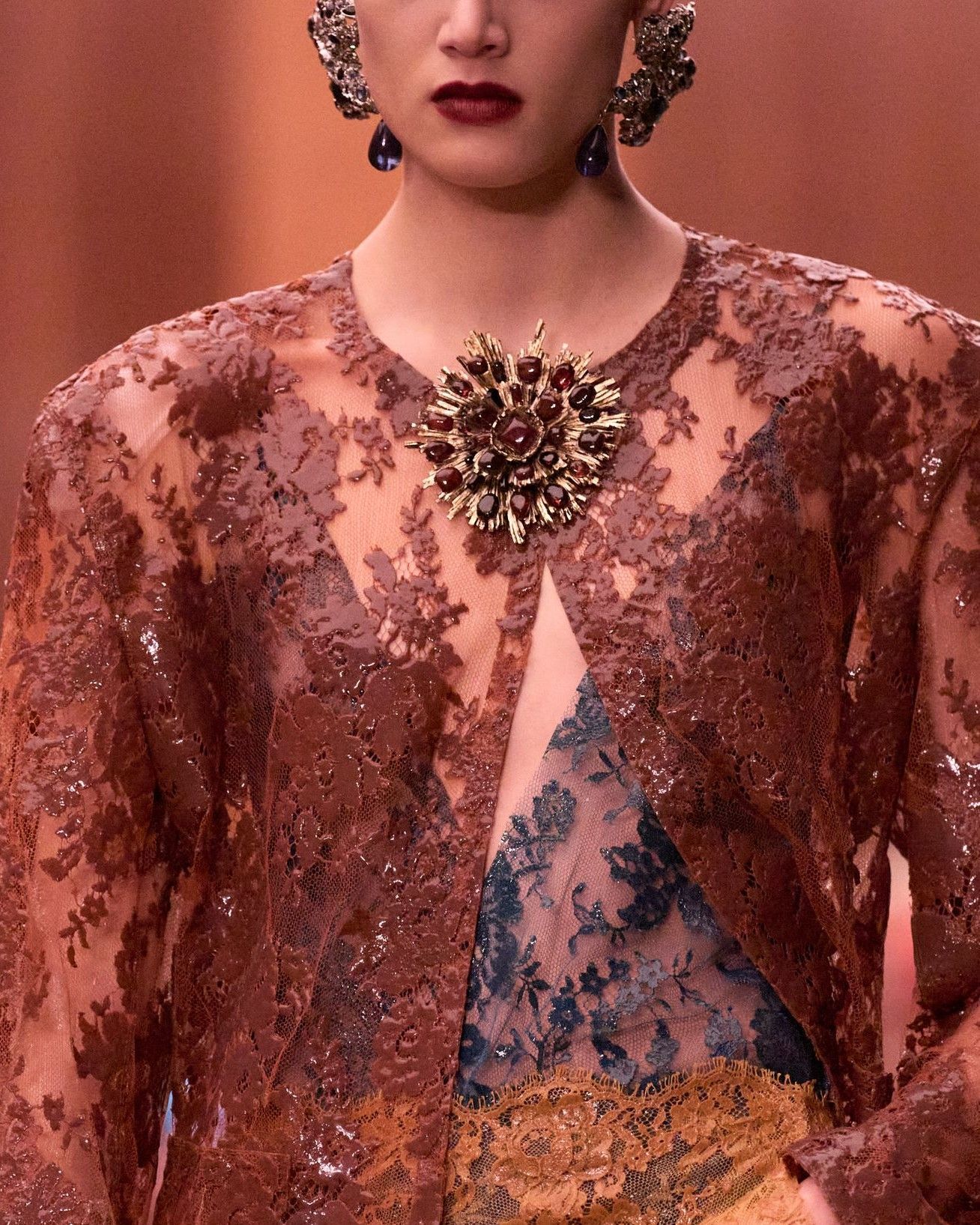
And, apparently, at a time when fashion is languishing, De Meo has decided to bet on gold, silver and diamonds with the creation of a division dedicated to internalizing the group's jewelry production. The move is significant because it implies that the next category to develop—or at least to resist—will be jewelry itself, which is clearly seen as capable of offsetting the difficulties of fashion and driving the entire group toward recovery. But let's look at the operation in more detail.
A new entity
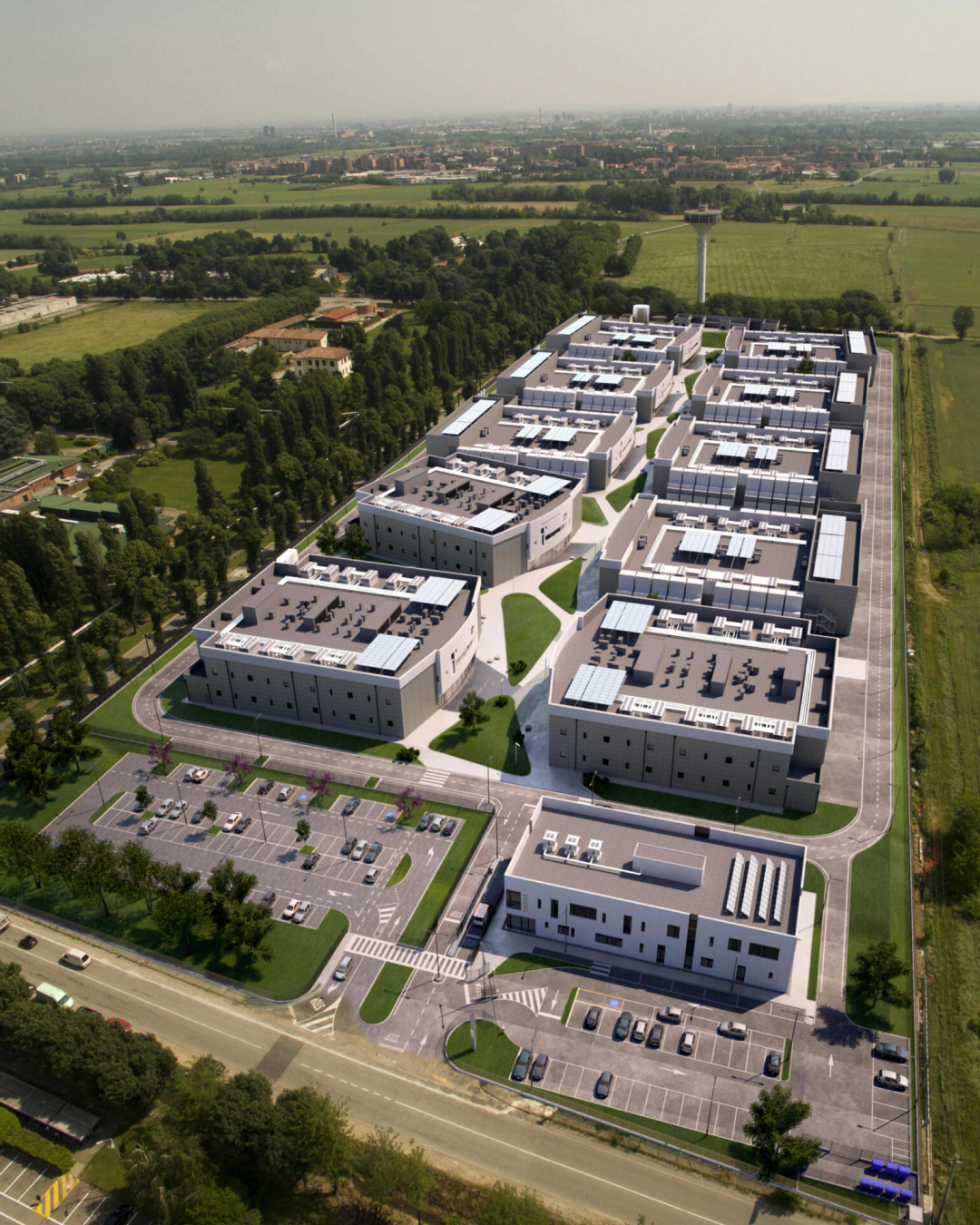
The new entity born within the group will be called Kering Jewelry and will serve to structure and accelerate the growth of its jewelry maisons: Boucheron, Pomellato, Dodo and Qeelin, which together generate nearly 1 billion euros in annual revenues. The new hub will also integrate the progressive acquisition of the Italian group Raselli Franco, specialized in high jewelry manufacturing, which will bring its savoir-faire and cutting-edge technologies.
At the helm of the new hub, Jean-Marc Duplaix has been immediately appointed, already group chief operating officer, to whom the CEOs of the individual maisons will report directly. In a press note, the group explained that the new division «will operate as an integrated platform to support the growth of the houses», and «will also enable the group to seize new opportunities in this category, including for its fashion and leather goods maisons».
Kering's growing interest in jewelry
@boucheronofficial Inside the studio, tracking every illusion from suspension sleight of hand to the final shot for the latest High Jewelry Histoire de Style collection, Nom : Boucheron Prénom : Frédéric. #Boucheron #HighJewerly #HistoiredeStyle son original - Boucheron
The creation of the new division is part of a broader plan. In recent months, in fact, Kering has been screening its businesses to free up resources and focus on the most promising areas. Last October Kering sold its beauty division to L’Oréal for 4 billion euros, including Creed and long-term licenses for its top brands, to retain the gains but reduce debt and exit a complex business that requires heavy investments like beauty.
The important part is that beauty, by its nature, is very profitable even though it requires dedicated ecosystems because it cannot be managed like another luxury business. While maintaining the licenses for its brands, the proceeds from the sale to L’Oréal, along with the professionals who worked there, will be redirected to jewelry.
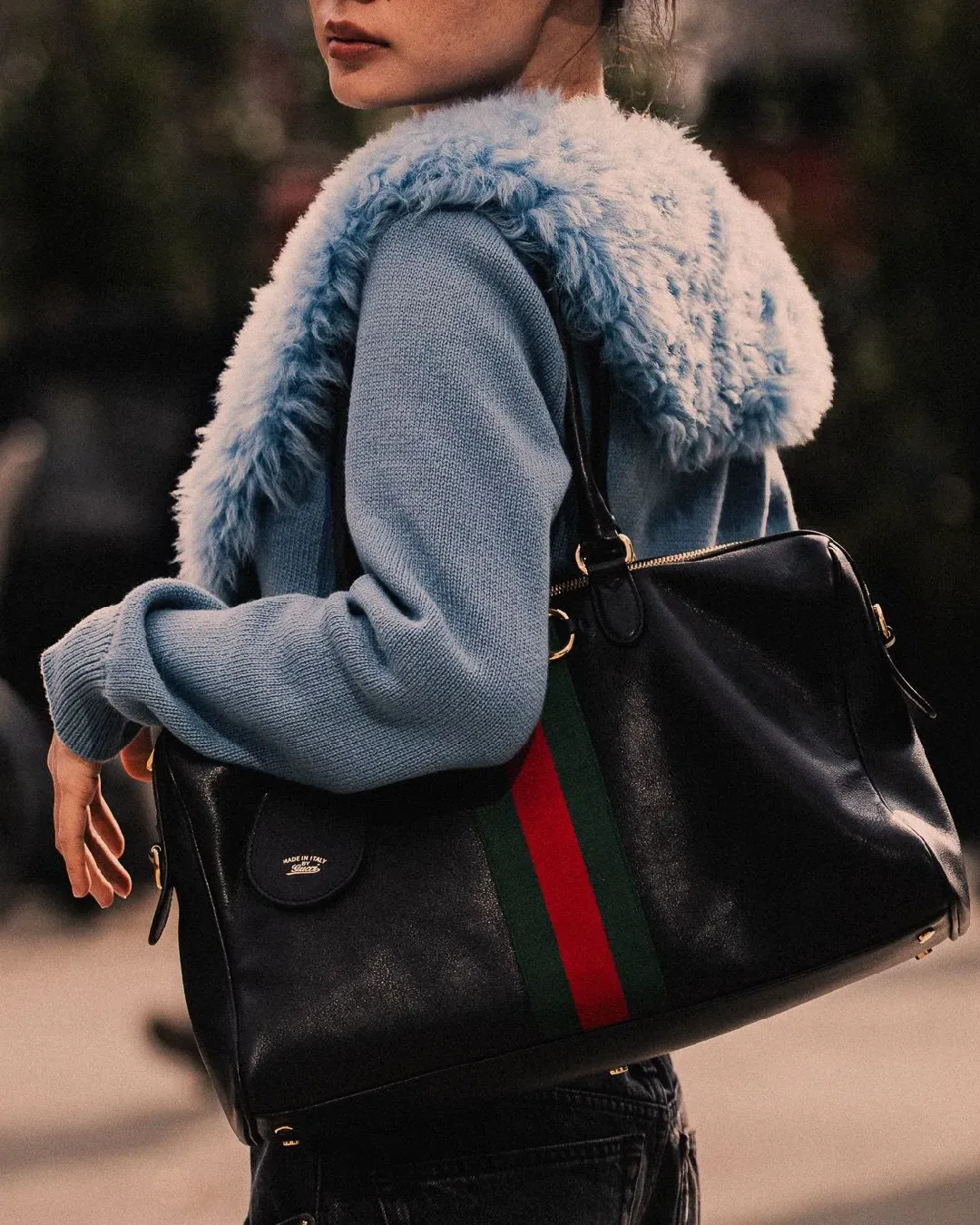
In addition to the new organizational structure and the acquisition of Raselli Franco, De Meo has said he wants to expand the jewelry offering of the fashion brands as well, recalling that ten years ago Gucci was doing three times the current business in this category. In short, if licenses can be outsourced to others, offloading various risks as well, jewelry is particularly interesting, especially because it represents a much more solid and reliable value proposition than that of fashion.
Is jewelry a resilient form of luxury?
Men’s jewelry is heating up.
— (@dannybuck) March 11, 2026
Cartier at the top with around $1b in sales.
Yurman men’s circa $200m.
A bunch of us in the $50-$100m range.
Batting off VC money.
Surfing the self-funded surfboard.
Complicated categories.
Size variations.
Massive CAGR’s and TAMs
Growing 21%…
In the midst of a luxury crisis that threatens the very foundations of the fashion industry, it is precisely jewelry that is holding up. If clientele is seeking exclusive experiences and made-to-measure products, jewelry is the last category that retains its value and grows. The most emblematic case is Richemont, owner of Cartier, Van Cleef & Arpels, Buccellati and Vhernier, which in 2025 generated 15.3 billion euros growing by 8% compared to the previous year, with double-digit peaks in several quarters.
According to Bain, the global luxury jewelry market closed 2025 with an estimated growth between 4% and 6% which is far superior to the average for the luxury sector, which is instead declining or stagnant. And for Kering, let's say the investment is more appealing than for others. In the fourth quarter of 2025 the group's jewelry division grew by 10% reaching 266 million euros; for the full year revenues were 935 million: little compared to the 12.2 billion of the fashion and leather goods segment but still growing against an 11% decline in fashion. It is exactly this performance gap that explains why Kering is betting everything on this category. But the definitive verdict will come on April 16 in Florence with Kering's investor meeting that will outline the group's future course.
Takeaways
- Kering, facing a crisis with three consecutive years of sales decline (especially in the fashion and leather goods segment), is strongly betting on jewelry as a key driver for turnaround under CEO Luca de Meo.
- The group has created a dedicated new division, Kering Jewelry, to accelerate the growth of Boucheron, Pomellato, Dodo, and Qeelin (nearly 1 billion euros in annual revenues), while also integrating the acquisition of Raselli Franco to strengthen in-house high jewelry production.
- In parallel, Kering sold its beauty division to L’Oréal for 4 billion euros to reduce debt and redirect resources toward jewelry, a category perceived as more resilient and with higher margin potential than fashion.
- The luxury jewelry sector is outperforming the broader market average (4-6% growth in 2025 according to Bain, against a stagnant or declining overall luxury sector), and for Kering this division is already accelerating (+10% in Q4 2025), confirming the strategic bet ahead of the definitive roadmap at the Capital Markets Day on April 16, 2026, in Florence.